
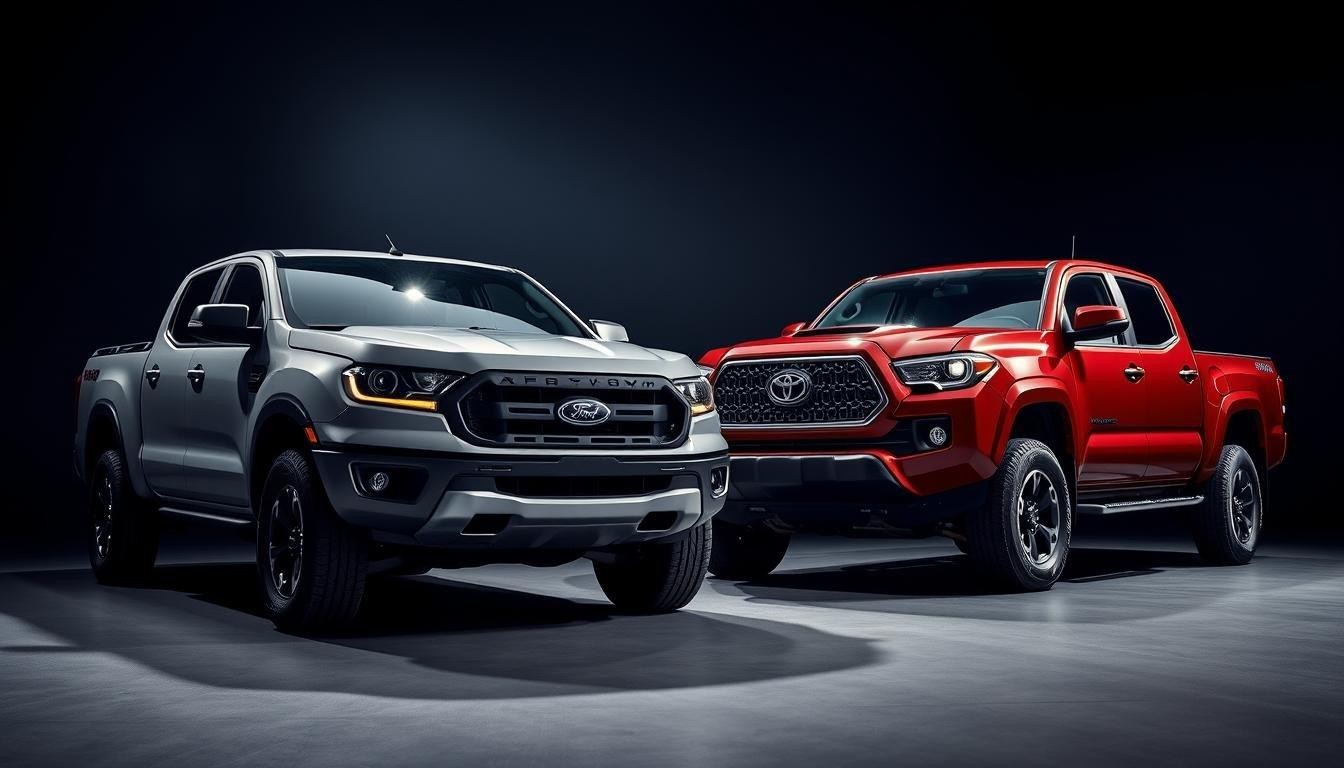
The compact and midsize truck segment has quietly become the most interesting corner of the new-car market. Buyers want truck capability without the bloat of a full-size Silverado or F-150. Automakers have responded with everything from unibody lifestyle trucks to hybrid off-roaders.
But not every “small truck” earns its price tag. Some trucks in this class deliver genuine engineering value, strong towing numbers, and long-term reliability. Others simply trade on badge loyalty or offer very little over a cheaper sibling.
This guide breaks down five compact and midsize trucks that are genuinely worth your money in 2026. It also covers five that look tempting on paper but fall short once you dig into the specs, pricing, and ownership costs.
Every entry includes real specifications pulled from current 2026 model-year data. No filler, no vague “great truck” statements. Just the numbers and reasoning you need to make a decision.
Whether you’re cross-shopping a Ford Maverick against a Hyundai Santa Cruz, or wondering if the Jeep Gladiator is worth the premium, this comparison should settle it.
THE 5 WORTH BUYING
The Toyota Tacoma i-FORCE MAX Hybrid leads with 465 lb-ft of torque and strong resale value. The Ford Maverick Hybrid delivers unmatched efficiency and value starting at $28,145.
The Hyundai Santa Cruz offers SUV-like comfort backed by Hyundai’s industry-best warranty. The Chevrolet Colorado’s new turbocharged engine leads the segment in towing at 7,700 lbs, and the Honda Ridgeline provides car-like comfort with strong reliability.
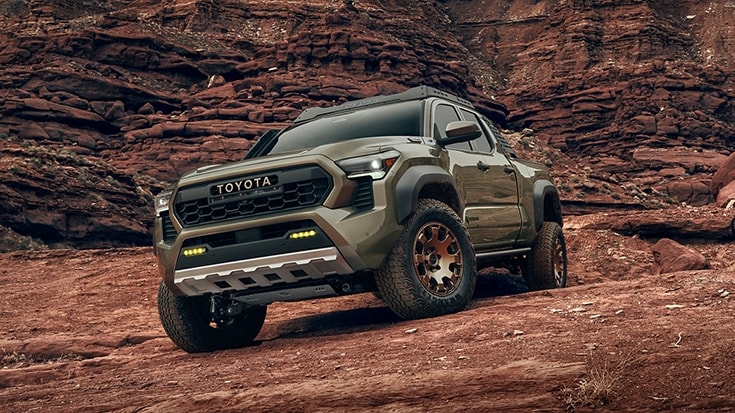
1. Toyota Tacoma i-FORCE MAX Hybrid
The Toyota Tacoma has firmly retained its crown as the segment’s best-selling midsize truck, and the modern hybrid iteration backs up that dominant reputation with staggering real-world numbers.
Moving away from the aging architecture of past decades, this generation is built upon Toyota’s robust TNGA-F global truck platform. That structural shift brought an aggressively stiffer boxed-steel frame, a sophisticated multi-link rear coil suspension, and profoundly better on-road driving manners than any outgoing Tacoma model could ever claim.
Specifications:
- Engine: 2.4L turbocharged 4-cylinder i-FORCE MAX hybrid
- Horsepower: 326 hp | Torque: 465 lb-ft
- Transmission: 8-speed automatic
- Towing: up to 6,000 lbs
- Fuel Economy: 23 mpg combined (EPA-estimated)
- Starting Price (hybrid trims): around $46,900
At the heart of the system, the i-FORCE MAX hybrid powertrain cleverly pairs a responsive 2.4-liter turbocharged four-cylinder engine with an electric motor neatly integrated directly into the transmission bellhousing.
This dynamic combination churns out a massive combined output of 326 horsepower and a class-leading 465 lb-ft of torque. That torque figure is arguably the most critical metric for truck buyers, translating into effortless low-end pull when crawling over boulders, launching a heavy boat out of a slippery ramp, or accelerating up steep mountain grades without forcing the transmission to hunt constantly for gears.
Beyond raw capability, stellar resale value remains a quiet baseline strength for the brand. Toyota trucks consistently dominate long-term depreciation charts across the entire automotive industry, protecting your initial financial investment much better than domestic rivals.
Furthermore, the hybrid system is engineered as a true performance enhancer rather than a mere fuel-economy gimmick, netting solid EPA-estimated efficiency while delivering instant throttle response.
Choosing the right trim level is essential for getting the best value out of the lineup. While budget-focused buyers can opt for basic gas-only configurations, the mid-tier TRD Sport and TRD Off-Road hybrid versions hit the absolute sweet spot of price, capability, and technology.
The electrified powertrain’s enormous torque output and refined daily drivability make the price step entirely worth it for the vast majority of truck owners.
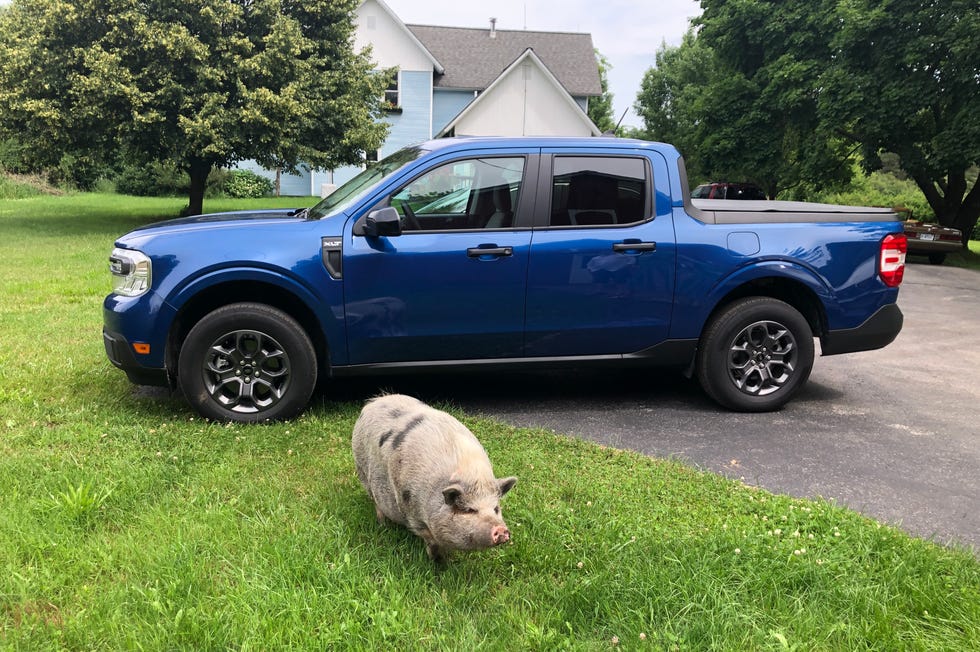
2. Ford Maverick Hybrid
The Ford Maverick completely reinvented and revitalized the compact truck segment when it first launched, proving there was massive untapped demand for an affordable, highly efficient, and practical small pickup.
The latest model year refines that winning formula rather than trying to reinvent it from scratch, doubling down on what everyday drivers loved about the original concept.
In a meaningful shift catering directly to efficiency-first buyers, the hybrid powertrain now comes standard across almost the entire lineup, making high-mileage utility more accessible than ever before.
Specifications:
- Engine: 2.5L hybrid I-4 (standard) or 2.0L EcoBoost turbo I-4 (optional)
- Horsepower: 191 hp hybrid | 250 hp EcoBoost
- Torque: 155 lb-ft hybrid | 280 lb-ft EcoBoost
- Towing: 2,000 lbs hybrid | 4,000 lbs EcoBoost
- Fuel Economy: up to 42 mpg city (hybrid)
- Starting Price: $28,145
Designed primarily for urban commuters, suburban homeowners, and weekend DIY enthusiasts who occasionally need a cargo bed rather than hardcore off-road warriors, the hybrid setup delivers modest horsepower paired with genuinely exceptional city fuel economy.
For buyers who demand more punch and towing muscle, the optional EcoBoost turbocharged four-cylinder engine remains available, roughly doubling the maximum towing capacity of the hybrid variant.
Built on a car-like unibody platform shared with Ford’s popular crossover SUVs, the Maverick offers ride quality, handling agility, and parking ease that traditional body-on-frame midsize trucks simply cannot match.
A standout feature for modern utility is Ford’s available power integration, allowing the vehicle to function as a mobile generator capable of powering job-site tools or even keeping essential household appliances running during unexpected power outages a capability almost unheard of at this price point.
Pricing remains the Maverick’s absolute biggest competitive weapon. It undercuts nearly every single rival on the market by thousands of dollars while offering more than enough everyday utility for the average household.
For shoppers going through the trim ladder, the XLT trim represents the ultimate sweet spot for value, adding essential creature comforts and functional bed tie-downs without pushing the price tag into expensive luxury territory.
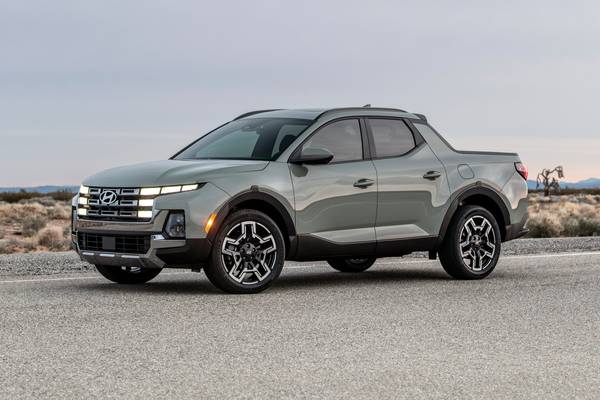
3. Hyundai Santa Cruz
The Santa Cruz gets dismissed by truck purists for its unibody construction. That dismissal ignores what most buyers actually need day to day. This is a genuinely comfortable, SUV-like vehicle with a proper bed.
It drives nothing like a traditional body-on-frame midsize truck. The turbocharged engine option is the one to choose. It closes most of the performance gap with body-on-frame rivals.
Hyundai’s warranty coverage remains the best in the industry. That safety net matters for long-term ownership costs.
Specifications:
- Engine: 2.5L I-4 (standard) or 2.5L turbo I-4 (XRT/Limited)
- Horsepower: 191 hp standard | 281 hp turbo
- Torque: 181 lb-ft standard | 311 lb-ft turbo
- Towing: 3,500 lbs standard | 5,000 lbs turbo
- Length: 195.7 inches
- Starting Price: $29,750
The turbo model’s 311 lb-ft of torque is genuinely competitive. It rivals numbers from much larger, more expensive trucks. Interior quality outshines most compact trucks in this price range. Hyundai borrowed heavily from its SUV lineup for cabin materials.
Bed size is the tradeoff to accept here. At just 4 feet, it’s shorter than most true compact truck rivals. For buyers who won’t haul plywood sheets or full-size furniture, that tradeoff barely matters. The comfort gains outweigh the cargo loss.
4. Chevrolet Colorado
Chevy simplified the Colorado lineup for 2026, and the result is a more focused, more capable truck. Every trim gets serious power now. The single engine choice, a turbocharged 2.7-liter four-cylinder, replaced the old V6 option entirely.
Output actually improved in the swap. This TurboMax engine produces more torque than most V6 alternatives in the class. It also handles towing duty impressively well.
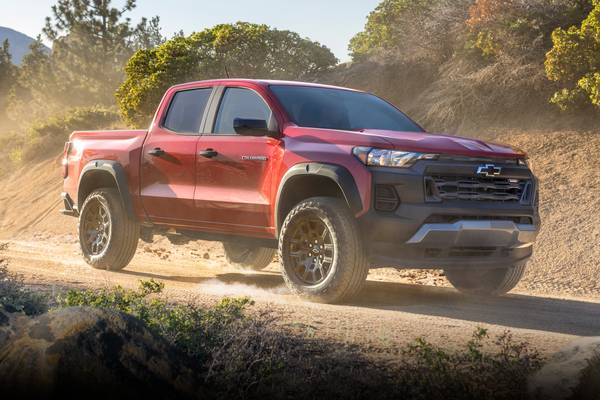
The ZR2 trim brings genuine off-road hardware. Multimatic spool-valve dampers and factory lift set it apart from soft “off-road styled” trims elsewhere.
Specifications:
- Engine: 2.7L TurboMax turbocharged I-4
- Horsepower: 310 hp | Torque: 430 lb-ft
- Transmission: 8-speed automatic
- Towing: up to 7,700 lbs
- Length: 213.2 inches
- Starting Price: $34,495
That towing figure leads the segment. It beats most rivals by a meaningful margin, hybrid or not. Standard driver-assist features across every trim is a notable value point. Forward collision alert and lane departure warning come baked into the base price.
Rear-seat space also stands out. Chevy engineered genuinely more legroom than most direct competitors offer. The Trail Boss trim balances price and capability best. It gets most ZR2 off-road cred without the ZR2 price tag.
Also Read: 10 Trims That Depreciate Slower Than the Base Model
5. Honda Ridgeline
The Ridgeline gets overlooked because it doesn’t look or drive like a “real” truck. That’s precisely why it deserves consideration. Built on a unibody platform shared with Honda’s SUVs, it drives smoother than any body-on-frame rival here.
Long commutes feel noticeably less punishing. Every trim comes standard with all-wheel drive and Honda’s i-VTM4 torque-vectoring system. Traction in bad weather is genuinely strong.
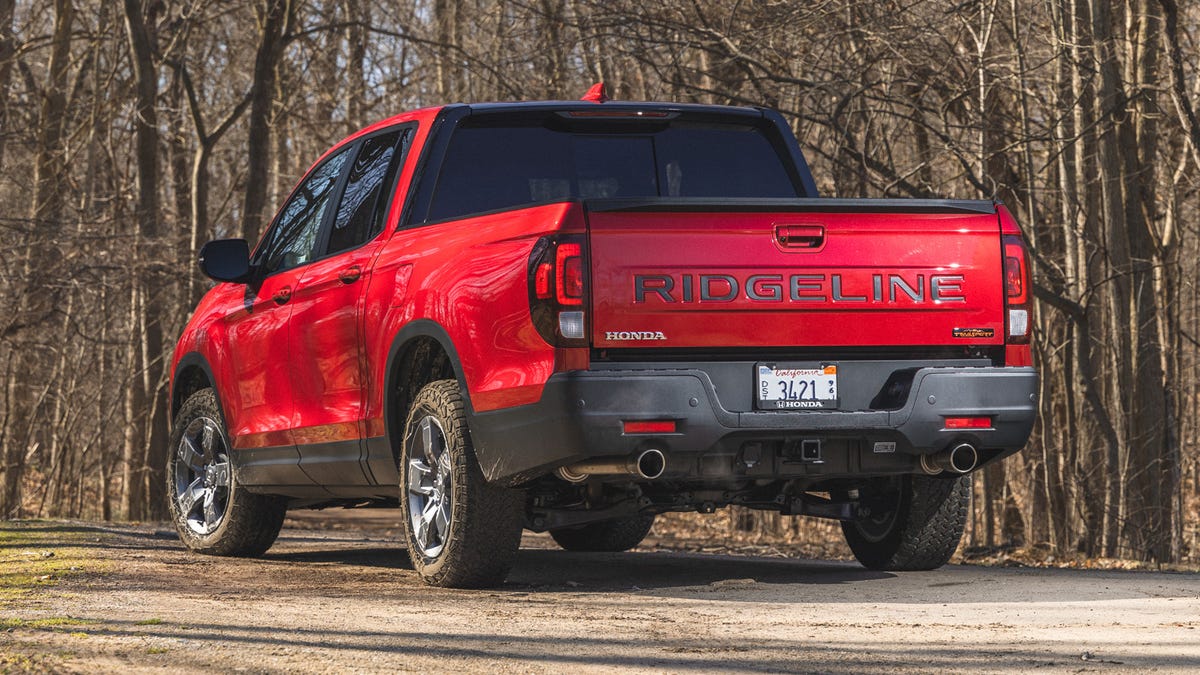
The dual-action tailgate and lockable in-bed trunk are the kind of practical touches other trucks simply don’t offer. Reliability data consistently favors Honda over most midsize truck rivals. Fewer owner complaints, fewer recalls, better resale.
Specifications:
- Engine: 3.5L V6
- Horsepower: 280 hp | Torque: 262 lb-ft
- Transmission: 9-speed automatic
- Towing: up to 5,000 lbs
- Fuel Economy: 21 mpg combined
- Starting Price: $40,595
The tradeoff is capability at the extremes. Towing tops out lower than body-on-frame rivals, and there’s no low-range 4WD for serious rock crawling.
For buyers who tow small trailers, haul gear, and want SUV comfort, none of that matters. It’s a truck built for real-world use, not brochure specs. Price is steep for what looks like a compact truck. But equipment levels and comfort justify it against similarly priced rivals.
THE 5 TO SKIP
The Jeep Gladiator suffers below-average reliability and poor fuel economy. The Nissan Frontier lacks turbo or hybrid options. The GMC Canyon charges thousands more for a Colorado-identical platform. The Ford Ranger drops cab/bed flexibility, and the Rivian R1T’s price far exceeds typical compact truck budgets.
1. Jeep Gladiator
The Gladiator wears Wrangler styling and Wrangler off-road hardware bolted to a truck bed. That combination sounds appealing until you drive it daily.
Solid front and rear axles deliver excellent trail capability. They also deliver a stiff, wandering ride on regular pavement. Consumer Reports predicts below-average reliability for the current generation. That’s a real concern at this price point.
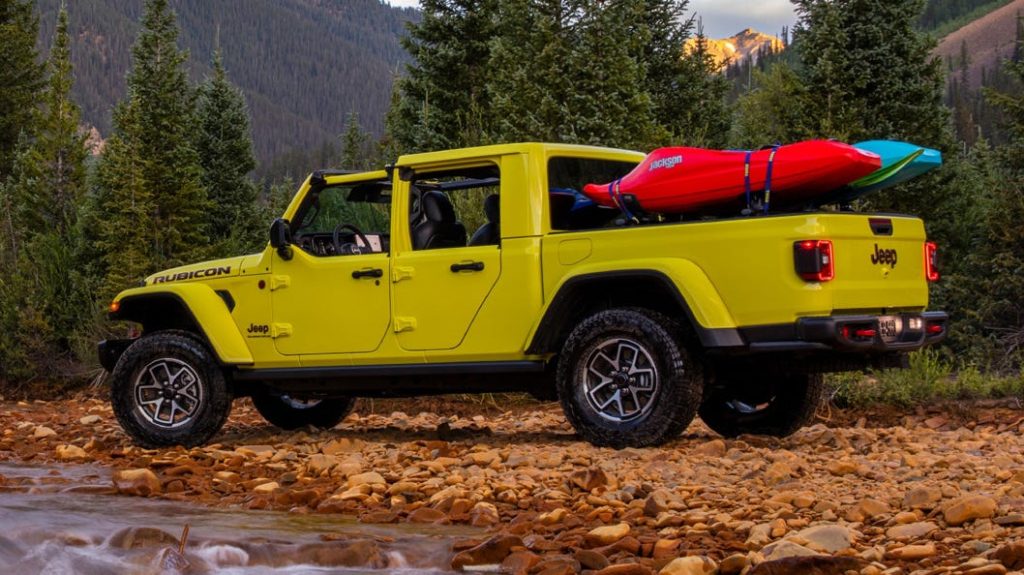
The base engine is a carryover V6 that feels dated next to turbocharged rivals. It needs high RPM to make real power. Fuel economy sits near the bottom of the class too. Expect 19 mpg combined at best under real-world conditions.
Specifications:
- Engine: 3.6L Pentastar V6
- Horsepower: 285 hp | Torque: 260 lb-ft
- Transmission: 8-speed automatic
- Length: 218 inches
- Starting Price: $40,825
Base trims also lack modern safety tech. Forward collision warning and automatic emergency braking only start appearing on the Sport S trim and above.
Depreciation is another concern worth flagging. Owner reports describe steep trade-in losses within the first year of ownership. If open-air off-roading is the priority, the Gladiator remains unmatched. For daily-driver truck duty, better options exist below its price.
2. Nissan Frontier
The Frontier’s V6 sounds appealing on a spec sheet. In practice, it’s the segment’s least efficient and least modern powertrain choice. Every trim runs the same naturally aspirated 3.8-liter V6.
There’s no turbo option, no hybrid, and no plan announced for either. Fuel economy suffers as a result. Combined ratings sit around 19 to 21 mpg, trailing turbocharged and hybrid rivals by a wide margin.
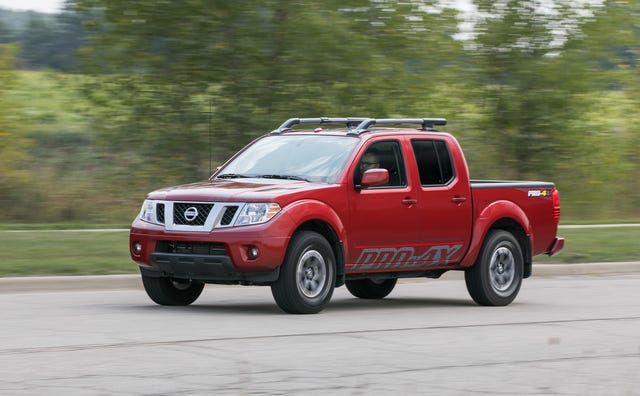
The cabin technology, while updated in the last redesign, already feels a step behind rivals like the Tacoma and Colorado. Towing capacity is genuinely competitive on paper. But real-world reviewers note the transmission hunts for gears under heavy loads.
Specifications:
- Engine: 3.8L V6
- Horsepower: 310 hp | Torque: 281 lb-ft
- Transmission: 9-speed automatic
- Towing: up to 7,150 lbs
- Starting Price: $32,150
Resale value historically lags behind Toyota and Honda trucks. That gap widens further as newer, more efficient rivals enter the market. The Pro-4X off-road trim adds genuine hardware like Bilstein shocks and skid plates.
It’s the one Frontier trim worth real consideration. For most shoppers though, a turbocharged four-cylinder rival delivers similar power with meaningfully better efficiency and updated tech.
3. GMC Canyon
The Canyon shares its platform, engine, and chassis entirely with the Chevrolet Colorado. That’s the core problem with buying one. GMC charges a substantial premium for the same 310-horsepower turbo engine.
Buyers are paying for badge and trim exclusivity, not new engineering. The price gap between comparably equipped Colorado and Canyon trims often exceeds $5,000. That’s a steep cost for wood trim and a different grille.
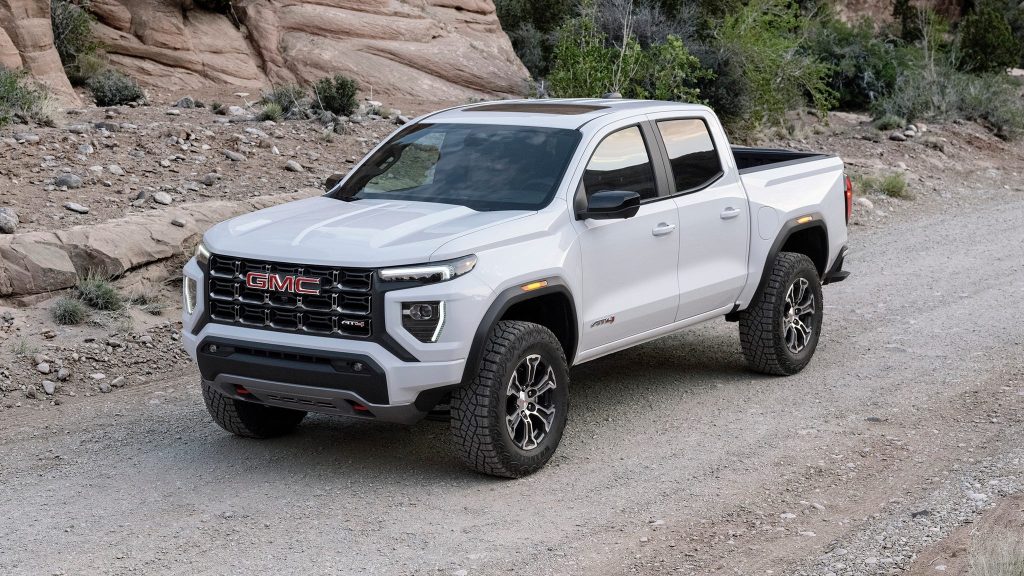
Reliability scores mirror the Colorado closely, as expected given the shared platform. There’s no durability advantage to justify the premium. Denali trim buyers do get massaging seats and open-pore wood trim. Those touches feel genuinely upscale inside the cabin.
Specifications:
- Engine: 2.7L TurboMax turbocharged I-4
- Horsepower: 310 hp | Torque: 430 lb-ft
- Transmission: 8-speed automatic
- Towing: up to 7,700 lbs
- Starting Price: $40,995
But every mechanical spec, from towing to fuel economy to off-road hardware, matches the cheaper Colorado. The AT4X and ZR2 trims are functionally identical trucks.
Depreciation typically hits luxury-badged versions of shared-platform vehicles harder. Buyers often lose more value relative to the purchase premium paid. Unless the Denali’s specific interior finishes matter enormously to you, the Colorado delivers everything that counts for thousands less.
4. Ford Ranger
The Ranger is a genuinely competent truck mechanically. The problem is Ford’s decision to strip away configuration flexibility that rivals still offer. Every 2026 Ranger comes only as a crew cab with a 5-foot bed. There’s no extended cab option and no long-bed choice.
Rivals like the Tacoma and Frontier still offer multiple cab and bed combinations. Buyers who need a longer bed for work simply can’t get one here.
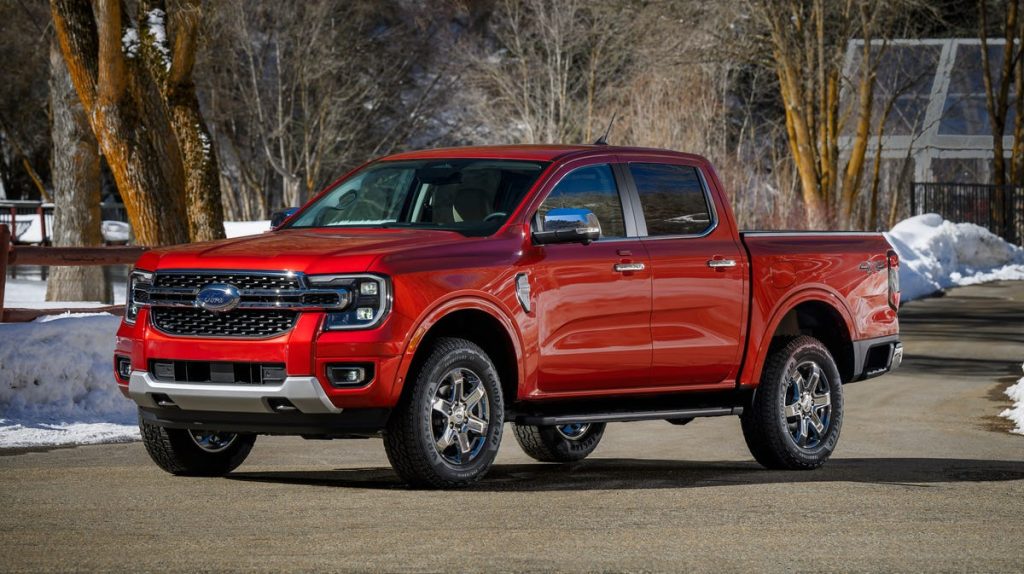
The base engine performs well, but pricing climbs quickly once you add the V6 or step into higher trims. Notably, the optional V6 doesn’t even increase towing capacity over the base four-cylinder. It adds cost and worse fuel economy for marginal power gains.
Specifications:
- Engine: 2.3L EcoBoost turbo I-4 (standard) or 2.7L turbo V6 (optional)
- Horsepower: 270 hp I-4 | 315 hp V6
- Torque: 310 lb-ft I-4 | 400 lb-ft V6
- Towing: up to 7,500 lbs
- Starting Price: $33,350
There’s also no hybrid powertrain offered anywhere in the lineup. That puts the Ranger behind Toyota and Ford’s own Maverick on efficiency. The Raptor trim is a genuine off-road standout with 405 horsepower.
But it starts near $57,000, pricing out most compact-truck shoppers entirely. For buyers who specifically need bed or cab flexibility, this rigid one-size lineup is a real dealbreaker worth skipping past.
5. Rivian R1T
The R1T is an engineering marvel with staggering performance numbers. It’s also a poor fit for anyone shopping the compact or midsize truck budget range.
Pricing starts near $73,000 and climbs past $120,000 for range-topping configurations. That’s double or triple what most compact truck buyers plan to spend.
Charging infrastructure remains inconsistent outside major metro areas. Long road trips require more planning than a gas or hybrid truck ever demands.
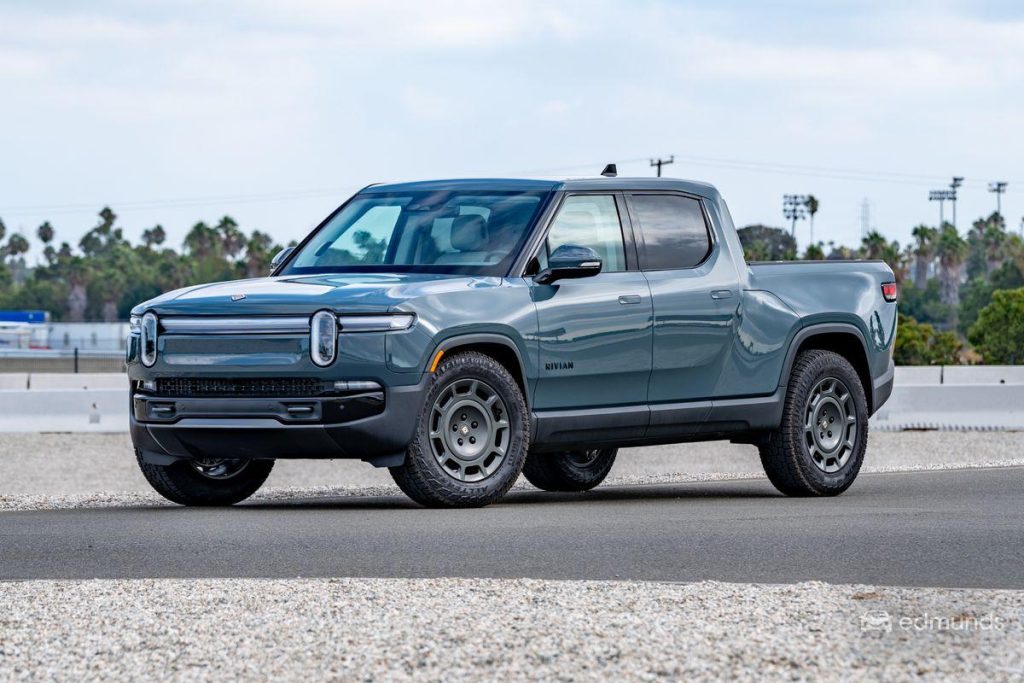
The truck also lacks Apple CarPlay and Android Auto, an odd omission at this price point that frustrates many owners. Weight is another hidden issue. Battery packs push curb weight well past 6,000 pounds, which increases tire wear and reduces real-world range under load.
Specifications:
- Motors: Dual, Tri, or Quad configuration
- Horsepower: 533 hp to 1,025 hp
- Range: 258 to 420 miles depending on configuration
- Towing: up to 11,000 lbs
- Starting Price: $72,990
Resale value for electric trucks remains unpredictable industry-wide. Rapid battery technology improvements can accelerate depreciation on current models.
The R1T genuinely excels at what it does. Off-road capability, acceleration, and interior tech are all class-leading among electric trucks specifically.
Also Read: What Public Fast Charging Costs per Mile vs Gasoline
