
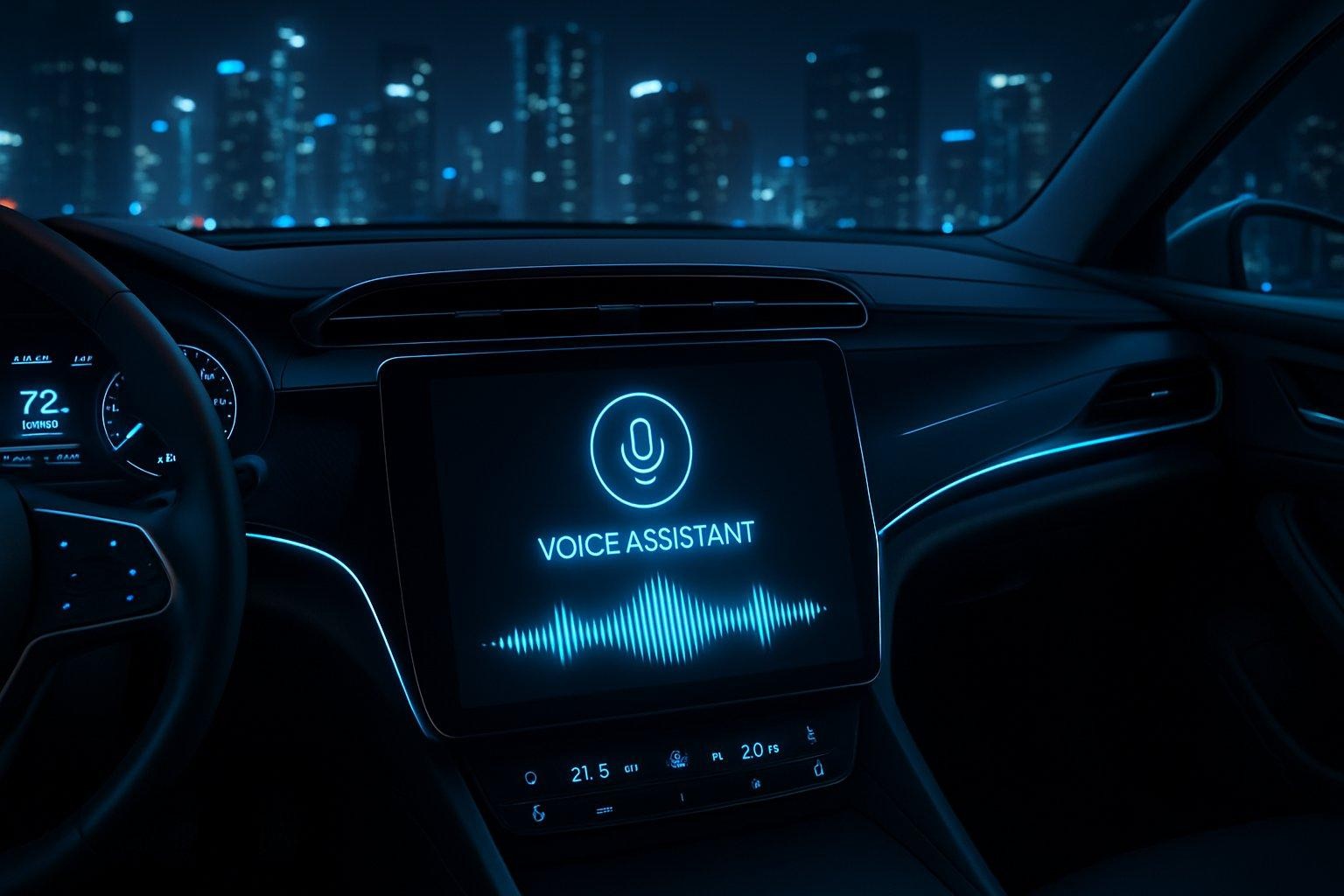
Modern cars have become rolling computers. Somewhere in that transformation, microphones quietly became standard equipment. They listen for wake words like “Hey Mercedes” or “Hey BMW.” They power hands-free calling, eCall emergency systems, and cloud-connected voice assistants.
The problem is that “listening for a wake word” and “never fully switching off” are closer to the same thing than most owners realize. Passive audio monitoring runs continuously in the background.
This is different from a phone assistant you can disable with one toggle. In many vehicles, the microphone array is wired into safety systems like automatic crash notification.
That means it cannot be physically disconnected without disabling emergency SOS functions. The mic sits in a permanent, low-power listening state instead.
Automakers describe this as passive standby, not recording. Industry researchers and journalists have raised concerns that the line between “standby” and “active capture” is blurrier than it appears.
1. Mercedes-Benz E-Class
The E-Class runs MBUX, Mercedes’ voice and gesture platform. It listens constantly for the phrase “Hey Mercedes.” Mercedes went further with a feature called “Just Talk.”
This lets drivers activate voice control without saying the wake word at all, and a red microphone icon appears on the display to show the car is ready and waiting for commands.
That means the cabin mic array is actively monitoring speech even without a trigger phrase. It’s a deliberate always-ready listening mode, not an occasional check-in.
The system also pairs with an MBUX Interior Assistant that uses infrared cameras integrated into the roofline to detect occupants’ movements and body language. Audio and visual sensing work together here.
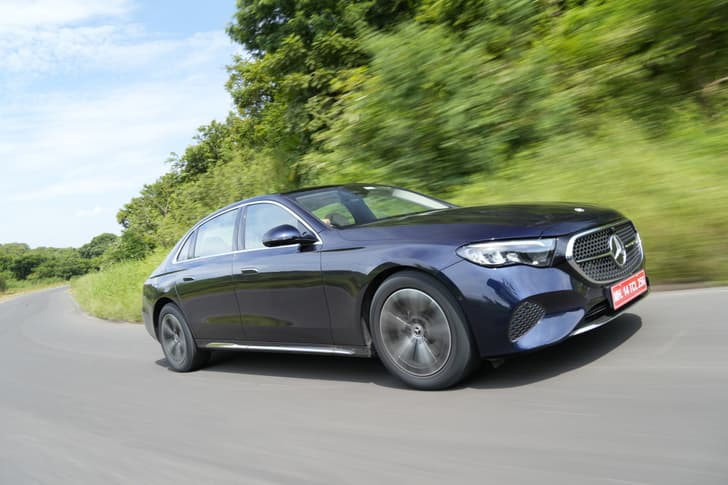
Mercedes markets this as intelligent convenience. Critics note that combining constant audio monitoring with in-cabin cameras raises the surveillance stakes considerably.
The newer MB.OS-based virtual assistant adds large language model processing. It aims for more conversational, human-like interaction, handling everything from climate control to general knowledge questions.
That conversational depth requires more sustained listening, not less. The mic effectively becomes a permanent cabin resident rather than a switch you flip on.
Specifications:
- Engine: 2.0L Turbocharged Inline-4
- Horsepower: 255 hp
- Torque: 295 lb-ft
- Length: 197.7 in
- Width: 74.4 in
2. BMW iX
BMW’s Intelligent Personal Assistant answers to “Hey BMW.” The system is designed for constant background listening. BMW’s own documentation confirms the car “will always listen for ‘Hey BMW'” and can also be triggered manually via the steering wheel microphone button. That phrasing is refreshingly direct compared to most brands.
The assistant handles climate, navigation, and lighting through natural phrasing. Owners can say things like “I’m feeling tired” or “I want more bass” instead of memorizing rigid commands.
That flexibility requires understanding full sentences, not just detecting a keyword. The onboard processor is parsing continuous audio streams to make that work.
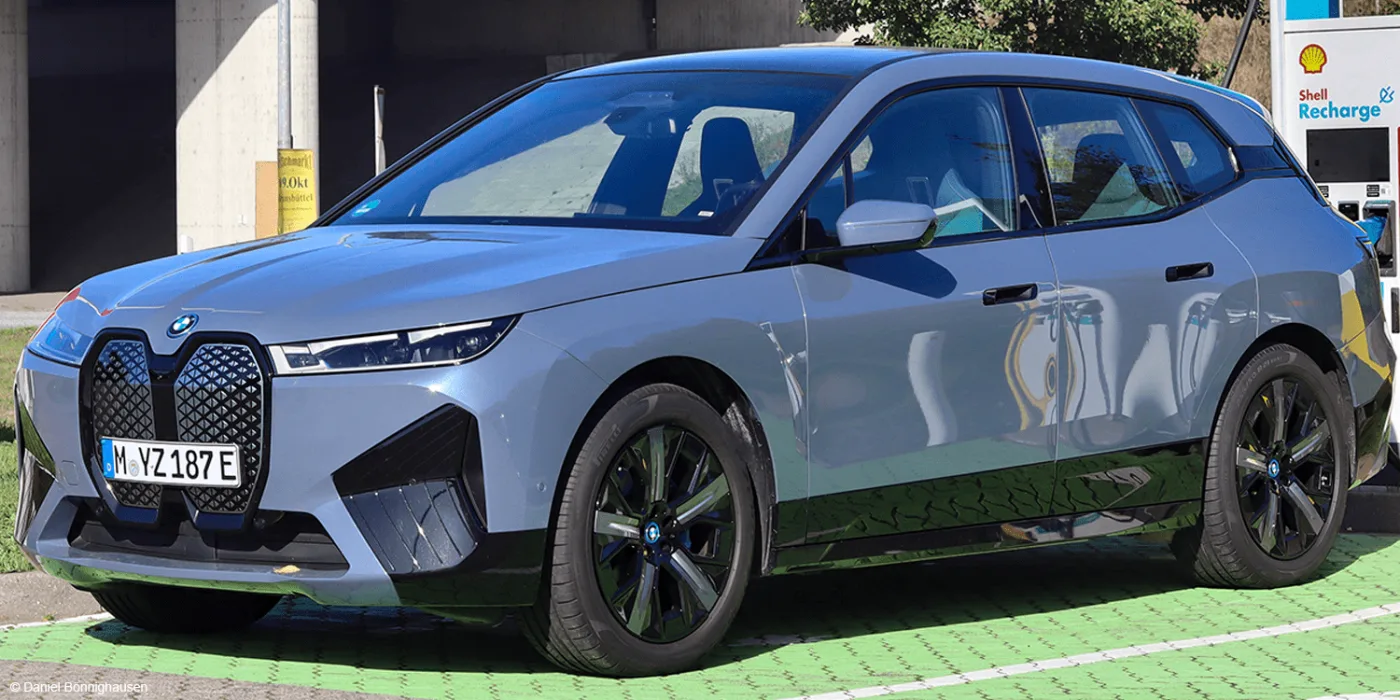
BMW built the assistant to work through its Open Mobility Cloud, extending capability beyond the car into smart speakers and smartphones tied to the same account. The listening footprint isn’t confined to the vehicle.
Users can rename the wake word entirely. But renaming a trigger phrase doesn’t change the underlying fact that a microphone is perpetually primed to hear it.
Specifications:
- Engine: Dual Electric Motors
- Horsepower: 516 hp
- Torque: 564 lb-ft
- Length: 195.0 in
- Width: 77.4 in
3. Volkswagen ID.4
The ID.4’s assistant, IDA, is built around continuous wake-word detection. Drivers get more than one phrase to choose from. Owners can toggle IDA activation via “Hello Volkswagen,” or enable additional wake words like “Hello IDA” and “Hello ID,” and can even create a fully custom wake word. Every option still requires the mic to stay live.
This matters because VW Group vehicles specifically have drawn scrutiny over remote access vulnerabilities. Reported security flaws in related VW Group platforms have raised concern about unauthorized microphone access.
The ID.4 layers voice control over its MEB electric platform. Because the car has no engine noise to mask ambient sound, cabin microphones can pick up conversation with unusual clarity.
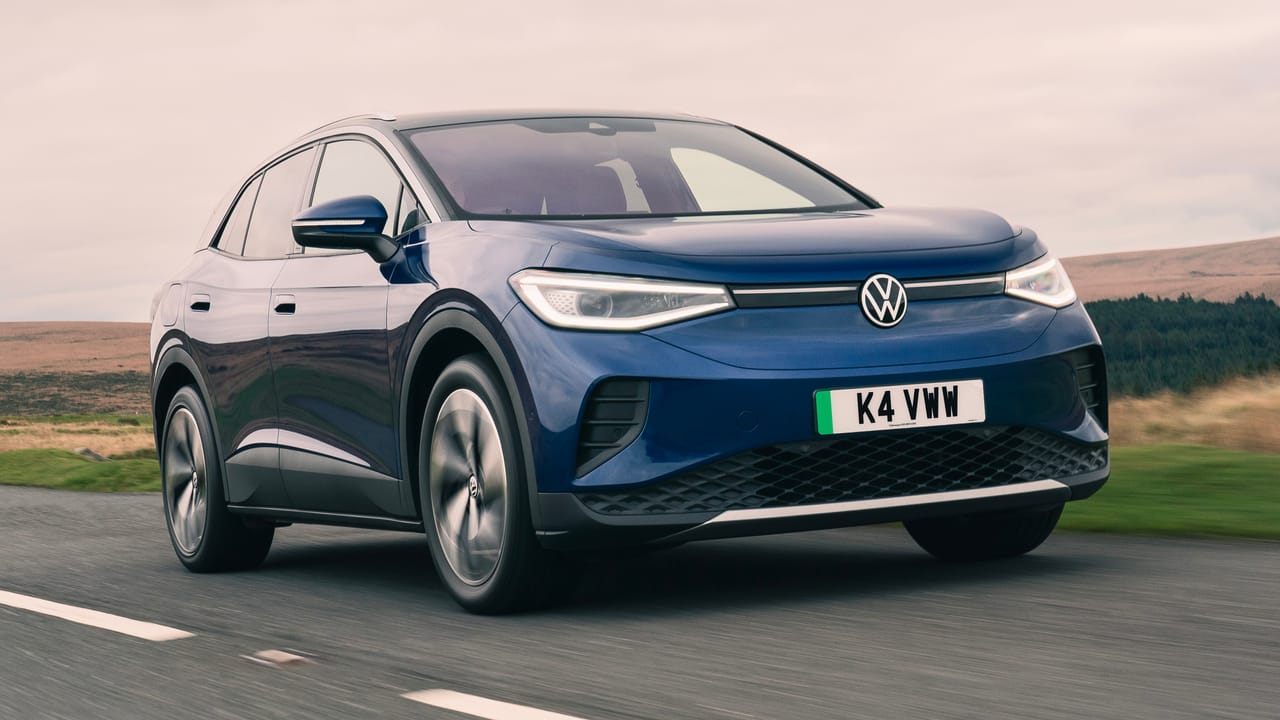
Volkswagen frames this as a feature for hands-free control while driving. It fits a broader pattern where the wake-word engine is never truly asleep, only waiting.
Software updates arrive over-the-air, meaning voice recognition models can be silently refreshed. Owners rarely see exactly what changed in how their car listens.
Specifications:
- Engine: Dual Electric Motors
- Horsepower: 295 hp
- Torque: 339 lb-ft
- Length: 180.5 in
- Width: 72.9 in
4. Škoda Enyaq
Škoda shares its MEB electric platform and MIB infotainment stack with Volkswagen. That shared architecture means shared microphone behavior, and shared risk.
Security researchers have specifically flagged Škoda alongside Volkswagen for remote-access weaknesses. One privacy analysis noted that security vulnerabilities in Skoda and Volkswagen systems could allow hackers remote access to microphones, turning a daily commute into unintended broadcast material.
That’s a meaningfully different concern than passive wake-word listening. It suggests the always-on architecture creates an attack surface, not just a privacy trade-off.
The Enyaq uses the same “Laura” or customizable wake-word voice assistant approach as its VW siblings. The car is constantly parsing cabin audio for trigger phrases in the background.
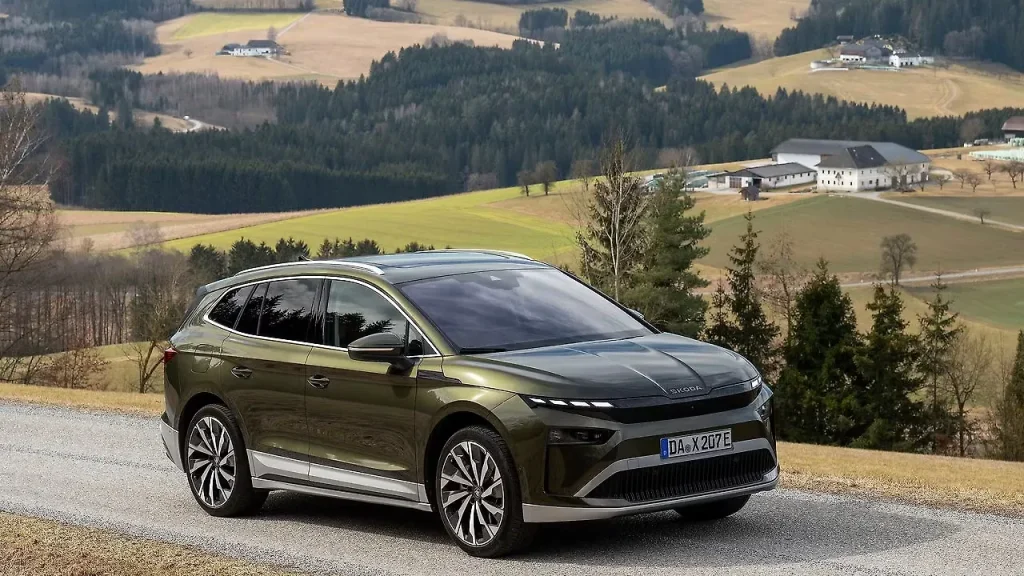
Škoda markets this as everyday convenience for climate and navigation control. But the underlying microphone hardware runs the same continuous-monitoring logic across the whole VW Group lineup.
Given the shared codebase, any patch or vulnerability disclosure affecting one brand tends to affect the other. The Enyaq’s listening posture is essentially inherited, not independently engineered.
Specifications:
- Engine: Single Rear-Mounted Electric Motor
- Horsepower: 282 hp
- Torque: 402 lb-ft
- Length: 182.3 in
- Width: 73.1 in
Also Read: The Ford Taurus SHO Ran a Yamaha V6 to 7,000 RPM
5. Rivian R1S
The R1S ships with Amazon Alexa built directly into the vehicle. Alexa integrates seamlessly to control displays, touchscreens, and physical features throughout the cabin.
Alexa’s core design principle is continuous local wake-word detection. That’s true whether it’s sitting on a kitchen counter or bolted into a seven-seat SUV.
Because Rivian ties Alexa to a connected Amazon account, voice history can sync with a user’s broader Amazon ecosystem. The listening isn’t confined to a single trip or a single vehicle.
Rivian’s follow-up model, the R2, doubles down on this approach. It includes Amazon Alexa and Wi-Fi hotspot functionality built into its central touchscreen, while notably skipping Apple CarPlay and Android Auto integration entirely.
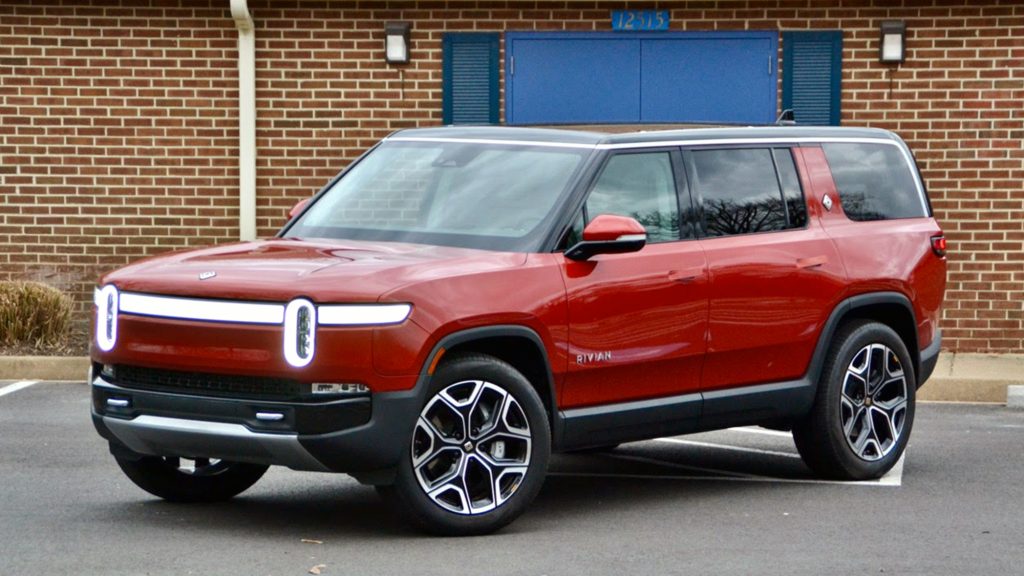
Skipping CarPlay is telling. It signals Rivian wants voice interaction routed through its own connected microphone system rather than a phone’s isolated assistant.
The R1S also carries an extensive sensor suite for its driver-assistance features. Combined with Alexa, the cabin becomes one of the most continuously monitored spaces in any current production vehicle.
Specifications:
- Engine: Quad Electric Motors
- Horsepower: 835 hp
- Torque: 908 lb-ft
- Length: 200.8 in
- Width: 79.3 in
6. Tesla Model 3
Tesla takes a slightly different approach than most brands on this list. There is no dedicated wake-word assistant like “Hey Tesla” built in as standard.
Instead, the Model 3 uses a push-to-talk microphone button on the steering wheel for voice commands. But cabin microphones are also wired into Tesla’s Sentry Mode and cabin-monitoring systems.
Those systems can activate audio recording tied to security events, not just voice commands. That means the microphone hardware itself is powered and available well beyond a driver’s spoken request.
Tesla’s software is entirely cloud-tethered and updated silently over-the-air. Features involving microphone use, like in-car voice memos or Sentry-linked audio, can be added or expanded without a dealership visit.
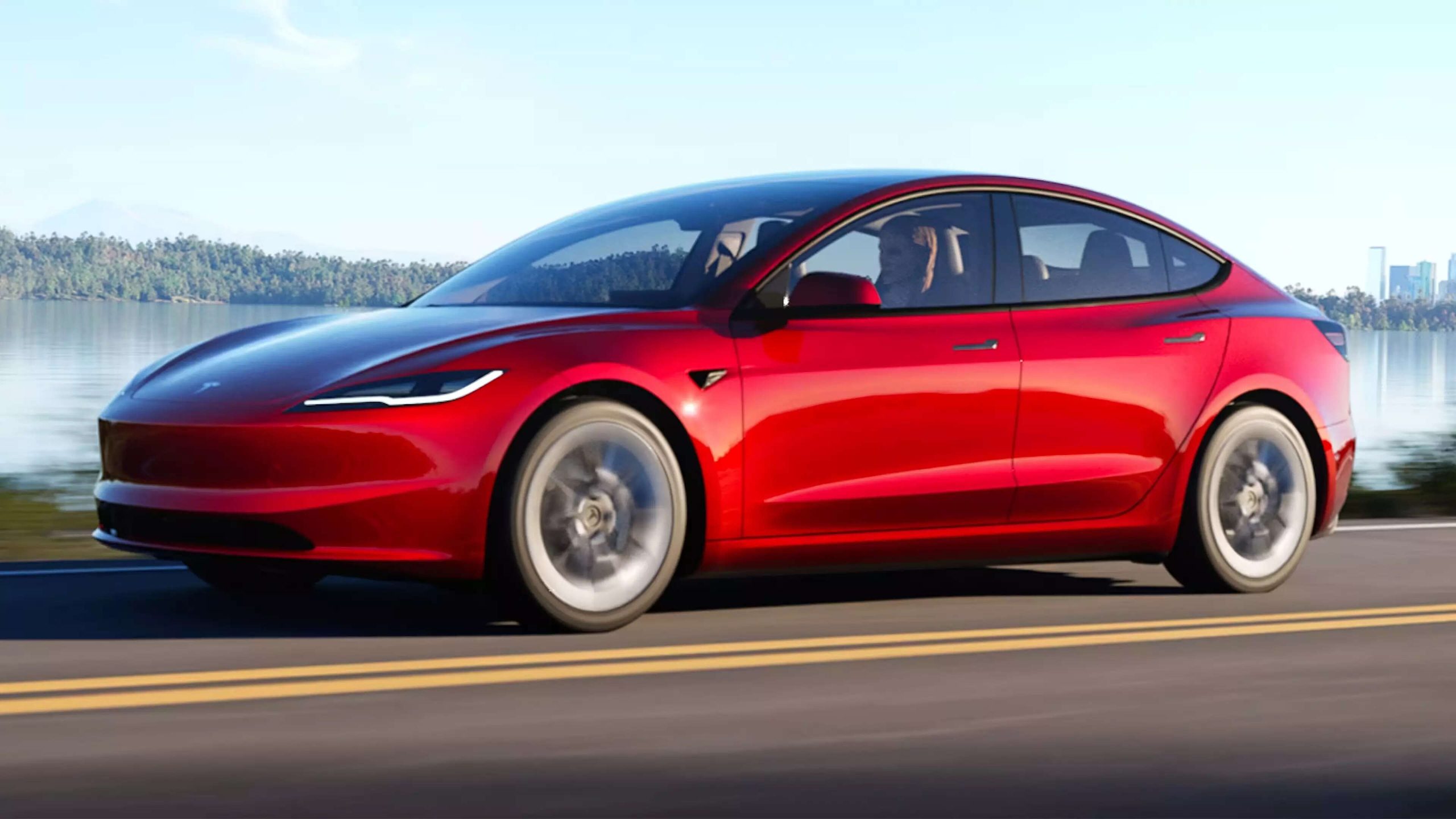
Owners have reported the in-cabin camera and microphone combination raises unique privacy questions compared to competitors. Because Tesla controls the full software stack, capability can change overnight through an update.
The always-connected nature of Tesla’s telematics means the car is rarely, if ever, fully offline. That constant connectivity is precisely what keeps microphone-adjacent systems in a ready state.
Specifications:
- Engine: Dual Electric Motors
- Horsepower: approximately 366 hp
- Torque: approximately 389 lb-ft
- Length: 185.7 in
- Width: 72.8 in
7. Chevrolet Silverado 1500
GM’s OnStar system is the original always-listening automotive safety net. It has run in the background of Chevrolet vehicles for decades. OnStar provides 24/7 access to live Advisors and on-demand vehicle services, all routed through a persistent cellular connection. That link requires a standby microphone at all times, not just during an emergency.
The newest Silverados go further. Chevrolet has integrated Gemini, a personal AI assistant built directly into the vehicle to manage climate, navigation, media, and personal preferences.
That’s a meaningful escalation from simple crash notification. A conversational AI assistant needs continuous audio parsing to understand natural requests, not scripted commands.
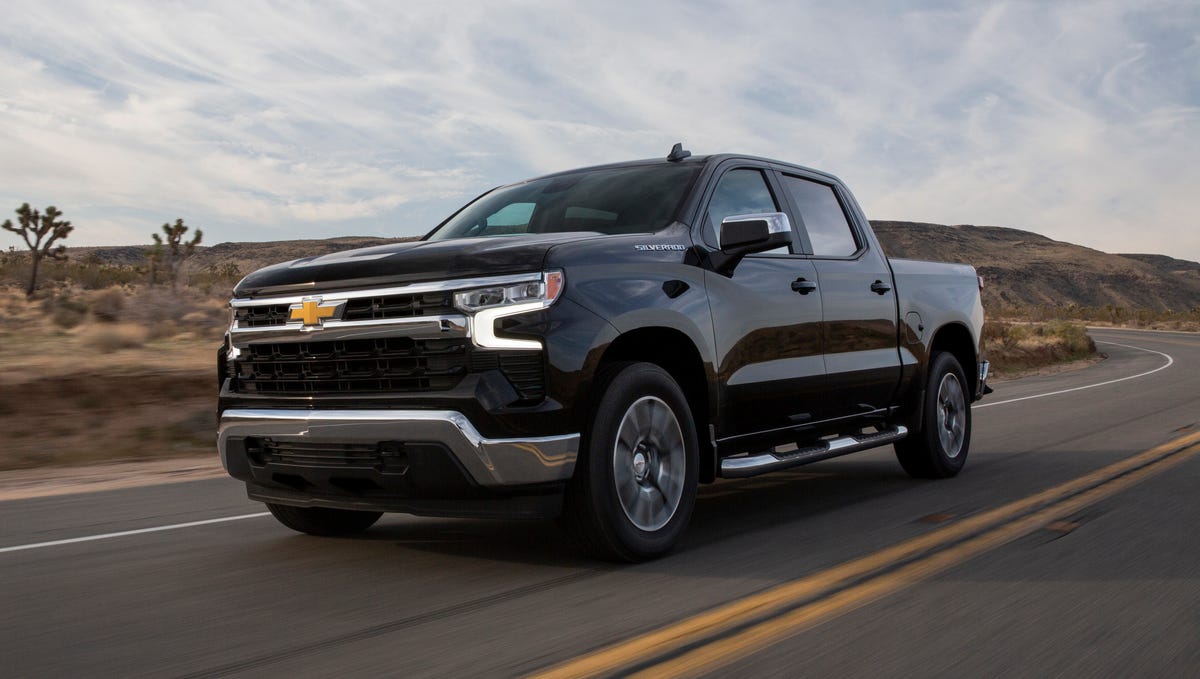
Chevrolet also offers Cruise, connected through OnStar, for hands-free driver assistance on compatible roads. Voice and driving automation are increasingly layered together in the same electrical architecture.
Because OnStar’s emergency-call function is safety-critical, the microphone can’t be user-disabled without also disabling crash notification. That trade-off is baked into the truck’s wiring, not left to owner preference.
Specifications:
- Engine: 5.3L V8
- Horsepower: 355 hp
- Torque: 383 lb-ft
- Length: 231.7 in (Crew Cab)
- Width: 81.2 in
8. Hyundai Ioniq 5
The Ioniq 5 runs on Hyundai’s Bluelink connected-car platform. Bluelink+ Connected Car System comes standard across every trim, from the base SE to the top Limited.
Bluelink handles remote start, charge monitoring, and voice-activated commands through the car’s always-available cellular link. That persistent connection is what keeps the microphone circuit in a semi-active state.
Bluelink+ Remote Charge Access is also standard, meaning the car is continuously reachable for commands issued through the companion app or spoken aloud in the cabin. Voice and remote app control share the same backbone.
Because the Ioniq 5 is a pure EV, cabin acoustics are unusually quiet at low speed. That quietness makes ambient conversation easier for onboard microphones to pick up clearly.
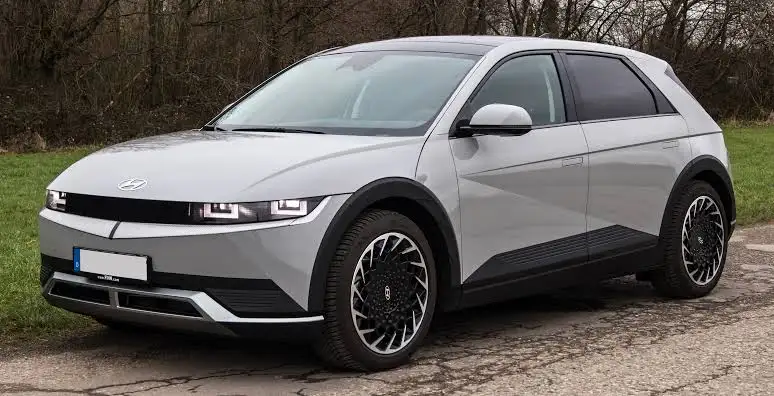
Hyundai’s augmented reality navigation and voice-guided directions further depend on natural speech recognition. That’s a step up from rigid command-word systems used in older infotainment generations.
The always-on Wi-Fi hotspot, standard on every trim, keeps the car’s telematics unit continuously powered. That’s the same electrical backbone the microphone array depends on to stay listening.
Specifications:
- Engine: Dual Electric Motors
- Horsepower: 320 hp
- Torque: 446 lb-ft
- Length: 183.3 in
- Width: 74.4 in
9. Ford F-150
The F-150 uses SYNC 4, Ford’s infotainment and voice platform. SYNC 4 comes standard on every F-150 across all trim levels, paired with a 12-inch center display.
The system specifically markets “Enhanced Voice Recognition” as a headline feature on the touchscreen. Enhanced recognition means broader natural-language parsing, not simple keyword spotting.
Higher trims add cloud-connected features including Voice Assistant and Connected Navigation with live traffic data. That cloud tether means voice data doesn’t stay local to the truck.
Ford’s Connectivity Package extends this further with a long-term data plan. A new 7-year one-time-purchase connectivity option keeps the truck’s telematics active for years without ongoing subscription lapses.
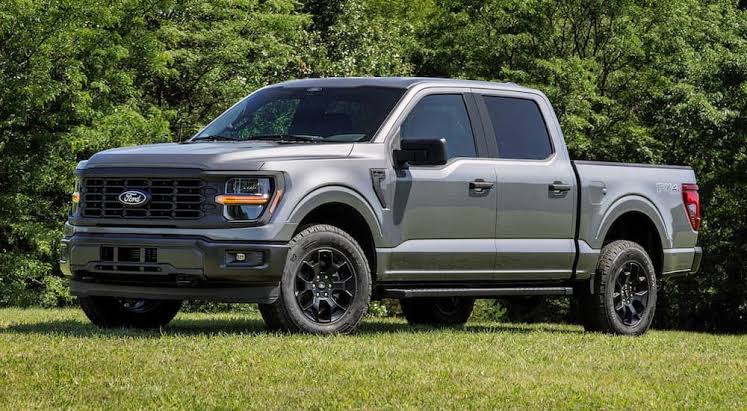
That’s a deliberate design choice to keep the truck’s connected systems, microphones included, running continuously for the length of ownership. Few owners will ever let that connectivity package expire.
BlueCruise, Ford’s hands-free highway system, also depends on constant driver monitoring. Combined with SYNC 4’s voice layer, the F-150’s cabin has multiple always-active sensing systems working in parallel.
Specifications:
- Engine: 2.7L Turbocharged V6 EcoBoost
- Horsepower: 325 hp
- Torque: 400 lb-ft
- Length: 231.7 in (SuperCrew, 5.5-ft bed)
- Width: 79.9 in
10. Genesis GV70
The GV70 runs Genesis’ in-house voice recognition system, layered onto the Hyundai Motor Group’s shared connected-car backbone. It listens for its own dedicated wake phrase in cabin standby.
Like its Hyundai and Kia siblings, the GV70 uses a Bluelink-derived connectivity platform under the Genesis Connected Services name. That means the same always-reachable cellular architecture applies here too.
Genesis positions the assistant as a luxury convenience feature, not just an emergency tool. Climate, seat massage functions, and ambient lighting can all be triggered by spoken command.
That breadth of voice-controlled comfort features requires the microphone to remain attentive well beyond simple driving tasks. It’s listening during parked idle moments just as much as while underway.
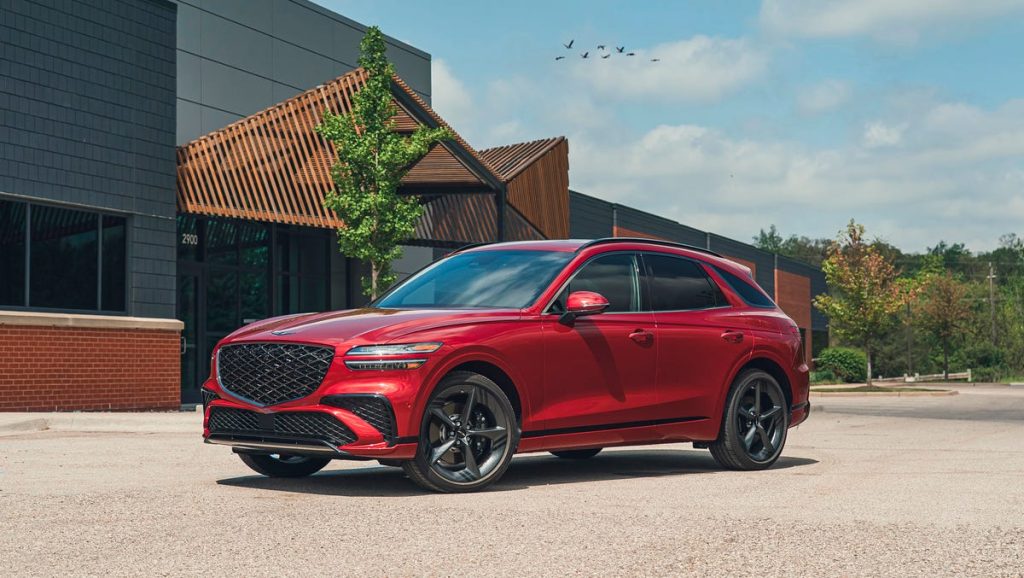
The GV70’s Highway Driving Assist and other semi-autonomous features also depend on continuous cabin monitoring for driver attentiveness. Audio and visual sensing increasingly overlap in Genesis’ latest safety suite.
As with most Hyundai Motor Group vehicles, the underlying telematics control unit stays powered even when the ignition is off. That persistent power state is what keeps voice-wake detection technically “on” around the clock.
Specifications:
- Engine: 3.5L Twin-Turbo V6
- Horsepower: 375 hp
- Torque: 391 lb-ft
- Length: 184.8 in
- Width: 74.8 in
