A good repair shop can quote routine work when the exact vehicle and service are known. Asking for the price of four tires or a scheduled oil change is straightforward. Asking what it costs to fix a noise, leak, warning light, or shifting problem is different. Those are symptoms, not confirmed repairs.
An honest mechanic is not avoiding the question by requesting an inspection. The shop must identify the failed component, determine what caused it, and check whether related parts were damaged. The Federal Trade Commission advises that a written estimate should identify the condition being repaired, required parts, and anticipated labor—details that cannot be established reliably from a phone description alone.
1. “How Much to Fix My Check-Engine Light?”
This is the phone call every shop receives: “My check-engine light is on. How much will it cost to fix?” From my side of the counter, that question is like asking a doctor how much it costs to cure a cough. The warning light tells me that the computer detected something outside its expected operating range. It does not tell me which part to replace.
An onboard diagnostic scan gives us trouble codes and system data. Those codes provide a starting point, not always a final answer. A lean-condition code, for example, could be related to unmetered air, low fuel pressure, an exhaust leak, a sensor problem, wiring damage, or another condition affecting the computer’s calculations. Replacing the component named in an online code description may waste your money.

The EPA explains that the onboard diagnostic system monitors emissions-related systems and illuminates the malfunction indicator when it detects a problem. Reading stored codes helps direct diagnosis, but technicians may still need operating data and additional tests to determine the appropriate repair.
Before quoting, I may need to scan every module, examine freeze-frame data, inspect hoses and wiring, test fuel pressure, check for intake leaks, or perform circuit measurements. The diagnostic process changes according to the code and vehicle.
What can I tell you over the phone? I can quote the initial diagnostic charge and explain what that includes. I cannot responsibly quote the completed repair until I know what failed. A shop that immediately says, “That light means you need an oxygen sensor,” without testing the car is not giving you a diagnosis. It is selling you its first guess.
2. “What Does It Cost to Fix a Car That Won’t Start?”
“No start” can describe several completely different situations. Does the engine crank normally but refuse to run? Does it click once? Does the starter turn slowly? Does nothing happen when the key is turned? Did the engine stall while driving, or was the battery dead after the vehicle sat overnight? Each answer sends the diagnosis in another direction.
A no-crank condition could involve the battery, cables, starter, relay, ignition switch, immobilizer, transmission-range circuit, control module, or wiring. A crank-but-no-start complaint could involve fuel pressure, ignition, compression, engine timing, sensor signals, computer power, or anti-theft authorization. Quoting a starter from the phrase “it won’t start” would be irresponsible.

Even a dead battery does not confirm that the battery is the root cause. The charging system may not be restoring power, or a component may be drawing current while the car is parked.
Manufacturer procedures for parasitic-drain complaints require the technician to measure current after modules enter their sleep states and then isolate the circuit responsible for excessive draw. Modules can wake during testing, making the process more involved than simply disconnecting cables.
When I receive this call, I ask what noises the vehicle makes, which warning lamps appear, whether a jump-start changes anything, and what happened immediately before the failure. Those answers help me prepare, but they still do not establish a price.
I can quote towing, a starting-and-charging-system test, or the shop’s diagnostic time. I cannot promise that the car “only needs a battery” from a phone conversation. Sometimes it does. Other times, the battery is merely the first victim of a failing alternator, damaged cable, or electrical drain.
3. “How Much to Make My Air Conditioning Cold Again?”
People often expect a simple refrigerant recharge. Sometimes the system is merely low, but refrigerant does not normally disappear without a reason. It may escape through a hose, seal, condenser, evaporator, compressor, service fitting, or another part of the closed system. The correct repair depends on where the leak is and whether the compressor has been damaged.
The complaint itself also needs clarification. Is the air warm at all times? Does it cool while driving but become warm at idle? Is the airflow weak even though the air is cold? Does one side cool while the other remains hot? Those symptoms can involve refrigerant charge, radiator fans, pressure sensors, electrical controls, blend doors, blower components, filters, or engine-cooling conditions.

The EPA states that motor-vehicle air-conditioning service requires approved refrigerant-handling equipment and appropriately trained, Section 609-certified technicians. It also notes that a technician may sometimes need to add refrigerant during the process of locating a leak.
A proper inspection may include pressure readings, vent-temperature measurements, compressor-command data, fan operation, leak detection, visual inspection, and verification of the refrigerant type and quantity. If the compressor failed internally, contamination may have spread through the system, changing the repair from one component to several.
Over the phone, I can quote an air-conditioning performance evaluation or a defined evacuation-and-recharge service. I cannot tell you the final repair price based only on “it blows hot.”
Be cautious when someone promises that one can of refrigerant will solve everything. Overcharging can also hurt performance, and sealant-containing products may complicate future service. The responsible answer is to measure what the system is doing before deciding what it needs.
4. “What Will It Cost to Fix My Transmission?”
Transmission complaints are among the quickest ways to get an inaccurate phone estimate. Customers use words such as slipping, jerking, shuddering, hesitating, banging, or refusing to shift. Those descriptions are useful, but several engine, electrical, driveline, and transmission faults can produce similar behavior.
A vehicle that hesitates may have an engine misfire rather than a transmission failure. A harsh shift could result from low fluid, incorrect fluid, a sensor input, damaged wiring, a control problem, hydraulic pressure loss, valve-body wear, or internal clutch damage. Vibration under acceleration might originate from an axle, mount, tire, or driveshaft. I need to feel the symptom before pricing the repair.
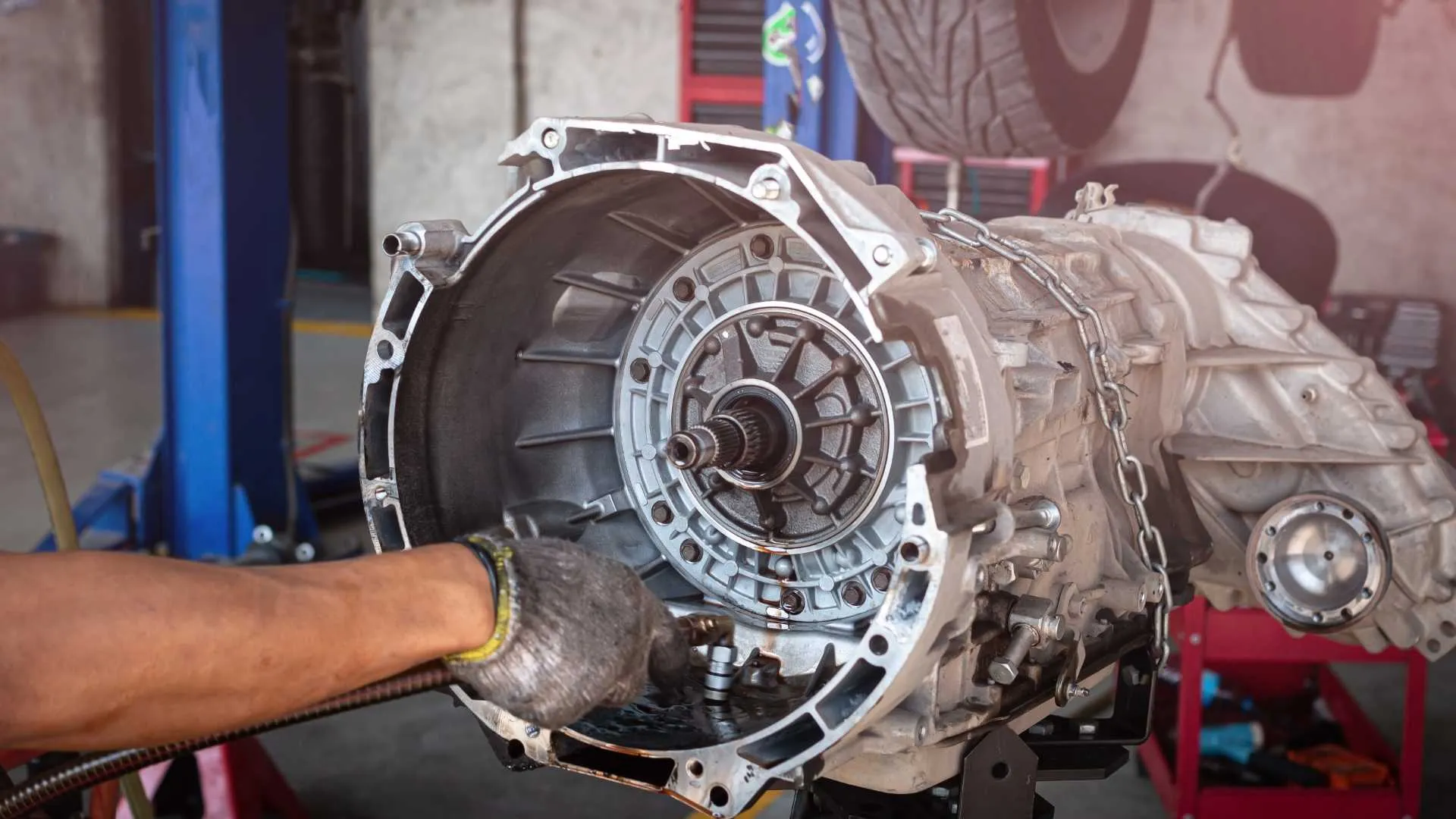
The diagnosis can require a road test, fluid inspection, full-system scan, live-data review, pressure testing, electrical measurements, service-history research, and verification of software or manufacturer bulletins. ASE treats automatic transmission diagnosis as its own technical certification area, separate from engine performance, electrical systems, and drivetrain diagnosis. That reflects how much system-specific testing may be involved.
The price difference between possible outcomes is enormous. The repair could involve a wiring connector, shift solenoid, valve body, torque converter, clutch, control module, or complete transmission. I will not select the most reassuring possibility merely because the customer wants a number.
I can discuss the diagnostic charge and, after identifying the vehicle, give a broad explanation of potential outcomes. I will not offer a firm rebuild or replacement quote until we determine whether the transmission is actually the problem.
A shop that quotes a complete transmission immediately may be pricing the worst-case option. A shop that promises a cheap fluid service may be minimizing the issue. Neither answer replaces testing.
Also read: 10 Cars Worth More at Trade-In Than Owners Think
5. “How Much to Fix an Overheating Problem?”
Overheating is not one repair. It is the result of the cooling system failing to control engine temperature. The cause could be a coolant leak, thermostat, radiator, cooling fan, water pump, damaged hose, blocked passage, pressure-cap problem, combustion leak, or another mechanical or electrical fault.
The first thing I need to know is how far the car was driven while hot. A vehicle that was shut down immediately after a hose split is different from one driven until it lost power and stopped. The original failure may be inexpensive, while the damage created by continuing to drive may involve a warped cylinder head, failed gasket, or damaged engine.
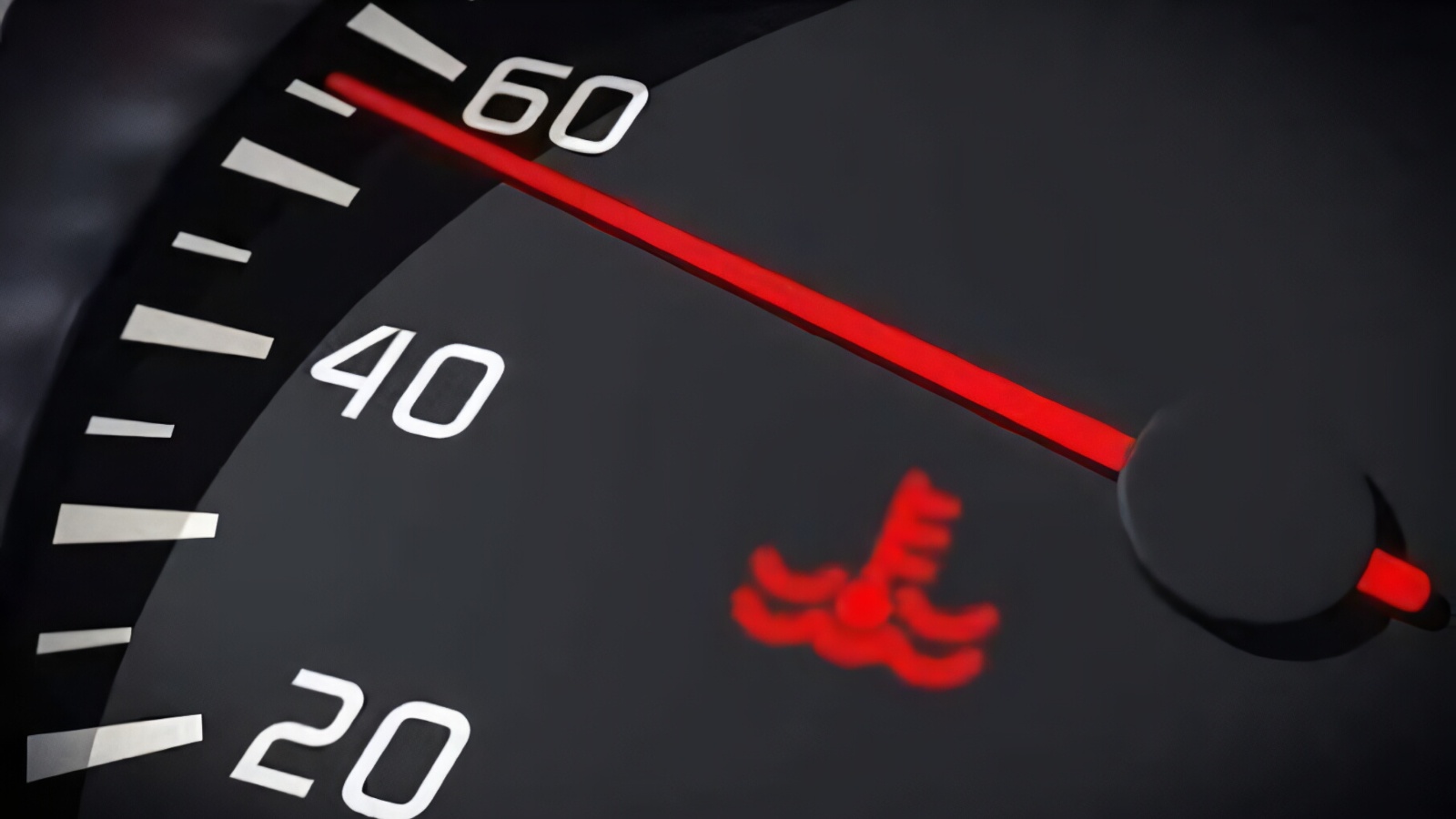
I cannot assess that history accurately by hearing, “The temperature needle went up once.” I need to inspect the coolant level and condition, pressure-test the system, verify fan operation, examine circulation, scan temperature data, and look for evidence of combustion gases or internal leakage. The vehicle may also need to be tested from a cold start through a complete warm-up cycle.
Sometimes the customer asks for a water-pump quote because a friend identified the pump. I can provide the price of replacing that specific part, but I cannot promise it will solve the overheating without confirming the diagnosis. Installing requested parts is not the same as diagnosing a system.
This is also why I usually do not advise driving the vehicle to the shop if it is actively overheating. A tow bill is predictable. Additional engine damage is not.
After testing, the written estimate should identify the condition, required parts, and expected labor. That is the type of documented estimate the FTC recommends consumers obtain before authorizing repairs. Until those facts are known, any exact price is only a guess wearing work boots.
6. “How Much to Fix My Brakes? They’re Making Noise.”
When someone says the brakes are noisy, I need more than the word “brakes.” Is the sound a high-pitched squeal, a scraping noise, a deep grind, a click, or a single clunk? Does it occur only when braking, while turning, after rain, or whenever the wheel rotates? Does the pedal pulse, sink, or feel unusually hard?
A basic brake-pad replacement can often be quoted by vehicle. A brake-noise complaint cannot. The car might need pads and rotors, but it could also have a sticking caliper, damaged hardware, contaminated friction material, a bent dust shield, a wheel-bearing issue, a loose suspension part, or debris trapped near the rotor.
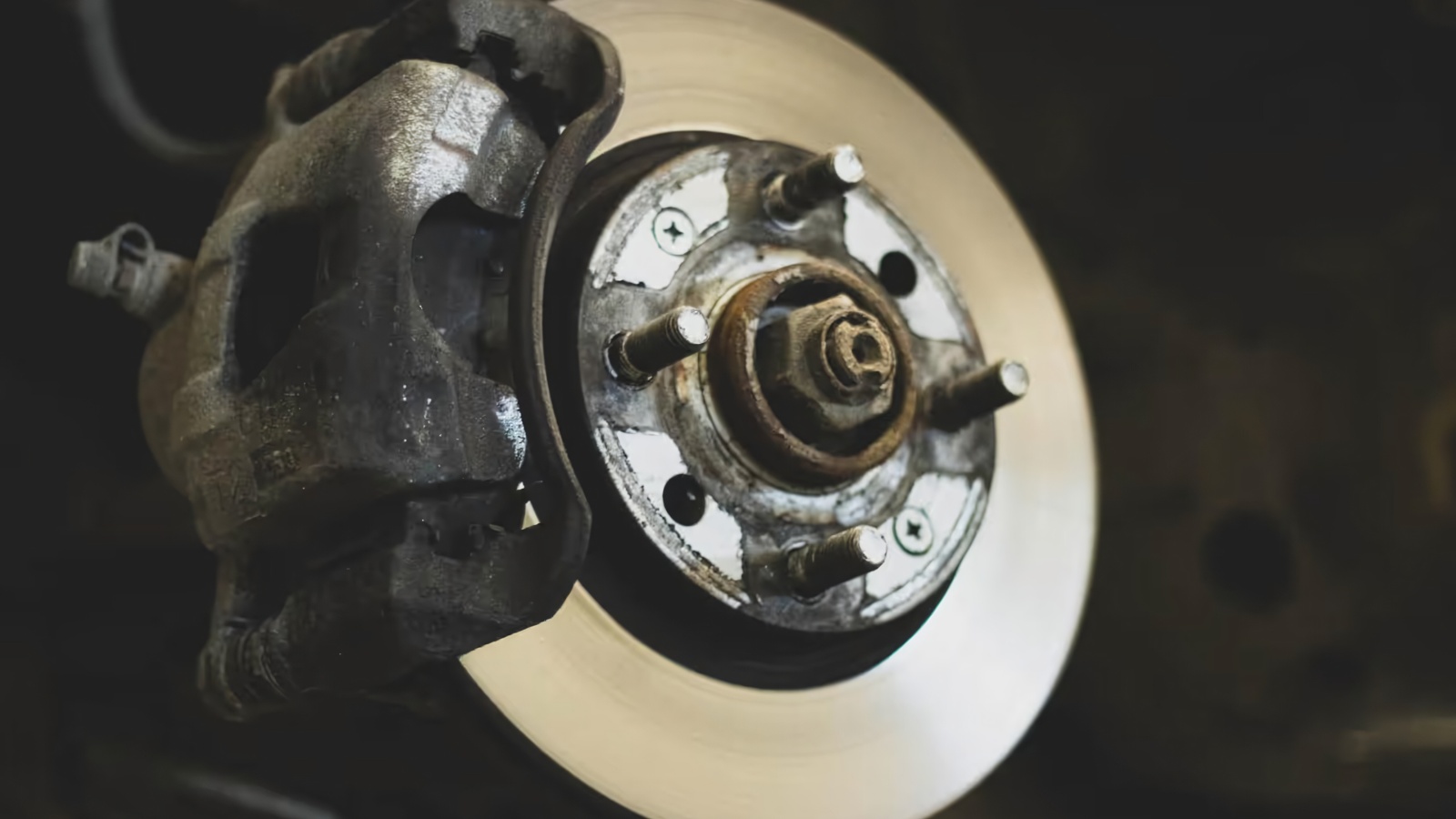
The inspection must cover both sides of the axle. I measure pad thickness and rotor condition, check caliper movement, inspect hoses and hardware, examine fluid condition, and look for uneven wear. If the pedal pulsates, I must determine whether the sensation comes from rotor variation, an anti-lock-brake event, looseness, or another rotating component.
NHTSA treats unusual brake performance, including noise and pulling, as conditions that should be recorded and evaluated during brake testing. Tire noise and vibration may also require professional inspection because drivers cannot always separate tire, bearing, and brake symptoms from inside the cabin.
Over the phone, I can quote a brake inspection or a specifically requested pad-and-rotor job. I cannot guarantee that those parts are the complete repair before removing the wheels.
If you hear heavy grinding, experience reduced braking, or feel the pedal sinking, do not keep driving merely to obtain several estimates. Have the car inspected where it is or towed. A precise price is less important than confirming that the vehicle can still stop safely.
7. “What Does It Cost to Fix a Clunk or Vibration?”
A clunk over bumps may come from a sway-bar link, strut mount, control-arm bushing, ball joint, tie rod, steering rack, engine mount, loose brake component, or something rolling around in the trunk. A highway vibration may involve tires, wheels, alignment, hubs, axles, driveshafts, engine operation, or several problems happening together.
This is why I cannot quote “front-end work” from a sound you reproduce through the phone. Even when the description is accurate, the vehicle must be driven or raised under the correct conditions. Some joints show movement only when the suspension is loaded. Others must be unloaded before their wear becomes visible.
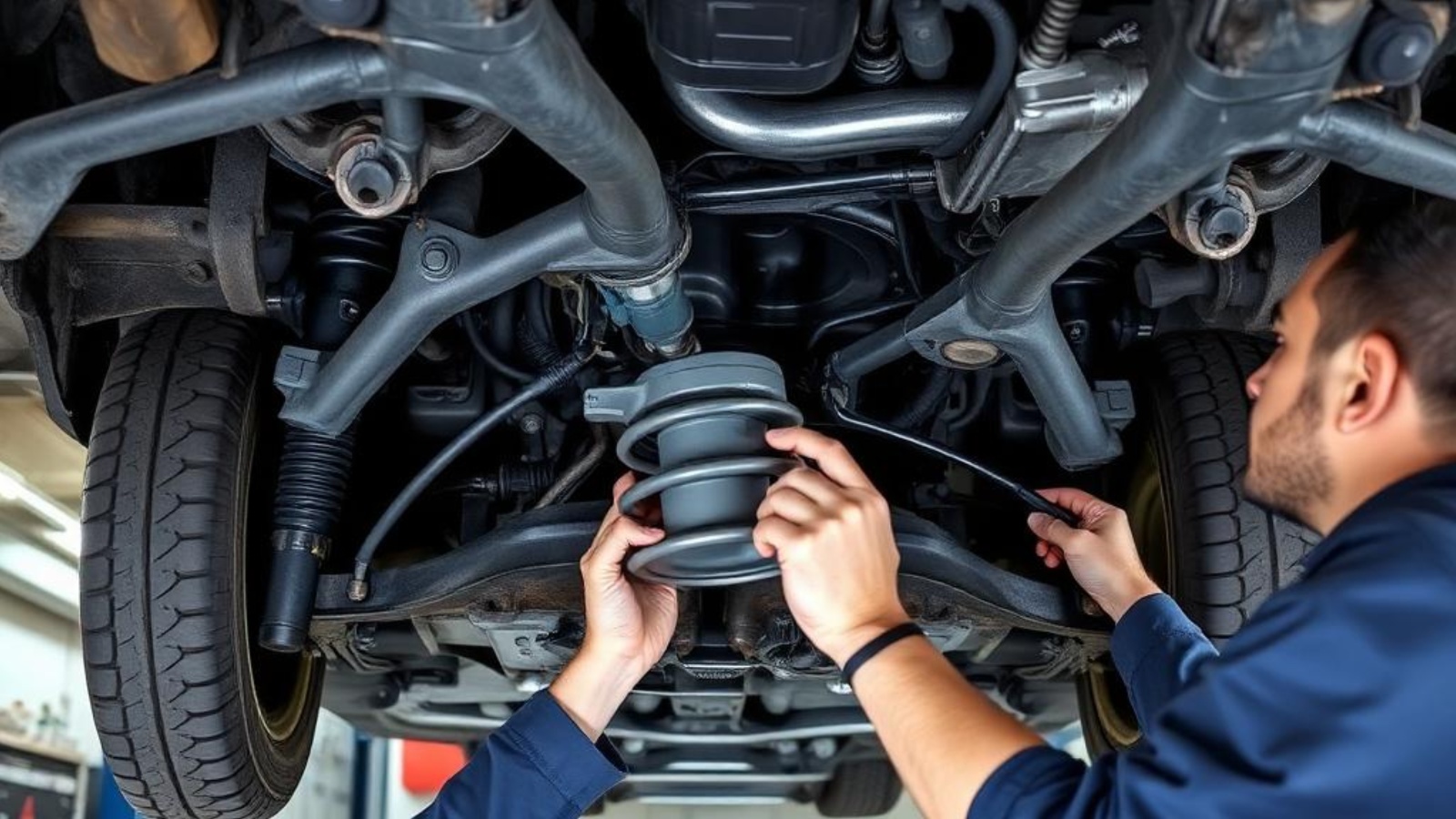
The diagnostic process begins with questions. At what speed does the vibration start? Is it felt through the seat, floor, pedal, or steering wheel? Does it change while accelerating, coasting, braking, or turning? Did it begin after tire work, a pothole strike, collision, or suspension repair?
Then I inspect tire pressure, tread condition, wheel damage, fasteners, steering play, suspension joints, mounts, bearings, axles, and other relevant components. NHTSA advises drivers to consult a tire professional when they notice performance changes such as unusual noise or vibration. ASE likewise classifies suspension and steering as a dedicated diagnostic field, separate from brakes and drivetrain systems.
I can quote the inspection and then price the failed part after confirming it. What I will not do is sell you struts because someone online said every clunk is a strut.
Parts replacement based on sound alone is expensive guessing. A twenty-dollar loose component and a major steering repair can knock in surprisingly similar ways. The lift, road test, and technician’s hands are what separate them.
8. “How Much to Fix This Leak?”
A spot under the car does not contain enough information for a quote. I need to know what fluid is leaking, where it begins, how quickly it escapes, and what must be removed to reach the failed seal or component. The location where a drop reaches the floor may be nowhere near the source.
Engine oil can travel along shields, brackets, and air currents before dripping. Coolant may evaporate on a hot engine and leave only dried residue. Transmission fluid, gear oil, brake fluid, power-steering fluid, air-conditioning water, fuel, and washer fluid all require different responses. A clear puddle from the air-conditioning drain may be completely normal, while a small brake-fluid leak may be an immediate safety concern.
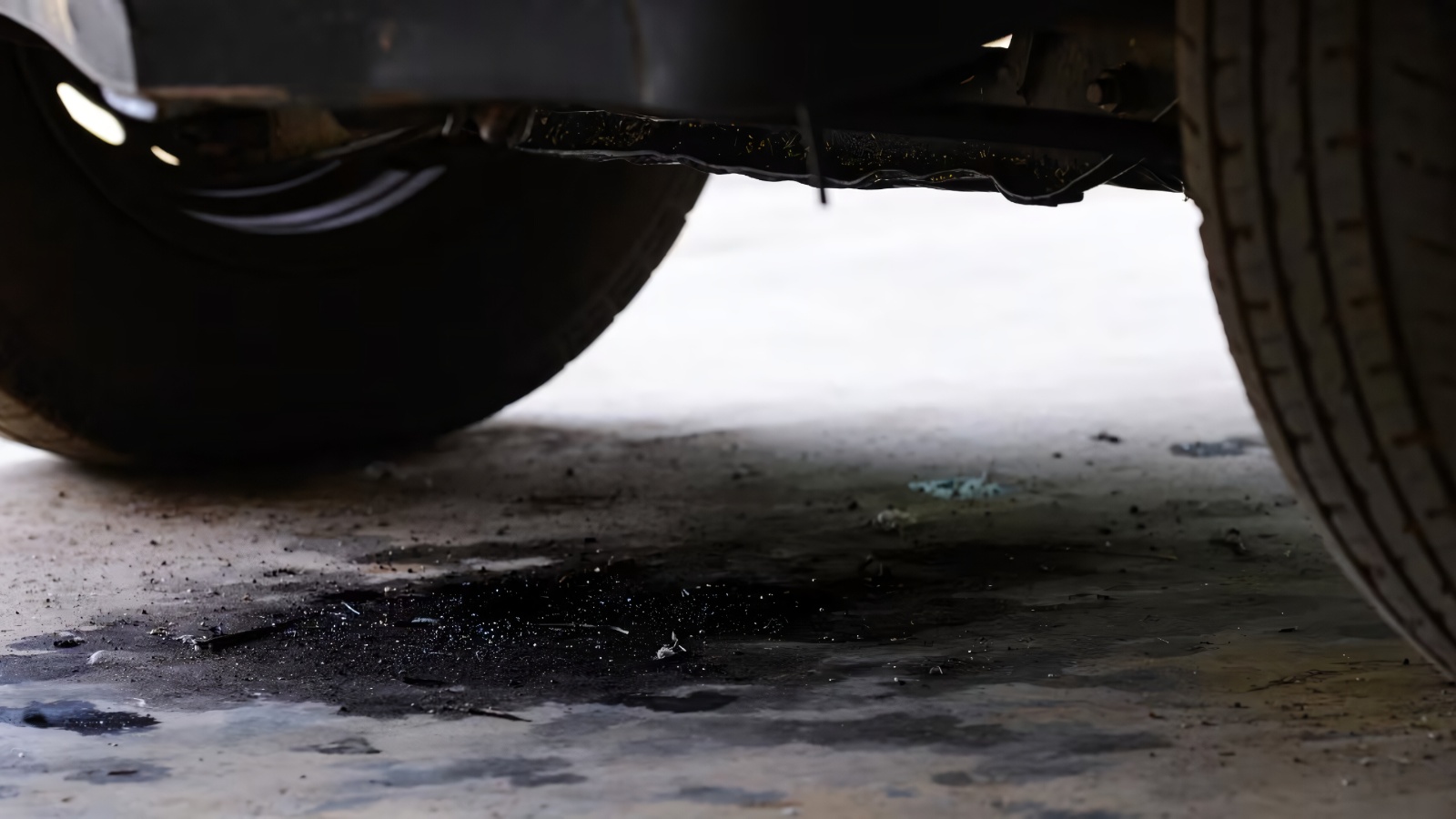
Even after identifying the fluid, the repair can vary. Oil near the bottom of an engine might come from a drain plug, filter housing, valve cover, timing cover, crankshaft seal, oil pan, or a leak higher above. Quoting an oil-pan gasket from a photograph could send the customer toward the wrong repair.
I may need to clean the area, add approved tracing dye, pressure-test the system, inspect it with ultraviolet light, or drive the vehicle and recheck it. I also need to determine whether the fluid contaminated belts, hoses, brakes, mounts, or electrical components.
Over the phone, I can explain what information to gather and whether the symptoms suggest towing. I can quote leak-detection time. I cannot responsibly quote a gasket until I identify the gasket.
That diagnostic charge is not money paid for “looking at it.” You are paying us to avoid replacing the wrong part. Once the source and related damage are documented, the shop can prepare the parts-and-labor estimate the FTC recommends and stand behind something more reliable than a telephone guess.
Also read: 5 Cars That Are Worth the Repair vs 5 You Should Walk Away From