
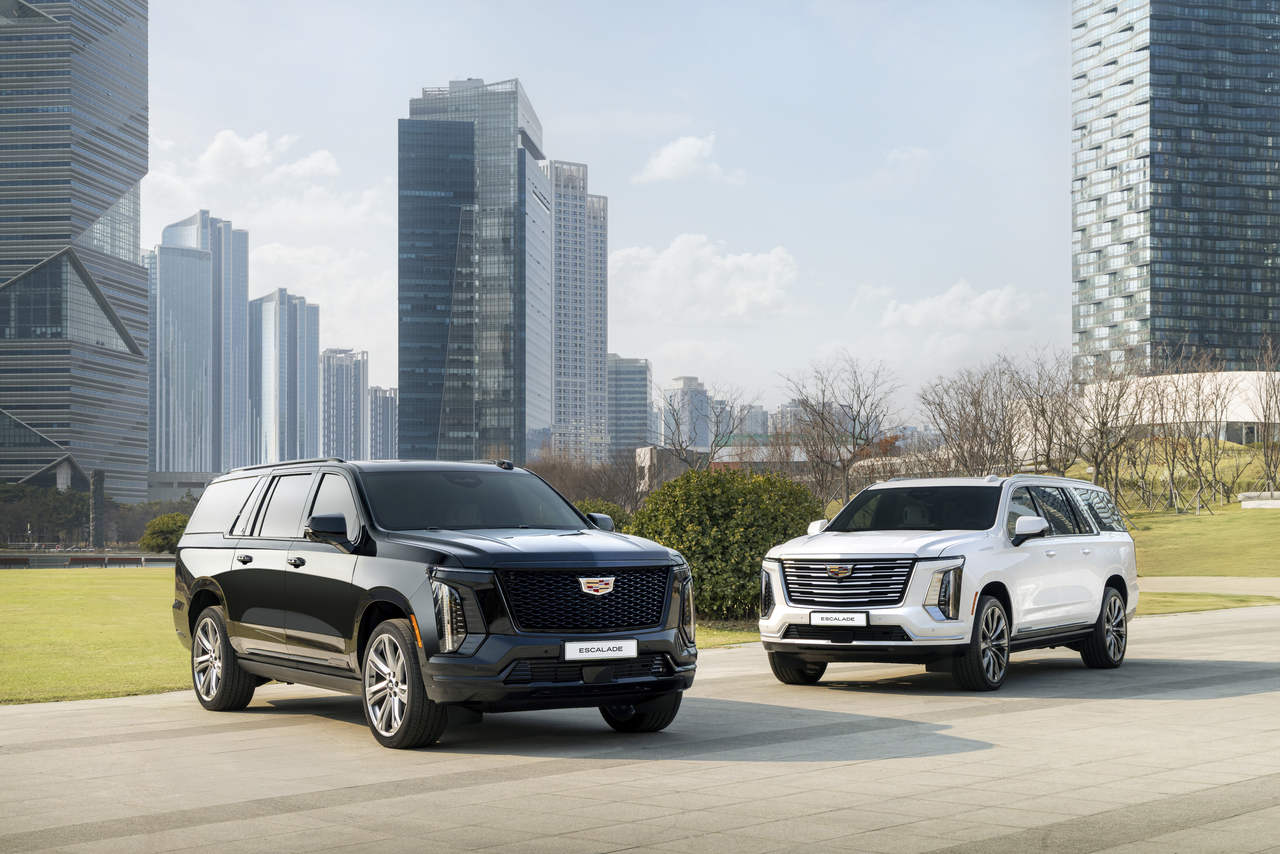
Vehicle ownership often comes with unexpected costs, and some cars have created confusion when ownership changes hands. Certain manufacturers have introduced plans, subscriptions, warranties, or service arrangements that continue charging after a vehicle is sold.
New owners may discover that they are paying for benefits, features, or agreements originally selected by previous owners. These situations raise questions about transparency, ownership rights, and long-term vehicle expenses.
Understanding which cars have these policies helps buyers make informed decisions before purchasing used vehicles and prevents surprises related to recurring payments, connected features, maintenance packages, and other ownership commitments.
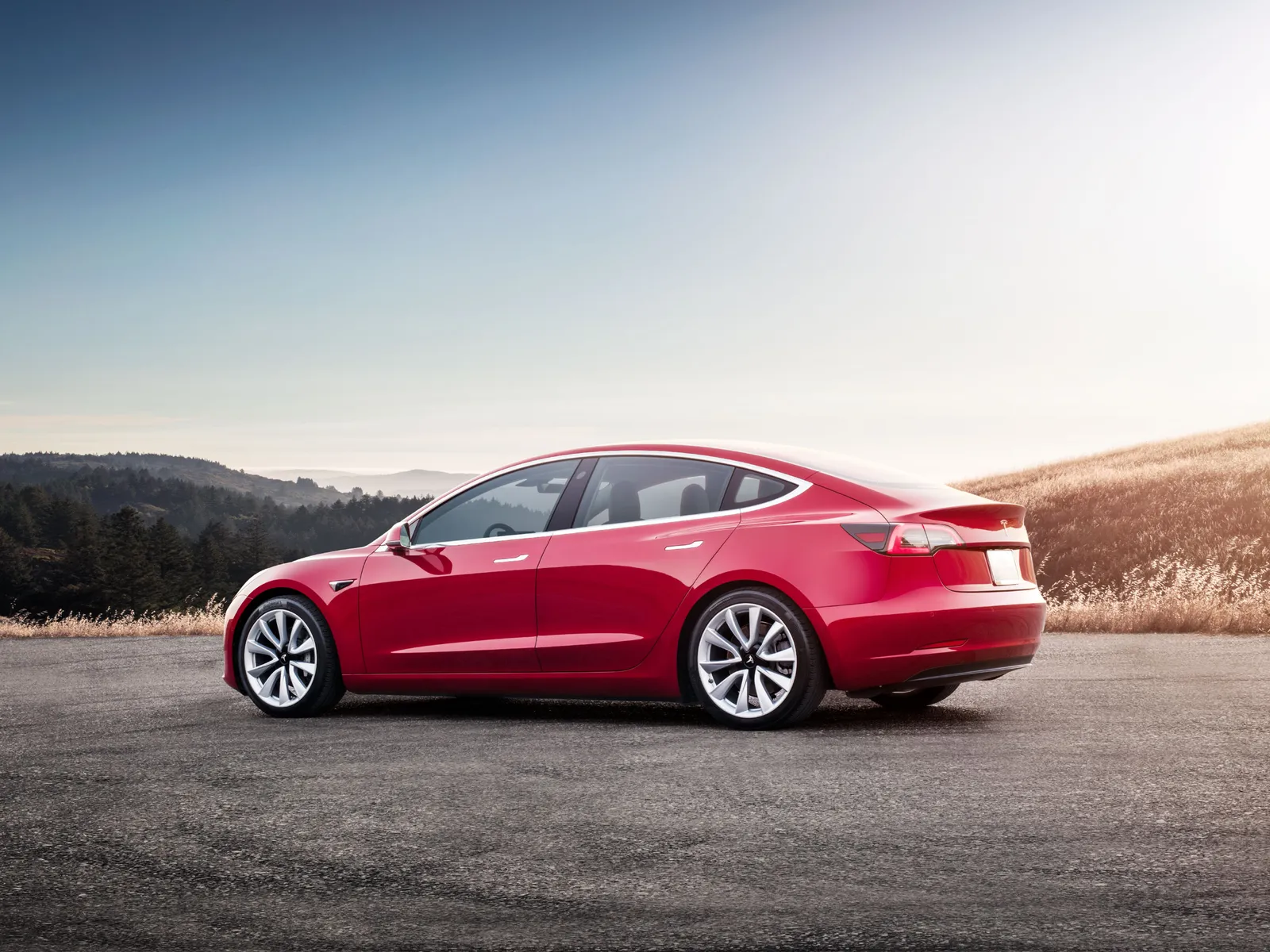
1. Tesla Vehicles and Transferable Subscription Features
Tesla changed how drivers think about vehicle ownership by introducing software-based features and subscription services connected to individual cars. Many Tesla vehicles include advanced technology that can be activated through paid upgrades or monthly plans.
When ownership changes, the next owner may inherit a vehicle that has active subscriptions or features linked to the car rather than the original buyer. This approach differs from traditional vehicles because some functions depend on digital access rather than physical equipment alone.
Tesla has offered services such as premium connectivity, driver assistance features, and other software enhancements through payment plans. Some of these services can remain attached to the vehicle after a sale, depending on the agreement and current policies.
A second owner may need to review the vehicle account, available features, and payment status before completing a purchase. This makes checking the digital history of a used electric vehicle just as important as reviewing its mechanical condition.
The company’s approach has received attention because buyers often expect a used vehicle to include everything physically installed inside it. However, software-controlled features can operate differently.
A camera system, computer hardware, or sensor package may already exist in the vehicle, but access to certain functions may require an active subscription or purchase. This creates a new type of ownership consideration for people buying used technology-focused cars.
For second owners, understanding subscription details can prevent unexpected charges. Buyers should ask sellers for information about active plans, account transfers, and paid features.
A vehicle inspection should include a review of digital services, not only the engine, battery, tires, and body condition. This extra step helps ensure that the buyer knows what they are receiving.
The rise of connected vehicles means more manufacturers may adopt similar systems. As cars become more like computers on wheels, ownership costs can include software access, online services, and feature payments.
Tesla’s model shows how automotive companies are changing the relationship between vehicles and customers, creating benefits but also raising concerns about clarity during resale transactions.
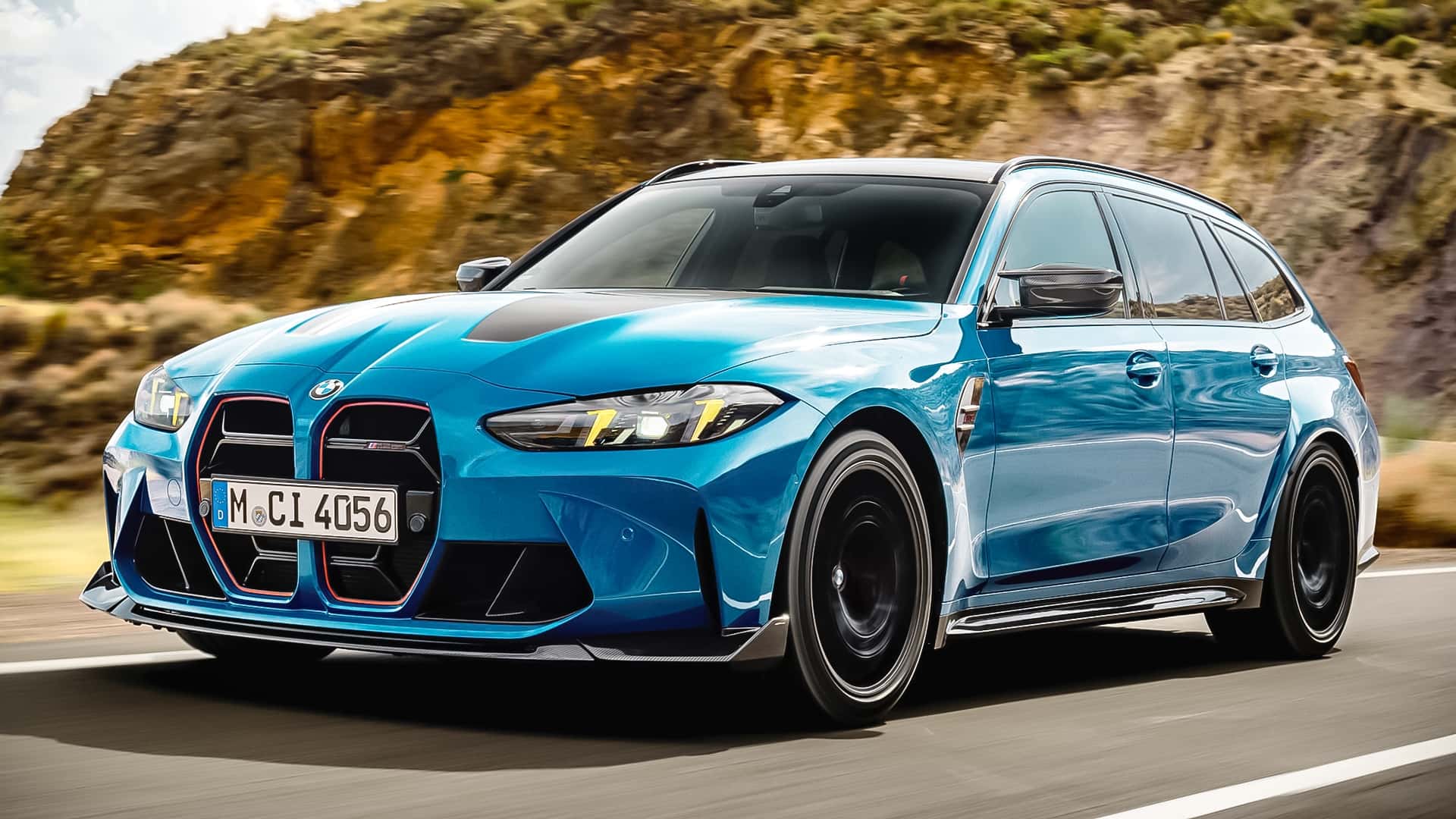
2. BMW Connected Features and Subscription-Based Options
BMW has experimented with subscription-based vehicle features that allow customers to activate certain functions through digital payment systems.
Features such as advanced driver assistance options, remote services, and convenience upgrades have become part of the company’s connected vehicle strategy. These services can create situations where the second owner needs to understand which features remain available and which require additional payments.
The idea behind subscriptions is to give buyers flexibility. A customer may purchase a vehicle with hardware capable of supporting additional functions and later activate those features when needed.
This approach allows manufacturers to update vehicles after purchase, but it also changes traditional expectations about what comes included with a car. Used vehicle buyers must pay attention to whether certain features are permanent or dependent on an ongoing plan.
Some BMW owners have questioned subscription models because they believe vehicle equipment should provide full access once purchased. The debate focuses on whether software-controlled features represent new services or functions that should already belong to the owner. These discussions have influenced how automakers communicate pricing and feature availability.
A second owner purchasing a BMW should review the connected services account and available options before finalizing the deal. Features such as navigation improvements, remote controls, and digital assistance tools may depend on account status.
Confirming these details can help avoid paying for services that were selected by the previous owner or assuming a feature will continue without additional cost.
As vehicle technology continues to develop, subscription models are likely to become more common. BMW’s approach represents a shift toward flexible vehicle ownership, where cars can receive new capabilities through software. For buyers in the used market, understanding these systems is becoming an important part of making a smart purchase decision.
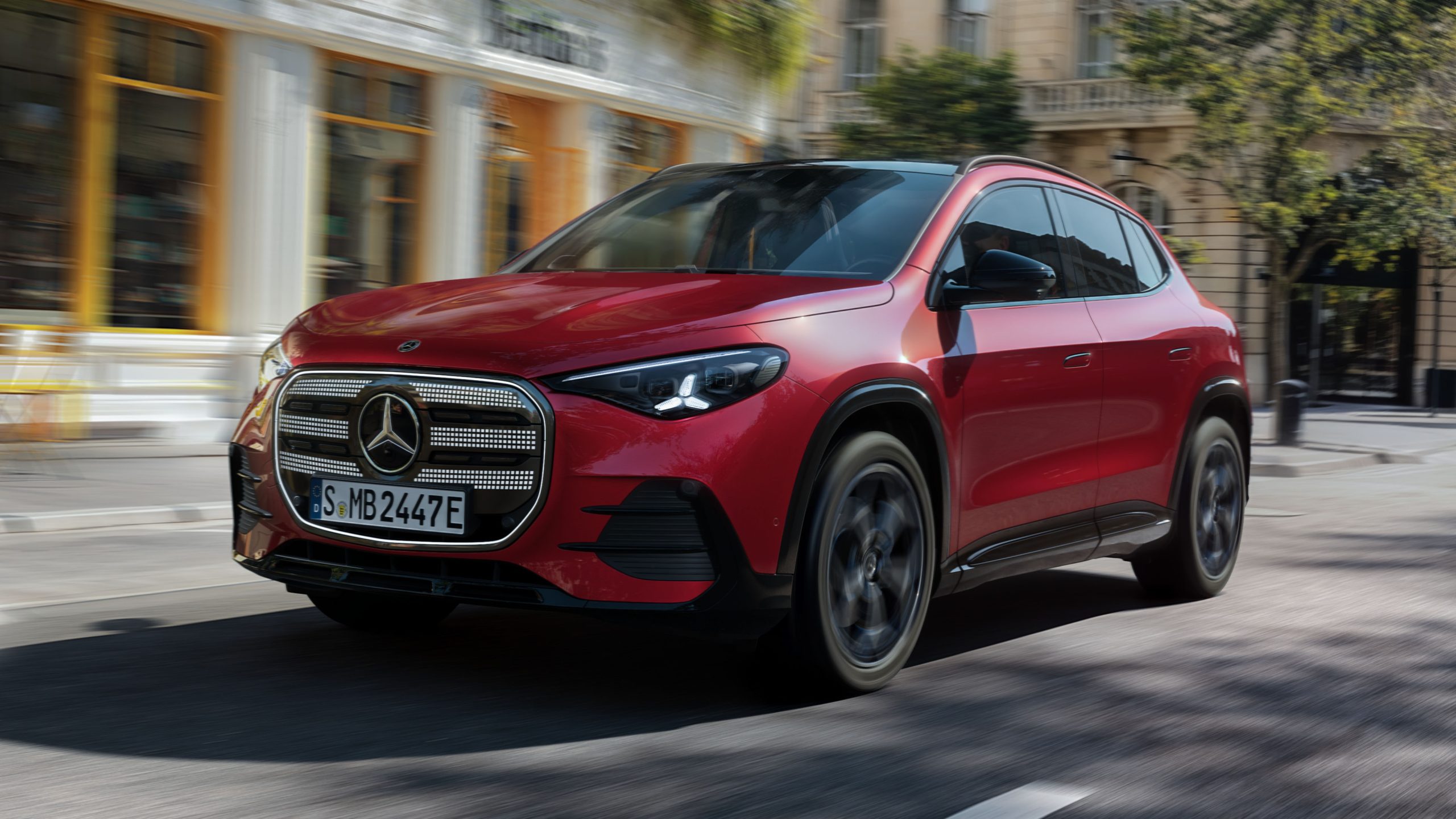
3. Mercedes-Benz Vehicles With Digital Service Plans
Mercedes-Benz has developed connected vehicle services that provide drivers with additional convenience through digital platforms. These services can include remote vehicle controls, navigation assistance, maintenance information, and other technology features. When a vehicle changes ownership, the status of these services becomes an important consideration for the new buyer.
Modern Mercedes vehicles often contain advanced electronic systems that require account management. A previous owner may have activated certain services through a manufacturer platform.
The next owner may need to transfer the account or establish a new connection. Without checking these details, buyers may misunderstand which features are included and which require payment.
Luxury vehicles commonly include technology packages that create higher ownership costs over time. While these features can improve convenience, they also introduce expenses beyond fuel, insurance, and maintenance.
A second owner purchasing a premium vehicle should consider recurring service charges as part of the total ownership budget.
Mercedes-Benz has focused heavily on connected technology as vehicles become more integrated with digital services. These systems provide benefits such as easier vehicle management and improved driver information.
However, they also require customers to understand agreements connected to the vehicle’s digital identity.
The used car market is adapting to these changes. Buyers now need to inspect software access, subscription status, and connected services along with traditional vehicle records. Mercedes vehicles demonstrate how luxury car ownership is becoming more complex as manufacturers add digital features and payment options.
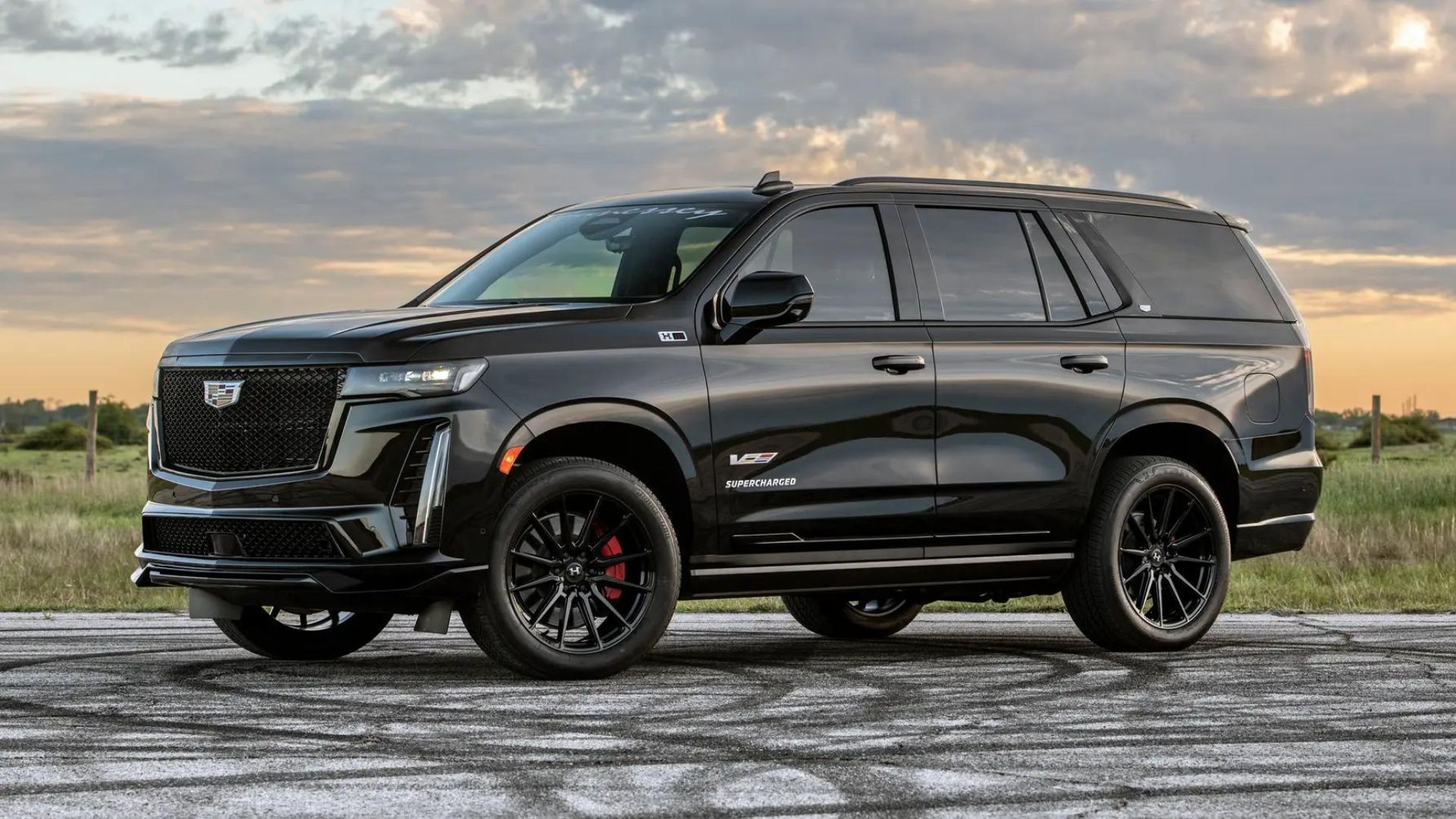
4. General Motors Vehicles With Connected Service Agreements
General Motors has introduced connected services through its vehicle technology platforms, offering features related to safety, navigation, communication, and remote access.
Vehicles from brands under the company can include plans that provide additional functions through monthly or annual payments. When ownership transfers, these plans may require attention from both the seller and buyer.
Connected services can improve the ownership experience by allowing drivers to access vehicle information remotely. They can check maintenance reminders, locate vehicles, receive safety assistance, and use smartphone-based controls.
However, these benefits depend on active accounts and service agreements that may not automatically match the expectations of a second owner.
A used vehicle buyer should ask whether the previous owner maintained any active service plans. Some services may end when ownership changes, while others may require registration by the new owner. Understanding these conditions helps buyers avoid confusion after purchasing a vehicle.
The growth of connected vehicle systems has encouraged manufacturers to create new revenue models. Instead of earning only from vehicle sales and repairs, companies can continue offering digital services throughout a vehicle’s lifespan.
This approach provides new opportunities but requires clear communication with customers.
General Motors vehicles highlight the importance of reviewing ownership history beyond mileage and maintenance records. Digital agreements are becoming part of vehicle history, and buyers must consider them when evaluating used cars. A complete purchase review now includes both physical condition and digital service information.
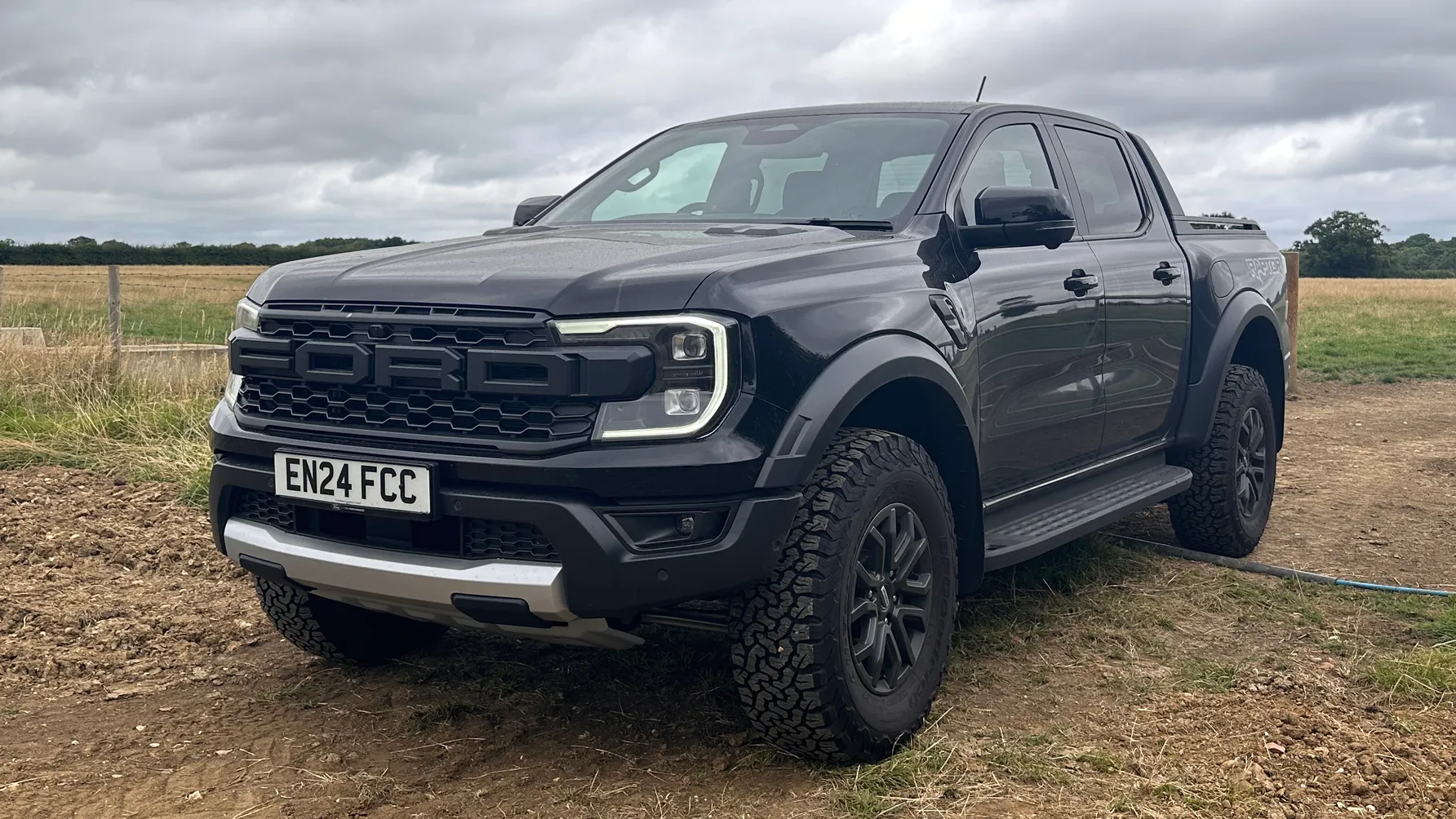
5. Ford Vehicles and Subscription Connected Features
Ford has expanded its connected vehicle technology through services designed to provide drivers with remote access, safety tools, and digital assistance. These features can involve subscription plans that offer additional functions after purchase. When a Ford vehicle is sold, the second owner may need to understand the status of these services.
Ford vehicles equipped with connected technology can provide features such as remote start through smartphone applications, vehicle tracking information, and service updates. While these tools add convenience, they may depend on an active account. A buyer purchasing a used Ford should verify whether these services are included or require a new payment arrangement.
The transition from the first owner to the second owner is becoming more complicated because vehicles now contain personal accounts and digital settings. Sellers need to remove their information, while buyers need to create their own accounts.
This process protects privacy and ensures that the new owner receives proper access.
Subscription services represent a major change in the automotive industry. Traditional car ownership involved paying for the vehicle and maintaining it. Modern ownership can include continued payments for software features and online services. Ford’s connected vehicle strategy reflects this broader industry movement.
For used car shoppers, awareness is the best protection against unexpected costs. Before purchasing any technology-focused vehicle, buyers should review active plans, available features, and transfer requirements. Understanding these details helps create a clearer picture of the vehicle’s true ownership expenses.
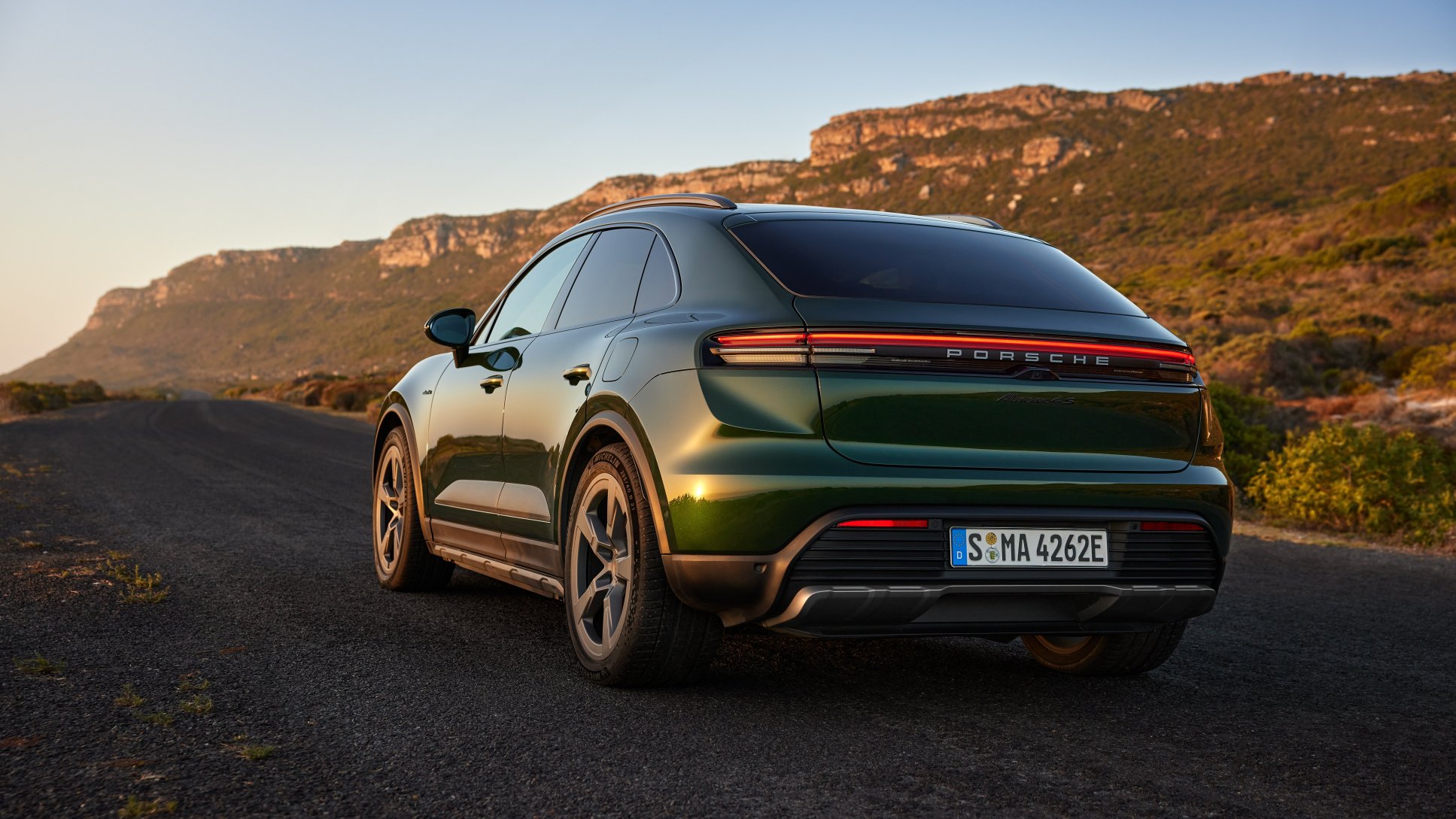
6. Porsche Vehicles With Connected Services and Digital Features
Porsche has adopted advanced digital technology across many of its modern vehicles, adding connected services that provide drivers with convenience, navigation assistance, and vehicle management tools.
These features are designed to improve the driving experience, but they can also create additional considerations when a vehicle moves from its first owner to a second owner. Used Porsche buyers may need to check which digital services remain active and which require renewed access.
Many Porsche vehicles include technology packages connected through manufacturer platforms. These systems can offer features related to remote vehicle information, navigation updates, entertainment services, and smartphone integration.
While the physical vehicle remains the same after resale, access to certain digital features may depend on account transfers or subscription arrangements created during the first ownership period.
Luxury vehicle buyers often focus on performance, maintenance history, and condition when purchasing used models. However, digital ownership details are becoming equally important.
A second owner who assumes a Porsche includes every available feature may discover that some functions require separate activation or payment. Reviewing these details before purchase helps establish realistic expectations.
Porsche’s approach reflects a wider change in the automotive industry, where manufacturers continue developing software-based services alongside traditional engineering.
Vehicles are no longer only mechanical products; they are also connected devices that rely on digital platforms. This creates opportunities for customization but requires buyers to understand the relationship between the car and its online services.
Second owners can protect themselves by requesting information about active Porsche services before completing a purchase. Checking account transfers, available technology packages, and service agreements can prevent confusion later.
A complete vehicle review should include both physical inspection and digital verification, especially for premium cars with advanced technology.

7. Audi Vehicles With Subscription Technology and Connected Plans
Audi has invested heavily in digital vehicle systems that combine luxury design with advanced technology.
Modern Audi vehicles can include connected services that provide navigation support, remote controls, traffic information, and other digital benefits. When these vehicles are sold, the second owner may need to review the status of these features and related payment plans.
Connected technology has become an important part of Audi ownership because many functions depend on online platforms. A previous owner may have activated certain services through an Audi account, while the new owner may need to register the vehicle under a different account. This transition process can affect which features are immediately available.
The used market for premium vehicles requires more attention because technology packages often represent a significant part of the vehicle’s value. Buyers may assume that advanced features included in the original purchase remain available permanently. In some cases, access can depend on subscriptions, service periods, or account transfers.
Audi’s digital approach allows vehicles to receive improvements and provide additional convenience throughout their lifespan. Drivers can benefit from updated services and connected tools that make vehicle ownership easier.
However, these advantages require transparency so buyers understand which features are included and which involve ongoing costs.
A second owner considering an Audi should review the vehicle’s digital history before purchase. Questions about connected services, active plans, and available features should be part of the buying process. Understanding these details helps buyers accurately evaluate the vehicle and avoid unexpected charges after ownership changes.
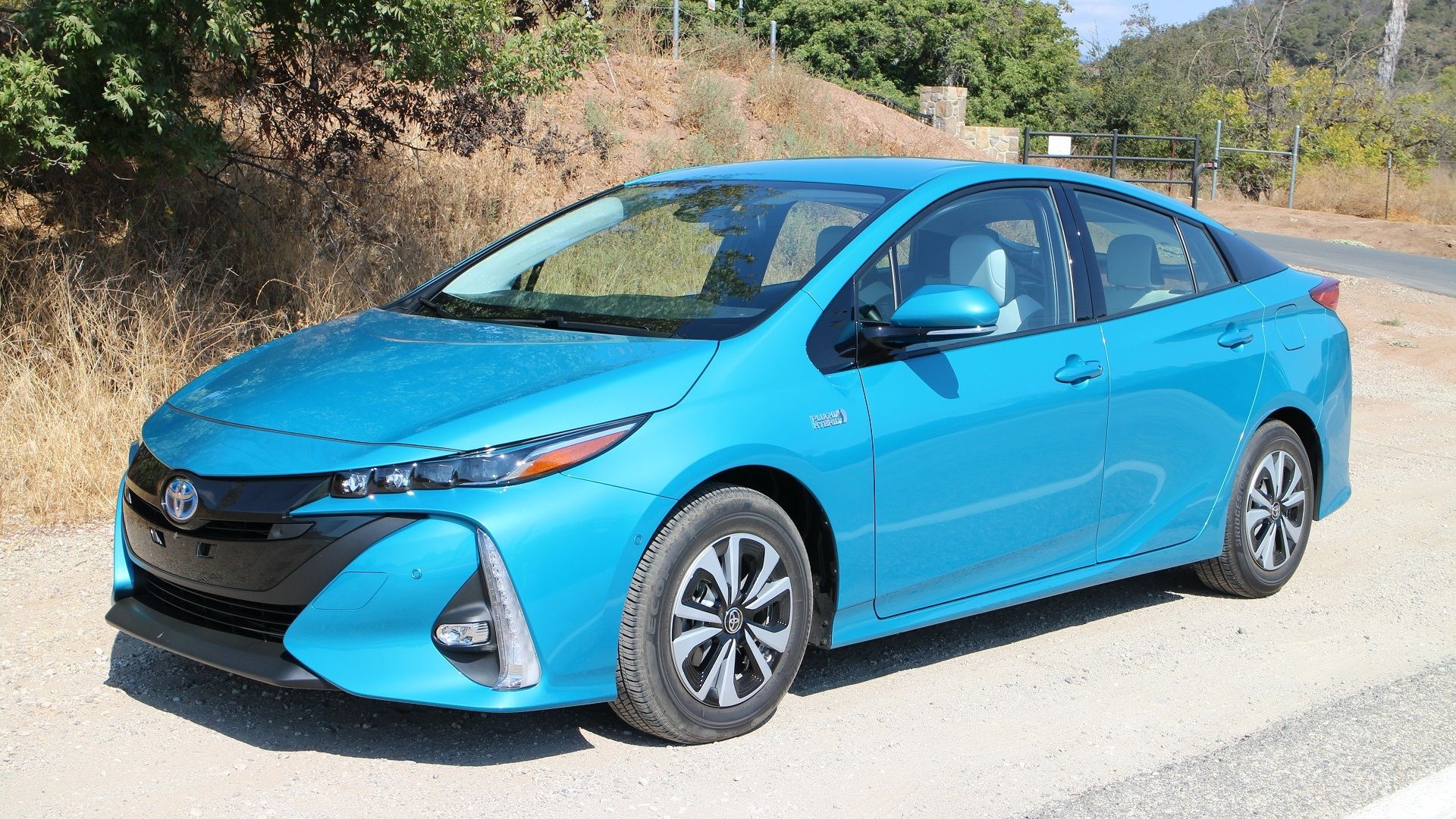
8. Toyota Vehicles With Connected Service Renewals
Toyota has built a strong reputation for reliability, but its newer vehicles also include connected technology that can involve subscription-based services.
Features related to remote access, safety assistance, navigation, and vehicle information may require active service plans. When ownership changes, the new owner may need to understand the status of these features.
Toyota’s connected systems are designed to provide convenience beyond traditional vehicle functions. Drivers can use smartphone applications and online tools to access information about their vehicles. These features depend on digital accounts, meaning the relationship between the vehicle and its owner has become more technology focused.
A second owner purchasing a Toyota may assume that all installed technology remains available without additional steps.
However, some connected services can require account registration or renewal after the original service period ends. Reviewing these details before buying helps prevent misunderstandings about available features.
The introduction of connected plans does not change Toyota’s reputation for durability, but it does add a new factor to ownership costs. Buyers now need to consider not only fuel efficiency, repairs, and maintenance but also possible digital service expenses. This is especially important for vehicles equipped with advanced technology packages.
Toyota’s connected services show how even mainstream vehicles are moving toward digital ownership models.
As more manufacturers introduce software-based features, buyers will need to become familiar with subscription systems and account transfers. Careful review of these services allows second owners to understand exactly what they are receiving with their purchase.
Also read: 5 Touring Bikes That Reach 100K Miles and 5 That Don’t
