
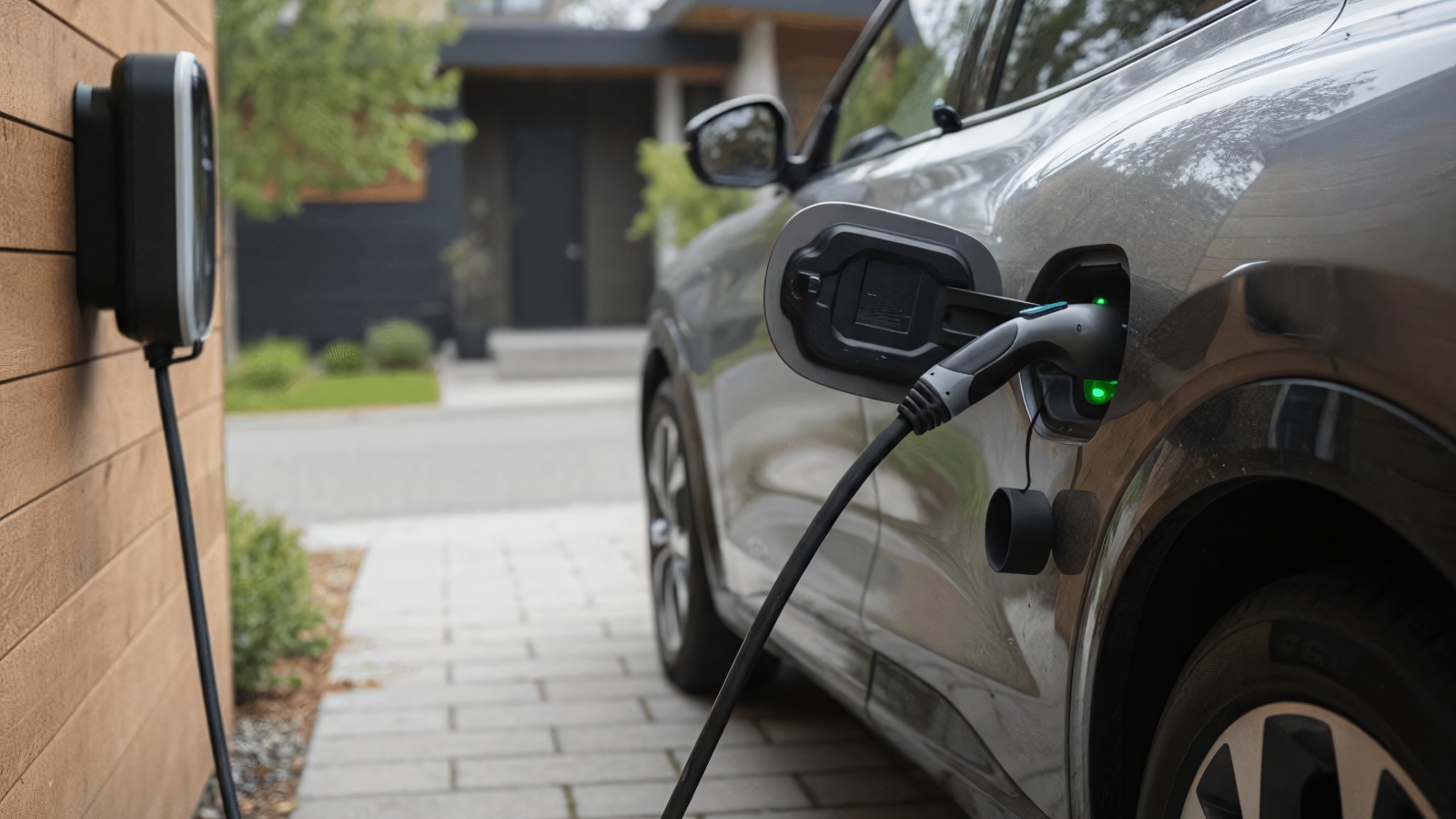
Modern EVs don’t just run on electricity. They run on connectivity too. Charging often depends on an app talking to a cloud server. That server authenticates you, unlocks the charge port, and starts the flow of power.
When that server goes down, the hardware is fine. The battery is fine. But the car simply won’t charge. This isn’t rare anymore. Big cloud outages, carrier failures, and buggy app updates have all stranded EV owners mid-charge.
Tesla owners got a real-world lesson in October 2025. An AWS outage knocked out the Tesla app nationwide. Owners couldn’t initiate charging because the Tesla logo kept spinning in the app without ever loading.
Rivian, Ford, Hyundai, Kia, Chevrolet, Volkswagen, and Lucid owners have all faced similar moments. Some couldn’t unlock their charge port. Some couldn’t start a session at all.
1. Tesla Model 3 Long Range AWD
Tesla built the most reliable charging network in America. That’s not marketing spin. But reliability has limits. The October 2025 AWS collapse proved it.
The Tesla Supercharger network ran into serious headaches when Amazon Web Services went down. Drivers couldn’t start sessions from the app. Some owners said they had to use non-Tesla charging stations to charge their EVs instead. That’s a strange irony for Tesla drivers.
One owner spent three hours trying to reach Tesla Support after seeing error codes. The fix wasn’t obvious or quick. This wasn’t Tesla’s first rodeo either. In 2021, Tesla drivers were locked out of their cars entirely during a separate server outage.
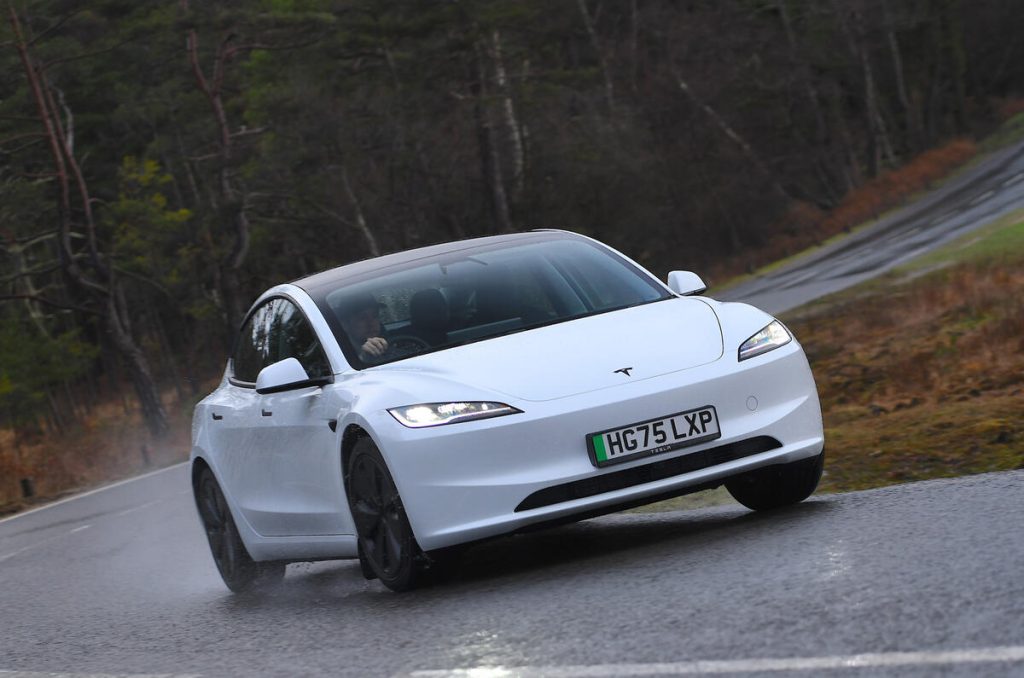
That earlier outage happened because the app couldn’t connect to Tesla’s servers, locking many users out of their EVs. Musk blamed network congestion. The pattern is clear now. Tesla’s app is the single gateway to charging.
No app connection, no charging session. That’s the tradeoff for a fully keyless system. Modern electric vehicles rely heavily on cloud infrastructure to manage energy distribution, handle digital authentication, and process payments at high-speed charging stalls.
When those backend cloud networks fail, the smart ecosystem breaks down. Owners accustomed to a seamless, smartphone-driven lifestyle suddenly find themselves stranded without traditional physical workarounds, highlighting a major vulnerability in modern automotive design.
As automakers transition further into software-defined architectures, the physical act of refueling a car is no longer just about plugging a nozzle into a port. It requires a digital handshake between the vehicle, the charging provider, and centralized cloud servers.
If any link in that digital chain snaps, the entire charging process halts, leaving drivers vulnerable to unexpected server outages, routine maintenance windows, and third-party cloud provider failures that are entirely out of their control.
Specifications:
- Engine: Dual permanent-magnet AC motors (front and rear)
- Horsepower: Approx. 366 hp combined
- Torque: Approx. 389 lb-ft combined
- Length: 184.8 inches
- Width: 72.8 inches
- Battery: 75 kWh usable, NCA lithium-ion
- Range: Approx. 341 miles EPA
2. Rivian R1T
Rivian trucks lean hard on cloud-based access. The app is often the only way in. Rivian’s servers suffered a massive outage that took down the website, app, and Phone-as-a-Key function together. Owners were stuck outside their trucks.
Unlike Ford, Rivian doesn’t have a backup passcode to start the vehicle without the app. That made the outage worse for some drivers. Charging depends on the same backend. If the app can’t talk to the truck, charging commands go nowhere.
One owner described being unable to wake the vehicle or check state of charge during an app outage. Repeated login attempts locked them out further.
Another owner in Phoenix confirmed a regional server-side outage was blocking connectivity between phone and vehicle in the cloud. Support could only confirm, not fix it instantly.
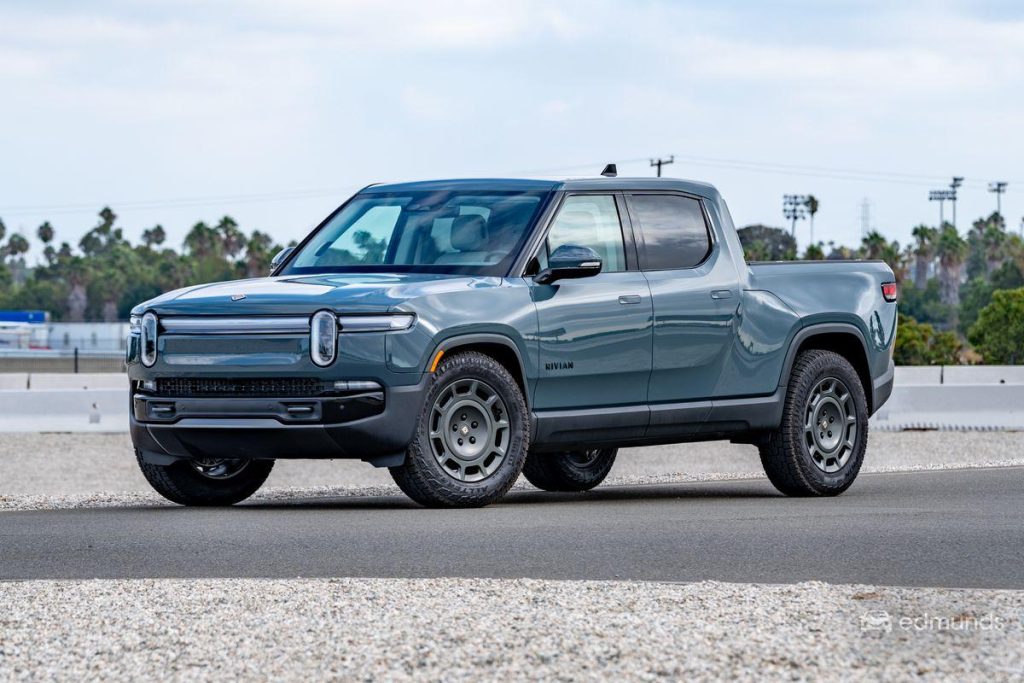
Rivian’s home charging setup adds another wrinkle. Scheduling and remote starts route entirely through Rivian’s servers. If Rivian’s backend hiccups, home charging schedules can silently fail. Owners may not notice until the truck isn’t charged the next morning.
This is the cost of an all-digital ownership experience. Convenience becomes fragility when the cloud sneezes. Adventure vehicles are engineered to handle rugged terrains, deep water, and extreme temperatures, but they often struggle when faced with an invisible enemy: a dropped internet connection or a distant data center outage.
When the cloud service goes dark, advanced electric trucks lose vital remote telemetry, leaving drivers unable to monitor their battery levels, initiate charging sessions, or optimize their power usage efficiently.
The reliance on centralized servers means that even routine software updates or unexpected server maintenance can disrupt a driver’s daily commute or road trip plans.
While software-defined features offer incredible versatility and over-the-air improvements, they simultaneously introduce points of failure that traditional internal combustion vehicles never had to worry about.
Until manufacturers build robust offline redundancies into their charging and authentication systems, cloud dependency will remain a persistent risk for modern electric vehicle owners.
Specifications:
- Engine: Quad-motor AWD electric powertrain
- Horsepower: Approx. 835 hp (Performance dual-motor variant lower, around 665 hp)
- Torque: Approx. 908 lb-ft
- Length: 217.1 inches
- Width: 79.3 inches
- Battery: Large pack, up to 141.5 kWh (Max Pack)
- Range: Up to 420 miles EPA (Max Pack)
3. Ford Mustang Mach-E
Ford tried to build redundancy into its system. It mostly worked, but not always. Ford has a backup passcode feature, unlike Rivian, meant to prevent owners from getting fully stranded. That’s a smart design choice.
But it hasn’t always saved drivers. Ford has had widespread PAAK issues that broke functionality, and some owners forgot or never set a backup passcode.
In some cases, backup passcodes were even wiped out by a server glitch. That left a few drivers stranded despite the safety net. FordPass server issues extend to charging too. Owners have reported their home charger losing connection to Ford’s servers for days at a time.
One user said the charger kept working physically, but Ford’s server-side connection message never cleared. Charging still happened, but monitoring didn’t.
In other cases, FordPass simply failed to log or reflect a charging session, showing outdated data for over a day. The car was charging, but the app didn’t know it.
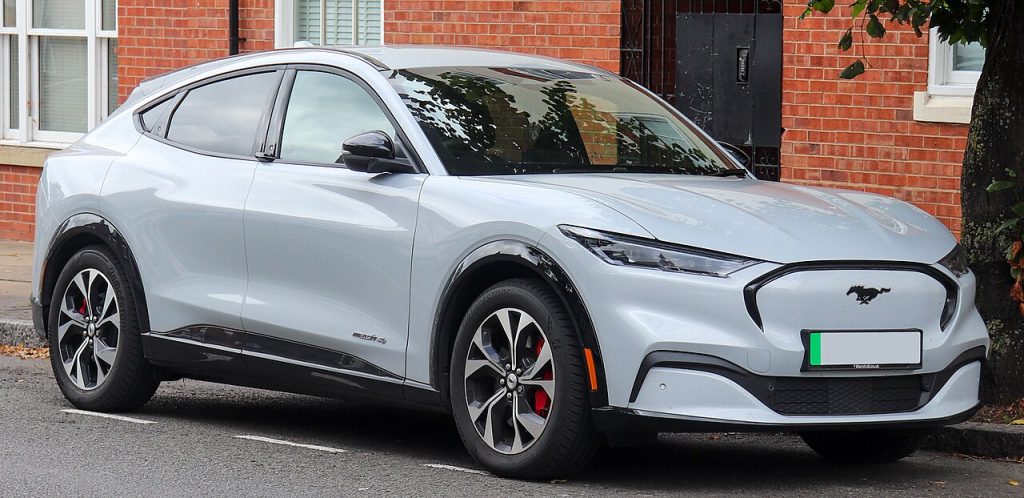
A Ford support rep confirmed the mobile app is the actual link that sends and receives charging data, not a direct car-to-Ford connection. That’s a critical dependency few owners realize.
If the phone app breaks, so does Ford’s visibility into your charging. The physical hardware might work fine, and the software layer still fails. Modern electric crossover design focuses heavily on creating a seamless user experience that bridges the gap between traditional motoring and personal consumer technology.
However, this tight coupling of vehicle mechanics to cloud software introduces vulnerabilities that can disrupt day-to-day operations. When cloud connectivity drops, owners lose the granular visibility and proactive notifications they rely on to manage their vehicle’s energy needs efficiently.
The complexity of modern automotive software architectures means that even when core electrical components continue to function properly, the loss of a backend server connection creates blind spots for the driver.
These software glitches force owners to question whether their vehicle is actively taking a charge or simply sitting idle, undermining the confidence that traditional automotive engineering spent decades establishing.
Automakers must find a reliable balance between cloud-based convenience and robust, offline functionality to prevent minor server glitches from causing major consumer headaches.
Specifications:
- Engine: Single or dual permanent-magnet electric motors
- Horsepower: 266 hp (standard range RWD) up to 480 hp (GT Performance)
- Torque: Up to 634 lb-ft (GT Performance)
- Length: 185.6 inches/Width: 74.1 inches
- Battery: 70 kWh standard, 91 kWh extended range
- Range: Up to 320 miles EPA (extended range RWD)
4. Hyundai Ioniq 5
Hyundai’s Bluelink system controls remote charging management. When it’s down, so is remote charging control. On February 9, 2025, Hyundai Bluelink suffered a temporary outage affecting remote commands and connected services nationwide. Many owners lost access overnight.
A separate T-Mobile network failure that same month cut off Bluelink access for thousands of Hyundai owners overnight. The problem wasn’t even Hyundai’s fault directly. That’s an important lesson. Bluelink relies entirely on a third-party cellular carrier.
AT&T powers Bluelink connectivity in most areas, meaning Hyundai vehicles are subject to carrier outages Hyundai itself can’t control. One company’s problem becomes another’s outage.
Real owners reported Bluelink going down entirely on brand-new vehicles with only a few hundred miles on the odometer. This wasn’t an old-hardware problem.
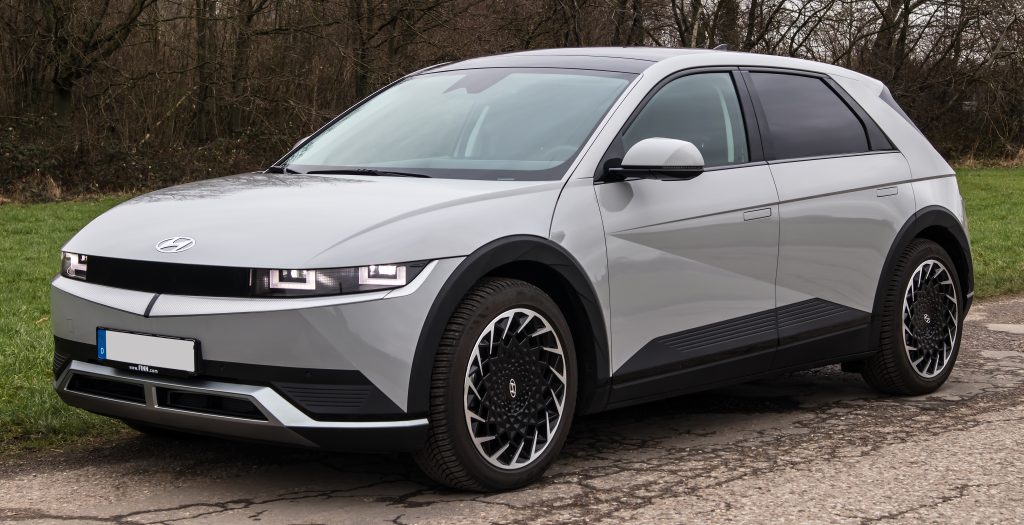
For EV owners specifically, this matters more. The MyHyundai app is how EV and PHEV owners view charging status and manage charging schedules. If Bluelink is down, scheduled overnight charging can’t be adjusted remotely. Owners are stuck with whatever settings were last saved.
Recovery even requires a specific “hard refresh” sequence involving starting the car and pressing a dashboard button. It isn’t automatic once the outage clears.
Advanced electric vehicles like the Ioniq 5 showcase impressive fast-charging capabilities and futuristic design, yet their smart ecosystems are vulnerable to external network failures that extend far beyond the automaker’s direct control.
Because connected services rely on multi-tiered infrastructure involving cellular network providers, third-party data centers, and proprietary app servers, a single point of failure anywhere along that chain can cut a driver off from essential vehicle controls.
This intricate dependency means that an electric vehicle’s charging schedule and energy monitoring tools are only as reliable as the weakest link in the telecommunications network.
When carriers experience outages or server infrastructure buckles under heavy load, drivers are left in the dark, unable to optimize utility rates or verify that their vehicle is prepared for an upcoming trip. Addressing these hidden dependencies will be vital as the automotive industry moves deeper into an all-connected, software-reliant future.
Specifications:
- Engine: Single or dual permanent-magnet motors
- Horsepower: 168 hp (RWD Standard Range) up to 320 hp (AWD)
- Torque: Up to 446 lb-ft (AWD) Length: 182.5 inches
- Width: 74.4 inches
- Battery: 58 kWh or 77.4 kWh options
- Range: Up to 303 miles EPA (Long Range RWD)
Also Read: 8 Trucks That Hold 70 Percent After Three Years
5. Kia EV6
Kia’s connected services run on the same backbone as Hyundai’s, since both share a parent company. That shared architecture means shared risk. Kia experienced an extended systems outage that knocked out its UVO Link app and owner’s portal for days. Remote features went dark.
Kia confirmed remote start and remote heating features were the most acutely affected during winter storms. That’s a rough time to lose remote climate and charge control.
There were rumors this was a cyberattack. Kia denied any ransomware attack, though a security researcher group claimed responsibility and demanded a $20 million ransom. Whatever the cause, the effect was the same. Owners couldn’t manage charging schedules through the app during the outage.
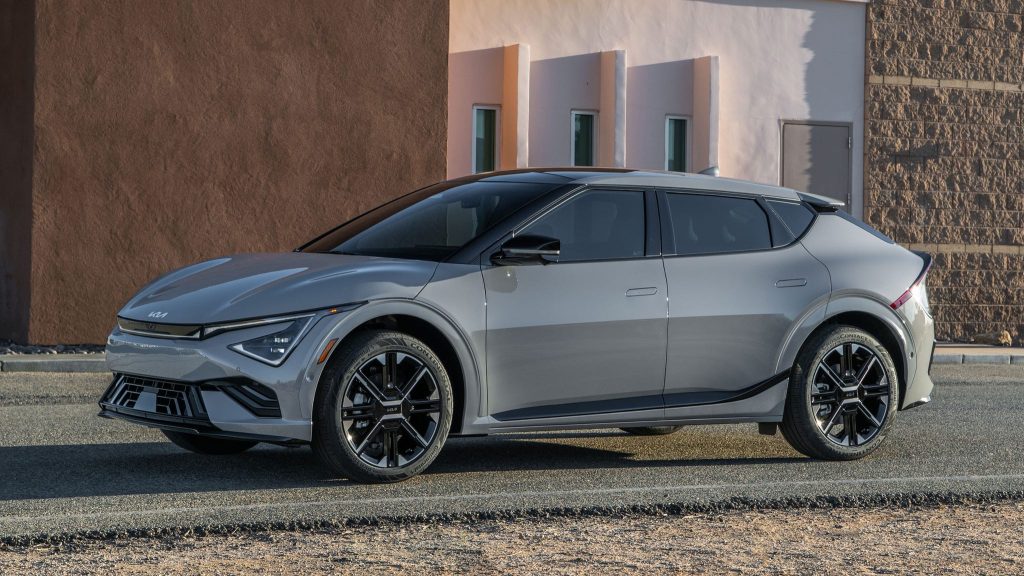
Kia said it anticipated most critical customer-facing systems would return within 24 to 48 hours. For EV owners mid-winter, that’s a long wait. This incident shows something important. Even large automakers can lose backend access for multiple days straight.
UVO Link isn’t just convenience software. It’s the layer that starts and stops charging remotely, and monitors your battery state. Without it, owners fall back to manual, in-person charging management. That defeats much of the point of buying a connected EV.
Specifications:
- Engine: Single or dual permanent-magnet motors
- Horsepower: 167 hp (Light RWD) up to 320 hp (GT-Line AWD)
- Torque: Up to 446 lb-ft (AWD) Length: 184.3 inches
- Width: 74.4 inches
- Battery: 58 kWh or 77.4 kWh options
- Range: Up to 310 miles EPA (Long Range RWD)
6. Chevrolet Bolt EV
GM’s OnStar backend controls the Bolt’s remote charging features. That backend has its own history of falling over. Owners report that GM’s servers regularly go down, triggering an out-of-service notice inside the app. This isn’t a one-time event.
Some owners even found switching between the MyChevrolet and MyGMC apps helped, since server load seemed to differ between them. That’s a workaround, not a fix.
Connectivity also depends on the car staying awake. The Bolt’s Body Control Module shuts off OnStar after a period of inactivity to save the 12-volt battery.
Once OnStar shuts off, owners can’t check battery or charge status remotely until they physically start the car again. Remote monitoring simply stops working.
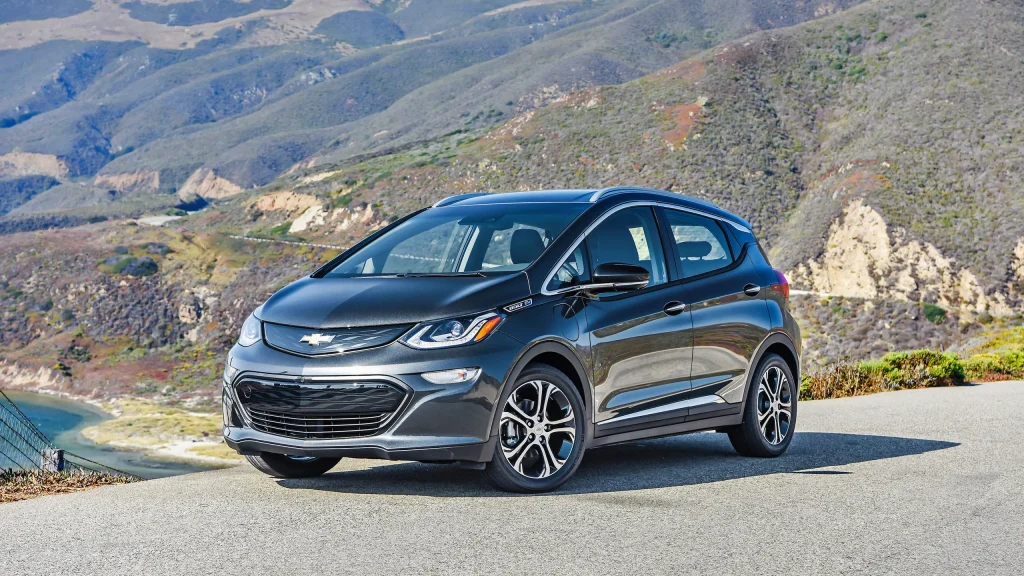
One owner tracked this precisely. Their logs showed the OnStar server returning repeated errors after roughly eight successful status checks in a row.
Subscription lapses compound the problem too. One owner lost access to state-of-charge data entirely once their free OnStar trial expired, despite being told otherwise.
Others found their charging status access got cut off exactly when a multi-year OnStar plan quietly expired. The car didn’t change, but access did. Bolt owners have learned to keep a manual eye on their charger. Relying solely on the app has proven unreliable more than once.
Specifications:
- Engine: Single permanent-magnet electric motor
- Horsepower: 200 hp
- Torque: 266 lb-ft
- Length: 163.2 inches
- Width: 69.5 inches
- Battery: 65 kWh usable
- Range: Up to 259 miles EPA
7. Volkswagen ID.4
VW’s We Connect platform ties directly into charging management for the ID.4. When it fails, remote charging control fails with it. During a major internet outage, VW We Connect users reported it was interrupting charging sessions for owners integrated with the system.
This wasn’t limited to remote monitoring alone. VW runs its backend on AWS, which should scale cleanly with demand under normal cloud practices. Yet the outage still happened.
Forum members concluded the fault sat with VW’s own implementation rather than AWS itself having a broader outage. The cloud provider wasn’t fully to blame.
Other automakers were hit alongside VW that same day. MG’s iSmart app also went down, which owners attributed to cold-weather demand overwhelming backend systems across multiple manufacturers.
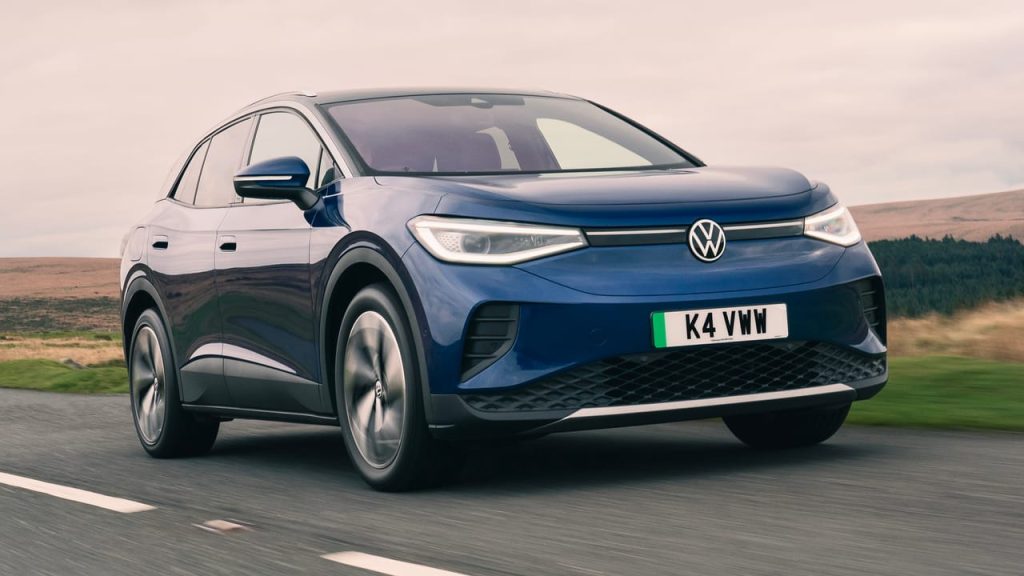
That’s a telling detail. Winter cold snaps spike EV charging and app usage simultaneously, straining servers right when owners need them most. For ID.4 owners, this means scheduled overnight charging can silently fail during exactly the coldest, highest-demand nights. That’s the worst possible timing.
One owner noted their car showed a working 4G connection even while the app itself stayed broken. The car was online, but VW’s servers weren’t cooperating. This distinction matters. A car with signal isn’t the same as a car that can actually charge on command.
Specifications:
- Engine: Single or dual permanent-magnet motors
- Horsepower: 201 hp (RWD) up to 295 hp (AWD)
- Torque: Up to 339 lb-ft (AWD) Length: 180.5 inches
- Width: 72.9 inches
- Battery: 62 kWh or 82 kWh options
- Range: Up to 291 miles EPA (RWD Pro S)
8. Lucid Air
Lucid is unusually upfront about this dependency. It literally warns owners before scheduled maintenance. Lucid emailed owners ahead of a planned cloud update, warning that the mobile app would be unable to communicate with the vehicle during the window. That’s rare transparency.
The same notice confirmed any charging sessions scheduled during that window simply would not begin until the update finished. Scheduled charging depends entirely on cloud availability.
If a session was already running when the update began, it would continue, but new sessions could not start. Timing is everything here. Lucid also warned that logging out of a driver profile during the update would lock owners out until it completed. That’s a strict cloud dependency by design.
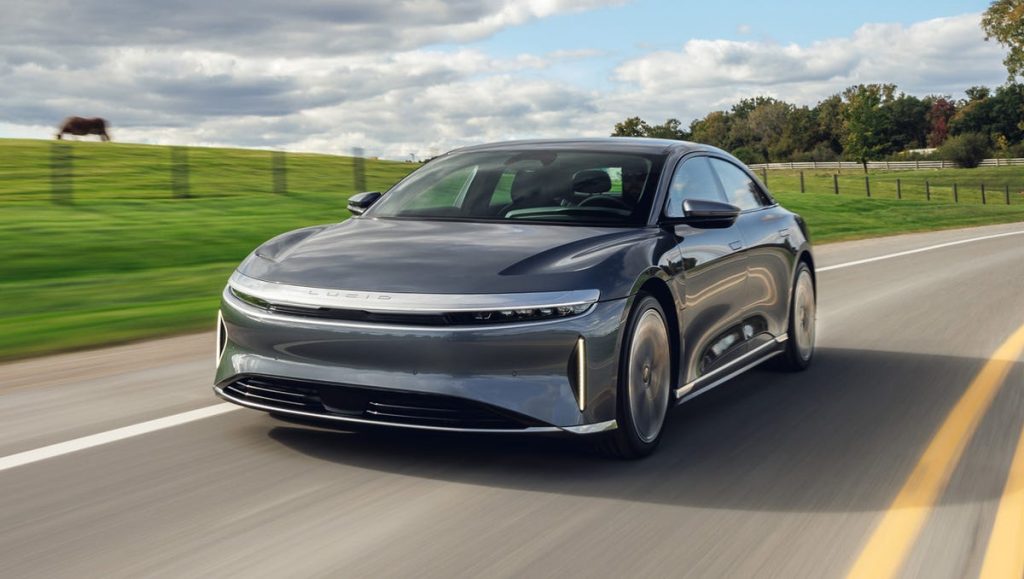
This isn’t a rare glitch either. Lucid schedules these updates regularly and tells owners to prepare backup keys in advance. Owners were advised to carry a physical key fob in case their phone-based key also failed during the update. That’s a direct admission of risk.
Day-to-day issues exist too. Some owners found the Lucid Charging Service simply disabled itself in the app, even after adding multiple credit cards.
Lucid support confirmed other owners were experiencing the same charging service failure at the same time. That points to a backend problem, not user error.
Specifications:
- Engine: Dual permanent-magnet motors (AWD Touring/GT trims)
- Horsepower: Up to 819 hp (Grand Touring)
- Torque: Up to 885 lb-ft (Grand Touring)
- Length: 195.9 inches
- Width: 76.6 inches
- Battery: Up to 118 kWh (Grand Touring)
- Range: Up to 512 miles EPA (Grand Touring)
