Hybrid technology is beginning to reshape pickup trucks in several different ways. Some manufacturers are introducing conventional plug-in hybrids, while others are developing extended-range electric trucks that use gasoline engines as onboard generators. These systems are intended to deliver electric driving for daily use without forcing owners to depend entirely on charging stations during towing, hauling, or long-distance travel.
Not every vehicle below is guaranteed to arrive at dealerships during the 2027 calendar year. Several have confirmed production programs but uncertain delivery dates, while others are planned primarily for markets outside North America. The list therefore explains the confidence level for every truck and distinguishes official specifications from preliminary targets, reported launch plans, and programs that remain under development.
1. Ram 1500 REV
Among the trucks on this list, the Ram 1500 REV carries one of the strongest confidence levels. Ram has publicly revealed the range-extended truck, published substantial technical information, and currently lists projected availability during 2026. That schedule places it directly within the 2027-model-year conversation, although production timing, pricing, and final certified specifications could still change before customer deliveries begin.
The REV combines a liquid-cooled 92-kWh battery with front and rear electric drive modules. A 3.6-liter Pentastar V6 powers a 130-kW generator, producing electricity for the battery and propulsion system. The gasoline engine does not normally provide a direct mechanical connection to the wheels, so the truck continues to accelerate through its electric motors.
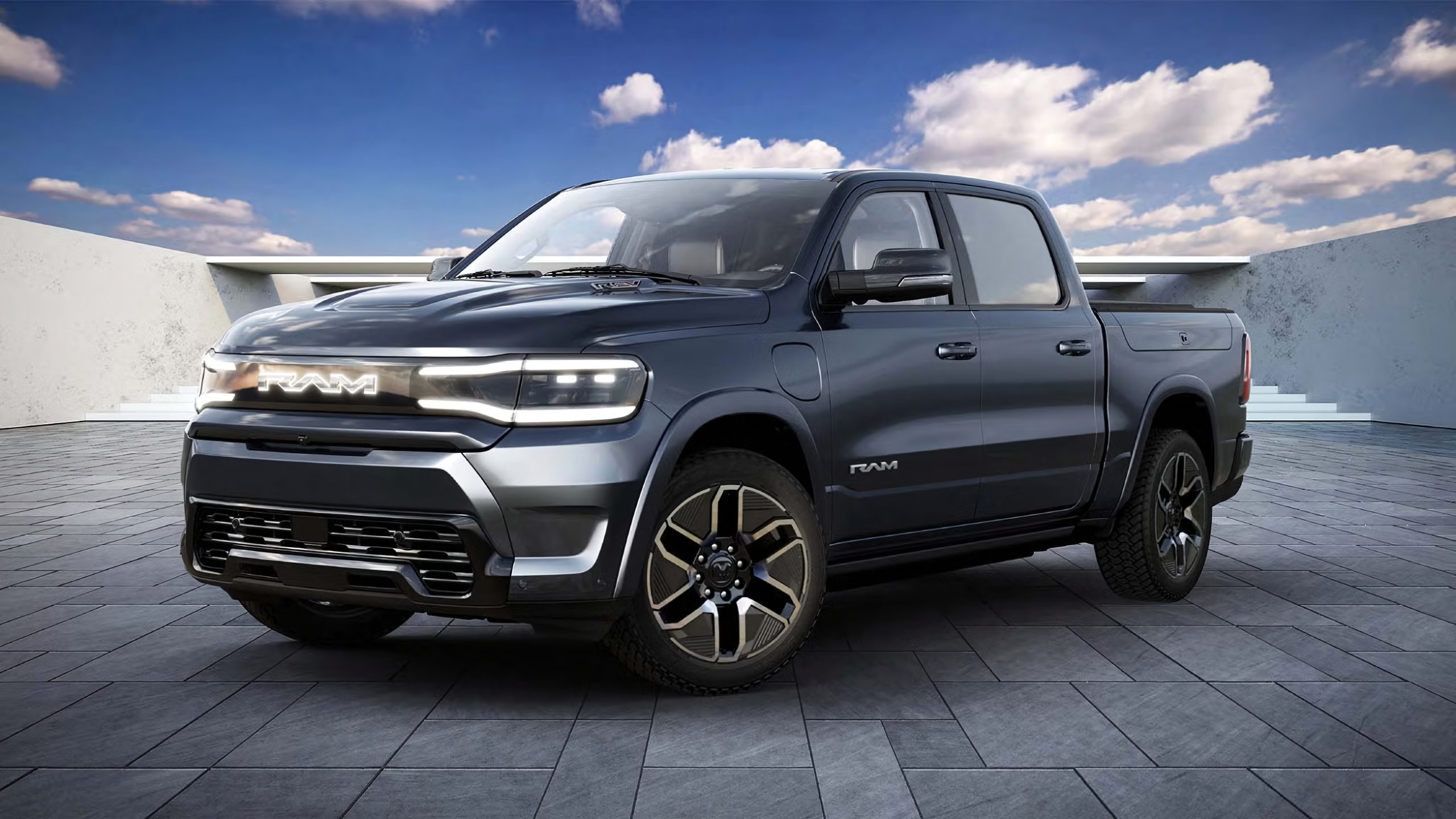
Ram estimates a total driving range of as much as 690 miles. That figure combines energy stored in the battery with electricity generated after the gasoline engine starts operating. The manufacturer has not yet released a final battery-only range figure for the production truck.
Preliminary output is listed at 647 horsepower and 610 pound-feet of torque. Ram is also targeting a zero-to-60-mph time of approximately 4.5 seconds, towing capacity of up to 14,000 pounds, and payload capacity of as much as 2,625 pounds. Those numbers remain projected rather than independently certified for every configuration.
Owners will be able to charge the battery externally and use electricity for shorter journeys. On longer trips, the gasoline generator should reduce the need to locate high-speed chargers. This could be especially valuable while towing, when aerodynamic drag and additional weight substantially increase energy consumption.
The truck will also support external electrical equipment and multiple energy-management modes. Drivers should be able to preserve battery power for later use, operate tools at a work site, or provide electricity during an emergency. The REV therefore attempts to combine an electric truck’s smooth response with the long-distance convenience expected from a gasoline pickup.
2. Ford F-150 Lightning EREV
Ford is approaching hybridization from a completely different direction. Instead of adding a small motor to a regular gasoline F-150, the company is developing a new F-150 Lightning whose wheels will remain electrically driven. Confidence that the truck will reach production is high because Ford has officially announced the program, but confidence in a 2027 showroom launch is moderate because no model year or delivery date has been published.
The original F-150 Lightning was a battery-electric pickup. Its successor will add an internal-combustion engine that functions as an electricity generator after the usable battery charge begins to fall. Ford says the arrangement is being developed to deliver more than 700 miles of total driving range.
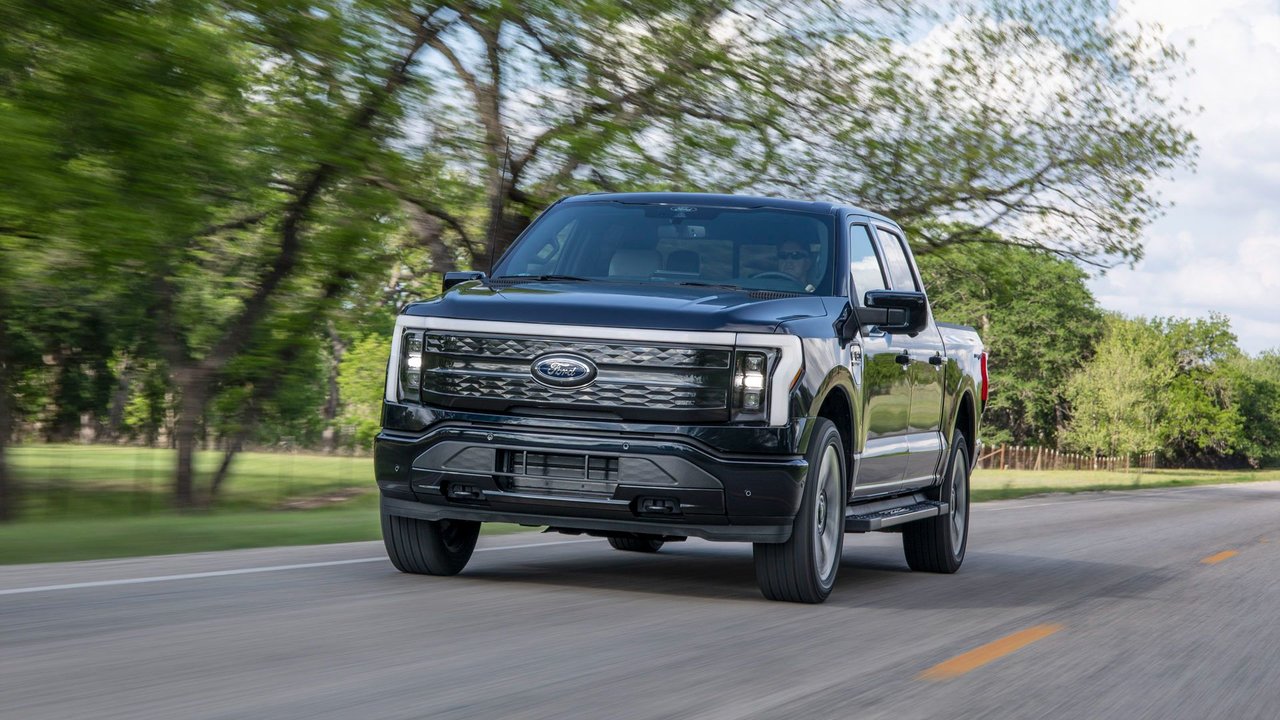
This system is distinct from the PowerBoost hybrid already available in the standard F-150. PowerBoost uses its gasoline engine and electric motor together through a conventional drivetrain. In the next Lightning, electric motors will provide propulsion, while the combustion engine will supply electricity rather than directly turning the wheels.
Ford is targeting buyers who need electric torque but cannot always plan their work around charging infrastructure. Towing a large trailer can sharply reduce electric range, particularly at highway speeds, in cold conditions, or across steep terrain. Chargers may also be difficult to access without disconnecting the trailer.
An onboard generator would allow owners to begin a journey using electricity charged at home. When more range is required, gasoline could keep the electric system operating without an extended charging stop.
Ford has announced a projected range exceeding 700 miles and acceleration to 60 mph in less than five seconds. However, battery capacity, engine displacement, horsepower, torque, towing capacity, payload, charging rate, and pricing remain undisclosed.
Production is assigned to Ford’s Rouge Electric Vehicle Center in Michigan. Until Ford publishes an official launch schedule, the truck should be treated as a strong upcoming candidate rather than a guaranteed 2027 dealership arrival.
3. Scout Terra Harvester
Reservation demand provides the most revealing introduction to the Scout Terra Harvester. Scout reported in March 2026 that more than 85 percent of its reservations were for the range-extended version, leading the company to prioritize that configuration. The program itself has high credibility, but buyers should understand that initial production is targeted for 2027 while customer deliveries are currently expected to begin in 2028.
The Terra will be available as either a fully electric pickup or an extended-range electric vehicle. Scout calls the latter system the Harvester. It adds a gasoline-powered generator that replenishes the vehicle’s electrical energy while the wheels continue to be driven by electric motors.
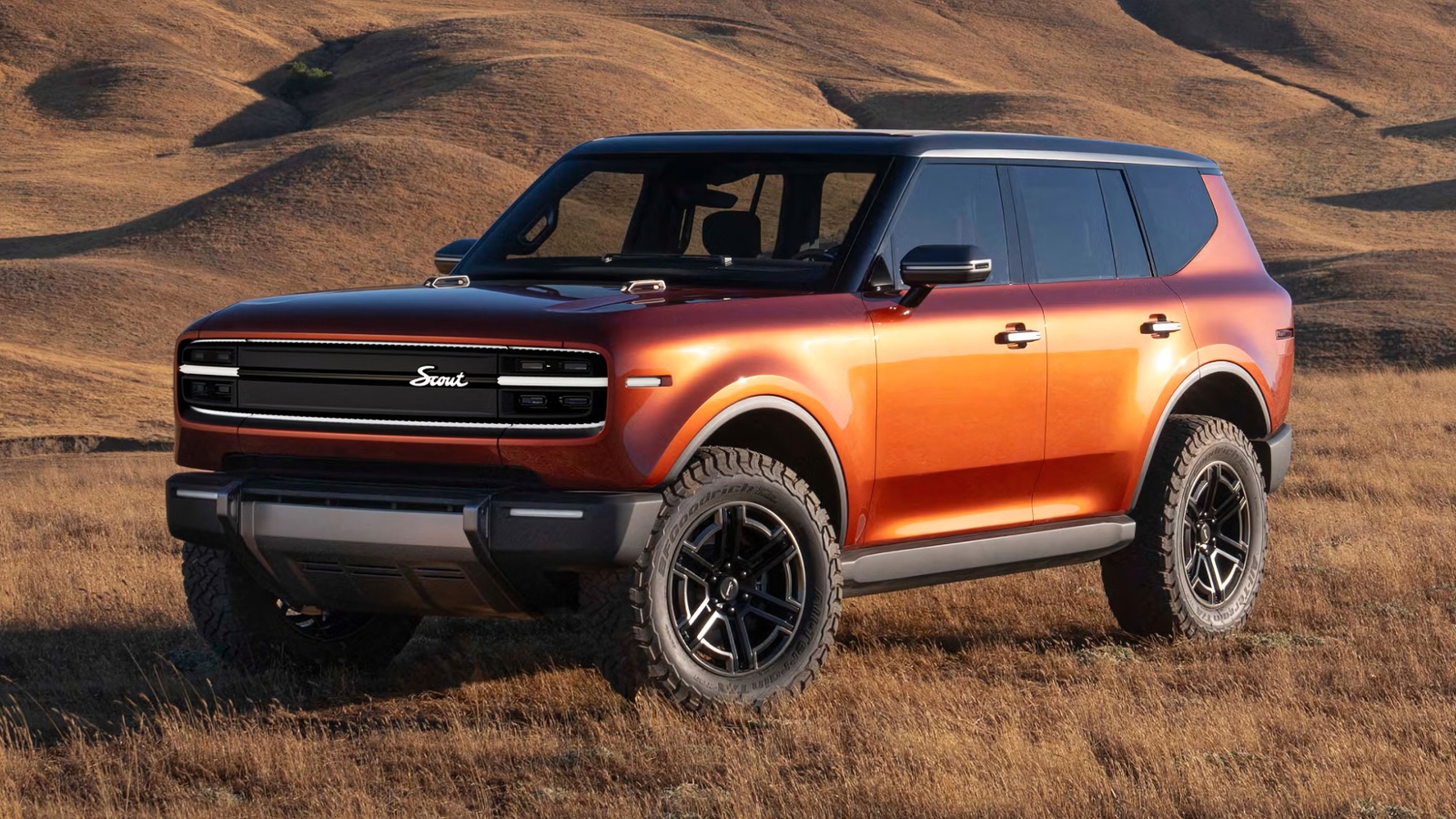
Scout projects more than 500 miles of combined range for extended-range models. Fully electric versions are expected to provide as much as 350 miles, although both estimates remain preliminary and have not received EPA certification.
The Terra is being developed as a body-on-frame utility truck with four-wheel drive. Planned hardware includes a solid rear axle, available front and rear locking differentials, a mechanical front anti-roll-bar disconnect, and tires measuring as much as 35 inches.
Scout has also projected a maximum towing capacity exceeding 10,000 pounds and payload approaching 2,000 pounds. Those figures could change as engineering and certification work continues. Its bed is expected to measure approximately five feet five inches and include both 120-volt and 240-volt outlets.
The Harvester should allow many owners to perform local driving primarily on stored electricity. Gasoline becomes the backup energy source for remote travel, long highway journeys, or towing beyond the vehicle’s battery-only range.
This arrangement could be especially useful for camping and off-road travel, where chargers are less common but gasoline remains relatively accessible. Nevertheless, the 2027 distinction must remain clear. Scout expects validation and initial manufacturing activity during that year, not widespread customer delivery. The Terra is therefore a confirmed production program connected to 2027, but it is more accurately viewed as an early 2028-market arrival.
4. Nissan Frontier Pro PHEV
Nissan does not need a prototype to prove that its hybrid pickup exists. The Frontier Pro PHEV has already been introduced and launched in China, making its production status highly credible. The uncertainty involves where it will be sold next. A broader international rollout is likely to extend into the 2027 period, but Nissan has not confirmed the truck as a hybrid option for the American-built Frontier.
The Frontier Pro PHEV pairs a turbocharged 1.5-liter gasoline engine with a high-output electric motor. Nissan lists total system output above 300 kW, equivalent to more than 402 horsepower, and torque of as much as 800 Nm, or approximately 590 pound-feet.
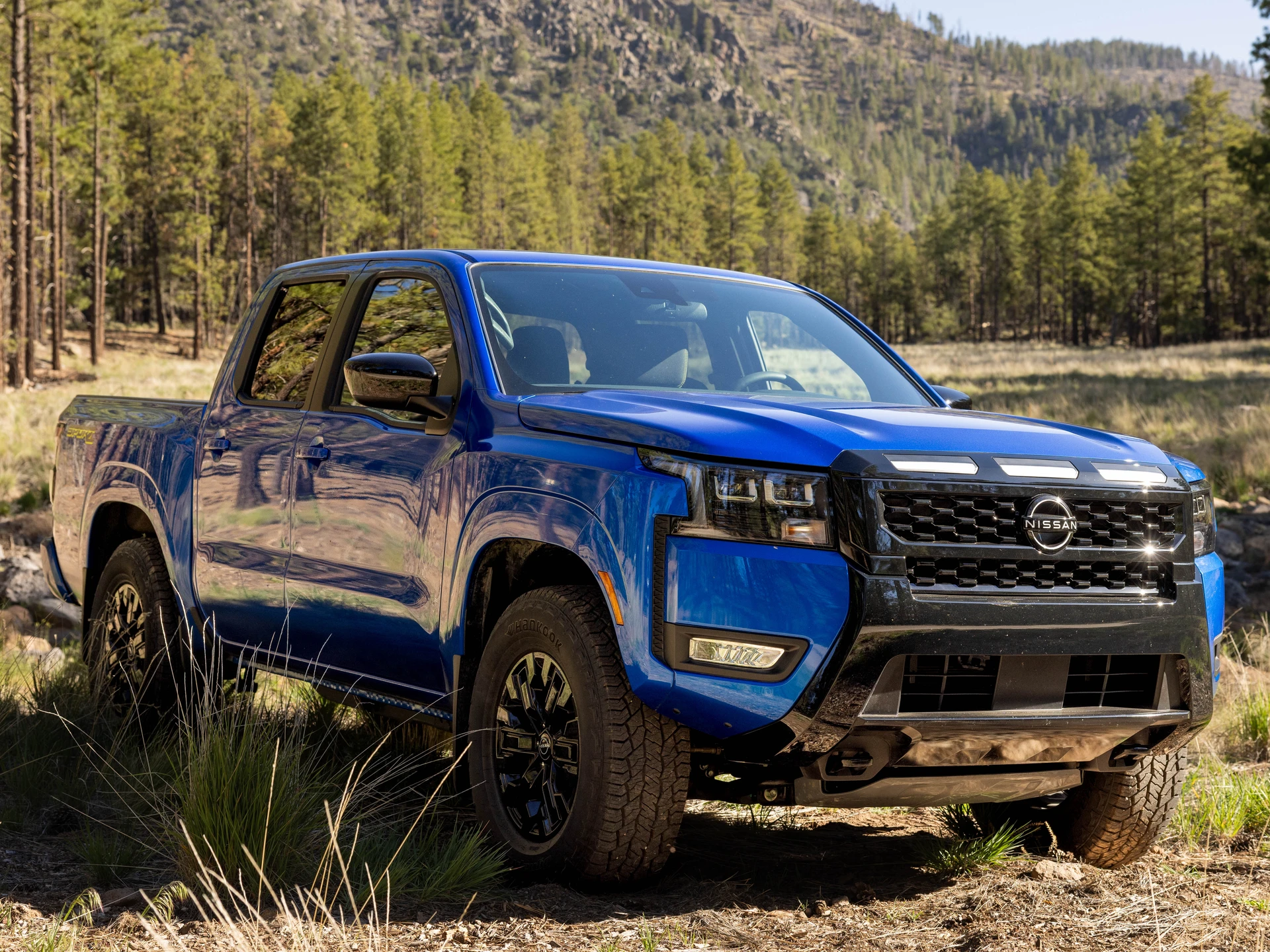
Its battery is designed to provide up to 135 kilometers, or roughly 84 miles, of electric operation under China’s testing procedure. That figure should not be treated as an EPA estimate because Chinese and American laboratory cycles use different speeds, temperatures, and operating assumptions.
Unlike the range-extender systems planned for the Ford Lightning and Scout Terra, the Frontier Pro is a plug-in hybrid with its engine and electric components integrated into the drivetrain. It can be charged from an external source, driven for shorter distances using electricity, and continue traveling with gasoline after the initial charge is depleted.
The truck uses body-on-frame construction and electronically controlled four-wheel drive. Nissan has also announced multiple terrain settings and the ability to provide electrical power for outdoor equipment.
The model has been developed through Nissan’s Chinese joint venture and is intended for export to additional regions. Some markets may receive it under Frontier Pro or Navara-related branding, depending on Nissan’s regional strategy.
North American availability remains doubtful. The regular U.S.-market Frontier uses different manufacturing arrangements and currently does not offer this PHEV system. Therefore, the Frontier Pro is a verified hybrid pickup with a credible 2027 international-expansion story, but it should not be presented as a confirmed 2027 addition for American Nissan dealers.
5. Chery Stockman Petrol PHEV
Few upcoming pickups are as mechanically unusual as the Chery Stockman. Its initial Australian version will combine a diesel engine with plug-in-hybrid technology, while Chery has officially stated that a petrol PHEV will join the range in 2027. That direct announcement gives the gasoline-electric model a high confidence level, even though most of its final technical specifications remain unavailable.
The first Stockman will use a 2.5-liter turbo-diesel engine paired with a battery and electric motor. Chery describes it as the first system of its kind in a production utility vehicle, and claims improved efficiency and reduced vibration compared with a conventional diesel. These remain manufacturer claims until independent testing becomes available.
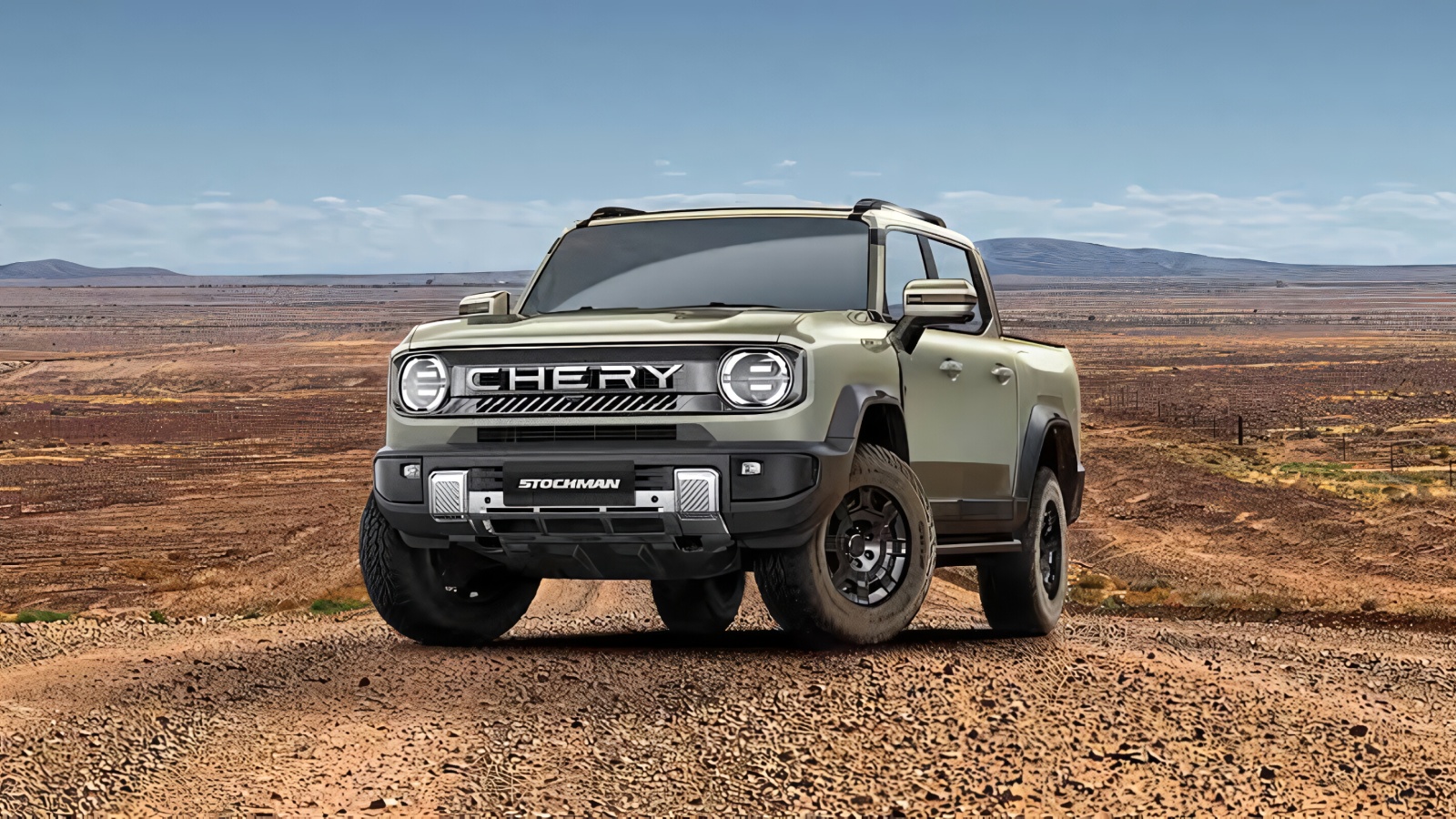
The diesel PHEV is aimed at Australian drivers who regularly tow, travel long distances, or operate in areas where diesel fuel remains easier to obtain than high-speed charging. Electric assistance should provide immediate low-speed torque, while plugging in may reduce fuel use during daily commuting.
Chery has indicated that the truck is being engineered to tow as much as 3,500 kilograms, the common upper target in Australia’s one-ton pickup segment. Final payload, electric range, battery capacity, charging rate, and standardized fuel-consumption results have not yet been fully published.
The petrol PHEV planned for 2027 could appeal more strongly to private buyers. A gasoline engine may offer smoother operation and could be less complicated for owners who do not require a diesel’s traditional long-distance and towing characteristics.
However, Chery has not confirmed whether the petrol version will share the diesel model’s battery, motors, transmission, or performance ratings. It may receive a different calibration or an entirely different hybrid arrangement.
The Stockman’s success will depend on sustained performance rather than peak output alone. Buyers will want to know how it behaves while towing with a depleted battery, how quickly it charges, and whether its hybrid components remain reliable under commercial use. Australian availability is confirmed, but launches in North America and the Philippines have not been announced.
6. JAC T9 PHEV
The JAC T9 PHEV is not waiting for 2027 to become real. It has already entered selected markets, including New Zealand, which gives its specifications a much higher confidence level than those of most unreleased trucks. Its connection to 2027 comes from its first full year of availability and expected export growth rather than from an entirely new launch scheduled for that year.
The truck combines a turbocharged 2.0-liter gasoline engine with two electric motors. JAC publishes combined output of 360 kW, equivalent to approximately 483 horsepower. That makes it one of the most powerful plug-in-hybrid pickups offered in its market.
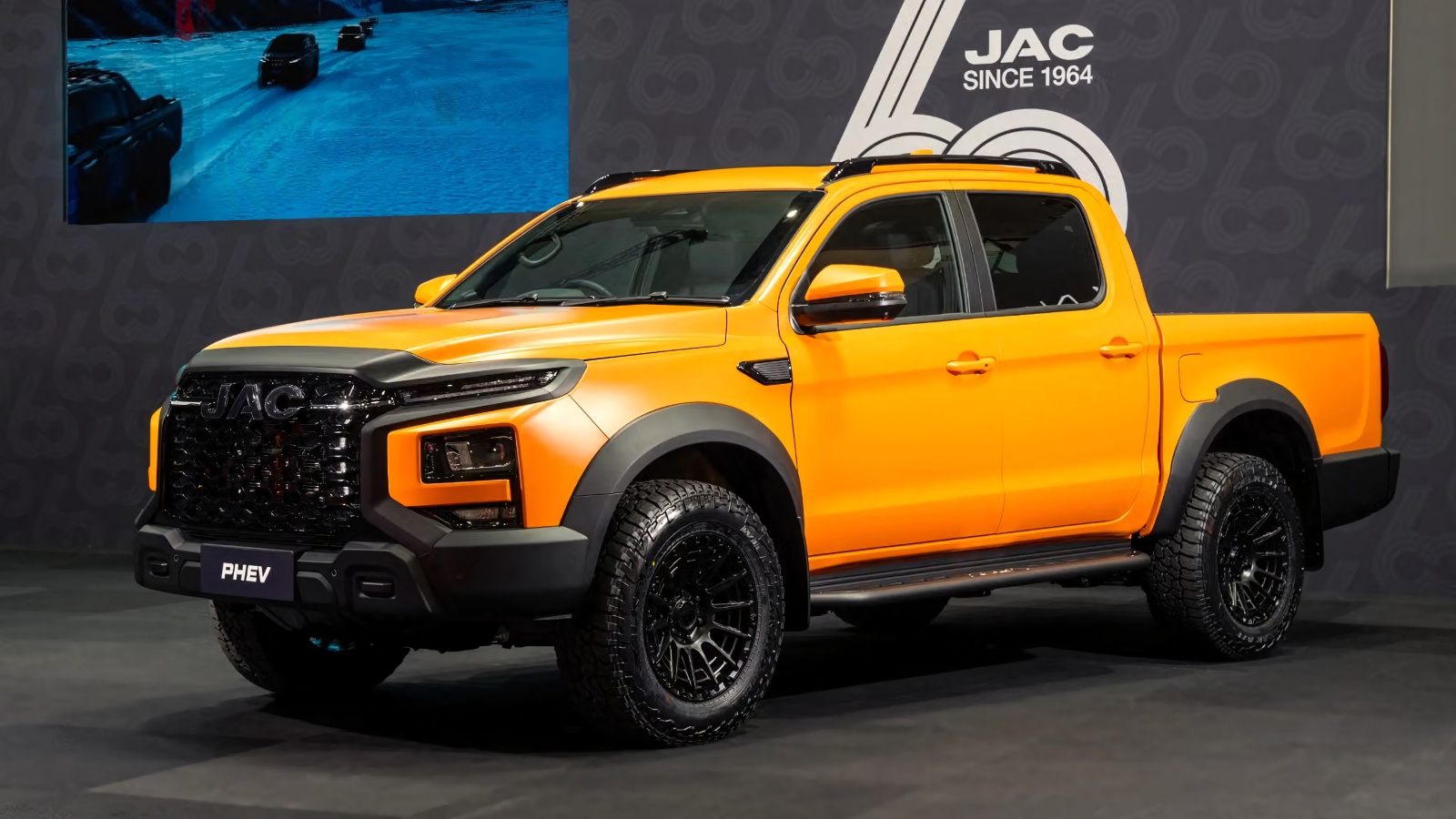
The T9 PHEV provides up to 100 kilometers of electric range under the NEDC procedure and as much as 1,005 kilometers of combined hybrid range. JAC openly notes that actual results will vary depending on driving style, weather, road conditions, payload, and other factors.
It is also rated to tow as much as 3,500 kilograms with a braked trailer. That puts its headline capability alongside popular diesel pickups while providing considerably stronger advertised system output.
The value of the plug-in system depends heavily on owner behavior. Drivers who charge regularly and travel relatively short distances may complete much of their weekly driving without using much gasoline. Those who rarely plug in will carry the weight of the battery and motors without receiving the full efficiency benefit.
Towing will also produce very different results from laboratory testing. Heavy trailers increase fuel and electrical consumption, while repeated high-load operation may cause the gasoline engine to operate more frequently.
The T9 demonstrates that high-output PHEV pickups are no longer limited to concepts. It combines external charging, gasoline refueling, four-wheel-drive capability, and conventional towing capacity in a production truck.
Its status for the Philippines and North America remains uncertain. Even so, its existing launch makes it one of the strongest examples of a hybrid truck becoming more widely available during the 2027 sales period.
7. GAC PHEV Pickup
GAC’s case begins with an expansion strategy rather than a completed production truck. The company has officially announced plans to introduce more than ten new models in Australia over five years, covering pickups as well as passenger vehicles. Industry reporting links the pickup to plug-in-hybrid power and a possible 2027 launch, giving the program medium confidence but leaving its exact timing and specifications unresolved.
The manufacturer previewed its pickup ambitions through the Pickup 01 concept. That vehicle featured narrow lighting, large wheels, futuristic bodywork, and proportions designed more for a motor-show display than regular commercial use.
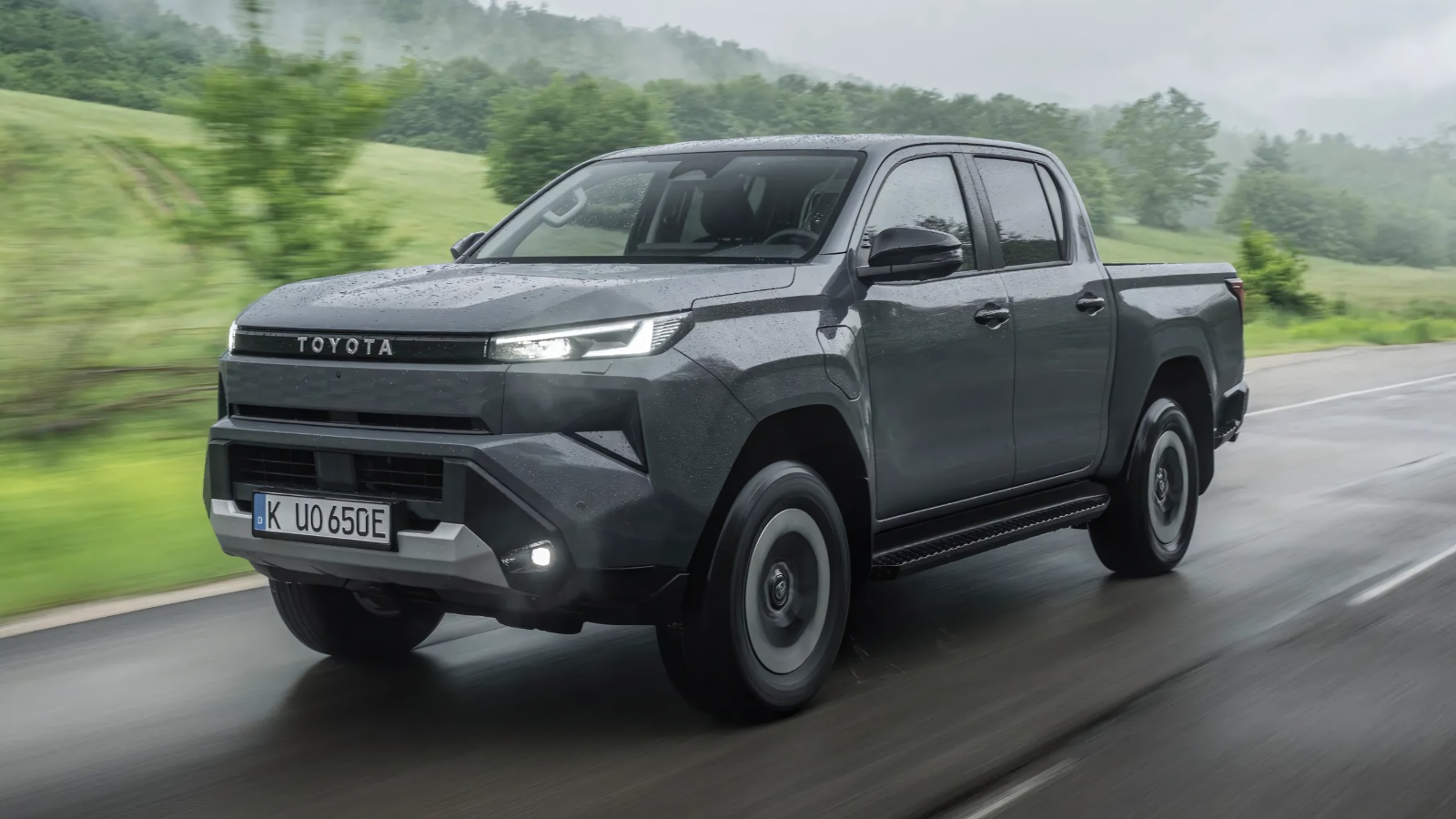
A production version will likely need a more practical cabin, better outward visibility, accessible cargo storage, durable exterior components, and tires suited to both road and work use. GAC has not revealed how closely the showroom truck will follow the concept.
A gasoline plug-in-hybrid drivetrain is expected for Australia, where electrified pickups are beginning to compete with established diesel models. However, no verified figures are available for the engine, battery, motors, power output, torque, electric range, charging speed, towing capacity, or payload.
This lack of technical information makes comparisons premature. A high combined horsepower figure does not necessarily indicate that a hybrid truck can maintain maximum output during sustained towing or when its battery reaches a low state of charge.
GAC will also need to establish confidence in areas beyond propulsion. Australian pickup buyers expect reliable servicing, strong parts availability, long-distance durability, off-road performance, and towing capacity near 3,500 kilograms.
The company’s official Australian strategy confirms that pickups are part of its future product matrix and that GAC has access to hybrid, PHEV, extended-range, and battery-electric technology.
Still, the specific 2027 PHEV truck remains less certain than the Ram, Nissan, Chery, or JAC entries. Until the production model is formally revealed, it should be presented as a credible upcoming program rather than a guaranteed showroom vehicle.
8. Toyota Compact Hybrid Pickup
Toyota remains the wildcard of the group. Reports continue to connect the company with a smaller unibody pickup that could use hybrid power, but Toyota has not publicly revealed such a vehicle for 2027. Confidence in the broader strategy is moderate because Toyota is investing heavily in Brazilian hybrid production; confidence in the pickup’s exact launch date, name, and drivetrain is considerably lower.
The rumored truck would sit below the Hilux and compete with compact or lifestyle-oriented pickups such as the Ford Maverick, Fiat Toro, Chevrolet Montana, and Ram Rampage. Unlike the ladder-frame Hilux, it is expected to use unibody construction.
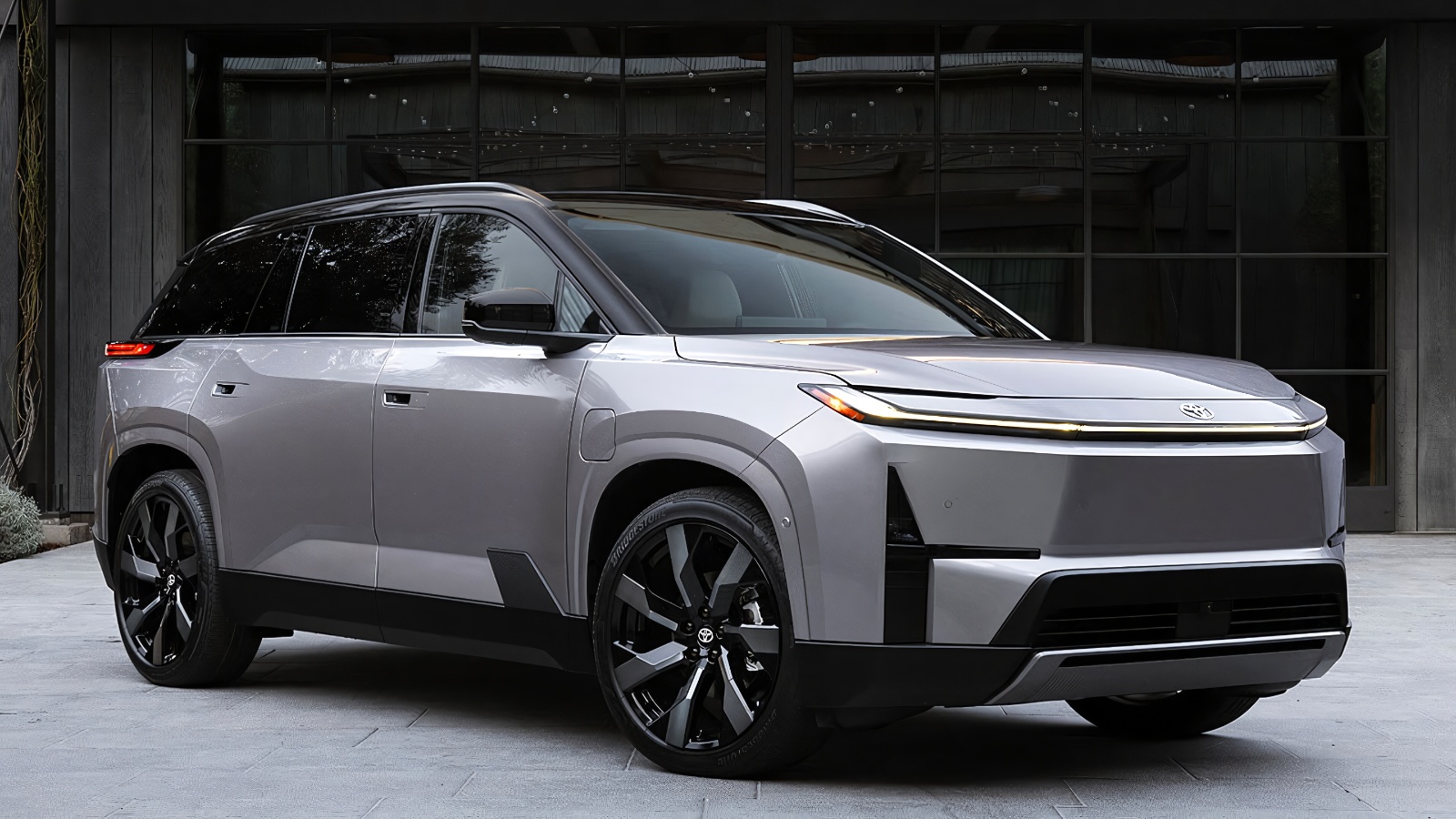
That structure could improve ride comfort, handling, cabin space, fuel economy, and ease of parking. In return, it would probably offer less extreme towing and payload capacity than Toyota’s traditional body-on-frame trucks.
Hybrid power would be consistent with Toyota’s Brazilian investment plans. The company committed 11 billion reais through 2030, including expanded production of hybrid systems and batteries. Toyota has also developed flex-fuel hybrid vehicles capable of operating on gasoline, ethanol, or mixtures of both.
However, Toyota’s official investment announcement did not identify a compact pickup. It referred to new vehicles for Brazil and additional hybrid-flex production without confirming the body style, specifications, or sales name.
Rumored names such as Stout have not been officially validated. Toyota has also not announced engine displacement, system output, battery capacity, bed length, towing capacity, payload, fuel economy, or pricing.
A North American version is equally uncertain. Even if Toyota develops the vehicle for Brazil or another emerging market, differences in safety standards, emissions requirements, customer expectations, and production capacity could prevent an immediate U.S. launch.
The project is plausible because it aligns with Toyota’s verified investment and hybrid strategy. Nevertheless, it remains the lowest-confidence entry. Until Toyota releases a vehicle, prototype, or formal production statement, its inclusion should be treated as an informed market forecast rather than a confirmed 2027 truck.
Also read: 8 Cars That Can Experience Door Handle Problems in Winter