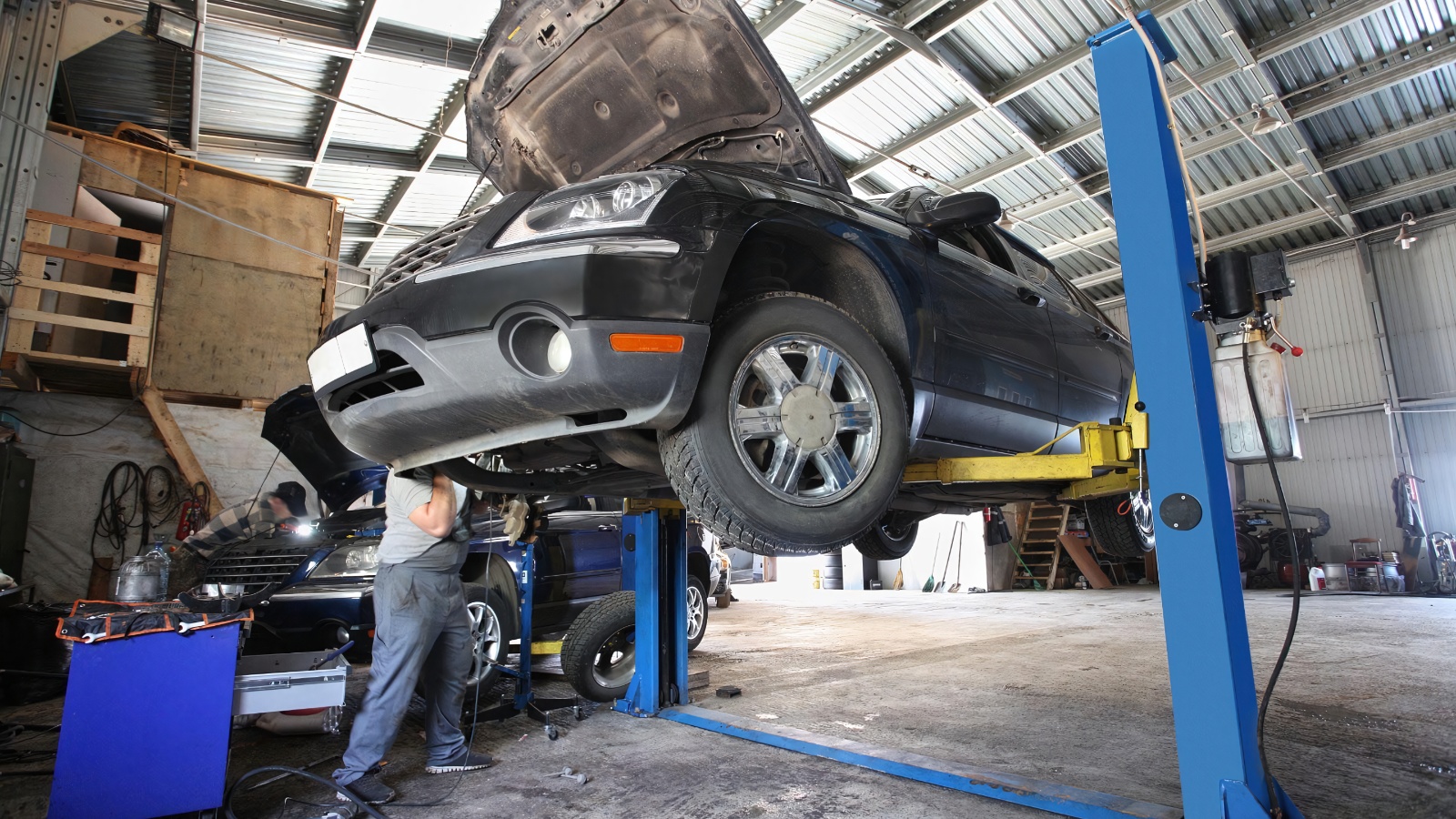
Car repairs can create unexpected financial pressure, especially when a dealership provides an estimate that feels far higher than expected. Many vehicle owners assume dealerships are always the safest option because they specialize in specific brands, use manufacturer procedures, and often have factory-trained technicians.
However, independent repair shops frequently complete the same maintenance and repair tasks at lower prices because their operating costs, labor structures, and business models differ. Understanding why price gaps exist helps drivers make smarter decisions.
Comparing dealer and independent labor rates through sources such as RepairPal estimates can reveal where large savings may exist without sacrificing quality.
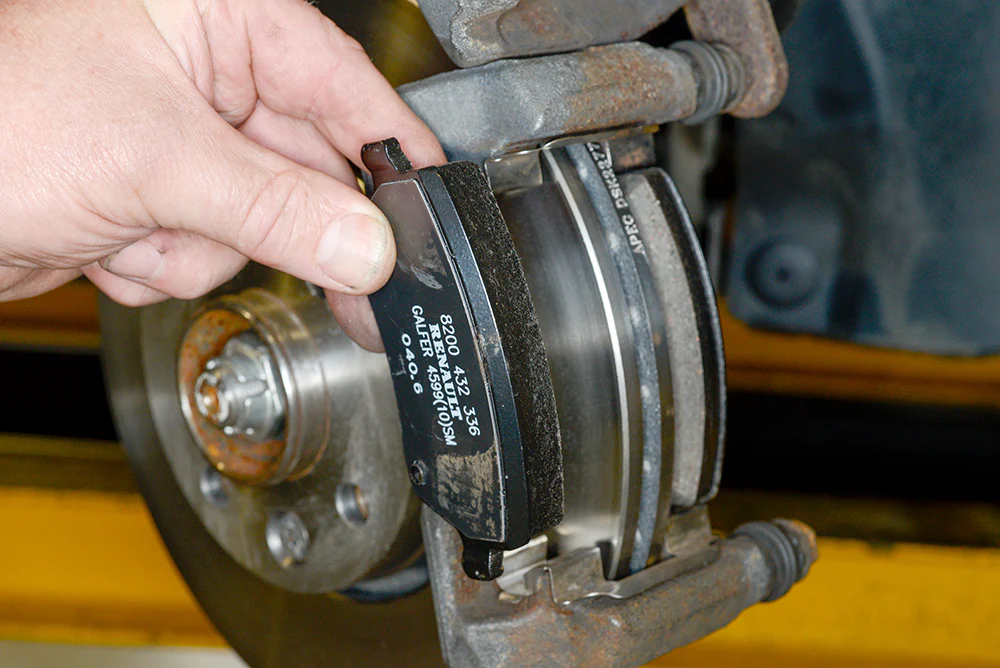
1. Brake Pad and Rotor Replacement
Brake service is among the most common repairs where drivers may notice a significant price difference between dealerships and independent shops.
Brake pads and rotors are wear components that eventually require replacement because friction gradually reduces their effectiveness. Dealerships often charge higher labor rates for this straightforward repair because their hourly rates and facility costs are generally higher.
A dealership brake job may include premium pricing for original equipment manufacturer parts, inspection procedures, shop fees, and higher technician labor charges.
While original parts can be valuable in certain situations, many independent repair shops offer quality aftermarket or original-equipment-equivalent options that meet industry standards. These alternatives often reduce the final bill without affecting normal driving performance.
Independent mechanics frequently complete brake replacements at a lower cost because the repair process is familiar and does not usually require brand-specific programming or advanced equipment.
A trained technician can inspect brake wear, replace worn components, clean related parts, and verify proper operation. The lower price often comes from reduced overhead rather than reduced attention to safety.
Brake repair prices depend on the vehicle model, location, and the type of parts selected. Luxury vehicles, performance cars, and larger trucks usually cost more because they require specialized components.
A small economy vehicle may have a much lower repair cost. Drivers should compare complete estimates rather than only looking at labor charges.
Before approving brake work, customers should ask whether both pads and rotors require replacement. Some shops may recommend replacing both automatically, while others measure rotor thickness and condition first. A detailed inspection helps ensure the repair matches the vehicle’s actual needs rather than replacing parts prematurely.
2. Alternator Replacement
Alternator replacement is another repair where dealership pricing can become considerably higher than independent shop pricing. The alternator supplies electrical power to the vehicle while charging the battery during operation. When it fails, symptoms may include dim lights, battery warning indicators, difficulty starting, or electrical problems.
Dealership estimates for alternator replacement often include higher labor charges and manufacturer-specific parts pricing. Some newer vehicles have alternators located in difficult areas that require additional labor time, increasing the total cost.
Dealership technicians follow factory procedures, but independent technicians can often perform the same mechanical replacement using professional repair information.
Independent repair facilities frequently provide more flexible options for alternator replacement. They may offer rebuilt, remanufactured, or aftermarket units depending on customer preferences and vehicle requirements.
This flexibility can lower repair costs while still restoring normal charging system operation.
A major factor affecting alternator replacement pricing is diagnosis. A weak battery does not always mean the alternator has failed. A professional technician should test the charging system before replacement.
Independent shops often spend significant time diagnosing electrical problems because accurate troubleshooting prevents unnecessary part replacement.
Drivers comparing quotes should request a breakdown of parts, labor hours, and additional fees. A lower estimate should still include proper testing, installation, and warranty information. The cheapest repair is not always the best choice, but a fair comparison can reveal large differences between dealership pricing and independent labor rates.
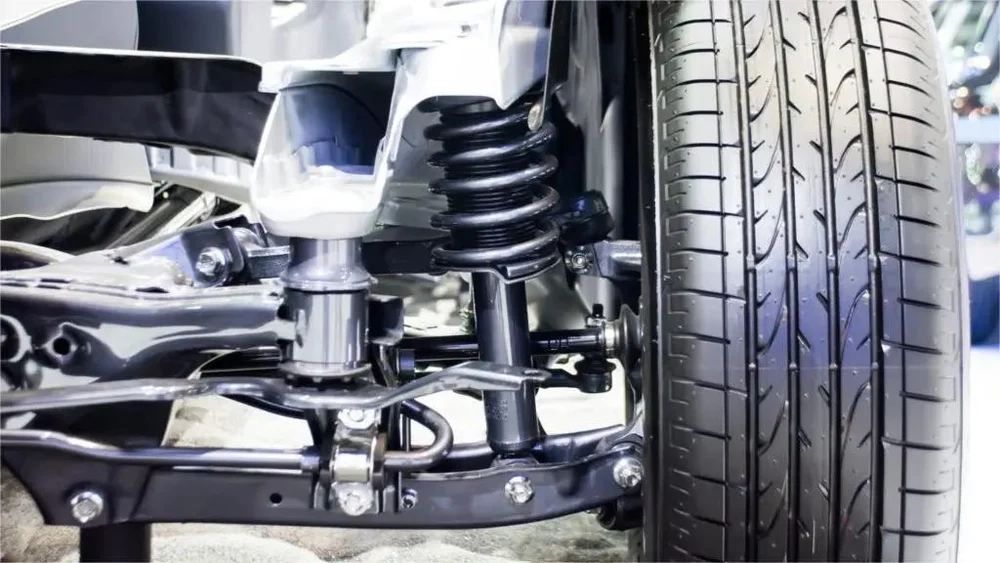
3. Suspension Strut and Shock Replacement
Suspension repairs are another category where dealership estimates can become much higher than independent repair quotes. Struts and shocks play an important role in maintaining ride comfort, handling stability, and vehicle control.
Over time, these components lose effectiveness because they absorb thousands of impacts from road conditions. When worn, drivers may notice excessive bouncing, uneven tire wear, unusual noises, or reduced control during turns.
Dealerships often charge more for suspension repairs because their labor rates include higher facility expenses and brand-specific service standards.
Some vehicles require additional procedures after suspension work, such as wheel alignment or electronic calibration. These steps can increase the final estimate. However, the basic replacement process for many vehicles is familiar to experienced independent technicians.
Independent repair shops commonly handle suspension work at lower prices because they usually have fewer operating expenses.
Many mechanics perform strut and shock replacements regularly across different vehicle brands. Their experience with a wide range of models allows them to complete common suspension repairs efficiently while charging a lower hourly rate.
The quality of suspension parts also affects pricing. Dealerships frequently recommend manufacturer parts, while independent shops may provide multiple options.
Customers may choose original equipment parts, equivalent aftermarket components, or budget-friendly alternatives depending on their vehicle needs and long-term plans. A knowledgeable technician can explain the differences between available choices.
Drivers should consider the complete repair package rather than focusing only on the initial estimate. A proper suspension repair may require replacing related components, checking alignment, and inspecting nearby parts.
Comparing detailed quotes from both dealerships and independent shops can help reveal where savings are possible while maintaining safe vehicle operation.
4. Starter Motor Replacement
A failing starter motor can prevent a vehicle from starting and often requires immediate attention. The starter uses electrical energy from the battery to turn the engine during ignition. Common warning signs include clicking sounds, slow engine cranking, or complete failure when turning the key or pressing the start button.
Dealership starter replacement costs are often higher because of increased labor rates and parts pricing. Some modern vehicles have starters positioned in difficult locations, requiring additional labor time.
Dealerships may also recommend manufacturer-approved replacement parts, which can contribute to a higher invoice.
Independent repair facilities often provide a lower-cost alternative for starter replacement. Many technicians have extensive experience diagnosing starting problems and replacing starter assemblies across different vehicle brands. Their lower overhead allows them to charge less for labor while still performing the necessary repair steps.
Accurate diagnosis remains important before replacing a starter. A weak battery, damaged wiring, faulty ignition switch, or electrical connection problem can create similar symptoms.
A reliable technician should test the entire starting system before recommending replacement. This prevents customers from paying for unnecessary repairs.
Vehicle owners should compare warranty coverage when reviewing different quotes. Some independent shops provide warranties on parts and labor that offer valuable protection. A lower repair cost combined with strong service guarantees can make an independent repair facility a practical choice for many common vehicle problems.
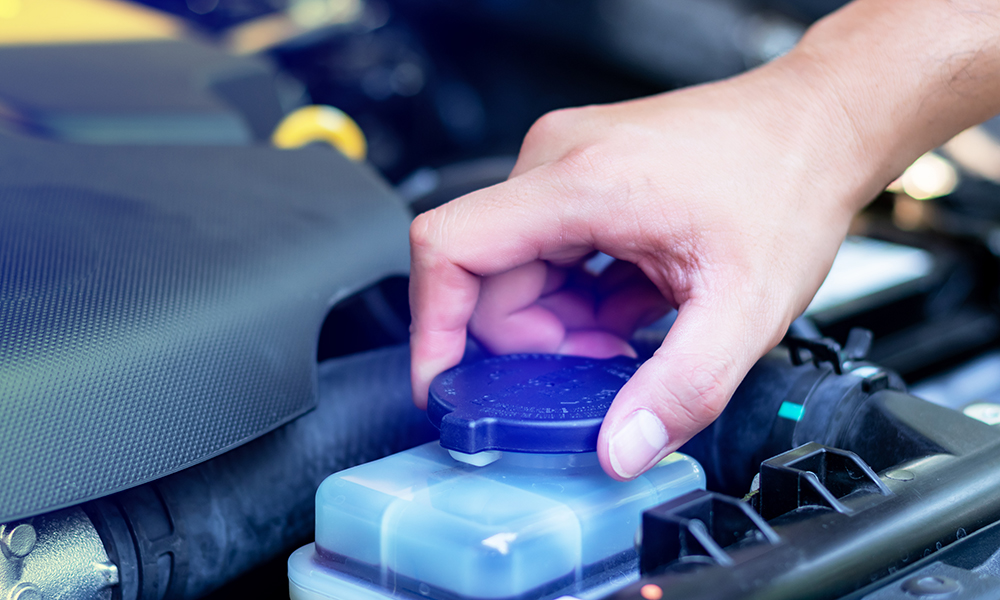
5. Water Pump Replacement
Water pump replacement can become an expensive repair because the component plays a critical role in maintaining proper engine temperature. The water pump circulates coolant throughout the engine and cooling system.
When it fails, the vehicle may overheat, lose coolant, or develop serious engine problems if the issue is ignored.
Dealership pricing for water pump replacement is often higher because the repair may involve extensive labor. Certain vehicles require removal of surrounding components to access the pump. Some engines also combine the water pump with timing system components, increasing the complexity and repair time.
Independent shops frequently offer lower estimates for water pump repairs because their labor rates are often more affordable.
Experienced technicians can perform complex cooling system repairs using professional tools and repair information. Many independent mechanics have worked on a wide range of engines and understand common failure points.
The type of vehicle has a major impact on repair pricing. A simple external water pump replacement may be relatively straightforward, while an internal pump design may require many additional steps. Customers should ask technicians to explain the repair process and why certain labor hours are required.
Preventive maintenance can reduce the risk of cooling system failures. Regular coolant checks, proper fluid replacement, and attention to warning signs can help identify problems earlier. When replacement becomes necessary, comparing dealership and independent estimates may reveal significant differences in total repair costs.
6. Air Conditioning Compressor Replacement
Air conditioning compressor replacement is a repair where customers often experience large price differences between dealerships and independent repair facilities. The compressor is a central part of the vehicle’s climate control system because it circulates refrigerant and helps produce cooled air inside the cabin.
Dealership estimates for compressor replacement may include higher labor charges, manufacturer parts pricing, refrigerant service fees, and additional system checks. Modern vehicles often use advanced climate control systems that require careful procedures. These factors can increase the final repair amount.
Independent shops with proper air conditioning equipment can often complete compressor repairs at a lower cost.
Many independent technicians specialize in automotive climate systems and have the tools needed for refrigerant recovery, system testing, and component replacement. Their lower operating expenses can create noticeable savings.
Choosing the correct repair approach depends on the condition of the entire air conditioning system. Replacing only the compressor may not solve the issue if contamination or additional component failure exists. A qualified technician should inspect the system before recommending repairs.
Drivers should compare the details of each estimate. A cheaper quote should still include proper refrigerant handling, system testing, and appropriate warranty coverage. A detailed comparison helps customers identify whether they are paying for necessary work or higher dealership operating costs.
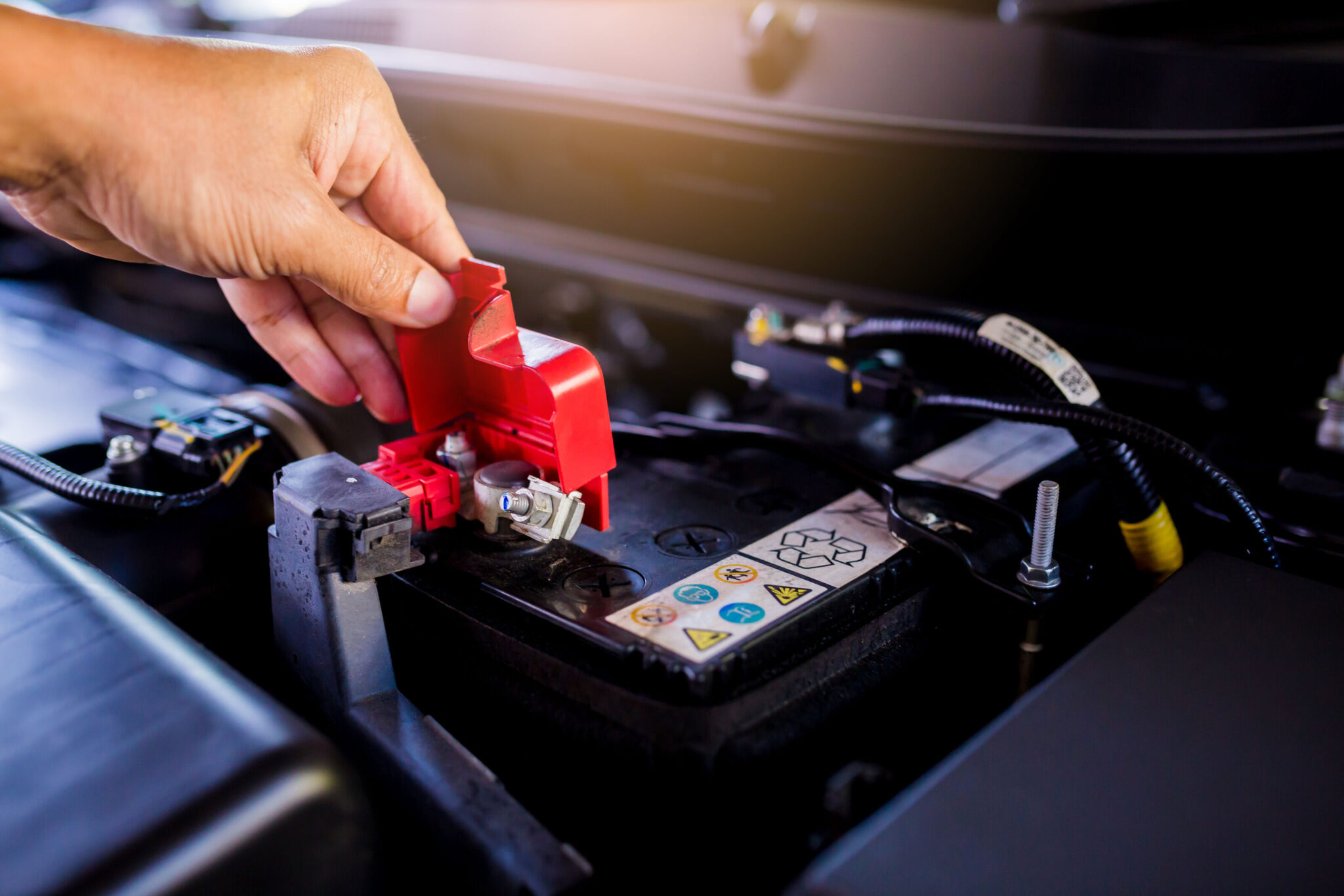
7. Battery Replacement and Electrical Repairs
Battery replacement appears simple, but dealership pricing can sometimes be significantly higher than independent shop or specialty battery service costs. Batteries naturally lose their ability to hold a charge over time, especially in extreme temperatures or vehicles with high electrical demands.
Dealerships may charge more because of their service environment, inspection procedures, and part pricing. Some newer vehicles require battery registration or electronic resets after installation. These procedures can add labor charges, especially in vehicles with advanced electrical systems.
Independent technicians often provide battery replacement services at lower prices. Many shops can test battery health, inspect charging systems, and replace batteries efficiently. Their ability to offer different battery brands and price levels gives customers more control over the repair cost.
Electrical diagnosis requires experience because many problems can appear similar. A battery issue may actually come from a failing alternator, parasitic electrical drain, or damaged wiring. A skilled technician should identify the actual cause before replacing components.
Comparing repair estimates helps customers understand what they are paying for. A dealership may provide specialized knowledge for certain vehicles, while an independent shop may offer a more affordable solution for routine battery and electrical services.
8. Oil Leaks and Gasket Repairs
Oil leaks are common vehicle problems that range from simple fixes to complex engine repairs. Small leaks may come from seals, gaskets, or covers, while larger leaks may require extensive labor. Because repair complexity varies greatly, price differences between dealerships and independent shops can become substantial.
Dealership estimates may be higher due to labor rates, diagnostic procedures, and manufacturer repair recommendations. Some gasket repairs require significant disassembly, increasing the cost.
A dealership may follow factory guidelines that involve replacing additional components during the repair process.
Independent repair shops often handle oil leak repairs for less because they typically have lower labor charges. Experienced mechanics regularly repair leaks across multiple vehicle brands and can identify common problem areas quickly.
Their familiarity with different engines can help reduce diagnostic time.
Customers should avoid choosing a repair shop based only on the lowest price. Oil leaks require accurate diagnosis because replacing the wrong gasket or seal will not solve the problem. A trustworthy technician should explain the source of the leak and provide a clear repair plan.
Comparing dealership and independent estimates gives drivers more information before approving expensive engine work. For many common repairs, independent shops can provide professional service at a lower cost while helping customers maintain their vehicles.
Also Read: Tesla Tests Bidirectional Charging: Cybertruck Sends Power Back to Texas Grid