
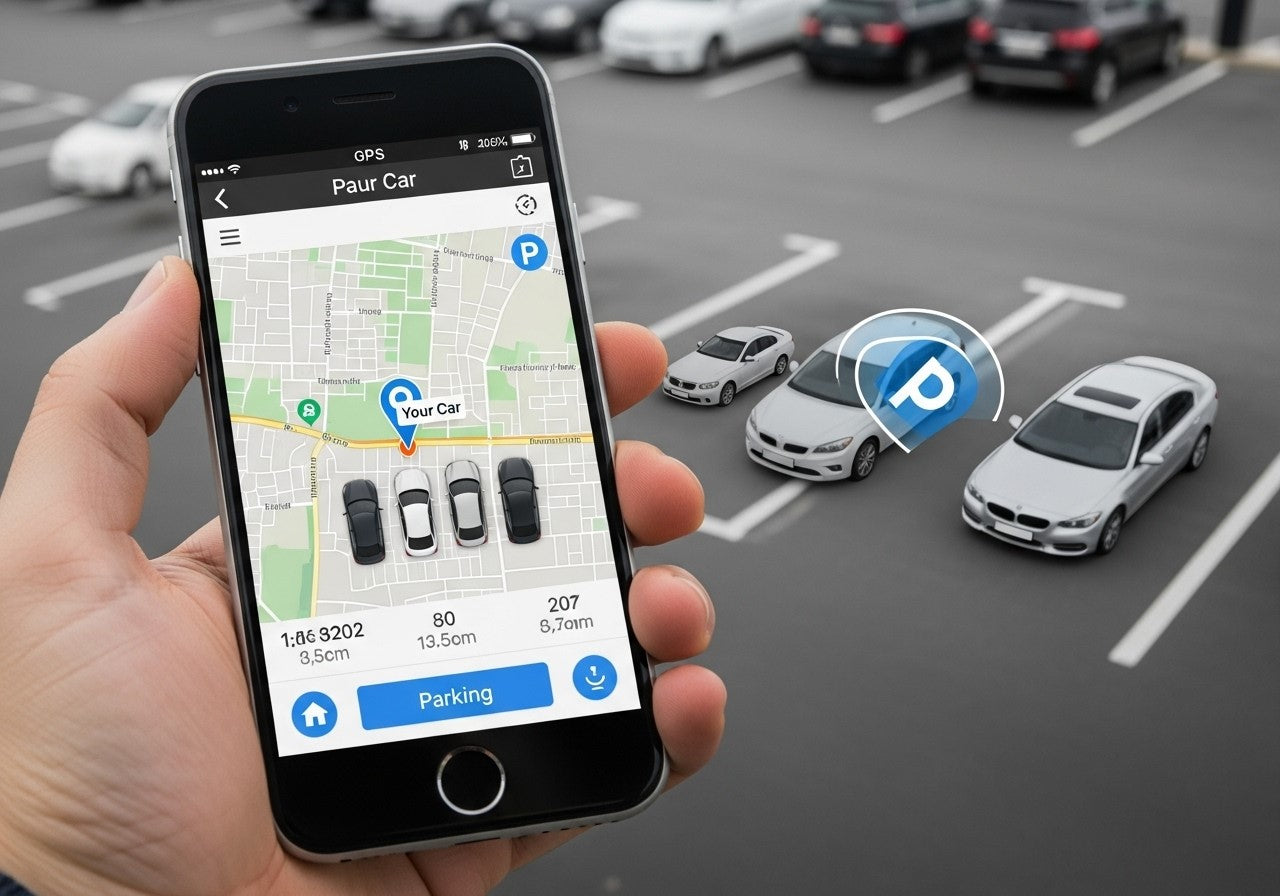
Buying a used car feels like a clean break from its history, a fresh start behind a different wheel. That assumption is not always true. Deleting a phone from the Bluetooth menu removes one small piece of a much larger digital puzzle, leaving several connections quietly running in the background long after the paperwork gets signed.
Cloud accounts, hidden hardware, and forgotten subscriptions can all keep feeding information to someone who no longer owns the car sitting in your driveway. Privacy experts, including researchers at Privacy4Cars, have documented these gaps repeatedly across nearly every major brand. Here are eight legitimate ways a previous owner might still be watching, controlling, or tracking a vehicle they technically no longer own.
1. Active Manufacturer Connected Services (Telematics Apps)
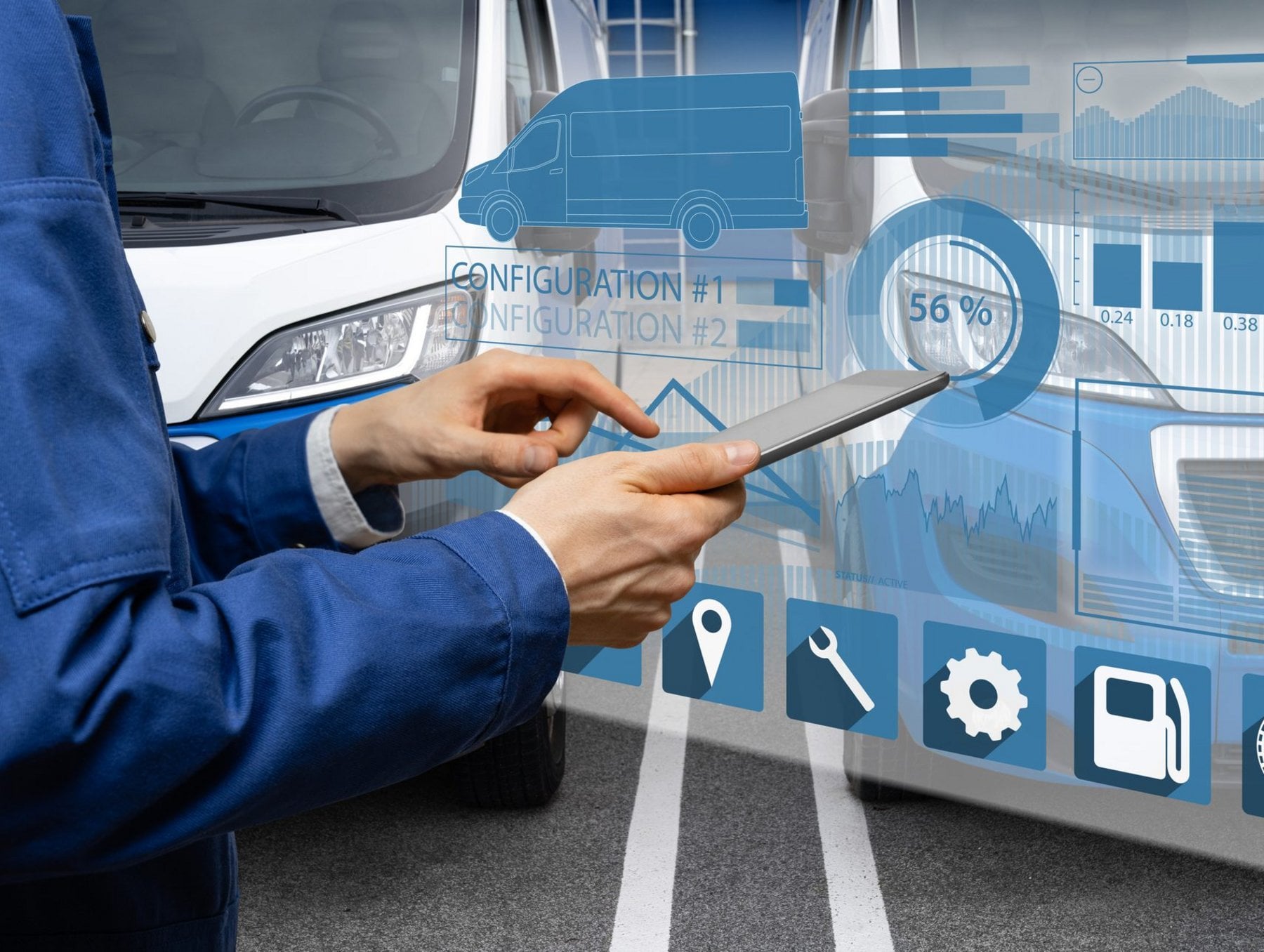
Nearly every major automaker now builds a companion smartphone app into the ownership experience, letting drivers lock doors, check fuel levels, start the engine remotely, or pinpoint exactly where their car is parked.
Ford, General Motors, Hyundai, Tesla, Toyota, and BMW all run some version of this service, and each one ties directly to an account rather than to whoever happens to be sitting in the driver’s seat on a given day. Selling a car does not automatically sever that connection.
Unless the previous owner formally removes the vehicle from their account, or the new owner initiates a transfer through the manufacturer’s system, that original account can keep receiving location updates and retaining certain remote controls indefinitely.
The issue is not caused by a concealed software problem. It stems from a design approach that favors the original owner’s convenience while requiring manual steps when ownership is transferred.
Buyers picking up a used vehicle should ask directly whether the seller has removed the car from their manufacturer account, and if there is any doubt, contacting the automaker’s customer service line to confirm the vehicle shows no lingering account association is a reasonable extra step worth taking before driving off.
2. Hidden Bluetooth Tracking Devices (AirTag, SmartTag, Tile)
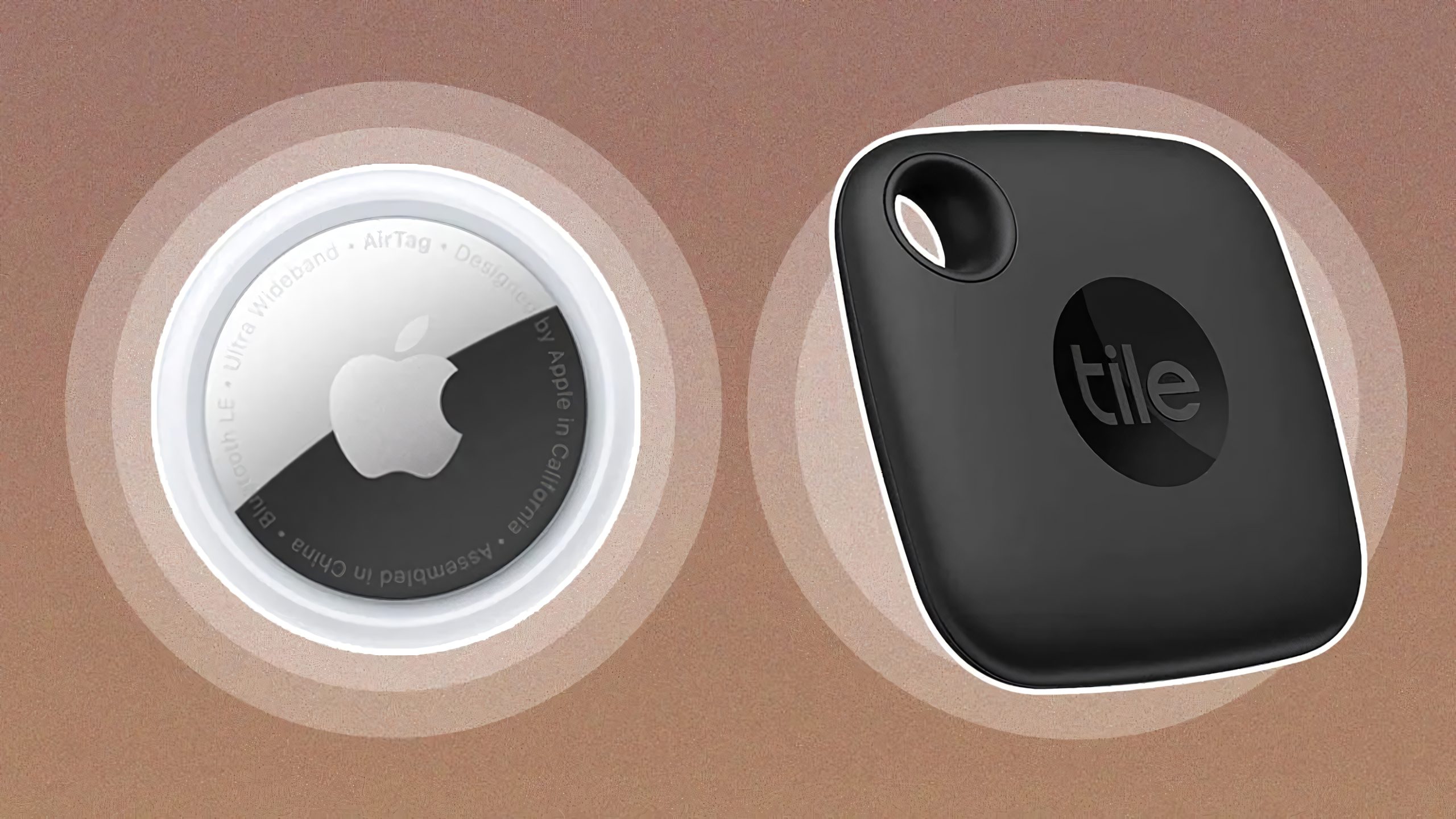
Small, cheap, and easy to tuck into a glove compartment or under a seat, Bluetooth trackers like Apple AirTags, Samsung SmartTags, and Tile devices have made covert tracking accessible to almost anyone.
A previous owner with less-than-honest intentions could plant one of these devices somewhere inconspicuous before finalizing a sale, then continue watching the vehicle’s movements through their own phone using the surrounding network of other devices that quietly relay location data.
Modern smartphones have started pushing back against this exact scenario, alerting users when an unfamiliar tracker appears to be traveling with them for an extended period. That protection helps, but it is not foolproof, and plenty of used car buyers never receive or notice such a warning before the tracker has already been reporting their movements for days or weeks.
A physical search of the vehicle after purchase, checking under seats, inside cupholders, within the trunk lining, and around the engine bay, is a simple habit that catches this kind of device before it becomes a genuine problem.
Anyone who does discover an unfamiliar tracker should remove it immediately and consider reporting the situation if it appears intentional rather than accidental.
Also Read: 10 Easy Wins That Keep a Chevy Tracker Running Smooth
3. Hidden Hardwired GPS Trackers
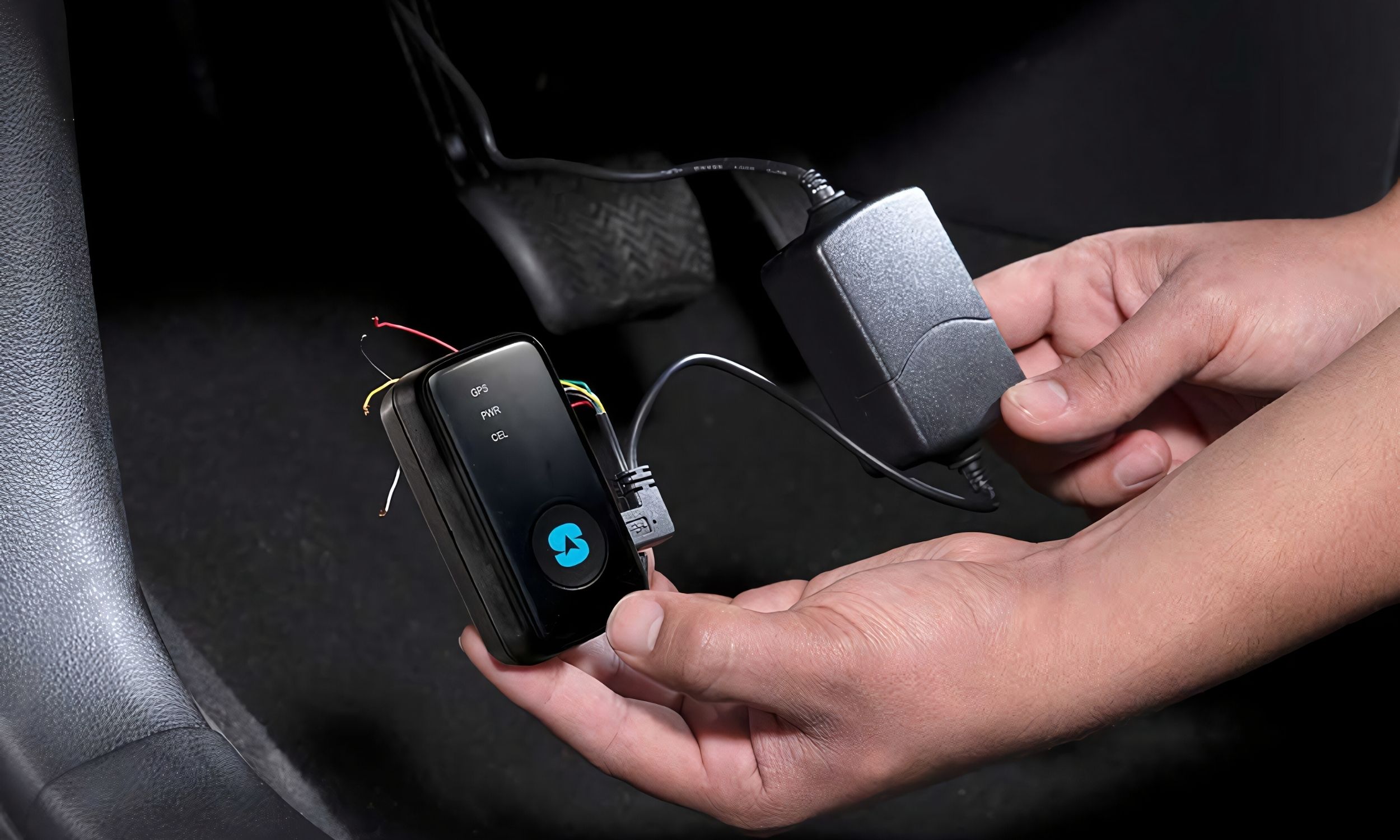
Unlike a Bluetooth tracker that can be spotted and removed in seconds, a hardwired GPS device wired directly into a car’s electrical system is far less obvious and considerably harder to eliminate without some technical knowledge.
Finance companies frequently install these units on vehicles financed through subprime lending programs, giving lenders the ability to locate a car quickly if a borrower falls behind on payments. Fleet operators, dealerships, and even privacy-conscious private owners sometimes install similar hardware for their own reasons, and not every one of these devices gets removed before a vehicle moves on to its next owner.
If the tracker remains active and whoever installed it still holds account access to its monitoring platform, that person or organization retains the ability to view the vehicle’s location for as long as the hardware stays connected and powered.
Because these devices are wired rather than simply plugged in, finding one typically requires a mechanic or technician familiar with where such hardware tends to be concealed, often near the fuse box, dashboard wiring, or under the vehicle itself.
Buyers with any suspicion that a car may have been previously financed through a lender known for this practice should consider a professional inspection before assuming the vehicle is free of hidden hardware.
4. Insurance Telematics Devices Left Installed
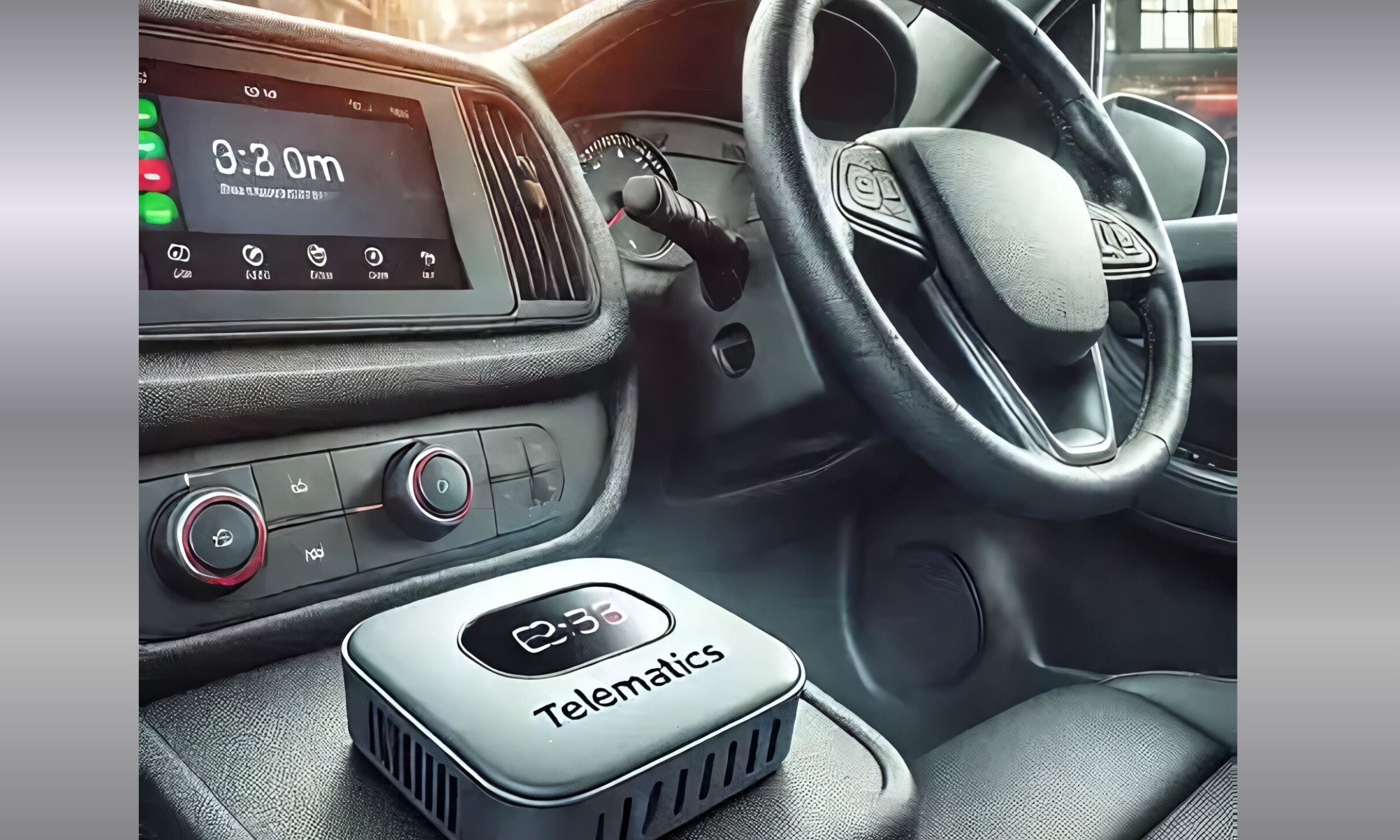
Many motorists join usage-based insurance programmes because they can reduce insurance costs by rewarding careful driving. These programmes usually rely on a small device plugged into the vehicle’s OBD-II port beneath the dashboard.
While many people assume the device only records mileage, braking, and acceleration, some versions also include GPS technology that can collect location information along with trip details. Since the device is hidden under the dashboard, it is easy for both the buyer and seller to forget it is even there after the vehicle changes ownership.
If the device remains connected and is still linked to the previous owner’s insurance account, driving data and, in some cases, location information may continue uploading without the new owner knowing it. That means someone else could still receive reports showing how the vehicle is being used.
Before handing over the vehicle, the former owner should unplug the device and update or cancel the insurance programme so the account no longer receives information from the car. Buyers should also inspect the area beneath the steering column for any unfamiliar plug-in device before completing the purchase.
Insurance telematics hardware is fairly common, especially in vehicles that were recently insured under usage-based policies. Taking a few moments to check the OBD-II port can help protect your privacy, prevent unwanted data sharing, and ensure no old insurance account remains connected after you become the vehicle’s new owner.:::
5. Connected Dashcams and Fleet Monitoring Systems
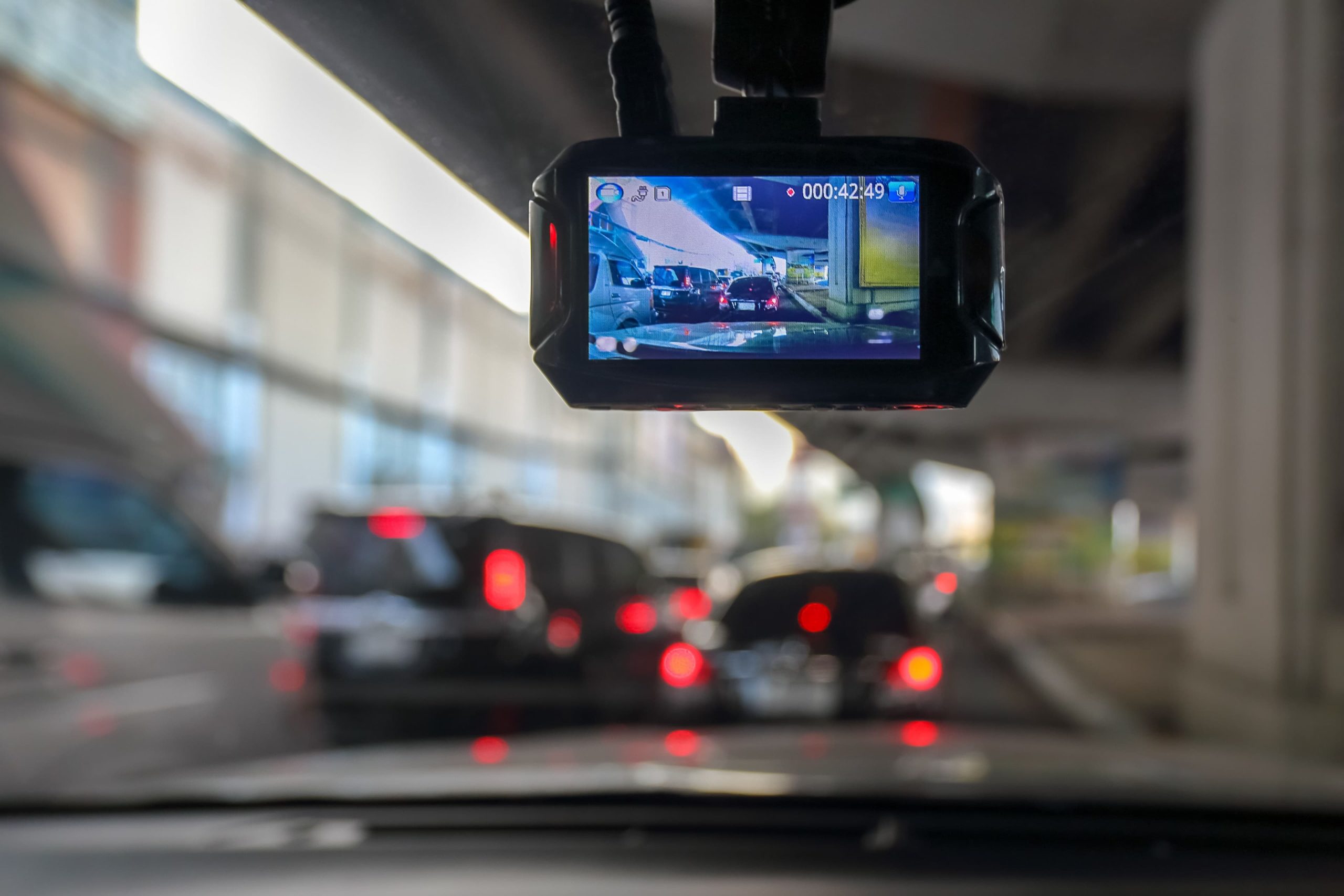
Aftermarket dashcams have grown considerably more sophisticated in recent years, and many current models now include built-in cellular connectivity, GPS positioning, and cloud-based video storage. These features are genuinely useful for the original owner, allowing them to check on a parked car remotely or pull up footage after an unexpected incident.
Left installed and still linked to an active subscription after a sale, however, that same functionality hands the previous owner an ongoing window into the vehicle’s location and recorded video, all without the new driver having any idea the connection still exists.
Fleet monitoring systems present a similar concern on a larger scale, particularly for buyers picking up a vehicle previously used commercially. A dashcam quietly powered on and connected is not something most buyers think to check during a typical test drive or pre-purchase inspection.
Reviewing the windshield and mirror area for any aftermarket camera hardware, then asking directly whether it remains linked to an active account, is a reasonable question to raise before finalizing any used car purchase involving a vehicle that shows signs of prior connected camera equipment.
6. Toll Transponders Still Linked to the Previous Owner
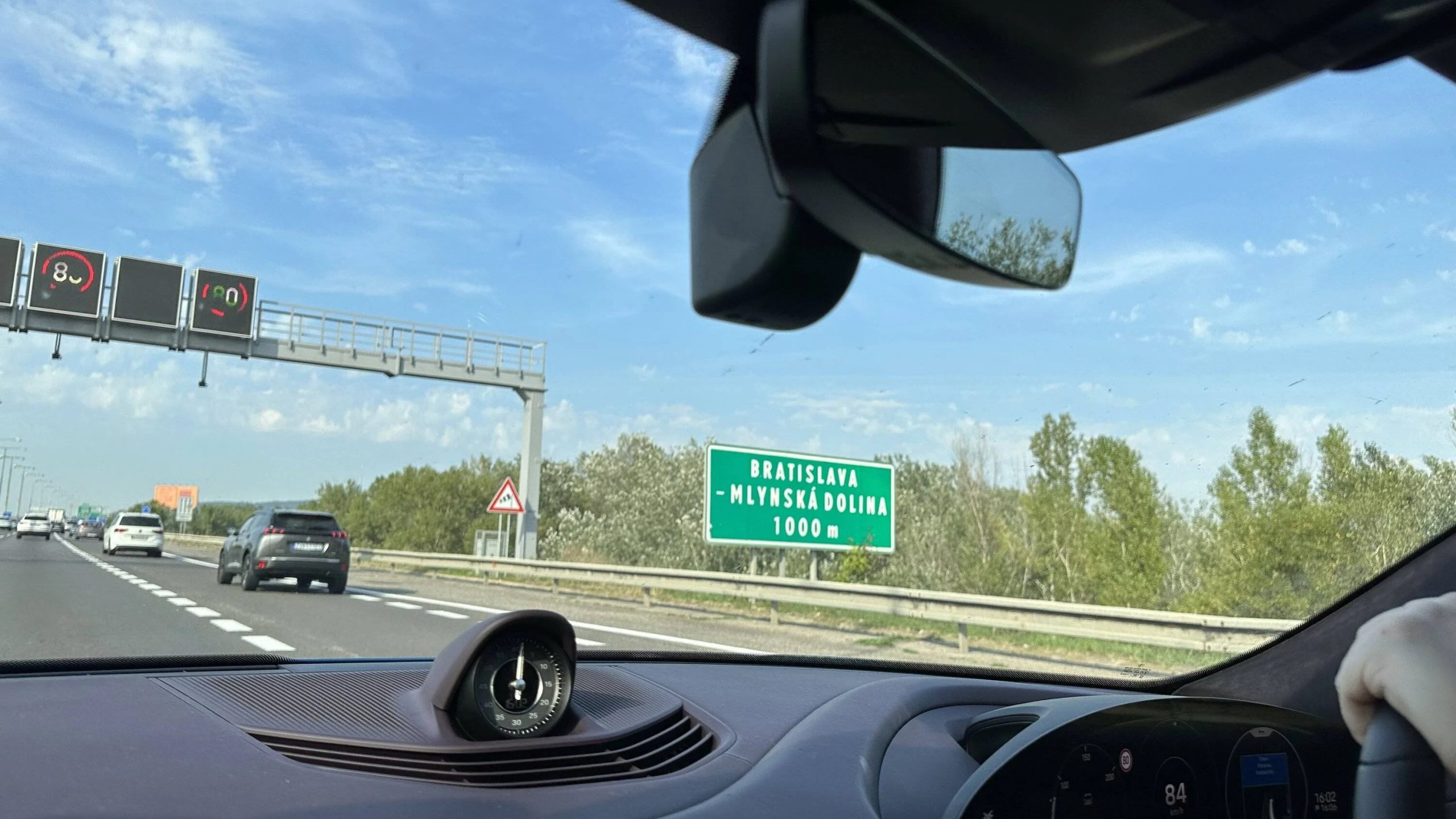
Many drivers hardly think about electronic toll tags because they work automatically whenever a vehicle passes through a toll road or payment point. Devices such as E-ZPass, SunPass, FasTrak, and other toll tags are linked to individual accounts.
If one remains attached to the windshield after the vehicle is sold, or the vehicle’s licence plate is still connected to the former owner’s toll account through plate recognition, every toll payment continues appearing on that person’s account.
Although this cannot reveal the vehicle’s live location like a GPS tracker, it does create a record of where the vehicle travelled and when those trips occurred. Those records can show the roads and bridges the vehicle uses regularly.
Before selling a vehicle, the former owner should remove any toll tag and make sure the licence plate has been deleted from every active toll account. Doing this helps prevent billing issues and keeps personal travel records private.
Buyers should also inspect the area around the rear-view mirror to check whether a transponder has been left behind. If one is still attached, avoid using it until ownership has been properly updated. Passing through toll points with another person’s transponder can create unexpected charges, payment disputes, and confusion for both the buyer and the previous owner.
A quick inspection before driving away can prevent unnecessary problems and help ensure toll records are linked to the correct owner from the beginning.
7. Untransferred Connected Vehicle Accounts
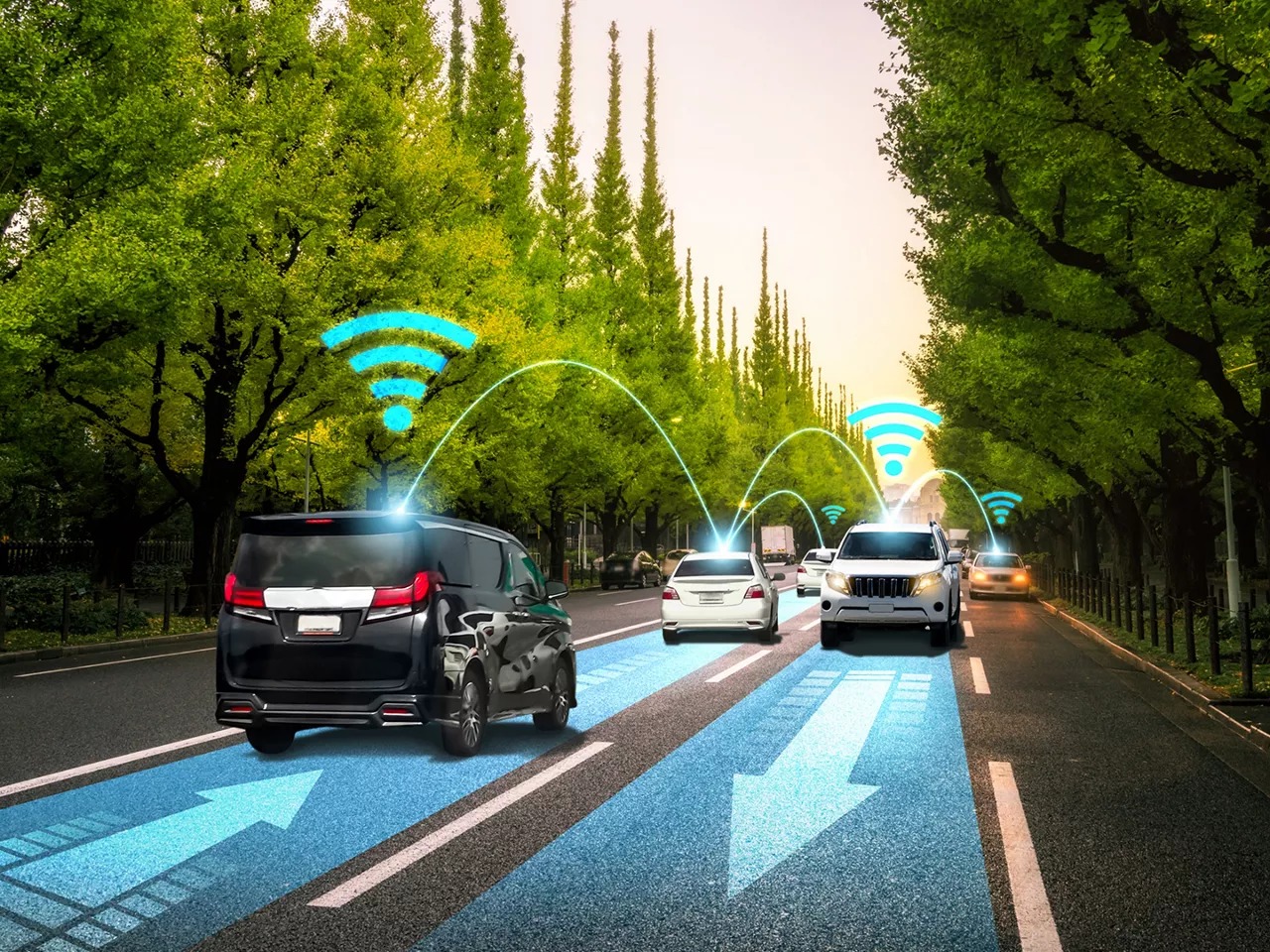
Beyond the primary manufacturer app already covered earlier, many vehicles quietly link to a handful of additional third-party services covering things like roadside assistance, stolen vehicle recovery, or premium connected navigation features.
These services frequently operate through their own separate account system, distinct from the main automaker login, which means clearing one connection does not necessarily clear all of them.
A previous owner might genuinely believe they disconnected everything after removing their vehicle from the primary manufacturer app, unaware that a stolen vehicle recovery service or a roadside assistance subscription remains active and still tied to their name.
These accounts can continue receiving vehicle status updates, diagnostic alerts, and in some cases location information, all without either party realizing the connection persists. Sellers preparing to hand over a vehicle should review the owner’s manual or manufacturer website for a full list of every connected service the car supports, rather than assuming a single app covers everything
. Buyers, for their part, benefit from asking sellers directly whether they have confirmed every linked service has been transferred or canceled, not just the most obvious one.
Also Read: 5 Cars With Built-in GPS Trackers That Recover Fast and 5 That Vanish Forever
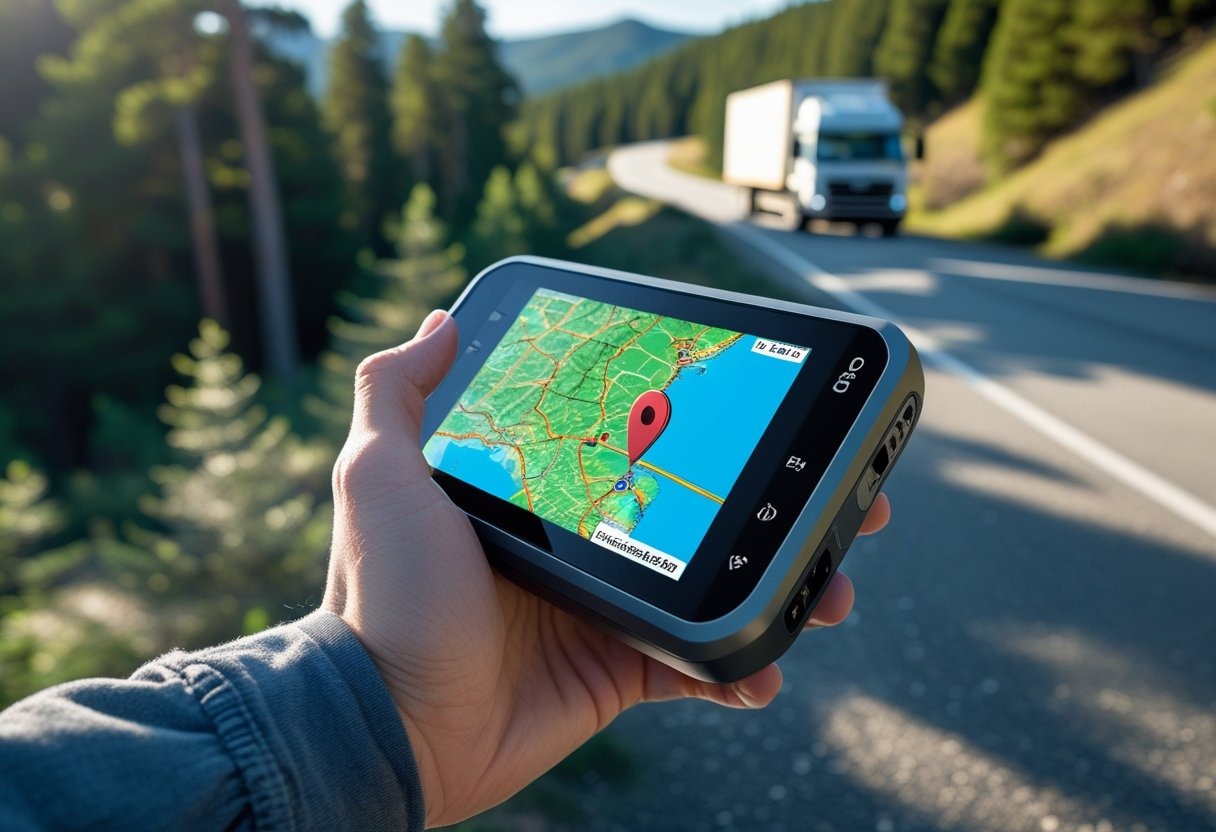
8. Dealer or Fleet Tracking Systems Left Active
Many rental companies and commercial fleet operators depend on GPS tracking systems to monitor their vehicles every day. These systems help them keep records of vehicle locations, mileage, maintenance schedules, and driving activity across large fleets.
Some dealerships also install tracking devices on vehicles sitting on their lots to reduce the risk of theft before they are sold. While these systems serve a practical purpose during business use, they should be removed or switched off before ownership changes.
Problems can arise when the tracking hardware remains installed after the vehicle is sold to a private buyer. If the system is still active and connected to the company’s monitoring platform, the former rental company, fleet operator, or dealership could continue receiving location updates from the vehicle.
In many cases, this happens because the equipment was simply overlooked during the sale process rather than being left behind intentionally. Even so, leaving the device active can create unnecessary privacy concerns for the new owner.
Anyone buying a used vehicle that previously belonged to a rental company, business fleet, or dealership should ask whether any tracking equipment was installed and request confirmation that it has been removed or permanently disabled. It is also wise to review the vehicle history report, as it may show whether the vehicle was once part of a commercial fleet or rental service.
Spending a little extra time checking these details can help protect your privacy and ensure no tracking system remains active after you take ownership of the vehicle.
