
Modern vehicles are equipped with advanced technology that records important information before, during, and after a crash. This data can help investigators understand what happened during an accident and can become valuable evidence in legal cases.
Vehicle crash records may reveal details about speed, braking, seat belt use, airbag deployment, and other factors that influence accident claims. Courts, insurance companies, and accident reconstruction experts often rely on this information when determining responsibility.
Several popular vehicles have systems capable of providing detailed crash-related information, making their data important during investigations and courtroom proceedings involving collisions.

- Engine: Dual electric motors (all-wheel drive)
- Horsepower: Up to 1,020 hp (Model S Plaid)
- Torque: Approximately 1,050 Nm (778 lb-ft)
- Length: 5,021 mm (197.7 inches)
- Width: 1,987 mm (78.2 inches)
1. Tesla Model S
Tesla vehicles have gained attention for their advanced electronic systems and the amount of information they can store after a crash. The Tesla Model S includes various onboard computers that monitor vehicle performance, driver assistance features, and safety systems.
When a collision occurs, investigators may examine stored information to understand factors such as vehicle speed, braking activity, steering inputs, and whether driver assistance features were active before impact.
Crash investigators and legal professionals may request Tesla data during lawsuits involving serious accidents. The information collected from the vehicle can help establish a timeline of events.
For example, investigators may determine whether a driver applied the brakes before a collision or whether the vehicle was operating with certain safety features enabled. This type of evidence can support claims from both accident victims and manufacturers.
The Model S uses several electronic control units that communicate with each other throughout the vehicle. These systems manage everything from battery performance to safety features.
After a crash, specialists with proper authorization may analyze these systems to recover useful information. The data can provide insight into how the vehicle responded during the moments before an impact.
Tesla vehicles have also been involved in cases where questions were raised about advanced driver assistance technology. When legal disputes involve features such as Autopilot, stored vehicle information can become important evidence.
Attorneys and accident experts may review available records to determine whether the driver or vehicle technology played a role in the collision.
The growing use of electric vehicles has increased interest in digital crash evidence. The Tesla Model S represents a category of vehicles where computer systems play a major role in accident investigations. As vehicles become more connected, courts are increasingly considering electronic records as part of the evidence used to understand crash circumstances.
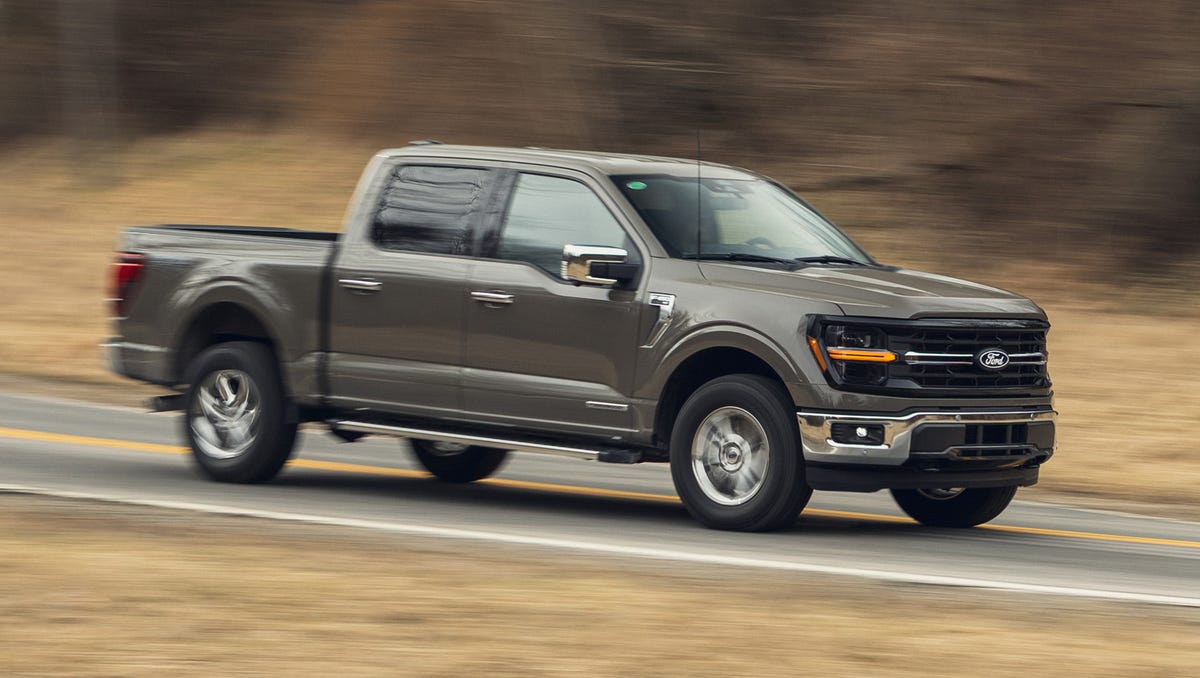
- Engine: 3.5-liter PowerBoost Hybrid V6, 3.5-liter EcoBoost V6, 5.0-liter Coyote V8, and other available engines
- Horsepower: Up to 430 hp (3.5-liter PowerBoost Hybrid)
- Torque: Up to 773 Nm (570 lb-ft)
- Length: Approximately 5,885 mm to 6,372 mm (231.7 to 250.9 inches, depending on configuration)
- Width: Approximately 2,029 mm (79.9 inches)
2. Ford F-150
The Ford F-150 has been among the most widely used pickup trucks for decades, and many newer models include systems that record important crash information. Ford vehicles equipped with Event Data Recorders, commonly known as EDRs, can store details about what happened shortly before and during a collision.
The EDR system in many Ford vehicles collects information such as vehicle speed, accelerator position, brake application, airbag deployment timing, and seat belt status.
Accident investigators can use this information to reconstruct events. In legal disputes, these details may help determine whether a driver’s actions contributed to the crash.
Because the F-150 is commonly used for personal transportation, commercial work, and towing, it appears frequently in accident investigations.
Collisions involving large trucks can result in complex legal questions, especially when injuries or property damage are involved. Crash data can provide evidence that helps clarify what happened.
Lawyers representing drivers, passengers, insurance companies, or other parties may request access to EDR information. The data can support arguments about driver behavior, vehicle performance, or road conditions. Accident reconstruction specialists often combine electronic records with physical evidence from the crash scene.
Ford’s use of crash recording technology reflects a larger trend in the automotive industry. Manufacturers have added more electronic monitoring systems to improve safety and understand vehicle behavior. The Ford F-150 remains a significant example of a vehicle where crash records may become important during court proceedings.
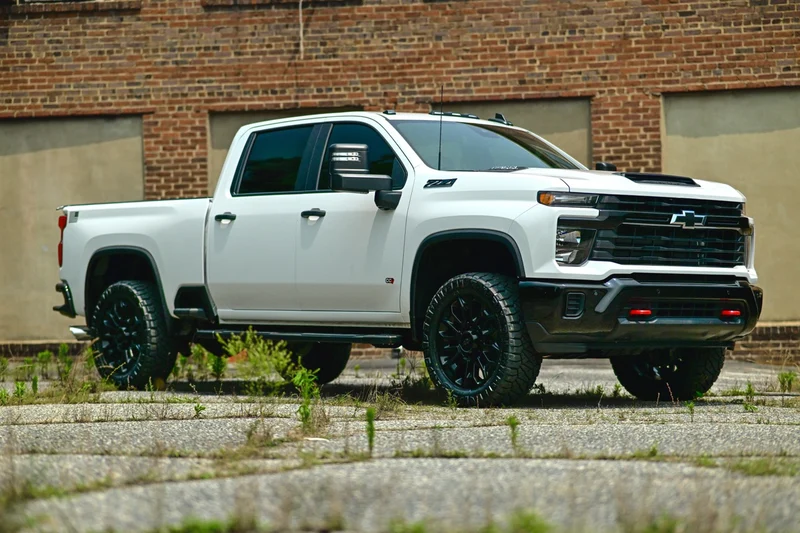
- Engine: 5.3-liter EcoTec3 V8, 6.2-liter EcoTec3 V8, 3.0-liter Duramax diesel inline-six, and other options
- Horsepower: Up to 420 hp (6.2-liter V8)
- Torque: Up to 624 Nm (460 lb-ft)
- Length: Approximately 5,890 mm to 6,351 mm (231.9 to 250 inches, depending on configuration)
- Width: Approximately 2,063 mm (81.2 inches)
3. Chevrolet Silverado
The Chevrolet Silverado is another popular pickup truck equipped with electronic systems capable of recording crash-related information. Many Silverado models use General Motors’ Event Data Recorder technology, which collects information from vehicle safety systems when a significant collision occurs.
Crash data from the Silverado may include information about vehicle speed, braking, engine activity, seat belt usage, and airbag performance.
Investigators can analyze these details to create a clearer picture of the accident. In court cases, this information may help determine whether a driver followed proper safety practices or whether mechanical factors influenced the outcome.
Pickup truck accidents often involve multiple factors, including vehicle weight, road conditions, weather, and driver decisions. Having electronic records available can make investigations more precise. Instead of relying only on witness statements or physical damage, experts can examine information stored inside the vehicle.
The Silverado’s crash records may become relevant in cases involving injury claims, insurance disagreements, and product liability lawsuits.
If someone claims that a vehicle safety system failed, recorded information can help experts evaluate the situation. Courts may consider this evidence along with photographs, expert opinions, and accident reports.
As vehicle technology continues to improve, crash data from trucks such as the Chevrolet Silverado will likely remain an important tool for legal professionals. Electronic evidence provides another method for understanding accidents and determining responsibility when traditional evidence does not provide complete answers.
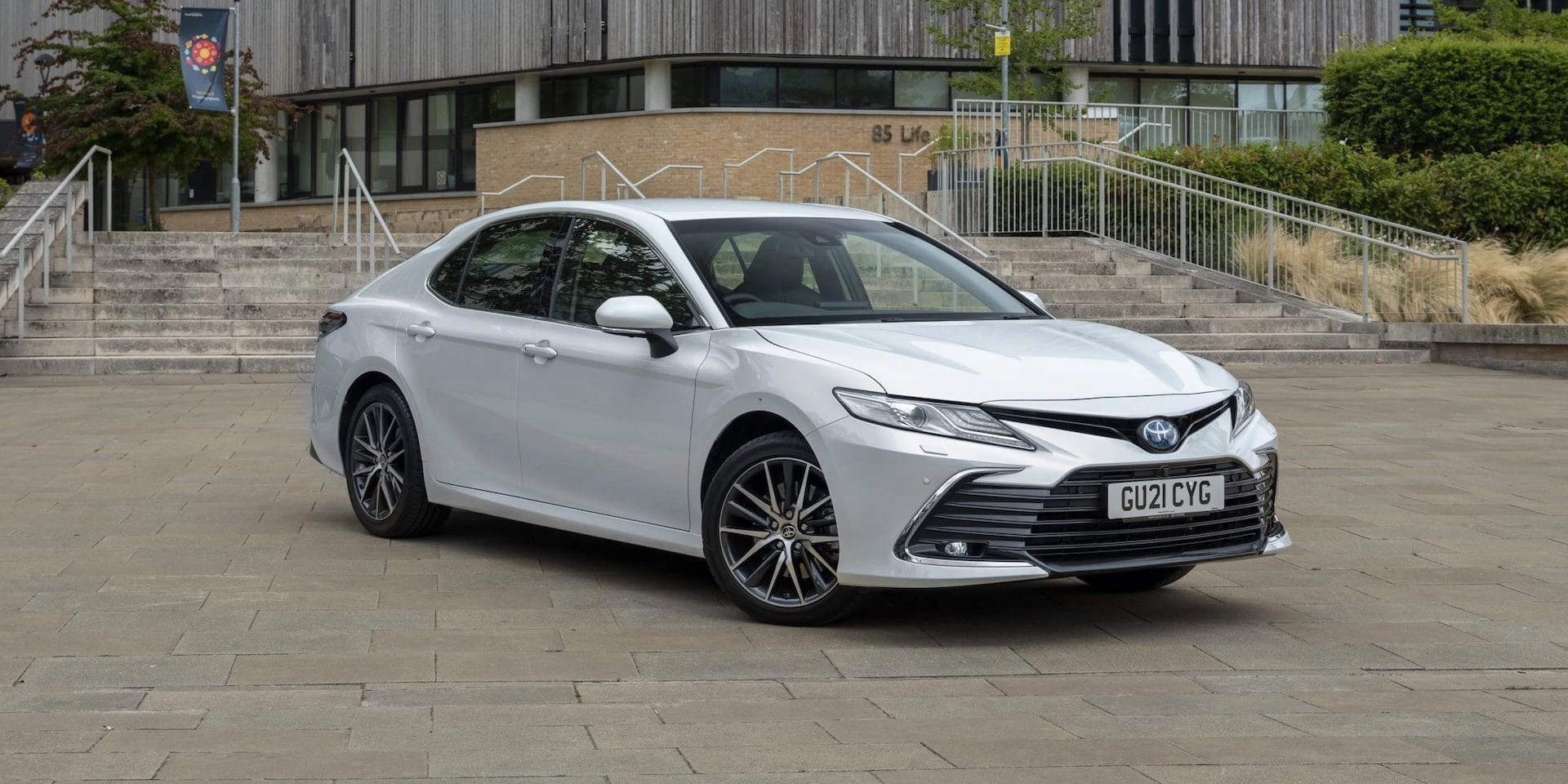
- Engine: 2.5-liter four-cylinder gasoline engine or 2.5-liter hybrid powertrain
- Horsepower: Up to 232 hp (hybrid AWD system output)
- Torque: Approximately 221 Nm (163 lb-ft)
- Length: 4,920 mm (193.7 inches)
- Width: 1,840 mm (72.4 inches)
4. Toyota Camry
The Toyota Camry is a widely used passenger vehicle that has included crash recording technology in many modern versions. Toyota vehicles equipped with Event Data Recorders can store information related to certain collision events. This information can assist investigators when analyzing accidents.
The Camry’s recorded data may include details such as vehicle speed changes, brake application, throttle position, and restraint system performance. These details allow accident experts to examine what occurred in the moments leading up to a crash. In court cases, such information can become part of the evidence presented by attorneys.
Sedans like the Camry are often involved in everyday driving accidents, including rear-end collisions, intersection crashes, and highway incidents. Since these accidents can involve disagreements about fault, crash data may help provide a more objective record of vehicle behavior.
Toyota has incorporated many safety technologies into newer Camry models, including systems designed to assist drivers and reduce collision risks.
When accidents involve questions about these technologies, stored vehicle information can help investigators understand whether safety features were active or how the vehicle responded.
The Toyota Camry shows how common passenger vehicles can contain valuable digital evidence. Crash records are no longer limited to specialized vehicles or luxury models. Many everyday cars now contain systems that can provide important information during legal investigations.
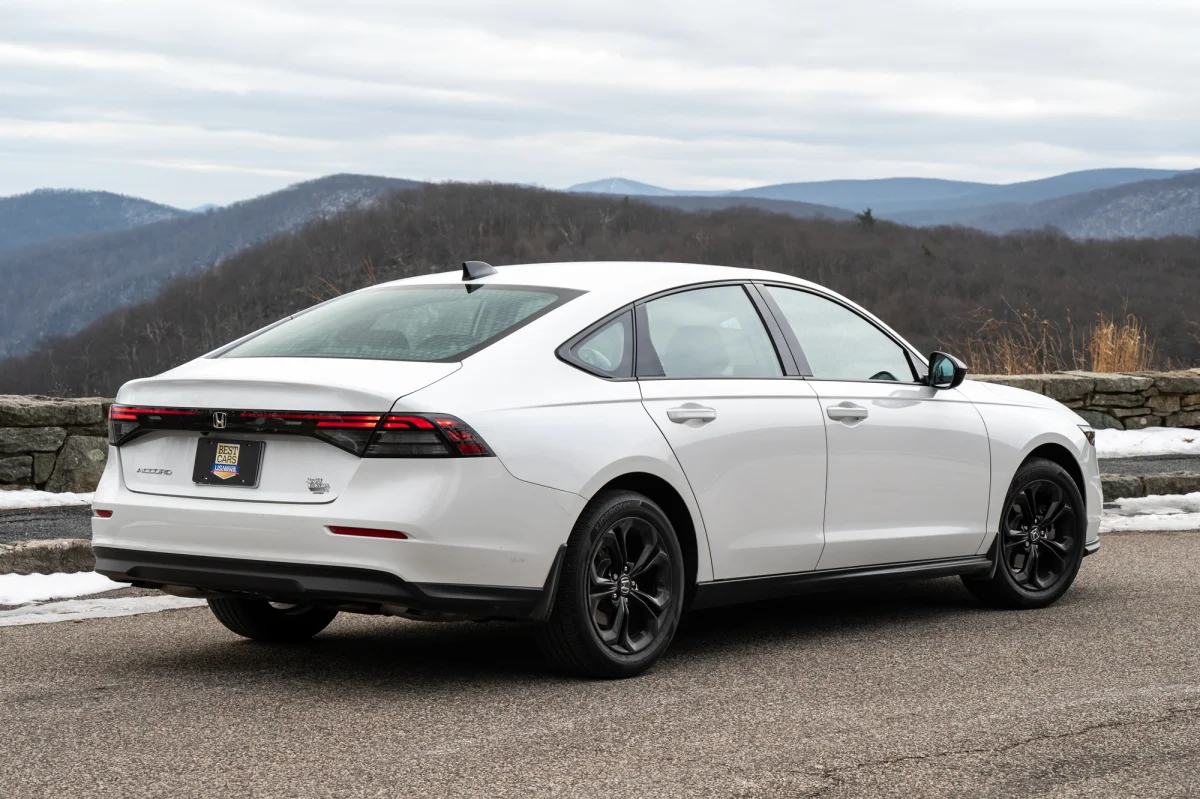
- Engine: 1.5-liter turbocharged four-cylinder or 2.0-liter hybrid system
- Horsepower: Up to 204 hp (hybrid system output)
- Torque: Approximately 335 Nm (247 lb-ft)
- Length: 4,970 mm (195.5 inches)
- Width: 1,862 mm (73.3 inches)
5. Honda Accord
The Honda Accord is another passenger vehicle that may provide useful crash information through built-in electronic recording systems. Honda vehicles with Event Data Recorders can store information connected to safety system operation during certain crashes.
Accident investigators may review Accord crash data to determine factors such as speed before impact, braking activity, seat belt usage, and airbag deployment. This information can help experts understand whether a driver attempted to avoid a collision or whether safety equipment functioned correctly.
The Accord has a long history as a popular family sedan, meaning it appears regularly in accident claims. When disputes arise after a crash, electronic records can help provide additional evidence. Courts may use this information alongside police reports, medical records, and expert analysis.
Vehicle crash data can be especially useful when different parties provide conflicting accounts of an accident. A driver may claim that another vehicle caused a collision, while another person may describe events differently. Recorded information from the vehicle can help establish facts.
The Honda Accord represents how modern cars have become sources of digital evidence. As legal cases increasingly involve technology, crash data from common vehicles can play a significant role in determining what happened during an accident.
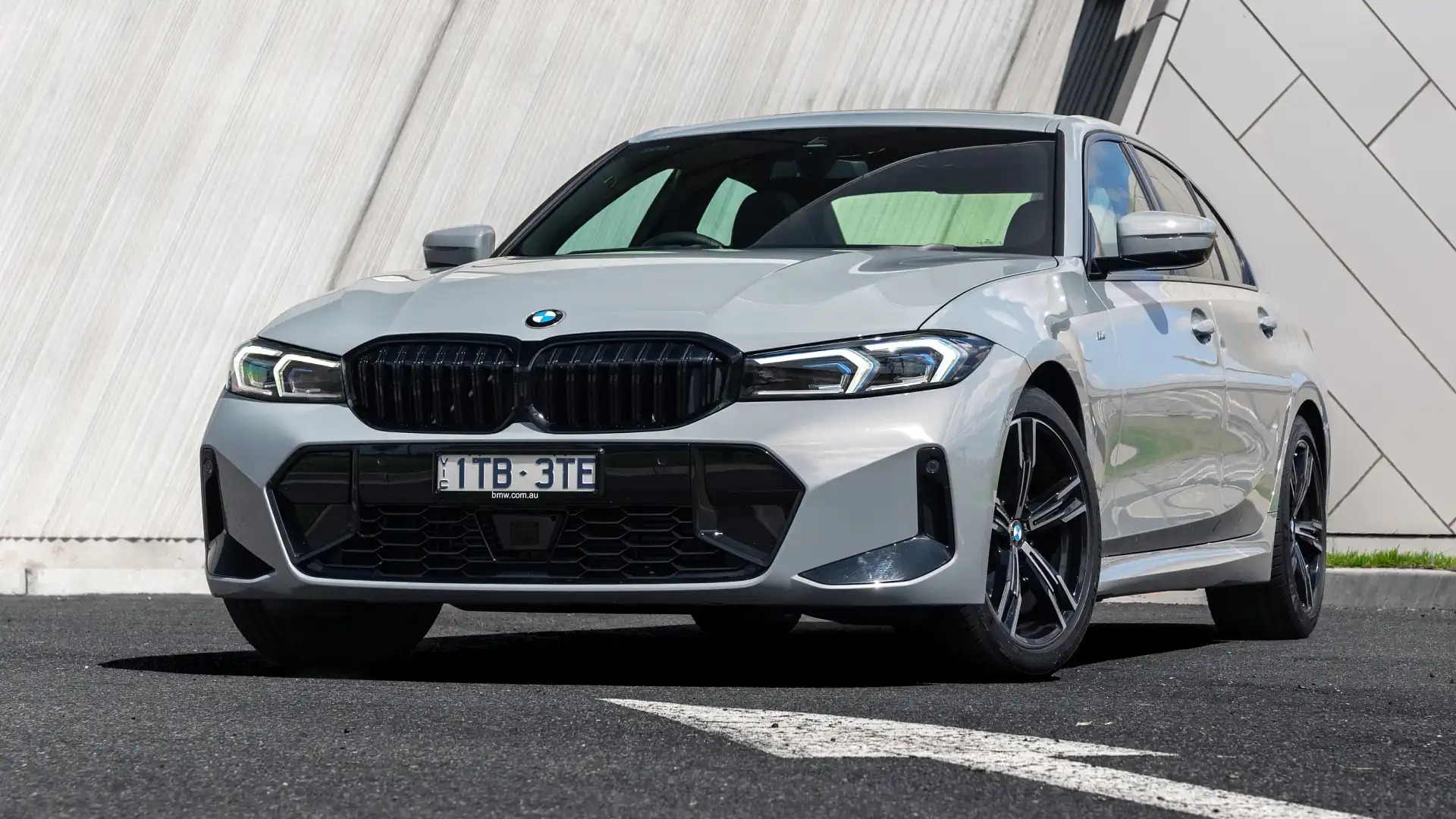
- Engine: 2.0-liter turbocharged four-cylinder, 3.0-liter turbocharged inline-six (M340i variants)
- Horsepower: Up to 382 hp (M340i)
- Torque: Up to 500 Nm (369 lb-ft)
- Length: Approximately 4,713 mm (185.6 inches)
- Width: Approximately 1,827 mm (71.9 inches)
6. BMW 3 Series
The BMW 3 Series is a vehicle known for combining performance, technology, and advanced safety systems. Modern BMW models contain several electronic control units that monitor vehicle functions and store information related to safety events.
When a serious crash occurs, this information may become relevant during insurance investigations or court proceedings.
Crash investigators may examine BMW data to understand important details surrounding an accident. Information such as vehicle speed, braking activity, restraint system operation, and airbag deployment can help specialists recreate the moments before and during a collision. This information does not automatically determine fault, but it can provide valuable technical evidence.
Legal cases involving premium vehicles often involve questions about safety technology, driver assistance features, or vehicle operation.
The BMW 3 Series includes systems designed to support drivers, including collision warning and braking assistance features in many newer versions. If a crash involves claims about these systems, recorded vehicle information may help experts evaluate what occurred.
Accident reconstruction professionals often combine electronic vehicle records with other evidence, including photographs, road markings, witness accounts, and mechanical inspections. Data from a BMW 3 Series can provide a timeline that helps explain whether a driver reacted before impact or whether certain safety systems were functioning.
As vehicles become more computerized, crash data from models like the BMW 3 Series has become increasingly valuable. Courts are seeing more cases where digital records help explain accidents that may otherwise be difficult to analyze. The information stored within these vehicles can provide a clearer understanding of driver actions and vehicle responses.
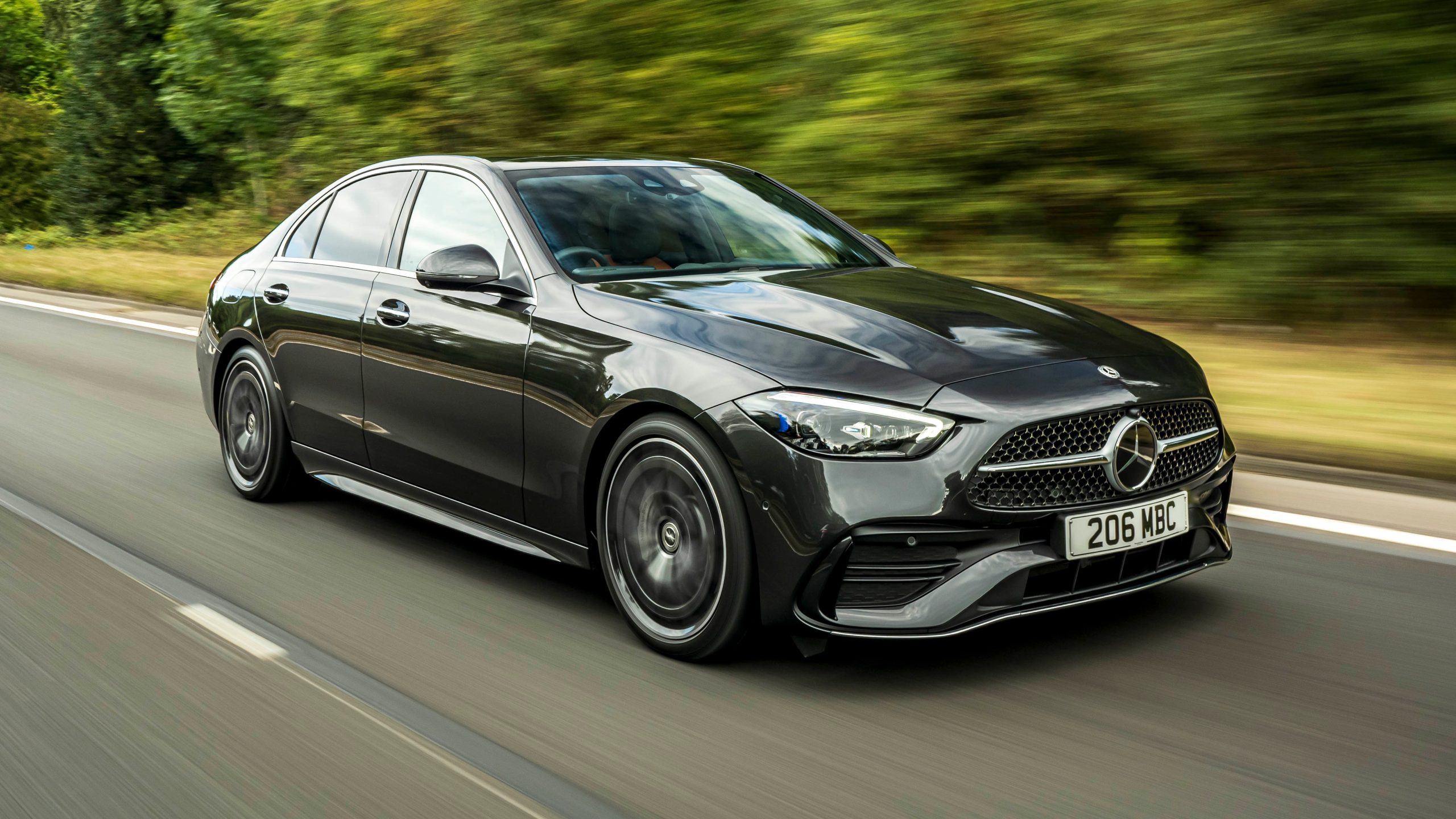
- Engine: 2.0-liter turbocharged four-cylinder mild-hybrid engine (varies by version)
- Horsepower: Up to 402 hp (AMG C43 models)
- Torque: Up to 500 Nm (369 lb-ft)
- Length: Approximately 4,751 mm (187 inches)
- Width: Approximately 1,820 mm (71.7 inches)
7. Mercedes-Benz C-Class
The Mercedes-Benz C-Class is equipped with advanced electronic systems that monitor vehicle operation and safety functions. These systems can generate valuable information after a collision, making the vehicle relevant in accident investigations and legal disputes.
Many Mercedes-Benz vehicles use complex control modules that communicate with safety features throughout the car. After a crash, specialists may examine available data to determine details about vehicle movement, restraint systems, and driver inputs. This information can support accident reconstruction efforts.
Cases involving the Mercedes-Benz C-Class may involve questions about driver responsibility, technology performance, or safety equipment.
Modern models include driver assistance features that can influence how a vehicle reacts in certain situations. When accidents involve these systems, electronic records may help experts understand their role.
Crash evidence from luxury vehicles can be especially useful when a dispute involves advanced safety technology. A driver may argue that a vehicle system failed to respond correctly, while a manufacturer may present information showing the system operated as designed. Technical data can help both sides examine the facts.
The Mercedes-Benz C-Class demonstrates how modern vehicles function as digital devices as well as transportation machines. Information stored within vehicle systems can provide important evidence when courts need to determine what happened before a collision. As automotive technology continues to develop, the importance of this type of evidence will continue to increase.
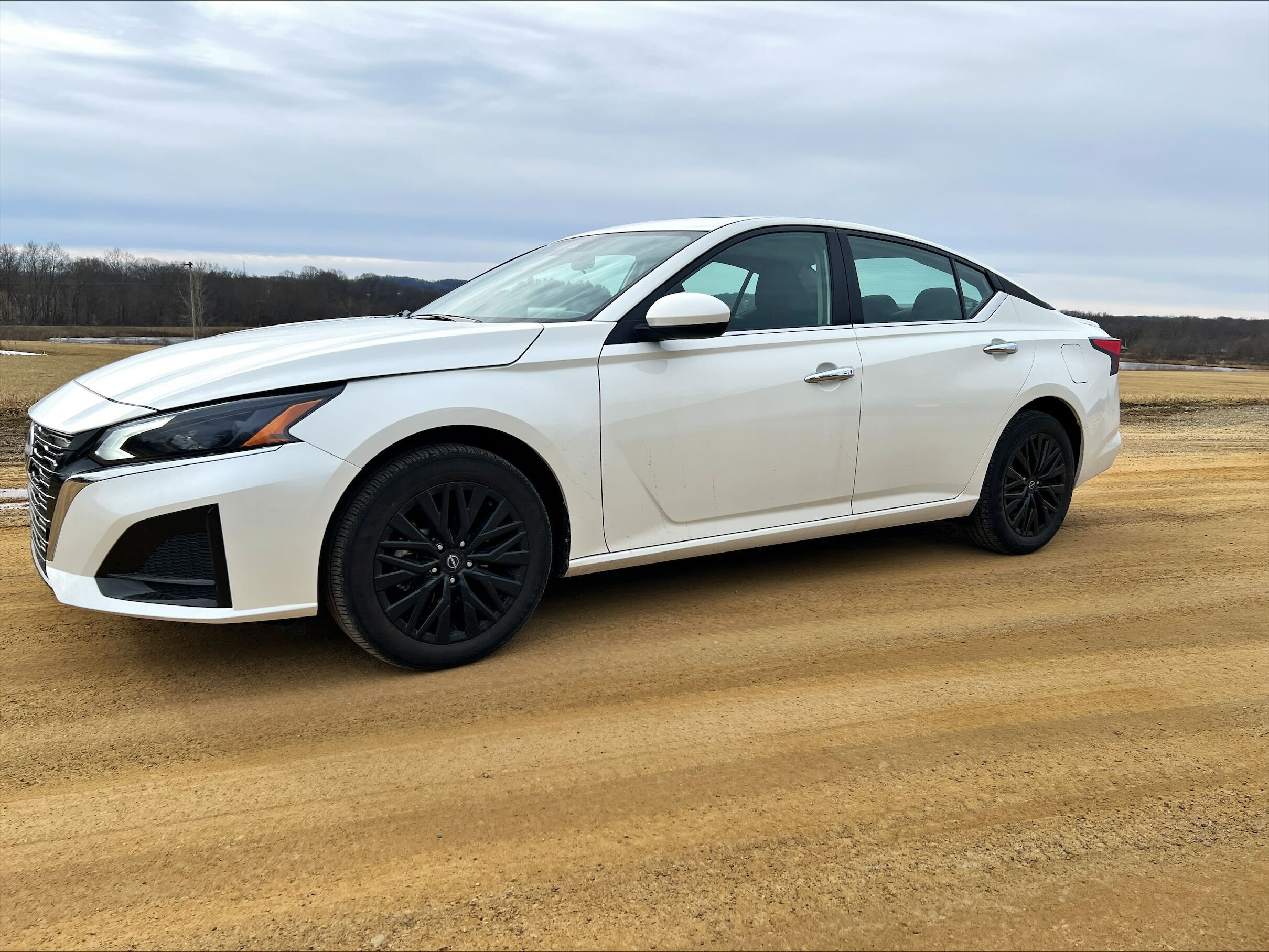
- Engine: 2.5-liter four-cylinder gasoline engine or 2.0-liter VC-Turbo four-cylinder engine (available in previous versions)
- Horsepower: Up to 248 hp (VC-Turbo version)
- Torque: Up to 370 Nm (273 lb-ft)
- Length: 4,900 mm (192.9 inches)
- Width: 1,851 mm (72.9 inches)
8. Nissan Altima
The Nissan Altima is a popular midsize sedan that includes electronic safety systems capable of recording information related to certain crashes. Nissan vehicles equipped with Event Data Recorders can provide investigators with details about vehicle operation during significant collision events.
The information collected may include speed changes, brake activity, seat belt usage, airbag deployment, and other safety-related details. Accident specialists can analyze these records to better understand how a collision happened. This evidence can be useful in personal injury claims, insurance disputes, and legal cases involving vehicle operation.
The Nissan Altima is commonly used by families, commuters, and business drivers, meaning it appears frequently in everyday traffic accidents. When two drivers disagree about how a crash occurred, stored vehicle information may help clarify the sequence of events. Electronic records can provide additional support beyond verbal statements.
Nissan has continued adding safety technologies to newer Altima models, including features designed to warn drivers about possible hazards and assist with collision prevention.
If an accident involves questions about these systems, available crash information may help investigators determine whether the technology was active or how it responded.
The Nissan Altima highlights how ordinary vehicles can contain valuable evidence after an accident. Crash records are no longer limited to specialized vehicles used for testing or research. Many modern cars contain systems that can provide information used by insurance companies, attorneys, and accident experts.
Also read: 5 Cars With the Highest Theft Rates in Missouri, 5 With the Lowest