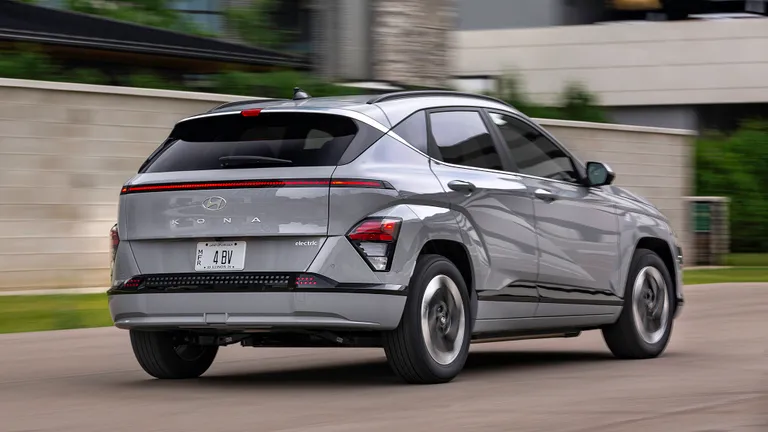
Modern vehicles often rely on advanced systems that manage energy access, diagnostics, and battery replacement procedures through secure software platforms. Some electric and hybrid models require dealer login approval before a battery swap can begin, creating a process that differs from traditional car maintenance.
These restrictions are designed to protect vehicle data and ensure correct installation methods. This article examines eight cars with battery swap systems that may need dealer authentication and explains why manufacturers use controlled access. Readers will learn how these systems work and what owners should expect when battery service becomes necessary.
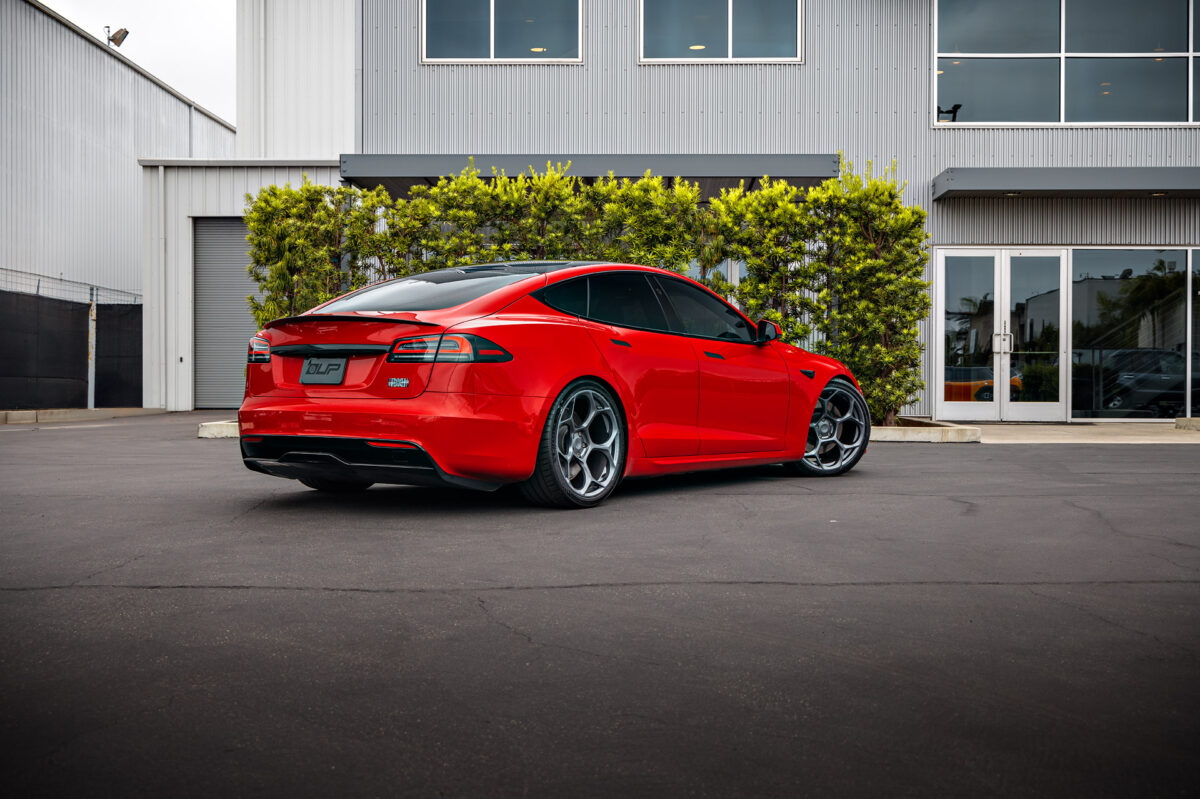
- Engine/Motor: Dual electric motors (AWD) with permanent magnet and induction motor technology depending on variant
- Horsepower: Approximately 670 hp (Long Range) to over 1,000 hp (Plaid variant)
- Torque: Around 650 Nm (Long Range) to approximately 1,420 Nm (Plaid, estimated combined output)
- Length: 4,970 mm
- Width: 1,964 mm (excluding mirrors)
1. Tesla Model S
The Tesla Model S introduced many drivers to long-range electric performance and advanced battery technology. Its battery pack forms a major part of the vehicle structure and works with several electronic systems that control power delivery, charging, and thermal management.
Replacing this battery requires careful procedures because the new unit must function correctly with the existing vehicle software.
A battery swap on a Model S is more complicated than replacing a conventional car battery. The high voltage pack contains multiple modules, sensors, and control electronics.
Technicians need to verify that the replacement unit matches the vehicle specifications. Incorrect pairing could affect charging behavior, performance information, or safety monitoring.
Tesla service procedures often depend on digital diagnostic systems. These systems allow technicians to identify faults, review vehicle information, and complete repair steps. Access to these tools helps ensure that important battery information is updated after replacement work.
Owners of older Model S vehicles may encounter different repair options compared with newer versions. Battery technology has changed over time, and replacement methods depend on battery generation, vehicle software, and available parts. A trained technician can determine the correct process after inspecting the vehicle.
The requirement for controlled battery service reflects a broader change in automotive repair. As vehicles become more software-focused, manufacturers increasingly use secure systems to manage important repairs. The Model S represents this shift by combining advanced hardware with digital service processes.
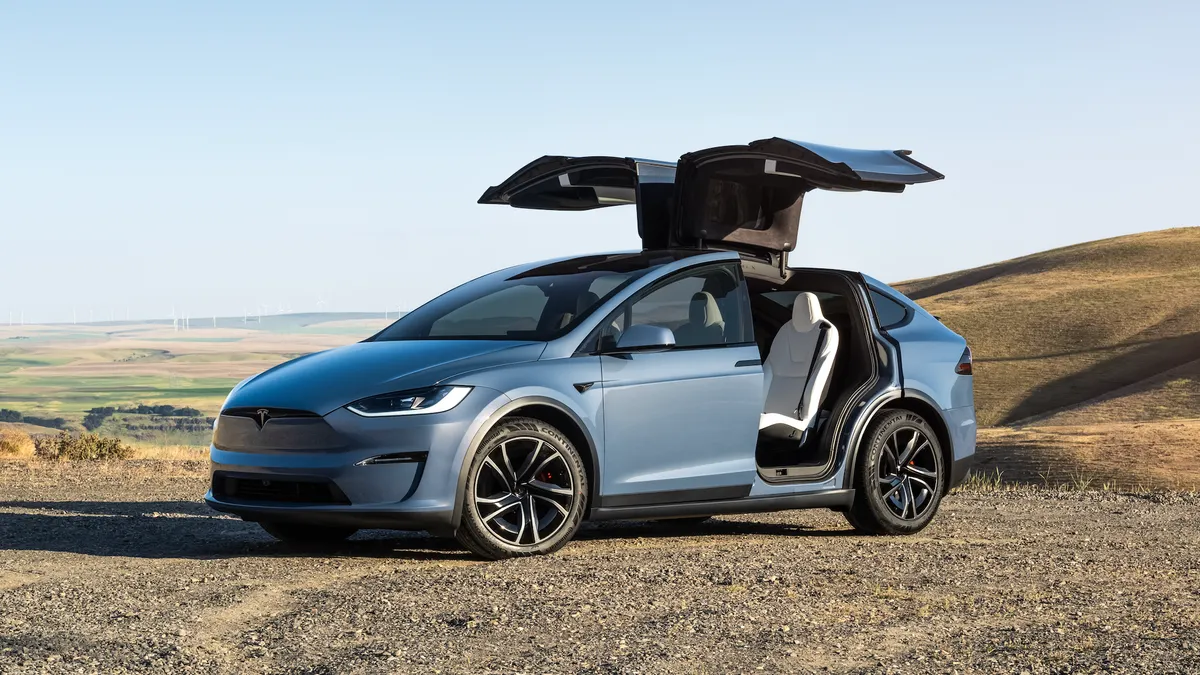
- Engine/Motor: Dual electric motors with all-wheel drive system
- Horsepower: Approximately 670 hp (Long Range) to around 1,020 hp (Plaid variant)
- Torque: Around 750 Nm (Long Range) to approximately 1,420 Nm (Plaid, estimated combined output)
- Length: 5,057 mm
- Width: 1,999 mm (excluding mirrors)
2. Tesla Model X
The Tesla Model X shares many technologies with the Model S, including a large battery system designed for high performance and long-distance driving. Its battery pack supports a heavy vehicle with powerful motors, meaning replacement work requires careful planning and accurate system checks.
A battery replacement process involves more than physical installation. Technicians must ensure that the vehicle recognizes the new pack and that all communication between components works properly. Manufacturer diagnostic access can help complete these steps and confirm that the vehicle operates safely.
The Model X includes advanced electronics throughout the vehicle. Battery management, cooling systems, charging controls, and vehicle computers all depend on accurate communication. A dealer login or approved service tool can provide access to information needed during major repairs.
Battery swaps are less common for private owners because many electric vehicles are designed around long-term battery ownership rather than quick exchange systems.
When replacement becomes necessary, the work is usually performed as a structured repair procedure rather than a simple swap at a service station.
The Model X shows why modern electric vehicles require specialized service knowledge. The combination of large battery capacity, software integration, and safety systems means technicians need proper training and equipment before completing battery-related repairs.
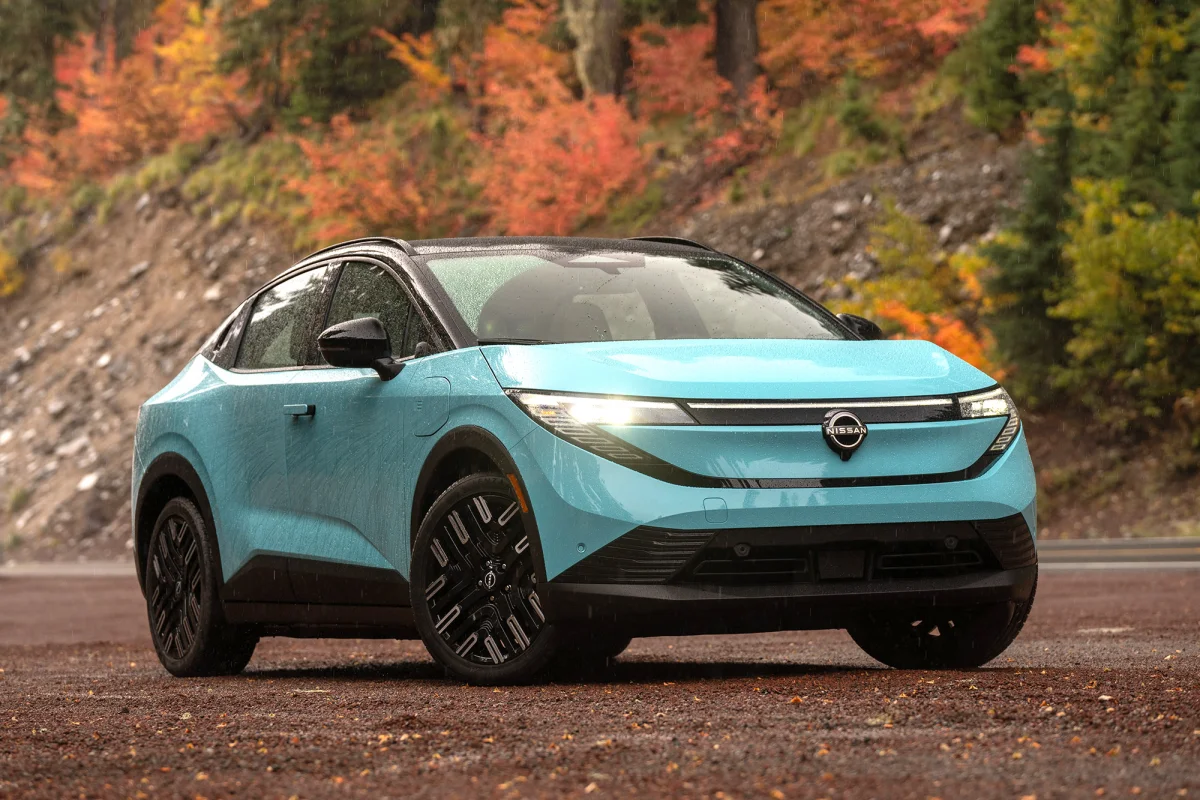
- Engine/Motor: Single electric motor powering the front wheels
- Horsepower:
- Standard version: 147 hp
- LEAF e+ version: 214 hp
- Torque:
- Standard version: 320 Nm
- LEAF e+ version: 340 Nm
- Length: 4,490 mm
- Width: 1,788 mm
3. Nissan LEAF
The Nissan LEAF became a widely recognized electric vehicle because of its practical design, accessible pricing, and long production history.
Its battery system was created to provide reliable daily transportation while using electronic controls to manage charging, temperature, and energy delivery. Battery replacement procedures require attention to the vehicle’s battery management system because the replacement unit must communicate correctly with existing electronics.
A battery swap for a Nissan LEAF involves several technical steps beyond removing the old pack. Technicians need to inspect the battery condition, confirm compatibility, and use diagnostic equipment to check system performance. The vehicle stores important battery information that helps monitor capacity, charging behavior, and long-term operation.
Authorized service centers may use manufacturer diagnostic systems when performing battery-related work. These tools allow technicians to access vehicle data, identify potential issues, and complete necessary programming procedures. Secure access helps maintain consistency in repairs and reduces the possibility of incorrect battery installation.
The Nissan LEAF has received different battery versions throughout its production years. Battery capacity, chemistry, and software systems have changed between models.
This means replacement procedures may vary depending on the specific year and version. A battery designed for one LEAF model may not work correctly in another without proper verification.
Battery service requirements highlight the changing nature of vehicle maintenance. Traditional cars often require mechanical replacements that are easier to complete without digital authorization. Electric vehicles rely more heavily on computer systems, making software access an important part of modern repair work.
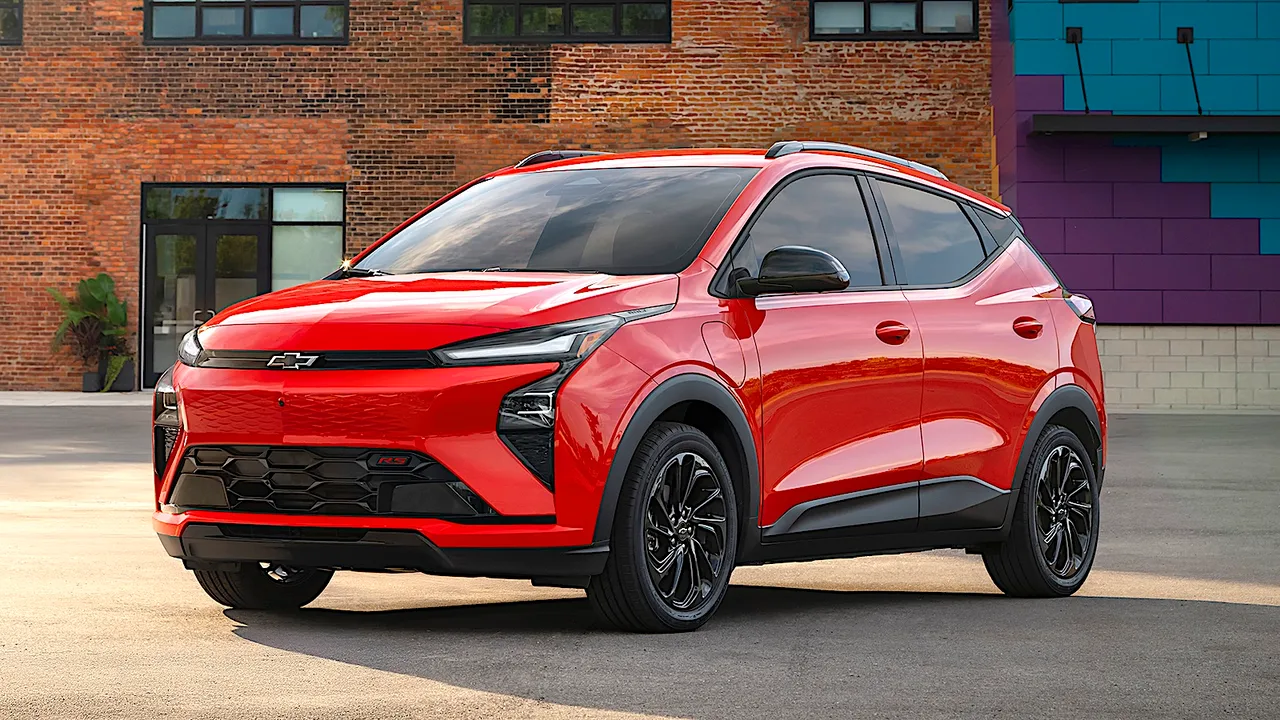
- Engine/Motor: Single permanent magnet synchronous electric motor (front-wheel drive)
- Horsepower: 200 hp
- Torque: 360 Nm
- Length: 4,145 mm
- Width: 1,765 mm
4. Chevrolet Bolt EV
The Chevrolet Bolt EV introduced many drivers to affordable electric mobility with a focus on efficiency and everyday usability. Its battery pack provides energy for the electric motor and works with several control systems that manage charging, temperature, and performance. Battery replacement requires proper procedures to ensure the vehicle operates correctly after installation.
The battery system in the Bolt EV includes multiple modules that work together as a complete energy unit. Technicians must confirm that replacement components meet the required specifications before installation. The vehicle’s software needs accurate battery information to provide correct performance monitoring and safety functions.
Dealer access tools can assist technicians during battery service by providing diagnostic information and programming options. These systems help verify battery condition, check communication between components, and complete required updates. Proper access can reduce repair mistakes and improve service quality.
Battery-related work on the Bolt EV gained attention because of battery safety discussions involving earlier models. Manufacturers responded by developing service procedures, software updates, and inspection methods. These actions demonstrate why controlled repair systems are important for high-voltage vehicle components.
The Bolt EV represents the increasing connection between vehicle hardware and software. A battery replacement is no longer only a physical repair. It requires electronic verification, system communication checks, and accurate programming to maintain reliable operation.
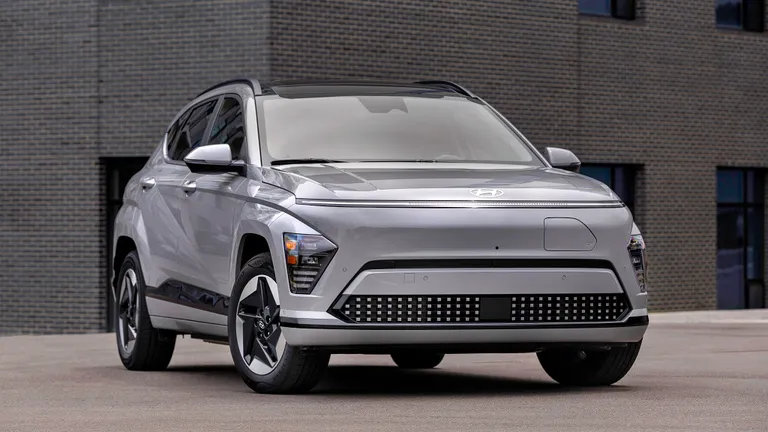
- Engine/Motor: Permanent magnet synchronous electric motor (front-wheel drive)
- Horsepower:
- Standard range: around 134 hp
- Long range: around 201 hp
- Torque:
- Standard range: 395 Nm
- Long range: 395 Nm
- Length: 4,205 mm
- Width: 1,800 mm
5. Hyundai Kona Electric
The Hyundai Kona Electric combines a compact vehicle design with a high-capacity battery system designed for efficient electric driving.
Its battery pack works with electronic control units that manage energy use, charging performance, and safety features. Replacing the battery requires careful handling because the vehicle depends on accurate communication between multiple systems.
Battery replacement procedures for the Kona Electric can involve manufacturer diagnostic equipment. Technicians may need access to software tools that provide information about battery condition, system errors, and replacement procedures.
These tools help confirm that the new battery functions correctly with the vehicle.
Modern Hyundai vehicles use advanced electronic networks connecting various components. The battery management system monitors important details such as voltage levels, temperature, and charging patterns. A replacement battery must match these requirements to ensure proper performance.
Dealer login systems help protect vehicle electronics by limiting access to trained professionals using approved equipment. High voltage batteries contain significant energy and require specific safety procedures. Controlled access can help reduce risks during maintenance and repair.
The Kona Electric shows how electric vehicles combine mechanical engineering with digital technology. Owners may expect battery service to become similar to computer-based maintenance because software verification plays a larger role in vehicle repairs.
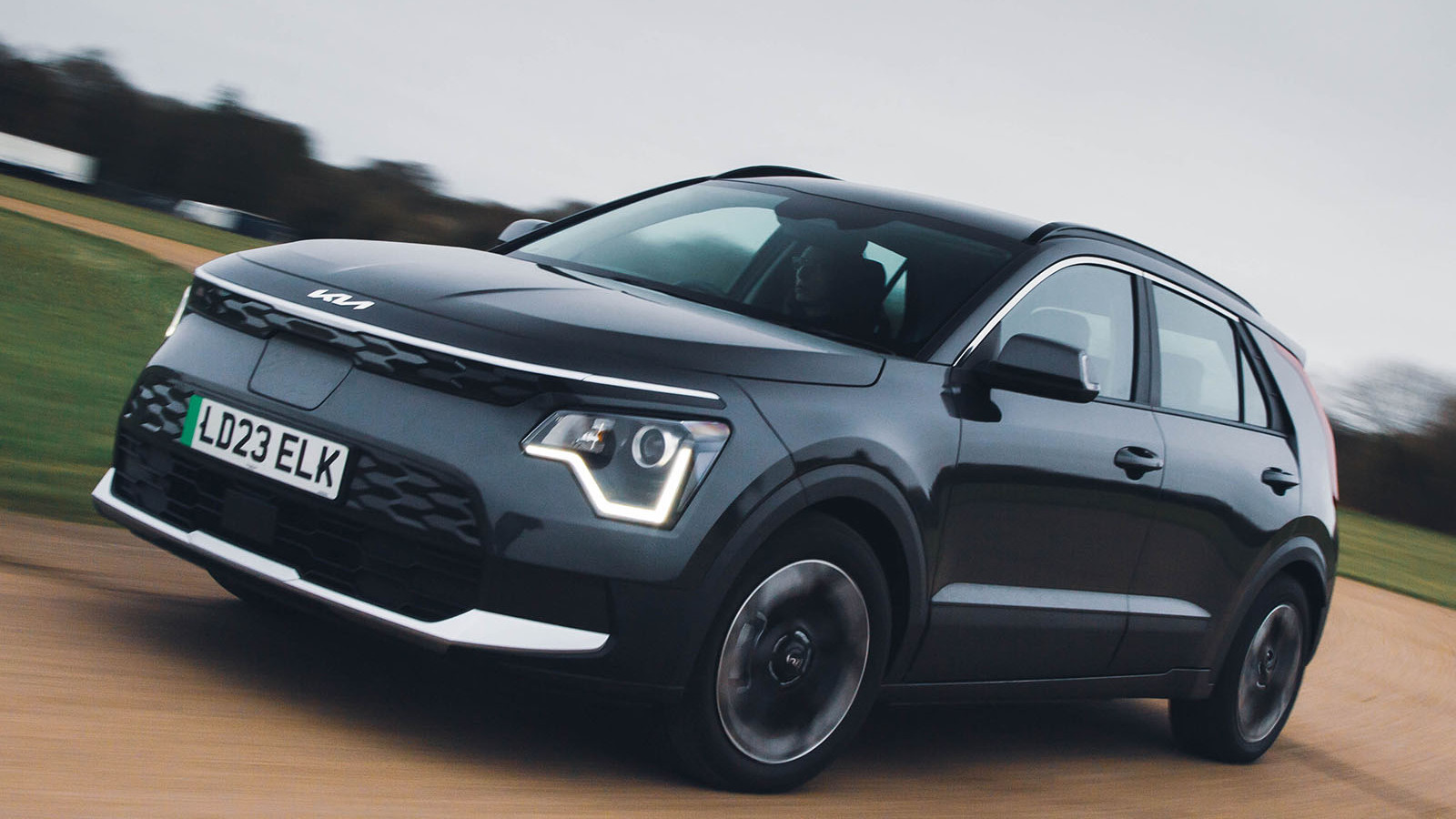
- Engine/Motor: Permanent magnet synchronous electric motor (front-wheel drive)
- Horsepower: 201 hp
- Torque: 255 Nm
- Length: 4,420 mm
- Width: 1,825 mm
6. Kia Niro EV
The Kia Niro EV offers electric driving in a practical crossover format and uses a battery system designed for daily transportation needs.
Like many modern electric vehicles, its battery pack relies on advanced electronic systems to manage energy distribution, regulate charging, and continuously monitor battery condition and performance.
Replacing the battery pack requires technicians to consider both the physical installation and software compatibility. The vehicle needs to recognize the replacement battery and communicate properly with the power management system. Diagnostic tools help confirm that all electronic connections work as intended.
Kia service systems provide technicians with access to repair information and diagnostic procedures. Battery-related repairs may require specialized equipment because the battery system connects with important vehicle functions. Secure access ensures that repair processes follow manufacturer guidelines.
The Niro EV demonstrates how electric vehicles require a different approach to maintenance. Owners may be familiar with oil changes, brake repairs, and mechanical replacements, but battery systems involve electronic programming and safety checks.
As electric vehicles continue developing, controlled repair access may become more common. Battery technology is improving quickly, and manufacturers are creating systems that balance repair availability with the need for safe and accurate service procedures.
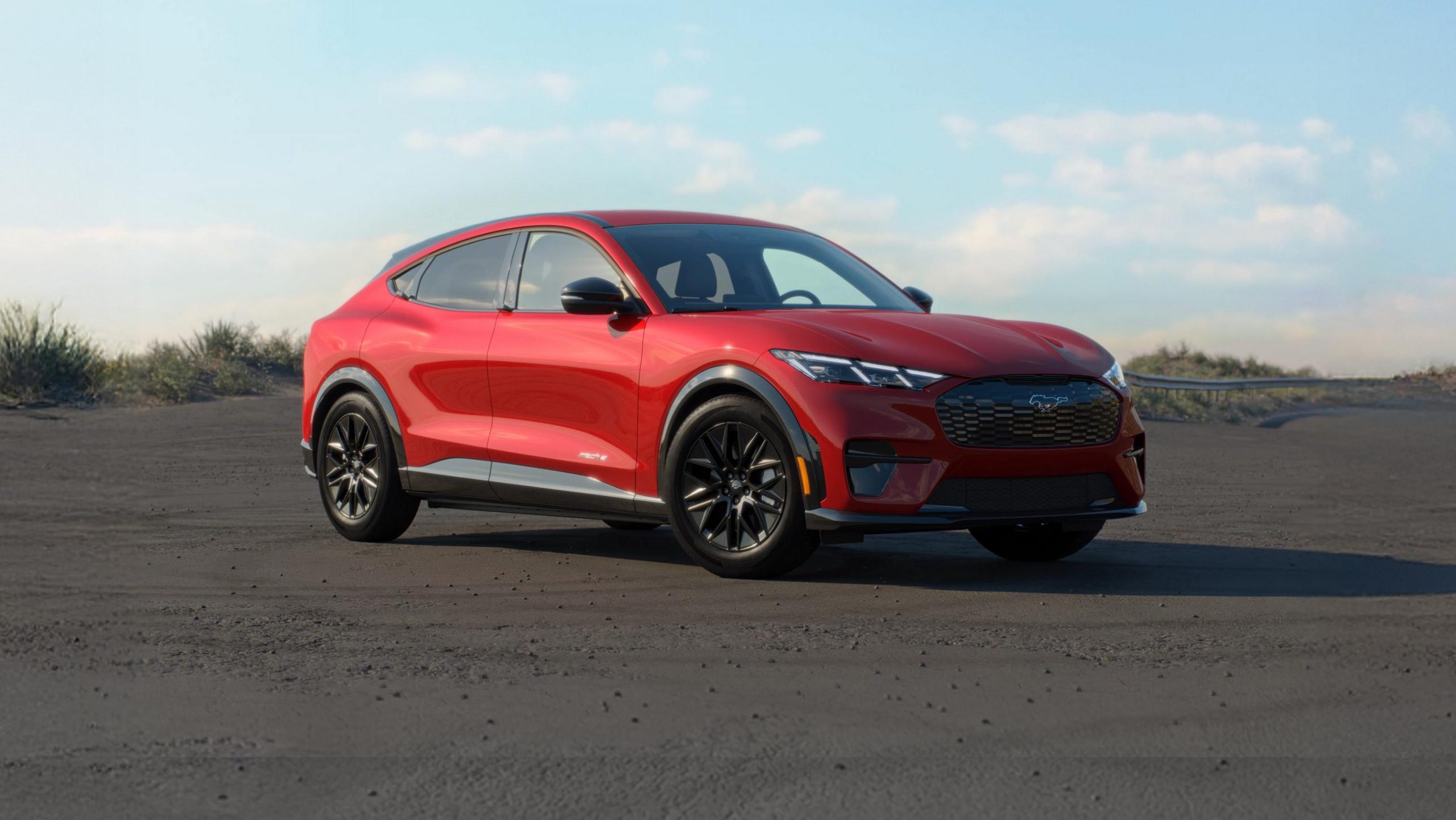
- Engine/Motor: Permanent magnet synchronous electric motor
- Drive Options: Rear-wheel drive (RWD) and all-wheel drive (AWD)
- Horsepower:
- Select: around 264 hp
- Premium: around 290 hp to 346 hp depending on battery and drivetrain
- GT: around 480 hp
- Torque:
- Standard versions: around 430 Nm to 580 Nm
- GT Performance: up to approximately 950 Nm
- Length: 4,743 mm
- Width: 1,881 mm (excluding mirrors)
7. Ford Mustang Mach-E
The Ford Mustang Mach-E brought electric technology into a performance-focused crossover design. It combines the Mustang name with a battery-powered platform that delivers strong acceleration, modern features, and long-range capability.
Its battery system is connected to several electronic control units that manage power delivery, charging, temperature regulation, and vehicle performance.
Battery replacement in the Mustang Mach-E requires more than removing and installing a new battery pack. The replacement unit must match the vehicle’s specifications and communicate properly with the battery management system. Technicians need to confirm that the new battery works with the vehicle software and that all safety systems operate correctly.
Ford uses specialized service equipment to support repairs involving high-voltage components. Access to manufacturer diagnostic tools allows technicians to review battery information, check system conditions, and complete required programming steps. These procedures help maintain vehicle reliability after major battery work.
The Mustang Mach-E includes advanced software features that control many aspects of the driving experience. Battery performance, charging speed, and energy usage are monitored through electronic systems.
A replacement battery may require registration or configuration within the vehicle’s software to ensure accurate operation.
The Mach-E represents how performance vehicles are adapting to electric power. Its design combines traditional driving appeal with modern battery technology. As electric vehicles become more advanced, secure service systems will continue playing an important role in maintaining battery-powered vehicles.
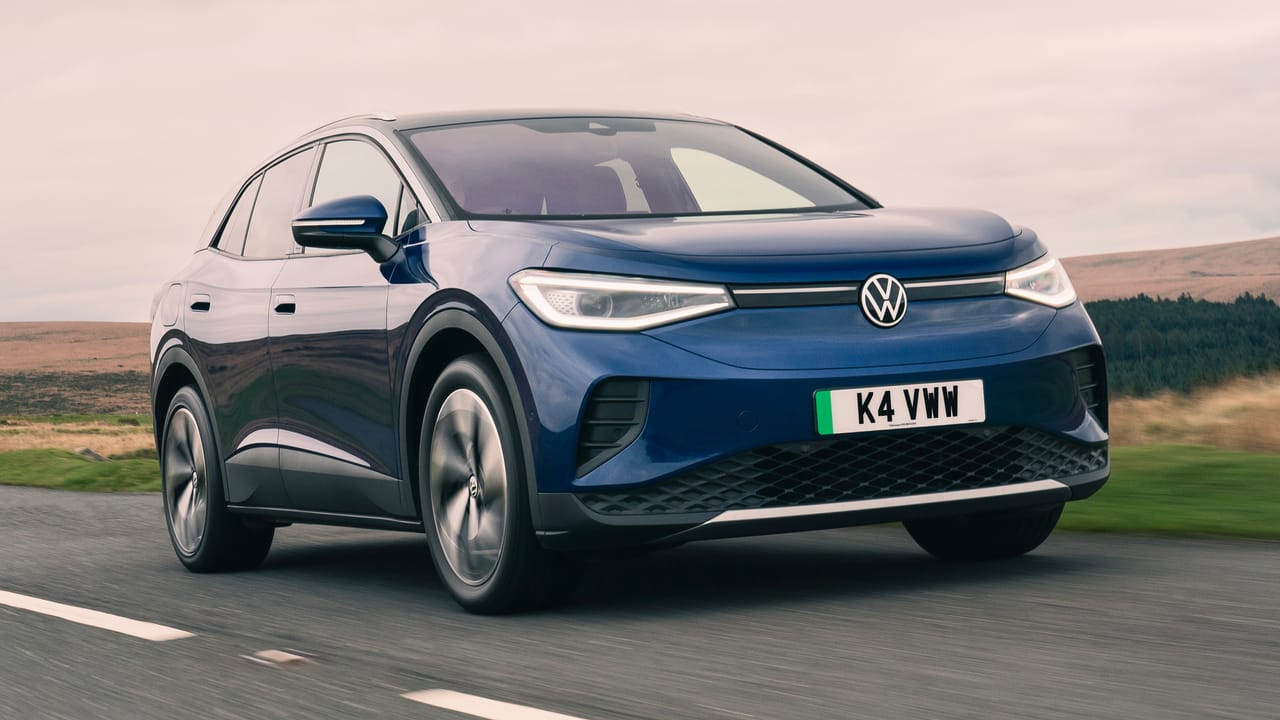
- Engine/Motor: Permanent magnet synchronous electric motor
- Drive Options: Rear-wheel drive (RWD) and all-wheel drive (AWD) versions
- Horsepower:
- Standard models: around 201 hp to 282 hp
- Performance versions: around 330 hp
- Torque:
- Rear-wheel drive versions: around 310 Nm
- Higher performance AWD versions: around 545 Nm
- Length: 4,584 mm
- Width: 1,852 mm (excluding mirrors)
8. Volkswagen ID.4
The Volkswagen ID.4 is a fully electric SUV developed around a dedicated electric vehicle platform. It uses a high-voltage battery pack connected to an electric motor system that provides efficient performance for daily driving. The vehicle depends on electronic communication between the battery, motor, and control modules.
Replacing the battery pack of the ID.4 requires careful attention to software compatibility. The vehicle must recognize the replacement battery and correctly communicate with the battery management system.
Diagnostic access helps technicians complete inspections, identify possible issues, and verify proper operation after installation.
Volkswagen uses digital service platforms that allow authorized technicians to access repair information and diagnostic procedures. Battery-related work often requires specialized equipment because high-voltage systems involve strict safety requirements and complex electronic controls.
The ID.4 demonstrates the importance of software in modern automotive repair. The battery is not only an energy storage unit but also a component connected to the vehicle’s entire electronic network. Proper programming and system checks help maintain performance and safety after replacement.
Electric SUVs such as the ID.4 show how vehicle maintenance is changing with new technology. Battery servicing requires a combination of mechanical skills, electrical knowledge, and digital tools.
Dealer login systems provide manufacturers with a way to control access to important repair functions while supporting accurate service procedures.
Also read: 5 Cars With the Highest Theft Rates in Missouri, 5 With the Lowest