Buying a new or used vehicle is one of the largest financial decisions most consumers make, making reliability an essential consideration. While no vehicle is completely immune to defects or unexpected repairs, some models consistently receive more owner complaints than others during the first few years of ownership.
One of the automotive industry’s most respected benchmarks for measuring vehicle quality is the J.D. Power Initial Quality Study (IQS) and Vehicle Dependability Study (VDS). Rather than counting warranty claims, these studies measure Problems Per 100 Vehicles (PP100), which reflects the number of owner-reported issues experienced within the first 90 days (IQS) and after three years of ownership (VDS). A lower PP100 score indicates better quality and dependability.
Although J.D. Power does not publish a list of the “worst” individual vehicles, recurring trends from IQS, VDS, and owner experiences reveal that certain models are frequently associated with reliability concerns. Many of these issues stem from infotainment systems, electronic features, transmissions, engine components, and software integration rather than catastrophic mechanical failures.
This article examines eight vehicles that have developed reputations for experiencing above-average owner-reported problems, while also providing engine specifications, performance figures, and vehicle dimensions to help prospective buyers make informed purchasing decisions.
1. Jeep Wrangler
The Jeep Wrangler has long been regarded as one of the most capable off-road vehicles available, thanks to its rugged body-on-frame construction, solid axles, and exceptional four-wheel-drive systems. However, its legendary off-road capability has often been accompanied by a reputation for inconsistent reliability.
While J.D. Power has recognized the Wrangler’s strengths in certain categories over the years, owner surveys and dependability studies consistently reveal that the model experiences a higher-than-average number of reported problems compared with many competing midsize SUVs.
These issues frequently involve electronic systems, steering components, suspension wear, infotainment glitches, and build quality concerns rather than outright engine failure. J.D. Power’s studies also show that technology-related complaints continue to represent one of the industry’s largest sources of owner dissatisfaction.
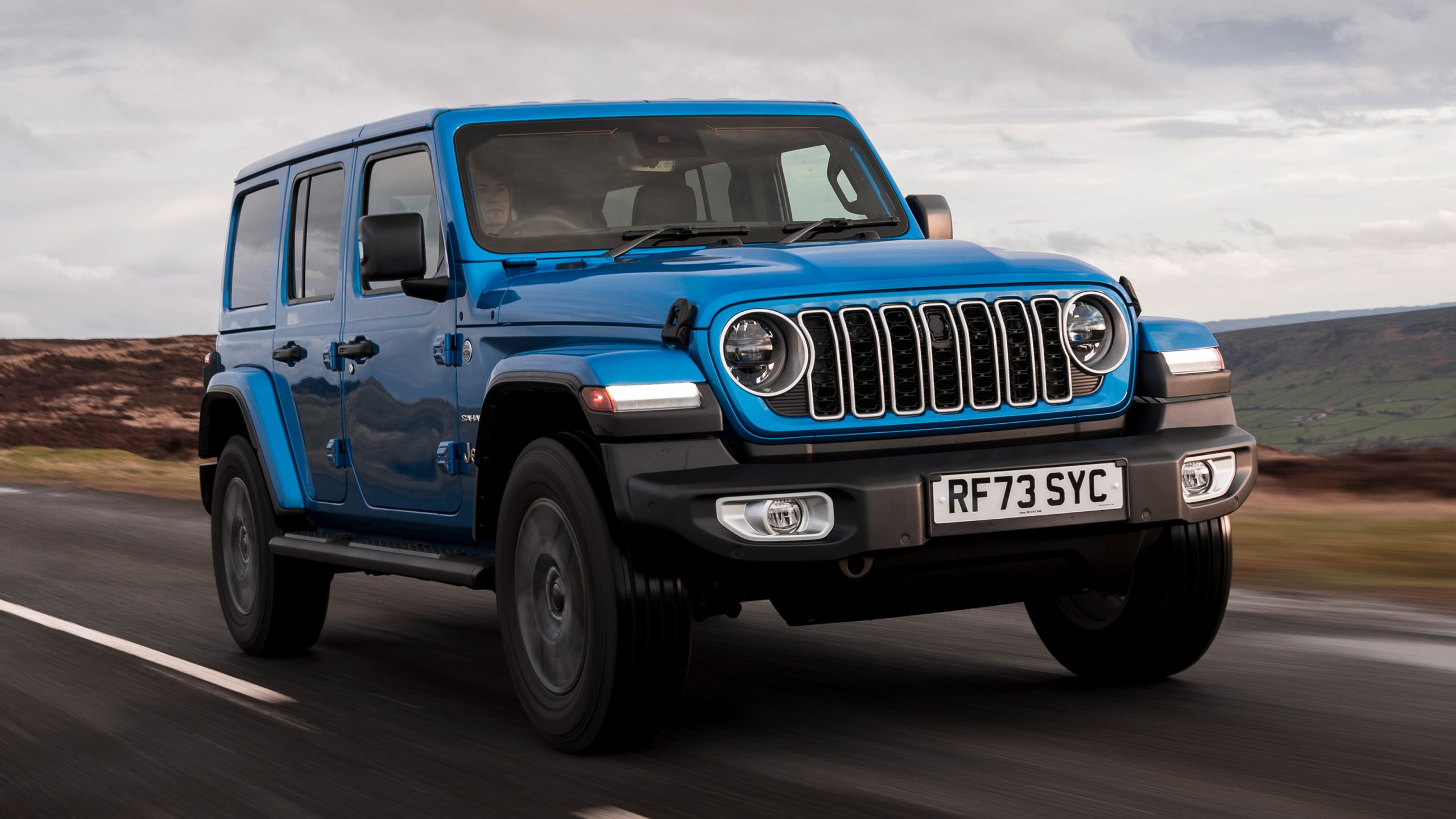
One of the Wrangler’s most publicized concerns involves steering instability, commonly referred to as the “death wobble,” where excessive vibration occurs after striking road imperfections at highway speeds. While this issue does not affect every Wrangler, enough owners have reported similar symptoms to make it one of the vehicle’s most recognizable complaints.
Other reported concerns include water leaks around removable roof panels, premature suspension wear, malfunctioning touchscreen infotainment systems, backup camera failures, and inconsistent fit-and-finish. Owners have also cited problems with electrical accessories and sensor warnings that require dealership diagnostics.
Despite these shortcomings, many Wrangler owners willingly accept higher maintenance costs because of the vehicle’s unmatched off-road performance and strong aftermarket support.
The Wrangler continues to attract buyers who value serious off-road performance, outdoor exploration, and features like removable doors. However, shoppers looking for a reliable everyday vehicle should take extra care when evaluating a used model. Reviewing maintenance documentation, checking for applicable technical service bulletins, and confirming the vehicle’s condition can help buyers make a more informed decision.
- Engine Type: 3.6-liter Pentastar V6 (naturally aspirated)
- Horsepower: 285 hp
- Torque: 260 lb-ft
- Length: 188.4 inches
- Width: 73.8 inches
2. Ford Escape
The Ford Escape has remained one of America’s best-selling compact SUVs for years because of its comfortable ride, spacious cabin, and broad selection of gasoline, hybrid, and plug-in hybrid powertrains.
Nevertheless, several recent model years have generated higher-than-average owner complaints relating to powertrain performance, electronics, and software integration. J.D. Power’s IQS and VDS repeatedly identify infotainment systems, smartphone connectivity, and electronic features as among the industry’s most problematic areas, and the Escape reflects many of these broader trends.
Many owners have reported transmission hesitation, delayed acceleration, shifting irregularities, and software issues affecting Ford’s SYNC infotainment system. Additional complaints involve malfunctioning backup cameras, driver-assistance sensors, adaptive cruise control, battery drain, and recurring warning lights that require dealership attention.
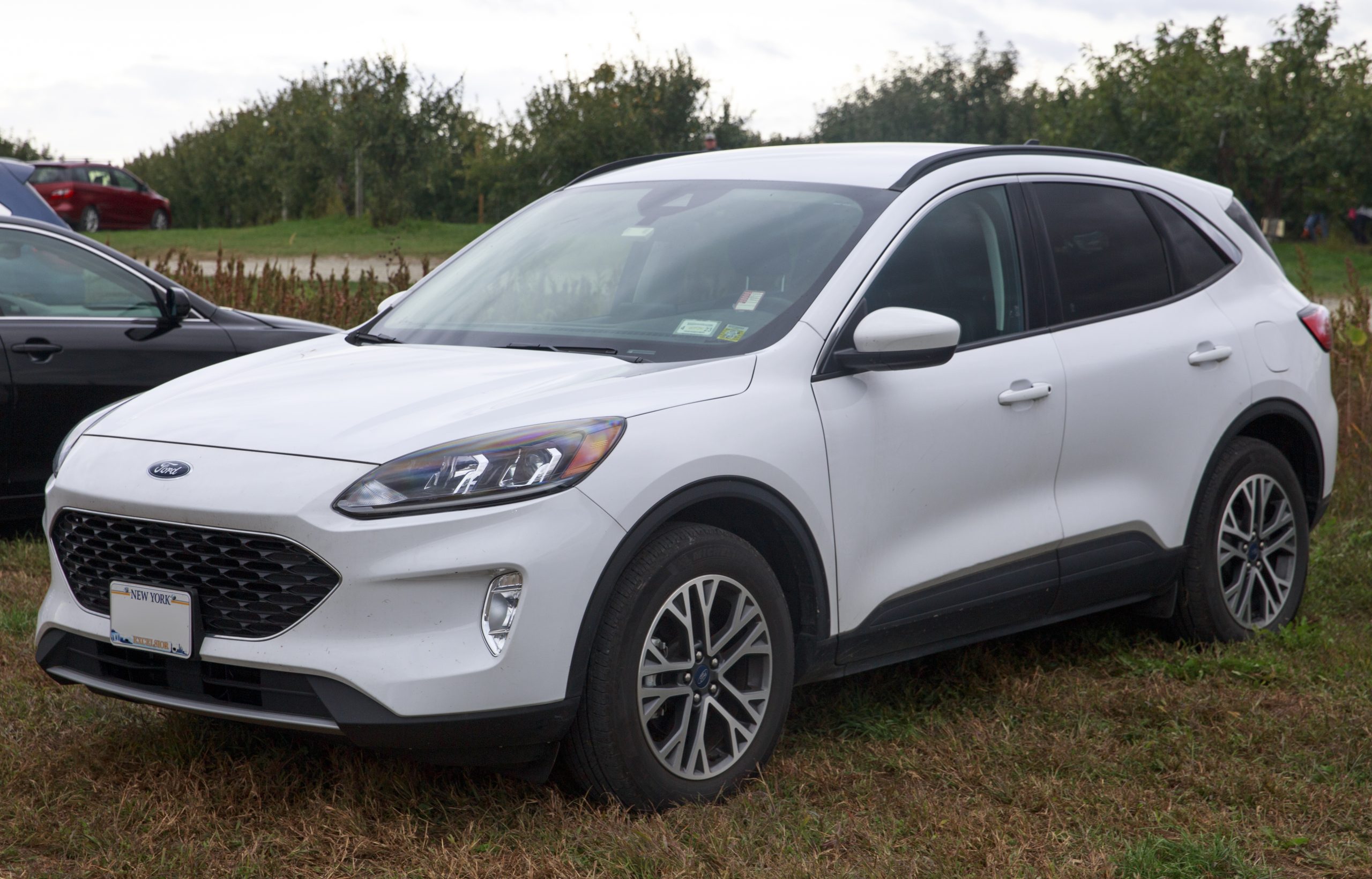
Certain EcoBoost-equipped models have also experienced engine cooling concerns that prompted recalls and manufacturer repairs in specific production years. Although these problems are not universal across every Escape, they contribute to a perception of inconsistent long-term reliability.
On the positive side, the Escape delivers strong performance, respectable fuel economy, and one of the most comfortable driving experiences in the compact SUV segment. The available 2.0-liter EcoBoost engine provides brisk acceleration while maintaining practical everyday usability.
When considering a pre-owned Escape, buyers should pay close attention to the history of the specific model year they are evaluating. Confirming that recalls have been addressed, checking for documented transmission software updates, and reviewing records of cooling-system maintenance can help identify potential concerns before purchase. Selecting a properly maintained example can lead to a more dependable ownership experience while still delivering the Escape’s practicality, versatility, and family-friendly appeal.
- Engine Type: 2.0-liter EcoBoost Turbocharged Inline-4
- Horsepower: 250 hp
- Torque: 280 lb-ft
- Length: 180.5 inches
- Width: 74.1 inches
3. Volkswagen Taos
The Volkswagen Taos arrived in the compact crossover segment with eye-catching design, efficient turbocharged power, and a premium-feeling cabin that offered more than many competitors at its price level. While early impressions highlighted its spacious interior and comfortable driving experience, feedback from owners has pointed to several reliability and quality issues that have influenced long-term dependability.
While J.D. Power evaluates long-term owner-reported problems using its PP100 methodology, industry trends indicate that newer vehicles introducing advanced software and electronic features often experience more early ownership issues than established models.
Among the most commonly reported Taos complaints are transmission hesitation, rough shifting in dual-clutch equipped versions, unexpected engine stalling, electronic warning messages, and infotainment software glitches. Some owners have also reported issues involving fuel delivery, braking feel, adaptive cruise control sensors, and occasional failures of driver-assistance systems.
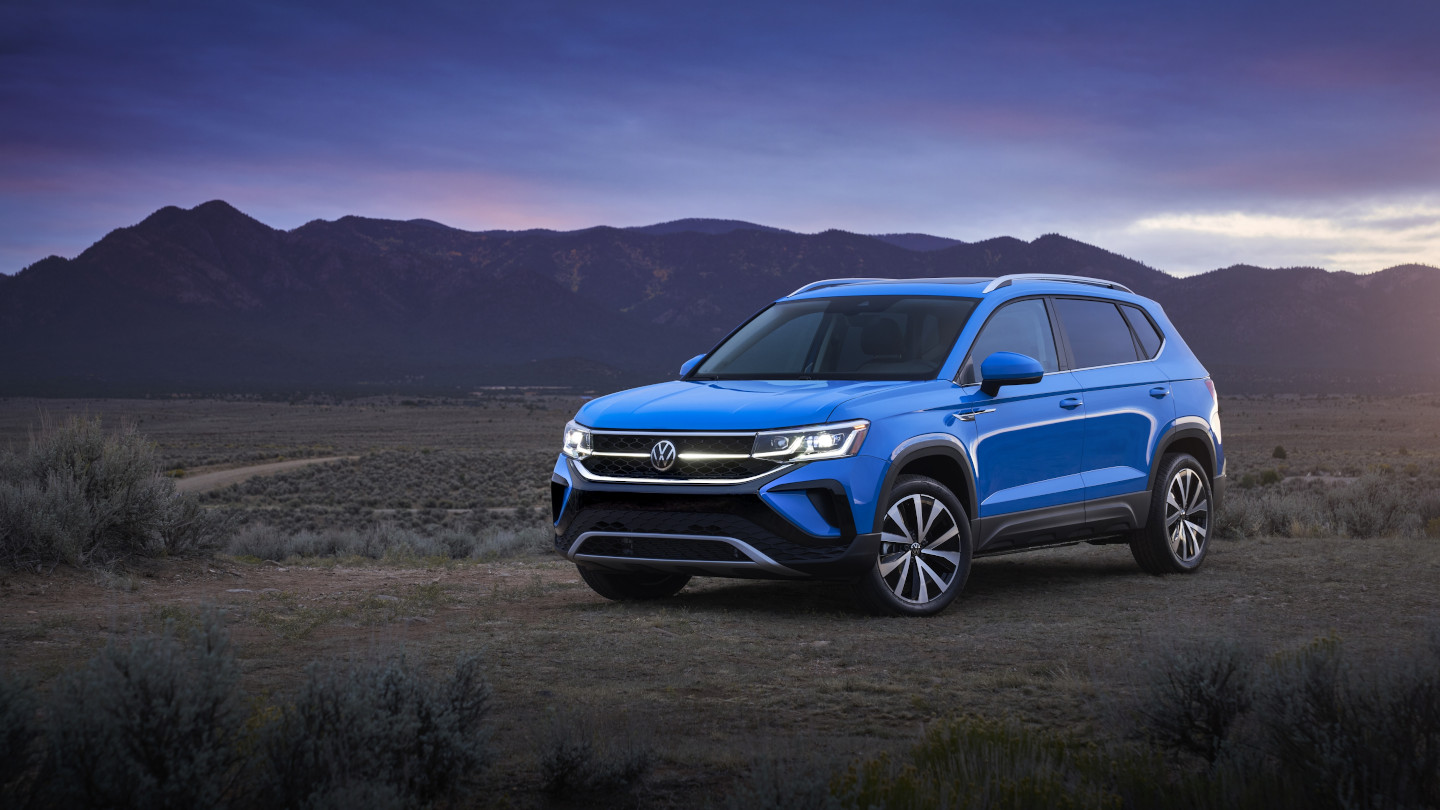
While software updates have addressed several concerns, electronic reliability continues to be an area where owners expect improvement. J.D. Power’s latest Vehicle Dependability Study likewise notes that infotainment systems, smartphone connectivity, and software updates remain among the industry’s most significant sources of reported problems.
Despite these concerns, the Taos remains an attractive option for buyers seeking a compact SUV with European styling and efficient fuel consumption. Its turbocharged engine provides adequate everyday performance while maintaining excellent highway economy, and its interior space rivals several larger competitors.
Prospective buyers should prioritize later production models with updated software, confirm that manufacturer service campaigns have been completed, and conduct a thorough pre-purchase inspection. These precautions can help minimize ownership issues while allowing drivers to enjoy the Taos’s comfortable ride and practical versatility.
- Engine Type: 1.5-liter Turbocharged Inline-4
- Horsepower: 158 hp
- Torque: 184 lb-ft
- Length: 175.8 inches
- Width: 72.5 inches
4. Jeep Grand Cherokee
The Jeep Grand Cherokee has earned a reputation as one of the most versatile midsize SUVs on the market, offering premium interior materials, advanced technology, and impressive off-road capability. Available in multiple trims ranging from practical family-oriented models to luxurious Summit and rugged Trailhawk variants, the Grand Cherokee appeals to a wide variety of buyers.
Despite its popularity, however, several model years have generated more owner-reported problems than many competitors in the midsize SUV segment. J.D. Power’s Initial Quality Study (IQS) and Vehicle Dependability Study (VDS) consistently identify electronics, infotainment systems, and software-related concerns as major contributors to owner dissatisfaction across the automotive industry, and the Grand Cherokee has reflected these trends in numerous owner surveys.
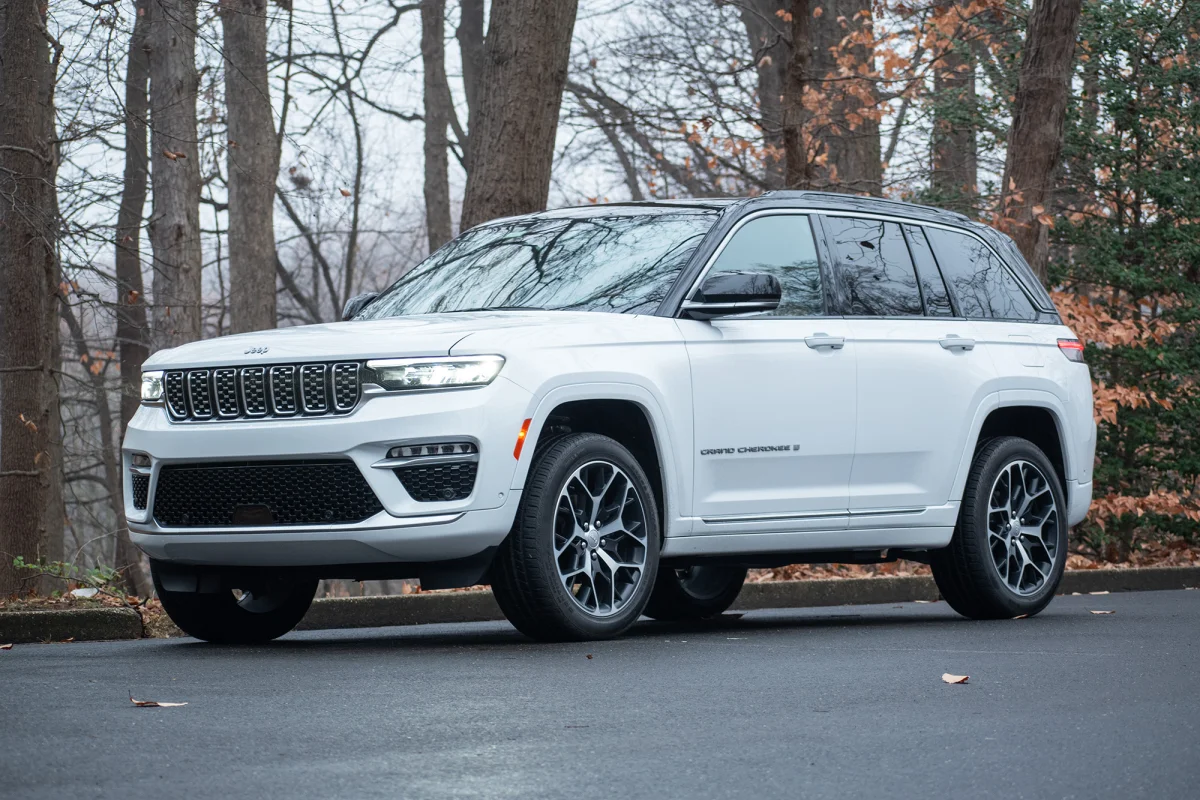
One of the most common complaints involves the Uconnect infotainment system, which has experienced frozen displays, delayed touchscreen responses, Bluetooth connectivity failures, navigation glitches, and occasional system reboots. Owners have also reported intermittent malfunctions involving adaptive cruise control, lane-keeping assist, blind-spot monitoring, parking sensors, and digital instrument clusters.
Beyond electronic concerns, some model years have experienced suspension noise, premature air suspension wear on higher trims, steering component issues, and transmission hesitation during low-speed acceleration. Although many of these problems are addressed through software updates or warranty repairs, repeated dealership visits can negatively affect owner satisfaction.
Engine reliability has generally remained solid, especially for the proven 3.6-liter Pentastar V6, but electrical complexity has become the Grand Cherokee’s biggest challenge. As modern SUVs incorporate increasingly sophisticated driver-assistance technologies, the number of sensors, cameras, and electronic modules has expanded considerably, increasing the likelihood of software-related issues.
Before purchasing a used Grand Cherokee, shoppers should take a close look at the vehicle’s service history and condition. Confirming completed recall repairs, checking for addressed technical service bulletins, reviewing maintenance documentation, and testing the electronic features can help identify potential issues early.
A well-maintained Grand Cherokee can still provide strong capability, comfort, and refinement, though buyers should consider that repair expenses may be higher than those of some competing Japanese SUVs.
- Engine Type: 3.6-liter Pentastar V6 (Naturally Aspirated)
- Horsepower: 293 hp
- Torque: 260 lb-ft
- Length: 193.5 inches
- Width: 77.5 inches
5. Ford Explorer
The Ford Explorer has been one of North America’s best-selling three-row SUVs for more than three decades, thanks to its spacious interior, capable towing performance, and broad range of available powertrains. Redesigned on a rear-wheel-drive platform for recent generations, the Explorer improved handling and driving dynamics while introducing a host of advanced safety and convenience technologies.
However, owner feedback collected through J.D. Power studies and other reliability surveys indicates that several recent Explorer model years have experienced above-average quality concerns, particularly involving electronic systems, transmissions, and software integration.
Transmission performance has been among the most frequently discussed concerns. Some owners report delayed gear engagement, harsh shifting, hesitation during acceleration, or inconsistent transmission behavior, especially during stop-and-go driving. Although many of these issues are resolved through software recalibration, others require more extensive mechanical repairs.
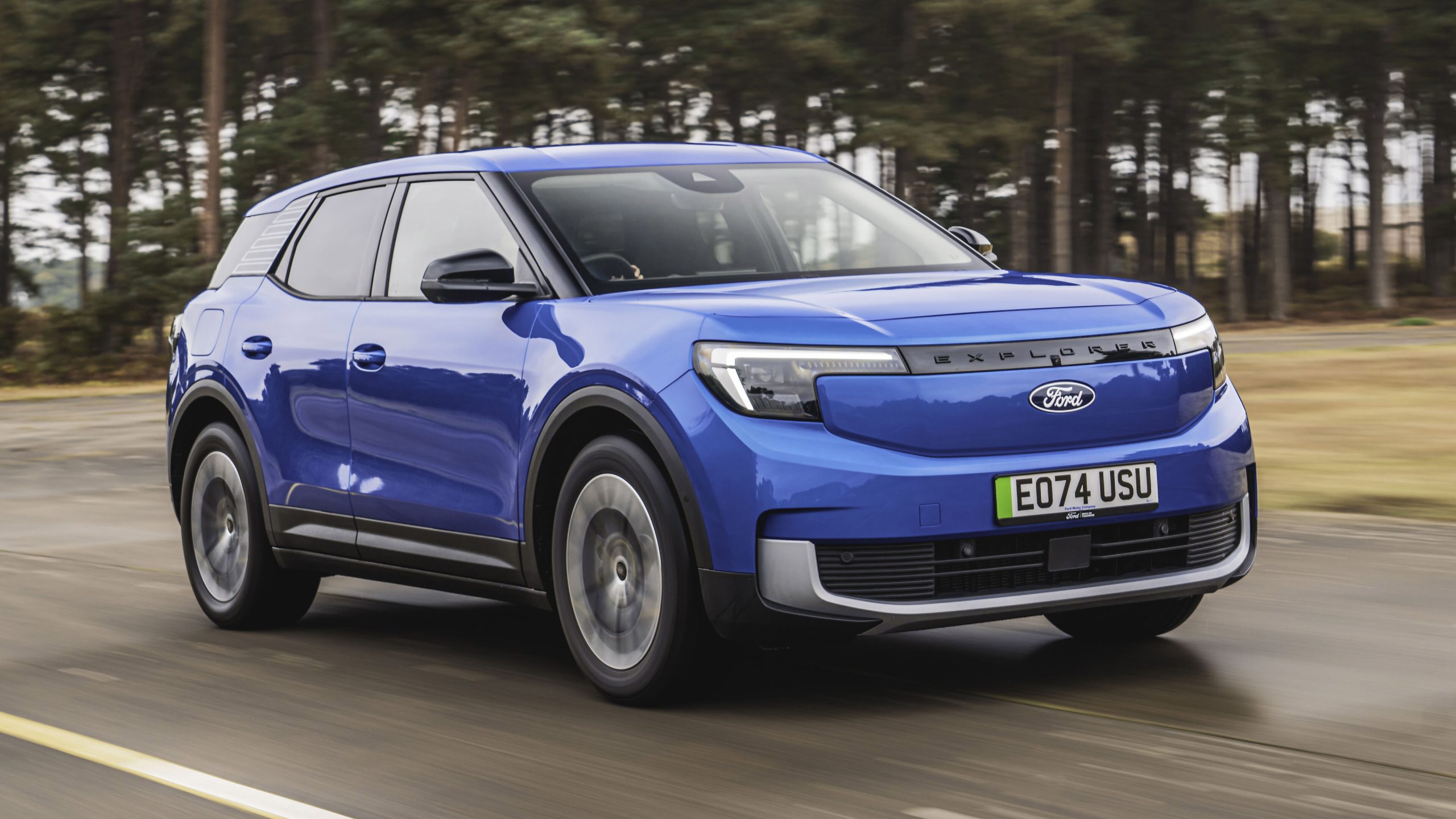
The Explorer has also received owner complaints involving malfunctioning rearview cameras, touchscreen freezing, voice recognition failures, wireless smartphone connectivity problems, and intermittent driver-assistance system warnings. Modern SUVs rely heavily on interconnected electronic modules, meaning that even relatively minor software bugs can affect multiple vehicle systems simultaneously.
The Explorer remains a versatile SUV with strong performance, useful capability, and family-friendly practicality despite some ownership concerns. Its turbocharged EcoBoost engine provides impressive torque for towing and highway driving while offering competitive fuel economy for the class.
With a roomy third row and ample cargo space, the Explorer continues to appeal to families needing extra versatility. Those shopping for a used model should research the chosen year carefully, confirm that recalls have been addressed, and check that all available software updates have been completed.
A comprehensive pre-purchase inspection that includes transmission operation, infotainment functionality, and electronic safety systems can help identify potential issues before ownership begins. With diligent maintenance and prompt attention to service campaigns, many Explorers provide years of dependable transportation despite their mixed reliability reputation.
- Engine Type: 2.3-liter EcoBoost Turbocharged Inline-4
- Horsepower: 300 hp
- Torque: 310 lb-ft
- Length: 198.8 inches
- Width: 78.9 inches
Also read: 10 Cars Holding Location History No Owner Can Erase
6. Chrysler Pacifica Hybrid
The Chrysler Pacifica Hybrid occupies a unique position in the automotive market as one of the few plug-in hybrid minivans available in North America. Combining family-friendly practicality with the ability to travel on electric power alone for short daily commutes, it offers significant fuel savings for households that can regularly recharge the battery.
The Pacifica Hybrid has received praise for its comfortable ride, spacious cabin, and innovative technology, yet it has also generated more owner-reported problems than many competing family vehicles. As reflected in J.D. Power’s IQS and VDS findings, electronic complexity has become a growing source of dependability concerns across the industry, particularly in electrified vehicles that integrate gasoline engines, electric motors, high-voltage batteries, and sophisticated control software.
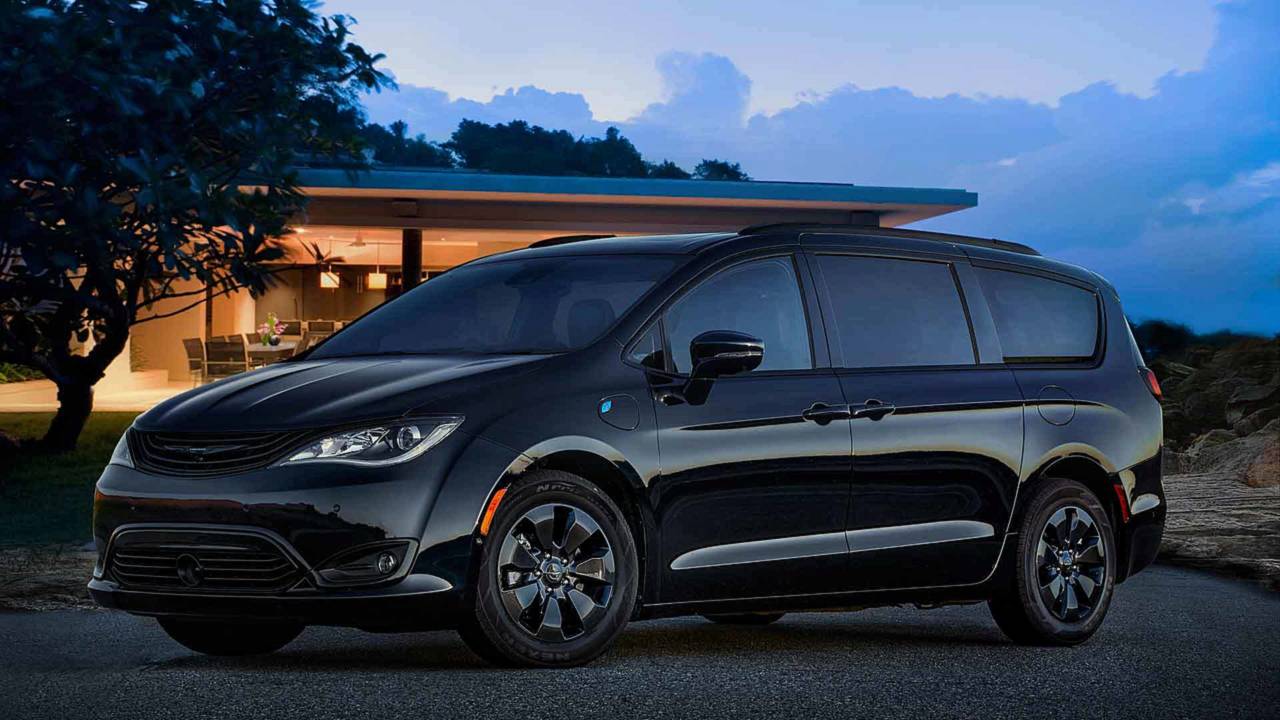
Several Pacifica Hybrid owners have reported unexpected warning lights, charging system malfunctions, battery management software issues, infotainment glitches, and intermittent electrical faults. Certain production years were also subject to recalls involving battery-related fire risks and hybrid system shutdowns, highlighting the importance of verifying recall completion before purchasing a used example.
Additional complaints include sliding door electrical problems, malfunctioning power liftgates, touchscreen freezes, inaccurate sensor readings, and occasional issues affecting climate control systems. While many of these concerns can be corrected through software updates or warranty repairs, repeated visits to dealerships may diminish the ownership experience for some families.
Mechanically, the Pentastar V6 engine has proven reliable over many years of production, but integrating it with a sophisticated plug-in hybrid system inevitably adds complexity. Owners who consistently maintain the vehicle according to factory recommendations and install software updates promptly often experience fewer long-term problems.
A used Pacifica Hybrid can be an appealing choice for families looking to combine spacious seating with improved fuel economy, but buyers should perform careful research before purchasing. Checking service documentation, verifying that battery-related recalls have been addressed, and having the charging components inspected are important steps in the buying process.
A properly maintained example can deliver the practicality and efficiency many families want while helping owners better manage the unique requirements of hybrid vehicle maintenance.
- Engine Type: 3.6-liter Pentastar V6 Plug-in Hybrid (PHEV)
- Horsepower: 260 hp (combined system output)
- Torque: Approximately 236 lb-ft (gasoline engine) with additional electric motor assistance
- Length: 204.3 inches
- Width: 79.6 inches
7. Chevrolet Silverado 1500
The Chevrolet Silverado 1500 has long been one of America’s best-selling full-size pickup trucks, competing directly with the Ford F-150 and Ram 1500. Buyers appreciate its broad lineup of engines, comfortable ride, impressive towing capabilities, and spacious cabin.
However, while the Silverado excels in utility and performance, several recent model years have experienced higher-than-average owner-reported quality concerns. J.D. Power’s Initial Quality Study (IQS) and Vehicle Dependability Study (VDS) consistently show that modern trucks are increasingly affected by technology-related issues, and the Silverado is no exception.
Many reported problems involve infotainment systems, electronic driver-assistance features, transmission behavior, and various electrical components rather than catastrophic engine failures.
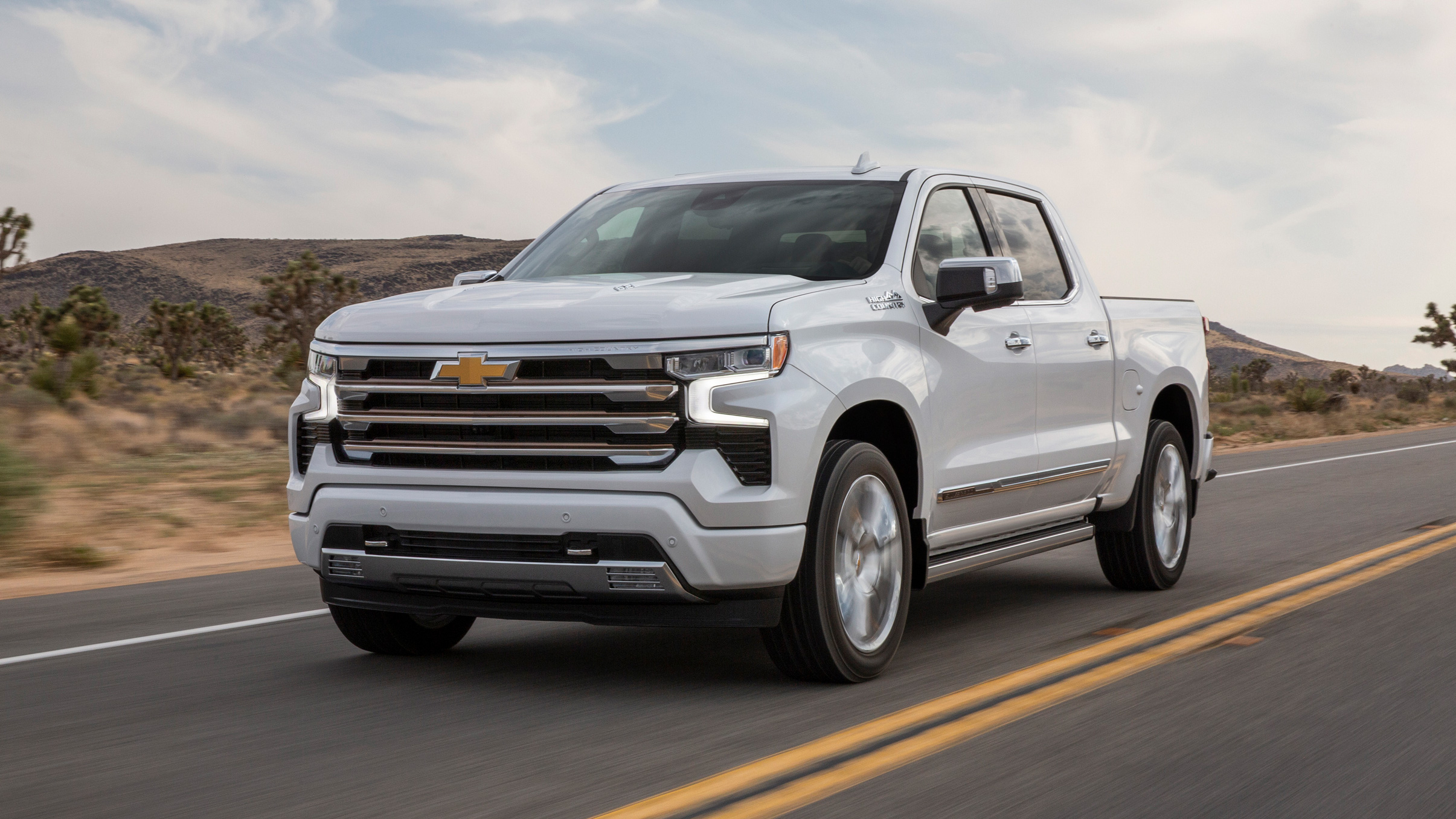
Among the most frequently reported complaints are erratic transmission shifting, delayed gear engagement, rough acceleration, and occasional shuddering during highway driving. Some owners have also experienced issues with the 10-speed automatic transmission, although software updates have resolved many complaints.
Electronic concerns include frozen infotainment screens, Bluetooth connectivity failures, malfunctioning backup cameras, inaccurate parking sensors, intermittent warning lights, and problems with advanced driver-assistance technologies such as lane departure alerts and automatic emergency braking. Additionally, some owners have reported premature battery failures and electrical drain, requiring dealership diagnosis and replacement.
The Silverado continues to stand out as a capable full-size pickup, offering impressive towing ability, useful payload capacity, and solid everyday performance. Its 5.3-liter V8 provides a balanced combination of power, smooth driving manners, and reasonable fuel economy for the segment. Those shopping for a used model should carefully examine service history, confirm that any recall repairs have been completed, and inspect the truck’s electronic features before finalizing a purchase.
Paying close attention to transmission operation during a test drive is also advisable. A well-maintained Silverado can provide years of reliable service, but prospective owners should understand that advanced electronics have become one of the vehicle’s primary areas of concern, reflecting broader trends identified in J.D. Power’s dependability research.
- Engine Type: 5.3-liter EcoTec3 V8 (Naturally Aspirated)
- Horsepower: 355 hp
- Torque: 383 lb-ft
- Length: 231.9 inches (Crew Cab Standard Bed)
- Width: 81.2 inches
8. Nissan Altima
The Nissan Altima has long been recognized as a practical midsize sedan, combining comfortable accommodations, efficient fuel consumption, and an accessible price point. While it continues to attract commuters and families seeking a reliable daily driver, certain model years have received increased owner complaints involving CVT operation, electrical components, and long-term reliability concerns.
J.D. Power studies indicate that owners increasingly report issues involving vehicle software, infotainment technology, and advanced driver-assistance systems, trends that have also affected the Altima in recent years.
One of the Altima’s most discussed reliability concerns involves its CVT transmission. Some owners have reported hesitation during acceleration, delayed throttle response, shuddering, reduced performance, and, in more severe cases, premature transmission failure.
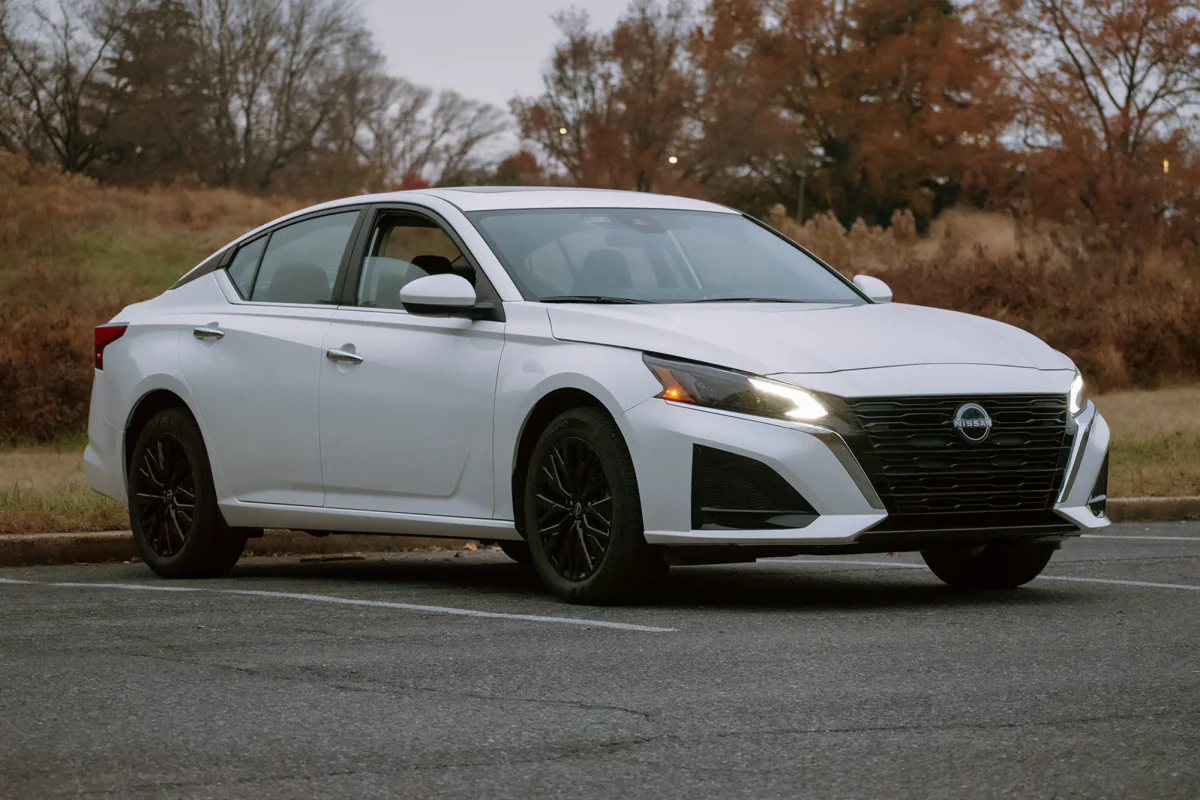
While Nissan has implemented numerous engineering improvements over successive generations, earlier concerns continue to influence public perception of the vehicle’s long-term reliability.
Additional owner complaints include malfunctioning backup cameras, touchscreen freezes, Bluetooth connectivity issues, sensor warnings, automatic braking system alerts, and occasional electrical faults affecting dashboard displays and convenience features. These issues generally vary by model year, making careful research especially important for used-vehicle buyers.
The Altima nevertheless offers several strengths. Its naturally aspirated 2.5-liter engine delivers dependable everyday performance with excellent fuel economy, while the cabin provides generous passenger space and a comfortable ride. Available all-wheel drive also distinguishes the Altima from many competitors in the midsize sedan class.
Before purchasing a used Altima, buyers should take time to confirm the vehicle’s maintenance background and condition. Checking for completed transmission software updates, reviewing service records for proper CVT fluid maintenance when applicable, and having the vehicle inspected by a qualified technician can help uncover potential concerns.
Opting for a newer model year with a strong service history may provide a more dependable ownership experience while preserving the Altima’s benefits of comfort, fuel economy, and value.
- Engine Type: 2.5-liter DOHC Inline-4
- Horsepower: 188 hp
- Torque: 180 lb-ft
- Length: 192.9 inches
- Width: 72.9 inches
Also read: 8 Cars With Engines Mounted Backwards for a Reason