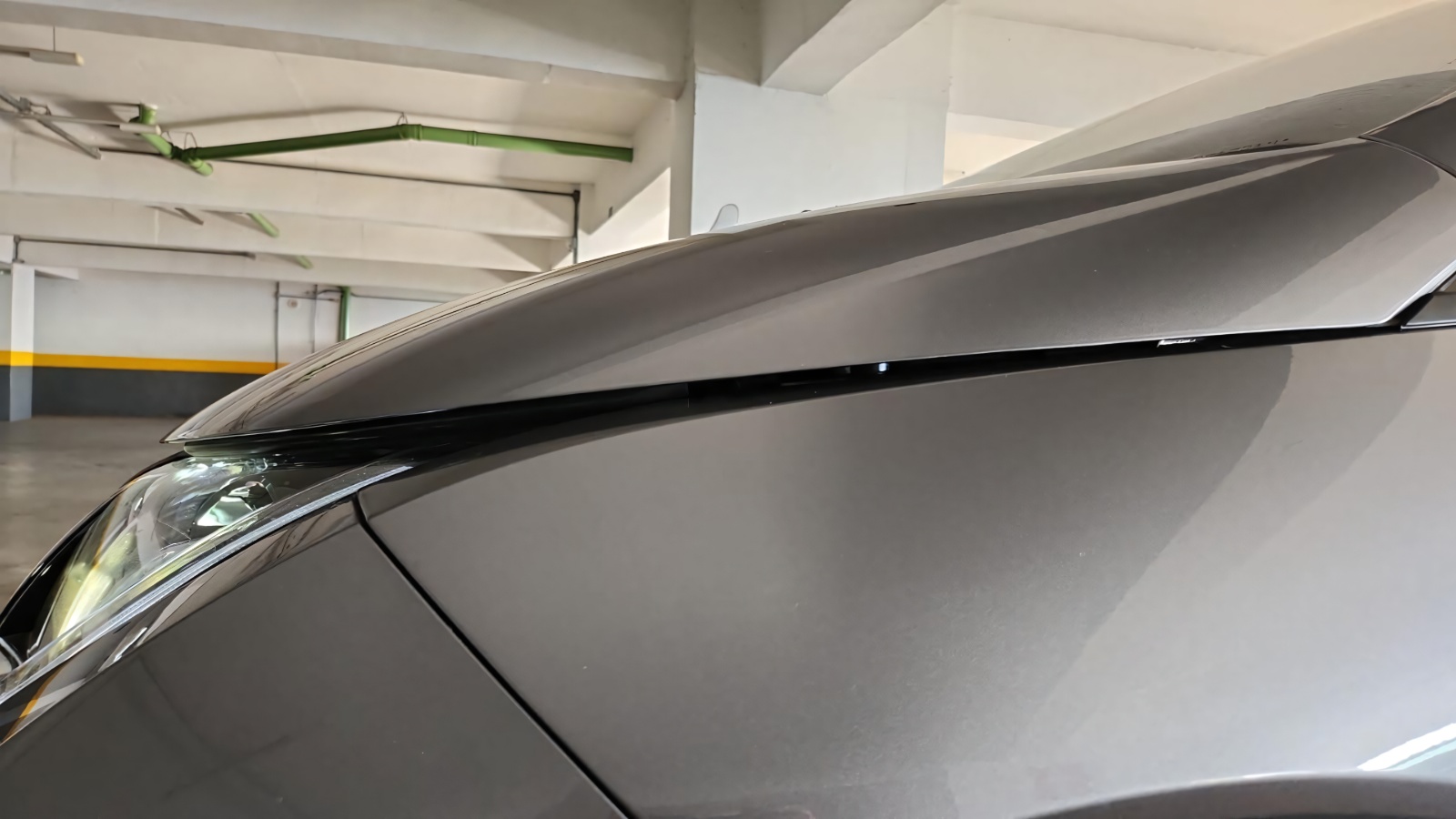
Buying a used car can save money, but careful inspection is essential to avoid hidden problems, especially signs of previous collision damage. While some accident repairs are done professionally, poor-quality repairs can affect a vehicle’s structural integrity, safety, handling, reliability, and resale value.
Front-end collisions are particularly concerning because they may damage critical components such as the frame, suspension, cooling system, headlights, airbags, and engine parts. Even cosmetic-looking damage may conceal costly structural issues.
A thorough inspection can help buyers spot potential signs of previous damage or repairs before committing to a purchase. Indicators such as inconsistent panel alignment, differences in paint color, replaced fasteners, or newly installed structural parts may suggest the vehicle requires closer evaluation.
If these warning signs appear, shoppers should consider obtaining a professional pre-purchase inspection and reviewing the vehicle history report to gain a clearer understanding of its past.
1. Uneven Hood Gaps
Inspecting the hood gaps is one of the simplest and most effective ways to identify possible front-end collision damage in a used car. Modern vehicles are built with precise panel alignment, so the gaps between the hood and fenders should be even and consistent on both sides. A front-end impact can shift body panels, bend brackets, or distort structural components, making it difficult to restore the original factory alignment, even after professional repairs.
To inspect, stand in front of the vehicle and compare the spacing between the hood and each fender. Uneven gaps or differences in width may indicate previous repair work. Also check whether the hood sits level with the fenders, as one corner sitting higher than the other may suggest bent hinges, damaged latch mechanisms, or poorly adjusted hood mounts. Open and close the hood several times to ensure it operates smoothly and latches properly without excessive force.
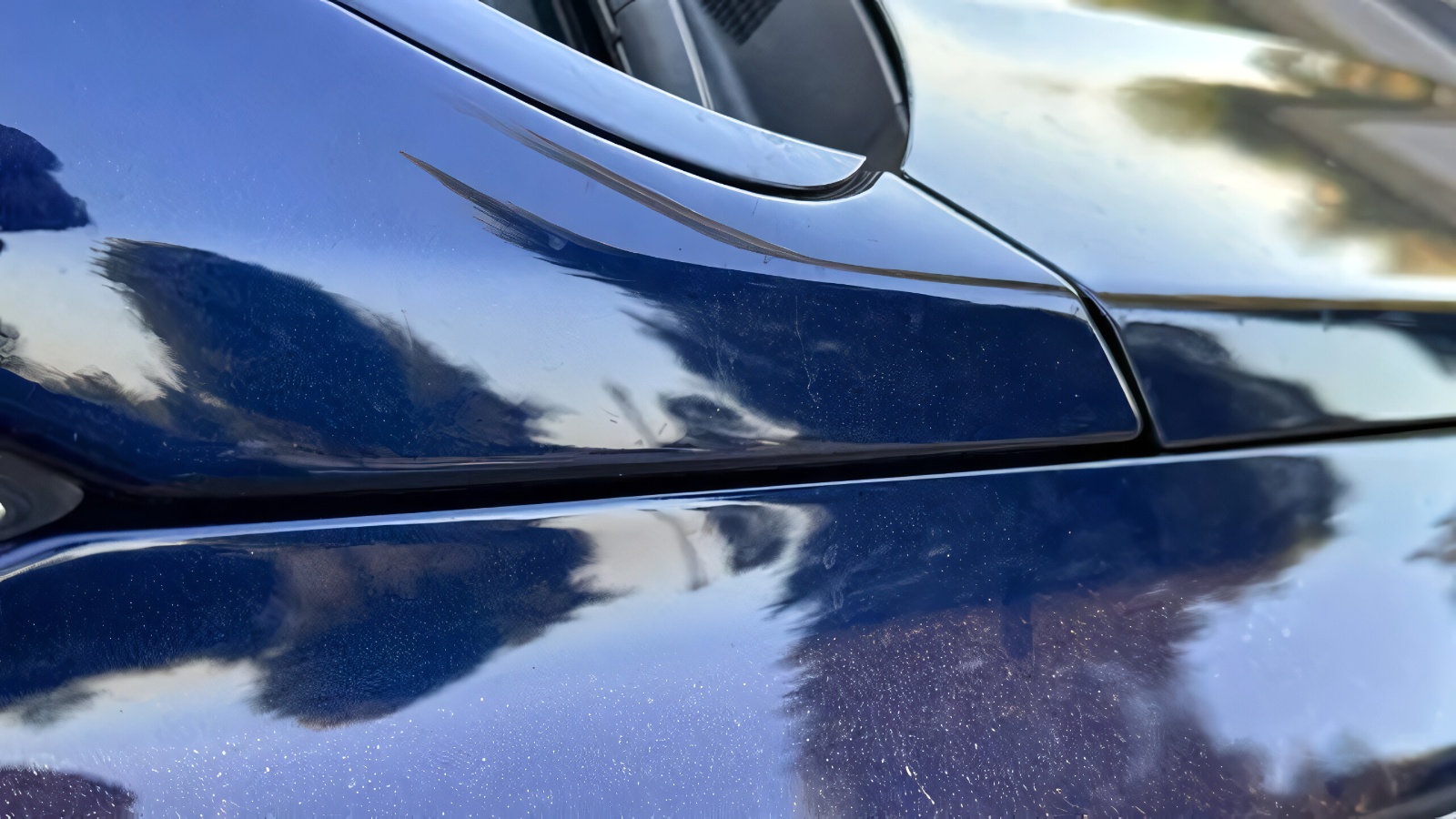
Although uneven hood gaps can be a sign of collision damage, they do not always indicate an accident. Minor factory alignment variations, normal wear, or aging hood hinges can also cause slight misalignment over time. For this reason, hood alignment should not be used as the sole basis for judging a vehicle’s condition.
A damaged or replaced grille alone does not always confirm a serious accident, but it should be evaluated with other signs of possible repairs. Buyers should look for clues such as inconsistent paint finishes, fresh bolts or fasteners, replaced radiator supports, and indications of structural work. A combination of these issues can suggest that the vehicle may have experienced a front-end collision, making a professional inspection an important step before buying.
2. Fresh Paint Lines or Overspray
Factory paint is applied with precision under controlled conditions, producing a smooth and uniform finish across every body panel. After a collision, even high-quality repairs can leave subtle signs that reveal repainting. One of the most common indicators is paint overspray, which occurs when small amounts of paint accidentally settle on nearby rubber seals, plastic trim, wiring, fasteners, or underhood components during the refinishing process.
Buyers should carefully inspect the edges of the hood, fenders, door jambs, weatherstripping, and engine compartment for body-color paint on parts that should remain unpainted. Visible masking lines or uneven paint transitions can also suggest that repairs have been performed because factory finishes are typically seamless.
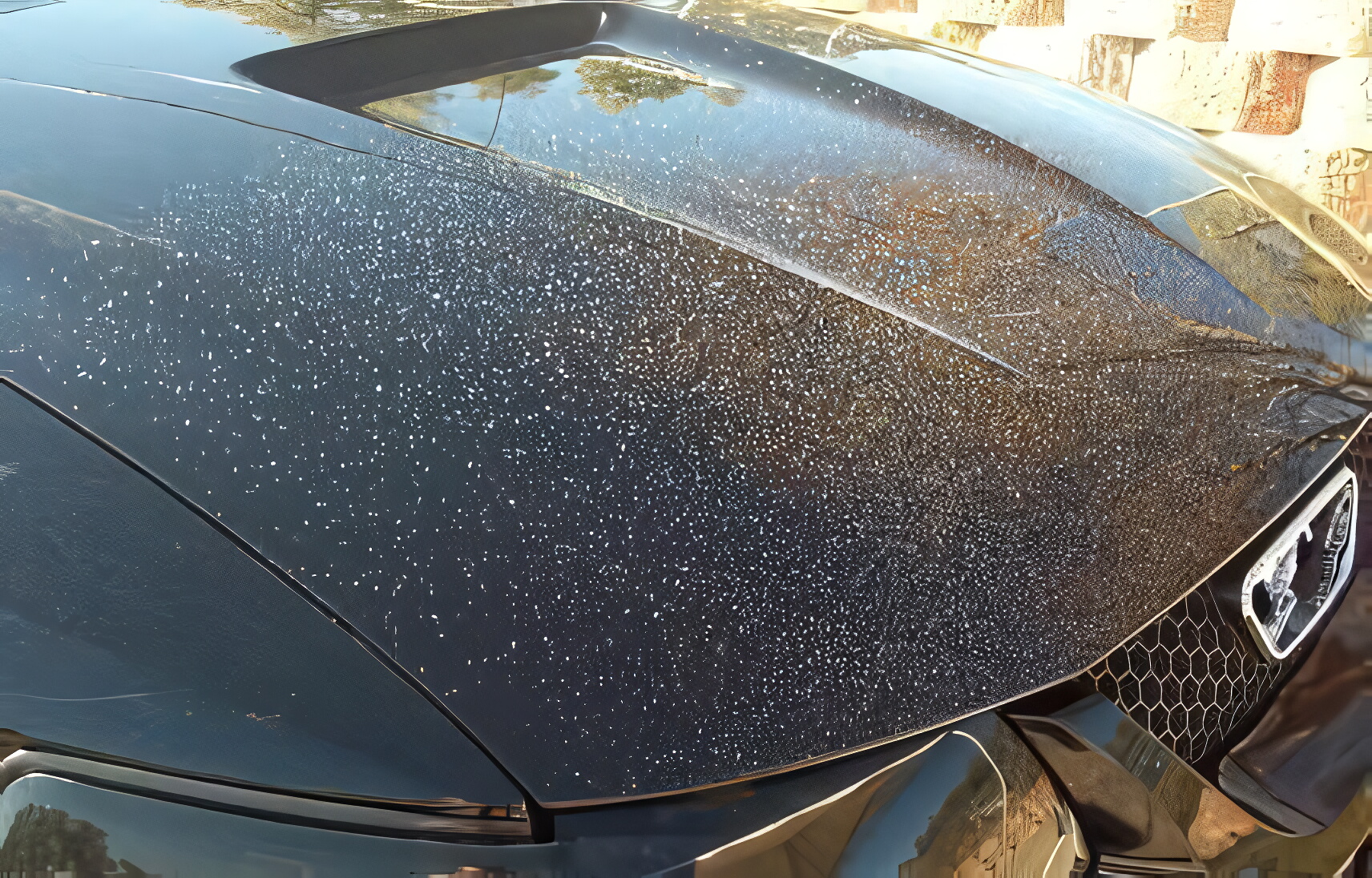
Color consistency is another important factor to examine. Metallic, pearl, and tri-coat finishes are often difficult to match perfectly after repairs. Under bright sunlight, compare the hood, front fenders, bumper, and doors from several angles.
Differences in color shade, gloss, or metallic flake appearance may indicate that one or more panels have been repainted. Running your fingertips gently across the paint surface may also reveal roughness caused by overspray or sanding marks beneath the clear coat.
A repainted panel does not always mean the vehicle was involved in a serious collision. Minor scratches, stone chips, vandalism, and parking lot damage can also require refinishing.
However, extensive repainting around the front of the vehicle should raise concern, particularly when combined with uneven panel gaps, replacement hardware, or signs of structural repairs. Buyers should consider paint evidence together with other inspection findings and arrange a professional pre-purchase inspection if multiple warning signs are present.
3. Replaced or Damaged Radiator Support
The radiator support, sometimes called the core support, is one of the most important structural components behind a vehicle’s front bumper. It secures the radiator, air-conditioning condenser, cooling fans, hood latch, and, on many vehicles, portions of the headlights and front crash structure.
Because it sits directly behind the front bumper, it is frequently damaged during frontal collisions, even relatively low-speed impacts. As a result, inspecting the radiator support can provide valuable clues about whether a vehicle has experienced previous accident damage.
Begin by opening the hood and examining the metal structure behind the grille and above the radiator. Factory radiator supports typically feature uniform spot welds, consistent paint coverage, and clean manufacturing seams.
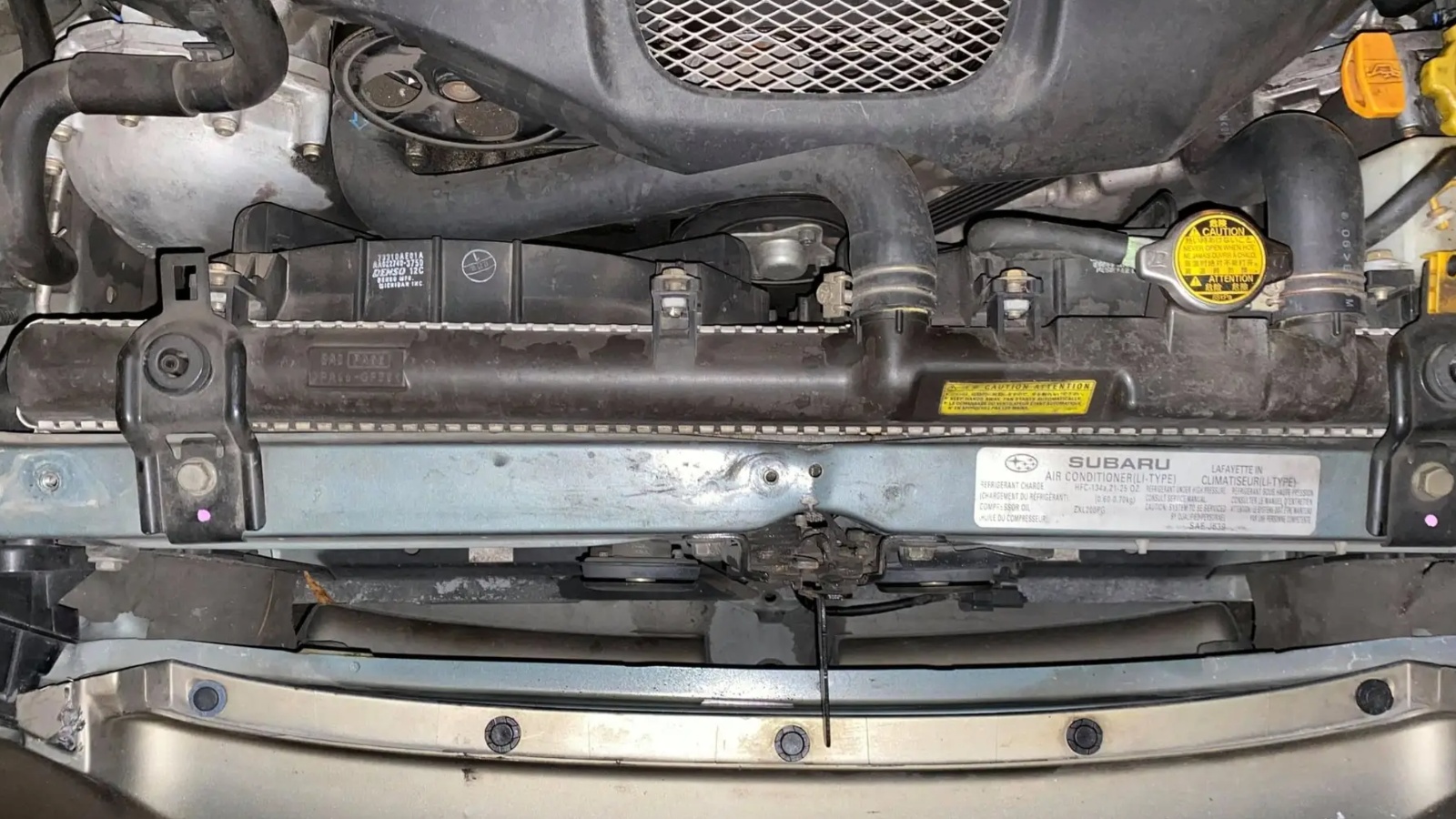
If you observe fresh welds, grinding marks, uneven seam sealer, bent metal, or sections with noticeably newer paint, the support may have been repaired or replaced. Replacement radiator supports sometimes display aftermarket labels, different fasteners, or welding patterns that differ from original factory construction.
Pay particular attention to the hood latch mounting area. A front-end collision often forces the hood rearward, damaging both the latch and the surrounding support structure. Cracked paint, elongated bolt holes, or visible repair plates near the latch may indicate previous impact damage.
Also inspect mounting points for the radiator and cooling fans. Bent brackets or freshly installed hardware can suggest that cooling components were replaced after an accident.
Although replacing a radiator support is not automatically a reason to reject a used vehicle, it does indicate that the front of the car sustained enough force to damage structural components. Buyers should request documentation describing the repairs, verify that airbag systems were properly inspected, and consider having the vehicle evaluated on a professional frame-measuring system before completing the purchase.
4. Mismatched Headlights
Headlights are among the first components damaged in a front-end collision, making them excellent indicators of previous repair work. Even a relatively minor impact can crack a headlight housing, break mounting tabs, or damage internal adjustment mechanisms.
As a result, repair shops often replace one damaged headlight while leaving the opposite side untouched. This can create noticeable differences that careful buyers can identify during a visual inspection.
Stand several feet in front of the vehicle and compare both headlights in daylight. A brand-new headlight next to one that appears cloudy, yellowed, or heavily weathered should immediately raise questions.
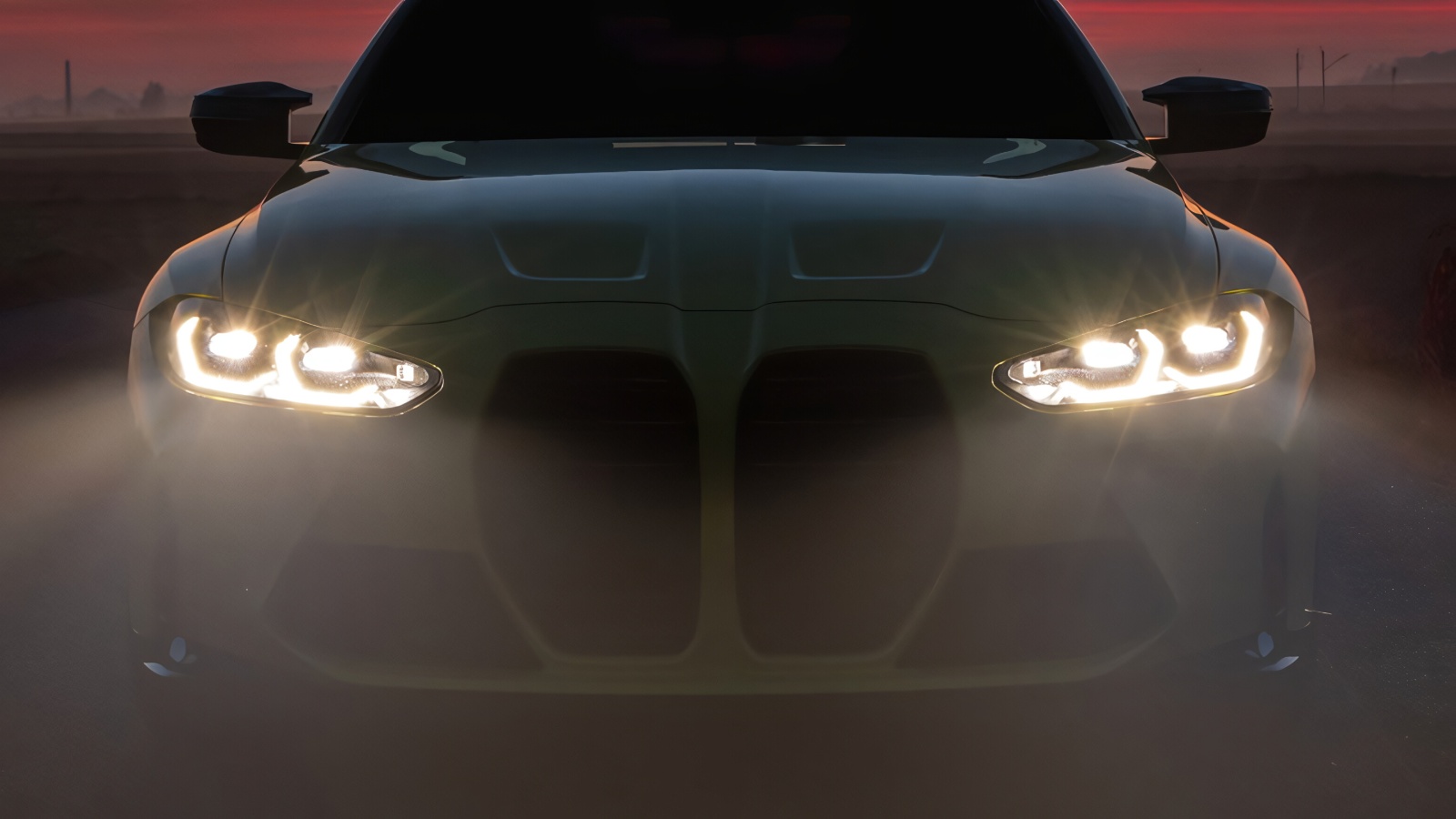
While headlights naturally age over time due to ultraviolet exposure, both sides should generally show similar wear if they are original. A dramatic difference in clarity, brightness, or surface condition often indicates that one unit has been replaced.
Inspect the manufacturer markings molded into the headlight lenses. Factory headlights typically display matching supplier logos, production dates, and part numbers.
If one headlight is produced by a different manufacturer or carries a significantly newer production date than the vehicle itself, it may have been installed after collision damage. Also examine the mounting bolts for signs of tool marks or disturbed paint, which can indicate recent removal.
Replacement headlights are not always evidence of a serious accident. Road debris, vandalism, or moisture intrusion can also require replacement. However, when a new headlight appears alongside uneven hood gaps, paint overspray, or a replaced radiator support, the combined evidence strongly suggests the vehicle has undergone front-end collision repairs. In such cases, buyers should continue their inspection carefully and consider obtaining a professional structural evaluation before making a purchase.
5. Bent or Repaired Frame Rails
Frame rails are critical structural components that help absorb crash energy, support major vehicle systems, and protect occupants during a collision. In many unibody vehicles, the front frame rails extend from the firewall through the engine compartment, while trucks often use separate steel frame rails beneath the body.
A serious front-end impact can bend, wrinkle, or damage these structures, and even professional repairs may leave signs that the original frame has been altered.
Inspect the visible frame rails under the hood and compare both sides carefully. Factory frame rails should have symmetrical shapes, smooth metal stampings, consistent paint, and uniform seam sealer. Warning signs include wrinkles, ripples, unusual bends, fresh undercoating, thick seam sealer, or areas with different paint textures. These may indicate that the metal was repaired or replaced after a collision.
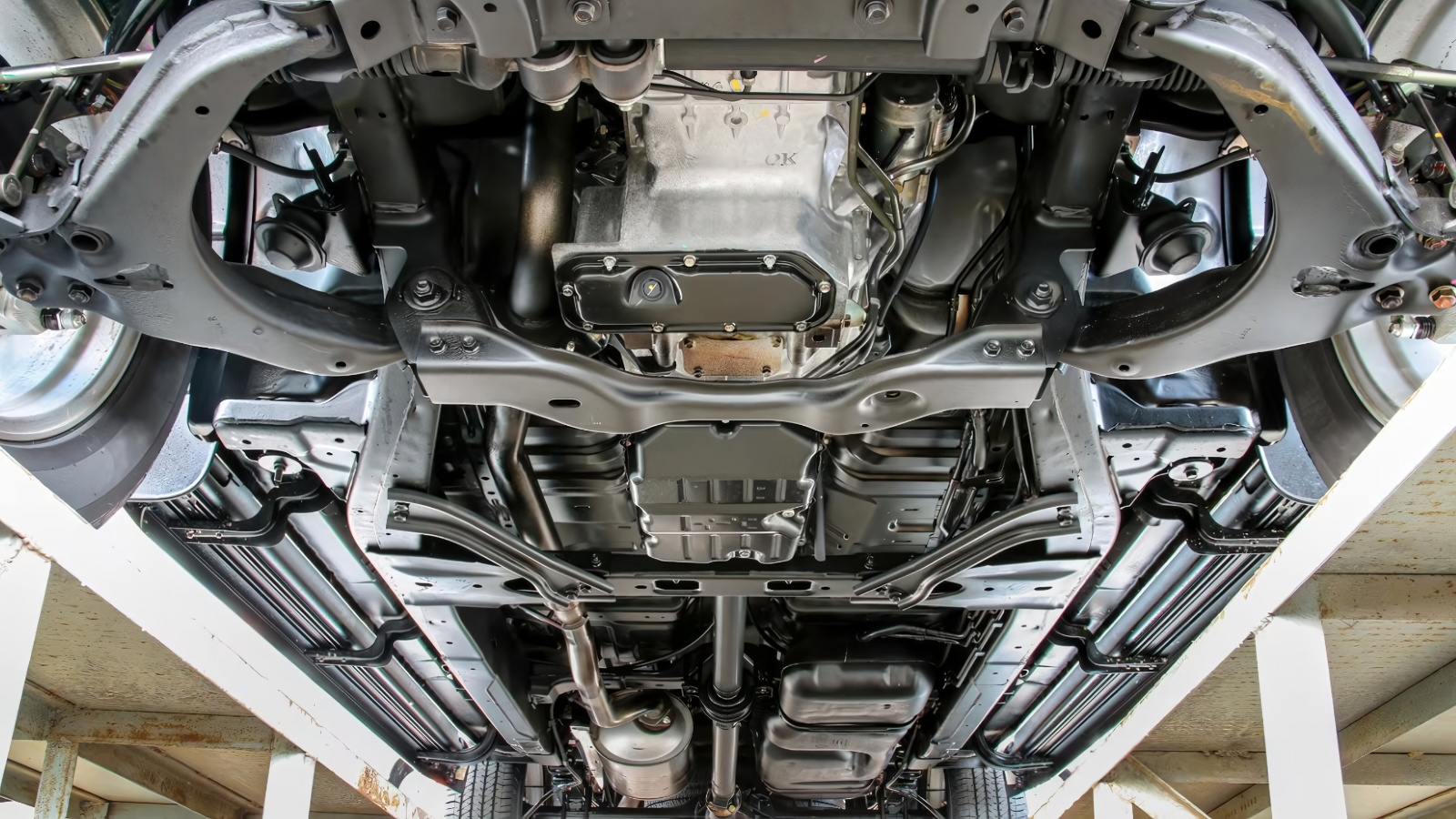
A flashlight can help during an underbody inspection. Look for scratches from frame-straightening equipment, fresh welds, replacement sections, or metal that appears different from surrounding areas. Structural repairs performed correctly with manufacturer-approved procedures can restore a vehicle’s safety, but poor repairs may affect alignment, suspension geometry, tire wear, and crash protection.
A repaired frame rail does not automatically mean a vehicle is unsafe, especially when the work was completed by a qualified collision center. However, buyers should request repair documentation and confirm that proper procedures were followed. If structural repairs cannot be verified, an independent inspection by a professional body shop is strongly recommended before purchasing the vehicle.
6. Non-Factory Welds and Spot Welds
Factory welding is one of the most reliable indicators of whether a vehicle has undergone structural repairs after a front-end collision. During production, manufacturers use robotic welding systems to create spot welds that are evenly spaced, uniform in size, and highly consistent throughout the vehicle’s body.
When damaged structural components such as the radiator support, frame rails, aprons, or inner fenders are replaced, the original welds are often cut away, and new welds are added, leaving visible differences from the factory finish.
Begin by inspecting the radiator support, inner fenders, strut towers, and upper frame rails. Factory spot welds typically appear as evenly spaced circular indentations arranged in straight lines.
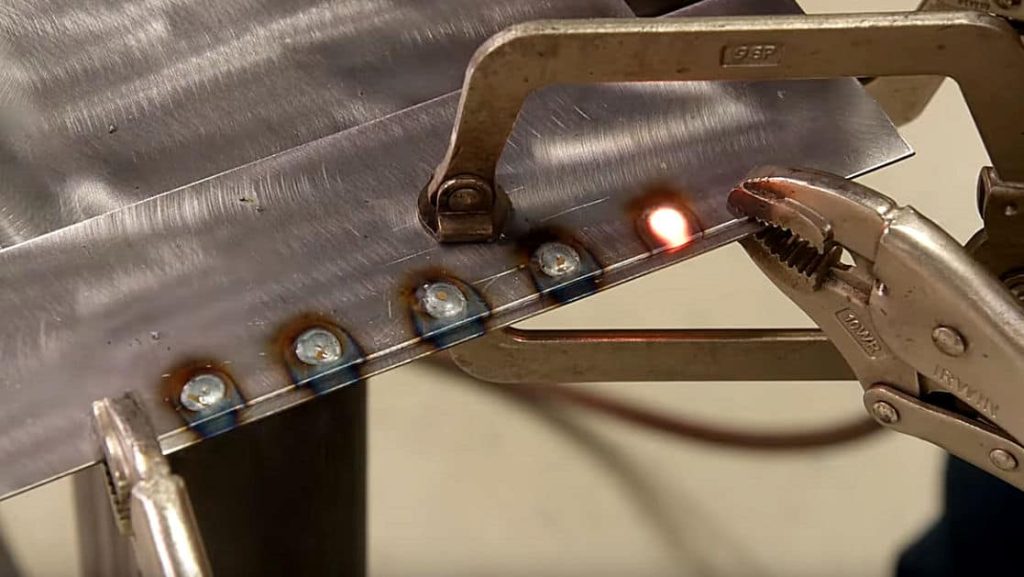
Irregular weld spacing, grinding marks, continuous bead welds, or rough metal finishing where factory spot welds should be present may indicate previous structural repairs. Fresh seam sealer that differs in color, texture, or application from the surrounding material is another sign that repairs may have been performed.
Also compare the appearance of adjacent panels. Replacement parts may have slightly different paint, protective coatings, gloss levels, or seam locations than the surrounding factory components. Using a flashlight can help reveal grinding marks or repaired areas hidden beneath paint. Some repair shops use manual welding methods that create weld patterns different from the original factory appearance.
Visible welding does not automatically mean the repair was performed poorly. Manufacturer-approved repairs often require damaged sections to be removed and genuine replacement panels to be welded into place using approved procedures.
However, structural welding should always be investigated further, especially when combined with other warning signs such as uneven panel gaps, repainting, replacement cooling components, or mismatched hardware. A professional inspection can help determine whether the repairs were completed properly.
7. Different Fasteners, Bolts, or Clips
The condition of a vehicle’s bolts, clips, screws, and other fasteners can provide valuable clues about previous front-end collision repairs. During factory assembly, manufacturers install hardware with consistent finishes and markings, and many bolts are painted after installation.
This creates a uniform appearance that is difficult to duplicate once parts have been removed. When collision repairs require disassembly, the original paint on bolt heads is often chipped or scratched, leaving visible evidence of previous work.
Open the hood and inspect the bolts securing the fenders, hood hinges, radiator support, hood latch, and headlights. Factory-installed bolts should have undisturbed paint, matching finishes, and consistent markings.
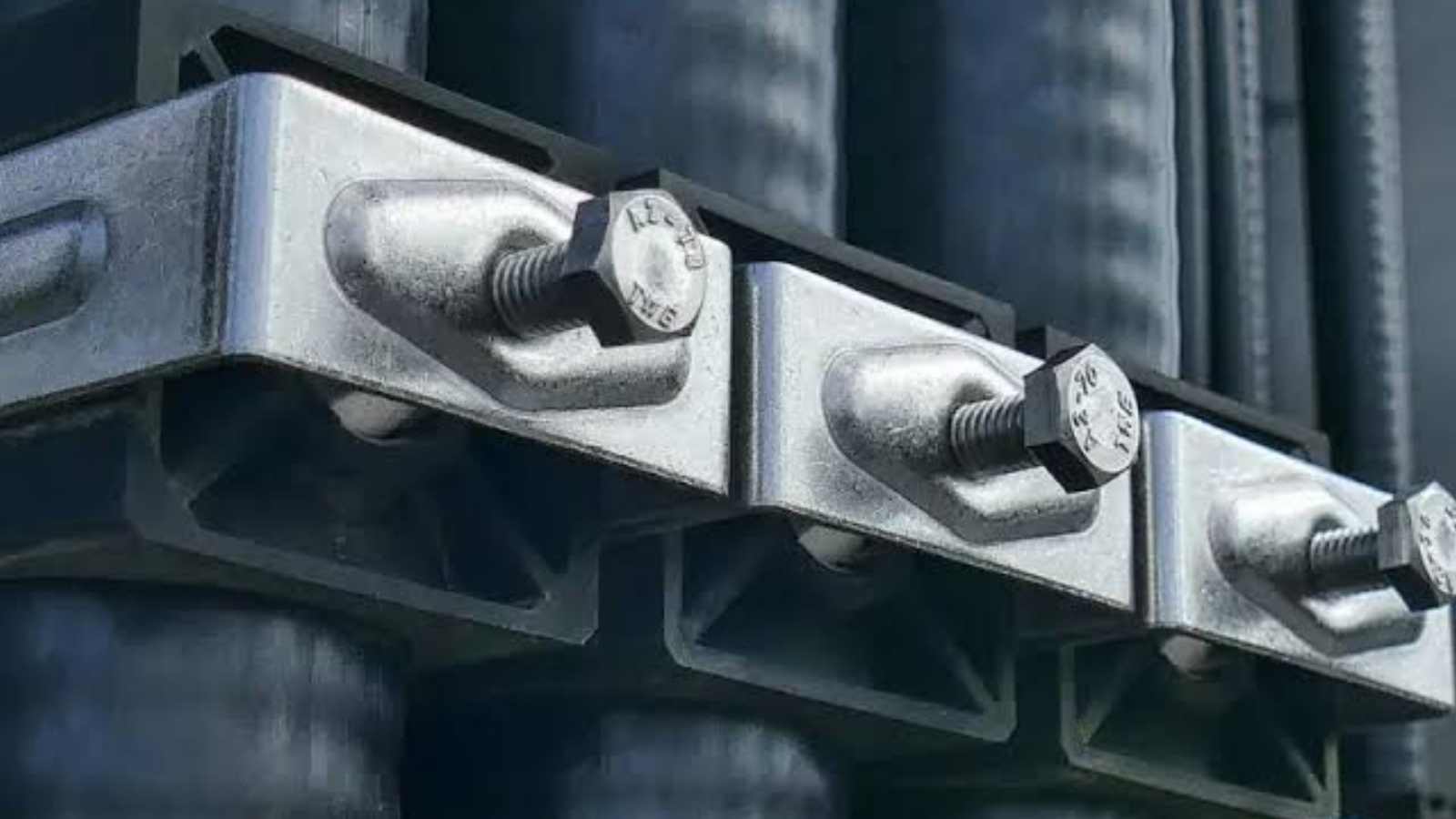
Chipped paint, scratched bolt heads, rounded edges from tool use, or replacement bolts with different colors or finishes may indicate that these components were removed during repairs. Although removal does not always mean the vehicle was involved in an accident, it should encourage a closer inspection of the surrounding area.
Plastic clips and fasteners can also reveal previous repairs. Manufacturers generally use matching clips throughout the same section of the vehicle. Newer clips, mismatched colors, missing retainers, oversized fasteners, or hardware-store screws replacing factory parts may indicate that the front bumper, grille, splash shield, or radiator cover has been removed and reinstalled. Comparing the hardware on both sides of the engine compartment can help identify repaired areas.
While routine maintenance may require the removal of certain components, widespread disturbed hardware around the front of the vehicle is more concerning. When these signs appear together with uneven panel gaps, repainting, replacement headlights, or structural repairs, they provide stronger evidence of previous front-end collision damage. Buyers should evaluate hardware carefully as part of a complete vehicle inspection before making a purchase.
8. Airbag Warning Signs
The airbag system can provide valuable evidence of whether a used vehicle has been involved in a significant front-end collision. Airbags are designed to deploy during moderate to severe impacts to protect occupants, but replacing them correctly is expensive.
While many accident-damaged vehicles are repaired to a high standard, others receive incomplete or improper repairs. In some cases, incorrect replacement parts are installed, or airbags are not replaced at all. For this reason, inspecting the Supplemental Restraint System (SRS) should be an essential part of any used car inspection.
Start by turning the ignition to the “ON” position without starting the engine. The airbag warning light should illuminate briefly while the system performs a self-check and then switch off within a few seconds. If the light stays on, flashes repeatedly, or fails to illuminate, the SRS may have a fault or may have been tampered with to conceal a problem.
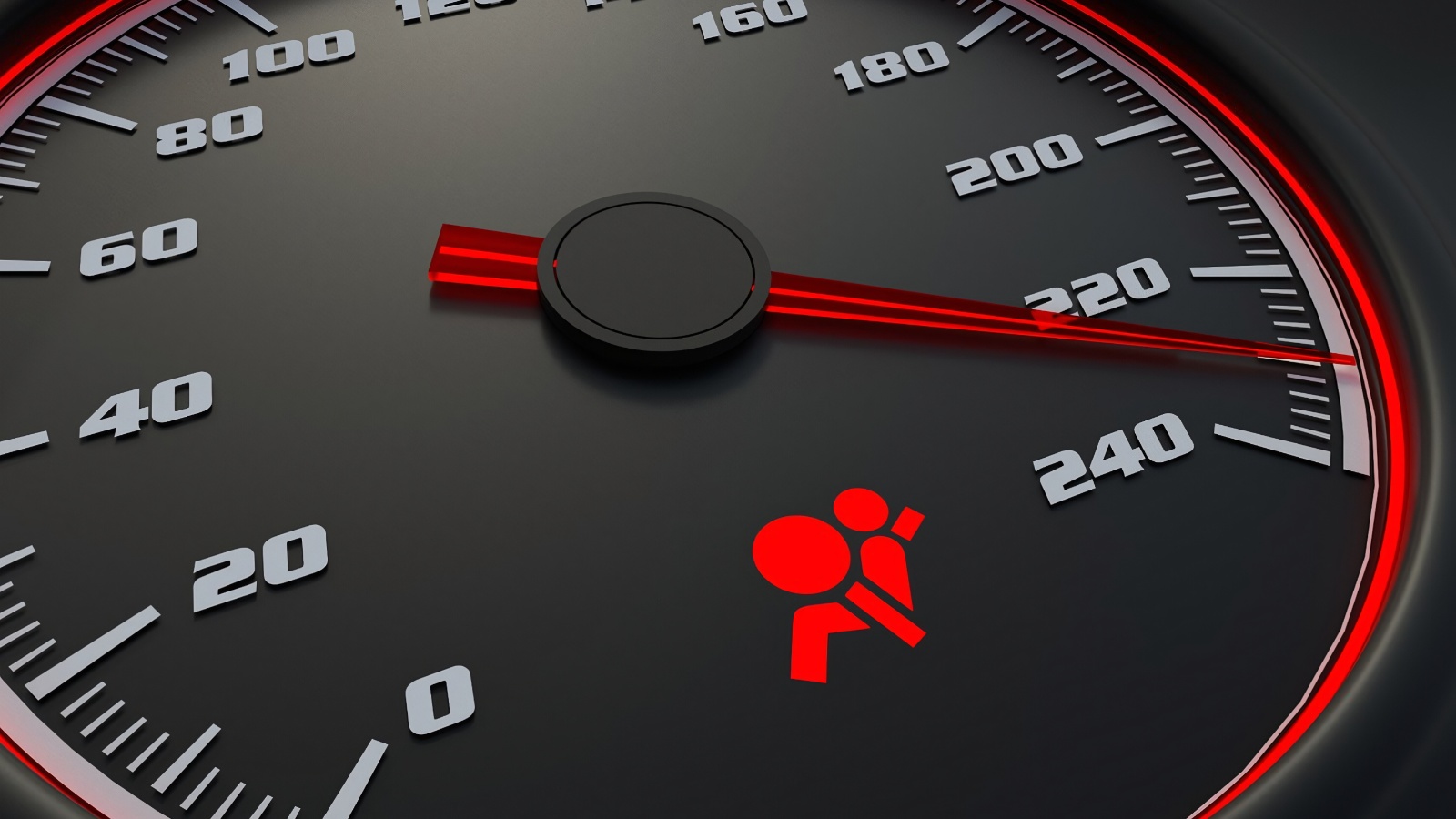
Next, inspect the steering wheel, passenger-side dashboard, A-pillars, and roof liner. Factory airbag covers should have clean seams, uniform textures, and tight panel fitment. Uneven gaps, loose trim, adhesive residue, wrinkled headliners, or broken retaining clips may indicate previous airbag replacement.
Although SRS warning lights can result from electrical faults, faulty sensors, or low battery voltage, they deserve careful investigation. When airbag-related irregularities appear together with repainting, repaired frame rails, replacement headlights, or new radiator supports, they provide stronger evidence of previous front-end collision damage. A professional diagnostic scan of the SRS is recommended before purchasing the vehicle.
9. Cooling System Components That Look New
The cooling system is located directly behind the front bumper, making it one of the first areas damaged in a front-end collision. Even low-speed impacts can affect components such as the radiator, air-conditioning condenser, cooling fan assembly, intercooler, transmission cooler, and connecting hoses. Because of this, several new cooling system parts in an otherwise older engine bay may indicate previous collision repairs rather than routine maintenance.
Open the hood and compare the condition of the cooling system with the surrounding engine compartment. A brand-new radiator, condenser, or cooling fan surrounded by aged hoses, dusty engine parts, and weathered brackets deserves closer inspection. Look for replacement labels, aftermarket stickers, or hardware with noticeably different finishes that suggest recent installation.
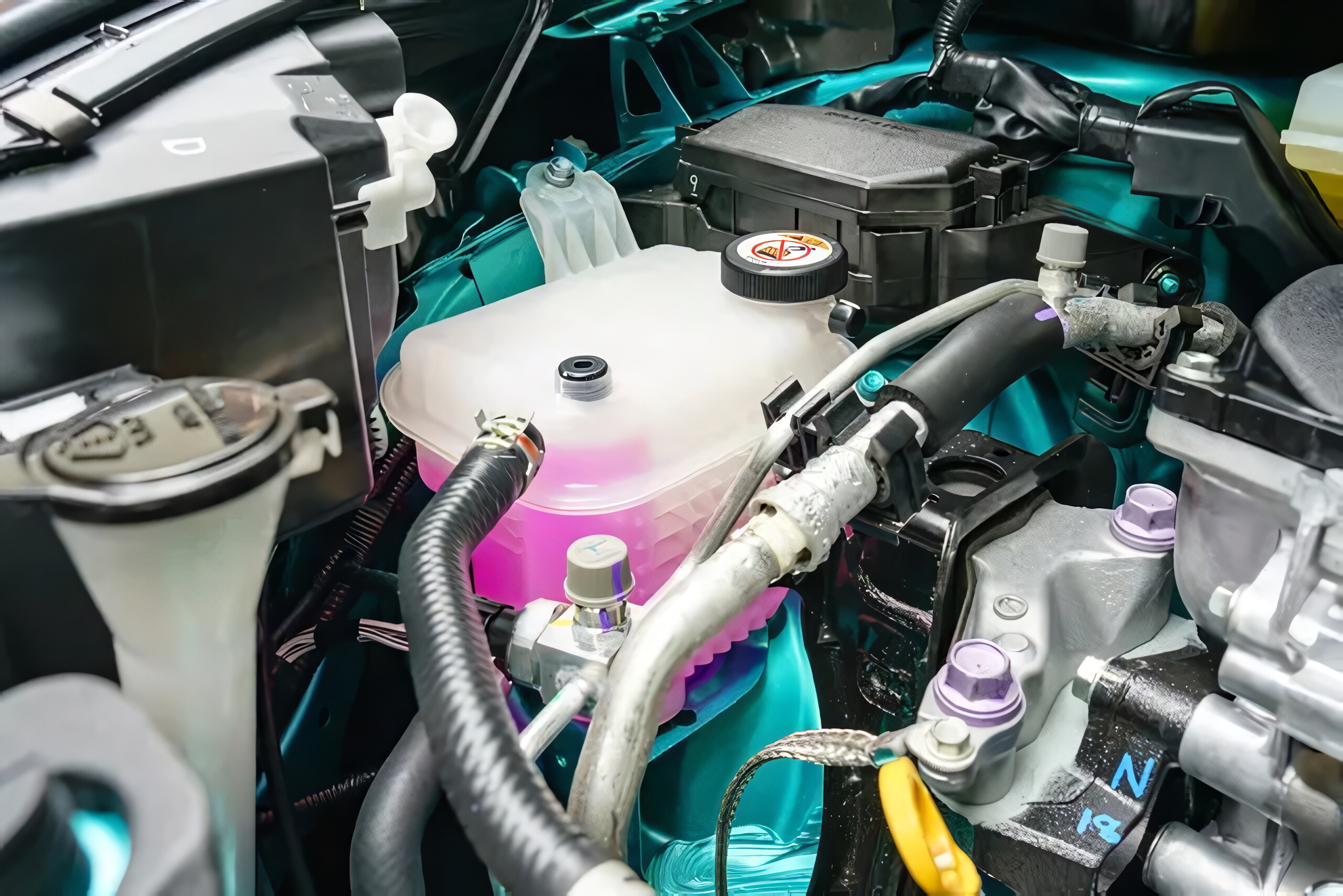
Inspect the mounting brackets and fasteners carefully. Factory brackets usually have consistent paint, welds, and bolt finishes. Bent brackets, fresh paint, replacement bolts, or elongated bolt holes may indicate that components were removed or replaced after an impact.
Also examine the coolant hoses for new clamps or connections that appear inconsistent with the vehicle’s age. Although individual cooling components may be replaced because of normal wear, corrosion, or road debris, replacing several front-mounted parts at the same time is more commonly associated with collision repairs.
Pay close attention to the air-conditioning condenser and radiator support. A new condenser paired with an older radiator, or signs of repair around the hood latch support and radiator support, may suggest previous front-end damage.
While replacing cooling system components is not necessarily a problem, these repairs should be evaluated alongside other warning signs, such as repainting, uneven panel alignment, or structural repairs. When multiple indicators are present, buyers should arrange a professional inspection before purchasing the vehicle.
10. Alignment or Steering Problems
A test drive can reveal signs of previous front-end collision damage that are not visible during a parked inspection. Damage to the suspension, steering system, subframe, or frame rails may affect how the vehicle handles, even if the exterior has been repaired well. Improper collision repairs can also lead to poor wheel alignment, which may reduce handling performance, increase tire wear, and lower fuel efficiency.
During the test drive, drive on a straight, level road at a moderate speed and briefly relax your grip on the steering wheel while maintaining full control of the vehicle. The car should continue traveling straight without pulling noticeably to either side.
A vehicle that consistently drifts left or right may have alignment problems, worn suspension parts, uneven tire pressure, or unresolved structural damage. Also check whether the steering wheel remains centered while driving straight. An off-center steering wheel may indicate alignment adjustments made to compensate for damaged suspension geometry.

Listen carefully for clunks, pops, grinding sounds, or other unusual noises while turning, as these may point to damaged steering or suspension components. Vibrations in the steering wheel at higher speeds can also indicate collision-related repairs, although wheel balancing issues may produce similar symptoms.
After the drive, inspect the front tires for uneven wear, particularly along one edge, which may suggest long-term alignment problems. Compare both front tires and look underneath for replacement suspension parts that appear much newer than surrounding components.
Although these issues do not automatically confirm previous collision damage, they become stronger evidence when combined with repainting, uneven panel gaps, replacement hardware, or structural repairs. If several warning signs are present, arrange a professional chassis inspection before purchasing the vehicle.