Modern engines are more powerful and efficient than ever, but not every design earns a reputation for long-term dependability.
While many powerplants have faced major safety recalls involving internal engine failures, bearing defects, or catastrophic manufacturing problems, others have quietly built decades-long reputations for durability without becoming the subject of a major U.S. NHTSA engine defect recall.
This list focuses on engines that have demonstrated exceptional reliability in American vehicles while avoiding significant NHTSA safety recalls centered on inherent engine design defects.
Regular maintenance is still essential, but these engines have consistently proven themselves among the industry’s most dependable performers.
1. Toyota 2UZ-FE 4.7-Liter V8
Toyota’s 2UZ-FE is one of the finest examples of a long-lasting truck engine. Introduced in the late 1990s, this cast-iron V8 powered the Toyota Land Cruiser, Lexus LX 470, Toyota Tundra, Toyota Sequoia, and Toyota 4Runner in the United States.
Unlike many modern aluminum engines that prioritize weight savings, the 2UZ-FE was engineered first for durability. Its heavy-duty iron block, forged steel crankshaft, and conservative tuning allowed it to thrive under demanding conditions for hundreds of thousands of miles.
The engine developed its reputation through real-world use rather than marketing claims. Owners routinely report 300,000 to 400,000 miles with only routine maintenance, while commercial fleets and off-road enthusiasts have documented even higher mileages.
Timing belt replacement every 90,000 miles remains one of its primary maintenance requirements, but catastrophic internal failures are exceptionally uncommon when maintenance schedules are followed.
Another reason for the engine’s outstanding reputation is Toyota’s conservative engineering philosophy. Rather than extracting maximum horsepower, engineers prioritized smooth operation, thermal stability, and long-term reliability.
The result was an engine capable of towing, hauling, and off-road driving without placing excessive stress on internal components.
Importantly, this engine family has not been the subject of a major U.S. NHTSA safety recall for an inherent internal engine design defect, distinguishing it from several newer powerplants that have experienced bearing or machining-related recalls.
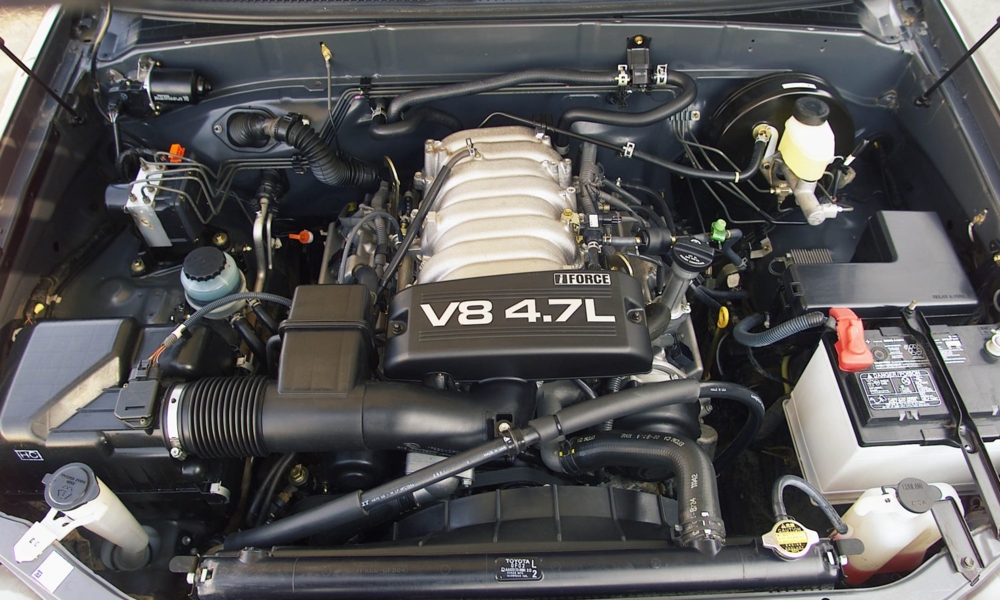
That does not mean every vehicle equipped with the 2UZ-FE avoided recalls entirely, but the engine itself established an excellent reliability record.
For buyers seeking a proven naturally aspirated V8 capable of extraordinary longevity, few engines have earned more respect than Toyota’s legendary 2UZ-FE.
2. Honda K24 2.4-Liter Inline-Four
Few four-cylinder engines have earned the respect of mechanics, enthusiasts, and everyday drivers quite like Honda’s K24. Introduced in the early 2000s, this naturally aspirated 2.4-liter engine powered millions of vehicles sold in the United States, including the Honda Accord, CR-V, Element, Odyssey, and Acura TSX.
Its widespread use under demanding daily driving conditions has helped establish one of the strongest long-term reliability records in the modern automotive industry.
Rather than chasing maximum power, Honda designed the K24 with durability and efficiency in mind. The aluminum block features cast-iron cylinder liners, a forged steel crankshaft, a timing chain instead of a timing belt, and Honda’s proven i-VTEC variable valve timing system.
Eliminating the timing belt reduced scheduled maintenance costs while providing dependable valve timing throughout the engine’s lifespan.
One of the K24’s greatest strengths is its ability to tolerate high mileage. Properly maintained examples regularly exceed 250,000 to 300,000 miles without requiring internal engine repairs. Routine oil changes, cooling system maintenance, and periodic valve clearance inspections are typically all that is needed to keep the engine operating smoothly.
Unlike some competitors, the K24 has not developed a widespread reputation for connecting rod failures, bearing defects, or excessive oil consumption caused by inherent design flaws.
The engine also became a favorite among performance enthusiasts because of its strong aftermarket support and robust internal construction. Even when modified for significantly higher horsepower, the K24 has demonstrated impressive durability when tuned responsibly.
Most importantly for this list, the K24 engine family has not been the subject of a major U.S. NHTSA recall involving an inherent internal engine design defect.
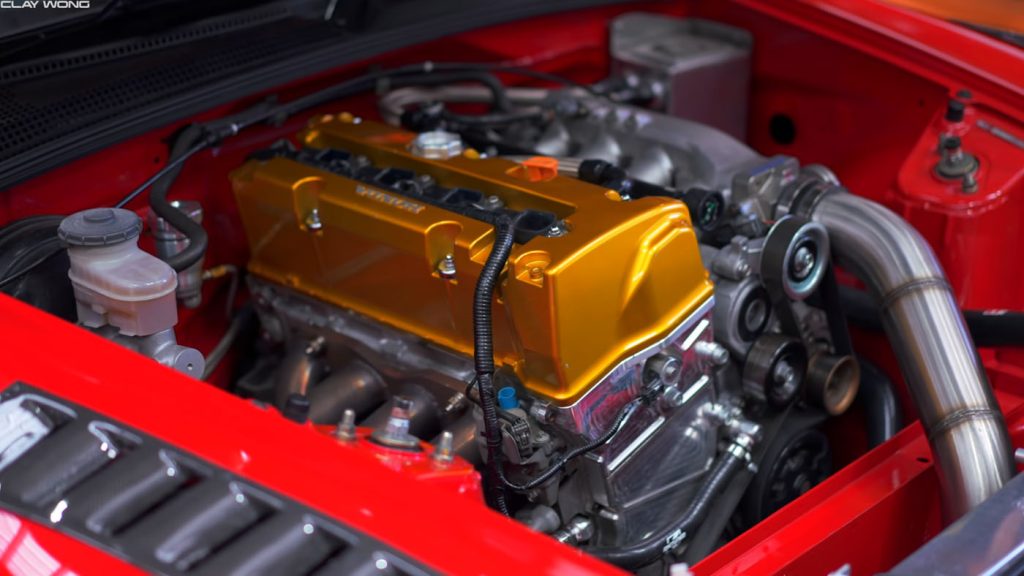
Individual vehicles using the engine have experienced unrelated recalls involving airbags, electrical systems, or other components, but the engine itself has maintained an exceptional reputation.
More than two decades after its introduction, the K24 remains one of the benchmark naturally aspirated four-cylinder engines for reliability, longevity, and low ownership costs.
3. Ford 300 (4.9-Liter) Inline-Six
Long before turbocharging and direct fuel injection became common, Ford built an engine that earned a reputation almost entirely through durability. The 300-cubic-inch inline-six, commonly known as the 4.9-liter inline-six, debuted for the 1965 model year and remained in production for more than three decades.
It powered generations of Ford F-Series pickups, Econoline vans, commercial chassis, and industrial equipment, becoming one of the most respected truck engines ever produced in America.
The engine’s reputation comes from its remarkably simple construction. A cast-iron block, cast-iron cylinder head, forged crankshaft, seven main bearings, and gear-driven accessories created a design capable of handling years of hard work.
Rather than emphasizing horsepower, Ford engineered the 300 I6 to produce strong low-end torque, making it ideal for towing trailers, hauling heavy cargo, and operating at low engine speeds for extended periods.
Commercial operators quickly recognized its strengths. Utility companies, municipalities, farmers, and delivery fleets frequently accumulated 300,000 to 500,000 miles with only routine maintenance.
Oil changes, cooling system service, ignition components, and occasional gasket replacement were typically enough to keep the engine running reliably for decades.
Another advantage was its accessibility. The inline-six layout provided excellent engine bay space, allowing mechanics to perform repairs more easily than on many V8 engines of the same era. Parts remained affordable, further reducing ownership costs for fleet operators.
Although vehicles equipped with the 300 inline-six experienced occasional recalls involving brakes, steering, lighting, or other systems, the engine family itself was never the subject of a major U.S. NHTSA recall centered on an inherent internal engine design defect.
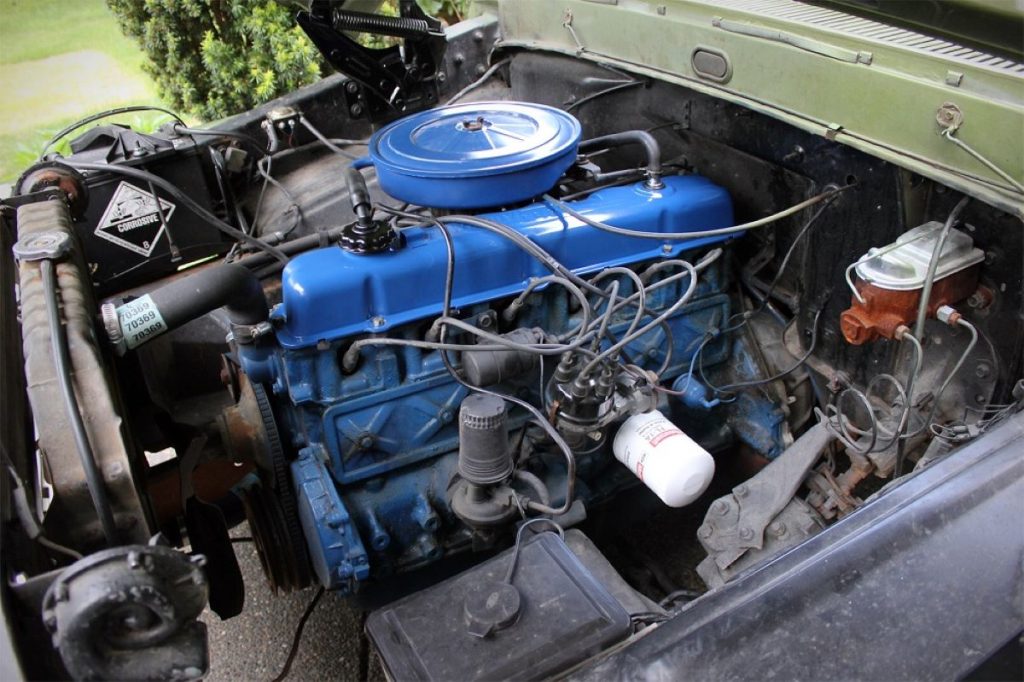
Its outstanding durability remains one of the reasons many enthusiasts still seek out older Ford trucks equipped with this legendary powerplant.
More than 60 years after its introduction, the Ford 300 continues to represent one of the finest examples of dependable American truck engineering.
4. GM 3800 Series II (L36) V6
General Motors has produced countless V6 engines, but few have achieved the legendary reputation of the 3800 Series II.
Introduced for the 1995 model year, the naturally aspirated L36 version powered millions of American vehicles, including the Buick LeSabre, Buick Park Avenue, Pontiac Bonneville, Chevrolet Impala, Oldsmobile Eighty-Eight, and several other full-size sedans.
Its combination of smooth performance, fuel efficiency, and exceptional longevity made it one of GM’s greatest engineering successes.
Unlike many modern engines that rely on complex turbocharging systems, the 3800 Series II used a conservative pushrod design that prioritized durability.
The cast-iron block, robust bottom end, hydraulic roller lifters, and relatively low specific output placed minimal stress on internal components. Owners routinely report 250,000 to 350,000 miles without requiring major internal engine repairs.
The engine did have known maintenance concerns, particularly with the upper intake manifold gasket and lower intake manifold gasket on certain applications.
However, these issues generally involved coolant leakage into the intake rather than failures of the engine’s rotating assembly. Once repaired with updated components, many engines continued providing years of reliable service.
The 3800’s broad torque curve also contributed to its popularity. Smooth acceleration, quiet highway cruising, and excellent drivability made it especially well suited for family sedans, where comfort mattered more than outright performance.
From a safety standpoint, the engine family has not been the subject of a major U.S. NHTSA recall involving an inherent internal engine design defect.
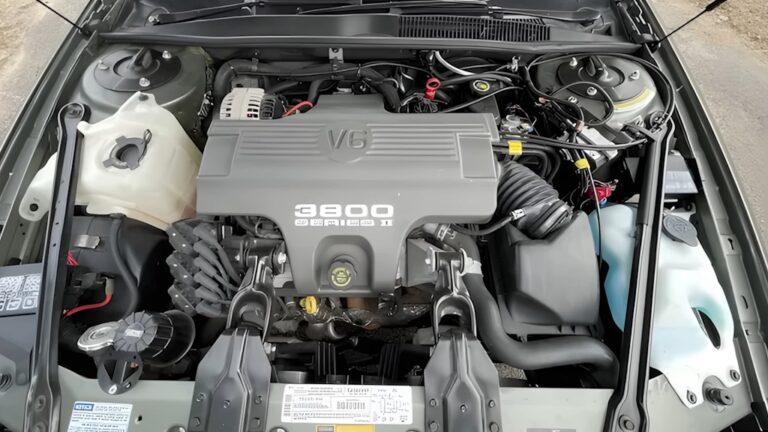
Individual vehicle recalls addressed unrelated systems over the years, but the engine itself avoided the widespread crankshaft, connecting rod, or bearing failures that have affected some more recent designs.
Even after production ended in 2008, the GM 3800 Series II remains one of the most respected V6 engines ever built, and many examples continue serving owners reliably with well over a quarter-million miles.
5. Toyota 1GR-FE 4.0-Liter V6
Not every dependable engine becomes famous because of impressive horsepower numbers. Toyota’s 1GR-FE earned its reputation by surviving years of towing, off-road driving, and high-mileage commuting with remarkably few serious mechanical issues.
Introduced in the early 2000s, this naturally aspirated V6 powered several of Toyota’s toughest vehicles sold in the United States, including the Tacoma, 4Runner, FJ Cruiser, and Tundra.
Toyota engineered the 1GR-FE specifically for durability in demanding environments. The aluminum block uses cast-iron cylinder liners, while the forged steel crankshaft and sturdy connecting rods provide excellent long-term strength.
Depending on the model year, later versions incorporated Dual VVT-i technology, improving fuel efficiency and power without compromising reliability.
One of the engine’s biggest strengths is its ability to tolerate harsh operating conditions. Owners regularly use these vehicles for towing boats, crossing desert trails, climbing mountain passes, and driving hundreds of thousands of highway miles.
It is common to find examples exceeding 300,000 miles while still using their original engine and transmission. Routine oil changes, cooling system maintenance, and periodic spark plug replacement are generally all that is required.
Unlike several modern direct-injected turbocharged engines, the 1GR-FE avoids excessive complexity. Its naturally aspirated design reduces thermal stress while eliminating turbochargers that can become expensive maintenance items later in the vehicle’s life.
Most importantly, the 1GR-FE engine family has not been the subject of a major U.S. NHTSA recall involving an inherent internal engine defect.
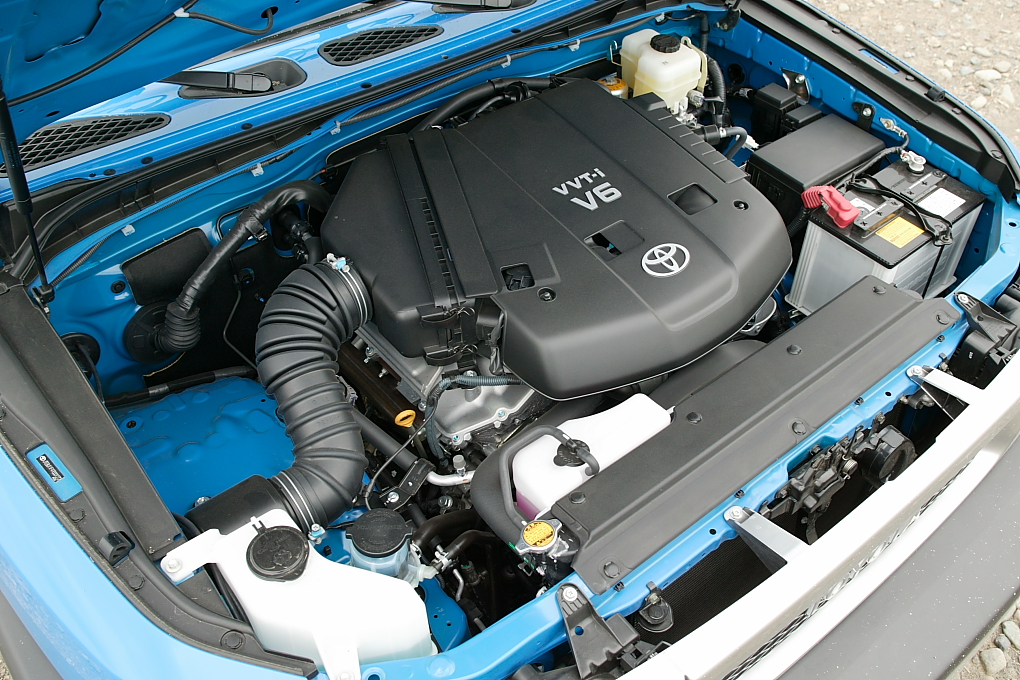
Vehicles equipped with this engine have experienced unrelated recalls involving airbags, frame corrosion on certain trucks, and other systems, but the engine itself has maintained an outstanding long-term reliability record.
Its reputation among mechanics and off-road enthusiasts remains exceptionally strong, making the 1GR-FE one of Toyota’s most trusted truck engines.
6. Cummins 5.9-Liter 12-Valve Turbo Diesel
Among diesel enthusiasts, few engines inspire as much respect as the Cummins 5.9-liter 12-valve. Introduced to Dodge Ram Heavy Duty pickups for the 1989 model year, this inline-six transformed the American diesel truck market by combining commercial-grade durability with consumer vehicle practicality.
More than three decades later, it remains one of the most sought-after diesel engines ever installed in a pickup truck.
The engine’s legendary reliability begins with its heavy-duty construction. A cast-iron block, cast-iron cylinder head, forged steel crankshaft, and gear-driven timing system created an exceptionally robust foundation.
Fuel delivery came from a purely mechanical Bosch P7100 injection pump on later 12-valve versions, eliminating much of the electronic complexity found in modern diesel engines.
Its low engine speeds also contributed to extraordinary longevity. The Cummins generated tremendous torque without requiring high RPM, reducing wear on internal components during years of towing and commercial use. It is not uncommon to encounter original engines with 500,000 miles or more still operating successfully after proper maintenance.
Commercial operators, farmers, construction companies, and RV owners quickly recognized its value. The engine developed a reputation for dependable cold-weather starting, strong fuel economy for its size, and the ability to withstand demanding workloads that would challenge many gasoline engines.
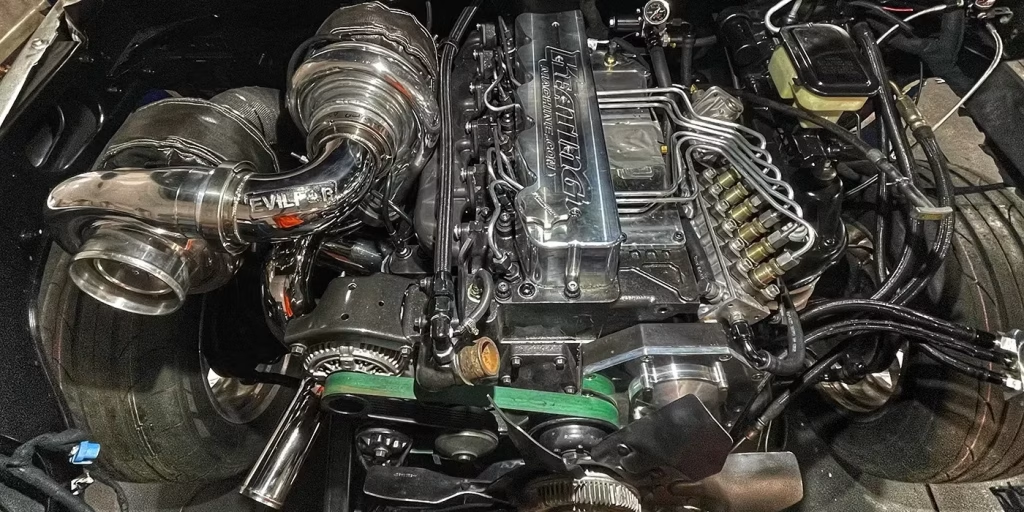
Importantly, the 5.9-liter 12-valve has not been the subject of a major U.S. NHTSA recall involving an inherent internal engine design defect. Individual Dodge truck recalls addressed unrelated vehicle systems over the years, but the engine itself earned widespread praise for its mechanical durability.
Even today, clean examples equipped with the 12-valve Cummins often command premium prices because buyers recognize they are purchasing one of the most durable diesel engines ever offered in the American pickup market.
7. Toyota 22RE 2.4-Liter Inline-Four
Some engines earn their reputation through advanced technology, while others become legends by simply refusing to quit. Toyota’s 22RE belongs firmly in the second category.
Introduced during the early 1980s, this electronically fuel-injected four-cylinder powered millions of Toyota pickups and 4Runners sold across the United States. Even decades after production ended, it remains one of the most respected small truck engines ever built.
The secret to the 22RE’s longevity was its conservative engineering. Toyota paired a cast-iron block with an aluminum cylinder head, creating an engine that balanced durability with manageable weight.
The bottom end proved exceptionally robust, while the fuel injection system improved reliability and cold-weather drivability compared with the earlier carbureted 22R.
Owners frequently subjected these engines to conditions far beyond normal commuting. Construction workers, farmers, outdoor enthusiasts, and delivery fleets relied on them for towing, hauling, and off-road driving.
Despite the demanding workload, examples exceeding 300,000 miles remain common, and many have surpassed 400,000 miles with only routine maintenance.
Like any long-running engine, the 22RE has a few known maintenance items. Timing chain guides eventually wear, and replacing them before failure is considered preventive maintenance. Once addressed, however, the engine often continues operating reliably for many additional years without requiring internal rebuilding.
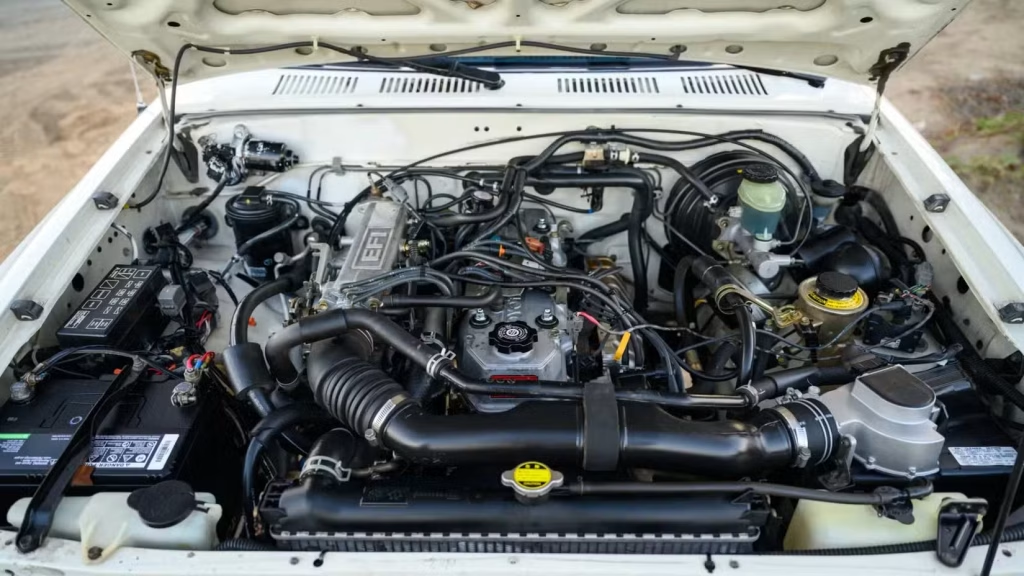
Equally important is what the engine avoided. Throughout its long production life, the 22RE was not the subject of a major U.S. NHTSA recall involving an inherent internal engine design defect. Vehicles equipped with the engine experienced unrelated recalls over the years, but the engine itself established one of the strongest reliability records in Toyota’s history.
Because of its remarkable durability, simple construction, and inexpensive maintenance, the 22RE remains highly desirable among collectors, restorers, and off-road enthusiasts looking for a dependable classic Toyota truck.
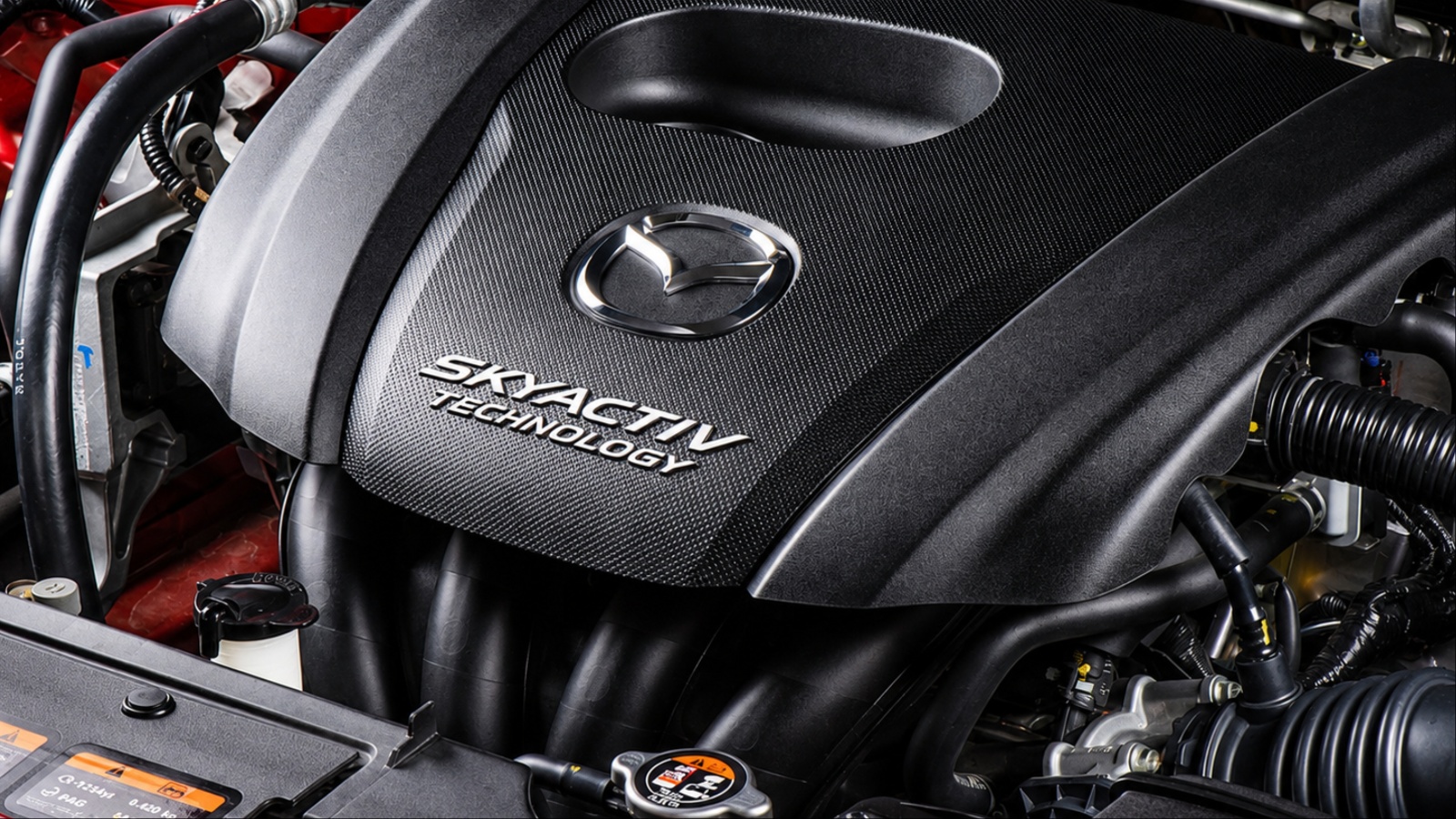
8. Mazda Skyactiv-G 2.5-Liter Naturally Aspirated Inline-Four
At a time when many manufacturers downsized engines and added turbochargers to improve fuel economy, Mazda took a different approach. The naturally aspirated Skyactiv-G 2.5-liter engine focused on maximizing efficiency through high compression, reduced internal friction, and precise combustion rather than relying on forced induction.
Introduced in the United States during the early 2010s, it quickly became one of the company’s most successful modern powerplants.
The engine powers a wide variety of Mazda vehicles, including the Mazda3, Mazda6, CX-5, CX-50, and CX-9 in certain configurations. Despite serving both passenger cars and crossovers, it has developed a reputation for smooth operation, strong fuel economy, and excellent long-term durability.
Mazda achieved this balance through careful engineering. The aluminum block, forged steel crankshaft, direct fuel injection system, and chain-driven dual overhead camshafts were designed to minimize wear while maintaining responsive performance.
The naturally aspirated design also avoids the additional heat and mechanical complexity associated with turbochargers, reducing potential long-term maintenance concerns.
Owners regularly report well over 200,000 miles with routine maintenance consisting primarily of oil changes, spark plugs, coolant service, and air filter replacement. Mechanics frequently praise the engine for its clean internal design and predictable service requirements.
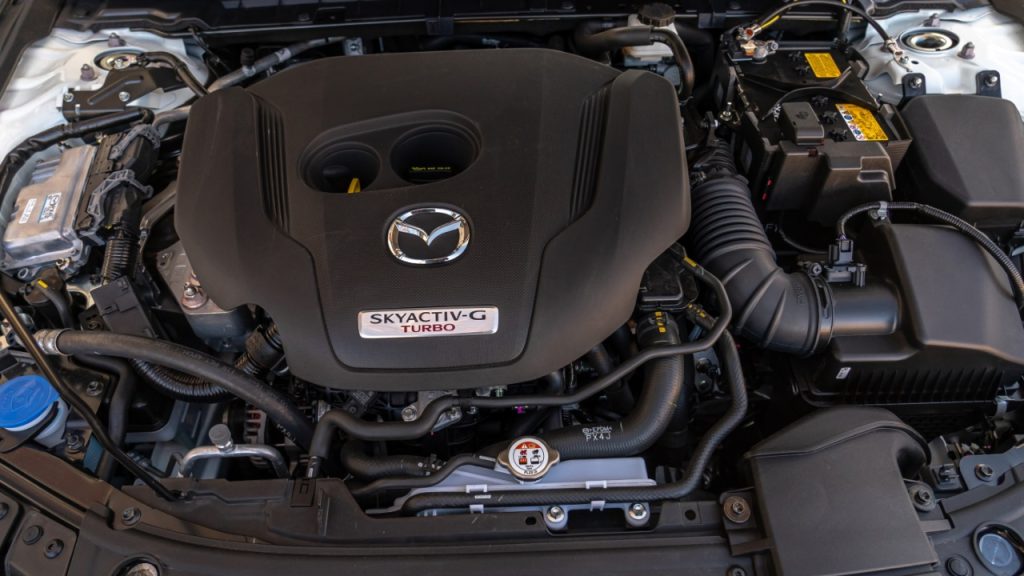
From a recall perspective, the Skyactiv-G 2.5-liter naturally aspirated engine has not been the subject of a major U.S. NHTSA recall involving an inherent internal engine defect. Individual Mazda models have experienced recalls affecting other vehicle systems, but the engine itself has maintained an excellent reliability record since its introduction.
Its combination of efficiency, refinement, and durability demonstrates that modern naturally aspirated engines can still compete with far more complicated powertrains when engineered with long-term reliability in mind.
9. Honda J35 3.5-Liter V6
Honda has produced several excellent V6 engines, but the J35 family stands out for combining smooth performance with exceptional durability. First introduced in the late 1990s, the 3.5-liter J35 has powered millions of vehicles sold in the United States, including the Honda Pilot, Ridgeline, Odyssey, Passport, and numerous Acura models.
Through continuous refinement, Honda kept the engine competitive for more than two decades while maintaining an outstanding reliability record.
One reason for its success is its balanced engineering. The aluminum block and cylinder heads help reduce weight, while forged steel internal components and a rigid bottom end provide excellent long-term durability.
Honda also designed the engine to deliver strong low-end torque, making it well suited for family SUVs, minivans, and midsize sedans where smooth acceleration matters more than outright horsepower.
Routine maintenance plays an important role in the J35’s longevity. Earlier versions use a timing belt that requires replacement at the recommended service interval, while regular oil changes and cooling system maintenance help the engine routinely exceed 250,000 miles.
Fleet operators and private owners alike have documented examples surpassing 300,000 miles without requiring major internal repairs.
Unlike several competitors that suffered widespread bearing failures or connecting rod defects, the J35 has largely avoided major internal engine problems.
Some individual applications have experienced issues involving Variable Cylinder Management oil consumption or other vehicle-specific concerns, but these did not result in a broad U.S. NHTSA recall for an inherent internal engine design defect across the J35 family.
Because it combines refinement, dependable engineering, and proven longevity, the Honda J35 remains one of the most respected naturally aspirated V6 engines available in the American market.
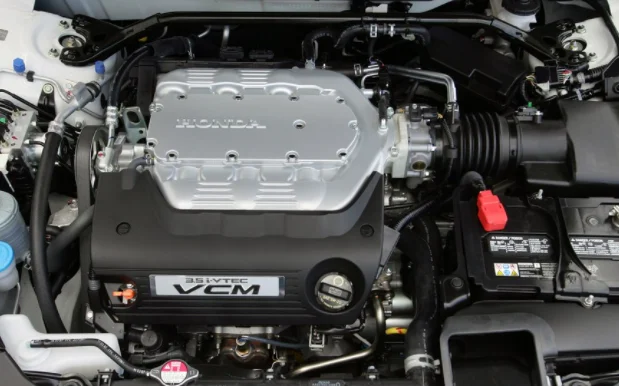
It continues to demonstrate that careful engineering and conservative tuning often produce engines capable of serving owners reliably for hundreds of thousands of miles.
10. Toyota 2GR-FKS 3.5-Liter V6
The final engine on this list represents Toyota’s modern approach to naturally aspirated performance. The 2GR-FKS evolved from the highly respected GR engine family and combines direct injection with Toyota’s D-4S dual-injection system, allowing both port and direct fuel injection to operate together.
This design improves efficiency while helping reduce the carbon buildup commonly associated with direct-injected engines.
The 2GR-FKS powers numerous Toyota and Lexus models sold in the United States, including the Toyota Camry, Avalon, Highlander, Tacoma, Lexus RX, Lexus ES, and several others. Despite serving vehicles ranging from family sedans to midsize SUVs and pickup trucks, it has consistently demonstrated strong long-term durability.
Toyota strengthened the engine with an aluminum block, forged steel crankshaft, chain-driven dual overhead camshafts, and Dual VVT-iW variable valve timing.
Engineers also focused on reducing friction inside the engine while maintaining the smooth power delivery expected from a naturally aspirated V6. The result is an engine that provides responsive acceleration without relying on turbocharging.
Many owners have already accumulated well over 200,000 miles with routine maintenance, and independent repair shops frequently report very few internal engine failures compared with many competing V6 designs.
Regular oil changes, coolant replacement, and scheduled spark plug service are generally sufficient to keep the engine operating reliably for many years.
Importantly, the 2GR-FKS engine family has not been the subject of a major U.S. NHTSA recall involving an inherent internal engine design defect.
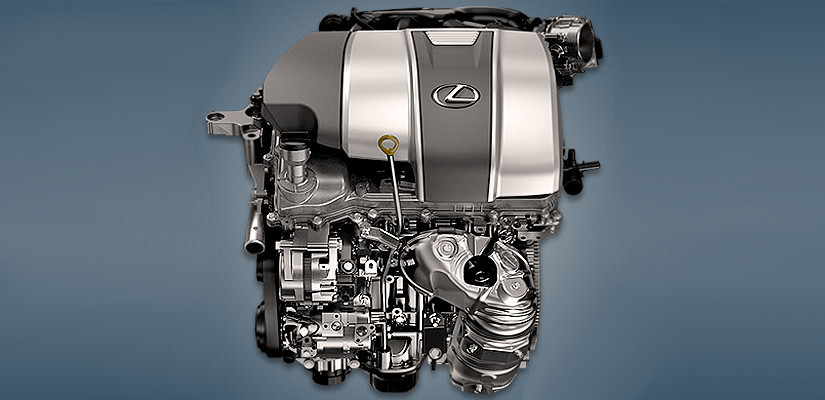
While some vehicles using this engine have experienced unrelated recalls involving other systems, the engine itself has maintained an excellent reputation for durability.
Its blend of modern technology, smooth operation, and proven reliability makes the 2GR-FKS one of the finest naturally aspirated V6 engines currently available in the U.S. market.