
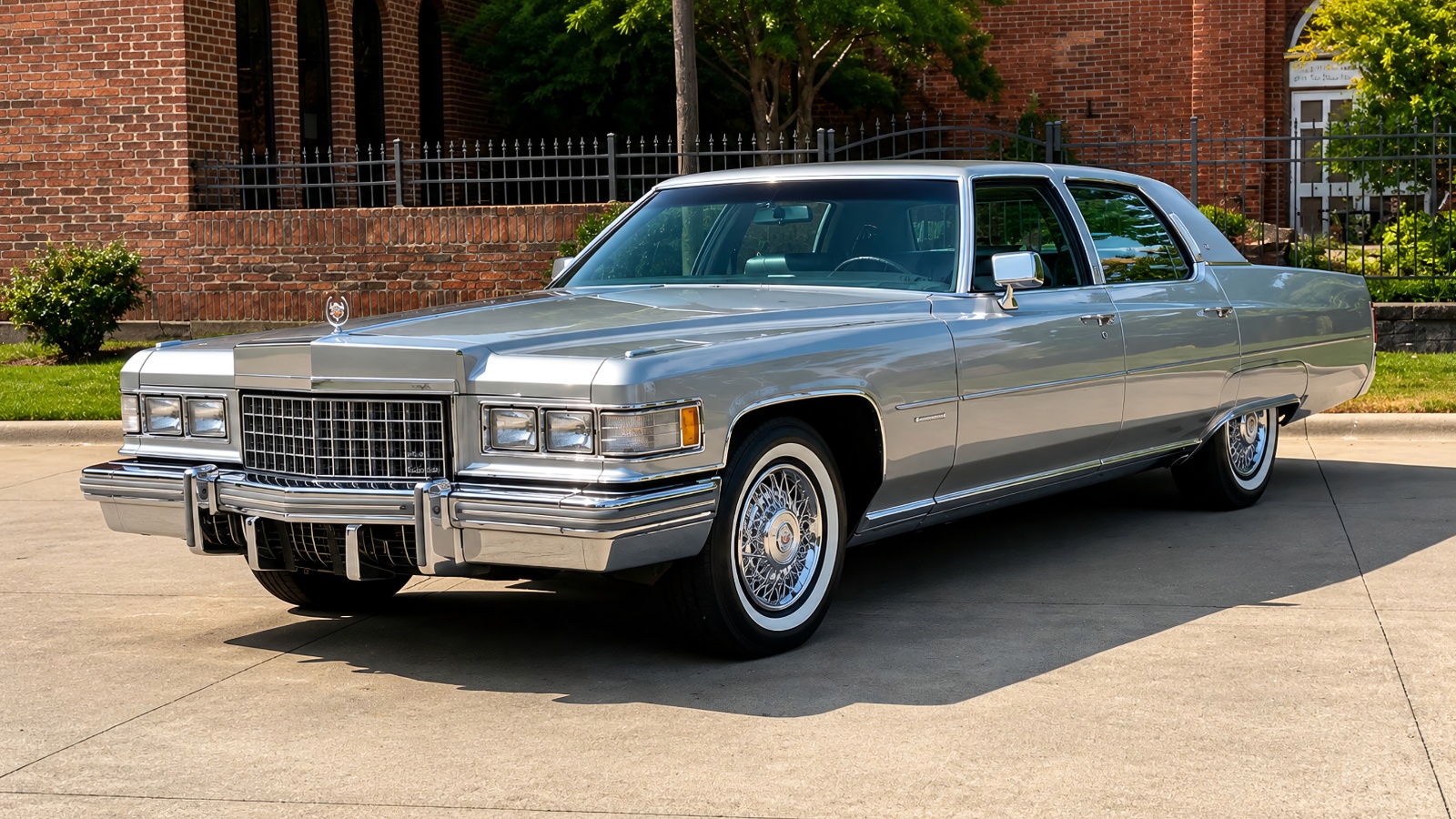
During the 1960s and 1970s, bigger often meant better in the American automotive industry. Luxury brands competed to build the longest, most spacious cars on the road, giving buyers limousine-like comfort without hiring a chauffeur.
Massive hoods, enormous trunks, wide bench seats, and wheelbases stretching well beyond 125 inches became symbols of prestige. Before downsizing swept through Detroit in the late 1970s, several production cars exceeded 230 inches in length, making them among the largest passenger vehicles ever sold in the United States.
Here are ten of the longest production cars ever offered to American buyers, ranked by their remarkable dimensions.
Also Read: 8 Repairs No Independent Shop Can Finish Anymore
1. 1975 Cadillac Fleetwood Seventy-Five
When Cadillac introduced the Fleetwood Seventy-Five, it was designed for buyers who wanted limousine comfort straight from the factory. Measuring an incredible 252.2 inches long, it remains one of the longest production passenger cars ever sold in the United States.
Government agencies, luxury hotels, funeral homes, and limousine companies all relied on the Fleetwood Seventy-Five because of its enormous interior space and exceptional ride quality.
Unlike standard Cadillac sedans, the Seventy-Five rode on a 151.5-inch wheelbase, allowing engineers to create a truly limousine-sized passenger compartment.
Rear passengers enjoyed folding jump seats, generous legroom, thick carpeting, and premium leather upholstery. The long wheelbase also produced an exceptionally smooth ride, making highway travel feel effortless.
Power came from Cadillac’s massive 500-cubic-inch V8, the largest displacement production passenger-car engine offered by an American manufacturer during the era.
Although emissions regulations reduced horsepower compared with earlier years, the engine still delivered effortless low-speed performance and quiet cruising that matched the car’s luxury mission.
Its sheer size made driving a challenge in crowded cities. Parking required patience, and navigating narrow streets demanded careful attention. Yet buyers accepted these compromises because no other American luxury sedan offered the same level of prestige and passenger comfort.
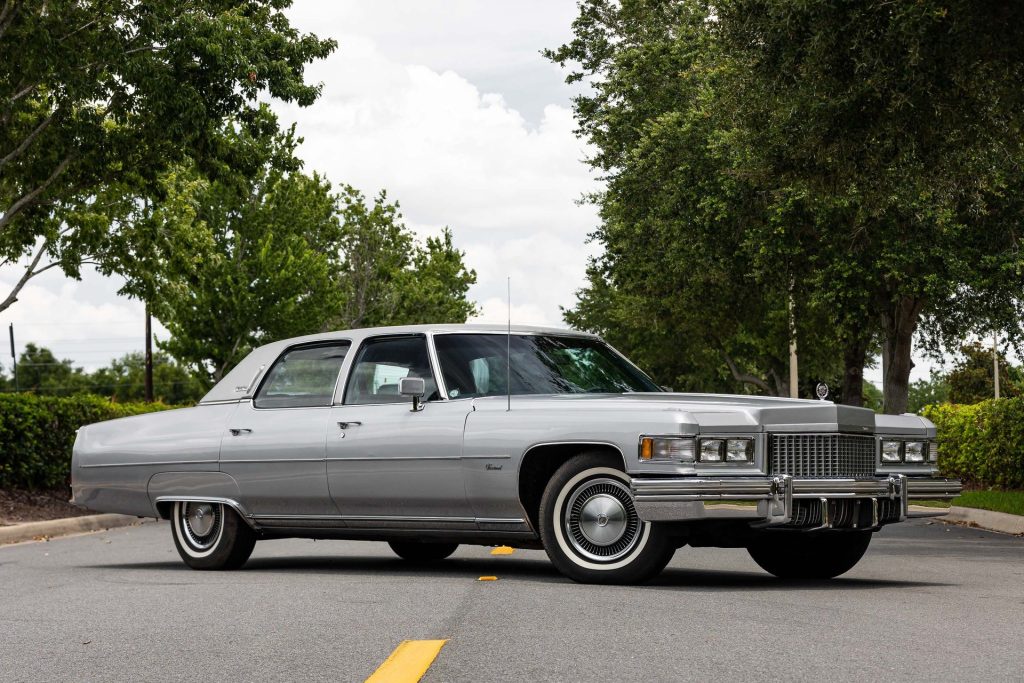
The 1975 Fleetwood Seventy-Five represents the peak of Detroit’s “bigger is better” philosophy before downsizing transformed the luxury car market. Today, surviving examples remain highly collectible because they symbolize an era when American luxury emphasized space above everything else.
Specifications
- Engine: 8.2-liter (500-cu-in) OHV V8
- Torque: 360 lb-ft
- Horsepower: 190 hp (SAE net)
- Length/Width: 252.2 inches / 79.8 inches
2. 1973 Lincoln Continental Sedan
The 1973 Lincoln Continental Sedan demonstrated that Ford’s luxury division could compete directly with Cadillac in the battle for America’s largest automobiles. Stretching approximately 233 inches from bumper to bumper, it became one of the longest standard production sedans ever sold in the United States while delivering exceptional comfort for six passengers.
Instead of focusing solely on exterior dimensions, Lincoln emphasized refinement. Thick sound insulation, soft suspension tuning, wide bench seats, and high-quality materials created a cabin that isolated occupants from road noise remarkably well.
Long interstate trips became the Continental’s specialty, earning it a loyal following among executives and families seeking effortless cross-country travel.
Under the hood sat Ford’s 460-cubic-inch V8, an engine renowned for its smooth power delivery and abundant torque. Even with tightening emissions regulations during the early 1970s, the Continental accelerated confidently thanks to its large-displacement engine and relaxed gearing.
The Continental also reflected changing safety standards of the era. Massive energy-absorbing bumpers contributed to its impressive full length while helping the car satisfy new federal impact regulations introduced during the decade. Combined with its long hood and expansive trunk, those bumpers gave the Lincoln an unmistakable road presence.
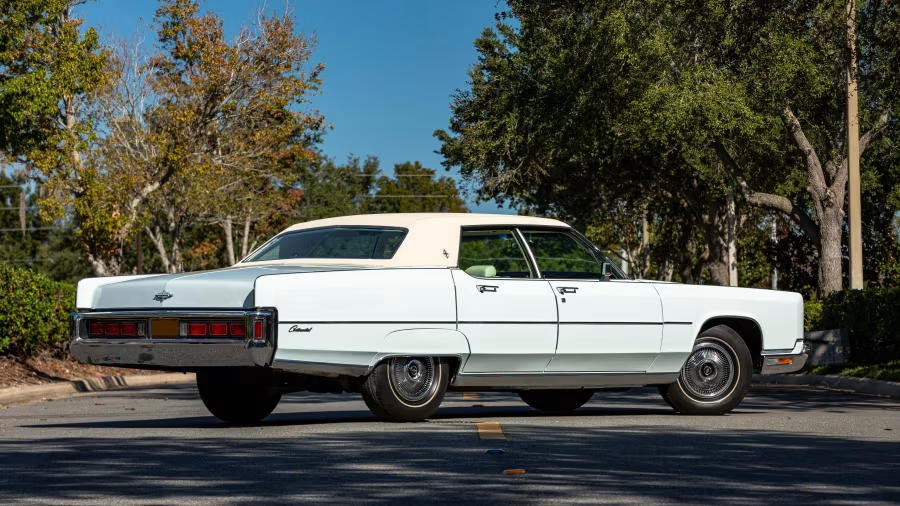
Although later generations became smaller and more efficient, the 1973 Continental remains one of the defining examples of traditional American luxury. Its combination of enormous dimensions, powerful V8 performance, and exceptionally comfortable interior secured its place among the longest passenger cars ever sold in America.
Specifications
- Engine: 7.5-liter (460-cu-in) OHV V8
- Torque: 365 lb-ft
- Horsepower: 220 hp (SAE net)
- Length/Width: 233.0 inches / 79.7 inches
3. 1976 Chrysler New Yorker Brougham
During the mid-1970s, Chrysler refused to abandon the traditional American formula of building full-size luxury sedans with commanding road presence.
The 1976 New Yorker Brougham reflected that philosophy perfectly. Measuring approximately 231 inches in length, it ranked among the largest production sedans sold in the United States before the industry shifted toward downsized platforms later in the decade.
Unlike Cadillac and Lincoln, Chrysler emphasized formal styling. The New Yorker featured a long squared-off hood, upright grille, hidden headlamps, thick chrome trim, and an expansive rear deck that gave the car an unmistakably prestigious appearance.
Inside, passengers found pillow-style seats, simulated woodgrain trim, thick carpeting, automatic climate control, and generous shoulder room. Comfort was clearly the priority rather than sporting performance.
Power came from Chrysler’s proven 440-cubic-inch V8, one of the largest engines available in American passenger cars during the era.
Although emissions regulations reduced horsepower compared with earlier years, the engine continued delivering the low-end torque expected in a luxury sedan weighing well over two tons. Smooth acceleration and effortless highway cruising remained its strengths.
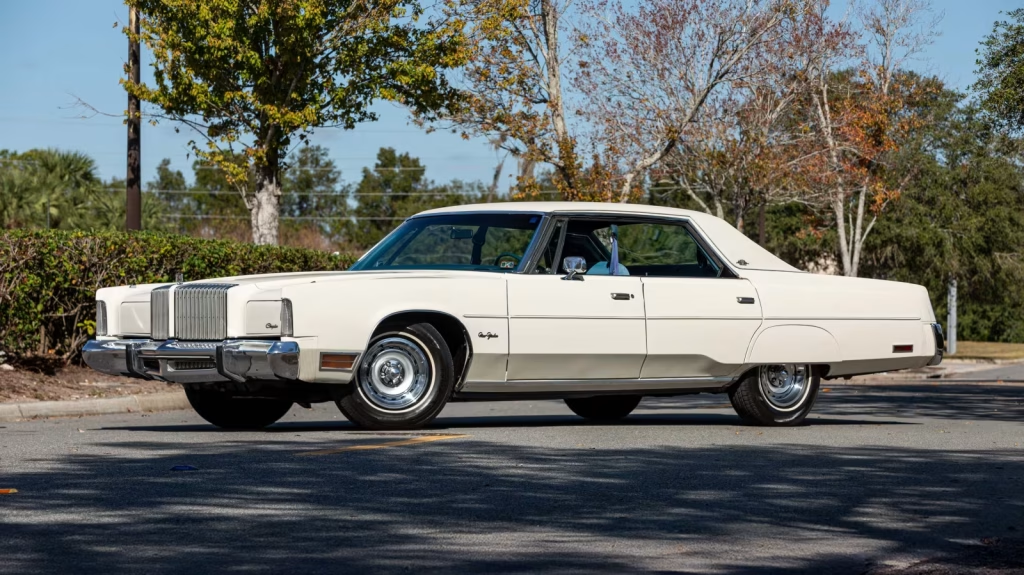
The New Yorker also benefited from Chrysler’s torsion-bar front suspension, which contributed to a comfortable ride over long distances. Buyers appreciated its ability to absorb rough pavement while maintaining excellent straight-line stability on American highways.
The 1976 model represented one of the final years before Chrysler adopted significantly smaller full-size platforms. As a result, it stands today as one of the largest production sedans the company ever built and a lasting reminder of Detroit’s commitment to full-size luxury during the 1970s.
Specifications
- Engine: 7.2-liter (440-cu-in) OHV V8
- Torque: 350 lb-ft
- Horsepower: 205 hp (SAE net)
- Length/Width: 231.0 inches / 79.5 inches
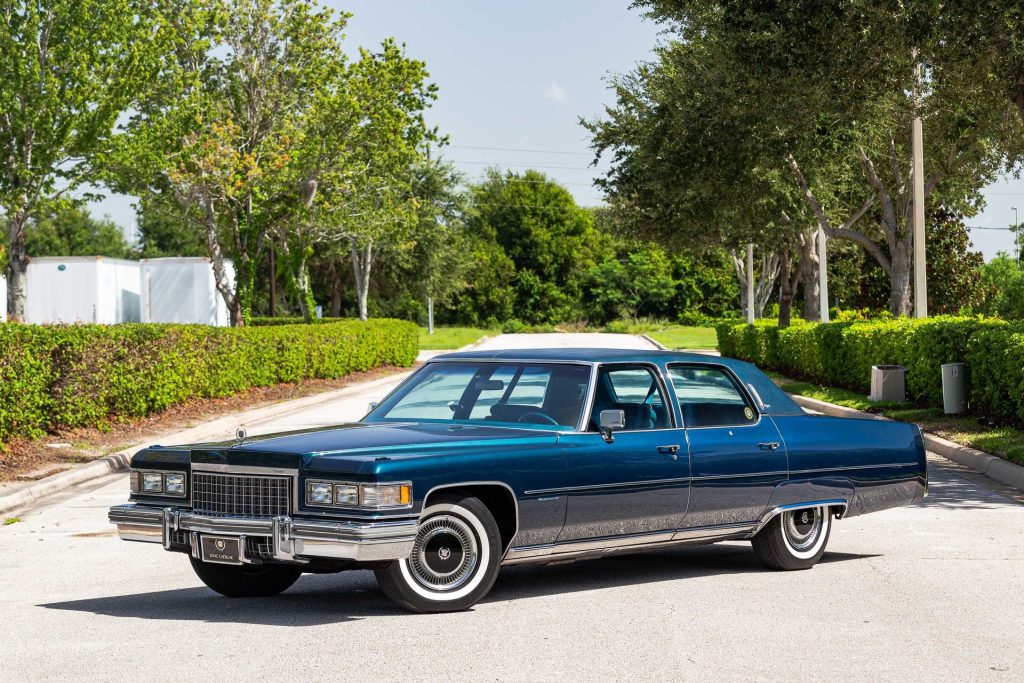
4. 1976 Cadillac Fleetwood Brougham
Not every Fleetwood carried limousine dimensions. The standard Fleetwood Brougham offered buyers nearly the same commanding presence while remaining practical enough for everyday ownership.
Measuring approximately 233.7 inches long, it was one of the largest regular-production luxury sedans available in America and became a benchmark for full-size comfort during the 1970s.
Cadillac engineers focused on delivering effortless luxury rather than dramatic styling changes.
The Fleetwood Brougham featured broad front and rear bench seats, exceptionally soft suspension tuning, generous rear legroom, and extensive sound insulation that created an impressively quiet cabin. Even at interstate speeds, passengers experienced very little road or wind noise.
Under the hood sat Cadillac’s legendary 500-cubic-inch V8, an engine famous for producing tremendous low-end torque.
While horsepower figures declined because of tightening federal emissions standards, the large-displacement V8 still moved the massive sedan with smooth and predictable performance. Buyers valued its relaxed character far more than outright acceleration.
One reason the Fleetwood Brougham remained so popular was its combination of prestige and practicality. Unlike the limousine-based Fleetwood Seventy-Five, it fit more easily into residential garages while still providing nearly unmatched interior space.
It quickly became a favorite among business executives, retirees, and buyers seeking one of America’s finest luxury sedans.
Today, collectors recognize the 1976 Fleetwood Brougham as one of the last truly gigantic Cadillacs before General Motors introduced downsized full-size models for 1977. Its immense dimensions and traditional American luxury continue to define an unforgettable chapter in automotive history.
Specifications
- Engine: 8.2-liter (500-cu-in) OHV V8
- Torque: 360 lb-ft
- Horsepower: 190 hp (SAE net)
- Length/Width: 233.7 inches / 79.8 inches
5. 1975 Imperial LeBaron
By the mid-1970s, the Imperial name represented Chrysler’s highest level of luxury, and the 1975 Imperial LeBaron reflected that ambition in every dimension. Stretching 235.3 inches from bumper to bumper, it was one of the longest production cars available in the United States.
Its imposing proportions were matched by a formal design featuring a long hood, upright grille, concealed headlamps, and a broad rear deck that emphasized prestige rather than sportiness.
Unlike many luxury cars that relied solely on size, the Imperial focused on craftsmanship. Buyers received thick velour or leather seating, genuine woodgrain trim, automatic climate control, power accessories, and generous rear-seat accommodations.
The cabin was engineered to isolate passengers from road noise, creating a quiet environment that rivaled many chauffeur-driven limousines of the era.
Power came from Chrysler’s dependable 440-cubic-inch V8, producing the strong low-end torque expected in a full-size luxury automobile. The engine was paired with the durable TorqueFlite automatic transmission, allowing the Imperial to deliver smooth acceleration despite its substantial curb weight.
One interesting aspect of the Imperial LeBaron was its exclusivity. Production volumes remained relatively low compared with Cadillac and Lincoln competitors, making surviving examples much less common today. That rarity has increased collector interest in recent years, especially among enthusiasts who appreciate traditional American luxury.
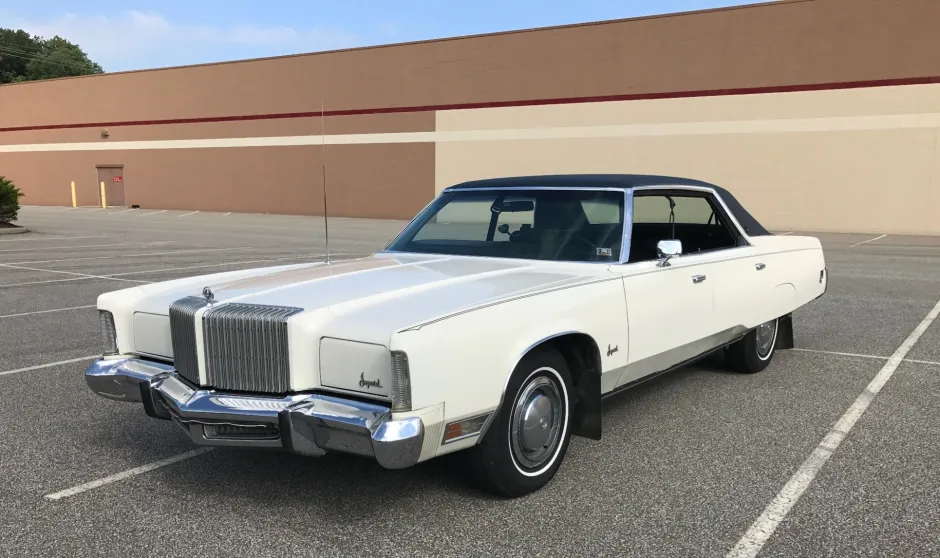
The 1975 Imperial LeBaron arrived just before the industry began moving toward smaller, lighter vehicles driven by fuel economy concerns and changing consumer preferences. Because of that timing, it remains one of the last truly massive luxury sedans ever produced by Chrysler and an enduring symbol of Detroit’s full-size era.
Specifications
- Engine: 7.2-liter (440-cu-in) OHV V8
- Torque: 350 lb-ft
- Horsepower: 215 hp (SAE net)
- Length/Width: 235.3 inches / 79.4 inches
6. 1976 Lincoln Continental Mark IV
The Lincoln Continental Mark IV proved that personal luxury cars could be just as imposing as traditional full-size sedans. Measuring 228.1 inches in length, the Mark IV ranked among the longest two-door production cars ever sold in America.
It combined dramatic styling with premium comfort, helping Lincoln dominate the personal luxury segment throughout the 1970s.
Rather than emphasizing rear-seat space, the Mark IV focused on creating an upscale experience for four occupants. The signature opera windows, hidden headlights, long hood, simulated spare tire deck lid, and extensive chrome trim gave the coupe an unmistakable identity that stood apart from ordinary American cars.
Buyers could also choose from exclusive Designer Series editions associated with names such as Bill Blass, Cartier, Givenchy, and Emilio Pucci, adding another layer of prestige.
Performance came from Ford’s proven 460-cubic-inch V8, an engine known for its smooth power delivery and abundant torque. The emphasis was not on rapid acceleration but on quiet, effortless highway cruising.
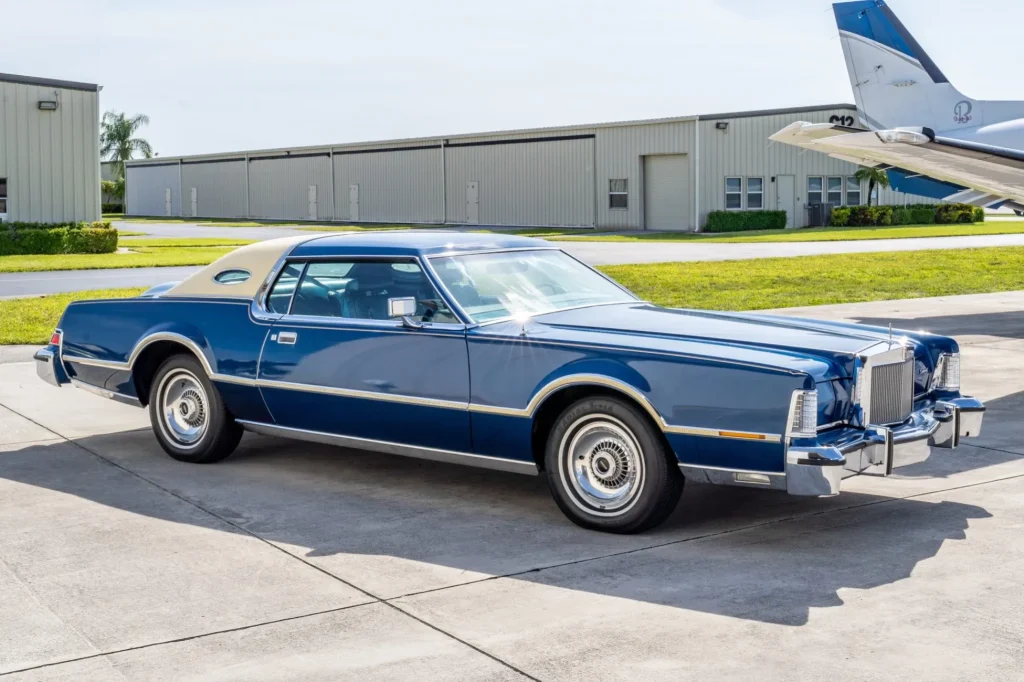
Combined with a soft suspension and exceptionally comfortable seats, the Mark IV delivered the relaxed driving experience expected from a flagship Lincoln.
The Mark IV also demonstrated how manufacturers responded to evolving federal safety regulations. Large energy-absorbing bumpers contributed to its substantial full length while maintaining the elegant proportions that buyers expected from a luxury coupe.
Although later generations became smaller and more aerodynamic, the 1976 Continental Mark IV remains one of the defining personal luxury cars of the decade and one of the longest coupes ever offered to American consumers.
Specifications
- Engine: 7.5-liter (460-cu-in) OHV V8
- Torque: 355 lb-ft
- Horsepower: 202 hp (SAE net)
- Length/Width: 228.1 inches / 79.8 inches
7. 1975 Buick Electra 225
The Buick Electra 225 earned its famous “Deuce and a Quarter” nickname because earlier versions measured approximately 225 inches long, but by the mid-1970s the car had grown even larger.
The 1975 Electra 225 sedan stretched to approximately 233.4 inches, placing it among the longest production automobiles ever sold in the United States. Buick positioned it between mainstream full-size cars and Cadillac’s flagship luxury models, giving buyers premium comfort without entering Cadillac price territory.
Unlike some competitors that emphasized flashy styling, the Electra relied on understated elegance. A wide chrome grille, long flowing body lines, broad rear fenders, and generous glass area created an upscale appearance while maintaining excellent outward visibility.
Inside, passengers enjoyed deeply cushioned seats, thick carpeting, woodgrain trim, and abundant legroom in both rows.
Power came from Buick’s dependable 455-cubic-inch V8, an engine that produced strong low-end torque suited for relaxed highway travel. Although emissions regulations reduced horsepower compared with earlier years, the Electra still delivered smooth acceleration and quiet cruising, exactly what luxury buyers expected during the era.
Ride comfort was another defining characteristic. Buick engineers tuned the suspension to absorb rough pavement with minimal disturbance inside the cabin.
Combined with a long wheelbase, the Electra provided impressive stability on interstate highways, making it a favorite among families and business travelers who regularly covered long distances.
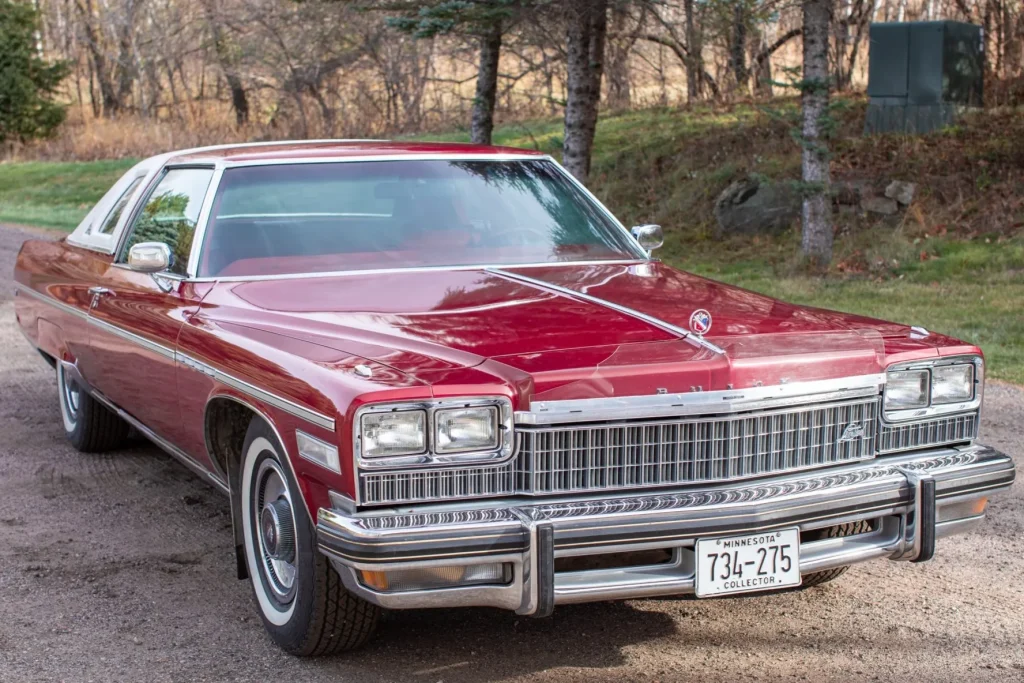
The 1975 model represented the final chapter of Buick’s largest body style before General Motors introduced downsized full-size cars for 1977. Because of that, it remains one of the biggest Buicks ever built and an important piece of American luxury car history.
Specifications
- Engine: 7.5-liter (455-cu-in) OHV V8
- Torque: 330 lb-ft
- Horsepower: 205 hp (SAE net)
- Length/Width: 233.4 inches / 79.9 inches
8. 1975 Oldsmobile Ninety-Eight Regency
Oldsmobile built its reputation on combining luxury with engineering sophistication, and the 1975 Ninety-Eight Regency represented the brand’s largest and most prestigious sedan. Measuring approximately 232.4 inches in length, it comfortably ranked among the longest passenger cars available to American buyers during the decade.
The Ninety-Eight Regency stood apart through refined styling rather than excessive ornamentation. A formal roofline, broad chrome grille, hidden windshield wipers, and tasteful brightwork gave the sedan an upscale appearance that appealed to professionals and long-time Oldsmobile owners.
The spacious cabin featured plush upholstery, generous shoulder room, automatic climate control, power accessories, and exceptionally comfortable seating designed for extended highway travel.
Under the hood was Oldsmobile’s respected 455-cubic-inch Rocket V8. Even after emissions regulations reduced horsepower, the engine remained well known for its smooth operation and impressive torque.
Paired with a durable automatic transmission, it moved the large sedan effortlessly while maintaining the quiet ride expected in a premium American luxury car.
Oldsmobile engineers also placed considerable emphasis on isolation from road noise and vibration. Careful suspension tuning, extensive sound insulation, and the vehicle’s long wheelbase produced a composed driving experience that earned praise from buyers seeking comfort above outright performance.
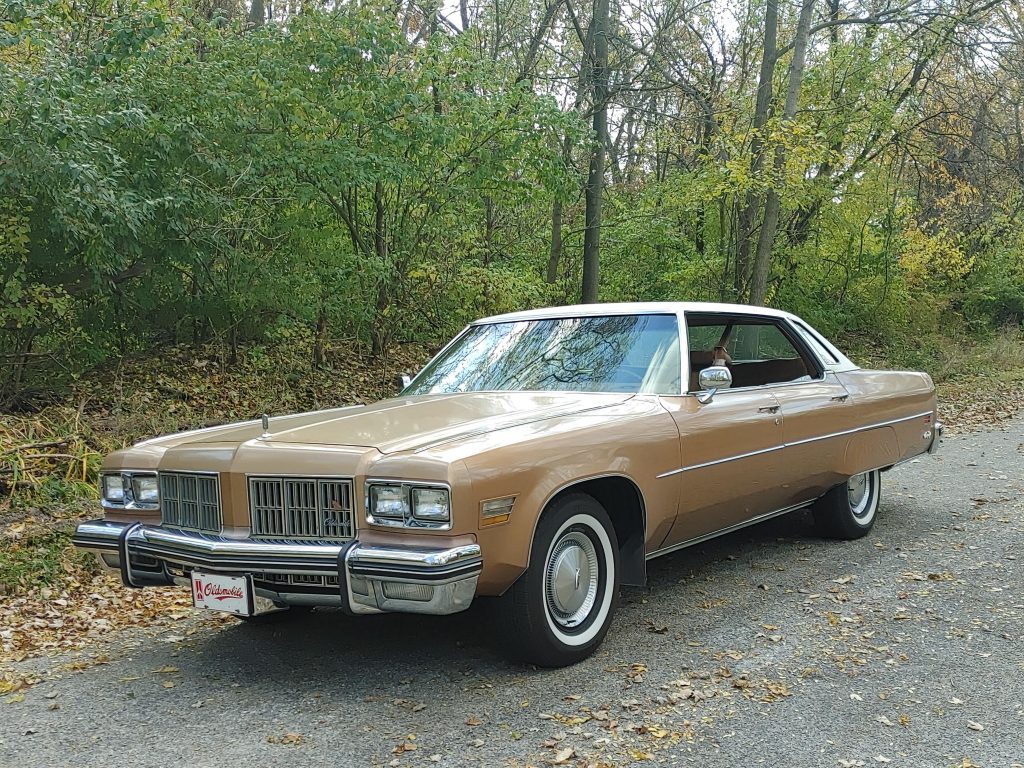
The Ninety-Eight Regency became one of the last truly massive Oldsmobiles before downsizing transformed General Motors’ full-size lineup. Today it stands as one of the company’s most memorable luxury sedans and one of the longest production cars ever marketed in America.
Specifications
- Engine: 7.5-liter (455-cu-in) Rocket V8
- Torque: 350 lb-ft
- Horsepower: 190 hp (SAE net)
- Length/Width: 232.4 inches / 79.8 inches
9. 1975 Mercury Marquis Brougham
While Lincoln often received most of the attention within Ford Motor Company, the Mercury Marquis Brougham quietly established itself as one of the largest and most comfortable full-size sedans available in America.
The 1975 model measured approximately 229.8 inches in full length, placing it among the longest production passenger cars of the decade. Sharing much of its engineering with Ford’s full-size platform, the Marquis added premium appointments that appealed to buyers seeking near-luxury accommodations without moving into Lincoln pricing.
The exterior reflected the styling trends of the mid-1970s. A long hood, upright grille, full-width taillights, substantial chrome trim, and large energy-absorbing bumpers gave the Marquis an unmistakable road presence.
The generous dimensions also translated into an exceptionally spacious cabin. Wide bench seats allowed six adults to travel comfortably, while the oversized trunk easily handled luggage for extended family vacations.
Power came from Ford’s dependable 460-cubic-inch V8, an engine valued for its abundant torque rather than outright speed. Even with lower horsepower figures brought on by emissions regulations, the Marquis accelerated smoothly and cruised effortlessly at interstate speeds.
The soft suspension, power steering, and automatic transmission emphasized relaxed driving instead of sporty handling.
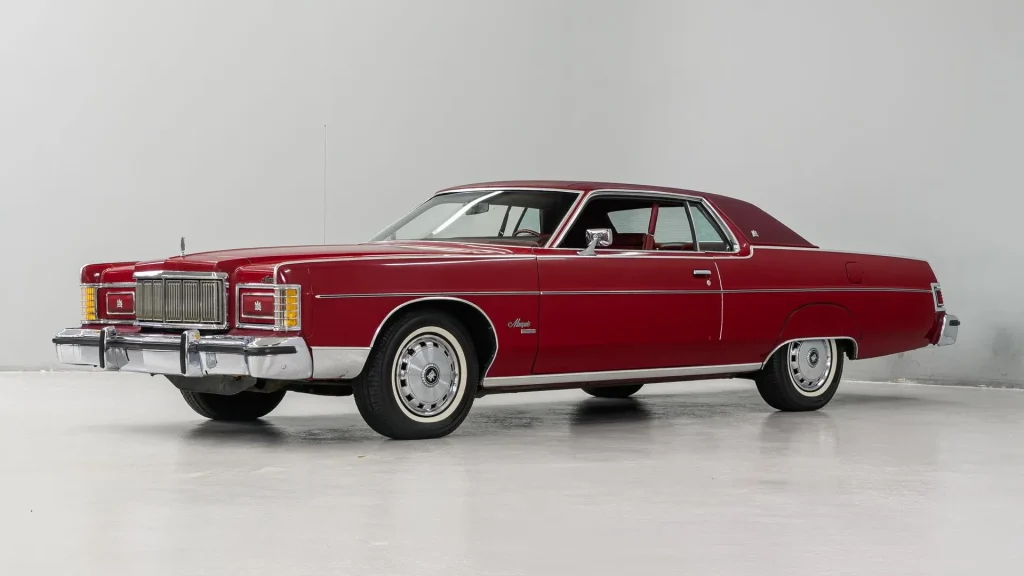
Mercury marketed the Marquis Brougham as a car for buyers who appreciated refinement and roominess. Features such as automatic climate control, power windows, premium upholstery, and thick sound insulation helped separate it from more mainstream sedans.
The Marquis represented one of the final generations of truly oversized Mercury automobiles before downsizing reshaped Ford’s full-size lineup. Today, well-preserved examples remind enthusiasts of a period when American manufacturers believed luxury was measured in inches as much as equipment.
Specifications
- Engine: 7.5-liter (460-cu-in) OHV V8
- Torque: 355 lb-ft
- Horsepower: 202 hp (SAE net)
- Length/Width: 229.8 inches / 79.5 inches
10. 1975 Chrysler Newport
The Chrysler Newport may have been positioned below the New Yorker in Chrysler’s hierarchy, but it certainly was not smaller by modern standards.
Measuring approximately 231 inches in length, the 1975 Newport ranked among the largest passenger cars sold in the United States and represented the final years of Detroit’s full-size philosophy before widespread downsizing arrived.
Rather than focusing on extravagant luxury, the Newport combined practicality with impressive dimensions. Families appreciated the enormous passenger compartment, generous shoulder room, and one of the largest trunks available in a production sedan.
The long wheelbase contributed to excellent ride comfort, allowing the Newport to absorb rough pavement with ease during long-distance highway travel.
Depending on the trim level, buyers could choose from Chrysler’s proven big-block V8 engines, including the 400-cubic-inch and 440-cubic-inch powerplants.
The optional 440 delivered the strong low-end torque expected from a large American sedan, making effortless cruising its greatest strength. Smooth automatic transmissions and light steering further enhanced the relaxed driving experience.
The Newport also reflected the safety regulations introduced during the 1970s. Large federally mandated bumpers added several inches to the vehicle’s already substantial dimensions while helping protect against low-speed collision damage.
Combined with its broad stance and substantial body, the Newport projected an unmistakable presence on American highways.
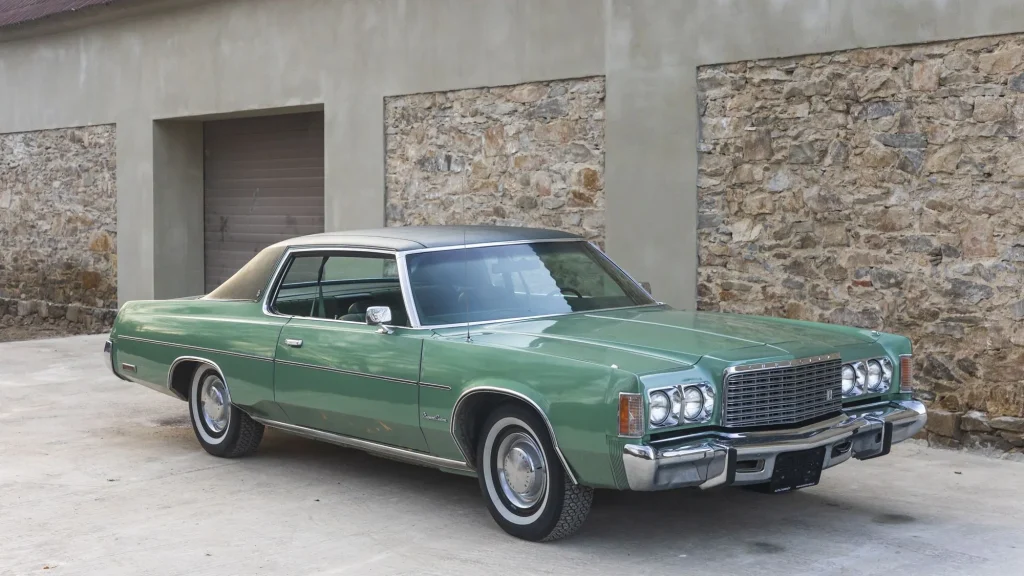
Although later Chrysler sedans became considerably smaller and more fuel-efficient, the 1975 Newport remains one of the company’s largest production cars. Its combination of generous dimensions, traditional V8 power, and family-oriented comfort secures its place among the longest automobiles ever offered to American consumers.
Specifications
- Engine: 7.2-liter (440-cu-in) OHV V8 (optional)
- Torque: 350 lb-ft
- Horsepower: 205 hp (SAE net)
- Length/Width: 231.0 inches / 79.5 inches
Also Read: 8 Car System Updates That Removed a Function Owners Paid For
