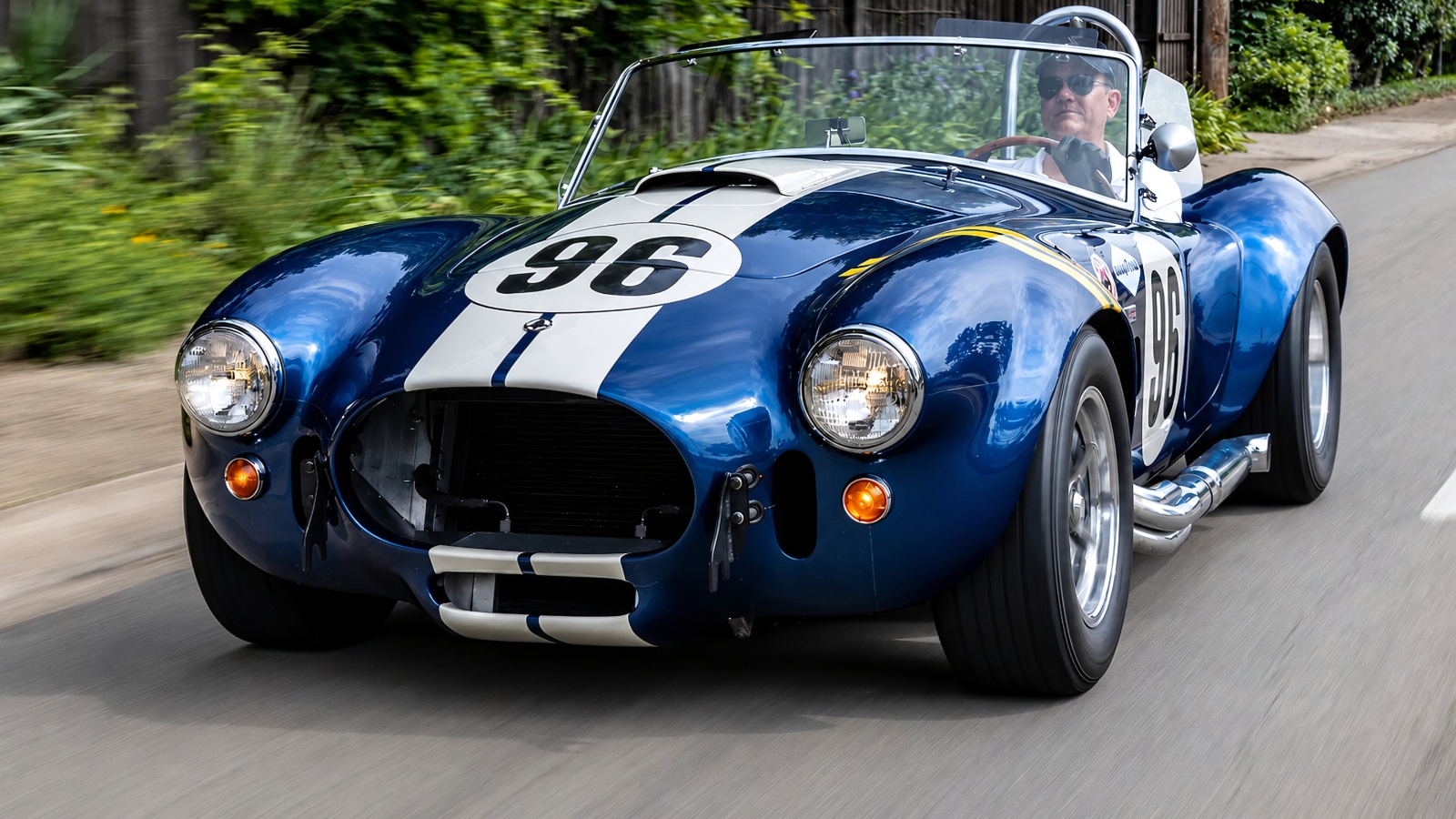
American automotive history is filled with limited-production machines, but only a small number were genuinely available to the public while being built in quantities below 500. Some were experimental-looking supercars, while others were factory muscle cars created through special-order programs or unusually expensive performance packages.
In several cases, the specific engine-and-body configuration, rather than the entire model line, is what pushed production into double or even single digits.
For consistency, this list focuses on publicly sold factory configurations with fewer than 500 documented examples rather than prototypes, race-only vehicles, or concept cars that were never offered to customers.
Production records from the muscle-car era sometimes vary slightly among historical sources, especially when individual engines and body styles are counted separately. Factory horsepower figures from the 1960s and early 1970s are also SAE gross ratings, so they should not be compared directly with the SAE-net ratings used on modern cars.
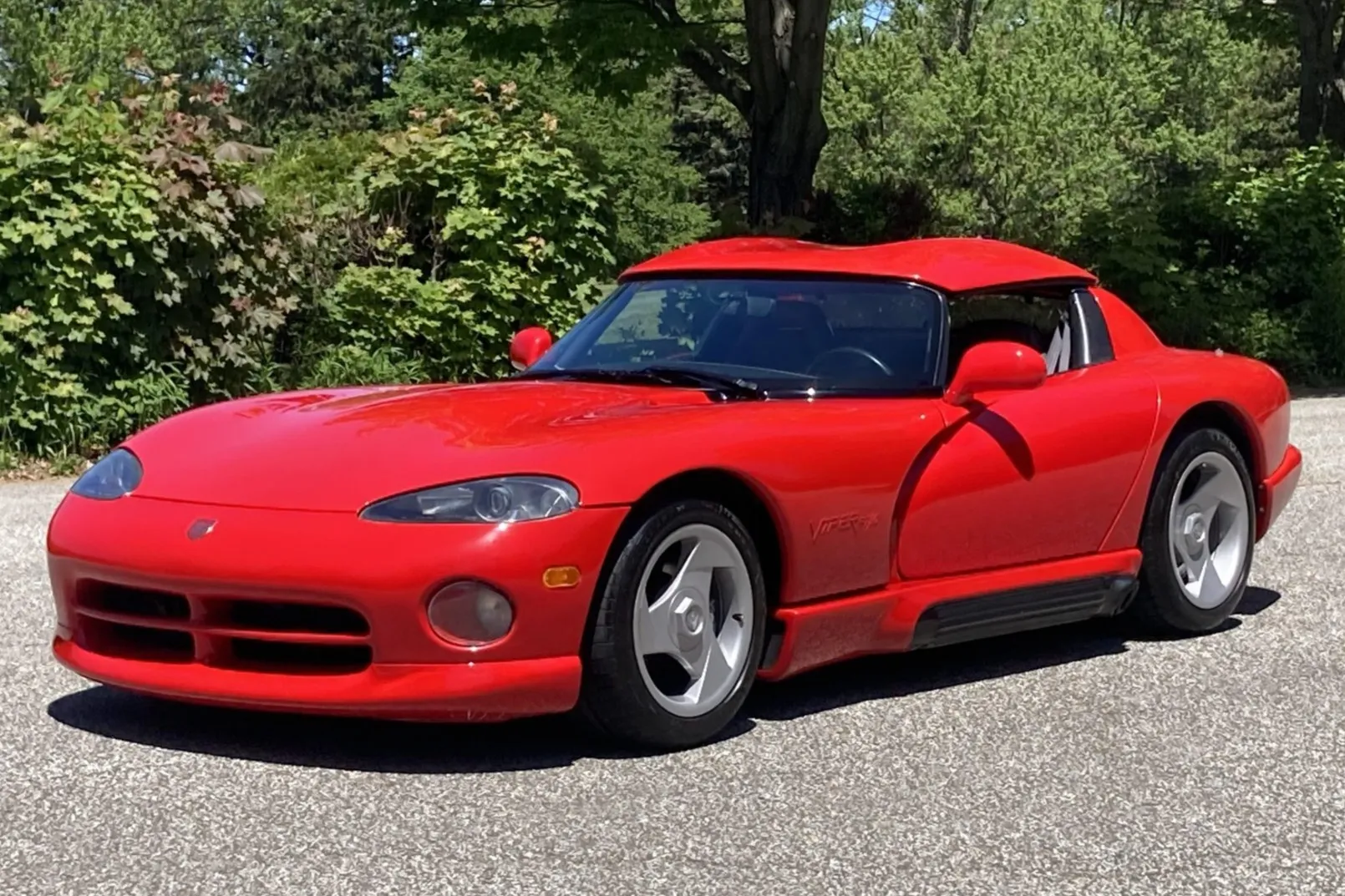
10. 1992 Dodge Viper RT/10 – 285 Built
Few American performance cars arrived with as much drama as the original Dodge Viper RT/10. Chrysler created the Viper as a modern interpretation of the brutally simple American roadster, combining an enormous engine, rear-wheel drive, a manual transmission, and very little electronic assistance.
Production began for the 1992 model year, but Dodge assembled only 285 examples, making the introductory-year Viper considerably rarer than the later versions that followed.
Its centerpiece was an enormous 8.0-liter naturally aspirated V10. Lamborghini, which was owned by Chrysler at the time, assisted with the development of the aluminum version of the engine. Factory output stood at 400 horsepower and approximately 450 lb-ft of torque, figures that were exceptional for a production road car in the early 1990s.
The earliest Vipers were deliberately basic. They had no exterior door handles, no conventional roll-up side windows, minimal weather protection, and very few luxury features. The car was essentially built around its engine, chassis, manual transmission, and massive tires. That lack of refinement became part of its appeal.
Later Vipers became more powerful, more sophisticated, and much more numerous. The 1992 model, however, represents the closest the production Viper came to Chrysler’s original concept-car vision. With only 285 produced, it remains one of the rarest first-year American performance cars of the modern era.
- Engine: 8.0-liter naturally aspirated OHV V10
- Torque: Approximately 450 lb-ft
- Horsepower: 400 hp
- Length: Approximately 175.1 inches
- Width: Approximately 75.7 inches
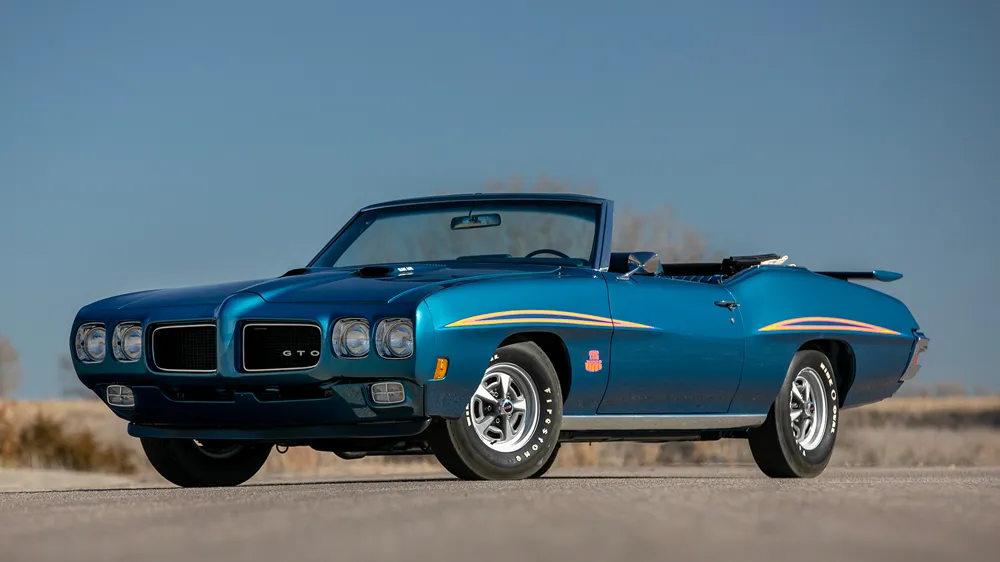
9. 1970 Pontiac GTO Judge Convertible – 168 Built
The Pontiac GTO was one of the cars responsible for defining the American muscle-car formula, but the Judge version pushed that identity even further. Introduced as a more aggressive and visually distinctive GTO, the Judge included bold graphics, a rear spoiler, upgraded performance equipment, and some of Pontiac’s strongest available engines. The convertible was exceptionally rare, with only 168 GTO Judge convertibles produced for the 1970 model year.
Most of those cars were equipped with Pontiac’s 400-cubic-inch Ram Air III V8. Factory output was rated at 366 gross horsepower and approximately 445 lb-ft of torque. A much smaller number received the higher-performance Ram Air IV engine, making those versions even rarer.
The Judge was more than an appearance package. Pontiac combined its visual upgrades with functional performance equipment, including Ram Air induction and suspension improvements. The convertible version added open-air appeal to a package already positioned near the top of Pontiac’s muscle-car hierarchy.
By 1970, however, high insurance rates and shifting consumer tastes were beginning to reduce demand for expensive high-performance models. Buyers overwhelmingly chose more ordinary GTO configurations instead.
That helps explain why the convertible Judge is now so scarce. Standard GTOs are comparatively easy to find, but an authentic 1970 Judge convertible belongs to a much smaller group. With only 168 produced, it represents one of the rarest combinations of body style, performance package, and factory muscle-car equipment ever sold by Pontiac.
- Engine: 6.6-liter/400-cu-in Ram Air III V8
- Torque: 445 lb-ft
- Horsepower: 366 hp
- Length: Approximately 202.9 inches
- Width: Approximately 74.4 inches
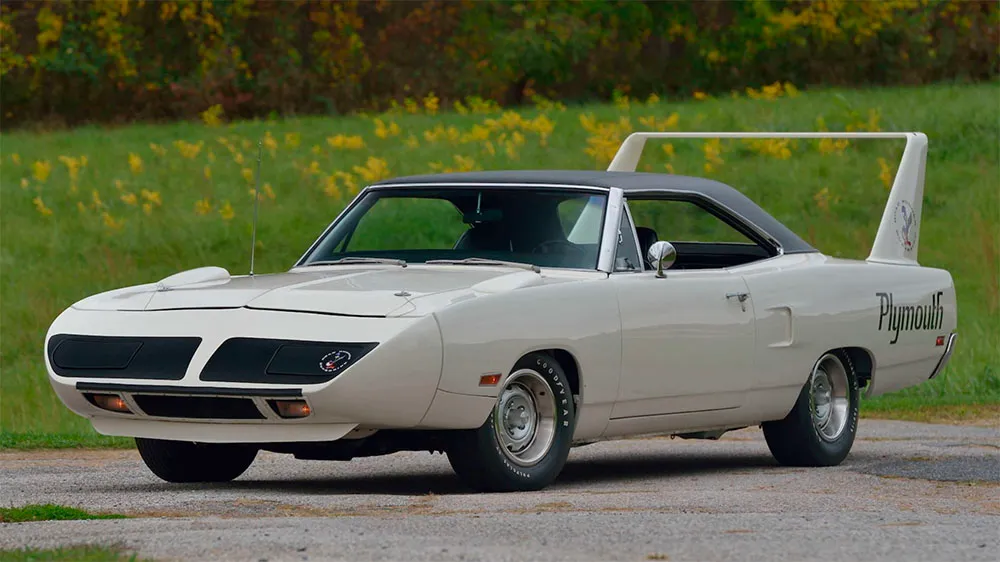
8. 1970 Plymouth Superbird 426 Hemi – Approximately 135 Built
The Plymouth Superbird is one of the most recognizable American cars ever created, thanks to its enormous rear wing and elongated aerodynamic nose. Although total Superbird production was well above 500 units, only approximately 135 examples were equipped with Chrysler’s legendary 426 Street Hemi. That makes the Hemi-powered configuration one of the rarest publicly sold muscle cars of the era.
The Superbird was created largely to satisfy NASCAR homologation requirements. Plymouth wanted an aerodynamically competitive version of its Road Runner for high-speed superspeedway racing, so engineers added a long nose cone, modified rear window treatment, and towering rear spoiler. The resulting street car looked unlike anything else available in a showroom.
Customers could choose several engines, but the 426 Hemi was the ultimate option. Its dual-four-barrel induction system and hemispherical combustion chambers helped it produce a factory-rated 425 gross horsepower and 490 lb-ft of torque.
The Hemi was expensive, however, and only a tiny percentage of Superbird buyers selected it. Many customers instead chose the more affordable 440-cubic-inch engines.
What was once considered excessive has become one of the Superbird’s biggest attractions among collectors. When these cars were new, some dealers struggled to sell them because of their dramatic styling and enormous rear wing. Decades later, those same features have helped make the Superbird highly desirable.
The Hemi-powered version is especially significant, pairing NASCAR-inspired aerodynamic design with one of Chrysler’s most celebrated engines. With approximately 135 examples produced, the Hemi Superbird ranks among the rarest factory high-performance configurations in American automotive history.
- Engine: 7.0-liter/426-cu-in Hemi V8
- Torque: 490 lb-ft
- Horsepower: 425 hp
- Length: Approximately 221 inches
- Width: Approximately 76.4 inches
7. 1969 Dodge Charger Daytona 426 Hemi – Approximately 70 Built
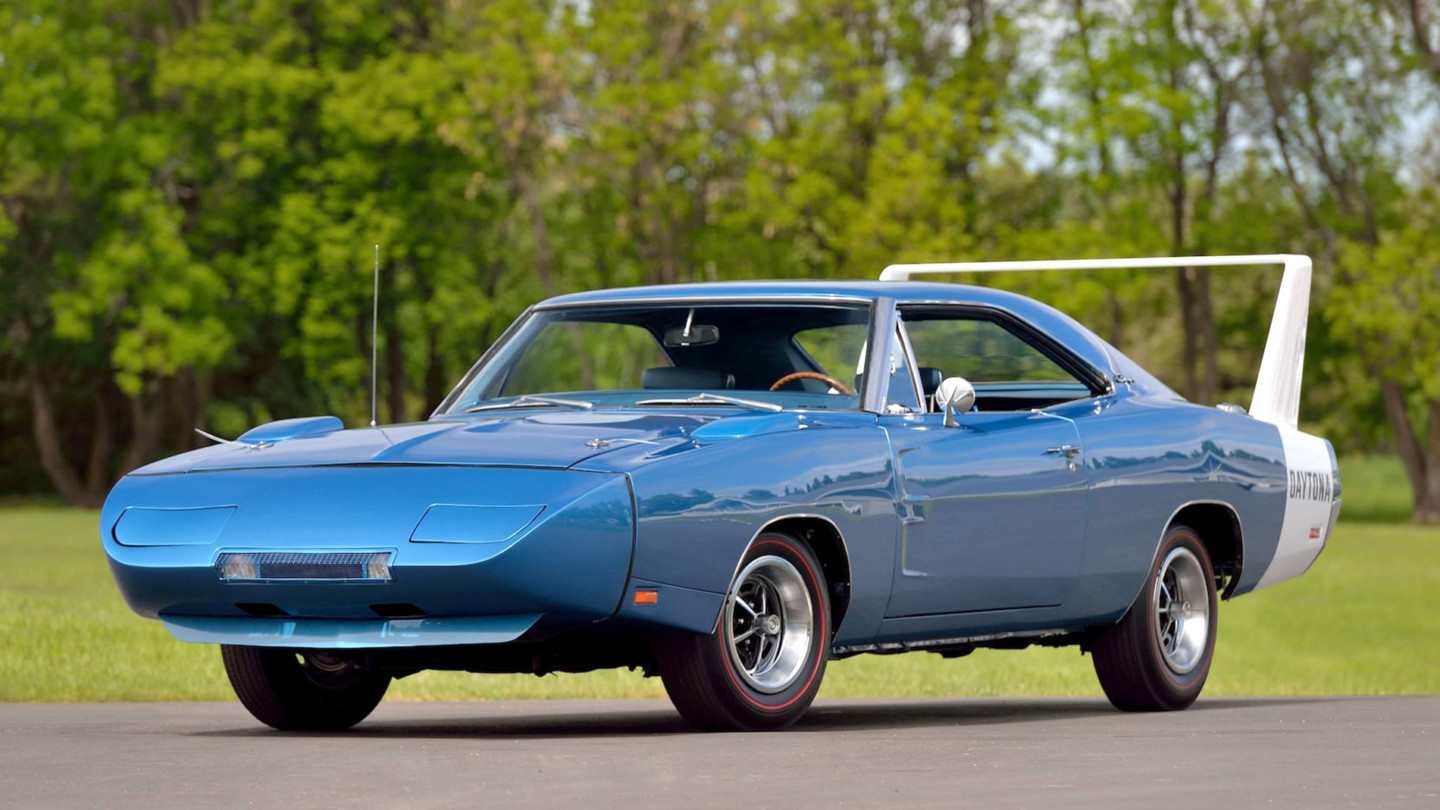
The Dodge Charger Daytona was created during one of the wildest periods in American motorsport development. NASCAR teams were reaching increasingly high speeds, and Dodge needed a more aerodynamic version of the Charger to remain competitive. The solution was the Daytona, distinguished by its sharply pointed nose cone and towering rear wing.
Daytona production totaled just over 500 cars, with only about 70 equipped with Chrysler’s 426 Hemi V8. That makes the Hemi-powered version considerably rarer than the already uncommon standard Daytona.
The engine produced a factory-rated 425 gross horsepower and 490 lb-ft of torque. Buyers could pair the Hemi with either a heavy-duty automatic transmission or a four-speed manual. The drivetrain was already legendary, but the Daytona’s aerodynamic bodywork made the package even more significant.
Its nose cone reduced drag, while the rear wing improved stability at the extreme speeds achieved on NASCAR’s largest tracks. This was functional motorsport engineering rather than decorative styling.
The aerodynamic additions also made the Daytona extraordinarily long, stretching the car to approximately 226.5 inches. That gave it one of the most dramatic proportions of any factory-built American performance car.
Few Mopar muscle cars have become as coveted as genuine Hemi Daytonas. Their appeal stems from a combination of racing heritage, dramatic styling, Chrysler’s legendary Hemi V8, and extremely limited production.
With only around 70 examples built, the Hemi Daytona stands as a remarkably rare example of a factory car that connected the excitement of NASCAR competition with the performance available to buyers at Chrysler dealerships.
- Engine: 7.0-liter/426-cu-in Hemi V8
- Torque: 490 lb-ft
- Horsepower: 425 hp
- Length: Approximately 226.5 inches
- Width: Approximately 76.7 inches
Also read: 10 Cars Holding Location History No Owner Can Erase
6. 1969 Chevrolet Camaro ZL1 – 69 Built
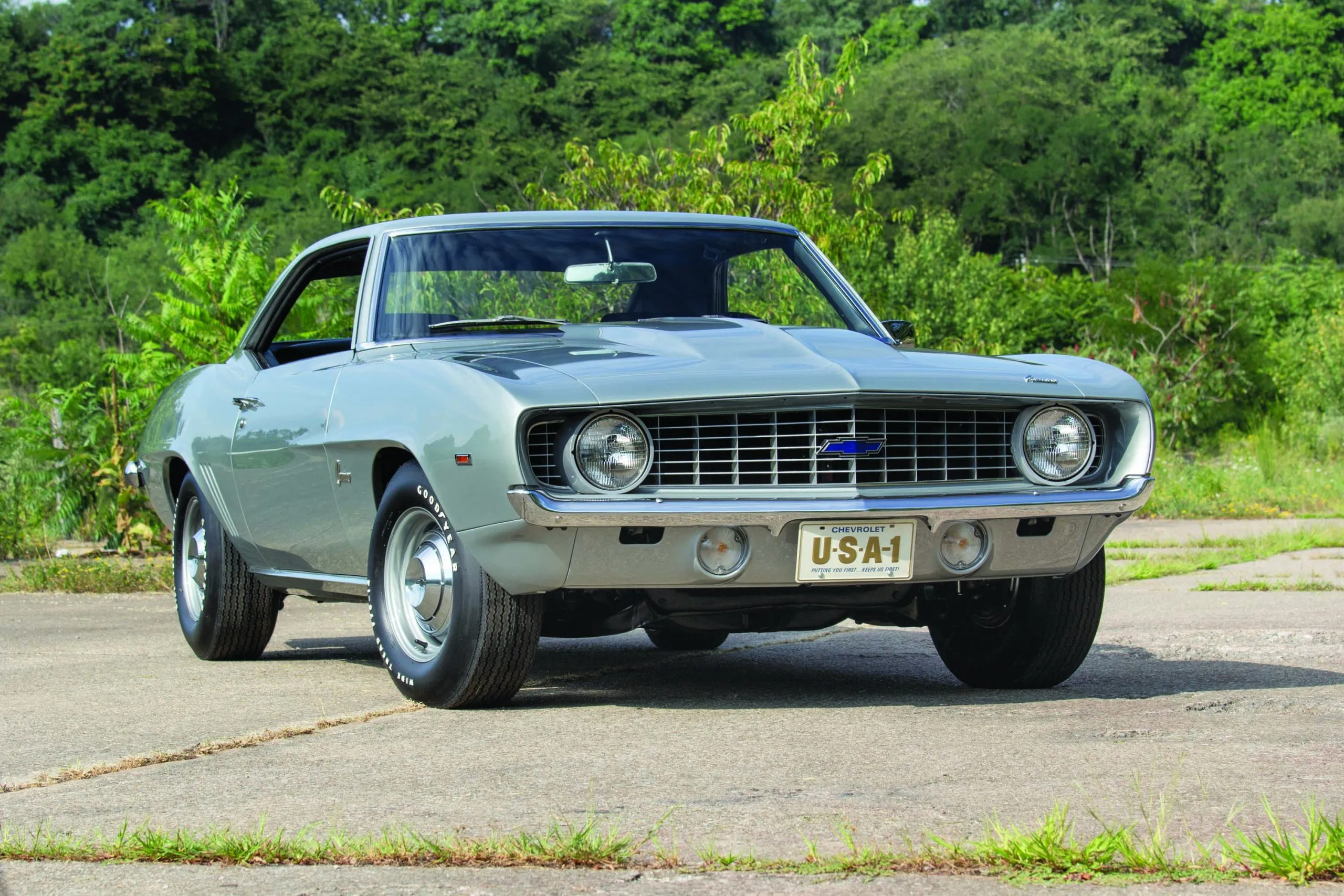
The 1969 Chevrolet Camaro ZL1 is one of the most famous products of Chevrolet’s Central Office Production Order system. The COPO program allowed dealers to order combinations that were not normally available through the standard Camaro option list. Dealer Fred Gibb helped initiate the ZL1 Camaro program, resulting in exactly 69 cars being produced.
The centerpiece was Chevrolet’s extraordinary all-aluminum 427-cubic-inch ZL1 V8. Related to the competition-focused L88 engine, the ZL1 used an aluminum block and aluminum cylinder heads to reduce weight. Chevrolet rated it at 430 gross horsepower and approximately 450 lb-ft of torque, although the engine was widely capable of significantly more output when properly tuned.
The biggest obstacle was price. The ZL1 engine package added an enormous amount to the cost of a Camaro, causing the finished car to approach or exceed the price of much more prestigious vehicles. Several dealers reportedly found the cars difficult to sell when customers saw the final sticker price.
The ZL1 did not look particularly intimidating at first glance. Its relatively restrained Camaro styling concealed the serious performance underneath, giving the car an almost ordinary appearance. That sleeper-like character proved useful on the track, where its formidable capabilities were easy to overlook until it was pushed into competition.
That perception has changed dramatically among collectors. Today, the ZL1 is recognized as one of Chevrolet’s most ambitious factory performance projects. It paired a lightweight, racing-derived big-block engine with the compact first-generation Camaro platform, creating a combination that was far more serious than its understated appearance suggested.
With only 69 built, the 1969 Camaro ZL1 remains one of the rarest and most important factory muscle cars Chevrolet ever sold to the public.
- Engine: 7.0-liter/427-cu-in all-aluminum ZL1 V8
- Torque: Approximately 450 lb-ft
- Horsepower: 430 hp
- Length: Approximately 186 inches
- Width: Approximately 74 inches
5. 1948 Tucker 48 – 50 Production Cars
The Tucker 48 is different from nearly every other car on this list because its rarity was not intentionally created as part of a limited-edition performance program. Instead, the car became rare because the entire Tucker automobile company collapsed before full-scale production could begin.
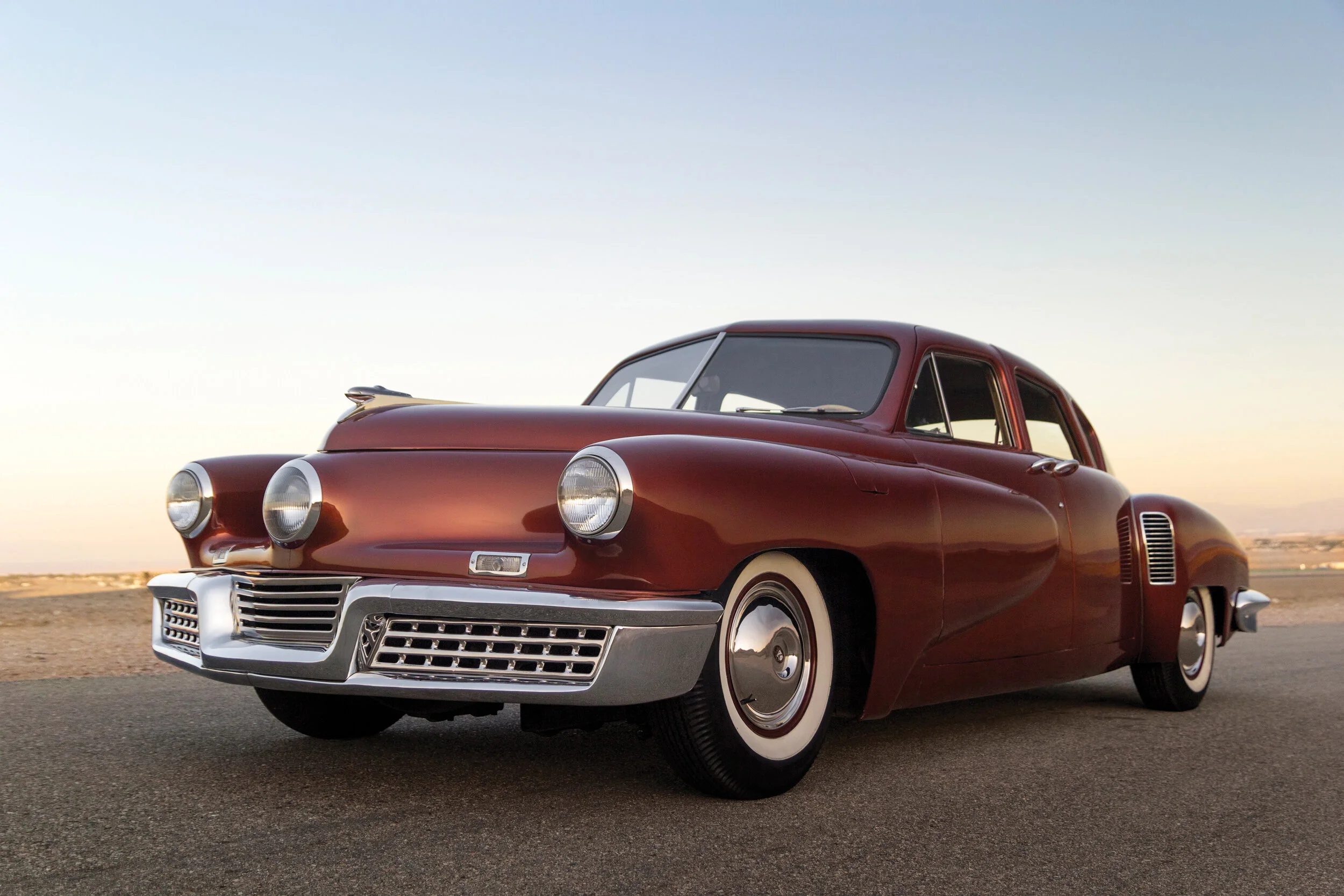
Preston Tucker intended to challenge America’s established automakers with a technologically innovative postwar sedan. His car featured several unconventional ideas, including a rear-mounted engine, independent suspension, distinctive safety features, and the famous center headlamp that turned with the steering.
The Tucker used a converted air-cooled aircraft-derived engine that was redesigned for liquid cooling. The horizontally opposed six-cylinder engine displaced approximately 335 cubic inches and produced around 166 horsepower along with an impressive 372 lb-ft of torque.
For a 1948 American sedan, the layout was highly unusual. Mounting the engine at the rear gave the Tucker a mechanical configuration completely different from mainstream Ford, Chevrolet, Chrysler, and General Motors products.
The car was also enormous, measuring approximately 219 inches long and 79 inches wide. Despite its size, its aerodynamic body and unusual engineering made it look considerably more futuristic than most contemporary automobiles.
Only 50 production cars were completed, while the original prototype brings the commonly discussed total to 51 Tucker automobiles.
Because the company disappeared almost immediately, each surviving Tucker represents more than just a rare automobile. It is a physical reminder of one of the most ambitious attempts by an independent American manufacturer to challenge Detroit’s established automotive giants.
- Engine: 5.5-liter/335-cu-in horizontally opposed six-cylinder
- Torque: Approximately 372 lb-ft
- Horsepower: Approximately 166 hp
- Length: Approximately 219 inches
- Width: Approximately 79 inches
4. 1967 Chevrolet Corvette L88 – 20 Built
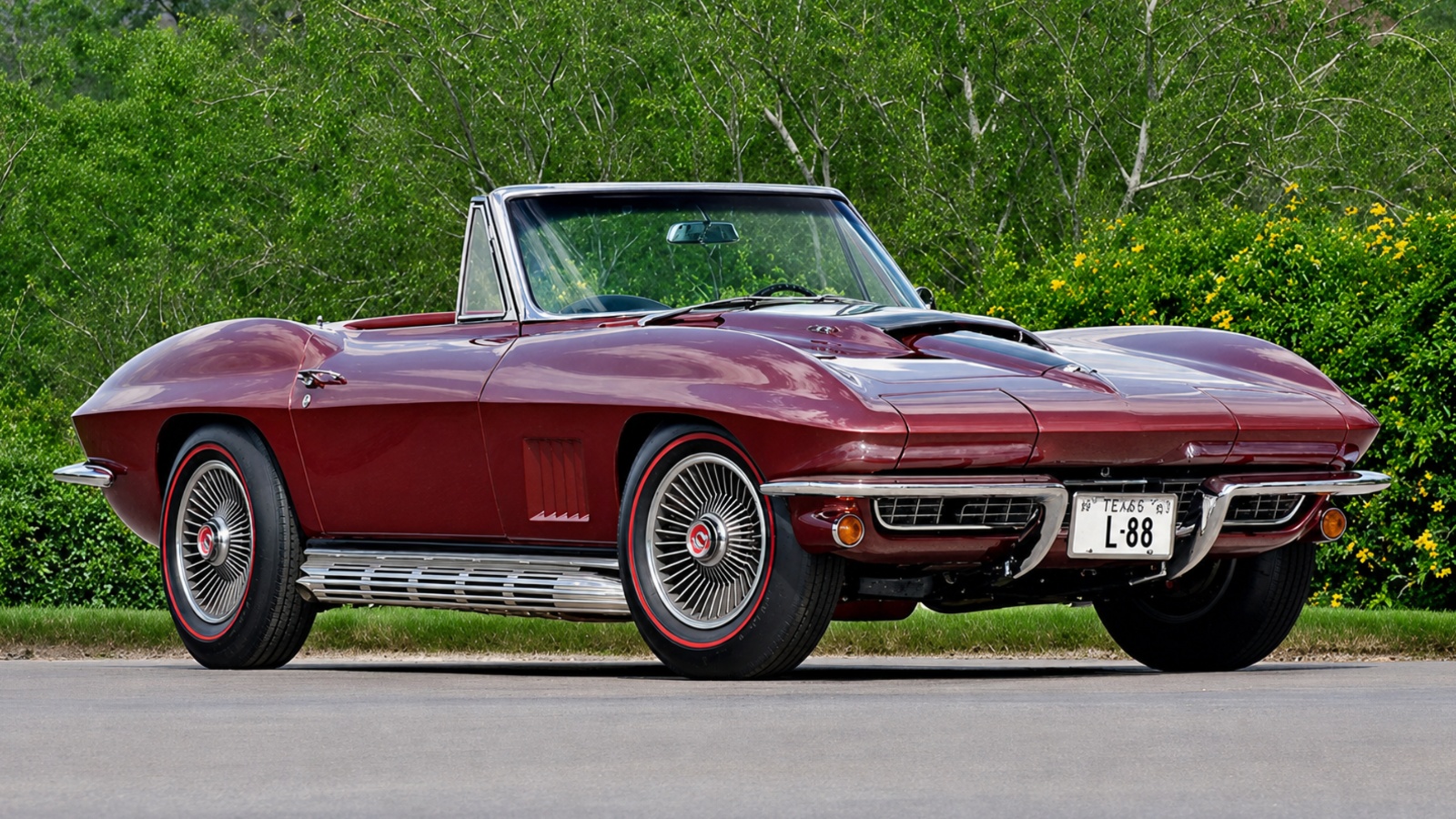
The 1967 Chevrolet Corvette L88 was essentially a factory-built racing car disguised as a street-legal Corvette. Chevrolet technically allowed ordinary customers to order it, but the company made the option expensive and inconvenient enough that very few people actually did. Only 20 L88-equipped Corvettes were produced during the 1967 model year.
The L88 package centered on Chevrolet’s 427-cubic-inch big-block V8. Official output was listed at 430 gross horsepower and approximately 460 lb-ft of torque. The factory number was conservative, however, and the engine was capable of much greater performance when properly tuned with competition exhaust and fuel.
A 12.5:1 compression ratio, mechanical camshaft, large carburetor, aluminum cylinder heads, and heavy-duty supporting components made the engine unsuitable for casual everyday driving. It required extremely high-octane fuel and delivered its best performance at high engine speeds.
Chevrolet also discouraged luxury-oriented buyers by restricting equipment. The L88 was intended primarily for customers who planned to compete in motorsports.
The 1967 version is particularly important because it combined the first year of the L88 option with the final year of the beloved C2 Corvette Sting Ray body. That combination created a car that was beautiful, compact, and extremely powerful.
With only 20 examples produced, the 1967 L88 sits among the rarest production Corvettes ever built. Its scarcity was not created by decorative trim or special paint. It resulted from Chevrolet selling genuine race-oriented engineering through normal dealerships to a very small group of committed buyers.
- Engine: 7.0-liter/427-cu-in L88 V8
- Torque: Approximately 460 lb-ft
- Horsepower: 430 hp factory rating
- Length: Approximately 175.3 inches
- Width: Approximately 69.6 inches
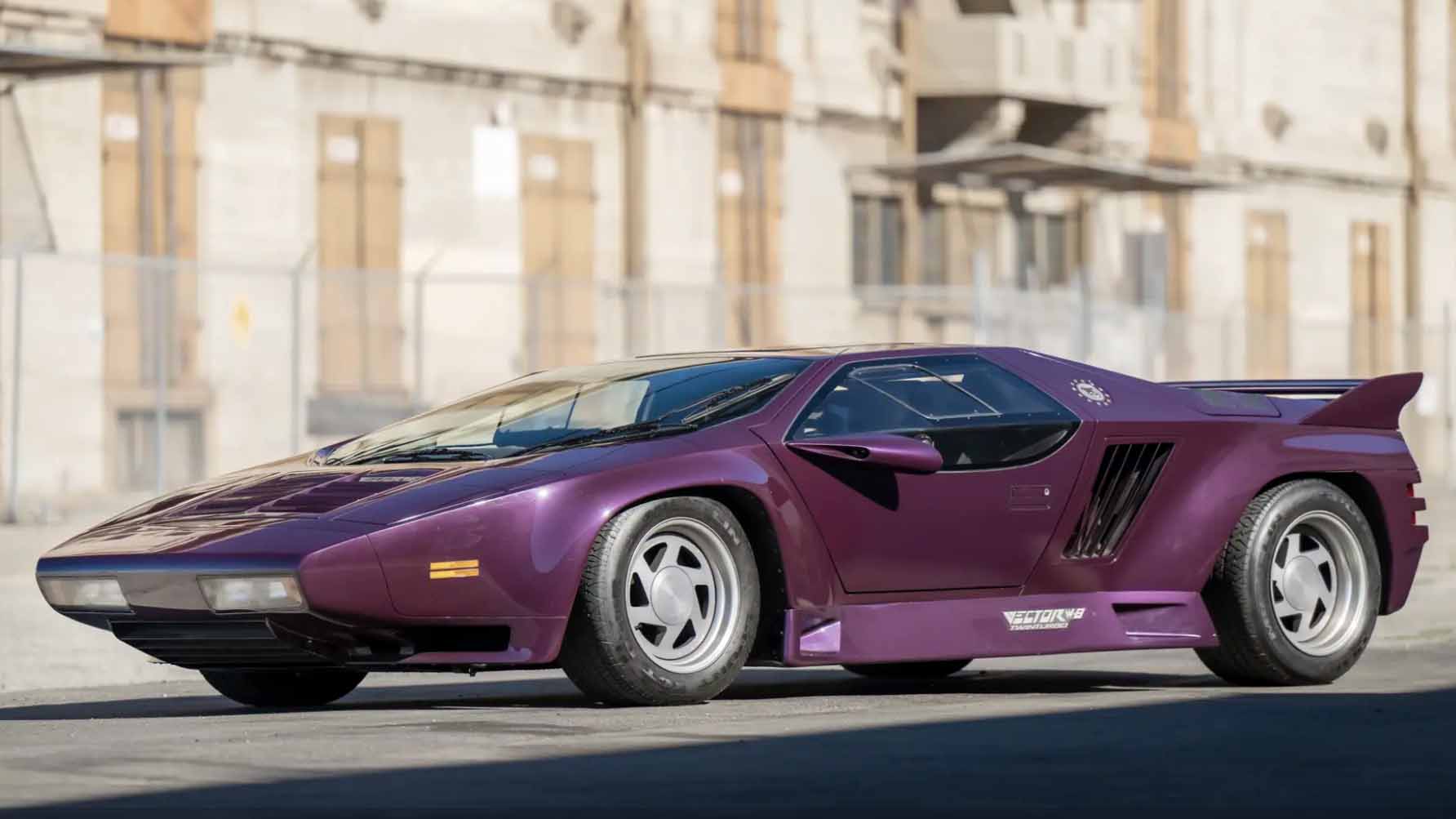
3. Vector W8 – Approximately 17 Customer Cars
The Vector W8 was one of the most ambitious American supercars ever attempted. Developed by Vector Aeromotive under founder Gerald Wiegert, the W8 was intended to prove that an American company could build an exotic machine capable of challenging Ferrari, Lamborghini, and other European supercar manufacturers.
Its design was heavily influenced by aerospace technology. The cockpit resembled aircraft instrumentation, while the chassis used aluminum honeycomb construction, extensive riveting, and bonding techniques inspired by aviation manufacturing.
Power came from a 6.0-liter twin-turbocharged V8 producing approximately 625 horsepower and 649 lb-ft of torque. Those numbers were astonishing when the W8 entered production around the beginning of the 1990s.
Rather than using the manual gearbox typically associated with high-performance supercars, Vector equipped the car with a heavily modified three-speed automatic. The transmission was based on a durable General Motors design and was chosen to handle the immense torque generated by the turbocharged V8.
Production figures vary depending on whether prototypes, development cars, and completed customer vehicles are counted together. Approximately 22 W8-related cars are commonly cited, while roughly 17 were customer-production examples.
That level of scarcity makes the W8 much rarer than most Ferrari or Lamborghini models from the same period.
The Vector never achieved the large-scale production its creator envisioned, but its extraordinary appearance, immense performance, aerospace construction, and microscopic production numbers gave it lasting historical importance. It remains perhaps the purest example of America’s attempt to create an exotic supercar entirely on its own terms.
- Engine: 6.0-liter twin-turbocharged V8
- Torque: Approximately 649 lb-ft
- Horsepower: Approximately 625 hp
- Length: Approximately 172 inches
- Width: Approximately 76 inches
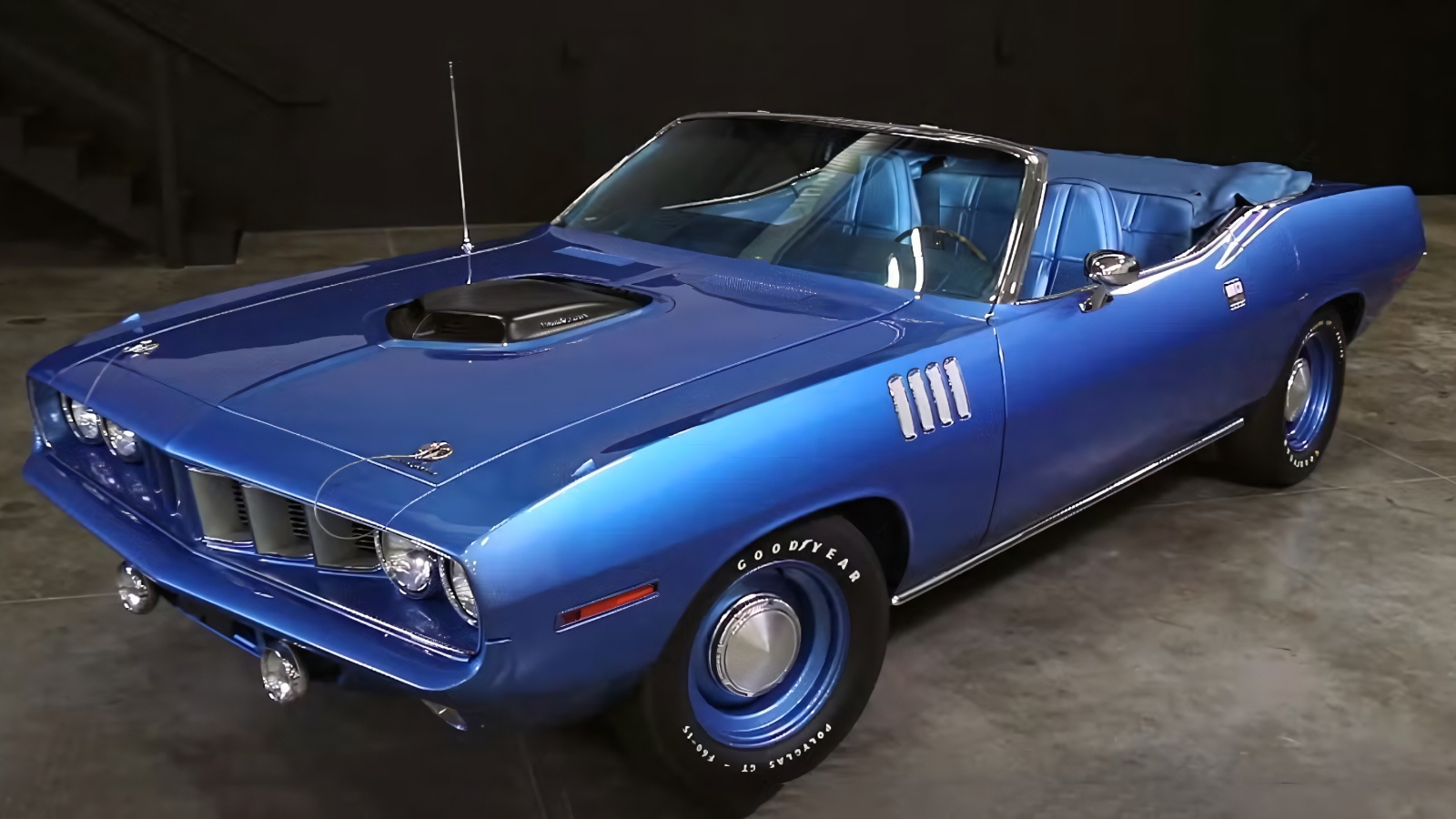
2. 1971 Plymouth Hemi ‘Cuda Convertible – 12 Built
The 1971 Plymouth Hemi ‘Cuda convertible is one of the most valuable and sought-after American muscle cars ever produced. Although Plymouth offered thousands of Barracudas and ‘Cudas, very few customers combined the convertible body style with Chrysler’s expensive 426 Hemi engine. Only 12 Hemi ‘Cuda convertibles were built for the 1971 model year.
Under the famous Shaker hood was Chrysler’s 426-cubic-inch Street Hemi V8. Factory output was rated at 425 gross horsepower and 490 lb-ft of torque. Dual four-barrel carburetors and hemispherical combustion chambers made the engine one of the defining performance powerplants of the muscle-car era.
The timing of the car’s introduction contributed to its rarity. By 1971, rising insurance costs, new emissions requirements, and changing customer preferences were rapidly reducing demand for expensive high-performance cars. The Hemi option itself was costly, and adding it to a convertible made the final vehicle especially expensive.
The 1971 model year was also the final year for the Street Hemi in Chrysler passenger cars. That historical timing makes these 12 convertibles particularly significant.
Unlike the massive Charger Daytona and Superbird, the E-body ‘Cuda was relatively compact, measuring roughly 186.7 inches long. Its aggressive grille, wide stance, optional graphics, and Shaker hood gave it one of the most recognizable designs of the period.
With production totaling just 12 cars, genuine 1971 Hemi ‘Cuda convertibles rarely change hands. Their combination of appearance, performance, final-year Hemi significance, and extraordinary rarity places them among the highest-tier American collector automobiles.
- Engine: 7.0-liter/426-cu-in Hemi V8
- Torque: 490 lb-ft
- Horsepower: 425 hp
- Length: Approximately 186.7 inches
- Width: Approximately 74.9 inches
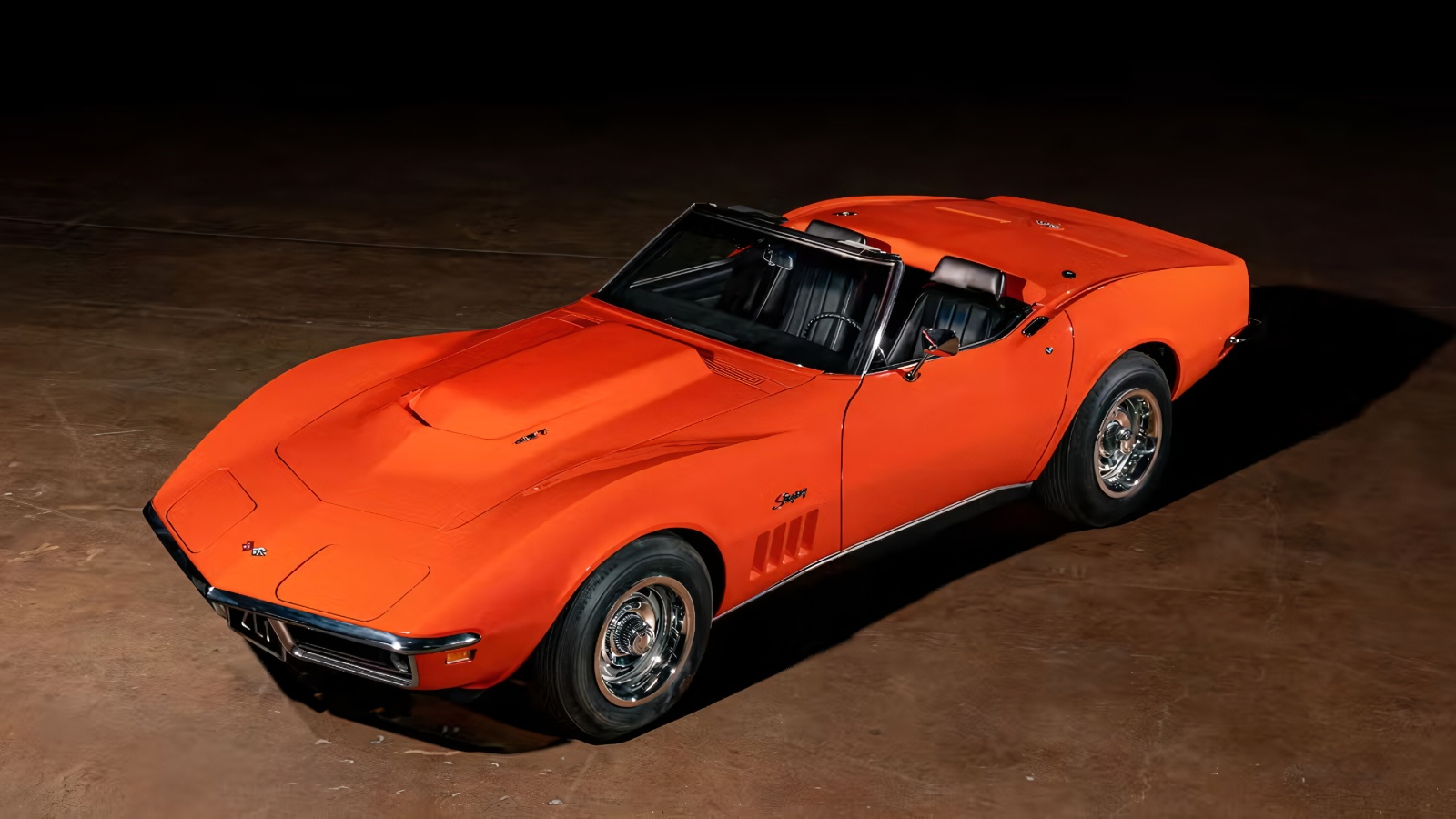
1. 1969 Chevrolet Corvette ZL1 – 2 Built
The 1969 Chevrolet Corvette ZL1 sits at the top of this list because its factory production total is almost unbelievably small. Although the ZL1 engine package was technically available to customers, its extreme cost and competition-oriented nature meant virtually nobody ordered it. Only two factory-produced ZL1 Corvettes are widely accepted as having been built.
At the heart of the car was Chevrolet’s all-aluminum 427-cubic-inch ZL1 V8. The engine was closely related to the already formidable L88 but replaced the heavy cast-iron block with an aluminum unit. That reduced weight over the front axle while preserving enormous power.
Chevrolet officially rated the engine at 430 gross horsepower and approximately 450 lb-ft of torque. As with the L88, the published horsepower figure was conservative compared with the output the engine could produce in race trim.
The ZL1 package was extraordinarily expensive. Buyers effectively had to pay for the L88 equipment and then add the costly aluminum ZL1 engine package. As a result, a ZL1 Corvette could cost dramatically more than a normal Corvette.
Its equipment was also heavily focused on competition rather than comfort. High compression, aggressive camshaft timing, heavy-duty cooling, and demanding fuel requirements made it inappropriate for most everyday drivers.
That explains why only two customers ultimately ended up with factory-built examples.
The 1969 ZL1 Corvette therefore represents one of the most extreme situations in American production-car history: a vehicle technically available to the public through Chevrolet dealerships, yet ordered in numbers so small that surviving examples can be counted individually.
- Engine: 7.0-liter/427-cu-in all-aluminum ZL1 V8
- Torque: Approximately 450 lb-ft
- Horsepower: 430 hp factory rating
- Length: Approximately 182.1 inches
- Width: Approximately 69 inches
Also read: 12 Cars That Fundamentally Changed How American Families Travel