Electric vehicles are improving at a pace that would have seemed unusual in the gasoline-car era. Instead of waiting for complete redesigns, manufacturers are increasingly installing higher-capacity batteries during mid-cycle updates, sometimes while holding the vehicle’s starting price steady or even reducing it.
Falling cell costs, improved battery chemistry, intense EV competition, and more efficient manufacturing are allowing buyers to receive substantially more usable energy without automatically paying thousands more.
The catch is that these deals are highly market-specific. A battery upgrade that arrives without a price increase in China, Australia, or another region may be priced differently elsewhere. For this list, “without a price rise” refers to the relevant market where the updated model was introduced at the same or a lower starting price than its comparable predecessor. These 10 models provide some of the clearest examples.
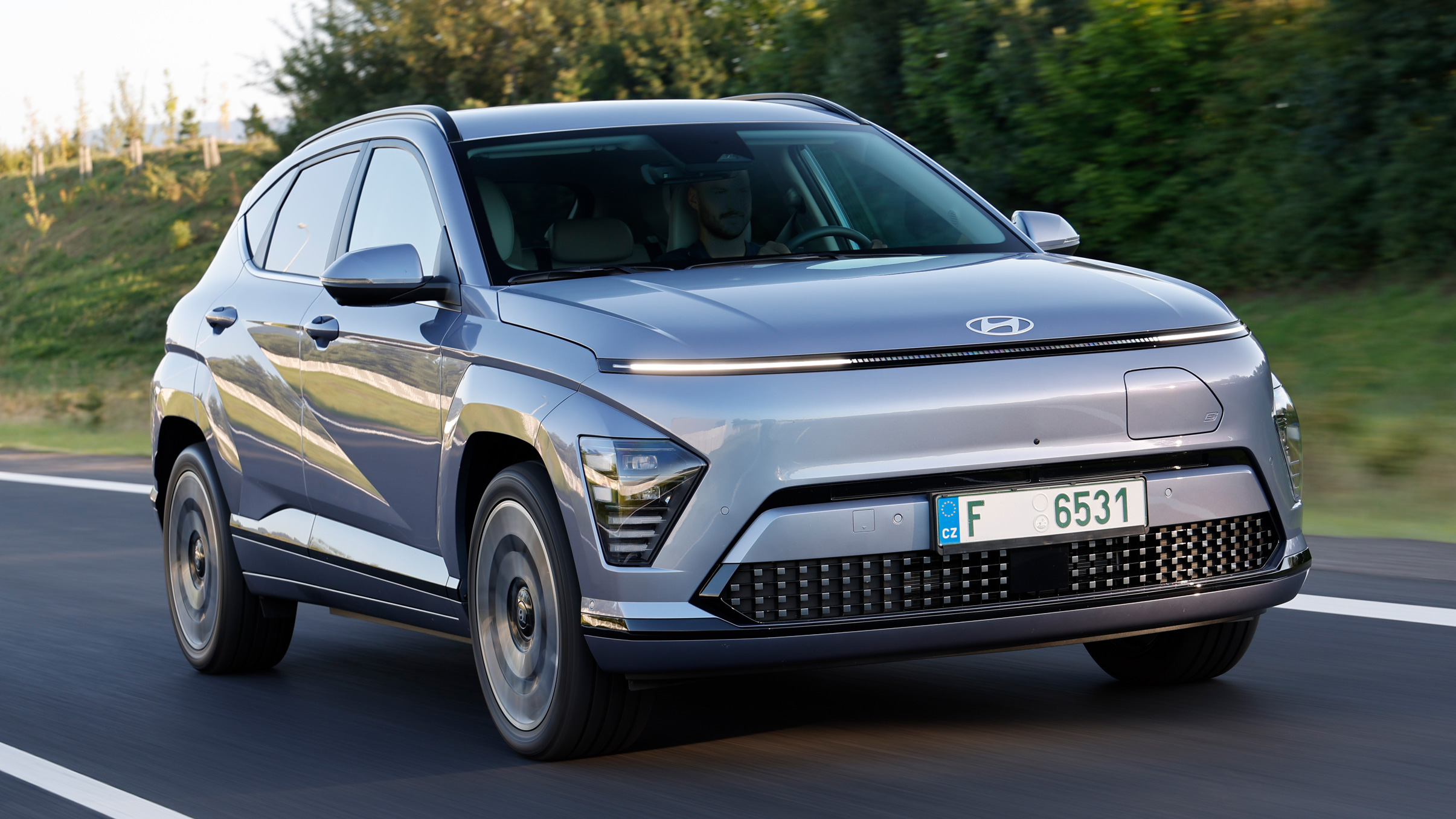
1. 2024 Hyundai Kona Electric Standard Range
The second-generation Hyundai Kona Electric demonstrates how dramatically an EV can improve while actually becoming slightly cheaper. In Australia, the redesigned 2024 Kona Electric Standard Range arrived with a 48.6-kWh lithium-ion battery, compared with only 39.2 kWh in the previous-generation Standard Range model. That represents an increase of roughly 24 percent in battery capacity.
Normally, such an increase might suggest a higher price. Hyundai went the opposite direction. The new Standard Range started at A$54,000 before on-road costs, A$500 less than its predecessor.
The claimed driving range simultaneously increased from about 305 kilometers to 370 kilometers. That combination made the battery upgrade particularly significant because buyers received more usable energy and noticeably more range without being asked to absorb a higher entry price.
The newer Kona also improved its charging and thermal-management hardware. Battery conditioning became standard, AC charging capacity increased, and Hyundai redesigned the front-mounted electric motor for smoother power delivery. Those changes show that the company was not simply placing a larger battery inside the old package.
Power actually fell slightly compared with the old Standard Range motor, but the updated vehicle concentrated more on efficiency and usability. The larger pack is therefore the main story.
- Engine type: Single front-mounted electric motor
- Torque: Approximately 188 lb-ft
- Horsepower: Approximately 133 hp
- Length: Approximately 171.5 inches
- Width: Approximately 71.9 inches
For buyers concerned primarily with range per dollar, the new Kona Electric Standard Range represented exactly the kind of EV progress consumers had been waiting for: substantially more battery capacity, more driving distance, newer technology, and a slightly lower starting price.
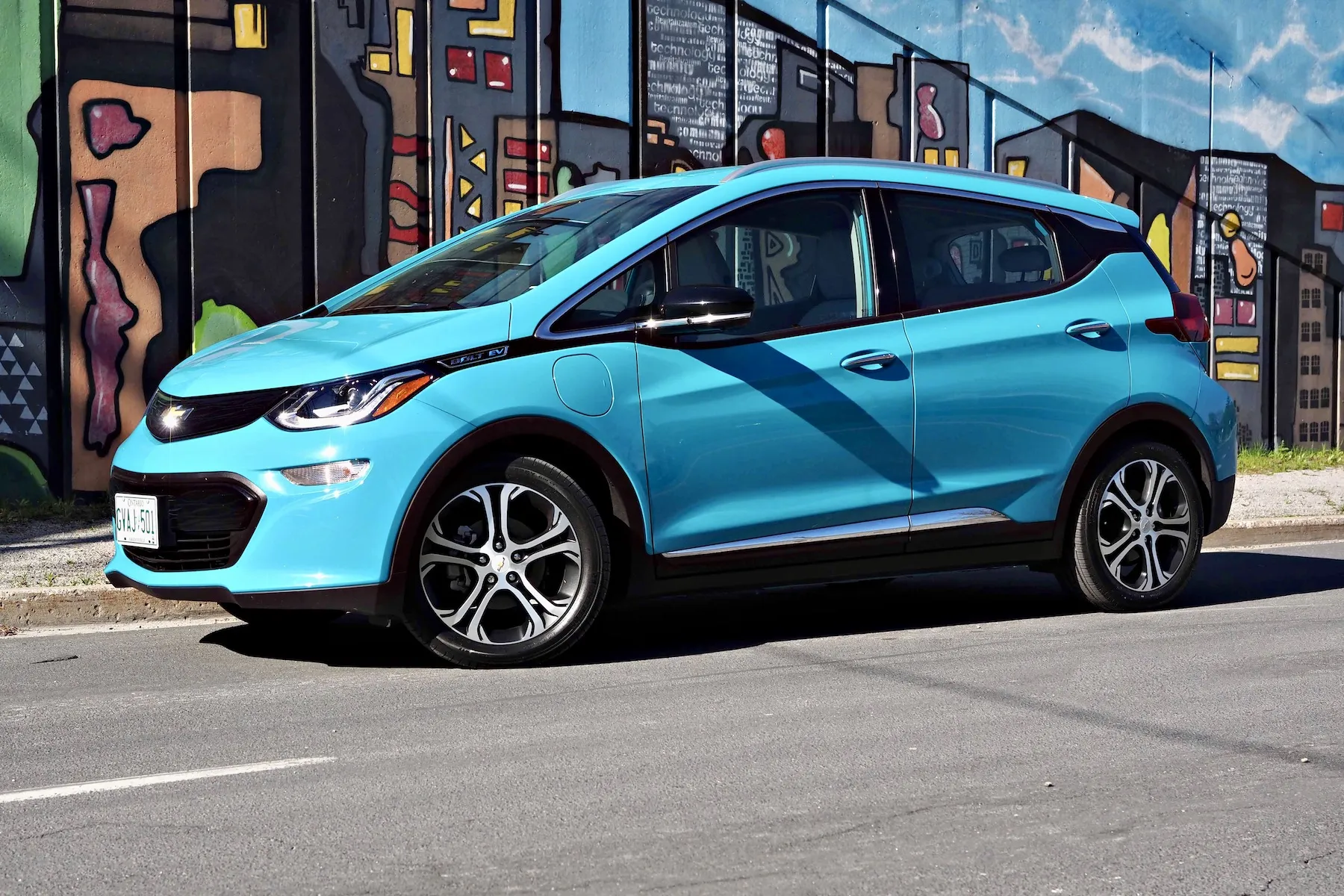
2. 2020 Chevrolet Bolt EV
The Chevrolet Bolt EV received one of the most straightforward battery upgrades in the early mass-market EV era. For 2020, Chevrolet increased the Bolt’s battery capacity from approximately 60 kWh to 66 kWh, a roughly 10 percent increase achieved largely through improvements in battery-cell chemistry rather than a dramatically larger physical battery enclosure.
The result was an EPA-rated driving range of 259 miles, up from 238 miles in 2019. That 21-mile gain arrived without a corresponding increase in the Bolt’s base MSRP. The 2019 Bolt EV LT started at about $36,620, and the 2020 model remained at roughly the same starting price before destination-related differences.
This upgrade was particularly meaningful because Chevrolet did not reduce motor performance to compensate for the bigger pack. The Bolt continued using its familiar front electric motor producing around 200 horsepower and 266 lb-ft of torque. Owners therefore received essentially the same brisk urban performance while gaining more stored energy and longer range.
The Bolt’s battery improvement also illustrated an important trend that has become much more common since then: manufacturers can increase capacity through chemistry and energy-density improvements without making the battery case proportionally larger or dramatically heavier.
- Engine type: Single permanent-magnet electric motor, front-wheel drive
- Torque: 266 lb-ft
- Horsepower: 200 hp
- Length: Approximately 164 inches
- Width: Approximately 69.5 inches
The 2020 Bolt was not a complete redesign, yet the battery improvement materially changed the ownership experience. An extra 21 miles of EPA range reduced charging anxiety and made longer journeys easier.
Most importantly for buyers, Chevrolet accomplished the improvement without turning the larger battery into a reason for a substantial price increase.
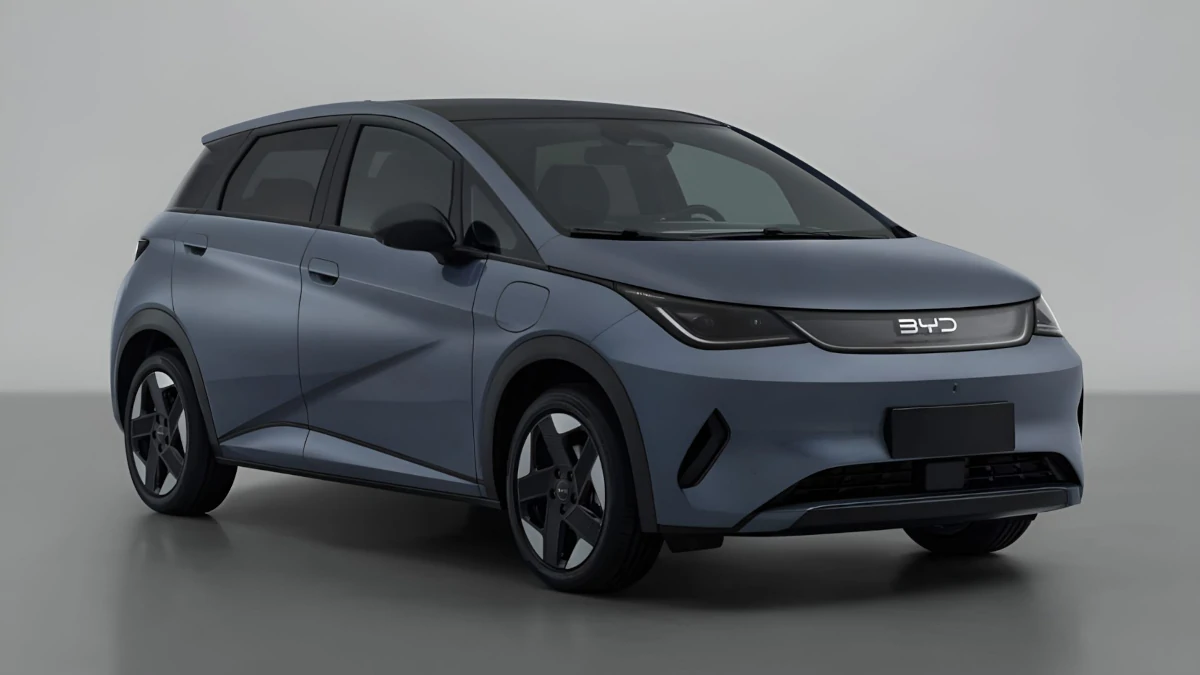
3. 2025 BYD Dolphin
BYD’s 2025 Dolphin provides one of the clearest modern examples of aggressive EV competition translating directly into better battery value. In China, BYD introduced the updated Dolphin while keeping the four trim prices aligned with the preceding Dolphin Glory Edition. The starting price remained RMB 99,800, with the remaining trims retaining corresponding price points.
Yet two versions received meaningful battery improvements.
The entry-level Dolphin moved from a 32.256-kWh Blade battery to a 44.928-kWh pack, an increase of nearly 40 percent. Its CLTC-rated range consequently rose from approximately 302 kilometers to 420 kilometers. At the opposite end of the lineup, the highest-priced Dolphin moved from 44.928 kWh to a much larger 60.48-kWh battery, producing a claimed 520-kilometer CLTC range.
BYD also upgraded the motor in the highest trim. Output increased from around 130 kW to 150 kW, while peak torque rose from 290 Nm to 310 Nm. In other words, the top model simultaneously gained battery capacity, range, and power without moving up to a higher listed price than its direct predecessor.
- Engine type: Single permanent-magnet electric motor, front-wheel drive
- Torque: Approximately 229 lb-ft
- Horsepower: Approximately 201 hp
- Length: Approximately 162.4 inches
- Width: Approximately 69.7 inches
The Dolphin demonstrates how intense China’s EV market has become. Battery capacity that previously required stepping into a more expensive model can rapidly become standard equipment as cell costs decline and manufacturers fight for market share.
For the customer, that competition can produce a rare result: dramatically more battery without a higher sticker price.
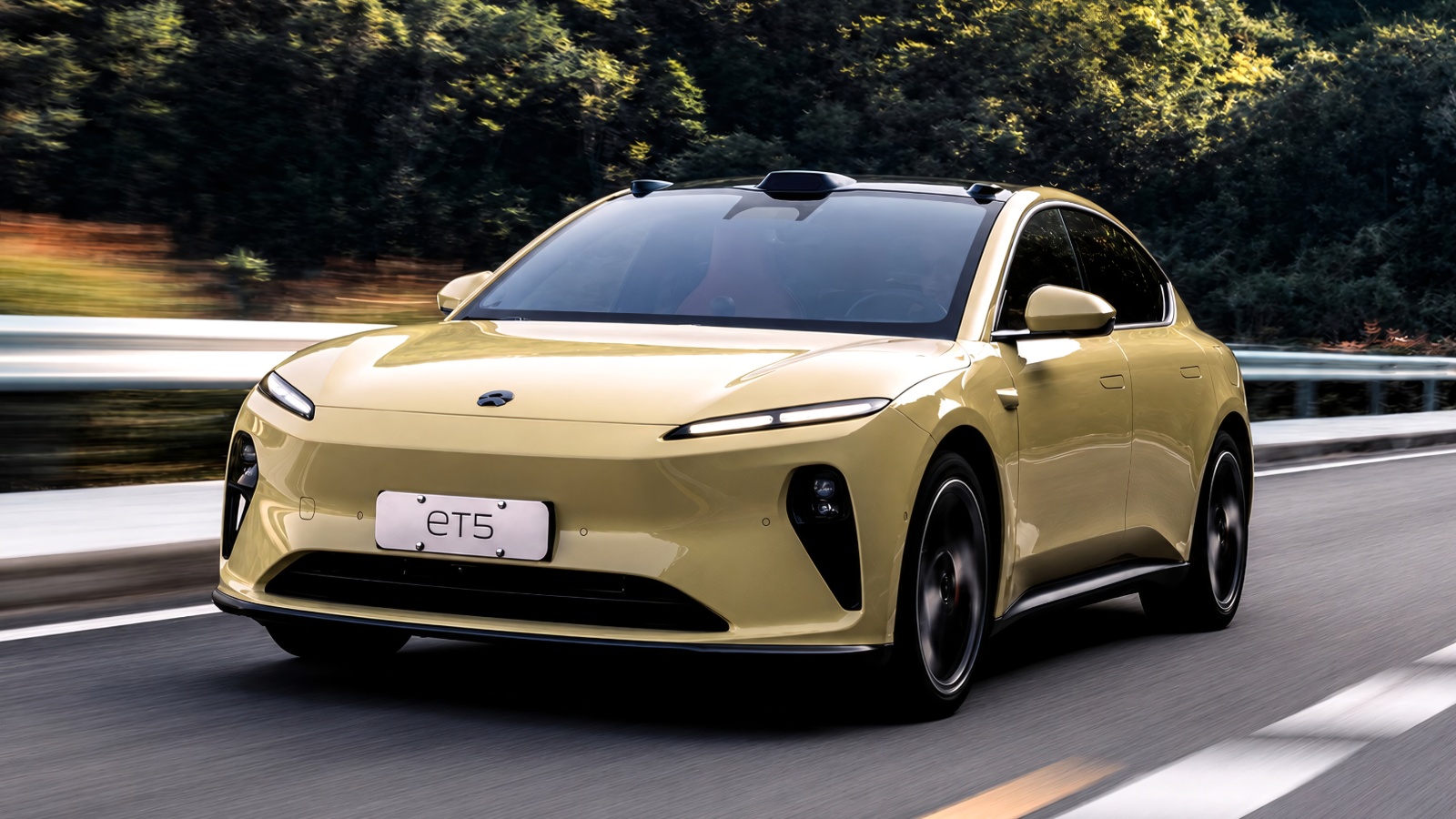
4. 2025 Nio ET5
Nio made an unusually aggressive battery-pricing move in China during 2025. Instead of upgrading one trim, the company announced that its core lineup would receive the 100-kWh long-range battery as standard while keeping starting prices unchanged from the previous 75-kWh versions. That effectively gave buyers 25 kWh more battery capacity without increasing the model’s entry price.
The ET5 was one of the biggest beneficiaries.
Previously, customers choosing the 100-kWh version had to pay substantially more than buyers of the standard 75-kWh battery. After the restructuring, an ET5 including the 100-kWh pack started at RMB 298,000, while the 100-kWh configuration itself became significantly cheaper than before. Nio quoted up to approximately 740 kilometers of CLTC range for the ET5 with the larger battery.
The drivetrain remained appropriately strong for a premium electric sports sedan. The ET5 combines an induction motor at the front with a permanent-magnet motor at the rear. Together they produce approximately 360 kW and 700 Nm of torque.
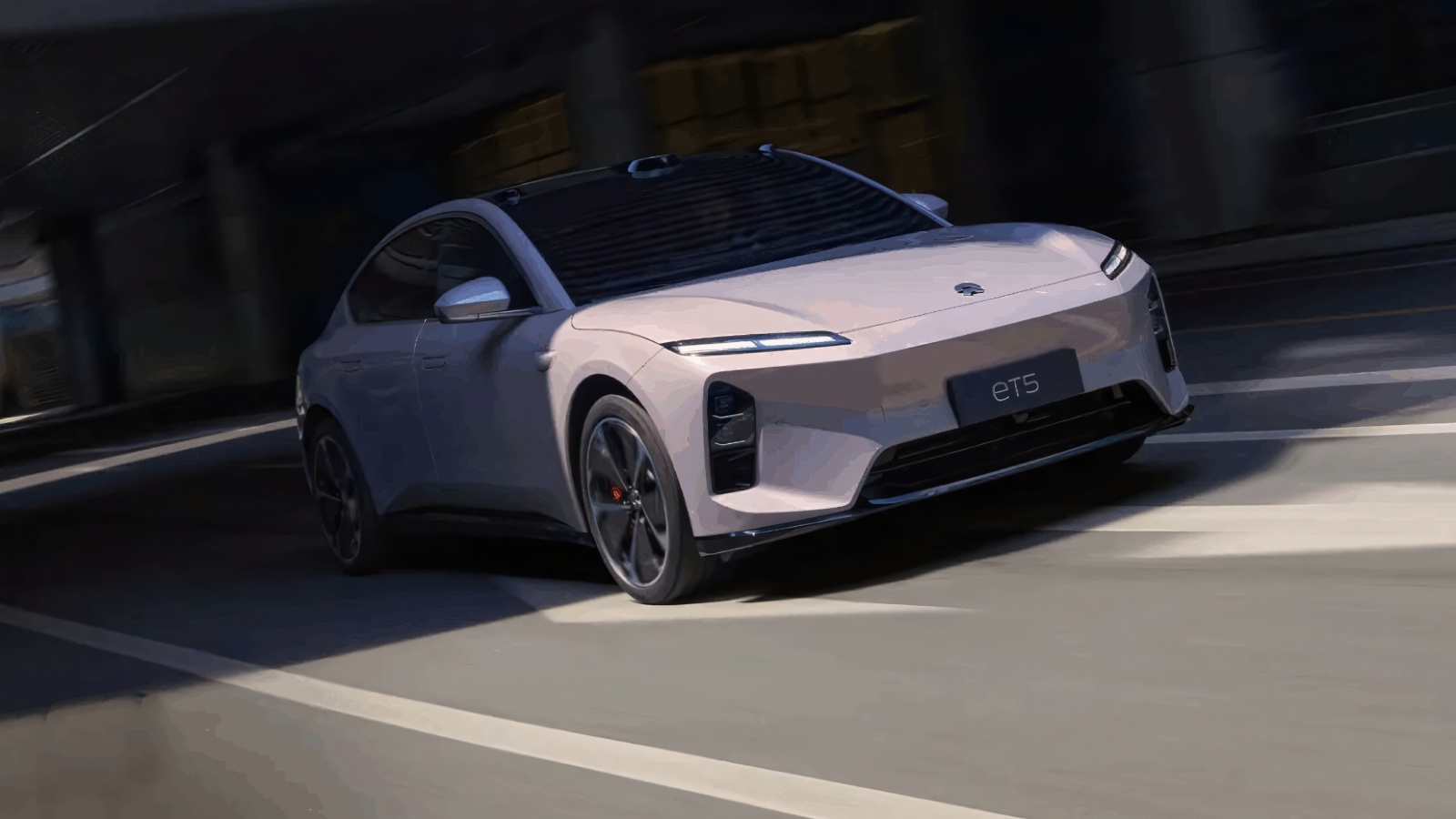
- Engine type: Dual electric motors, all-wheel drive
- Torque: Approximately 516 lb-ft
- Horsepower: Approximately 483 hp
- Length: Approximately 188.6 inches
- Width: Approximately 77.2 inches
Nio’s approach is noteworthy because the battery improvement is not simply a minor chemistry tweak. Moving from 75 to 100 kWh means 33 percent more nominal capacity.
For ET5 shoppers, that changes the vehicle’s long-distance usefulness substantially. It also shows how falling battery costs and intense competition can turn what was previously an expensive premium option into standard equipment without raising the basic vehicle price.
5. 2025 Nio ET5 Touring
The ET5 Touring received the same remarkable battery-value improvement as the ET5 sedan. Nio’s 2025 pricing strategy made the 100-kWh battery standard at the same starting vehicle price previously associated with the 75-kWh battery. That meant the wagon effectively received an additional 25 kWh of storage without an increase in the starting price.
For a touring model, that extra capacity arguably matters even more than it does in a conventional sedan. Wagons are often chosen for road trips, family travel, and carrying substantial cargo situations where additional driving range can reduce the number of required charging stops.
Nio lists the ET5 Touring at approximately 710 kilometers of CLTC range with the 100-kWh battery. The larger-pack version now starts around RMB 298,000 including the battery, whereas the equivalent 100-kWh configuration previously cost considerably more.
Mechanical performance remains strong. The car uses a 150-kW induction front motor and 210-kW permanent-magnet rear motor. Peak combined torque reaches roughly 700 Nm, and the dual-motor setup provides all-wheel drive.
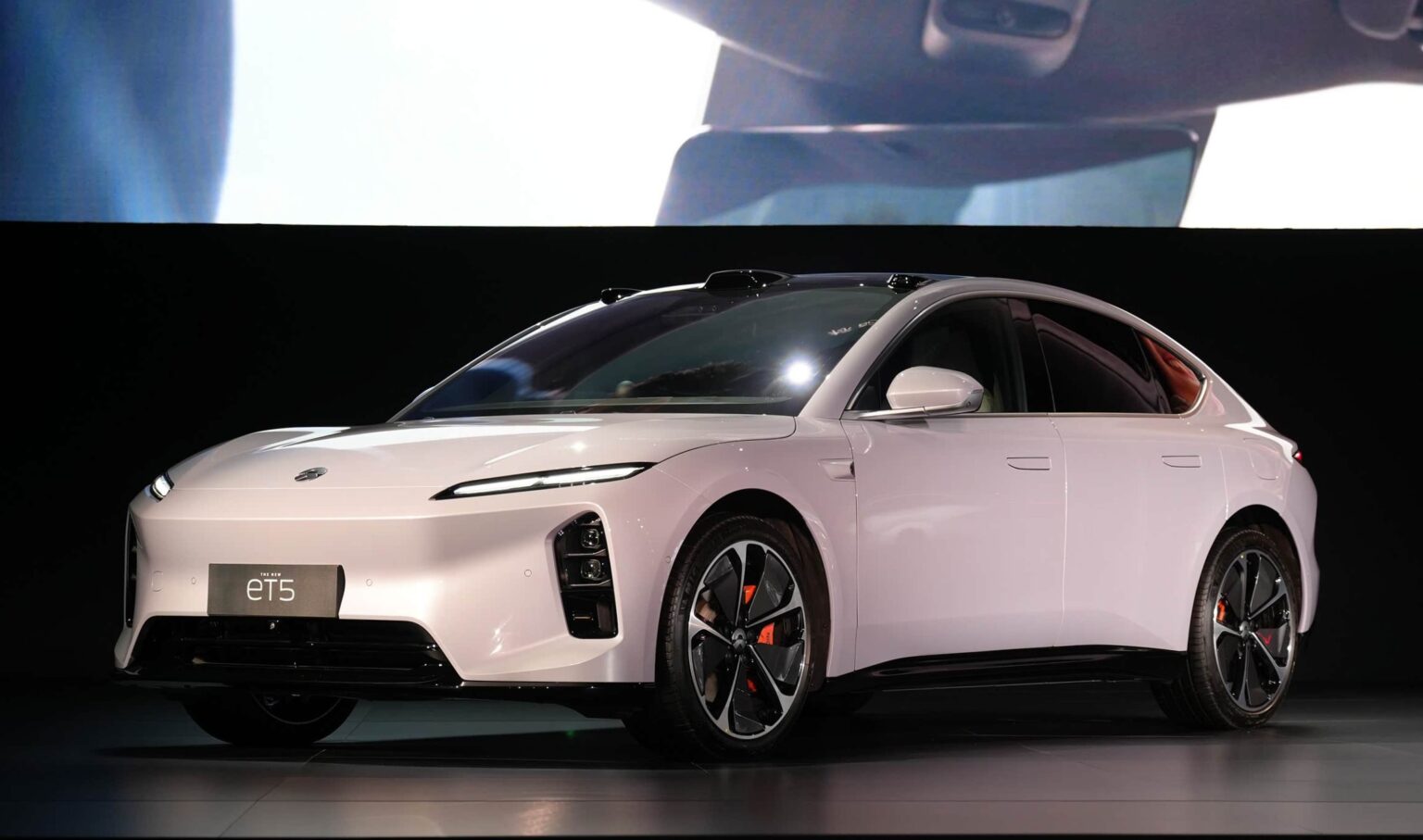
- Engine type: Front induction motor plus rear permanent-magnet motor
- Torque: Approximately 516 lb-ft
- Horsepower: Approximately 483 hp
- Length: Approximately 188.6 inches
- Width: Approximately 77.2 inches
The ET5 Touring measures about 4,790 mm long and 1,960 mm wide, giving it useful cargo capability without becoming a large SUV.
Its battery improvement therefore strengthens one of the wagon’s most important qualities: long-distance practicality.
Rather than charging customers extra for that improvement, Nio effectively absorbed the upgrade into the existing base-price structure, making the ET5 Touring an unusually clear example of getting substantially more battery for the same money.
Also read: 10 Cars Holding Location History No Owner Can Erase
6. 2025 Nio ES6
Nio’s ES6 electric SUV also moved from a 75-kWh standard battery to a 100-kWh pack without an increase in the model’s starting price. The 25-kWh gain is significant enough to change how owners can use the vehicle rather than merely adding a handful of additional miles.
With the larger battery, Nio quotes approximately 650 kilometers of CLTC driving range for the ES6. The 100-kWh version now starts around RMB 338,000 including the battery. Before Nio’s battery-price restructuring, buyers wanting that same large pack faced a noticeably higher price.
The ES6 combines the larger pack with a powerful dual-motor system. Nio specifies a 150-kW induction motor at the front and a 210-kW permanent-magnet motor at the rear, giving approximately 360 kW of combined output and 700 Nm of torque. The manufacturer quotes 0–100 km/h acceleration in roughly 4.5 seconds.
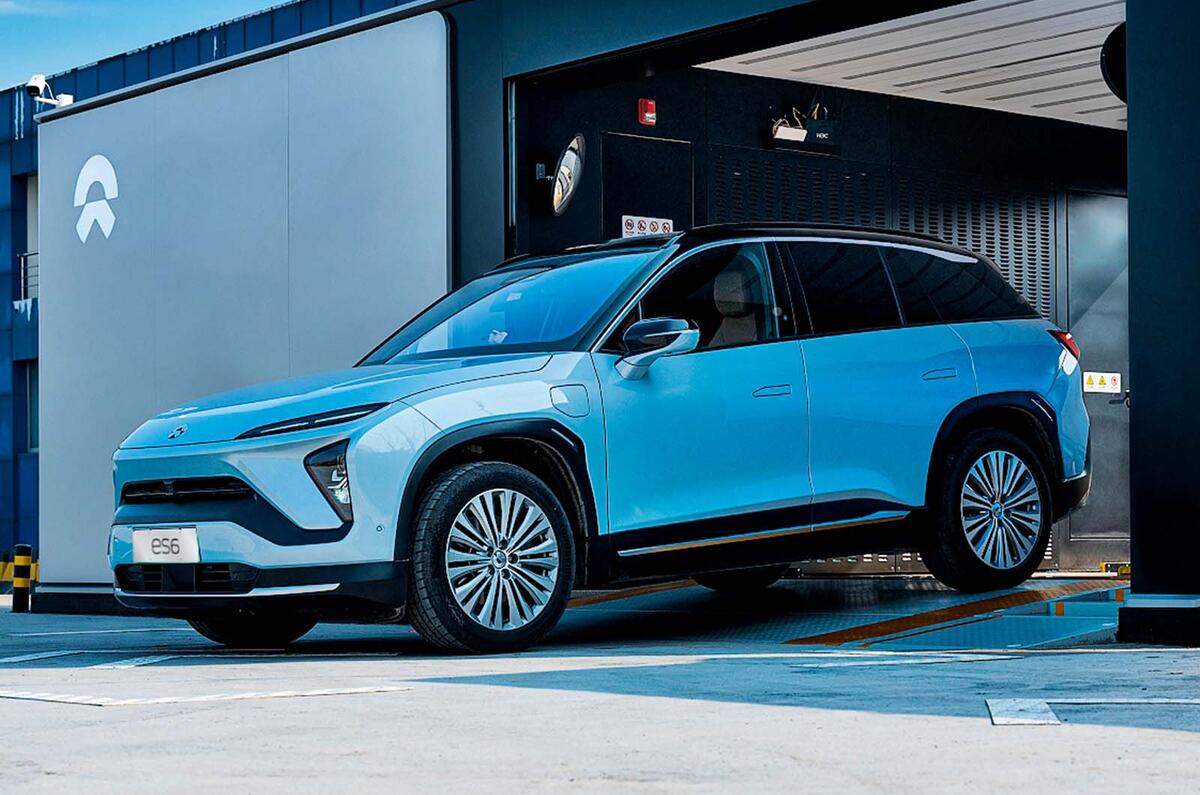
- Engine type: Dual electric motors, all-wheel drive
- Torque: Approximately 516 lb-ft
- Horsepower: Approximately 483 hp
- Length: Approximately 191.1 inches
- Width: Approximately 78.5 inches
The ES6 sits firmly in premium midsize electric-SUV territory.
The key advantage of the new battery arrangement is flexibility. A 100-kWh pack provides considerably more energy for highway travel, cold-weather driving, or journeys where charging stations are widely separated.
Previously, that flexibility required a sizable price premium. Under Nio’s newer pricing structure, it effectively became part of the regular purchase price.
That makes the ES6 one of the strongest examples of battery-cost declines being passed directly to consumers rather than being retained entirely as extra manufacturer margin.
7. 2025 Nio EC6
The coupe-styled Nio EC6 received the same 25-kWh standard-battery increase as the ES6, moving from 75 kWh to 100 kWh while its base vehicle price remained aligned with the previous smaller-battery entry point.
With the 100-kWh battery, Nio lists the EC6 at approximately 655 kilometers of CLTC range. The battery-inclusive starting price became roughly RMB 358,000. The same 100-kWh configuration previously cost substantially more, meaning customers were effectively receiving both a larger standard battery and a sizable improvement in long-range value.
The EC6 does not sacrifice performance to achieve its longer range. Like the ES6, it combines a 150-kW front induction motor with a 210-kW rear permanent-magnet unit. Total output is approximately 360 kW, while peak torque reaches 700 Nm. Nio quotes 0–100 km/h acceleration of around 4.4 seconds.
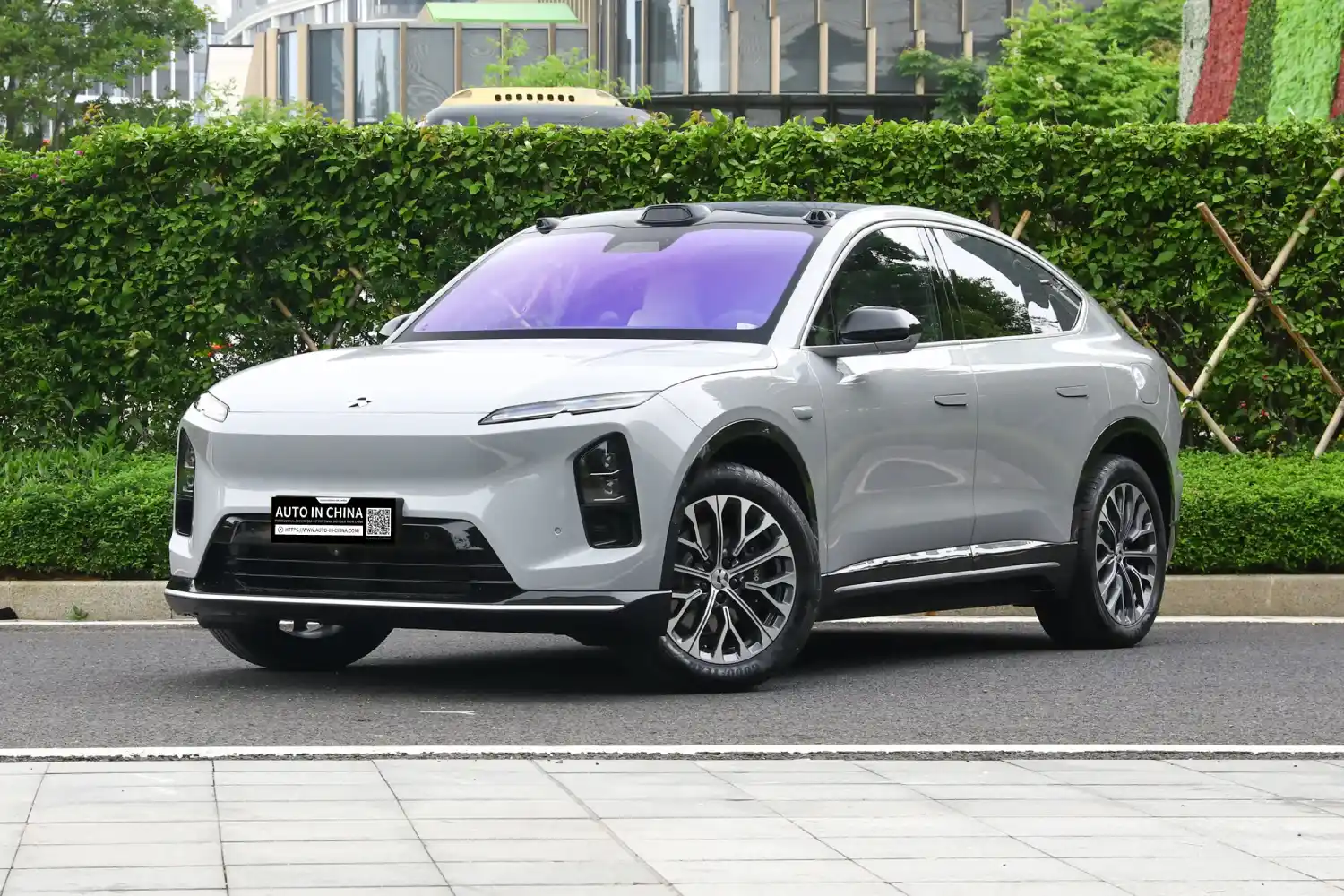
- Engine type: Dual electric motors, all-wheel drive
- Torque: Approximately 516 lb-ft
- Horsepower: Approximately 483 hp
- Length: Approximately 190.9 inches
- Width: Approximately 78.5 inches
The sloping roofline differentiates the EC6 visually from the more conventional ES6, but the underlying battery-value story is identical.
A 100-kWh pack was previously a premium upgrade. Making it effectively standard at the earlier 75-kWh starting price substantially increases the amount of battery buyers receive for every yuan spent.
For an electric SUV marketed partly around performance and long-distance usability, that is a much more meaningful upgrade than a cosmetic facelift.
8. 2025 Nio ET7
The Nio ET7 moves the larger-battery strategy into the luxury-sedan class. Like Nio’s smaller models, the ET7 previously offered a 75-kWh standard battery and charged additional money for the 100-kWh long-range pack. Nio’s 2025 restructuring changed that equation by making 100 kWh the standard battery while maintaining the earlier starting-price structure.
The ET7 with the 100-kWh pack now starts around RMB 428,000, while the equivalent long-range configuration previously cost considerably more. Nio lists approximately 705 kilometers of CLTC range with the 100-kWh battery.
Unlike the ET5 family, the ET7 uses a considerably more powerful drivetrain. The sedan produces up to approximately 850 Nm of torque and can accelerate from 0–100 km/h in around 3.8 seconds.
Its luxury positioning also makes the battery improvement particularly valuable. Buyers of executive EVs typically expect the ability to cover long distances at high speed without frequent charging stops, and an additional 25 kWh gives the ET7 substantially more energy in reserve.
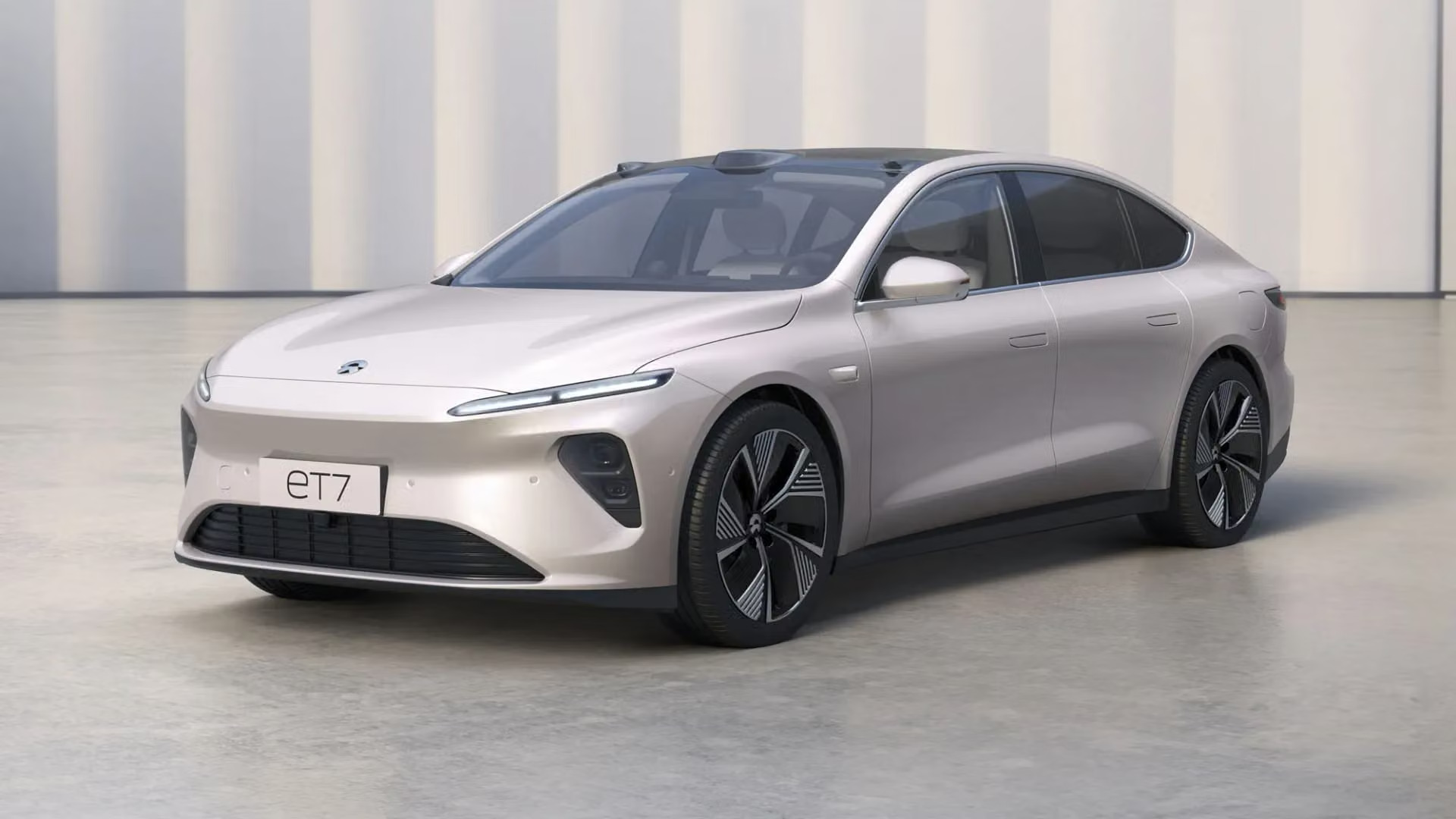
- Engine type: Dual electric motors, all-wheel drive
- Torque: Approximately 627 lb-ft
- Horsepower: Approximately 644 hp
- Length: Approximately 200.8 inches
- Width: Approximately 78.2 inches
At more than five meters long, the ET7 competes with large premium sedans rather than mainstream EVs.
The fact that Nio could give this flagship-style sedan one-third more battery capacity than its former 75-kWh standard configuration without raising its entry price shows how quickly the economics of EV batteries can change.
What was previously a long-range upgrade effectively became the normal battery.
9. 2025 Nio EC7
The EC7 is one of Nio’s largest and most powerful coupe-style electric SUVs, and it also benefited from the company’s move to make the 100-kWh pack standard. Previously, the vehicle’s normal entry specification used a 75-kWh battery. Buyers wanting the long-range 100-kWh configuration had to pay a substantial premium.
Under Nio’s revised pricing policy, the 100-kWh battery became standard while the model’s starting price remained at the earlier smaller-pack level. The battery-inclusive price for the EC7 became approximately RMB 458,000, while the comparable 100-kWh version had previously been notably more expensive.
With the larger pack, Nio quotes approximately 635 kilometers of CLTC range. That may be somewhat lower than the company’s more aerodynamic sedans, but the EC7 compensates with major performance capability.
Its dual-motor drivetrain produces up to approximately 480 kW and 850 Nm of peak torque. That places the large SUV firmly in performance-car territory despite its considerable size.
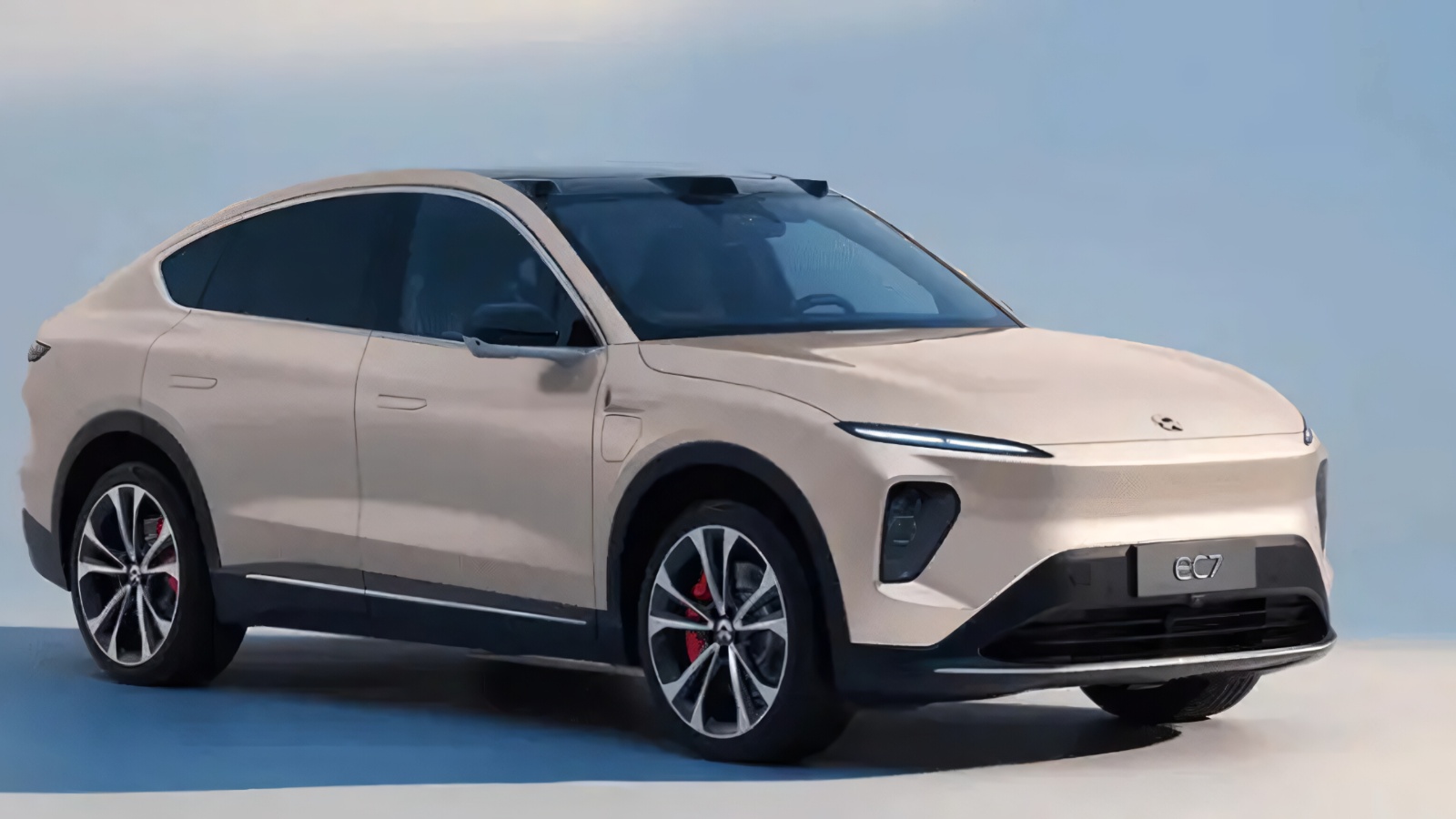
- Engine type: Dual electric motors, all-wheel drive
- Torque: Approximately 627 lb-ft
- Horsepower: Approximately 644 hp
- Length: Approximately 195.7 inches
- Width: Approximately 77.7 inches
For an EV with this much output, additional battery capacity provides benefits beyond simple range. A larger energy reserve can also help maintain high performance over repeated acceleration and highway use while leaving more usable range afterward.
The EC7 therefore demonstrates how falling battery costs can improve premium EVs as well as mainstream models.
Instead of reserving the 100-kWh pack for buyers willing to pay substantially more, Nio repositioned it as the normal battery, giving customers 33 percent more capacity without increasing the starting price.
10. 2026 Li Auto L6
The revamped 2026 Li Auto L6 may be the most dramatic battery upgrade on this entire list. Li Auto increased the extended-range SUV’s battery from 36.8 kWh to 51 kWh, an increase of approximately 39 percent, yet launched the updated L6 Ultra at RMB 249,800—the same starting price as the outgoing version.
The improvement transformed the L6’s electric-only capability. Its CLTC battery range increased substantially to approximately 300 kilometers, while combined gasoline-and-electric range remained well above 1,000 kilometers. The larger lithium-iron-phosphate battery also supports much faster charging than the older pack.
What makes the unchanged price particularly noteworthy is that the battery improvement is significant enough to affect the vehicle’s manufacturing cost. Rather than immediately passing those expenses to customers, Li Auto held the starting price steady in an increasingly competitive Chinese market.
The L6 is an extended-range EV rather than a conventional battery-only EV. Its 1.5-liter turbocharged gasoline engine primarily acts as a range extender, while dual electric motors provide propulsion.
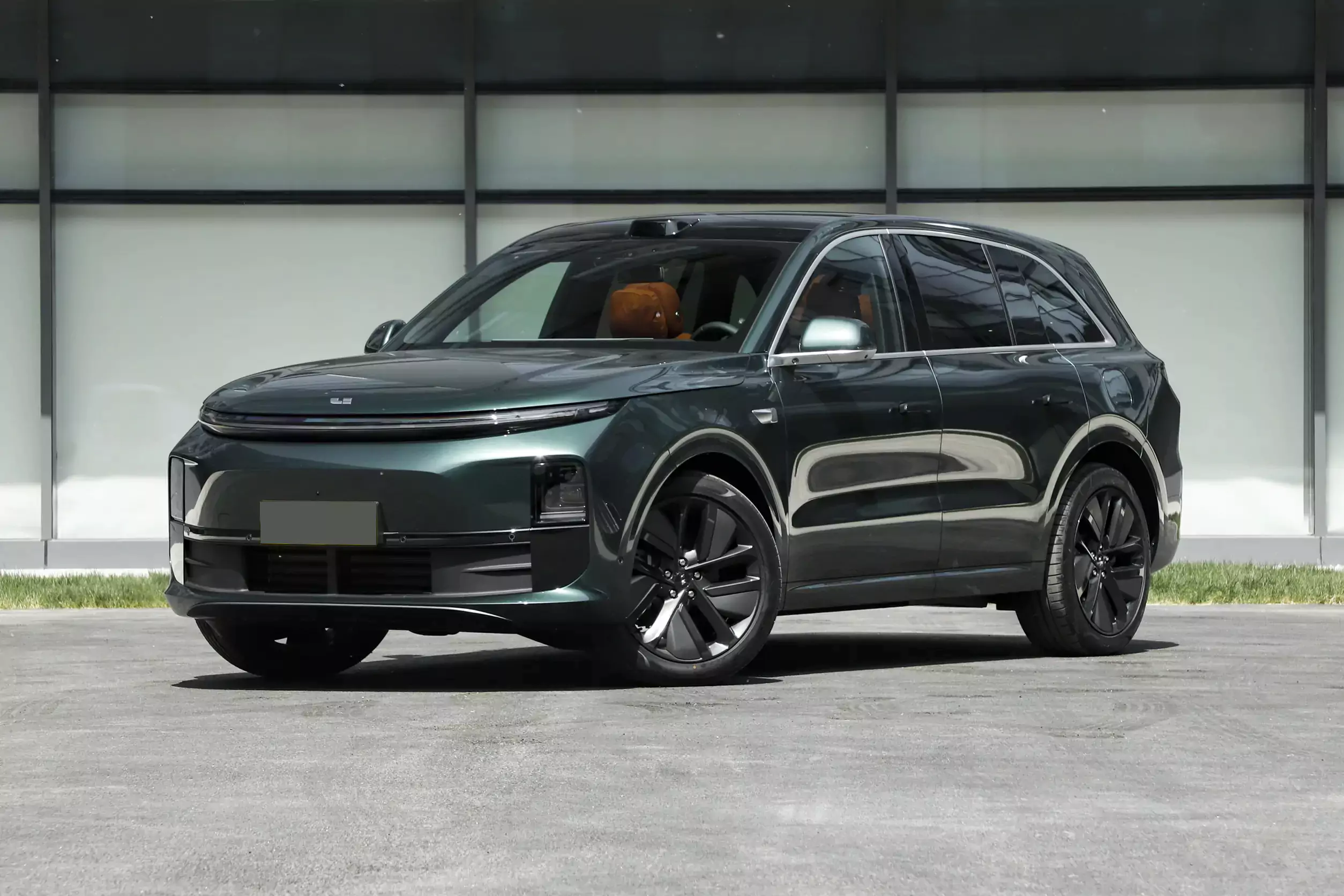
- Engine type: 1.5-liter turbocharged range extender with dual electric motors
- Torque: Approximately 390–400 lb-ft combined
- Horsepower: Approximately 402 hp
- Length: Approximately 194.3 inches
- Width: Approximately 77.2 inches
The vehicle measures about 4,935 mm long and 1,960 mm wide.
For many daily drivers, a 51-kWh pack is large enough to make the gasoline engine unnecessary during routine commuting. That moves the L6 much closer to functioning like a full EV in everyday use.
Getting that improvement without a higher starting price makes it one of the clearest examples yet of battery technology improving faster than vehicle prices.
Also read: 5 Cars With the Highest Theft Rates in New Mexico, 5 With the Lowest