Anyone who has compared a dealership parts-counter price with an online OEM listing has probably noticed that the same component can sometimes cost dramatically more in person.
Much of that difference comes from parts matrix pricing, a system that applies different markup percentages depending on the wholesale cost of a component. Instead of adding one flat percentage to every part, dealers often place low-cost items in higher-markup brackets and expensive assemblies in lower-markup brackets.
That means the parts with the highest percentage markup are not necessarily engines, transmissions, or control modules. In many cases, they are inexpensive clips, seals, bulbs, fasteners, filters, and other small components.
There is no reliable national database identifying the individual dealerships with the highest parts markups, so the better way to examine the issue is to look at the categories most exposed to aggressive OEM matrix pricing.
1. Clips, Retainers, and Plastic Fasteners
Plastic clips, bumper retainers, splash-shield pins, door-panel fasteners, and trim clips are among the smallest parts on a vehicle, yet they can carry some of the highest percentage markups at a dealership.
The reason is simple. If a dealer pays $2 for a clip and adds only a traditional 25% markup, the gross profit would be just 50 cents. That does little to cover the cost of stocking, cataloging, identifying, and selling thousands of tiny parts. A pricing matrix can instead apply a much larger percentage to inexpensive items.
Customers also rarely challenge the price of one or two clips because the total amount remains relatively small. A $2 component selling for $6 represents a 200% markup over cost, but the buyer may still see only a few extra dollars on the bill.
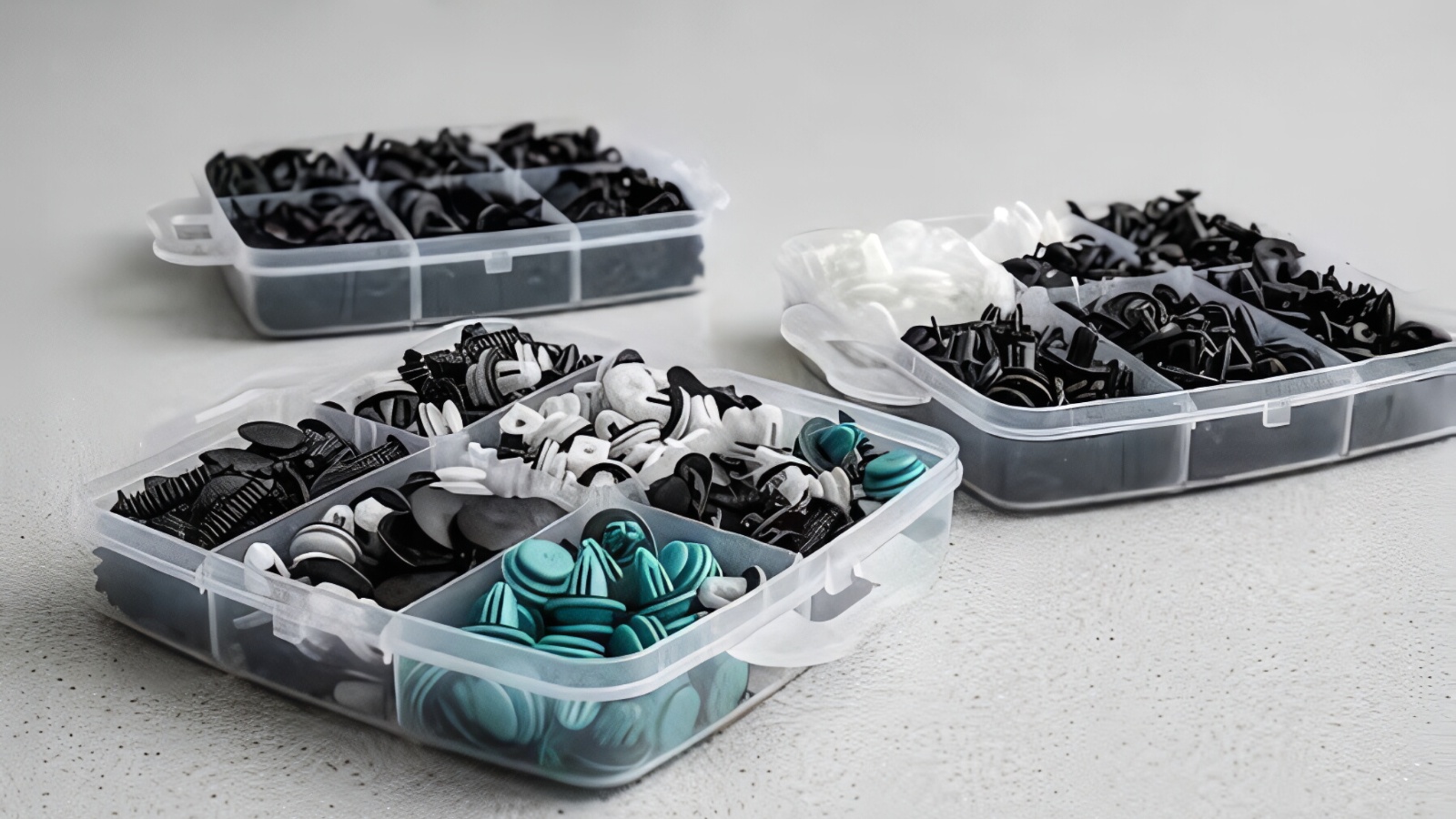
Exact fit gives OEM retainers another advantage. A generic clip may appear identical but differ slightly in stem length, head diameter, or locking design. Buyers repairing bumpers or interior panels often prefer the factory piece rather than risk incorrect fitment.
The markup potential is very high because clips and retainers have extremely low wholesale costs. The reason dealers can apply large percentages is that the absolute dollar increase remains small and customers value exact fit. The best strategy is to obtain the OEM part number and compare individual dealer pricing with online OEM multipacks or reputable replacement kits.
2. Nuts, Bolts, Screws, and Specialty Hardware
Automotive hardware often looks ordinary until a customer sees the OEM price. A specialized bolt, washer, nut, screw, or bracket can cost several times more at the parts counter than a similar-looking piece from a general hardware supplier.
However, automotive fasteners are not always generic. A suspension bolt may use a specific strength rating, corrosion-resistant coating, shoulder diameter, thread pitch, or locking feature. Structural and safety-related hardware should never be replaced solely based on appearance.
Still, low wholesale cost makes small hardware ideal for matrix pricing. A bolt costing a dealership a few dollars can be marked up by a much larger percentage than a $600 component without creating major sticker shock.
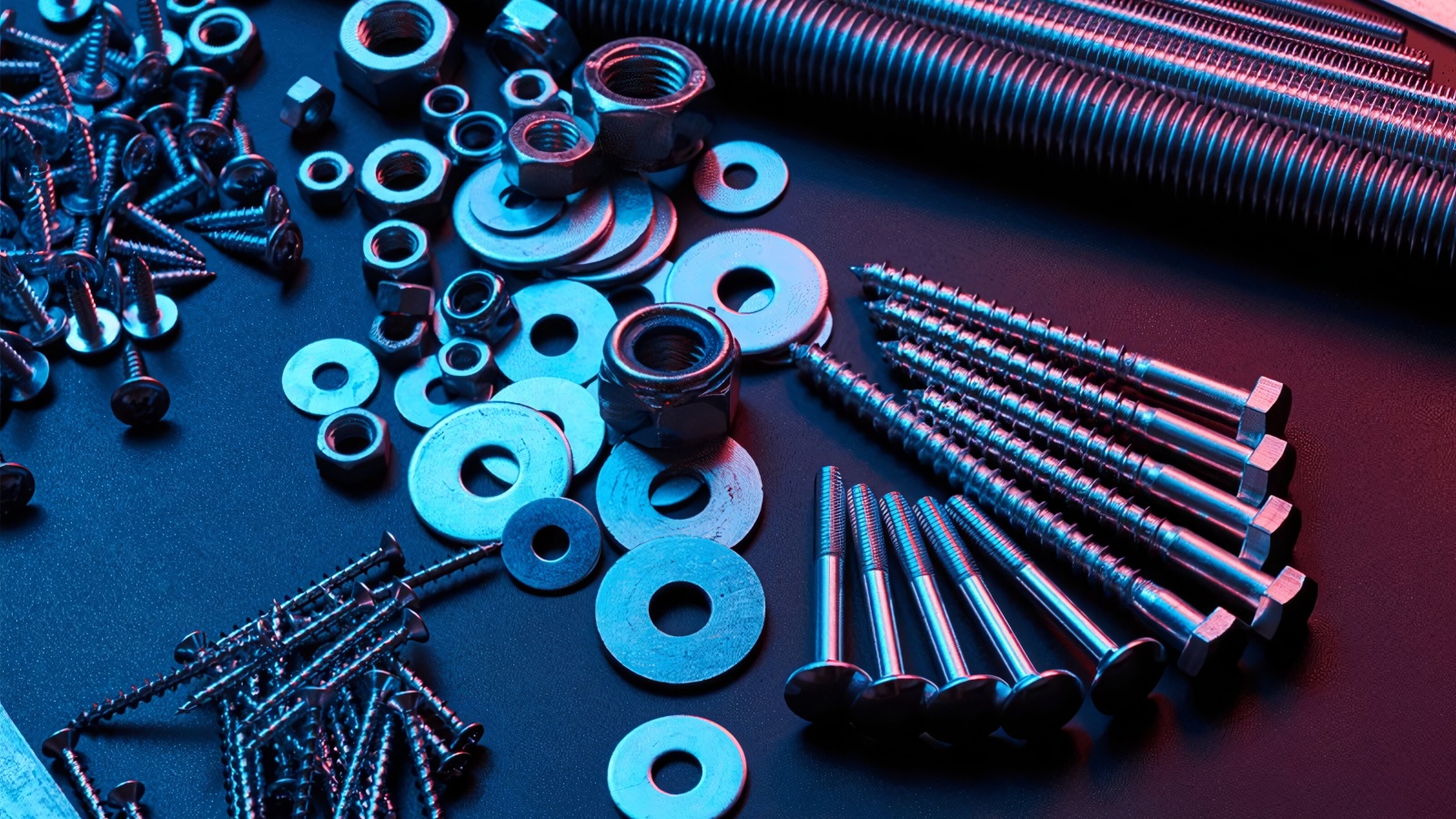
There is also considerable administrative cost involved in maintaining thousands of fastener part numbers. Dealers need employees who can identify the correct component from diagrams or a VIN, and the inventory has to remain organized despite the tiny value of each piece.
The markup potential is very high, particularly on low-cost specialty fasteners. The reason is that small hardware generates too little profit under a flat markup system while requiring disproportionate inventory and identification effort. The best strategy is to determine whether the fastener has a critical OEM specification. If it does not, an equivalent-grade replacement may cost less; if it is structural, suspension-related, or torque-to-yield, use the correct specification.
3. Fuses, Bulbs, Relays, and Small Electrical Parts
Small electrical components are another category where percentage markups can become large. Standard fuses, conventional bulbs, relays, sockets, terminals, and connectors often cost relatively little at wholesale but can sell for several times that amount at the dealership.
These components benefit from urgency. If a customer’s vehicle is already in the service department and a technician discovers a failed fuse or relay, most owners will not delay the entire repair to save a few dollars elsewhere.
Dealers also sell certainty. The parts counter can use the VIN to verify the exact relay, bulb, or connector needed, which removes the risk of purchasing the wrong item.
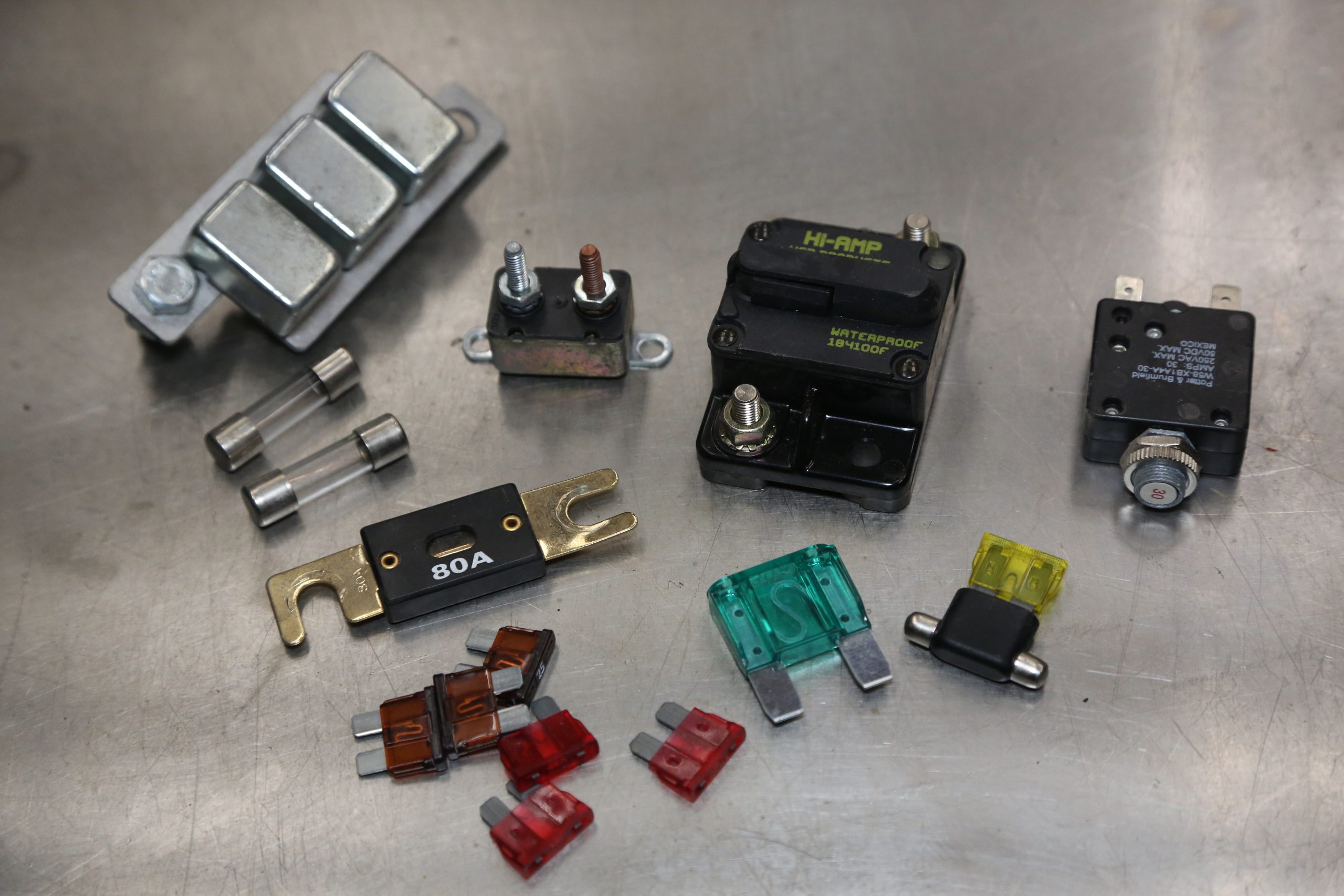
Expensive electronic modules do not necessarily receive the same percentage markup because they sit higher in a pricing matrix. A $1,200 computer marked up by 150% would become nearly impossible to sell. But a $4 relay marked up heavily may still look inexpensive on a repair order.
The markup potential is very high on small electrical parts because the wholesale cost is low and the customer’s need is often immediate. The reason is a combination of convenience, exact identification, and low resistance to a modest absolute price increase. The best strategy is to cross-reference standardized fuses, bulbs, and relays before paying OEM counter pricing, while being more cautious with proprietary electronic components.
4. Cabin, Engine Air, and Oil Filters
Filters are routine maintenance items, which makes them both profitable and competitive. Dealers sell large numbers of engine air filters, cabin filters, and oil filters during scheduled service visits.
Oil filters are usually highly price-sensitive because customers can easily compare them with parts-store and online prices. Cabin filters, however, may receive stronger margins because owners are less familiar with their typical retail cost.
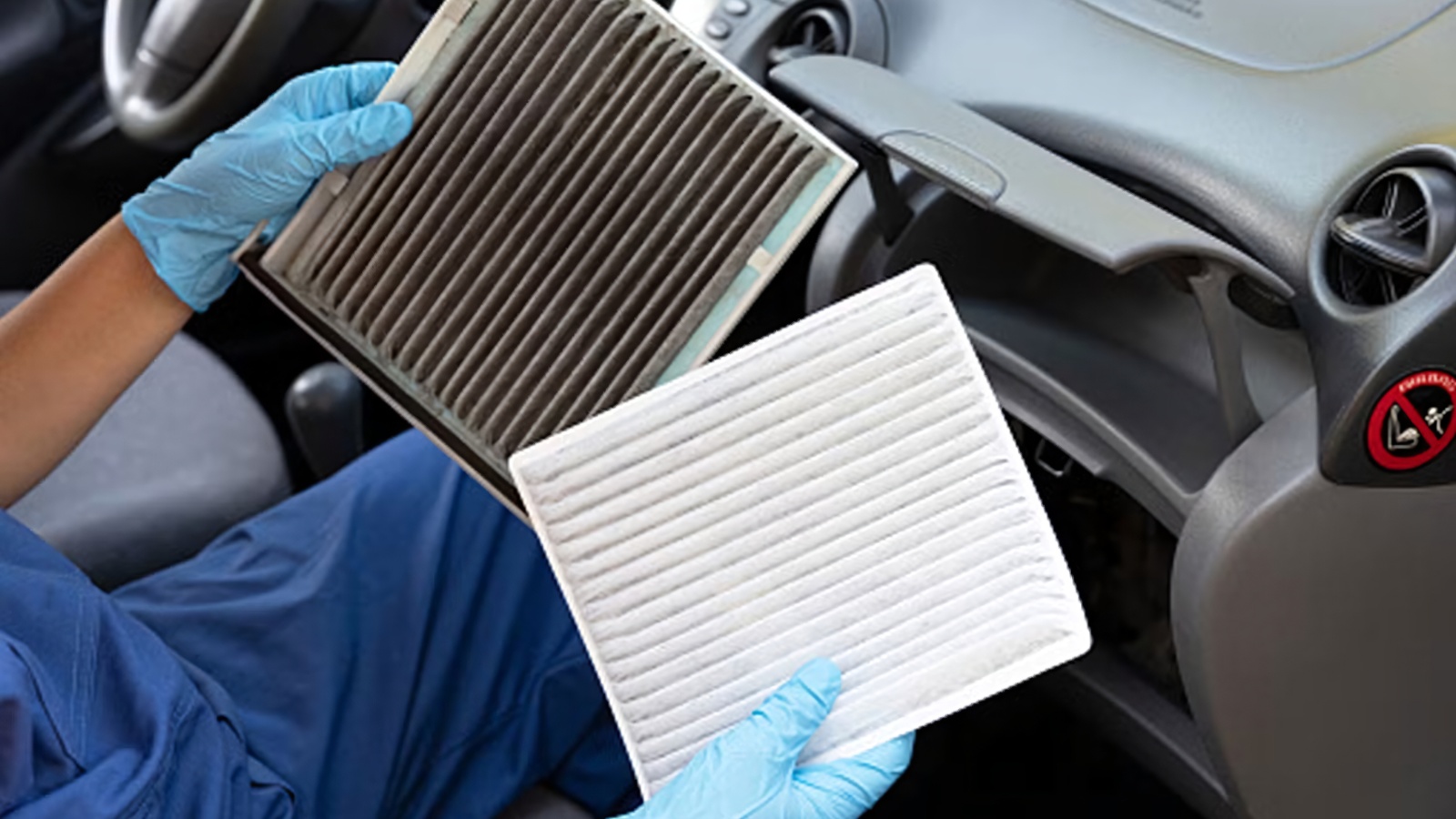
The biggest price difference often appears when the filter is sold as part of a service recommendation. Customers may approve the replacement without separating the cost of the component from the labor and convenience of having it installed immediately.
OEM filters can provide legitimate benefits, including correct dimensions, filtration characteristics, bypass-valve specifications, and sealing surfaces. But many reputable aftermarket manufacturers produce equivalent parts.
The markup potential is moderate to high, particularly for cabin filters and specialized air filters. The reason is that filters have relatively low wholesale costs, frequent replacement intervals, and are often sold when customers are already committed to a service visit. The best strategy is to compare the OEM counter price, online OEM price, and reputable aftermarket price before approving replacement.
5. Wiper Blades and Inserts
Wiper blades are another easy add-on during routine service. A technician notices streaking, the service advisor recommends replacement, and many customers simply approve the work.
That buying behavior creates a favorable environment for dealership margins. Wipers are relatively inexpensive, periodically replaced, and rarely important enough for customers to negotiate aggressively.
OEM blades may also offer advantages in fit and attachment design. Some vehicles use unusual mounting systems, integrated washer nozzles, aerodynamic housings, or factory rubber inserts that are different from common aftermarket replacements.

However, wipers face intense competition from national parts stores, supermarkets, online retailers, and big-box chains. That limits how aggressively a dealer can price common sizes.
The markup potential is moderate to high because wiper blades have low wholesale costs and are convenient to sell during inspections. The reason customers accept the pricing is that replacement is quick, and the total charge is usually modest. The best strategy is to compare blade type, attachment, size, and quality rather than assuming an OEM-branded wiper is automatically better.
6. Gaskets, O-Rings, and Seals
O-rings and small seals can produce some of the most dramatic percentage differences between material cost and retail price. The physical piece may contain very little material, yet an OEM seal can sell for several dollars or more.
That does not mean the component is unimportant. Seals may use specialized materials designed to tolerate gasoline, transmission fluid, engine oil, refrigerant, coolant, or extreme temperatures. Substituting a similar-looking generic rubber ring can lead to leaks or premature failure.
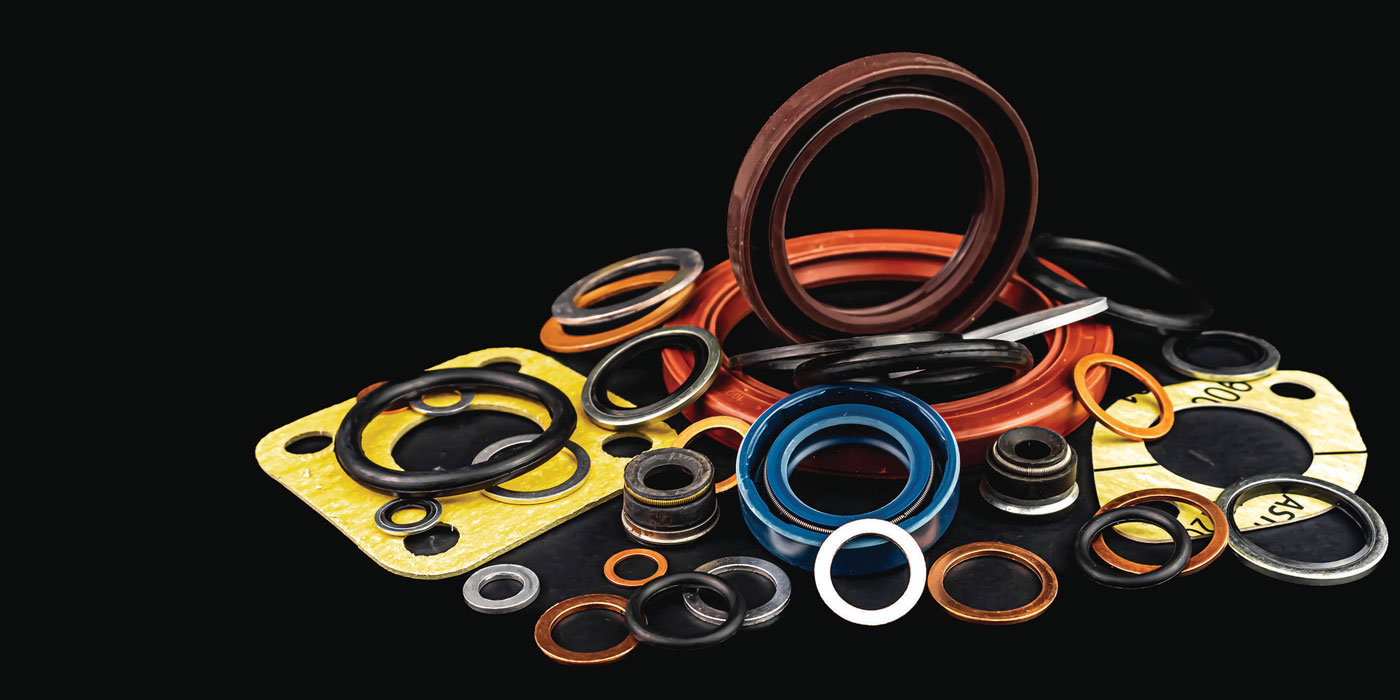
Still, these parts fall into the cheapest cost brackets, making them perfect candidates for high matrix percentages. They also become highly valuable when a repair cannot be completed without them.
A technician replacing a water pump or transmission fitting is unlikely to stop the repair to save a few dollars on a seal. The dealership is selling availability and exact compatibility as much as the piece itself.
The markup potential is very high by percentage because gaskets and O-rings can cost very little at wholesale while remaining essential to completing a repair. The reason is their exact fitment, specialized materials, and urgency. The best strategy is to compare complete gasket or seal kits before buying several individual pieces separately.
7. Sensors and Switches
Modern vehicles depend on dozens of sensors and switches, including wheel-speed sensors, oxygen sensors, temperature sensors, crankshaft sensors, pressure sensors, and position switches.
OEM electronics frequently cost substantially more than inexpensive aftermarket replacements. Some of that price difference reflects quality, calibration, durability, and compatibility rather than dealer markup alone.
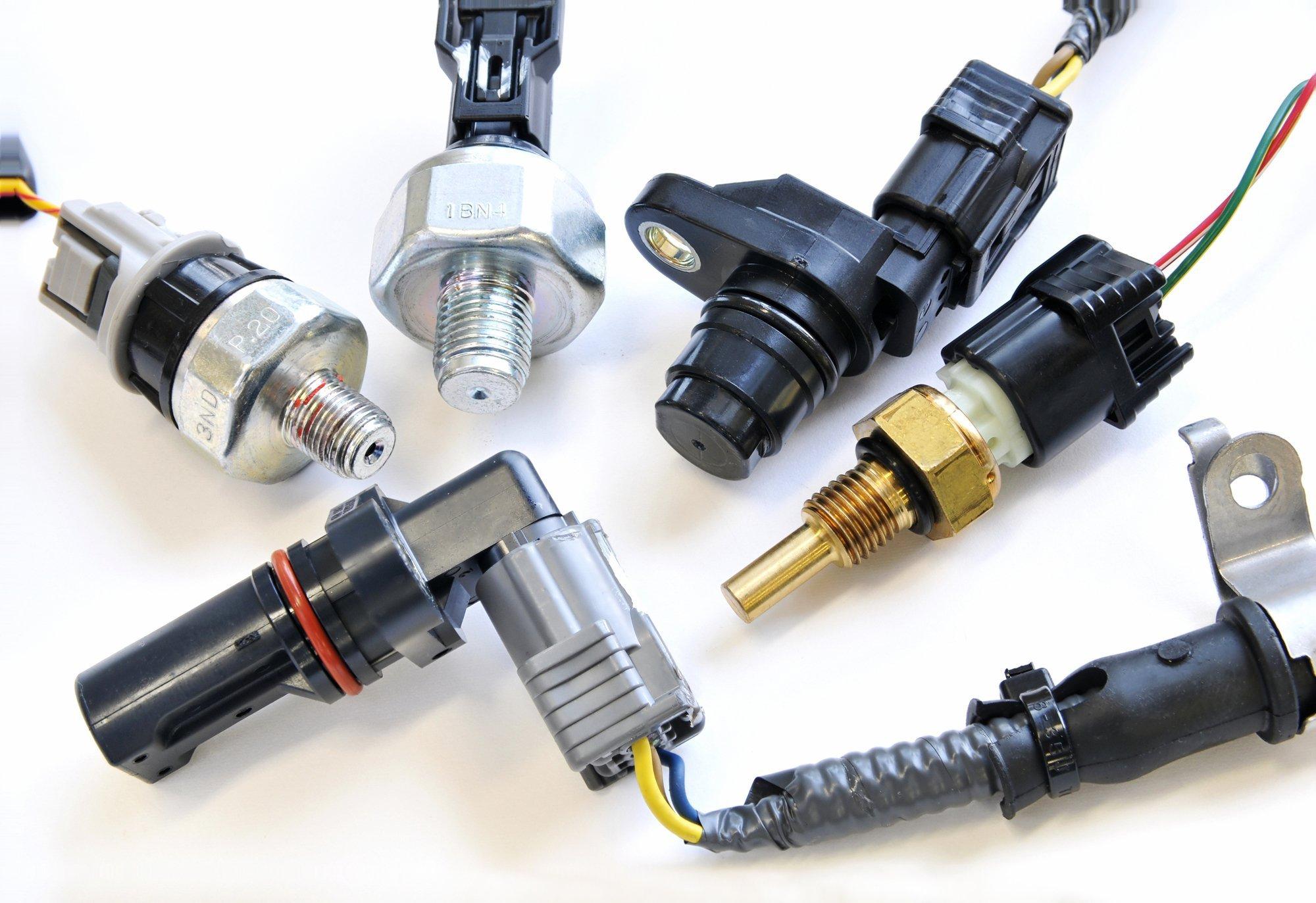
Sensors also present a fitment challenge. Two parts may look identical but use different resistance values, software calibration, connectors, or production-date specifications. A dealer’s VIN-based catalog provides a level of certainty that customers often value.
That allows OEM sensors to command higher prices, although the percentage markup is usually lower than it is on clips or O-rings because sensors have higher acquisition costs.
The markup potential is moderate to high because electronics offer proprietary fitment and strong demand. The reason customers tolerate the premium is that using an incorrect sensor can produce diagnostic problems and repeat repairs. The best strategy is to compare the exact OEM part number between authorized dealers rather than comparing a factory sensor with the cheapest unbranded alternative.
8. Belts, Hoses, and Molded Rubber Assemblies
Modern belts and hoses are more complex than many consumers realize. A coolant hose may include molded bends, plastic junctions, quick-connect fittings, valves, branches, and integrated clamps.
That complexity reduces the number of direct substitutes and gives OEM parts stronger pricing power.
These components usually sit in the middle of a pricing matrix. The percentage markup may not be as extreme as it is on a $3 clip, but the larger selling price can still create meaningful gross profit.
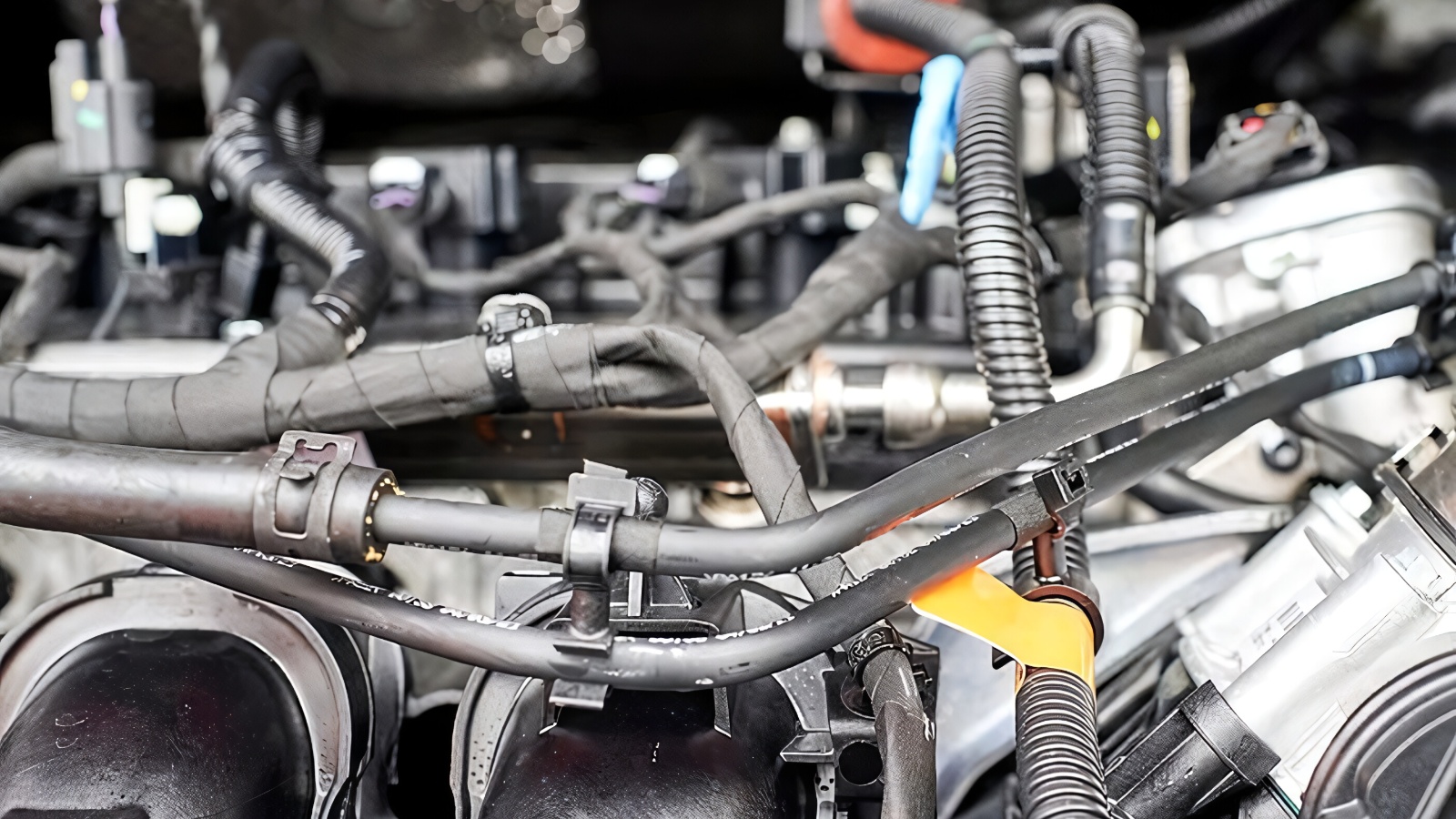
Urgency is another factor. A broken serpentine belt or leaking coolant hose can make a vehicle undrivable. If the dealer has the correct part in stock, customers may be willing to pay more rather than wait several days for shipping.
The markup potential is moderate to high because belts and molded hoses are relatively affordable yet often application-specific. The reason is repair urgency and limited interchangeability on complex designs. The best strategy is to identify the original equipment supplier and determine whether an equivalent part is sold through the aftermarket.
9. Exterior Trim, Moldings, Badges, and Emblems
Exterior trim can be surprisingly expensive. A small chrome badge, plastic molding, grille insert, or decorative cover may cost much more than its size suggests.
Part of that reflects low production volume. Aftermarket companies have little incentive to manufacture a highly specific trim component that fits only one model and perhaps only one trim level. That leaves the OEM as the primary source.
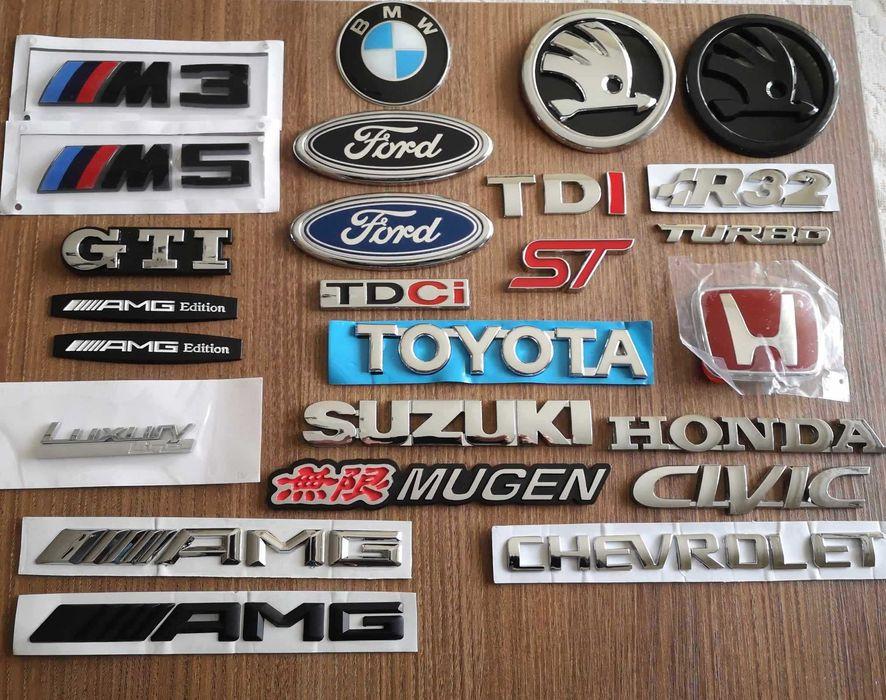
Dealership matrix pricing can then increase the retail price further, especially on smaller trim pieces. A complete grille costing hundreds of dollars may receive a relatively modest percentage markup, while a small emblem costing less than $20 wholesale may receive a much larger one.
Collision-repair pricing also complicates the market. Body shops, insurers, wholesale accounts, and walk-in customers may all receive different prices from the same dealership.
The markup potential is high, especially on small model-specific trim. The reason is limited aftermarket competition and the difficulty of substituting an identical decorative component. The best strategy is to search the exact OEM part number across multiple authorized sellers before paying local retail-counter pricing.
10. Keys, Remotes, and Electronic Accessories
Modern key fobs are small but technologically sophisticated. They can contain proximity sensors, immobilizer chips, remote-start electronics, radio-frequency transmitters, and emergency keys.
Customers often see a single large replacement quote, but the total may include the physical fob, mechanical key cutting, programming, security verification, and technician labor.
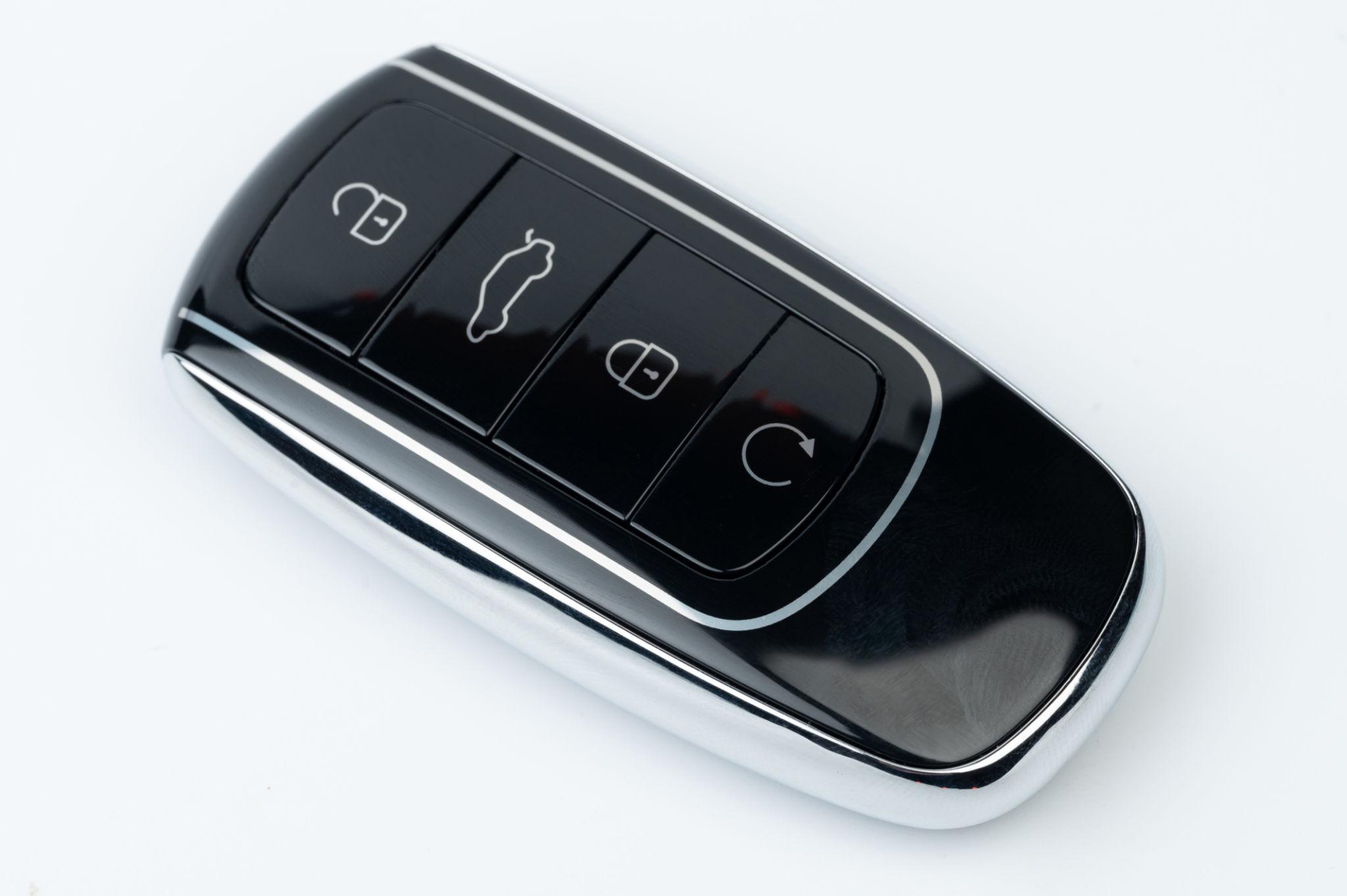
The part itself can still carry a strong margin because compatibility is difficult to verify without proper information. An inexpensive online key may look identical but operate on the wrong frequency or fail to pair with the vehicle.
Dealers also have access to manufacturer procedures and security systems that reduce the risk of programming failure.
Automotive locksmiths often provide competition, however, and can sometimes supply and program compatible keys for less.
The markup potential is high because key fobs combine proprietary electronics with security restrictions and specialized programming. The reason dealers can charge more is that customers are buying compatibility, authentication, programming access, and support rather than just a plastic remote. The best strategy is to request an itemized dealership quote and compare it with a qualified automotive locksmith.
Also read: 5 Cars With Cheap Window Regulators and 5 Over $600