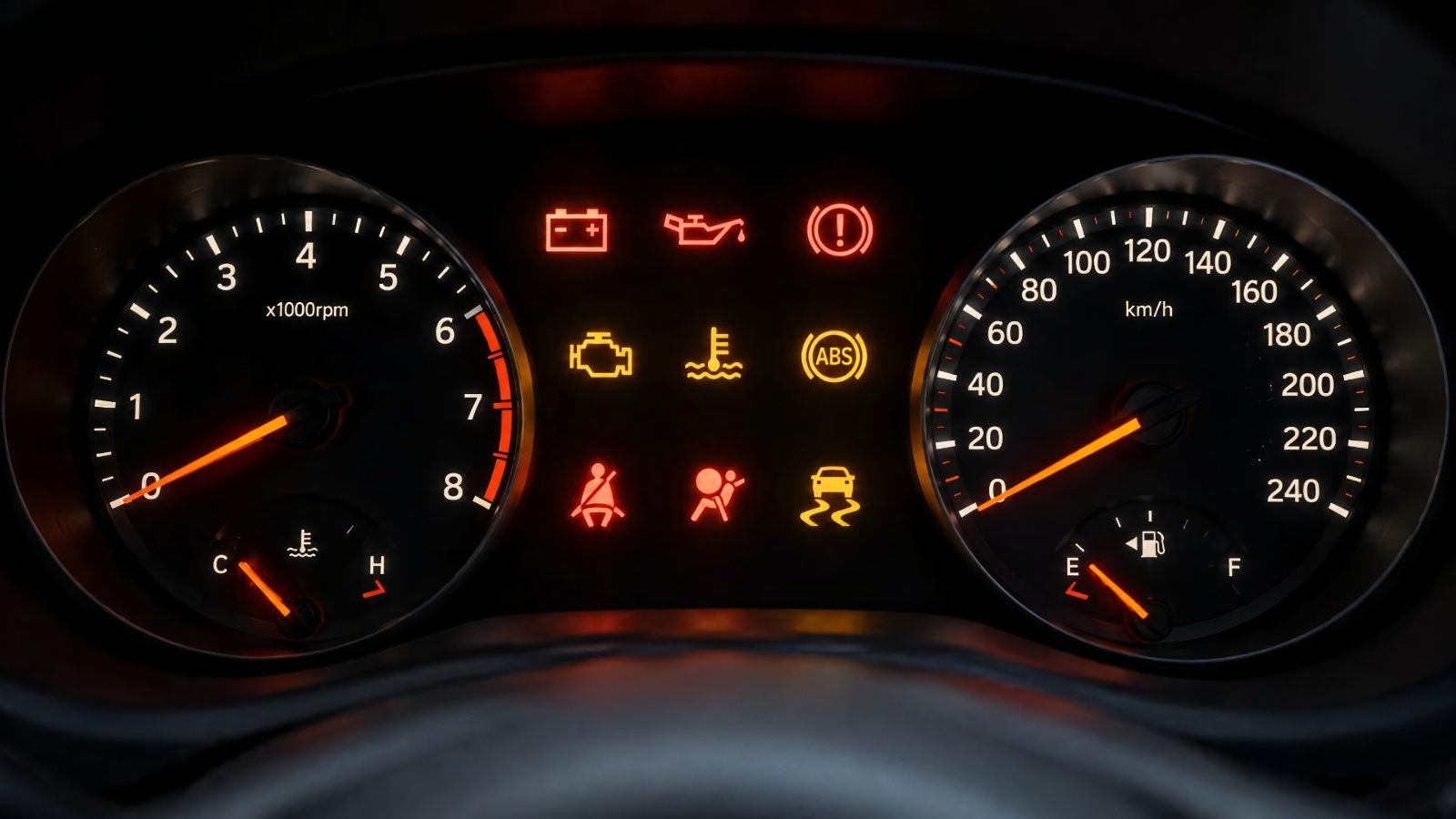
Modern dashboards can display dozens of warning symbols, but they do not all carry the same level of urgency. Automakers generally use red warning lights for serious conditions, amber or yellow lights for faults that require attention, and green or blue indicators for normal vehicle functions.
However, color alone does not tell the whole story. A red seat-belt reminder is not the same as a red oil-pressure warning, while a flashing amber check-engine light can be much more urgent than a steady one.
The safest approach is to understand what the warning refers to and how the manufacturer expects the driver to respond. Oil pressure, engine temperature, braking, charging, transmission temperature, and severe engine misfire warnings can all lead to costly damage or dangerous driving conditions if ignored. When one of these lights appears, continuing to drive simply to reach home or the next repair shop can turn a manageable problem into a major failure.
1. Red Oil Pressure Warning Light
The red oil-can symbol is one of the most serious dashboard warnings a driver can see. It generally means the engine may not have sufficient oil pressure to lubricate its internal components properly. That is very different from a simple oil-level reminder or maintenance notification.
Engine oil creates a protective film between moving metal surfaces. Crankshaft bearings, camshafts, connecting rods, and other components depend on a steady supply of pressurized oil. If that pressure disappears, metal-to-metal contact can begin almost immediately.
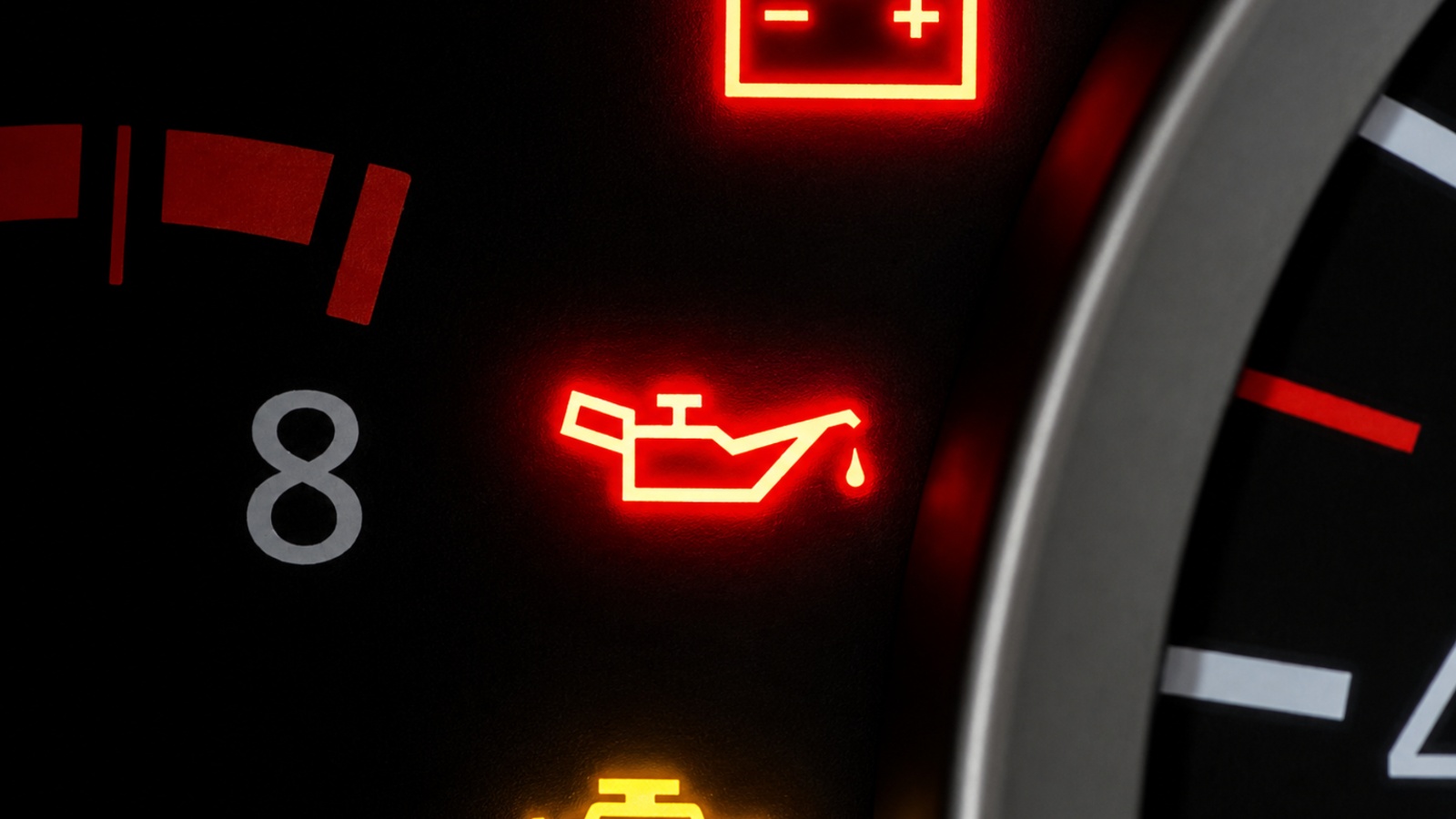
Low oil pressure can result from several problems. The engine may have lost oil because of a leak, the oil pump may have failed, the pickup tube may be blocked, or internal engine wear may prevent the system from maintaining sufficient pressure. Even an engine showing an apparently acceptable oil level can still suffer a pressure problem.
Continuing to drive can cause bearing damage, overheating of internal components, knocking noises, and eventually complete engine seizure. A repair that might initially involve diagnosing an oil leak or pump issue can become a full engine replacement if the warning is ignored.
Drivers should also take a flickering oil-pressure light seriously. If it appears during braking, cornering, or idling, the oil level may already be dangerously low or pressure may be dropping below the required threshold.
If the oil-pressure warning comes on while driving, move to a safe location and switch the engine off as soon as possible. Allow the vehicle to sit before checking the oil level according to the owner’s manual. If the level is very low, adding the correct oil may be necessary, but do not assume that this automatically fixes the problem.
If the warning remains illuminated after the oil level is corrected, or if the level was already normal, do not continue driving. The safest approach is to have the vehicle inspected or towed.
2. High Engine Coolant Temperature Warning
A red thermometer symbol, temperature warning, or message indicating that the engine is overheating means the cooling system can no longer keep engine temperature within a safe range.
Overheating can happen for many reasons. The vehicle may have lost coolant through a hose, radiator, water pump, or gasket leak. A thermostat can become stuck closed, an electric cooling fan can stop working, or the radiator may be restricted. On some engines, a failed belt can also stop the water pump from circulating coolant.
The danger comes from the amount of heat building inside the engine. Aluminum cylinder heads and other components can distort under excessive temperature. Head gaskets can fail, engine oil can lose its protective qualities, and internal components can suffer permanent damage.
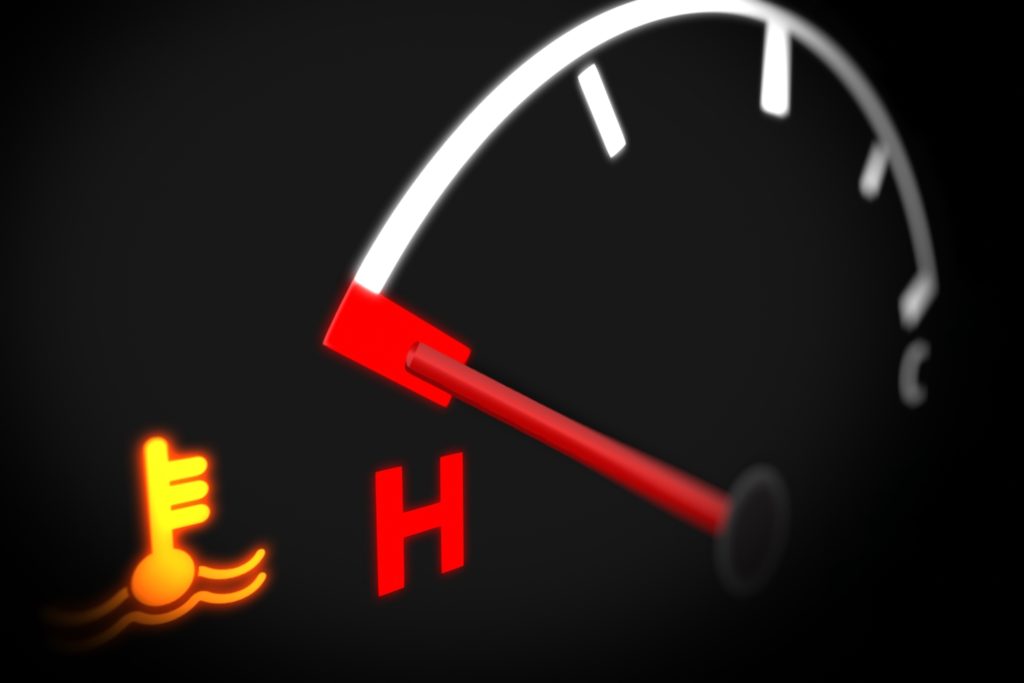
An overheating engine may initially continue to run normally, which can tempt the driver to keep going. That is risky. The temperature can rise rapidly once the cooling system reaches its limit.
Steam from under the hood, a sweet coolant smell, reduced engine power, or a temperature gauge moving into the red zone are additional signs that something is wrong.
Drivers should also remember that a hot cooling system can remain under significant pressure. Removing a radiator or coolant-reservoir cap immediately after overheating can release boiling coolant and steam.
Pull over safely as soon as practical and switch the engine off. Allow the engine to cool completely before inspecting the coolant level or looking for leaks. Never remove a pressurized radiator or coolant cap while the system is still hot. If the vehicle has lost coolant, shows an obvious leak, or overheats again after restarting, do not continue driving. Arrange towing or professional diagnosis rather than risking additional engine damage.
3. Red Brake System Warning Light
A red brake warning is different from the amber ABS light. Depending on the vehicle, the red BRAKE symbol may indicate that the parking brake is applied, the brake-fluid level is low, or there is a problem within the hydraulic braking system.
The first step is always to confirm that the parking brake has been completely released. If the warning disappears, the system may be operating normally.
If the light remains on, however, the problem can be much more serious. Hydraulic brakes depend on fluid pressure to transmit force from the brake pedal to the wheels. A leak, failed component, or critically low fluid level can reduce that pressure.
The brake pedal may feel soft, travel farther than usual, sink toward the floor, or require noticeably more effort to stop the car. Any of those symptoms deserve immediate attention.
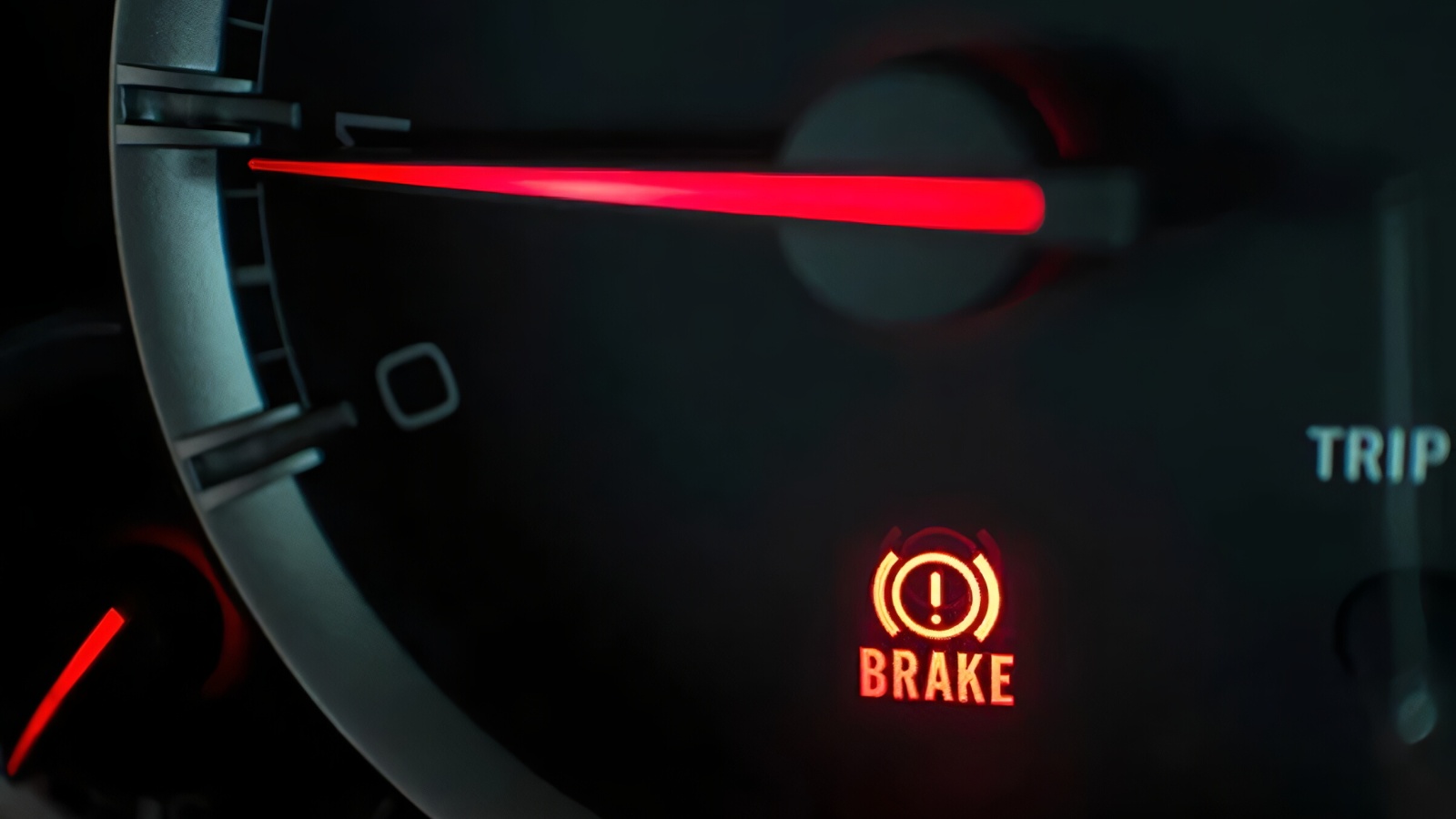
Brake-fluid loss is especially concerning because the fluid does not normally disappear during everyday operation. A low reservoir may indicate worn brake components or a leak somewhere in the system.
The amber ABS warning is generally less urgent. If only the ABS lamp appears, conventional braking may still be available even though anti-lock assistance is disabled. A red hydraulic brake warning, especially combined with abnormal pedal behavior, is considerably more serious because basic stopping ability may be affected.
First, make sure the parking brake is fully released. If the warning remains illuminated, test the brake pedal carefully while moving only as necessary to reach a safe stopping location. If the pedal feels soft, sinks excessively, or stopping ability has changed, stop driving immediately and arrange towing. Even if the brakes appear to work normally, a persistent red brake warning should be inspected before normal driving resumes.
Also read: 5 Cars With the Highest Theft Rates in New Mexico, 5 With the Lowest
4. Charging System or Battery Warning Light
The red battery-shaped warning light is often misunderstood. It does not simply mean that the battery is old. When it remains illuminated while the engine is running, it usually indicates that the vehicle’s charging system is not operating correctly.
The alternator is responsible for producing electrical power while the engine is running and for keeping the battery charged. If the alternator stops working, the vehicle begins operating from the electrical energy stored in the battery alone.
Once that energy is depleted, the vehicle can lose ignition, fuel injection, electronic throttle control, transmission operation, lighting, power steering assistance on some models, and other essential functions. Eventually, the engine may stall and refuse to restart.
Possible causes include alternator failure, a broken accessory belt, damaged wiring, a faulty voltage regulator, or poor electrical connections.
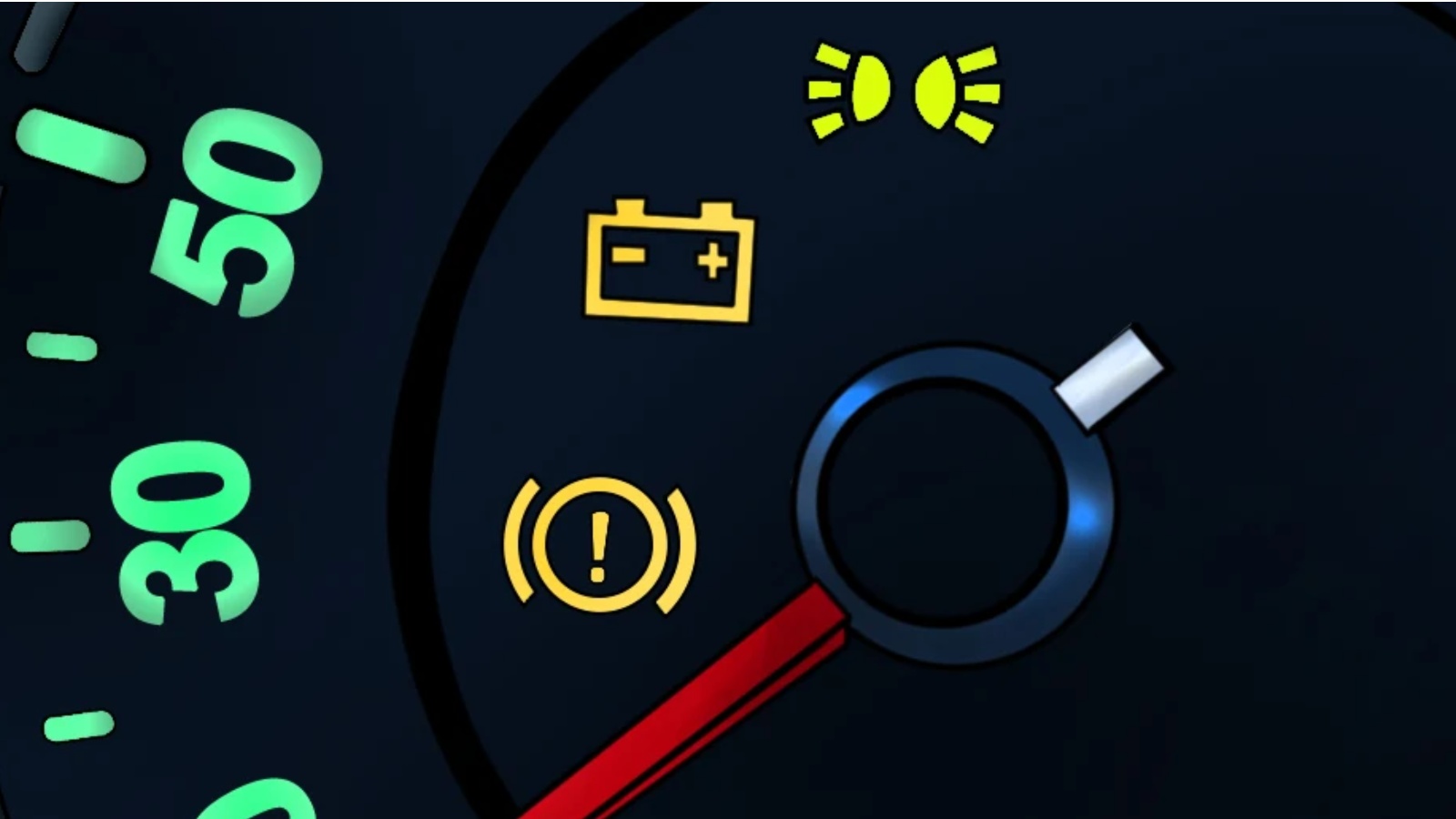
A broken belt deserves particular attention. On some engines, the same belt that drives the alternator may also drive the water pump. In that situation, the charging warning can be followed quickly by engine overheating.
Drivers may also notice dimming headlights, multiple warning lamps, weak electrical accessories, or unusual steering effort as battery voltage falls.
A charging-system warning is therefore more than a convenience issue. The car may continue operating for a short time, but there is no reliable way to predict how long the remaining battery charge will last.
Reduce unnecessary electrical use and move to a safe stopping location as soon as practical. Turn off accessories such as climate control, heated seats, and unnecessary lighting while getting there. If the steering becomes unusually heavy, the temperature gauge rises, or additional warnings appear, stop immediately because a belt problem may be involved. Do not attempt a long drive on battery power alone. Arrange inspection or towing before the vehicle loses electrical power completely.
5. Transmission or AT Oil Temperature Warning
Engines are not the only major components capable of overheating. Automatic transmissions also generate substantial heat, particularly during towing, climbing steep grades, driving in very hot weather, or operating under heavy load.
Some vehicles display an AT OIL TEMP, transmission-temperature, or similar warning when the automatic transmission fluid becomes too hot.
Transmission fluid serves several critical functions. It lubricates gears and bearings, operates hydraulic circuits, controls clutch engagement, and carries heat away from internal components. Excessive temperature can cause the fluid to break down and reduce its ability to protect the transmission.
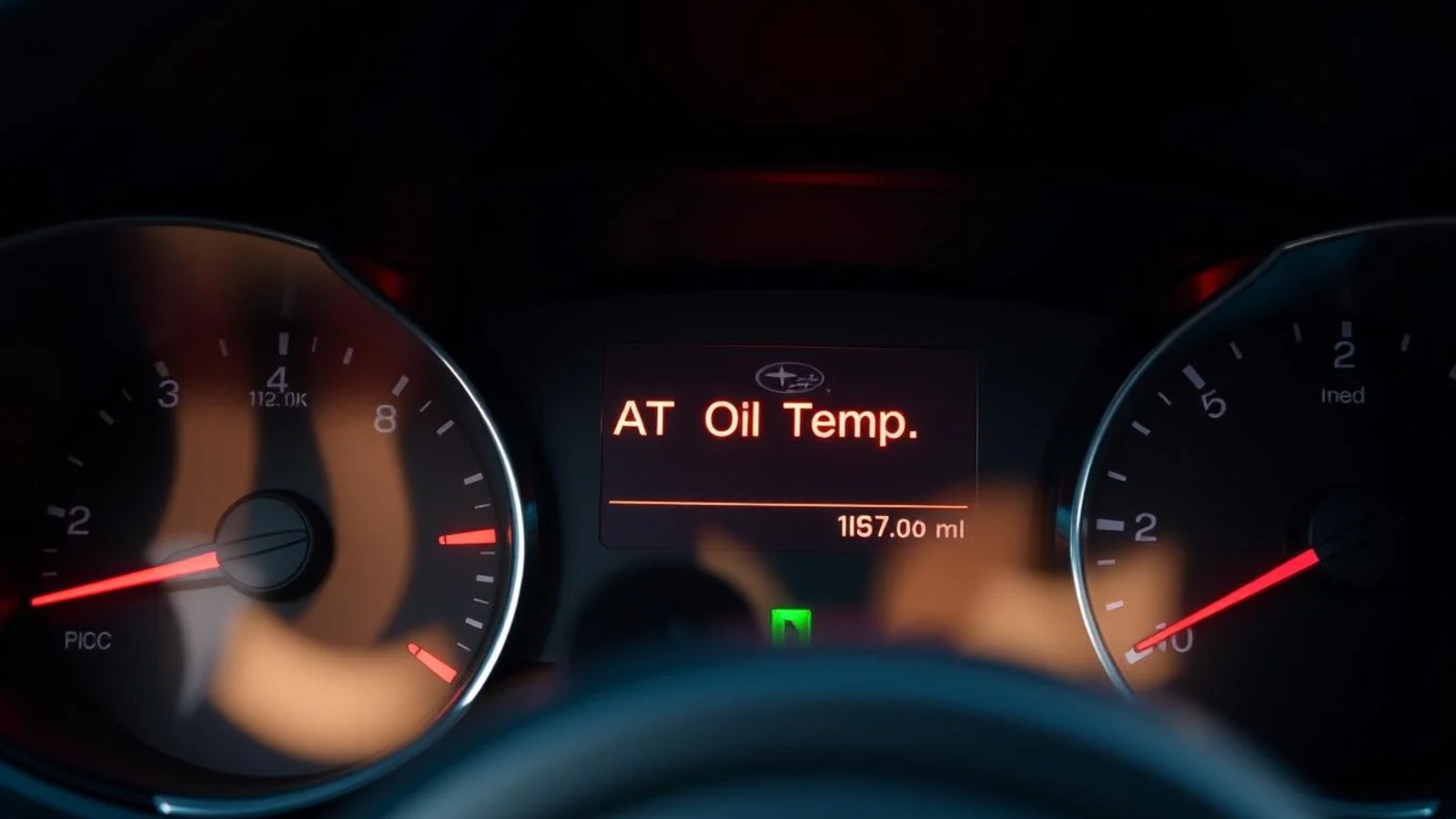
Overheating may result from heavy towing, low transmission fluid, restricted cooling, internal clutch slip, a failed cooler, or another transmission problem.
Ignoring the warning can accelerate fluid degradation and damage clutch packs, seals, bearings, or other internal components. A temporary heat problem can therefore become a very expensive transmission repair.
A transmission warning can behave differently depending on the manufacturer. On some vehicles, a steady temperature warning means the fluid is too hot, while a flashing lamp can indicate a separate electronic or mechanical fault.
That is why the exact procedure in the owner’s manual matters. Some manufacturers may instruct the driver to stop and leave the engine idling in Park while the fluid cools. Others may specify a different procedure.
Reduce load immediately and pull over in a safe area. Follow the transmission-cooling procedure specified in the owner’s manual rather than assuming the engine should always be switched off. Do not continue towing, climbing, or driving aggressively while the warning is active. If the light remains on after the system has cooled or returns shortly after driving resumes, discontinue the trip and have the transmission inspected.
6. Flashing Check Engine Light
The check engine light is usually amber or yellow, which makes it an important exception to the idea that only red warning lamps can require an immediate stop.
A steady check-engine light often indicates an emissions, sensor, or engine-management fault that may allow cautious driving until diagnosis can be arranged. A flashing check-engine light is different.
A flashing malfunction indicator commonly signals a severe engine misfire. A misfire occurs when one or more cylinders fail to burn the air-fuel mixture correctly.
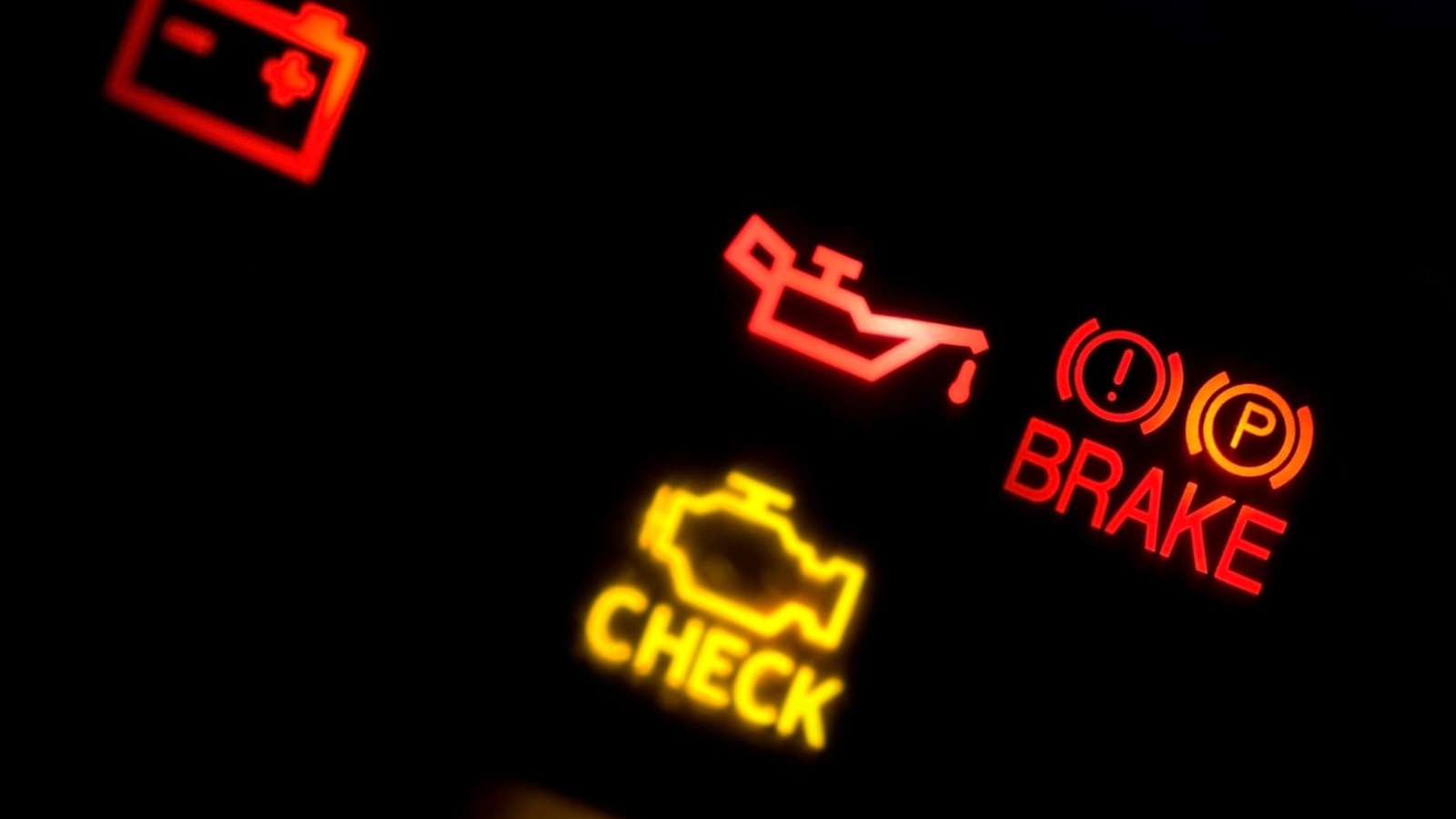
When this happens, unburned fuel can enter the exhaust system and reach the catalytic converter. The converter can then become extremely hot as it attempts to process that fuel. Continued driving can overheat and permanently damage the catalyst.
The driver may notice strong shaking, rough idle, reduced power, hesitation, poor acceleration, or an unusual exhaust smell. These symptoms make the situation even more urgent.
A severe misfire can result from failed ignition coils, worn spark plugs, fuel-injector problems, mechanical engine faults, or other causes.
The critical point is that the flashing light is not simply asking the driver to schedule maintenance soon. The vehicle is warning that continued operation could cause additional damage.
Even if the flashing stops temporarily, the underlying fault should still be investigated, especially if the engine continues running poorly.
Immediately reduce speed and engine load. Avoid hard acceleration, high RPM, towing, or climbing steep grades. If the check engine light continues flashing, especially when accompanied by shaking, loss of power, or rough running, pull over safely and shut the engine down. Have the vehicle diagnosed before continuing. A tow can be far less expensive than replacing an overheated catalytic converter or repairing additional engine damage.
Also read: 5 Cars With the Highest Theft Rates in New Mexico, 5 With the Lowest