
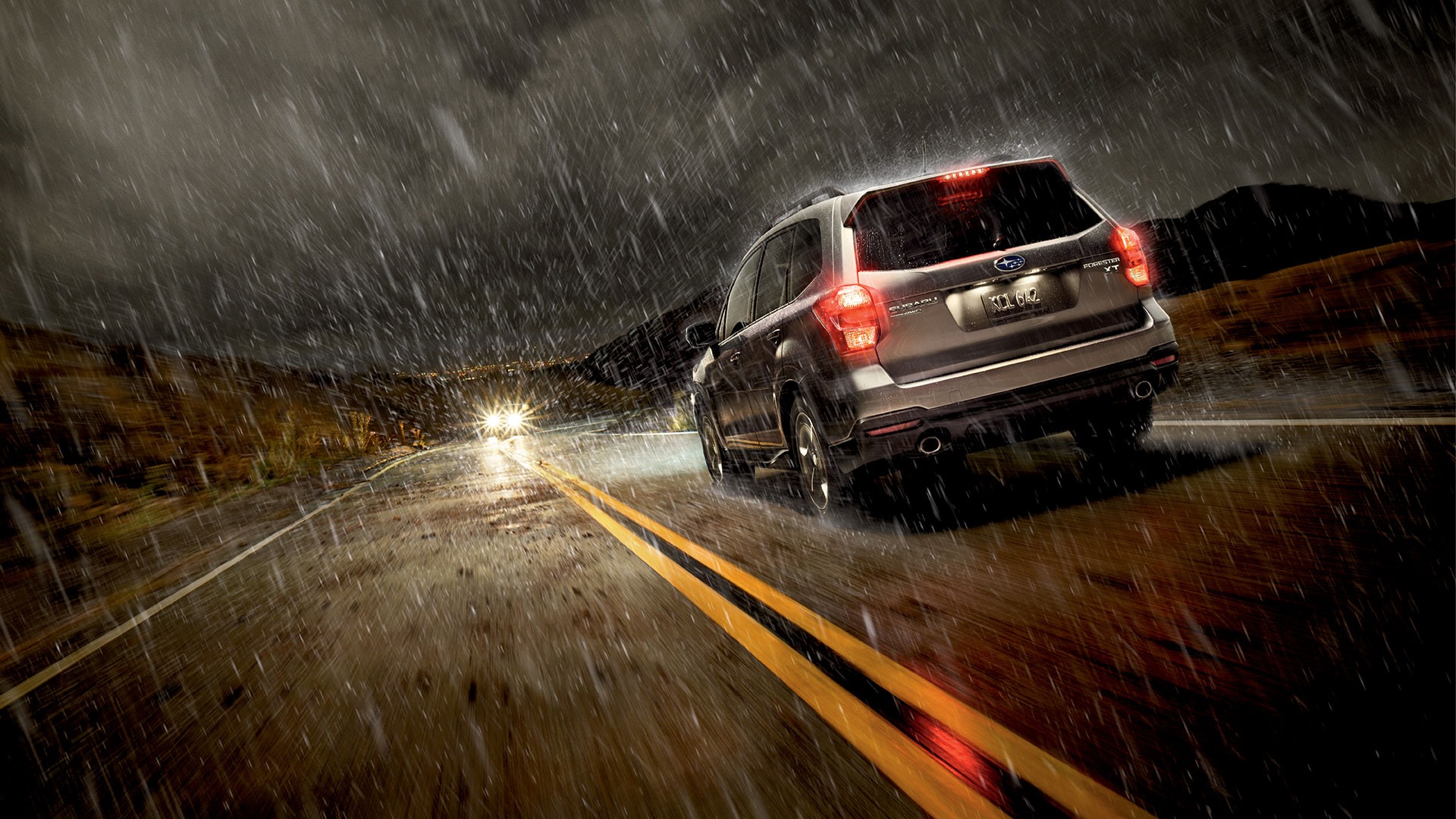
Ever notice how your car suddenly develops a whole new personality the moment rain starts falling? That squeak you never hear on dry pavement, or that clunk that only shows up in a downpour, isn’t your imagination playing tricks on you. Water changes friction, exposes weak spots, and makes existing problems louder in ways dry weather simply can’t.
Some of these sounds are completely harmless and disappear within a few minutes. Others are your car quietly begging for an inspection before a small issue becomes an expensive one. Here are eight noises that only seem to show up when the clouds open up, along with what they usually mean.
1. High-Pitched Shrill Piercing Squeal
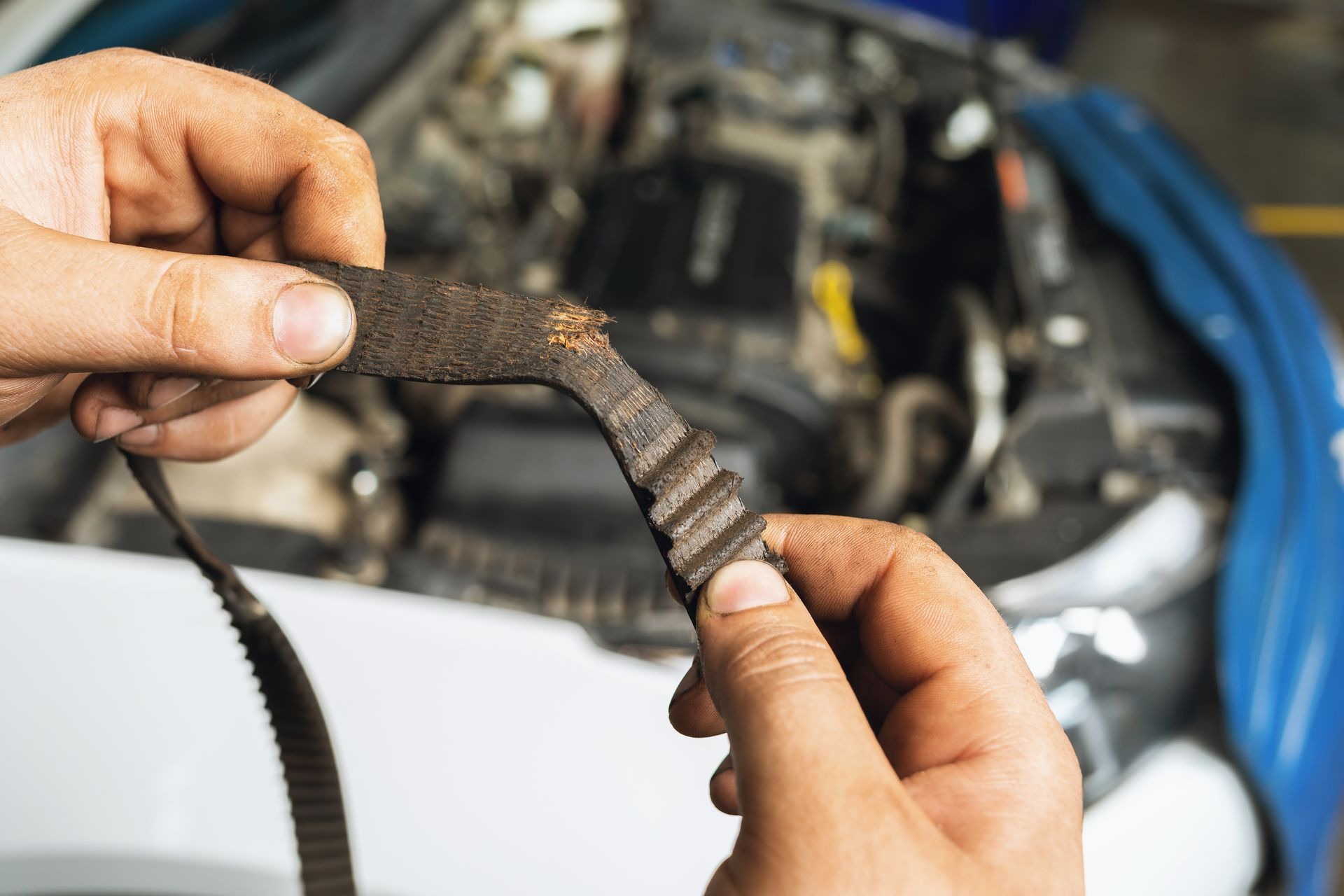
A sharp squeal after driving through a puddle can be alarming, but the serpentine belt system is often responsible. Water can get between the belt and its pulleys, briefly reducing the grip needed for smooth operation. This may cause the belt to slip for a short period, producing a loud noise that usually disappears once the moisture dries.
For many drivers, this happens only once and does not indicate a serious fault. The sound may last for a short distance before stopping as the belt and pulleys become dry again. In such cases, there may be no reason for concern if the belt system is otherwise working properly.
Problems arise when the same squeal keeps coming back whenever it rains. A noise that continues after the engine has warmed up or remains after the road surface has dried should not be ignored. Persistent squealing may point to a worn serpentine belt, a weak automatic tensioner, a damaged pulley bearing, or pulley alignment problems.
Rain does not normally cause these parts to fail suddenly. Instead, moisture can make an existing problem easier to notice. A belt that is already worn or a tensioner that is losing its proper tension may slip more easily when water reaches the system.
If the squeal happens regularly during wet weather, having the belt, tensioner, pulleys, and related components inspected is a sensible step. Early attention can help prevent belt failure and the additional problems that may follow.
2. High-Frequency Metallic Squeaking During the First Few Stops
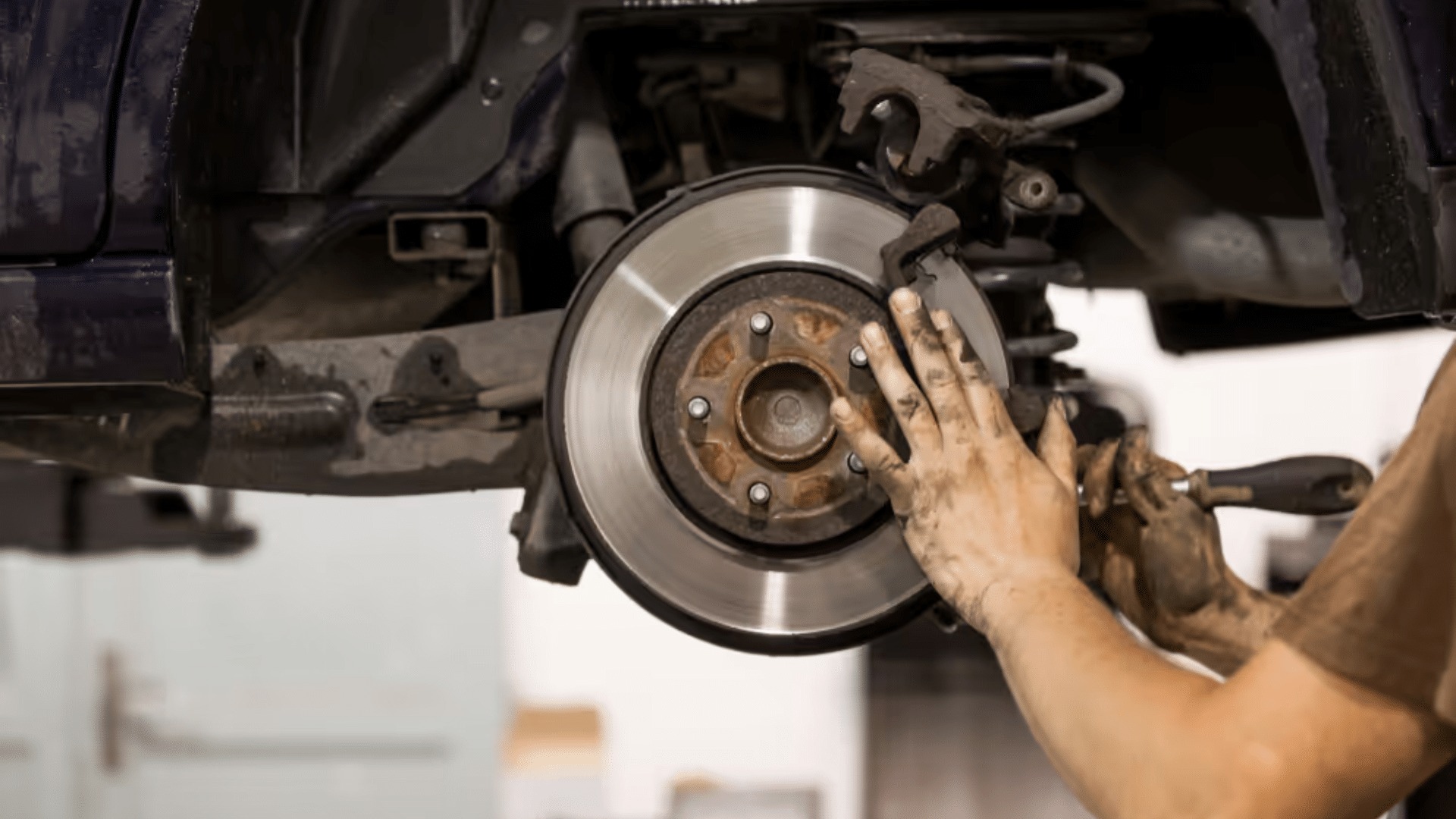
Few sounds startle drivers quite like a sharp metallic squeak the first time they hit the brakes after a rainstorm. Before panic sets in, understand what’s actually happening under your wheels. Cast-iron brake rotors are essentially bare metal, and moisture sitting on that surface for even a short period creates a thin layer of surface rust almost instantly.
That rust isn’t dangerous, but it does produce a distinctly unpleasant squeaking sound as your brake pads scrape across it during those first few applications. Most vehicles clear this rust away within three to five stops, and the noise vanishes as quickly as it appeared, leaving smooth, quiet braking behind for the rest of your drive.
This pattern is so common and predictable that mechanics rarely worry about it unless it becomes a habit that outlasts those initial stops. That’s the real signal to watch for. If the squeaking continues well beyond the first several brake applications, or if it returns consistently on dry pavement as well, don’t assume it’s simply “the rust thing” again.
Worn brake pads, glazed rotors, or hardware issues can all produce similar sounds, and rain alone shouldn’t be blamed indefinitely for what might actually be a legitimate braking system concern needing professional attention.
Also Read: 7 Car Noises That Mean an Expensive Repair Is Coming
3. Creaking or Groaning When Turning
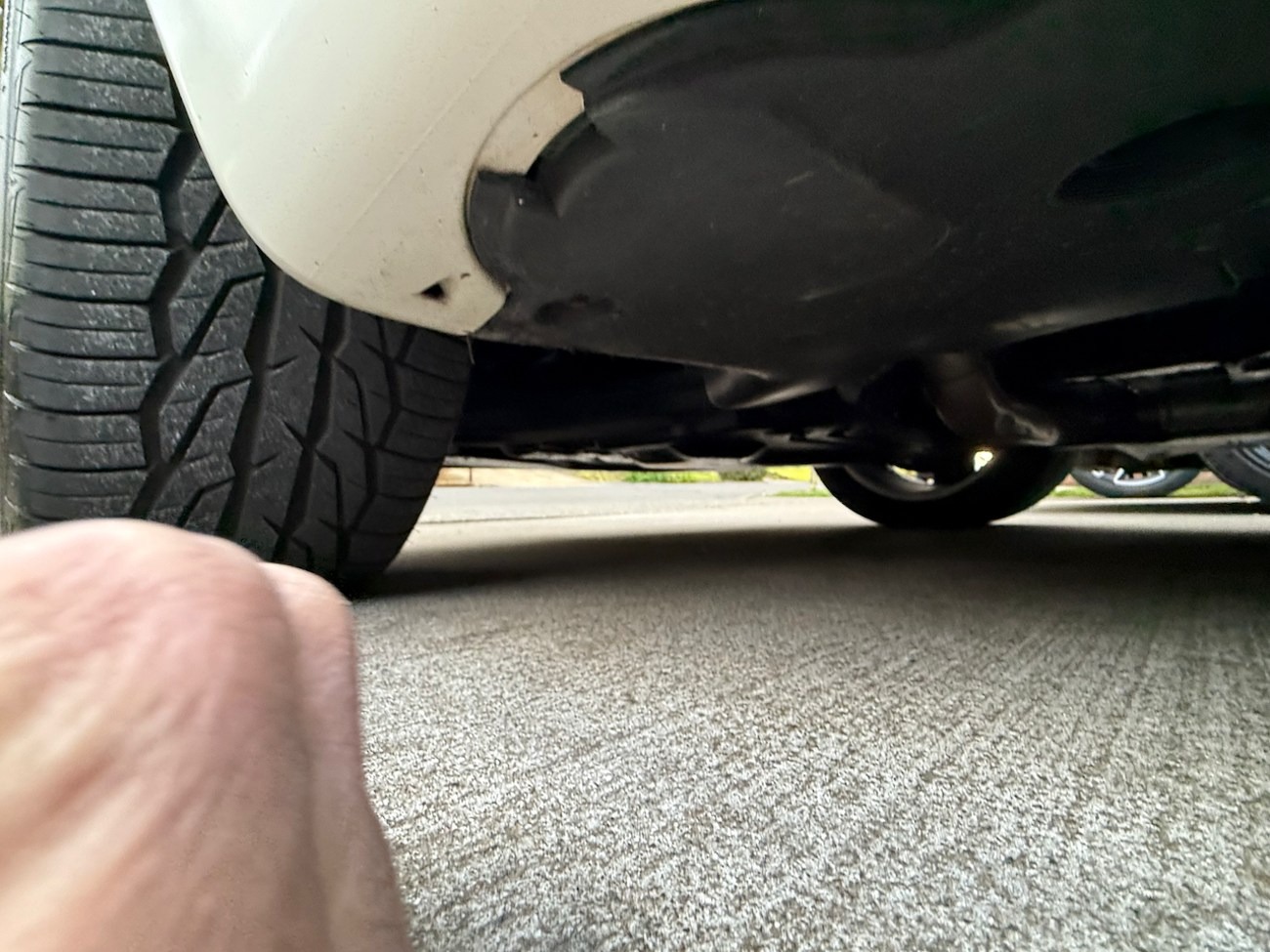
Steering through a rainy intersection and hearing your car groan like an old wooden staircase is unsettling, and for good reason. This sound points directly toward your suspension and steering components, specifically the rubber bushings, ball joints, and other connective parts that allow your wheels to move smoothly as you turn.
Here’s the interesting part: rain doesn’t actually strip grease out of sealed joints the way many drivers assume it does. What’s really happening is that moisture changes the friction dynamics between already-worn rubber components, taking a noise that might have been subtle or intermittent on dry roads and amplifying it into something impossible to ignore.
Picture a rusty hinge that creaks a little when dry but screams when it gets wet; the underlying wear was already there, water just made it obvious. Control-arm bushings, stabilizer-bar bushings, and strut mounts are the usual suspects behind this particular groan, and they tend to degrade gradually over years of normal driving.
If turning your steering wheel during or after rain produces creaking, groaning, or clunking that you don’t hear on dry days, resist the urge to blame the weather entirely. A suspension inspection can identify exactly which component has worn down enough to start announcing itself every time the pavement gets wet.

4. Rhythmic Sloshing or Gurgling From the Dashboard
Hearing water slosh around inside your dashboard sounds like something from a nightmare, yet it happens more often than most drivers realize, especially after a heavy downpour. Your vehicle relies on a network of drains, body drains, cowl drains, and sometimes sunroof or HVAC drains, all designed to channel rainwater safely away from your cabin and electronics.
When these passages become clogged with leaves, dirt, or debris, water has nowhere productive to go, so it pools in hidden compartments and sloshes around every time you accelerate, brake, or turn a corner.
That gurgling sound is essentially trapped water announcing its presence, and it’s not something to shrug off as a quirky feature of your car. Left unaddressed, blocked drains can lead to genuinely unpleasant consequences, including damp carpets, musty odors, or worse, water finding its way onto sensitive electrical components tucked beneath your dashboard.
If you notice sloshing sounds specifically after heavy rain, check for wet carpeting or dampness inside the cabin as a follow-up step. Repeated gurgling combined with any moisture inside the vehicle is a clear signal that your drainage system needs a proper inspection and cleaning before a minor annoyance turns into costly interior water damage.
5. Metallic Rattle or Buzz After Driving Through Puddles
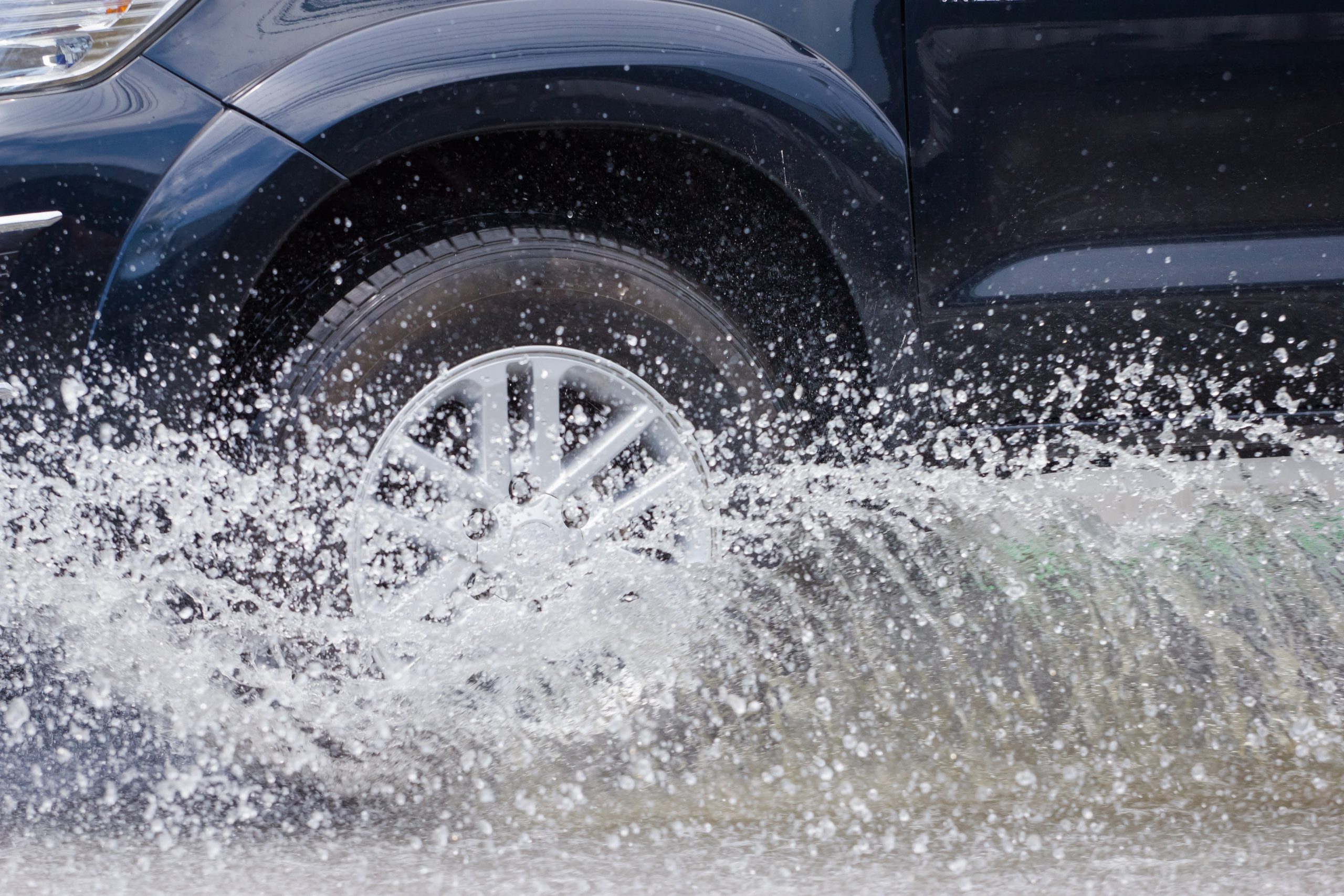
A metallic rattle after driving through a puddle can be worrying, especially when the sound appears without warning. However, there is usually a simple reason for it. Exhaust components become extremely hot while the engine is running, so sudden contact with cold water can cause quick temperature changes and alter the way some parts vibrate.
Heat shields are among the components most likely to make this noise. These thin metal panels are fitted around parts of the exhaust to protect nearby areas from excessive heat. After years of exposure to road dirt, moisture, and corrosion, a heat shield can become loose. It may remain quiet during normal driving but start buzzing or rattling when water from a puddle reaches it.
The water can cause the loose shield to move slightly, allowing it to touch another metal surface and produce an unfamiliar sound. Drivers sometimes assume that the exhaust pipe has moved against the driveshaft, but that is not usually the cause of this type of noise.
A worn exhaust hanger, loose bracket, damaged heat shield, or another nearby exhaust component can also produce a similar rattle when exposed to sudden temperature changes. If the noise happens repeatedly after driving through standing water, it is worth having the underside of the vehicle inspected.
A mechanic can check the heat shields, exhaust hangers, brackets, and pipes for corrosion or loose connections. Finding the affected part early can prevent the noise from becoming a larger repair issue later.
6. Deeper or Louder Exhaust Sound
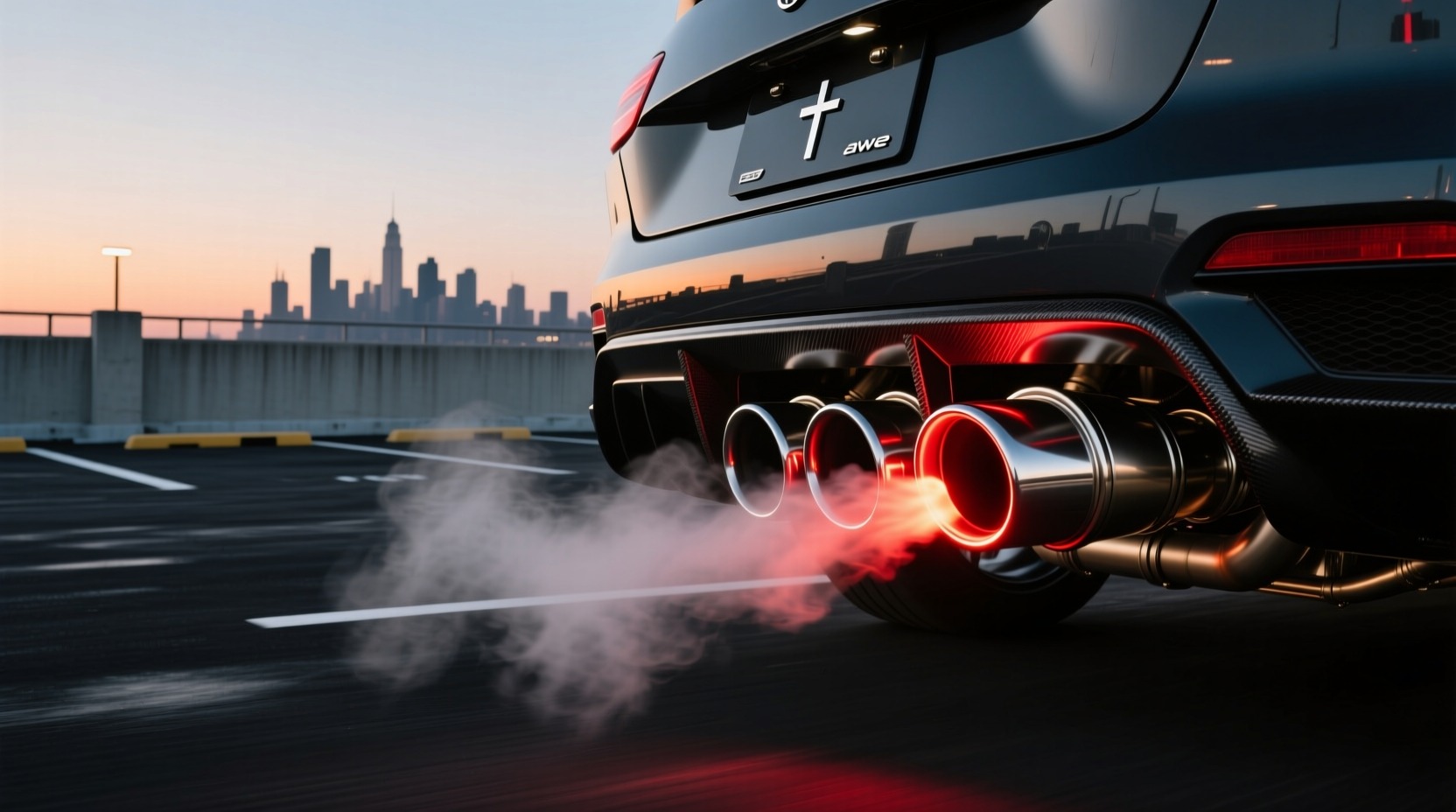
A car that suddenly develops a deeper exhaust sound during rainy weather may seem as though it has gained extra power, but that is rarely a good sign. Wet roads can make existing exhaust faults much easier to hear, even when those problems were barely noticeable during dry conditions.
A small crack, worn gasket, or loose connection may produce only a faint sound normally, but moisture can change how sound travels around the damaged area and make the noise much more obvious.
What many drivers may not realise is that rain does not usually create a fresh exhaust problem. Instead, it can reveal a fault that has already been developing beneath the vehicle. This is why paying attention to what happens after the rain stops is important.
Once the vehicle and exhaust system have dried properly, listen carefully to the exhaust note. If it returns to its normal sound, moisture may have simply made an existing issue easier to hear. However, if the deeper or louder sound remains, there could be a cracked exhaust pipe, damaged muffler, worn gasket, or loose connection that needs attention.
A properly functioning exhaust should not remain louder simply because it became wet. Any lasting change in sound should therefore be checked by a qualified mechanic before a small exhaust fault develops into a more expensive repair.
7. Engine Stuttering, Popping, or Misfiring
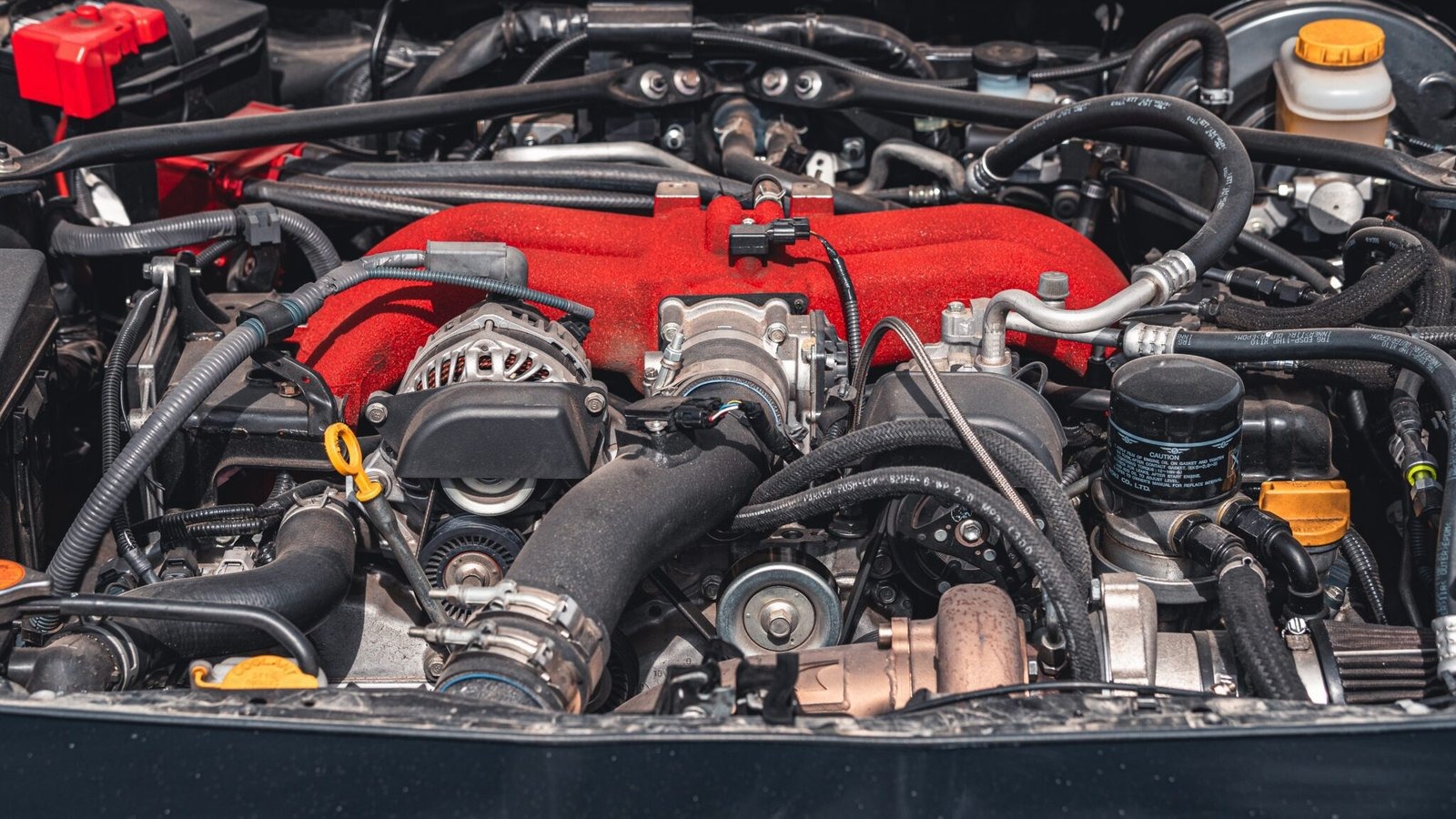
Few things feel more unsettling than your engine suddenly running rough the moment rain starts falling, especially if it drives perfectly fine on sunny days. This particular symptom points toward your ignition and engine electrical system, and it tends to show up most often in older vehicles equipped with traditional ignition components rather than newer, more sealed electronic systems.
Moisture has a sneaky way of finding its way into small cracks, aging insulation, or corroded connectors, and once water makes contact with these vulnerable areas, it can disrupt the electrical signals your engine relies on to fire correctly.
The result feels exactly like it sounds: stuttering acceleration, unexpected popping noises, or a rough, uneven idle that seems to appear out of nowhere during wet weather. Here’s a useful diagnostic trick worth remembering.
If your engine runs noticeably poorly during rain but returns to smooth, normal operation once everything dries out, that pattern strongly suggests moisture intrusion somewhere in your ignition or electrical system rather than a random, unrelated engine issue. Spark plug wires, distributor caps on older vehicles, and various electrical connectors are common culprits worth inspecting.
Catching this early prevents a manageable repair from turning into a frustrating pattern of unreliable performance every time storm clouds roll in.
Also Read: 5 Common Car Engine Noises and What They Mean
8. Clunking or Rattling Over Road Bumps
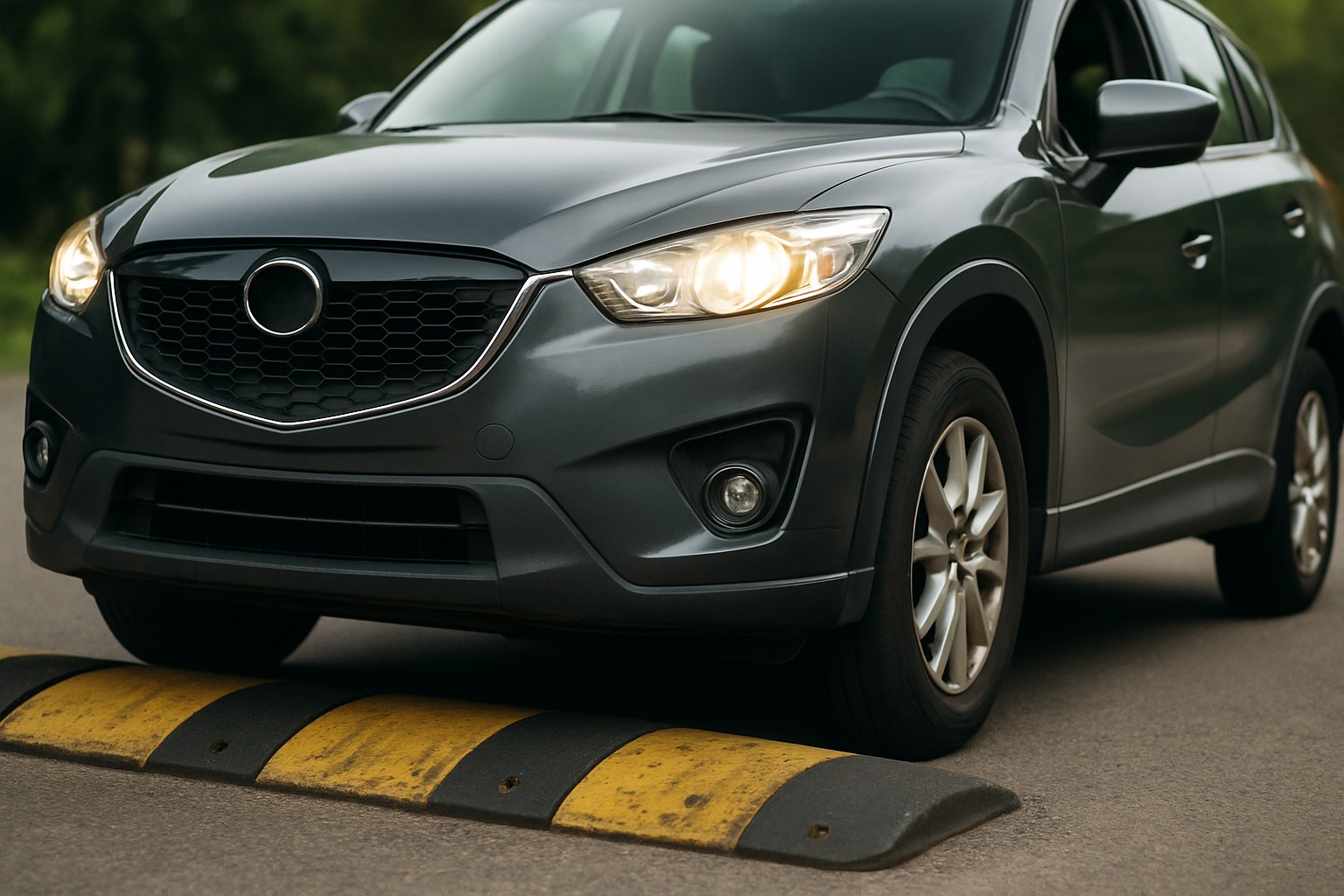
Hitting a pothole or speed bump during a rainstorm and hearing a sharp clunk that doesn’t happen on dry days points squarely toward your suspension and stabilizer-bar components. Much like the creaking and groaning noise heard while turning, this particular sound results from rain changing the friction properties around already-worn rubber bushings and connection points throughout your suspension system.
A stabilizer-bar link that’s developed some play, a control-arm bushing that’s cracked with age, or a strut mount that’s loosened over years of driving can all produce clunking sounds that become far more noticeable once water gets involved.
The underlying wear was there all along, quietly hiding beneath dry-weather driving conditions, but rain has a way of turning subtle looseness into an unmistakable metallic clunk every single time your wheel drops into a bump or dip in the road. This is exactly the kind of noise that’s easy to dismiss as normal road roughness, especially if it only seems to happen during wet weather.
Don’t fall into that trap. If clunking or rattling over bumps repeatedly shows up specifically during rain, get your suspension components inspected rather than assuming the weather itself is somehow responsible for a mechanical issue that clearly needs professional attention.
