
Modern cars have become closely connected to smartphones, cloud accounts, and cellular networks. For some vehicles, that connectivity can affect how owners unlock the doors, especially when they rely on a phone app instead of a traditional key.
If the phone has no cellular connection, the vehicle may not receive a remote unlock command until communication is restored.
This does not mean every connected car becomes inaccessible without mobile service, since many offer key fobs, Bluetooth access, NFC, or physical backup keys. Still, these eight cars show how cellular connectivity can become an important part of accessing a modern vehicle today.
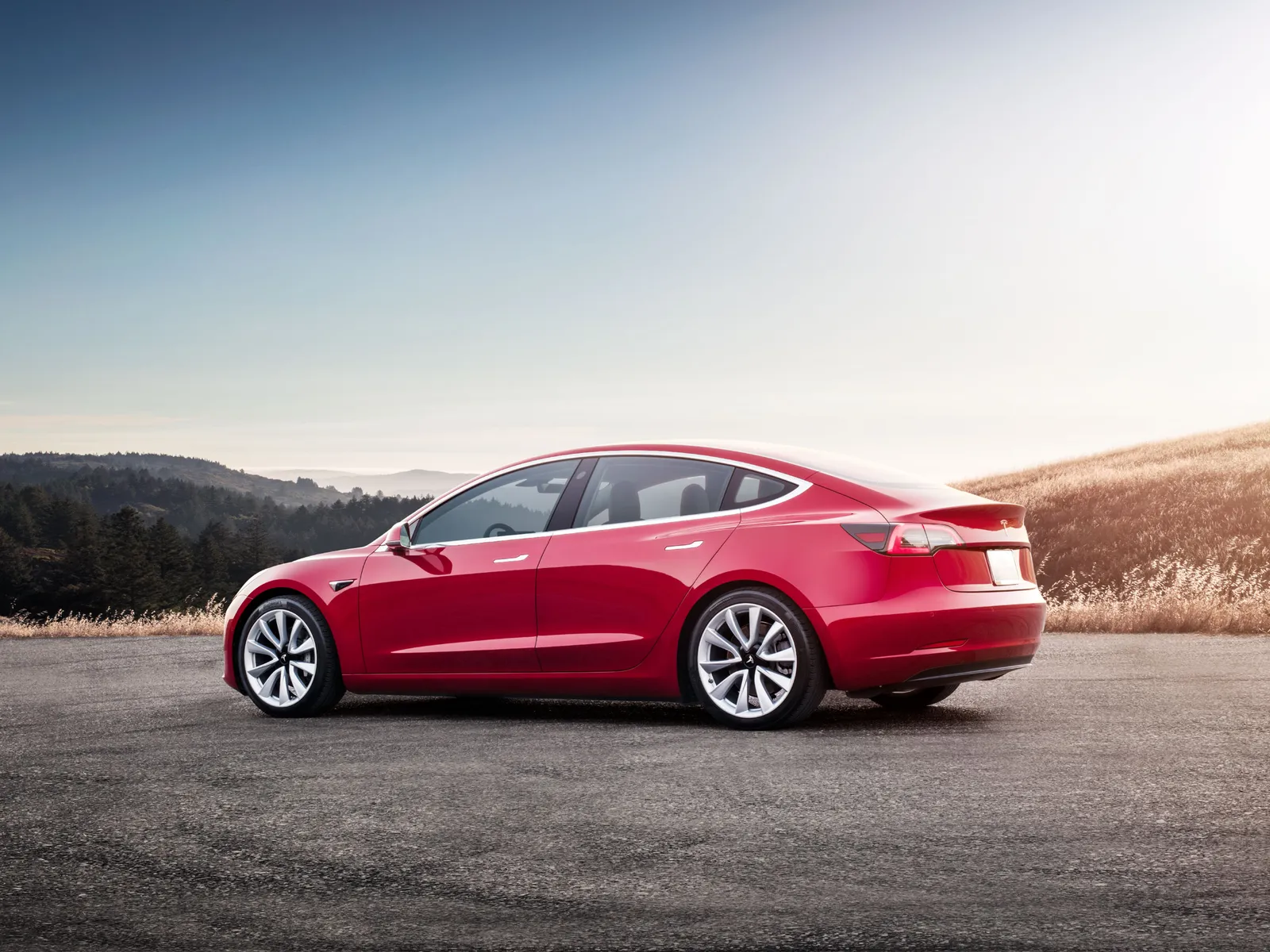
- Engine: Single- or dual-motor electric, depending on trim
- Torque: 266 lb-ft to 377 lb-ft, depending on configuration
- Horsepower: Approximately 257 hp to 394 hp, depending on configuration
- Length: 185.8 inches (4720 mm); Performance version is about 185.9 inches
- Width: 82.2 inches including mirrors, 72.8 inches excluding mirrors
1. Tesla Model 3
The Tesla Model 3 is designed around a smartphone-centered ownership experience. Owners can use the Tesla mobile app for several vehicle functions, including locking and unlocking the car. When the app sends a remote command, the request generally travels through an internet connection to Tesla’s servers before reaching the vehicle.
That makes cellular or Wi-Fi connectivity important when someone is trying to unlock the vehicle remotely from a distance. If the phone cannot communicate with the Tesla service, the remote unlock function may not work as expected.
The situation is different when the owner’s smartphone has already been set up as a phone key. Tesla’s phone key system uses Bluetooth communication between the phone and vehicle. This means the driver does not normally need cellular service every time they approach the car.
The phone and vehicle can communicate directly when the phone key is properly configured. That distinction is important because saying that every Model 3 requires cell service to unlock would be misleading. Cellular connectivity is mainly relevant to remote app commands rather than every method of entry.
A bigger concern appears when an owner depends heavily on the Tesla app instead of carrying a key card. A key card provides a physical backup that does not depend on cellular service.
Owners who leave the key card at home and depend entirely on the smartphone should understand how the phone key operates before assuming that a loss of mobile service will leave them locked out.
Bluetooth access can continue without cellular data, but problems with the phone, app, permissions, battery, or pairing can create additional complications.
The Model 3 illustrates a larger change taking place throughout the automotive industry. Traditional cars generally separated the physical key from communications technology. A key turned a lock or operated a receiver, and the vehicle did not need to contact a remote server.
Connected vehicles introduce cloud services into functions that were previously local. This can make ownership more convenient, but it also creates new points of dependence. A phone, application, network connection, account, and vehicle system can all become part of the access process.
The Model 3 therefore does not simply require cell service to unlock, but cellular connectivity can matter when remote unlocking through the Tesla app is being used.
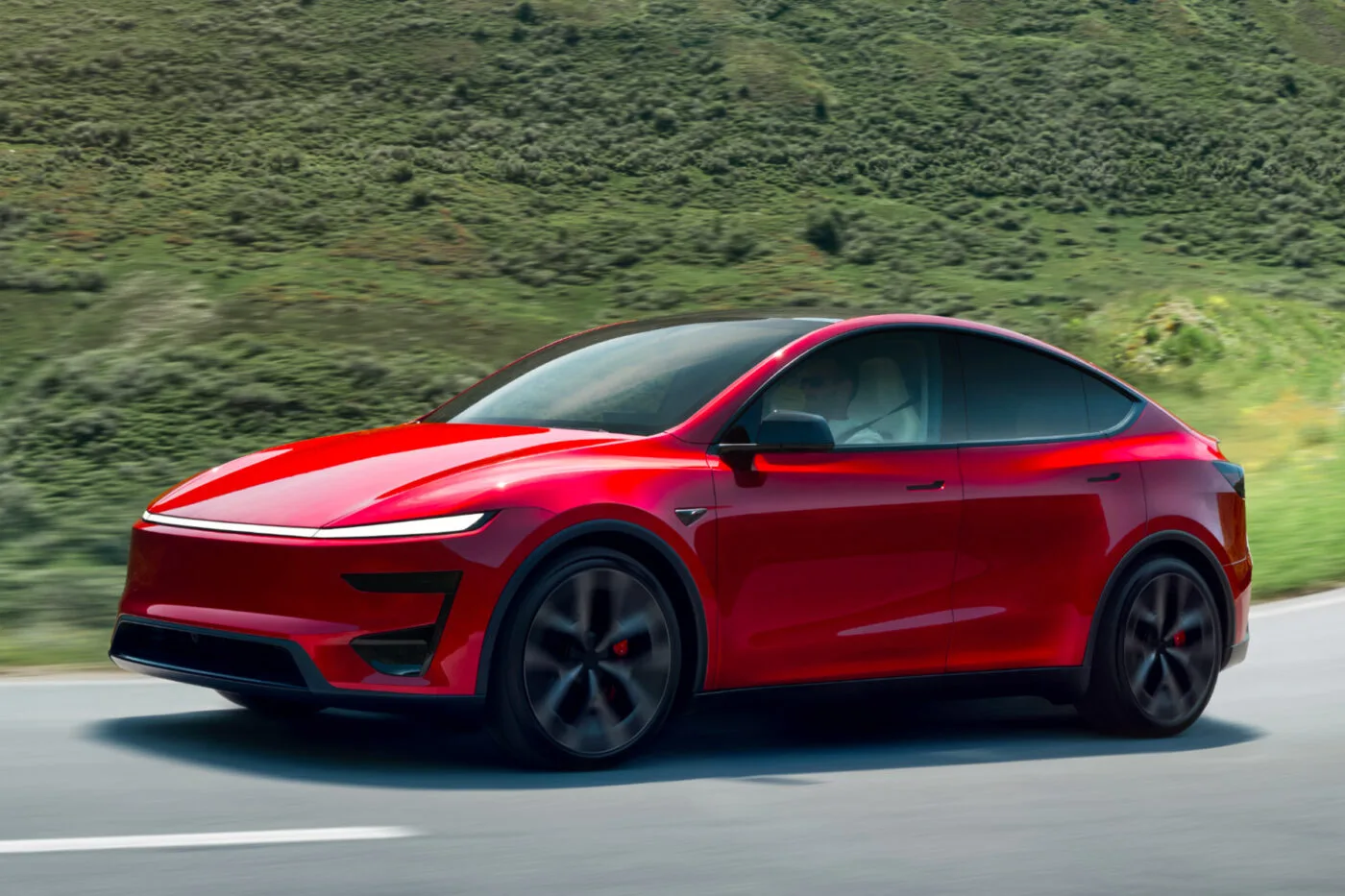
- Engine: Single- or dual-motor electric, depending on trim
- Torque: Varies by powertrain; Tesla does not publish a single torque figure for all configurations
- Horsepower: Varies by trim and configuration
- Length: 188.7 inches (4794 mm)
- Width: 83.8 inches including mirrors, 75.6 inches excluding mirrors
2. Tesla Model Y
The Tesla Model Y uses a connected access system similar to the Model 3. Its smartphone application can remotely lock and unlock the vehicle, check vehicle information, and perform other connected functions. Remote commands depend on communication between the phone, Tesla’s online services, and the vehicle.
If cellular data is unavailable and the phone cannot access another internet connection, remote commands may be delayed or unavailable. This can become noticeable when an owner expects the app to work from a parking lot with weak reception.
The Model Y also supports phone-based vehicle access, which changes the situation considerably. When the smartphone is configured as a key, the vehicle can communicate directly with the phone using Bluetooth. That local connection does not require a cellular signal for every entry.
A driver can approach the vehicle with the authorized phone and use the phone key system without necessarily having mobile data available. This makes the Model Y less dependent on cellular service for normal daily entry than the phrase “needs cell service to unlock” might suggest.
Remote unlocking is where cellular connectivity becomes more important. Imagine someone has left the key card inside the house and their phone is not functioning as a phone key.
If they are standing near the vehicle but have no usable internet connection, opening the Tesla application and sending a remote unlock request may not be possible. The problem is not that the door physically requires a cell tower. The issue is that the remote command relies on connected services.
This distinction becomes especially useful during travel. Drivers sometimes encounter underground garages, rural areas, large concrete buildings, or locations with poor reception.
In these places, cellular service can be unreliable. A person who routinely depends on remote app access should have a backup method available. The Model Y’s key card is particularly useful because it provides an alternative to the connected smartphone system.
The Model Y demonstrates why connected-car access needs to be understood in layers. Bluetooth can handle local phone-key communication, while cellular networks and internet services can handle remote functions. Both systems may be involved in the ownership experience, but they serve different purposes.
For drivers, knowing which access method is being used can prevent confusion when mobile service disappears. The Model Y is therefore best described as a vehicle whose remote unlocking can depend on cellular connectivity, rather than a car that universally requires cell service for every form of entry.
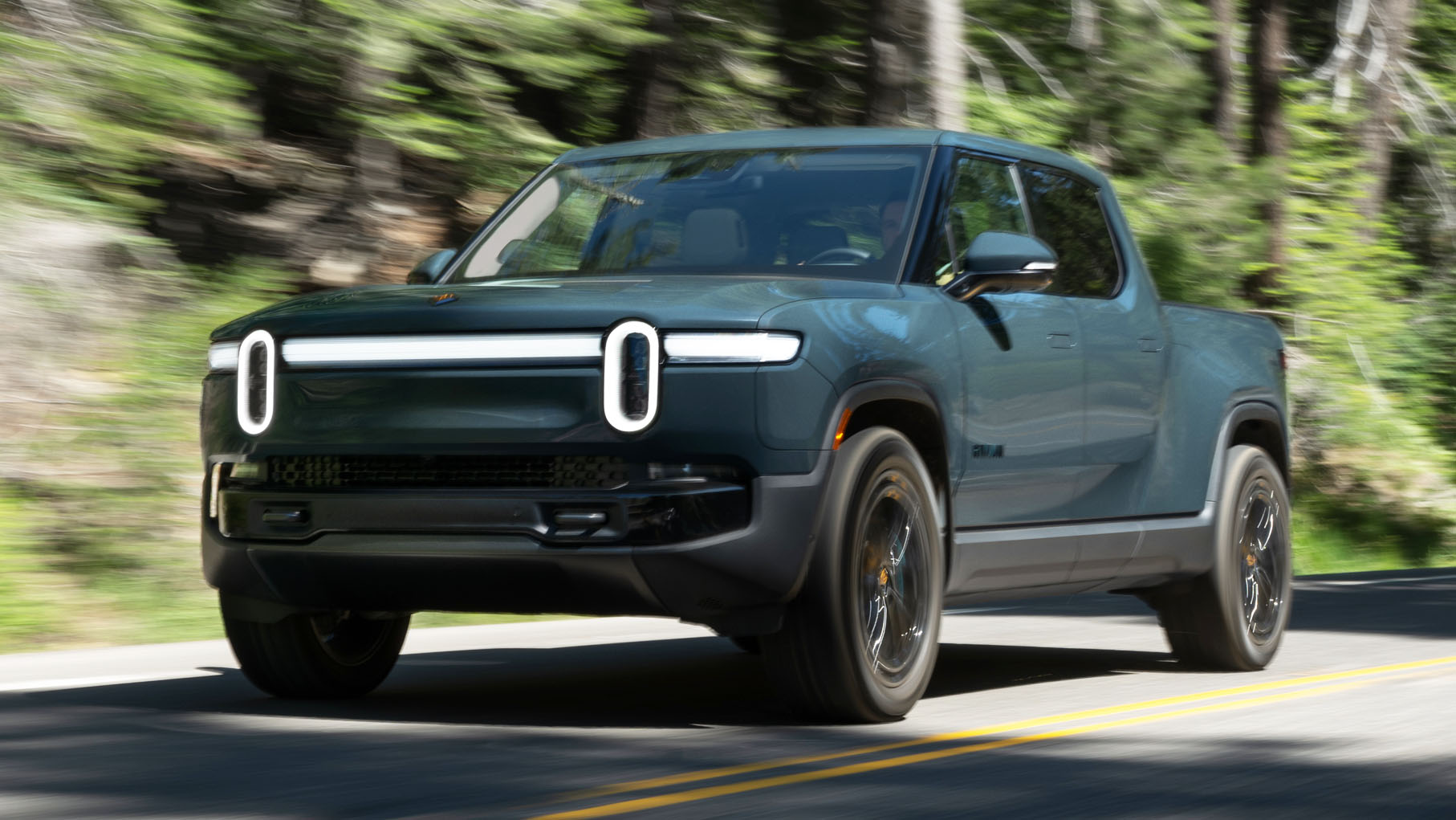
- Engine: Dual-, tri-, or quad-motor electric AWD
- Torque: 610 to 1,198 lb-ft
- Horsepower: 533 to 1,025 hp
- Length: 217.1 inches for the current Dual, Tri, and Quad versions
- Width: 88.4 inches with mirrors, 82.0 inches with mirrors folded
3. Rivian R1T
The Rivian R1T brings smartphone connectivity deeply into the ownership experience. Rivian provides a mobile application that can interact with the truck and perform functions such as locking and unlocking.
These remote functions depend on communication between the app, Rivian’s connected services, and the vehicle. When an owner uses the app from a distance, internet connectivity is an important part of the process. A phone without cellular data or Wi-Fi may not be able to send the request successfully.
Rivian also supports phone-based access, meaning the smartphone can serve as a digital key. Local wireless communication can allow the truck to recognize an authorized phone without requiring the same internet connection used by a remote app command.
This creates an important safety net for everyday use. Someone walking toward an R1T with a properly configured phone may still be able to access the truck even when mobile service is poor.
The potential problem appears when the owner relies on a remote command. Suppose the R1T is parked in an area where the owner has no usable cellular reception. Opening the application may still be possible, but sending a remote request can fail if the phone cannot reach the required online services.
The truck itself may also have limited network connectivity depending on its location. In that situation, an app-based unlock is not as dependable as a physical or locally communicating access method.
This is particularly relevant for an electric adventure truck because owners may travel to areas where network coverage is inconsistent. Remote trails, mountain areas, large parking structures, and isolated campsites can present connectivity challenges.
A vehicle designed for outdoor travel should ideally be used with an understanding of its backup access methods. Carrying the available physical key or ensuring that phone-based access is configured correctly can reduce dependence on remote connectivity.
The R1T highlights a key principle of connected vehicles: “cell service required” often means required for a particular feature rather than required for every possible entry method. Cellular connectivity helps remote commands travel between an owner and vehicle, while local technologies can handle proximity-based access.
- Engine: Dual-, tri-, or quad-motor electric AWD
- Torque: 610 to 1,198 lb-ft
- Horsepower: 533 to 1,025 hp
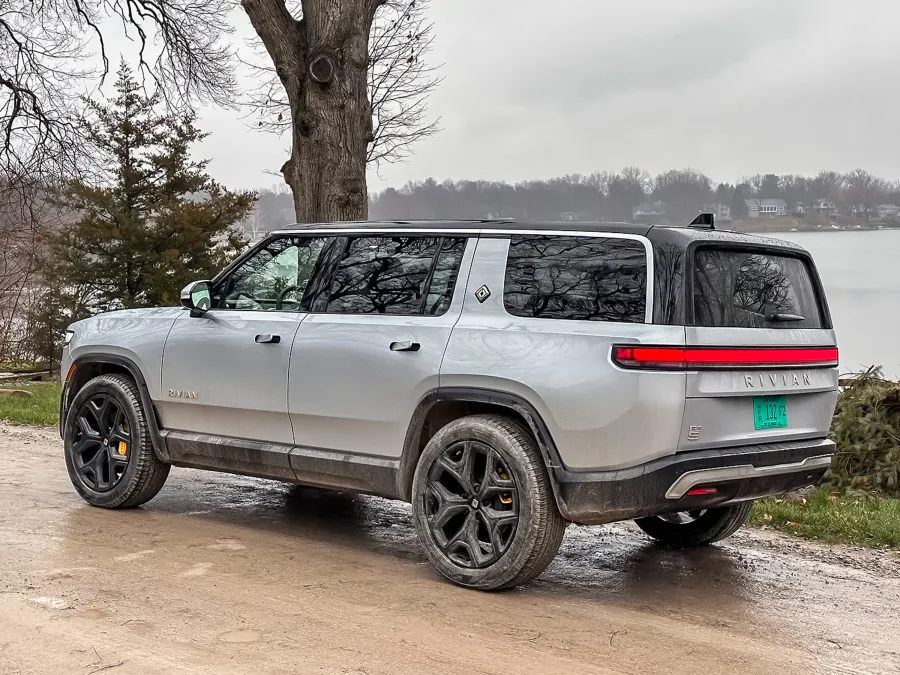
- Length: 200.8 inches for the current R1S
- Width: 88.4 inches with mirrors, 82.0 inches with mirrors folded
4. Rivian R1S
The Rivian R1S uses connected technology in much the same way as the R1T. Its smartphone application gives owners remote control over several vehicle functions, including locking and unlocking.
Because remote commands must travel between the smartphone and connected vehicle services, an internet connection can become necessary. Cellular data is usually the most convenient connection when the owner is away from home or another Wi-Fi network.
The R1S can also use a smartphone as a digital key. This local access method is different from remote unlocking through the application.
When the phone is configured correctly, communication between the phone and vehicle can occur through short-range wireless technology. As a result, a driver should not assume that losing cellular service automatically means losing all access to the SUV.
The distinction becomes important when the phone is being used as a remote controller rather than as a proximity key. Remote commands may fail in places with little or no network coverage. An underground garage can create the same problem as a remote campsite.
The owner may have a perfectly functional phone, yet the command cannot reach the vehicle because the communication path is interrupted.
Rivian owners can reduce this risk by maintaining more than one access method. A physical key or other supported backup option provides additional security when the smartphone is unavailable.
Keeping the phone charged is also important because digital access is useless if the device has shut down. Drivers should become familiar with their vehicle’s access system before relying on it during long trips.
The R1S shows how modern vehicle security is moving away from a simple metal key. A connected SUV can combine cloud services, smartphone applications, Bluetooth communication, and physical credentials.
- Engine: Single- or dual-motor electric, depending on version
- Torque: Varies by version
- Horsepower: 430 hp to 1,234 hp, depending on trim
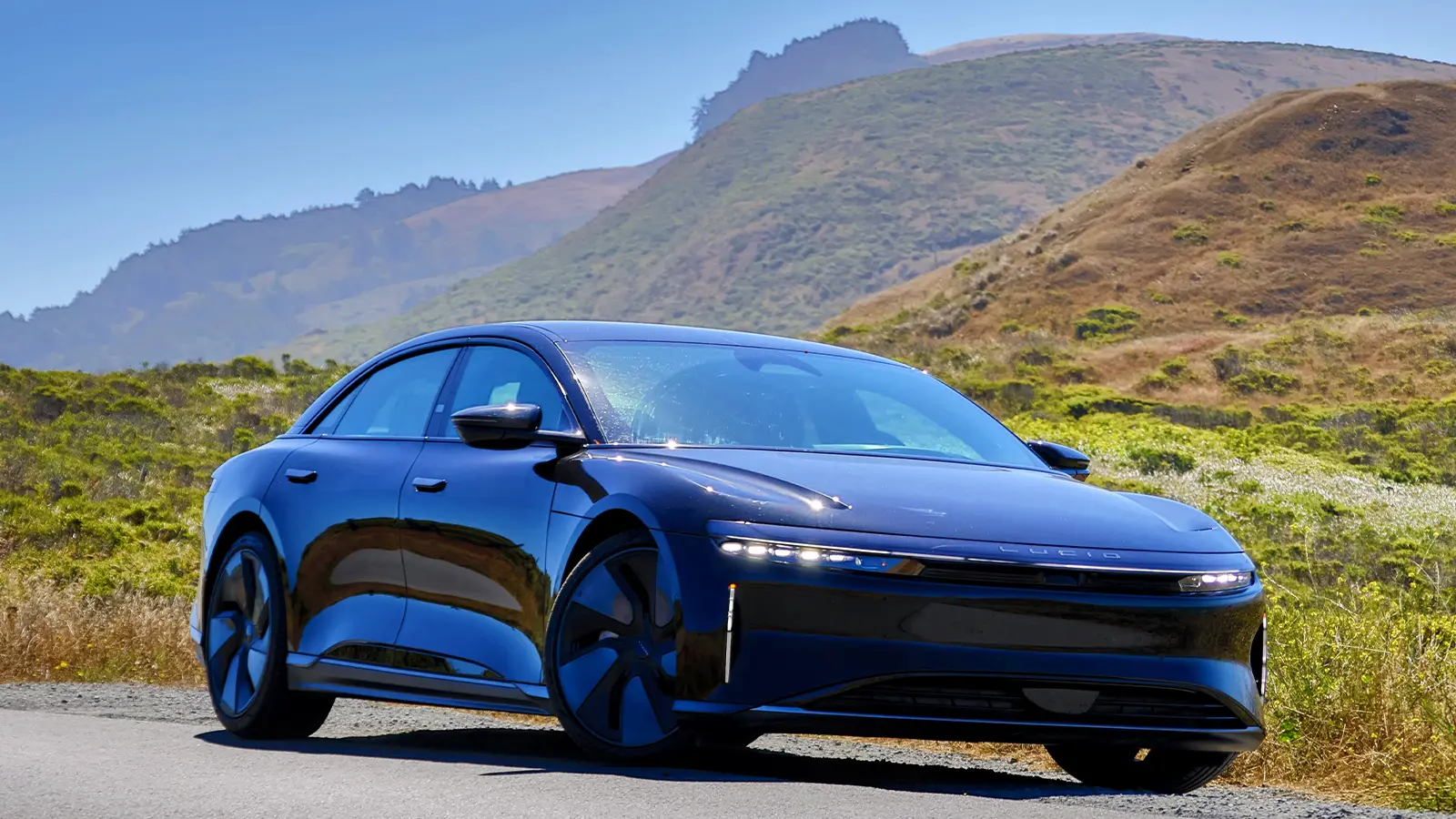
- Length: 195.9 inches
- Width: 86.4 inches with mirrors
5. Lucid Air
The Lucid Air is another modern vehicle that places considerable emphasis on digital connectivity. Its smartphone ecosystem allows owners to interact with the car remotely.
Features such as remote locking and unlocking rely on communication between the owner’s device, Lucid’s connected services, and the vehicle. When a command is being sent from far away, an internet connection becomes an important part of the process.
A driver using a supported phone-based key may have a different experience. Local wireless communication can allow the vehicle to recognize an authorized smartphone at close range.
This means cellular service is not necessarily required each time the owner approaches the vehicle. The difference between remote unlocking and proximity-based digital access should always be considered when discussing connected-car requirements.
A weak signal can become a problem when the owner expects the mobile application to perform a remote unlock. In a location without cellular coverage, the request may not reach the necessary online service.
The vehicle may also have its own connectivity limitations. These situations can turn a convenient feature into a frustrating experience, particularly when the owner has no physical key immediately available.
Luxury electric vehicles often incorporate multiple layers of digital technology, and the Lucid Air is a clear example. The convenience is substantial.
A smartphone can provide access to vehicle controls that once required a physical key or a trip back to the car. At the same time, digital convenience introduces dependencies that traditional keys did not have. Network availability, account authentication, battery life, software, and wireless communication all become relevant.
Owners can prepare for connectivity problems by keeping backup access methods available and understanding how their phone key operates. The Lucid Air should not be described as a vehicle that simply cannot unlock without cell service.
- Engine: Electric motor; current EQE versions use single- or dual-motor configurations
- Torque: 416 lb-ft for the EQE 320+ and 564 lb-ft for the EQE 320 4MATIC
- Horsepower: 315 hp for the EQE 320 versions
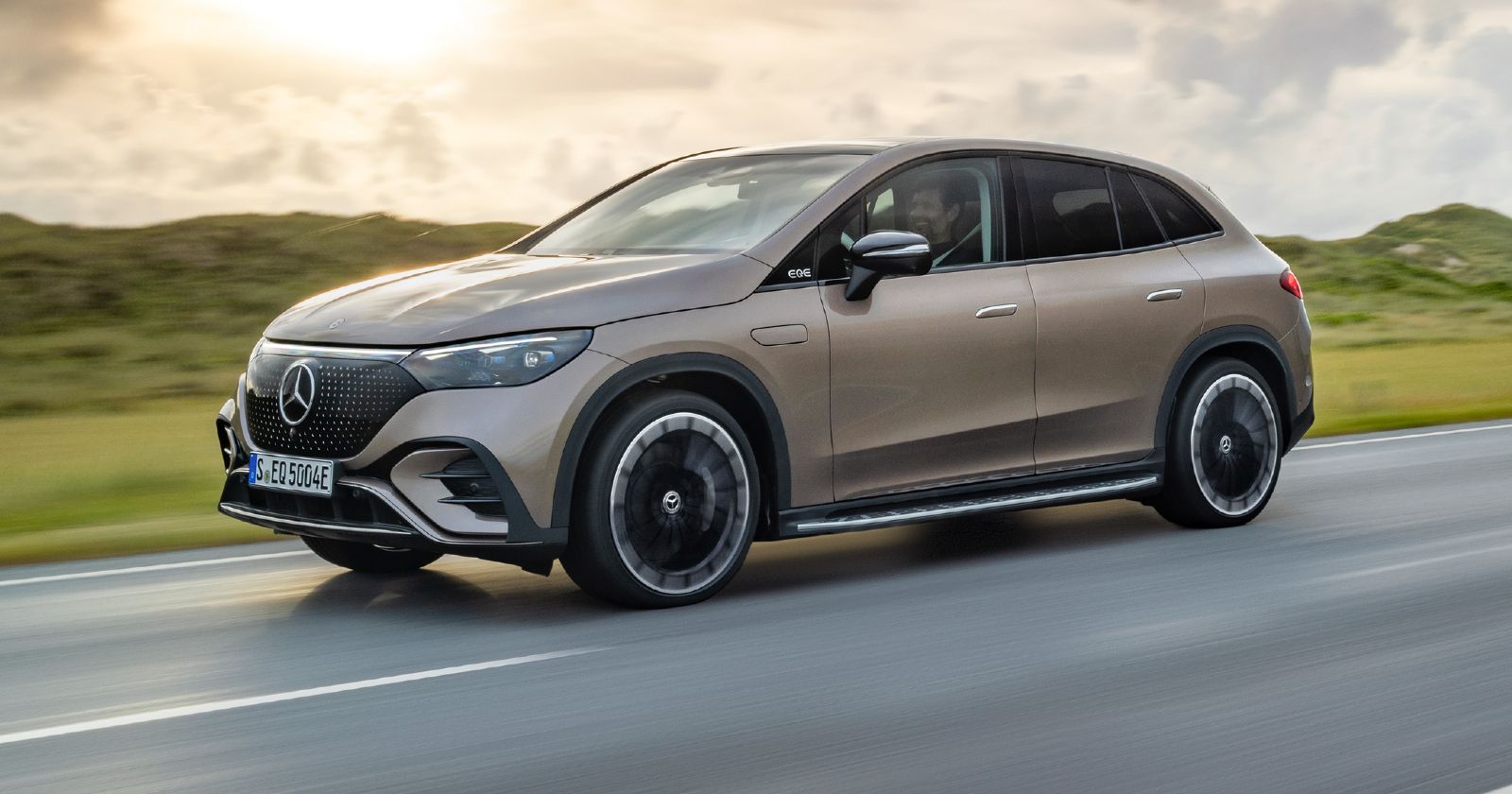
- Length: 196.9 inches
- Width: 82.8 inches with mirrors, 77.2 inches without mirrors
6. Mercedes-Benz EQ Models
Several Mercedes-Benz vehicles, including models in the EQ electric range, incorporate smartphone connectivity and connected remote services.
Depending on the vehicle, market, equipment, and subscription, owners can use Mercedes-Benz digital services for functions such as remote vehicle control. Remote unlocking through an application depends on the communication path between the smartphone, Mercedes-Benz services, and the vehicle.
When the owner uses a supported digital key feature, the situation can be different. Digital-key systems can use short-range wireless communication rather than depending on cellular data for every interaction.
This means the presence of a smartphone does not automatically mean that cellular service is required for local entry. The exact functionality can vary by model year, market, phone, equipment, and service configuration.
Cellular connectivity becomes particularly relevant when the owner is trying to unlock the vehicle remotely. For example, someone may want to open the car for a family member while they are several miles away.
The request must travel through connected services, making internet access essential. Without a functioning connection, the remote command may not reach the vehicle.
This type of access can be extremely convenient for modern drivers. A physical key no longer has to be the only way to control vehicle access. Owners can interact with the car through an application and may be able to manage certain functions from a distance.
Yet convenience comes with a need for backup planning. Network interruptions, server issues, phone problems, or expired services can interfere with connected functions.
Mercedes-Benz vehicles therefore demonstrate why terminology matters. Saying that an EQ model “needs cell service to unlock” is too broad if the statement refers to every possible access method.
- Engine: Electric motor; rear-wheel-drive and all-wheel-drive versions are available
- Torque: 317 lb-ft for the eDrive40; 443 lb-ft for the xDrive40
- Horsepower: 335 hp for the eDrive40; 396 hp for the xDrive40
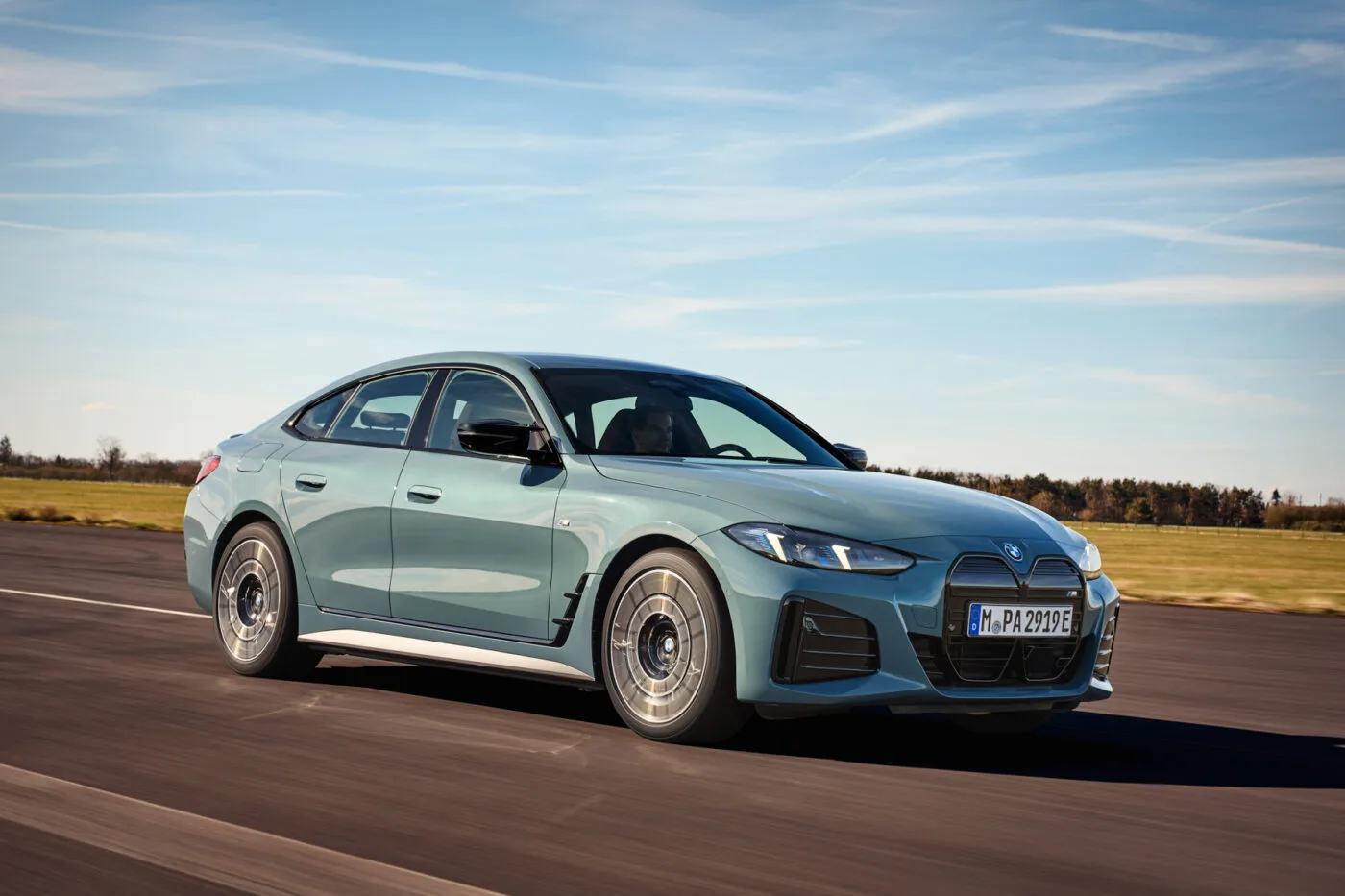
- Length: 188.5 inches
- Width: 81.6 inches with mirrors
7. BMW i4
The BMW i4 is built around a collection of digital services that connect the vehicle with smartphones and BMW’s online platform. Remote functions available through the manufacturer’s connected services can include locking and unlocking, depending on the vehicle and service configuration.
When an owner sends a remote command through an app, an internet connection is necessary to communicate with the relevant BMW service.
That does not mean the i4 must have cellular service for every type of entry. BMW supports digital key technologies on compatible vehicles and devices.
These systems can use short-range communication between the smartphone and car. When properly configured, this can provide local access without requiring the phone to maintain a cellular connection at that exact moment.
The biggest difference comes down to distance. A remote command may be sent while the owner is sitting at home, while a digital key works when the authorized phone is near the vehicle.
Remote access depends much more heavily on internet connectivity because the request has to travel over a network. Local access can use wireless communication directly between the phone and vehicle.
Drivers should consider this difference before depending entirely on a smartphone. A phone battery that reaches zero can eliminate digital-key access. A connectivity problem can affect remote app functions. A damaged or replaced phone can also create complications. Keeping a supported backup credential or physical key provides a simple solution when digital access is unavailable.
The BMW i4 represents the broader direction of automotive access systems. Cars are increasingly capable of recognizing authorized devices and responding to commands sent through online platforms.
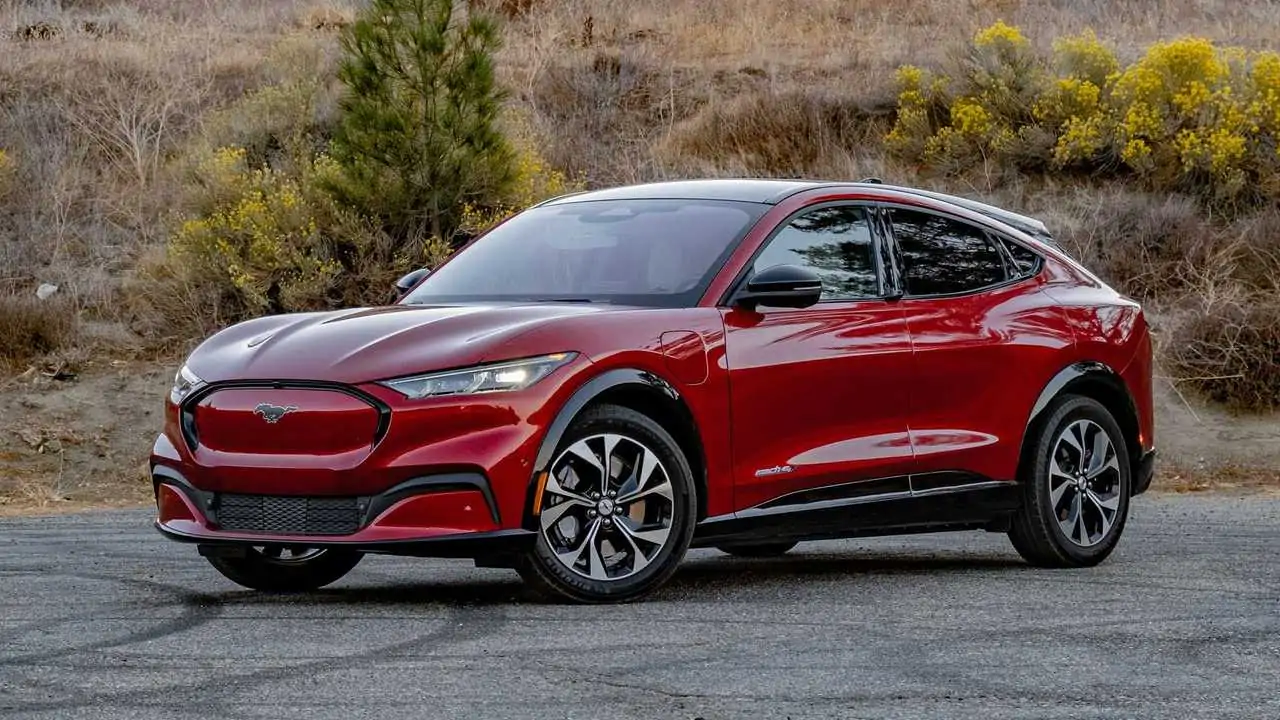
- Engine: Single- or dual-motor electric, depending on trim
- Torque: 387 to 700 lb-ft, depending on configuration
- Horsepower: 264 to 480 hp, depending on configuration
- Length: 185.6 inches for Select/Premium; up to 187 inches for Rally
- Width: 82.6 inches with mirrors for Select/Premium; 83.6 inches is listed for some higher-performance configurations
8. Ford Mustang Mach-E
The Ford Mustang Mach-E combines conventional vehicle access with modern connected services. Ford’s smartphone ecosystem can provide remote functions, including the ability to control vehicle access through supported connected features. When a remote command is sent through an application, the phone needs an internet connection to communicate with Ford’s connected platform and the vehicle.
The Mach-E also supports phone-based access features, including Ford’s Phone As A Key system on compatible configurations. This technology can allow a smartphone to act as a vehicle key.
Because proximity-based access can rely on Bluetooth communication, cellular service is not necessarily required each time the owner approaches the Mach-E. That makes the vehicle more resilient to temporary mobile network problems than the headline claim might suggest.
Remote access remains different. If someone wants to unlock the Mach-E from a distance through an application, the request must travel through an online connection. A phone with no cellular data and no Wi-Fi may not be able to communicate with Ford’s connected services. The same applies to situations where the vehicle itself has difficulty communicating with the network.
The Mach-E shows why smartphone access should be treated as a system rather than a single feature. Phone As A Key, remote app control, and conventional backup access can serve different purposes.
A driver who understands those differences can choose the appropriate method depending on the circumstances. Local phone access may work when cellular service is unavailable, while remote functions may have to wait until an internet connection is restored.
For owners, the practical lesson is simple: connected access is convenient, but it should not be the only plan. Keep the available backup key or credential accessible, maintain the phone’s battery, and make sure the digital key is configured before a trip.
The Mustang Mach-E does not universally require cell service to open its doors, but its remote unlocking capabilities can depend on cellular or Wi-Fi connectivity. That distinction is important for anyone considering a connected vehicle.
Also read: 5 Cars With the Highest Theft Rates in New Mexico, 5 With the Lowest
