
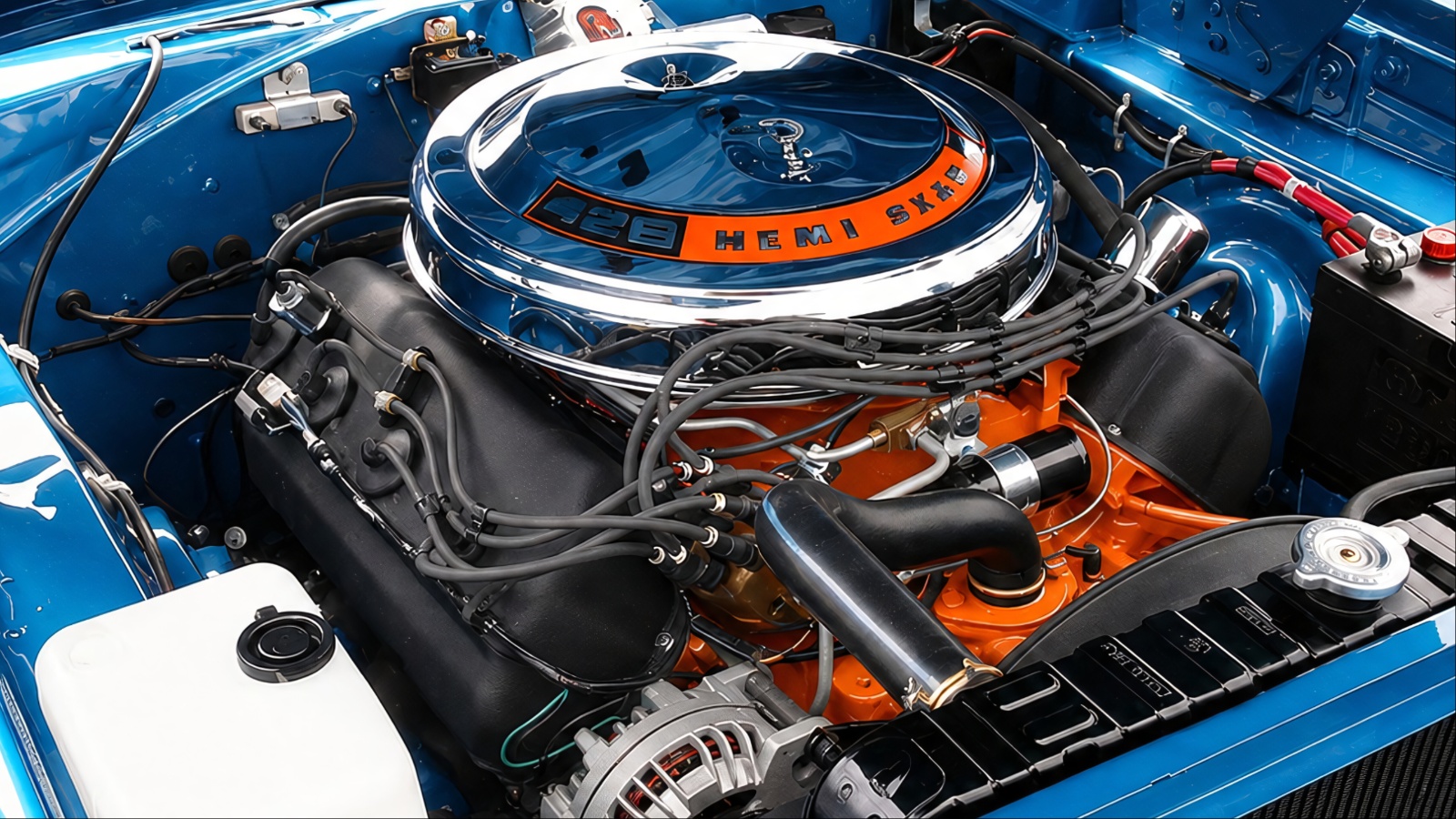
America has produced thousands of engines over the last century. Most disappeared within a decade or two. A handful proved so tough, so simple, and so adaptable that manufacturers never found a reason to kill them.
These engines survived emissions regulations, fuel crises, and changing consumer tastes. Some still roll off assembly lines today in nearly the same form they had decades ago.
Others live on through massive aftermarket support, where entire industries exist just to keep them running. This list covers ten American engines with genuine staying power. Each one earned its longevity through engineering, not nostalgia.
Some are automotive icons everyone recognizes. Others quietly power aircraft, generators, and lawn equipment without ever making headlines. What unites them is simple. Engineers got the fundamentals right the first time.
That rare combination of durability, serviceability, and manufacturing efficiency turned these into platforms rather than products. Below is a closer look at each one, why it was built, and why it refused to die.
1. Chevrolet Small Block V8
The Chevrolet small block debuted in 1955. Ed Cole and his team designed it on a tight budget. They needed something lightweight and cheap to build. What they got was a revolution.
The original 265 cubic inch version made 162 horsepower. It weighed roughly 100 pounds less than the engine it replaced. That weight savings changed everything.
Chevrolet suddenly handled better and accelerated faster than competitors. The design used a simple two-valve pushrod layout. Fewer parts meant fewer failure points and lower manufacturing costs.
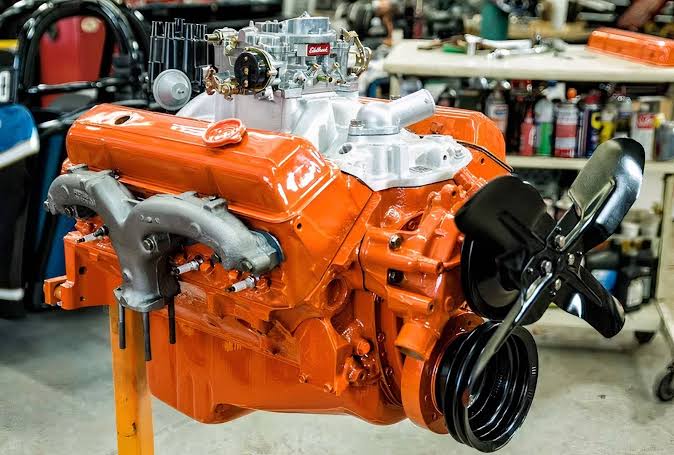
By 1957, displacement grew to 283 cubic inches. Fuel injection arrived that same year, an unusual feature for the era. The engine kept growing through the 1960s. Versions reached 400 cubic inches while keeping the same basic architecture.
Racers embraced it immediately. Its light weight and stout bottom end made it perfect for drag racing and NASCAR. By the 1970s, small blocks powered trucks, boats, and industrial equipment. Interchangeable parts made repairs cheap anywhere in the country.
General Motors never fully retired the design. The Gen II LT1 arrived in 1992 with sequential fuel injection. Then came the LS series in 1997. It kept the 4.4-inch bore spacing from the original 1955 block.
That single dimension connects a modern LS3 to Ed Cole’s first casting. Six decades of engineering share the same foundation. Today’s LT2 in the Corvette produces over 490 horsepower. It still uses two valves per cylinder and pushrods.
Enthusiasts call this “keeping it simple” for good reason. Overhead cam engines need more parts to do the same job. The small block remains in production at GM’s Tonawanda plant. Millions of units have been built since 1955.
No other American V8 has matched its production run. It became the default engine swap for hot rodders worldwide. Parts availability is staggering. You can build an entire small block from catalog parts without touching a factory casting. That ecosystem is the engine’s real legacy. Chevrolet built a modular system, not just a motor.
2. Ford 300 Inline-Six
Ford introduced the 300 cubic inch inline-six in 1965. It replaced older six-cylinder designs in trucks and vans. Engineers built it for torque, not speed. Trucks needed low-end pulling power more than horsepower numbers.
The 300 delivered 240 to 300 lb-ft of torque depending on the year. That torque arrived low in the rev range. Its cast iron block and head made it nearly indestructible.
Owners routinely reported 300,000 miles without major repairs. The design used seven main bearings, unusual for a six-cylinder engine. That extra support reduced crankshaft flex and vibration.
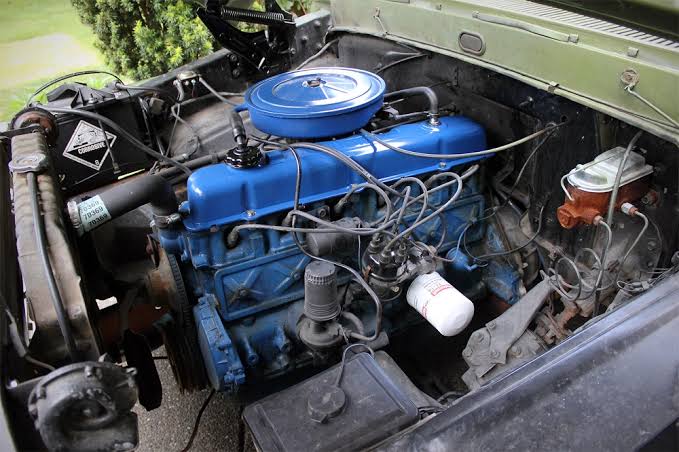
Ford installed it in F-150s, F-250s, and Broncos for three decades. It became the default choice for farmers and fleet buyers. Simplicity was the selling point. Carburetors, points ignition, and basic timing chains meant roadside repairs were realistic.
Even as V8s dominated marketing, the 300 kept selling. Buyers wanted reliability over bragging rights. Ford finally discontinued OEM production in 1996. Emissions regulations and buyer preference for V8s ended its factory run.
That should have been the end of the story. Instead, the 300’s reputation kept it alive. Specialty shops began remanufacturing complete engines using new-old-stock blocks and reproduction parts. Demand never disappeared.
Overlanders and off-road builders specifically seek out 300-powered trucks today. The engine’s low-rpm torque suits crawling terrain perfectly. Companies like Sinister Diesel and various small manufacturers still offer rebuilt long blocks. Some use hybrid parts combining vintage castings with modern internals.
Marine conversions also kept the design working. Industrial versions ran pumps, generators, and compressors for decades. The 300 proves an engine doesn’t need constant production to stay relevant.
Aftermarket demand became its own economy. Vintage truck restorers specifically request numbers-matching 300 engines. That preserves the platform even without Ford’s involvement.
3. Cummins B Series
Cummins introduced the B Series in 1984 as a mid-range diesel platform. It targeted trucks, buses, and construction equipment. The 5.9-liter inline-six version became the star. Dodge selected it for Ram pickups starting in 1989.
That partnership changed diesel trucks forever. Cummins power turned the Ram into a serious towing vehicle overnight. The 12-valve 5.9L used mechanical fuel injection through the mid-1990s.
No computers meant fewer failure points for owners. Truck enthusiasts still chase these early 12-valve engines specifically. Their simplicity makes them easy to modify for extreme horsepower.
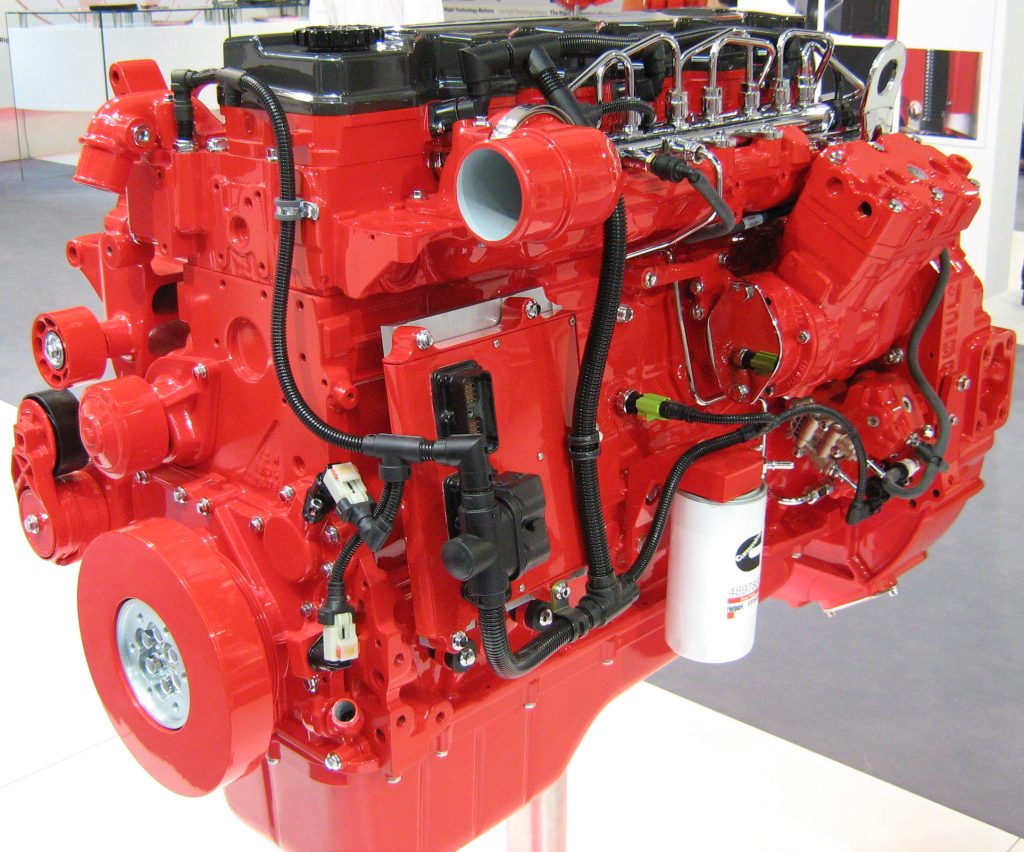
Cummins switched to a 24-valve head in 1998. Electronic injection followed shortly after for better emissions control.
The B Series later grew into the 6.7-liter ISB, still used today. Ram trucks carry this engine as their diesel option.
Cummins builds these engines at its Columbus, Indiana plant. Production has run continuously since the platform launched. What makes the B Series remarkable is its architecture. The basic block design remains fundamentally similar across four decades.
Cummins engineered generous material thickness into the original casting. That overbuilt approach allowed for massive power increases later. Stock 12-valve engines from the 1990s regularly handle over 1000 horsepower with modifications. Few engines tolerate that kind of abuse.
Beyond trucks, the B Series powers school buses, delivery vehicles, and agricultural equipment. Its versatility extended its production life. International markets adopted it too. Dodge trucks with Cummins power sold well in countries with harsh working conditions.
The engine earned a reputation for running past 500,000 miles with basic maintenance. That durability built brand loyalty that persists today. Cummins continues refining the platform for emissions compliance.
Diesel particulate filters and selective catalytic reduction now handle regulatory requirements. The core mechanical design, though, still traces back to 1984 engineering decisions. Few diesel platforms have proven this adaptable.
4. Lycoming O-360
Lycoming released the O-360 series in 1955 for general aviation aircraft. It became the standard engine for Cessnas and Pipers. This four-cylinder, horizontally opposed engine produces around 180 horsepower. That output barely changed across seven decades of production.
Aircraft engines prioritize predictability over innovation. Pilots need to know exactly how their engine will behave every time. The O-360 uses air cooling and a direct-drive design.
No turbochargers or complex electronics complicate the system. Lycoming built the engine with massive service intervals in mind. Many versions run 2,000 hours between major overhauls.
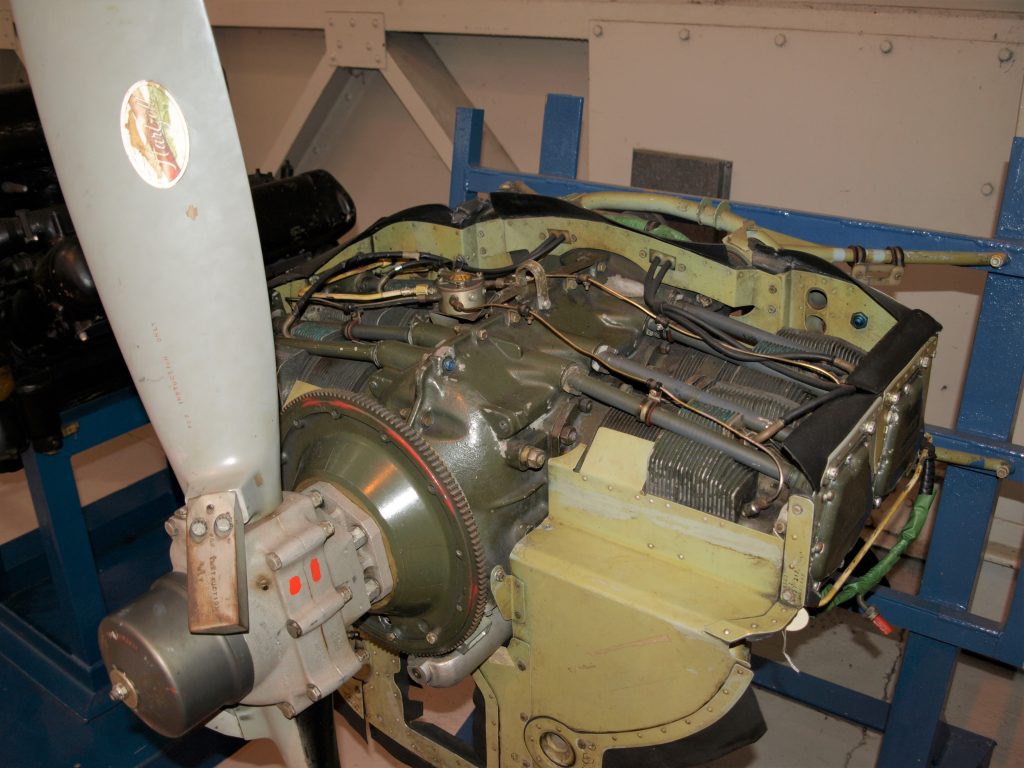
That translates to decades of use for typical private pilots. Some engines fly for 40 years before needing rebuilds. The FAA’s certification process discourages design changes. Once an engine proves safe, manufacturers avoid altering it unnecessarily.
This regulatory environment protected the O-360 from obsolescence. Certifying a new engine costs millions and takes years. Lycoming still manufactures the O-360 today at its Williamsport, Pennsylvania facility. It remains a top seller for light aircraft.
Homebuilders specifically request this engine for experimental aircraft. Its known reliability reduces risk for first-time builders. Parts support has stayed remarkably consistent. A 1960s O-360 shares components with new production units.
Mechanics trained decades ago can still service current models without relearning the platform. That consistency saves training costs industry-wide. The engine also found use outside aviation. Some airboat and hovercraft builders adapted O-360s for their projects.
Its horizontally opposed layout keeps the center of gravity low. That configuration suits aircraft mounting requirements specifically. Lycoming’s conservative engineering philosophy kept this engine relevant.
Innovation happens slowly in aviation, and the O-360 benefited from that pace. Few consumer products can claim seven decades of nearly unchanged production. The O-360 earned that distinction through pure mechanical honesty.
5. Continental O-200
Continental Motors introduced the O-200 in 1959 for light training aircraft. Cessna’s 150 and 152 models made it famous. This four-cylinder engine produces around 100 horsepower. Flight schools worldwide chose it for its predictable, forgiving nature.
Student pilots learned on O-200-powered aircraft for generations. Its low power output made mistakes more survivable during training. The engine uses a simple carbureted fuel system.
No fuel injection complexity means easier field maintenance for flight schools. Continental built the O-200 for longevity over performance. Typical overhaul intervals reach 1,800 hours of flight time.
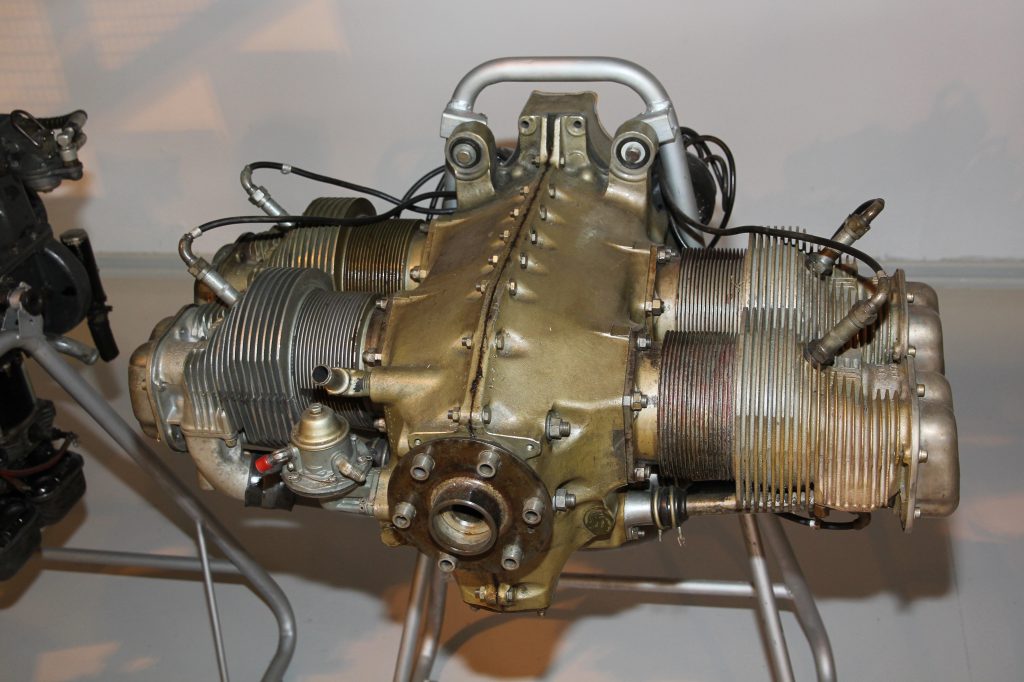
Flight schools run these engines hard, often flying multiple lessons daily. The O-200 tolerated that abuse better than many alternatives. Its air-cooled design eliminates coolant systems entirely. Fewer components mean fewer things that can fail mid-flight.
Continental still produces the O-200 today, now including a fuel-injected variant. The core architecture remains recognizable from 1959. Light sport aircraft revived demand for this engine recently. Its weight and power output suit modern LSA regulations perfectly.
Homebuilt aircraft kits also specify the O-200 frequently. Builders trust its six-decade track record over newer designs. Continental’s manufacturing process still emphasizes hand-fitted precision. Aircraft engines can’t tolerate the tolerances acceptable in automotive production.
That careful assembly process partly explains the engine’s price. Aviation buyers accept higher costs for proven reliability. Maintenance manuals from the 1960s remain largely applicable to current production engines. Mechanics appreciate that continuity.
The O-200 also appears in experimental aircraft, ultralights, and even some ground applications. Its versatility extended beyond original intentions. Few engines maintain relevance across 65 years without major redesign. Aviation’s conservative certification requirements made that possible here.
6. Briggs & Stratton I/C Flathead Engine
Briggs & Stratton developed its cast iron flathead engine architecture in the early 1950s. Lawn mowers needed something cheap and dependable.
The flathead design places valves beside the cylinder rather than overhead. This simplifies manufacturing significantly compared to overhead valve engines. Early versions produced around 3 to 5 horsepower. That was plenty for residential push mowers of the era.
Briggs engineered these engines for mass production above all else. Simple castings meant lower costs passed to consumers. The company sold engines to dozens of mower manufacturers. Toro, Snapper, and others all used Briggs power for decades.
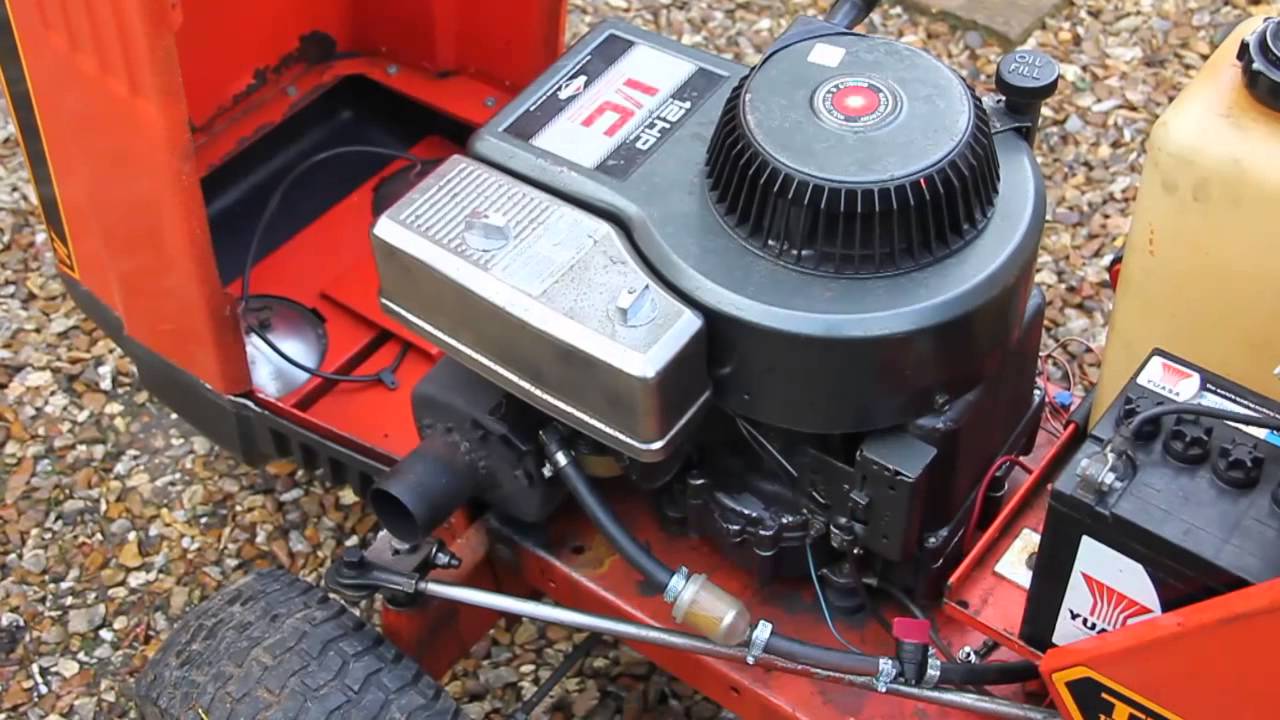
Reliability became the brand’s core identity. A Briggs flathead often outlasted the mower deck it powered. Homeowners could service these engines with basic tools. Spark plug changes and oil changes required no special training.
The flathead architecture persisted into the 1990s in various displacement sizes. Small engine shops stocked parts for decades without shortage. Briggs eventually shifted newer designs toward overhead valve configurations for efficiency. Emissions standards pushed this transition forward.
Yet flathead-style engines never fully disappeared. Briggs still produces engines using the same fundamental block architecture today. Replacement parts for older flathead models remain widely available. Small engine repair shops depend on this continued support.
The design proved so simple that clone manufacturers copied it extensively. Chinese manufacturers still produce flathead engines based on Briggs principles.
Generators, pressure washers, and go-karts all adopted variations of this architecture. Its low cost made it attractive beyond lawn care. Briggs & Stratton’s engineering philosophy prioritized accessibility over sophistication.
That choice kept the platform alive across 70 years. Few engines achieve this level of ubiquity. Almost every American household has owned something powered by this basic design.
7. GM 4.3L V6
General Motors introduced the 4.3-liter V6 in 1985. Engineers essentially removed two cylinders from the small block V8. That heritage gave the V6 an unusual advantage immediately. It inherited decades of proven small block engineering. GM installed it in S-10 pickups, Blazers, and full-size vans. Buyers wanted V8 reliability with better fuel economy.
The engine used an unusual firing order due to its V8 origins. Engineers solved early vibration issues through careful balance shaft tuning. Output ranged from 150 to 200 horsepower depending on the model year. Torque remained the engine’s real strength.
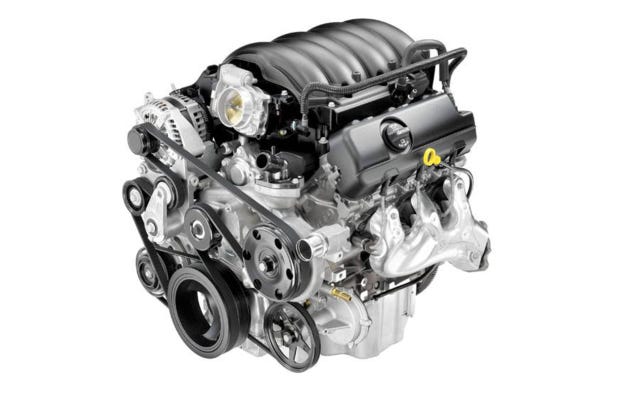
Marine applications adopted the 4.3L extensively. Boat manufacturers valued its proven small block-derived durability in demanding conditions. Mercruiser and Volvo Penta both offered marine versions for decades. Saltwater environments demand exceptional reliability, and the 4.3L delivered it.
GM kept refining the engine through the 1990s and 2000s. Fuel injection replaced carburetors, improving both economy and emissions compliance. The Vortec 4.3L became a fleet vehicle favorite. Simplicity and parts commonality with small block V8s kept maintenance costs low.
Industrial applications embraced this engine too. Generators, forklifts, and irrigation pumps all used variants of the 4.3L. GM still manufactures the 4.3L V6 today for trucks and vans in certain markets.
It remains one of the longest-running V6 designs in America. Its continued production stems directly from small block V8 tooling compatibility. Shared manufacturing lines reduced costs for GM significantly.
Mechanics familiar with small block V8s adapt easily to the 4.3L. That knowledge transfer reduced training requirements across GM’s service network. Few V6 engines can claim a 40-year production history with this level of continuity. The 4.3L’s V8 lineage explains its remarkable staying power.
8. Detroit Diesel Series 71
Detroit Diesel launched the two-stroke Series 71 engine family in 1938. General Motors originally developed it for industrial applications. Its two-stroke design set it apart immediately. Most diesel engines use a four-stroke cycle for better fuel efficiency.
The two-stroke approach delivered a distinctive scream under load. Truckers nicknamed these engines “Screaming Jimmies” for that unmistakable sound.
Detroit Diesel built the 71 Series in multiple configurations. Buyers could order two, three, four, six, eight, or even sixteen-cylinder versions. That modularity made it incredibly versatile. The same basic cylinder design scaled across dozens of applications.
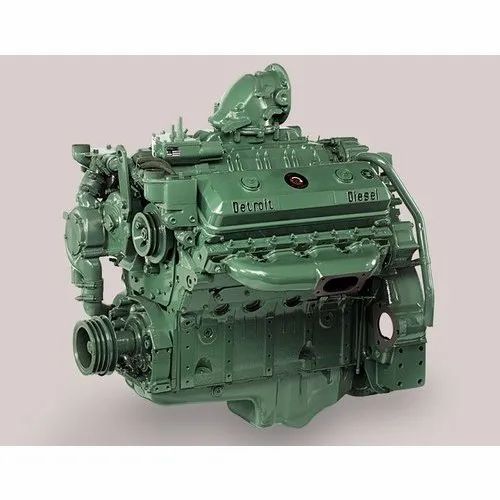
Military applications adopted the Series 71 heavily during World War II. Landing craft, generators, and tanks all used variants of this engine. After the war, trucking companies embraced it for over-the-road hauling. Its distinctive sound became synonymous with American trucking culture.
Marine applications proved especially important. Fishing boats, tugboats, and workboats relied on the 71 Series for decades. The engine’s simplicity made field repairs realistic even in remote locations. Fishermen could rebuild these engines dockside without specialized equipment.
Detroit Diesel eventually shifted toward four-stroke designs for emissions compliance. The company’s newer engines couldn’t meet modern regulations using two-stroke technology. Official passenger vehicle production ended decades ago. Yet the Series 71 never fully disappeared from industrial use.
Companies specializing in remanufactured industrial engines still rebuild complete Series 71 units. Marine and generator markets specifically request this platform.
Its parts network remains active despite the engine’s age. Specialty suppliers maintain inventories specifically for legacy Detroit Diesel applications. Commercial fishing fleets in Alaska and the Pacific Northwest still run boats with Series 71 power. Saltwater reliability earned decades of trust.
The engine’s continued relevance comes from raw mechanical simplicity. Two-stroke diesels have fewer components than modern four-stroke alternatives.
That simplicity translates directly into field serviceability, which working boats and generators value above emissions compliance or fuel economy.
9. AMC / Jeep 4.0L Inline-Six
American Motors Corporation (AMC) introduced the foundational architecture for this legendary inline-six in 1964, but it achieved true immortality when it evolved into the 4.0-liter powerplant in 1987.
That exact year, Chrysler acquired AMC and wisely recognized that they had captured lightning in a bottle. The 4.0L quickly became the heartbeat of rugged vehicles like the Jeep Cherokee (XJ), Wrangler (YJ and TJ), and Grand Cherokee.
What made the AMC 4.0L virtually indestructible was its cast-iron block, robust seven-main-bearing crankshaft, and a conservative, high-torque design philosophy. It produced standard-setting low-end grunt that rock-crawlers and off-roaders prized above all else.
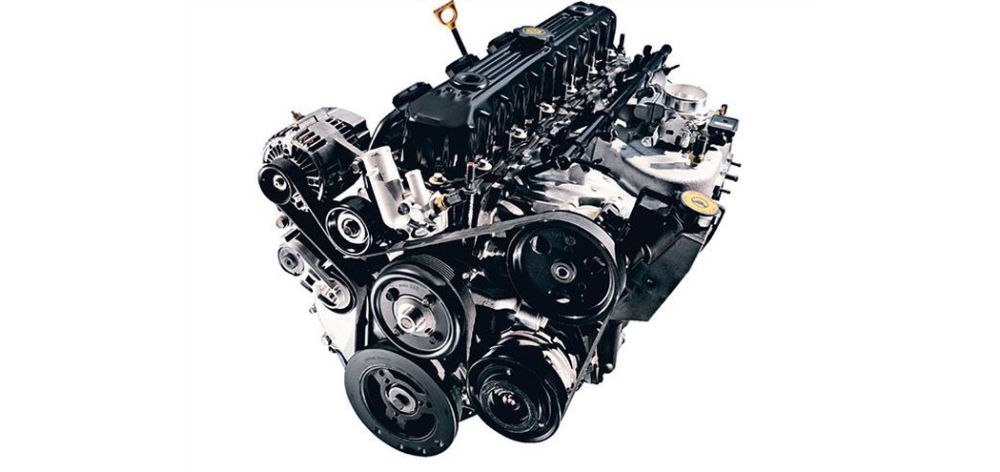
While modern engines relied on complex overhead cams and lightweight composite materials, the 4.0L stuck to a heavy-duty pushrod layout that could easily surpass 300,000 miles with minimal maintenance.
Even as strict emissions regulations began tightening around the turn of the century, Jeep kept the engine alive until the final TJ Wrangler rolled off the assembly line in 2006, closing out a remarkable 42-year run for the family tree.
Decades later, an immense aftermarket network ensures that millions of AMC 4.0 engines remain operational across the globe, celebrated as one of the toughest utility powerplants ever cast.
10. Buick 3800 V6
General Motors introduced the Buick 90-degree V6 in 1962, initially crafting it by removing two cylinders from an existing Buick V8 to save space and weight.
Early iterations suffered from an odd-firing vibration pattern, but GM perfected the architecture into the even-firing 3.8-liter format in the mid-1970s.
By the time it was officially branded as the 3800, it had evolved into one of the most reliable, fuel-efficient, and adaptable engines in automotive history.
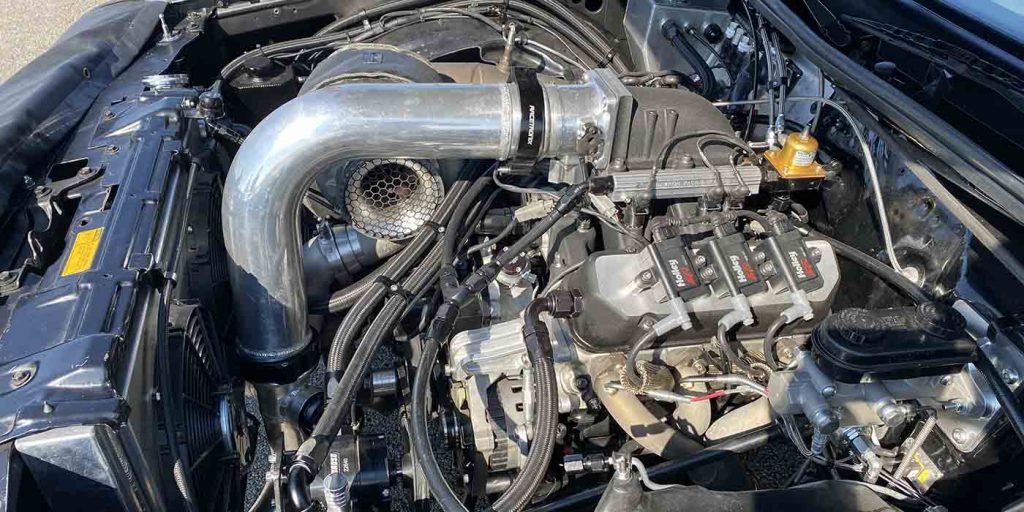
The Series II update in 1995 brought a stiffer block, revised cylinder heads, and enhanced airflow, pushing reliability into legendary territory. Millions of everyday front-wheel-drive GM sedans from the Buick LeSabre to the Pontiac Bonneville and Chevy Impala used the 3800 to effortlessly cross the 250,000-mile mark without internal component failure.
Crucially, the platform also proved its wild side. When turbocharged and intercooled as the V6-6 in the 1987 Buick Grand National and GNX, it out-accelerated contemporary V8 muscle cars and exotic European sports cars alike.
Spanning an incredible 47-year production run before final retirement in 2008, the 3800 V6 remains a masterclass in how smart engineering can turn a budget-friendly layout into an absolute mechanical titan.
