
Reaching 100,000 miles does not automatically mean a vehicle is worn out. Many modern cars, trucks, and SUVs can travel 200,000 miles or more with proper maintenance. The problem is that the six-digit mark often arrives at the same time as several expensive scheduled services and age-related repairs.
Spark plugs, coolant, timing belts, transmission fluids, suspension parts, engine mounts, wheel bearings, and other components can begin competing for the owner’s maintenance budget.
The vehicles below are not necessarily unreliable. In fact, several have strong reputations for longevity. Their challenge is that around 100,000 miles, deferred maintenance can become expensive very quickly.
A vehicle with complete service records may remain economical for years, while an apparently cheaper example with neglected maintenance can require thousands of dollars shortly after purchase. Specifications below use representative model years and configurations because engine choices and exterior dimensions can vary by year and trim.
1. Honda Pilot
The Honda Pilot can run far beyond 100,000 miles, but its 3.5-liter V6 gives owners an important maintenance expense to plan for: the timing belt. Unlike an engine using a timing chain designed to remain in place for an extended period, Honda’s V6 requires periodic belt replacement according to its maintenance system and operating conditions.
The belt replacement itself is only part of the typical bill. Because accessing it requires substantial labor, technicians often replace the water pump, tensioner, and idler pulleys at the same time. It makes little financial sense to reuse an aging component that could later require repeating much of the same disassembly.
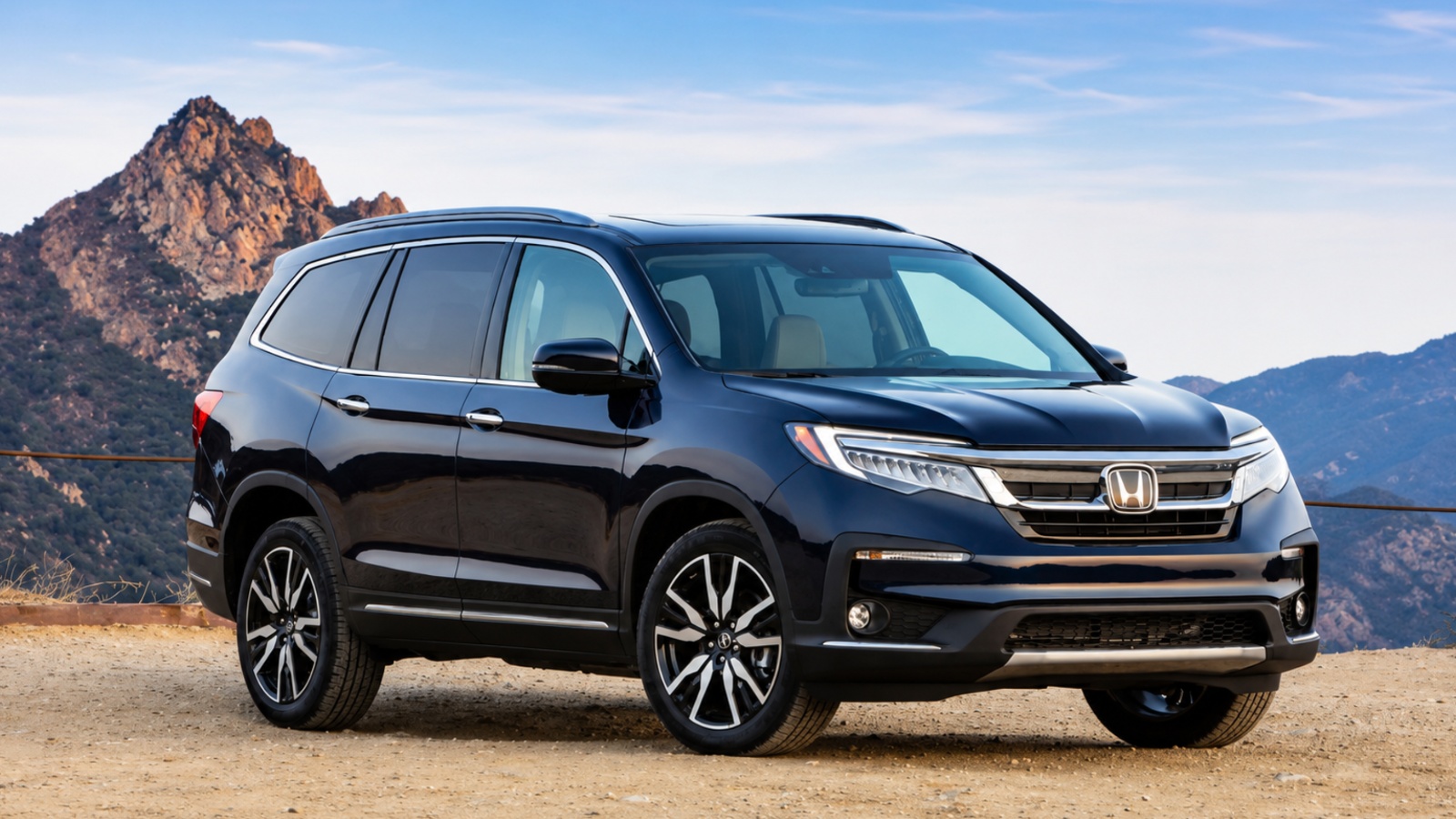
Spark plugs and valve-clearance inspection can also enter the maintenance picture around the same broader high-mileage period. If the previous owner postponed these jobs, a used Pilot near 100,000 miles can carry a four-figure maintenance obligation before anything has actually broken.
Age introduces other expenses. Engine mounts can deteriorate, suspension components may develop play, and wheel bearings can begin making noise. A heavily used family SUV may also need brakes and tires at the same time.
Transmission maintenance deserves particular attention. A Pilot that received regular fluid changes is a different proposition from one that traveled 100,000 miles with little drivetrain maintenance.
That is why a slightly more expensive Pilot with documented timing-belt work can be a better purchase than a cheaper example sitting just below 100,000 miles.
- Engine: 3.5-liter naturally aspirated V6
- Torque: 262 lb-ft
- Horsepower: 280 hp
- Length/Width: approximately 194.5 / 78.6 inches
2. Honda Odyssey
The Honda Odyssey shares the Pilot’s biggest high-mileage maintenance concern because it also uses Honda’s 3.5-liter V6 in many popular model years. Around the six-digit mileage range, timing-belt service becomes one of the most important expenses an owner needs to anticipate.
A complete timing-belt job normally involves more than simply installing a new rubber belt. Because the technician already has considerable labor invested in reaching the belt, replacing the water pump, tensioner, and associated components at the same time is common preventive practice. Add spark plugs and other maintenance, and the invoice can become substantial.
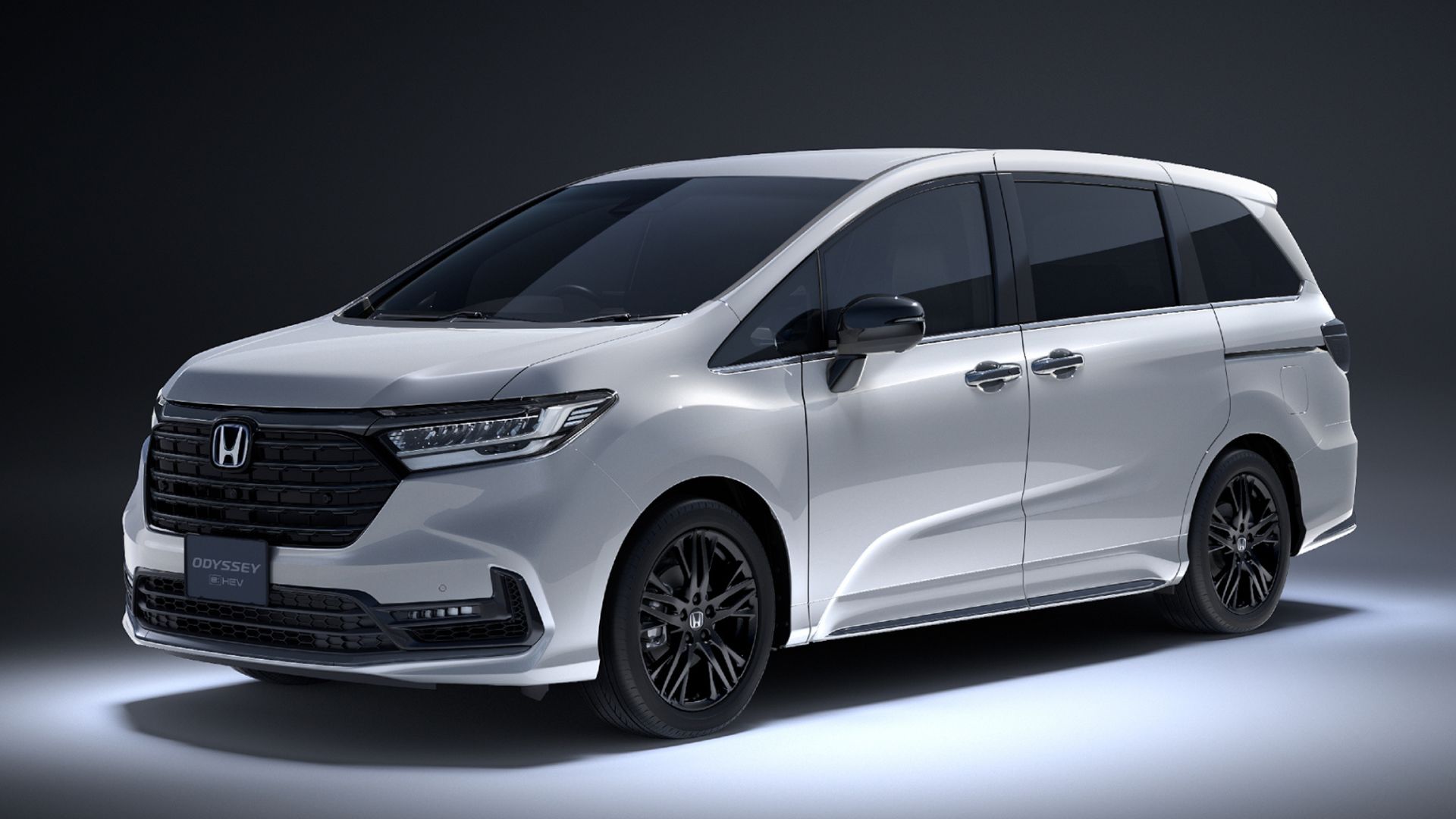
The Odyssey also has a more difficult life than many passenger cars. Family vans spend years carrying several occupants, luggage, groceries, and other cargo. Constant opening and closing of power sliding doors adds another potential repair category that ordinary sedans do not have.
Suspension wear can become noticeable as well. Struts, bushings, control arms, engine mounts, and wheel bearings have had plenty of time to accumulate wear by 100,000 miles. Combine one suspension repair with the timing-belt service and an owner can suddenly face several thousand dollars of work.
Transmission condition should also be taken seriously. Routine fluid maintenance matters on a heavy vehicle that may spend considerable time in stop-and-go traffic or carrying substantial loads.
None of this makes the Odyssey a bad high-mileage purchase. Many last considerably longer. The key distinction is whether expensive maintenance has already been completed. A 110,000-mile van with comprehensive records can make far more financial sense than a neglected one showing 95,000 miles.
- Engine: 3.5-liter naturally aspirated V6
- Torque: 262 lb-ft
- Horsepower: 280 hp
- Length/Width: approximately 203.2 / 78.5 inches
3. Ford F-150 3.5 EcoBoost
The Ford F-150 is built to accumulate mileage, and 100,000 miles is hardly unusual for trucks that have spent years commuting, hauling, or towing. The 3.5-liter EcoBoost V6, however, combines direct injection, twin turbochargers, variable valve timing, and extensive cooling and intake hardware, giving owners more expensive systems to maintain as mileage rises.
Spark-plug maintenance becomes increasingly important. Turbocharged engines operate under high cylinder pressures, making healthy plugs and ignition components essential. Worn plugs can produce hesitation or misfires under boost and may initially feel like a much more serious engine or turbocharger problem.
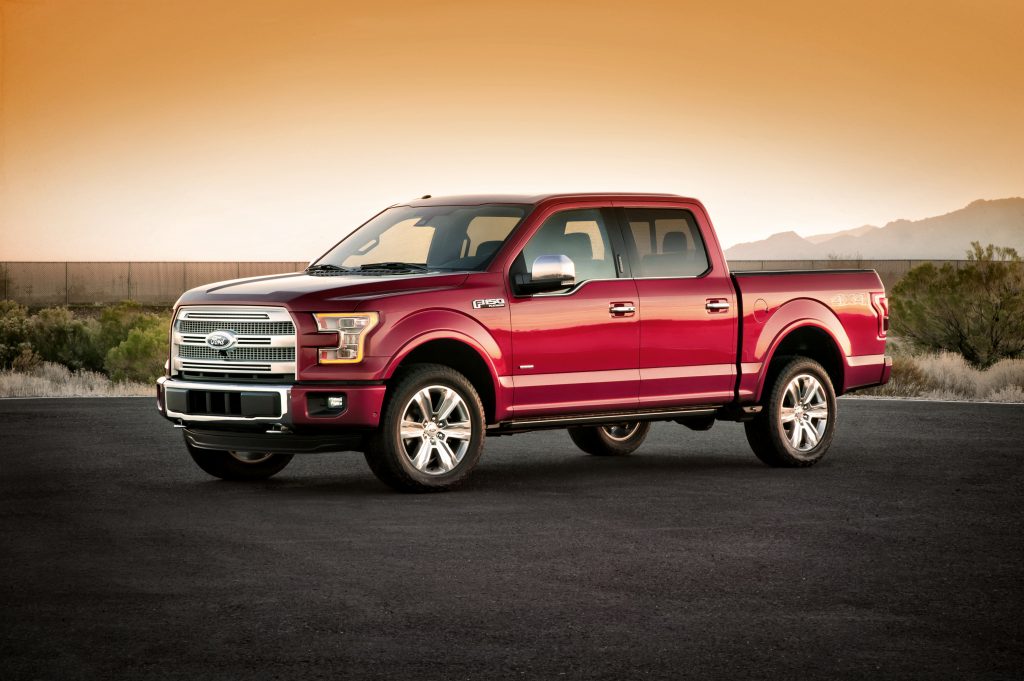
Certain generations of the 3.5 EcoBoost have also become known for cam-phaser-related startup rattles. Repairing cam phasers is much more involved than replacing ordinary external engine components because significant disassembly is required. Not every F-150 experiences this problem, but it is something buyers should listen for on a cold start.
Then there are the turbochargers themselves and the associated coolant, oil, plumbing, sensors, and boost-control equipment. Even if the turbos remain healthy, an aging high-mileage EcoBoost has more potential repair points than a basic naturally aspirated engine.
A truck may also reach 100,000 miles with tired shocks, worn wheel bearings, steering components, brakes, and expensive truck-sized tires. Four-wheel-drive models add another layer of drivetrain hardware.
An F-150 with documented maintenance can still be an excellent high-mileage work vehicle. The expensive examples tend to be those where years of towing and hard use were combined with deferred maintenance.
- Engine: 3.5-liter twin-turbocharged EcoBoost V6
- Torque: 470 lb-ft
- Horsepower: 375 hp
- Length/Width: approximately 231.9 / 79.9 inches for a representative SuperCrew configuration
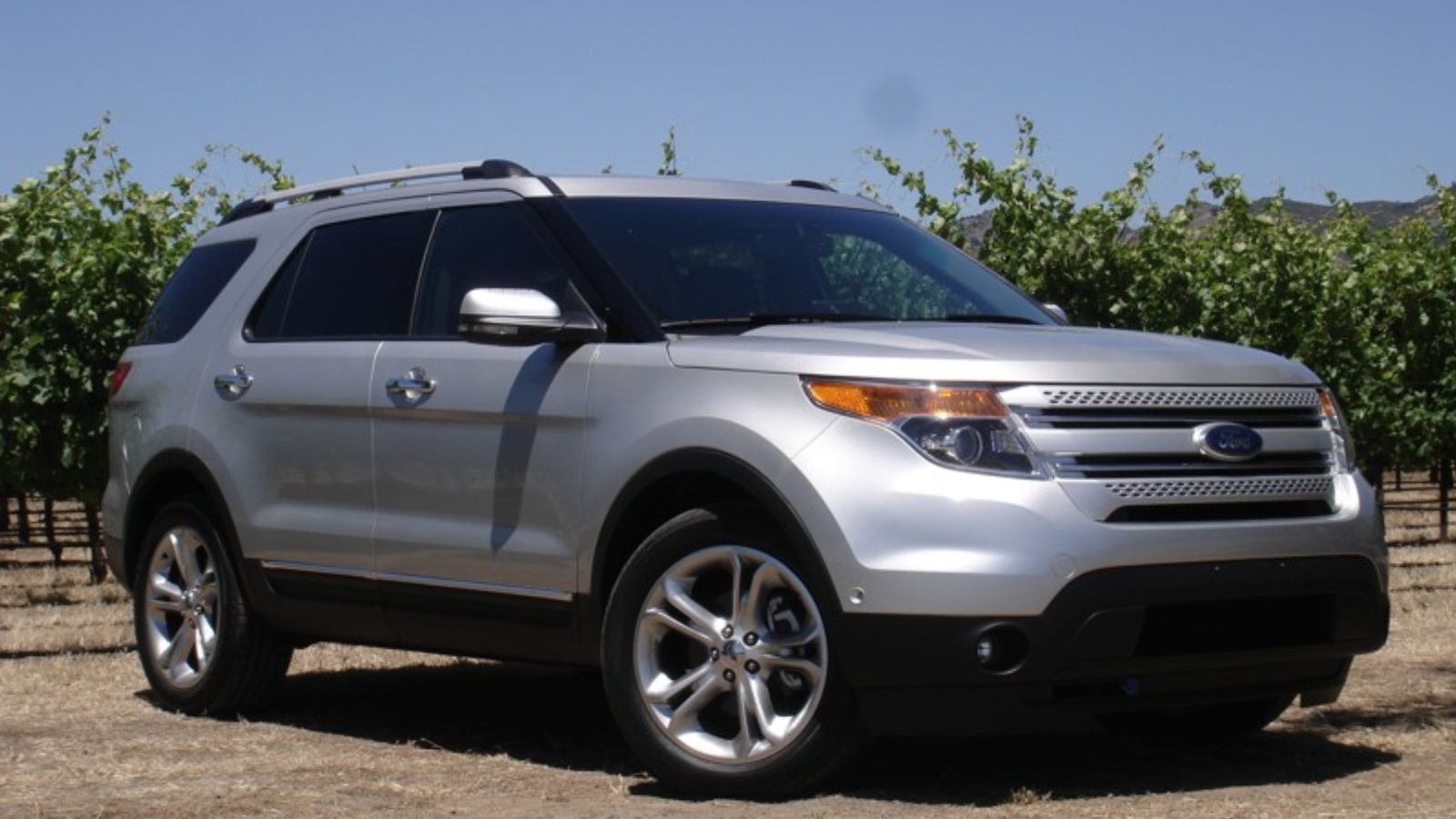
4. Ford Explorer 3.5
A Ford Explorer approaching 100,000 miles may still look relatively modern, but that is also the point where routine maintenance begins overlapping with normal wear in several expensive areas.
Spark plugs and coolant become important services in the high-mileage range. On their own, neither necessarily creates a frightening bill. Problems arise when they arrive alongside suspension, wheel-bearing, cooling-system, or drivetrain repairs.
The Explorer’s size and weight place meaningful stress on suspension components. After years of driving over potholes and rough pavement, struts, control-arm bushings, sway-bar components, and wheel bearings may no longer perform as they did when new. Replacing several pieces simultaneously can quickly move the repair bill into four figures.
Transmission history is another major consideration. Smooth operation during a short test drive does not prove that the transmission has received appropriate maintenance throughout its life. Buyers should check records rather than assuming that a transmission advertised as requiring limited service truly benefits from neglect.
All-wheel-drive versions introduce additional drivetrain components that deserve inspection. Fluid leakage, humming noises, vibrations, or binding should not be dismissed as normal characteristics of an older SUV.
Cooling-system components also become increasingly important as hoses, seals, pumps, and plastic fittings endure thousands of heat cycles.
The Explorer demonstrates why 100,000 miles is often expensive because several smaller needs overlap rather than because one guaranteed catastrophic failure occurs. A vehicle whose previous owner already completed major maintenance may remain affordable. One with no records can turn its new owner into the person paying for everything that was postponed.
- Engine: 3.5-liter naturally aspirated V6
- Torque: 255 lb-ft
- Horsepower: 290 hp
- Length/Width: approximately 198.3 / 78.9 inches
Also read: 5 Cars With the Highest Theft Rates in New Mexico, 5 With the Lowest
5. Toyota Highlander V6
The Toyota Highlander’s reliability reputation can actually make high-mileage shopping more dangerous if buyers assume the Toyota badge eliminates the need for maintenance. A Highlander can certainly run beyond 200,000 miles, but around 100,000 to 120,000 miles several meaningful services begin entering the picture.
Coolant replacement is an important scheduled item around this period on many Toyota applications. Spark-plug replacement follows in the broader six-digit mileage range. The transverse V6 layout can make spark-plug service more labor-intensive than it would be on a simple inline-four because reaching the rear cylinder bank can require additional disassembly.

Drivetrain fluids are another consideration. AWD models have more components requiring inspection and maintenance than front-wheel-drive versions. A Highlander used for towing or severe service may also have needed shorter service intervals than a lightly driven suburban example.
Normal aging adds to the expense. Struts may become weak, control-arm bushings can crack, wheel bearings can become noisy, and engine mounts can deteriorate. None necessarily fails at exactly 100,000 miles, but several can become noticeable during the same period.
Tires and brakes also cost more than they do on a small economy car. If a recently purchased Highlander needs plugs, fluids, four tires, and suspension work during its first year, Toyota reliability will not prevent a substantial maintenance bill.
The positive side is that a correctly maintained Highlander remains one of the vehicles capable of delivering considerable life beyond this milestone. The key is buying based on condition and maintenance records rather than reputation alone.
- Engine: 3.5-liter naturally aspirated V6
- Torque: 263 lb-ft
- Horsepower: 295 hp
- Length/Width: approximately 192.5 / 75.8 inches
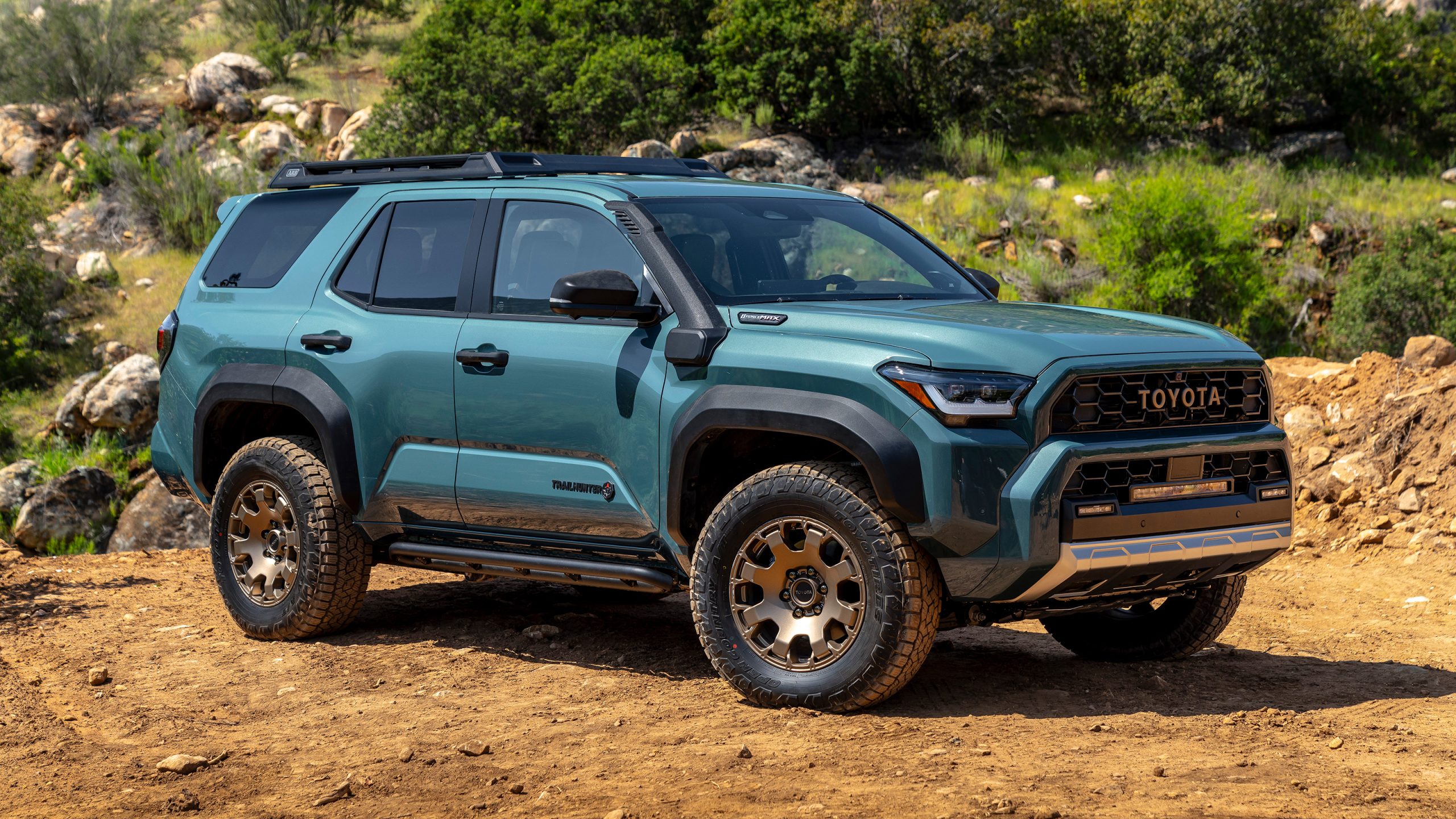
6. Toyota 4Runner
The Toyota 4Runner is famous for durability, and many owners consider 100,000 miles barely broken in. Mechanically, that reputation has plenty of merit. Financially, however, reaching six digits can still mean several expensive items deserve attention.
Engine coolant enters an important replacement period around this mileage on many model years. Spark plugs eventually join the list, along with transmission, differential, and transfer-case fluids depending on use and previous servicing.
The 4Runner is a heavy, body-on-frame SUV. That means it carries large tires, substantial brakes, rugged suspension components, and four-wheel-drive hardware that cost more to service than corresponding parts on an ordinary compact crossover.
How the previous owner used the vehicle matters enormously. A 4Runner that spent its entire life on pavement is very different from one frequently driven off-road, through water, or while towing. Dirt and impact loads can accelerate deterioration of suspension bushings, wheel bearings, shocks, CV boots, skid plates, and driveline components.
Modified examples deserve even greater scrutiny. Oversized tires and suspension lifts can increase stress on steering and wheel-bearing components while also making replacement tires more expensive.
Rust should not be forgotten either, especially on vehicles used in areas where road salt is common. A reliable drivetrain does little to help if corrosion has attacked the frame or suspension mounting points.
A properly maintained 4Runner can still have enormous remaining life at 100,000 miles. The problem is that its reputation sometimes encourages owners to postpone maintenance. Buyers who inherit that backlog may spend several thousand dollars simply returning an otherwise dependable SUV to proper condition.
- Engine: 4.0-liter naturally aspirated V6
- Torque: 278 lb-ft
- Horsepower: 270 hp
- Length/Width: approximately 190.2 / 75.8 inches
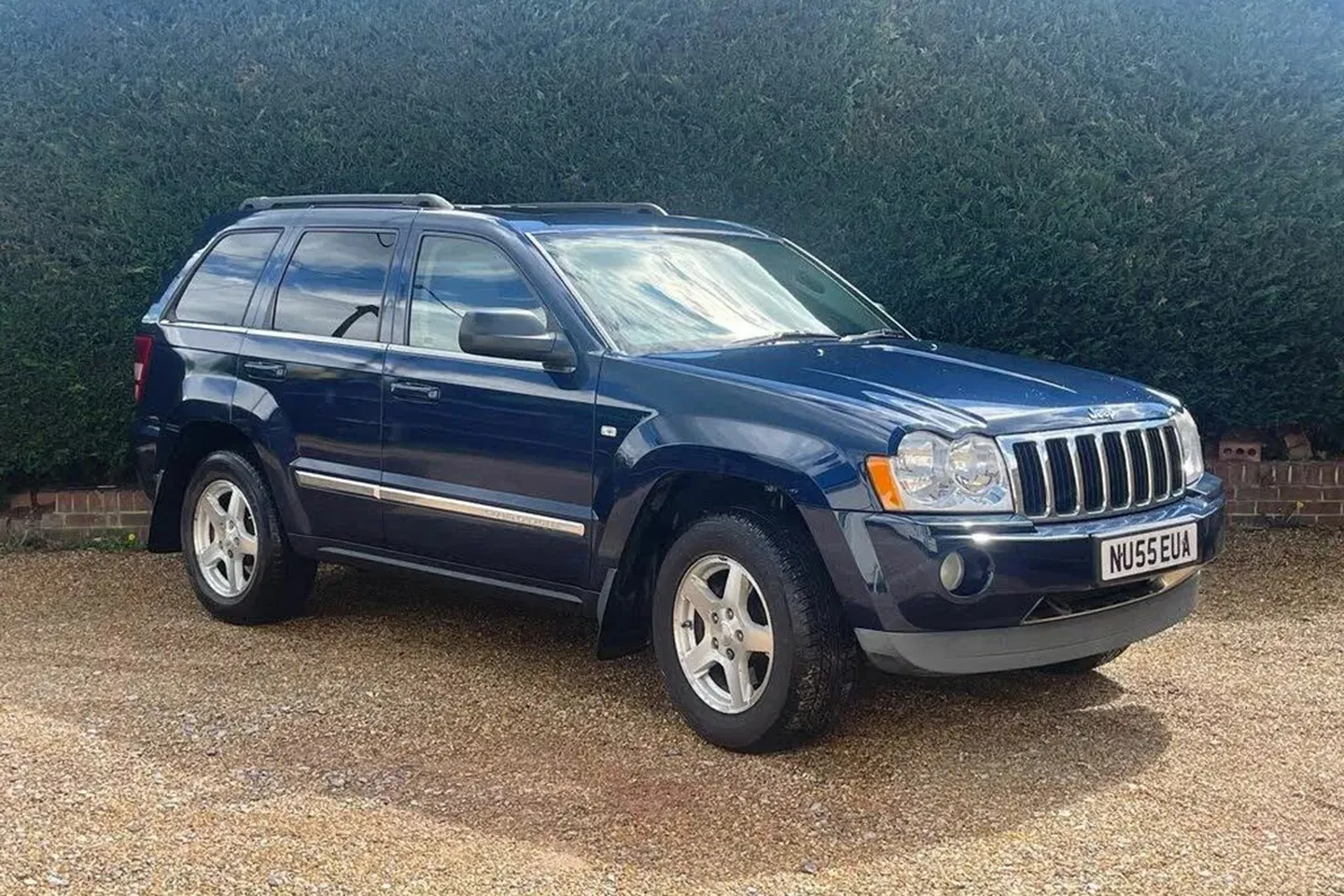
7. Jeep Grand Cherokee 5.7 HEMI
The Jeep Grand Cherokee with the 5.7-liter HEMI V8 offers strong towing capability, traditional V8 performance, and plenty of luxury equipment. Those same qualities create a much larger maintenance footprint once the vehicle reaches approximately 100,000 miles.
Spark-plug service can be surprisingly expensive because the HEMI uses 16 spark plugs. Even though plugs are ordinary maintenance items, servicing twice as many as a conventional four-cylinder or many V6 engines increases both parts and labor.
The engine itself also deserves close attention for abnormal valvetrain noises. HEMI engines have generated owner concerns about lifter and camshaft wear in some applications. Not every engine develops the problem, but repairing internal valvetrain damage can quickly become a major expense.
Four-wheel-drive versions add front and rear differentials, transfer-case components, driveshafts, CV joints, and additional seals. If previous drivetrain-fluid services were skipped, a new owner may have several items to address simultaneously.
Luxury features increase potential costs further. Grand Cherokees equipped with air suspension can become much more expensive to maintain than conventional spring-equipped versions once compressors, air lines, sensors, or air springs begin aging.
At 100,000 miles, ordinary wear items can also include control arms, wheel bearings, brakes, cooling components, and engine mounts.
The Grand Cherokee is therefore a good illustration of complexity becoming expensive with age. A well-serviced example can remain a comfortable and capable SUV, but purchasing one without records and assuming that only an oil change is needed can be an expensive mistake.
- Engine: 5.7-liter naturally aspirated HEMI V8
- Torque: 390 lb-ft
- Horsepower: 360 hp
- Length/Width: approximately 189.8 / 76.5 inches
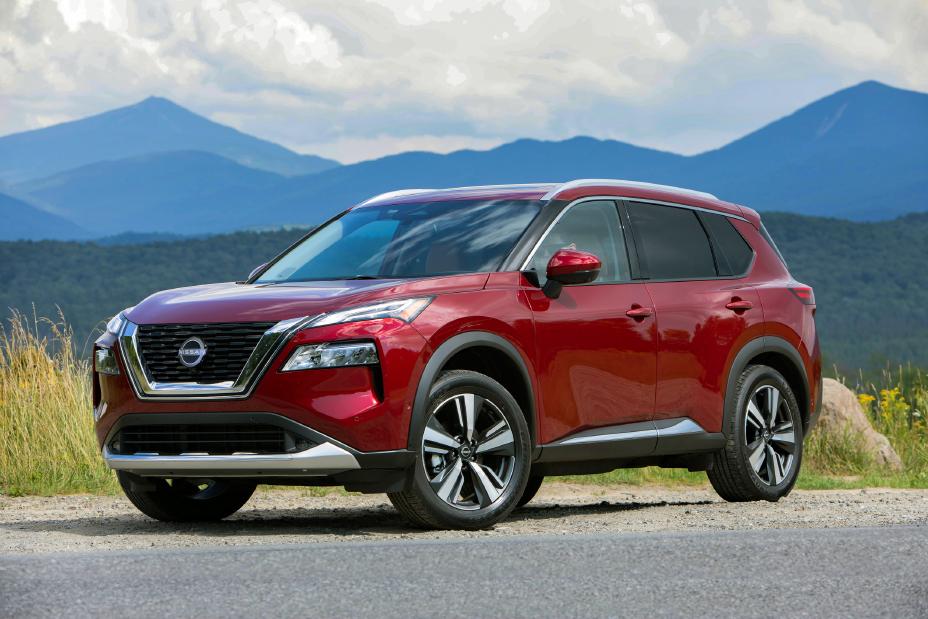
8. Nissan Rogue
The Nissan Rogue can become more expensive around 100,000 miles because several scheduled services arrive close together while transmission maintenance history becomes increasingly important.
On representative older Rogues, spark-plug replacement is scheduled at approximately 105,000 miles. Original engine coolant can also reach its first major replacement period around roughly the same mileage. That means an owner may face plugs, coolant, filters, brakes, and other ordinary maintenance in a relatively short window.
The more important question for many used-Rogue shoppers is the continuously variable transmission. CVTs operate differently from conventional automatics and depend heavily on correct fluid condition and operating temperature.
A Rogue that has spent years towing, carrying substantial loads, driving in severe heat, or receiving minimal maintenance deserves particularly careful inspection. Buyers should look for records showing that the transmission was inspected and serviced appropriately rather than relying solely on how it behaves during a ten-minute test drive.
Suspension wear can also appear around this mileage. Struts, control-arm bushings, wheel bearings, tie-rod ends, and other components may begin requiring attention depending on roads and driving conditions.
Adding the costs together is what creates the problem. The owner may not experience a catastrophic mechanical failure, yet plugs, coolant, CVT service, tires, brakes, and suspension repairs could still turn the 100,000-to-120,000-mile period into an expensive chapter.
A high-mileage Rogue should therefore be evaluated based on how consistently it was maintained. Saving money by purchasing an example with no records can simply transfer years of postponed maintenance to the next owner.
- Engine: 2.5-liter naturally aspirated inline-four
- Torque: 175 lb-ft
- Horsepower: 170 hp
- Length/Width: approximately 184.5 / 72.4 inches
9. Subaru Outback
A Subaru Outback can travel deep into six-digit mileage, but its combination of a horizontally opposed engine, continuously variable transmission, and standard all-wheel drive means maintenance extends well beyond engine oil.
By 100,000 miles, a used Outback should have a substantial maintenance history. Differential fluids, CVT inspections, brake fluid, filters, coolant-related checks, and other routine work should not be completely absent from its records. Spark-plug replacement also becomes relevant in the broader high-mileage window.
Subaru’s all-wheel-drive arrangement makes tire condition particularly important. Significant differences in tire circumference are undesirable, so destroying one tire when the rest of the set is heavily worn can potentially result in replacing more than one.
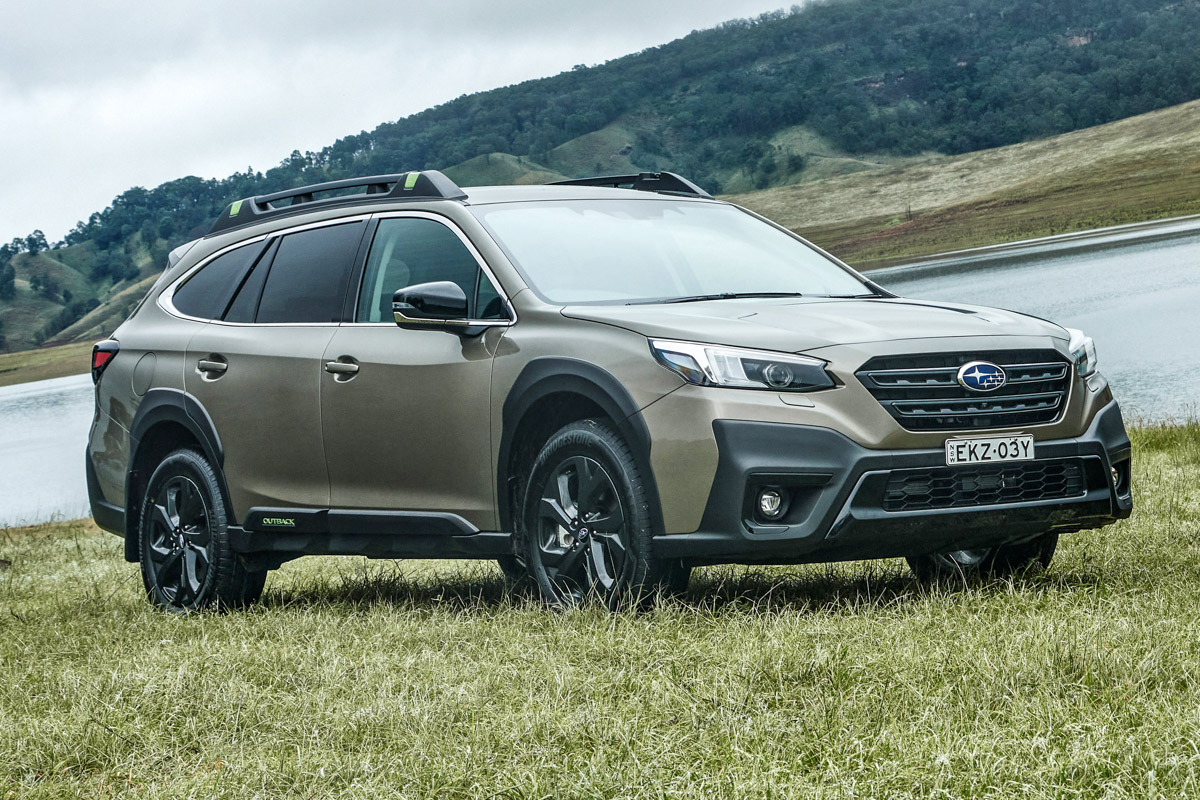
Wheel bearings are another component worth listening to carefully. A humming or growling sound that changes with road speed deserves investigation rather than being dismissed as ordinary tire noise.
Suspension components have also had years to deteriorate. Struts, control-arm bushings, ball joints, sway-bar links, and CV boots can all require attention depending on how the car has been used.
Oil leaks and cooling-system condition should receive a careful inspection as mileage rises. The famous head-gasket problems associated with some much older Subarus should not simply be applied to every newer Outback, but any engine showing coolant loss, overheating, or significant leakage deserves proper diagnosis.
The Outback does not necessarily become expensive at exactly 100,000 miles. It becomes expensive when an owner reaches that mileage without having performed all the maintenance that should have occurred before it.
- Engine: 2.5-liter naturally aspirated horizontally opposed four-cylinder
- Torque: 174 lb-ft
- Horsepower: 175 hp
- Length/Width: approximately 189.9 / 72.4 inches
10. Acura RDX 3.5 V6
The V6-powered Acura RDX can look particularly attractive on the used market because depreciation brings luxury features within reach of mainstream-car budgets. Around 100,000 miles, however, its maintenance requirements deserve serious consideration.
The 3.5-liter V6 uses a timing belt, making the high-mileage service much more important than an ordinary tune-up. Acura’s maintenance system can call for replacement of the timing belt and spark plugs along with inspection of the water pump and valve clearance.
Owners commonly replace the water pump, belt tensioner, and related components while the timing-belt area is already accessible. Doing everything together increases the initial cost but avoids potentially repeating expensive labor later.
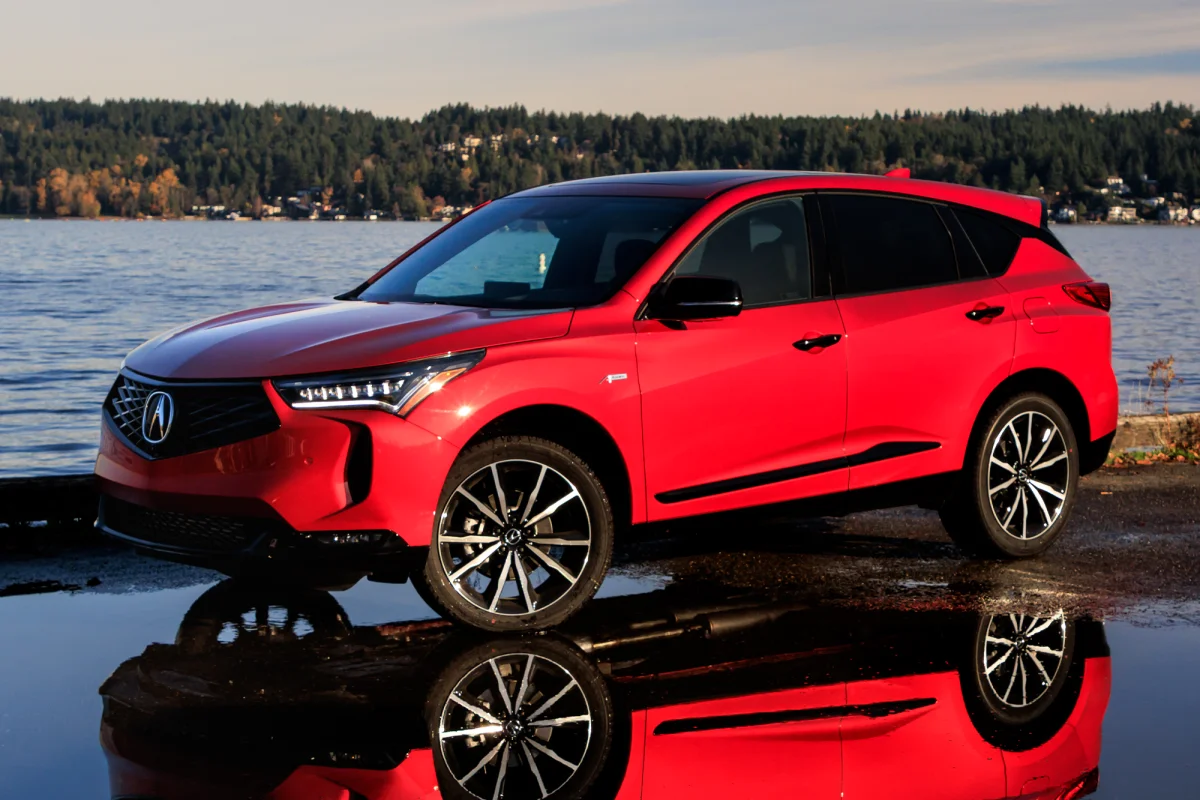
The RDX also carries equipment associated with a premium crossover. Its larger wheels and tires cost more than economy-car equivalents, while all-wheel-drive versions contain additional drivetrain components requiring attention.
Engine mounts can become an issue as the vehicle ages, especially because a V6 produces more movement and vibration than a small four-cylinder. Suspension bushings, struts, wheel bearings, and brake components may also need attention after years of service.
The real financial danger is buying an RDX at 90,000 or 100,000 miles simply because its price appears attractive. If the previous owner has not performed the timing-belt service, the new owner may quickly face one of the vehicle’s largest scheduled maintenance bills.
An example already showing 110,000 or 120,000 miles but accompanied by documentation for its belt, water pump, plugs, fluids, and suspension repairs can actually be the less expensive vehicle to own.
Representative specifications:
- Engine: 3.5-liter naturally aspirated V6
- Torque: 252 lb-ft
- Horsepower: 279 hp
- Length/Width: approximately 184.4 / 73.7 inches
Also read: 5 Cars With the Highest Theft Rates in New Mexico, 5 With the Lowest
