

Automakers do not always handle known reliability problems with a traditional safety recall. Sometimes the solution appears quietly as a warranty extension, special coverage adjustment, customer satisfaction program, or warranty enhancement.
Owners might receive a letter, but these programs rarely receive the publicity of a major recall. Dealers are often instructed to verify eligibility by VIN, meaning used-car owners can remain unaware that an expensive repair once qualified for free factory coverage.
“Never announced” therefore does not literally mean manufacturers kept these programs secret. Many companies mailed affected owners or issued dealer bulletins. The difference is that these programs were generally not promoted publicly like recalls, and some only applied when a specific failure occurred.
The examples below are documented manufacturer warranty extensions and special-coverage programs. Eligibility depended on VIN, mileage, in-service date, maintenance requirements, and other conditions, and many older programs have now expired.
1. Ford Focus and Fiesta DPS6 Transmission Control Module – 10 Years/150,000 Miles
Ford’s DPS6 PowerShift transmission became one of the most recognizable examples of an automaker extending coverage without issuing a conventional recall for every related transmission complaint. Customer Satisfaction Program 14M02 covered certain 2011-2015 Ford Fiesta and 2012-2016 Ford Focus models equipped with the DPS6 six-speed automatic transmission.
Ford extended the warranty on the Transmission Control Module, or TCM, to 10 years or 150,000 miles, whichever came first. The program addressed situations involving intermittent loss of transmission engagement while driving, a no-start condition, or sudden lack of power when diagnosis showed that an electrical failure inside the TCM was responsible.
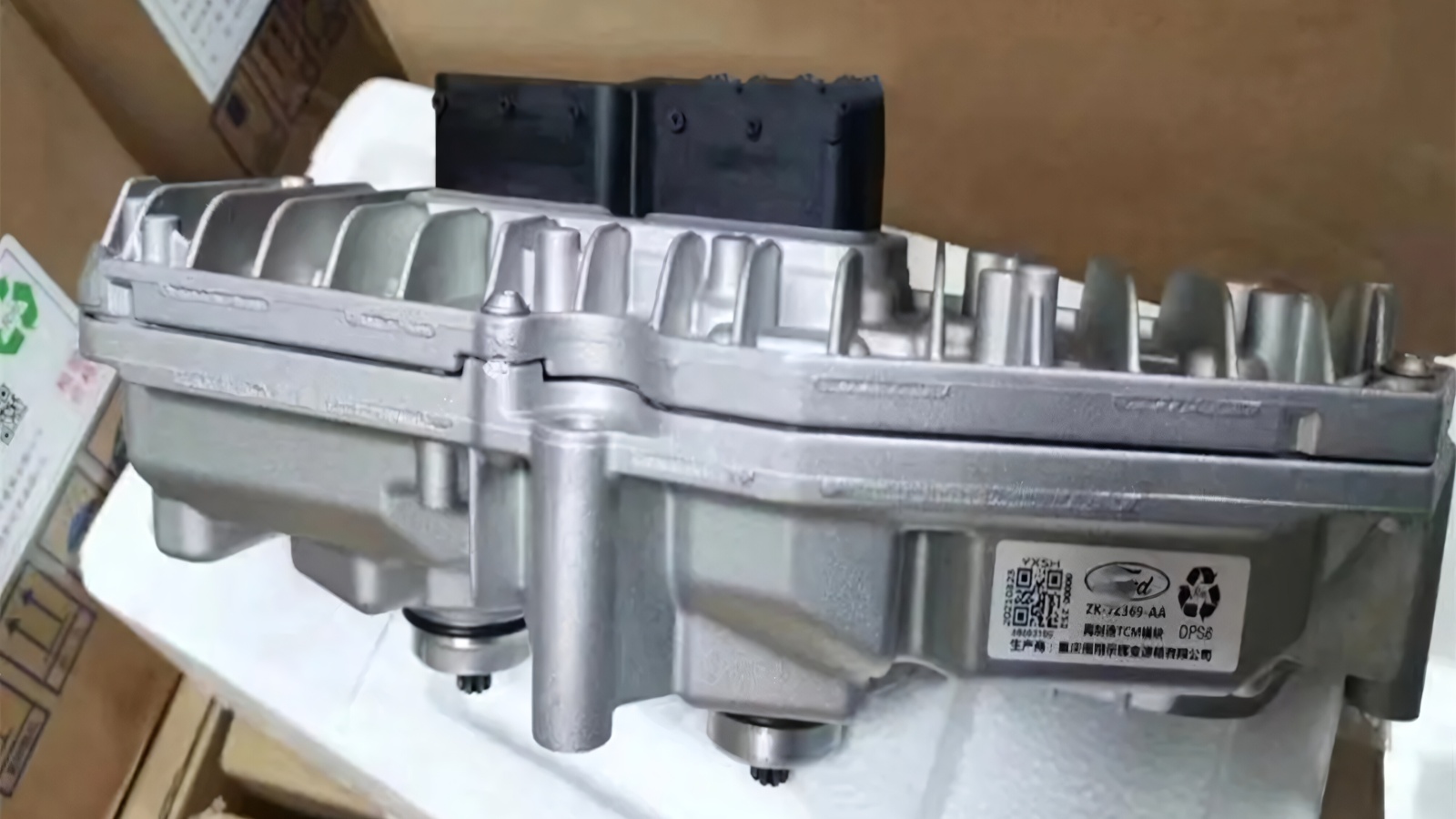
The coverage automatically transferred to subsequent owners, which was particularly important because many affected Focus and Fiesta models had already entered the used-car market. Ford later provided an additional one-time TCM replacement opportunity through June 30, 2025 for certain vehicles that had already exceeded the normal extension limits.
This was separate from Ford’s other DPS6 program, 14M01, which covered clutch shudder and leaking transmission input-shaft seals. In other words, an owner could have a car covered by more than one special transmission program.
The important catch was diagnosis. Simply having rough shifting or unusual transmission behavior did not automatically qualify the vehicle. Ford required the TCM to be identified as the causal component. Owners who only knew about the original powertrain warranty could therefore easily assume they were responsible for a repair that potentially had much longer factory coverage.
2. Chrysler 3.6-Liter Pentastar Left Cylinder Head – 10 Years/150,000 Miles
Chrysler quietly provided an unusually long warranty extension for a problem affecting certain early 3.6-liter Pentastar V6 engines. Warranty Bulletin X56 extended coverage on the engine’s left cylinder head to 10 years or 150,000 miles, whichever occurred first from the vehicle’s original in-service date.
The program applied to select 2011-2013 vehicles across several Chrysler, Dodge, and Jeep nameplates. Depending on year and VIN, that included vehicles such as the Jeep Grand Cherokee and Wrangler, Dodge Durango, Journey, Challenger, Charger and Avenger, Chrysler 300, and Chrysler/Dodge minivans.
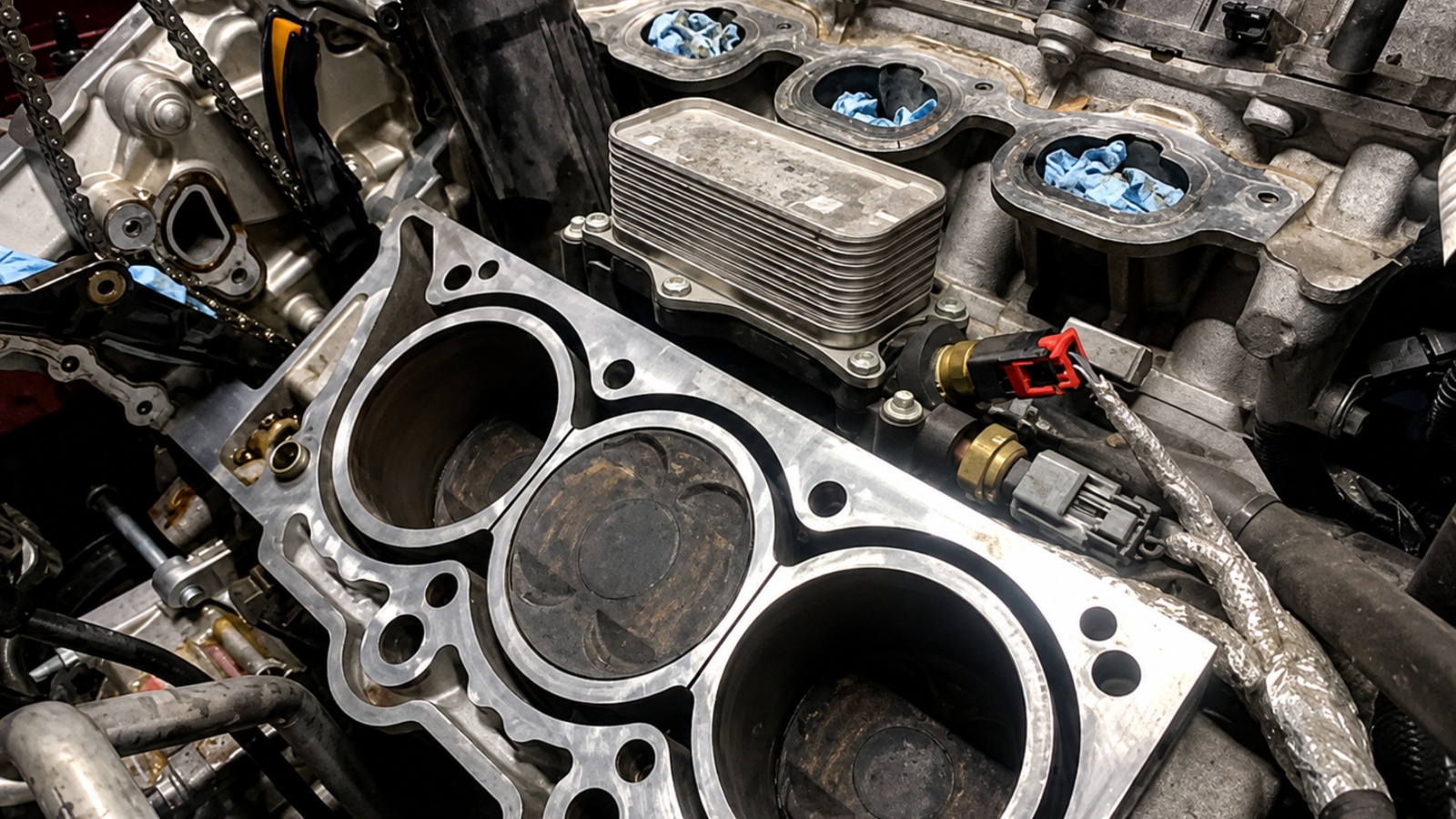
The underlying repair involved excessive cylinder leakage associated with the left cylinder head. Depending on severity, owners could encounter drivability problems, misfires, warning lights, or other symptoms that might normally lead to an expensive cylinder-head repair.
What made X56 particularly valuable was the cost of the component involved. Cylinder-head replacement requires major engine disassembly and can easily become a multi-thousand-dollar repair once parts and labor are included.
Chrysler instructed dealers to check individual VINs through DealerCONNECT rather than assume every Pentastar-powered vehicle was included. If the X56 message was not displayed for the VIN, the special coverage did not apply.
The company also provided a reimbursement process for qualifying customers who had already paid for the repair themselves. That is exactly why owners need to search beyond the standard warranty booklet. The original bumper-to-bumper or powertrain warranty might have expired years earlier while this very specific engine component remained protected for as long as a decade and 150,000 miles.
3. Chevrolet Equinox and GMC Terrain 2.4L Oil Consumption – 7.5 Years/120,000 Miles
General Motors created Special Coverage Adjustment 16118 for certain 2012 Chevrolet Equinox and GMC Terrain crossovers equipped with the 2.4-liter LEA four-cylinder engine. The issue involved excessive oil consumption associated with piston-ring wear.
GM defined the relevant condition as oil consumption of less than roughly 2,000 miles per quart. An affected engine could also produce knocking or rattling noises, illuminate an oil-pressure warning, or display a message telling the driver to stop the engine.
Instead of issuing a conventional safety recall, GM extended coverage for the condition to 7 years and 6 months or 120,000 miles, whichever came first, regardless of ownership. Dealers were instructed to perform an oil-consumption test and, when the condition was verified, install new pistons and piston rings at no charge.
That is a substantial repair. Correcting piston-ring wear can require extensive engine disassembly, making the difference between warranty coverage and customer-paid work potentially worth several thousand dollars.
GM’s documentation also stated that owners or lessees who had previously paid for qualifying repairs could potentially seek reimbursement, subject to the terms of the program.
The coverage was VIN-specific, so owning a 2012 Equinox or Terrain was not enough by itself. Dealers had to verify that the vehicle appeared in GM’s applicable-warranty system before beginning the special-coverage repair.
For used-car owners, this is the type of program that could easily be missed. A second or third owner experiencing heavy oil consumption years after purchase might assume that the vehicle was simply old, never realizing that GM had created a dedicated extended-coverage program for exactly that condition.
4. Subaru CVTs – 10 Years/100,000 Miles
Subaru issued one of the broader transmission warranty extensions of the last decade when it expanded coverage on the continuously variable transmissions used in several of its most popular models.
The 2017 program included certain 2010-2015 Legacy and Outback, 2012-2015 Impreza, 2013-2015 Crosstrek, 2014-2015 Forester, and 2015 WRX vehicles sold or leased in the United States.
Subaru’s original New Car Limited Powertrain Warranty covered the CVT for five years or 60,000 miles. The company added another five years and 40,000 miles, bringing total coverage to 10 years or 100,000 miles, whichever came first.

Importantly, the extension covered verified CVT defects rather than automatically replacing every transmission. Owners were told that they only needed to visit a dealer if their vehicle was actually experiencing a CVT concern.
Subaru also briefly created a one-year period during which certain vehicles already beyond 10 years or 100,000 miles could still receive inspections or repairs, provided the work was completed by a specified deadline.
The program was notable because complete CVT replacement can be extremely expensive. A driver facing slipping, abnormal noises, warning lights, or other transmission problems might reasonably expect a repair bill reaching several thousand dollars after the original five-year warranty ended.
Subaru additionally established reimbursement procedures for customers who had previously paid for qualifying CVT repairs.
For a used Subaru buyer, checking warranty history by VIN was therefore crucial. A vehicle that looked completely out of warranty according to its original owner’s booklet could actually have enjoyed almost double the original transmission-coverage period.
5. Toyota Prius Inverter Intelligent Power Module – 15 Years/Unlimited Miles
Toyota’s Warranty Enhancement Program ZE3 provided one of the longest component-specific coverage periods on this list. The program applied to certain 2010-2014 Toyota Prius models and addressed failure of the Intelligent Power Module, or IPM, located inside the hybrid inverter.
Toyota extended warranty coverage to 15 years with no mileage limitation from the vehicle’s original date of first use for qualifying vehicles. That meant a high-mileage Prius used for commuting, delivery work, or rideshare-type driving could potentially remain protected long after its normal warranty had expired.
The IPM is a critical part of the Prius hybrid system. Under covered conditions, a failure could trigger hybrid warning messages and diagnostic trouble codes and cause the vehicle to enter fail-safe operation.
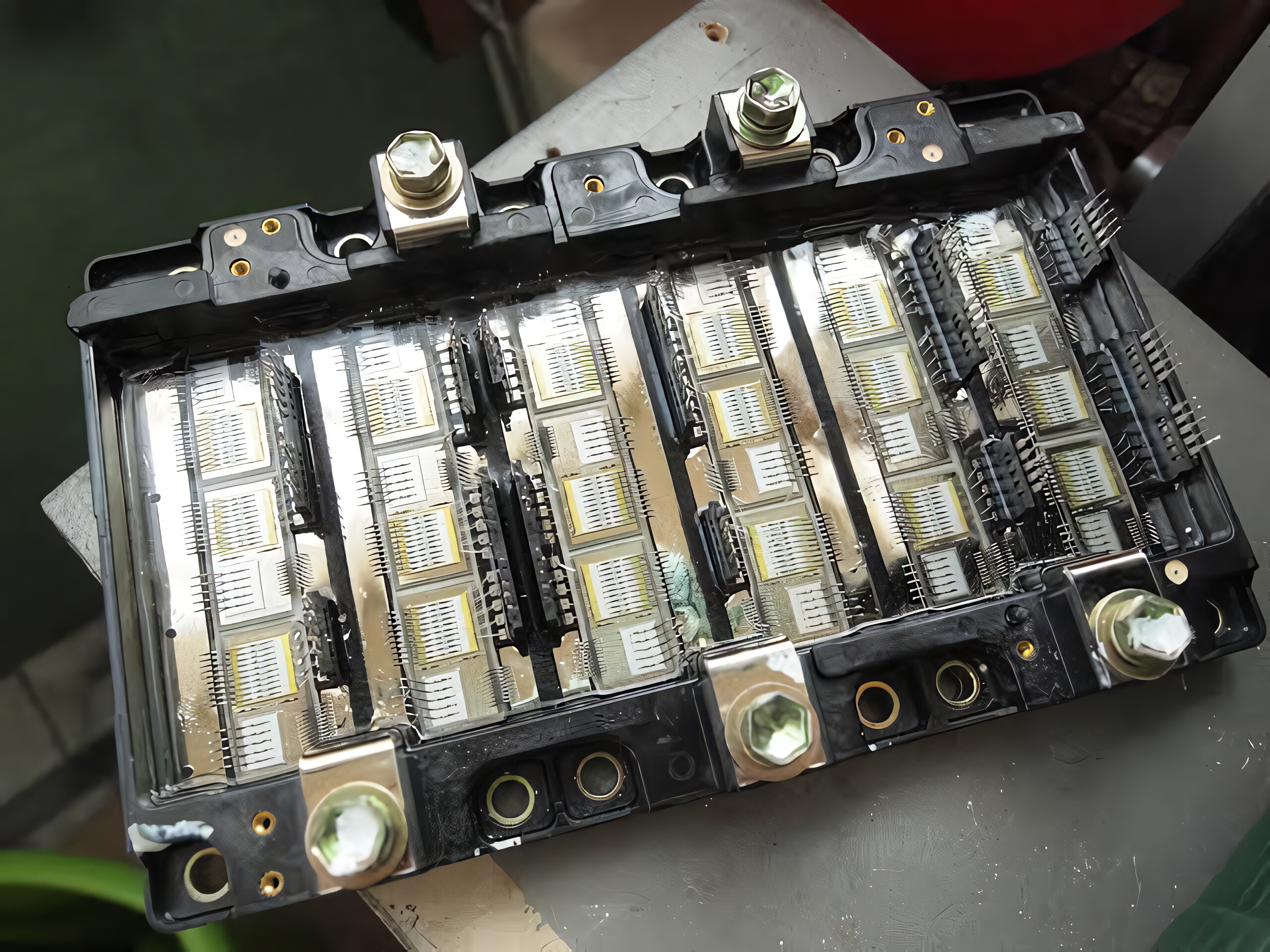
Toyota stated that the warranty enhancement covered failure of the IPM and certain other internal inverter components potentially damaged as a result of IPM failure. Eligible repairs had to be completed by an authorized Toyota dealer, and normal warranty exclusions still applied.
One particularly interesting detail from Toyota’s warranty documentation was that the program was VIN-specific and linked with Safety Recall E0E where applicable. Dealers needed to determine whether required recall work had already been performed before carrying out repairs under ZE3.
Around 711,000 Prius vehicles were identified in Toyota’s program materials, making this far from an obscure low-volume issue.
Hybrid inverter replacement can be extremely costly outside warranty, so the difference between believing the car only had its original hybrid warranty and knowing about a 15-year extension could be enormous. It is exactly the sort of coverage a later used-car owner could overlook unless someone checked the VIN.
Also read: 5 Cars With the Highest Theft Rates in New Mexico, 5 With the Lowest
6. Honda V6 Piston Rings and Misfires – 8 Years/Unlimited Miles
Honda extended powertrain warranty coverage on certain V6 vehicles after complaints involving piston rings, spark-plug fouling, and repeated cylinder misfires. One documented example is Service Bulletin 13-079 for certain 2010-2012 Honda Crosstour V6 models.
Honda explained that piston rings on certain cylinders could rotate and line up in a way that contributed to spark-plug fouling. That could trigger diagnostic codes P0301 through P0304, illuminate the malfunction indicator lamp, and produce noticeable engine misfires.
Rather than simply extending the entire vehicle warranty, Honda created targeted coverage for repairs connected to that specific misfire condition. The extension ran for eight years with unlimited mileage from the original purchase date.
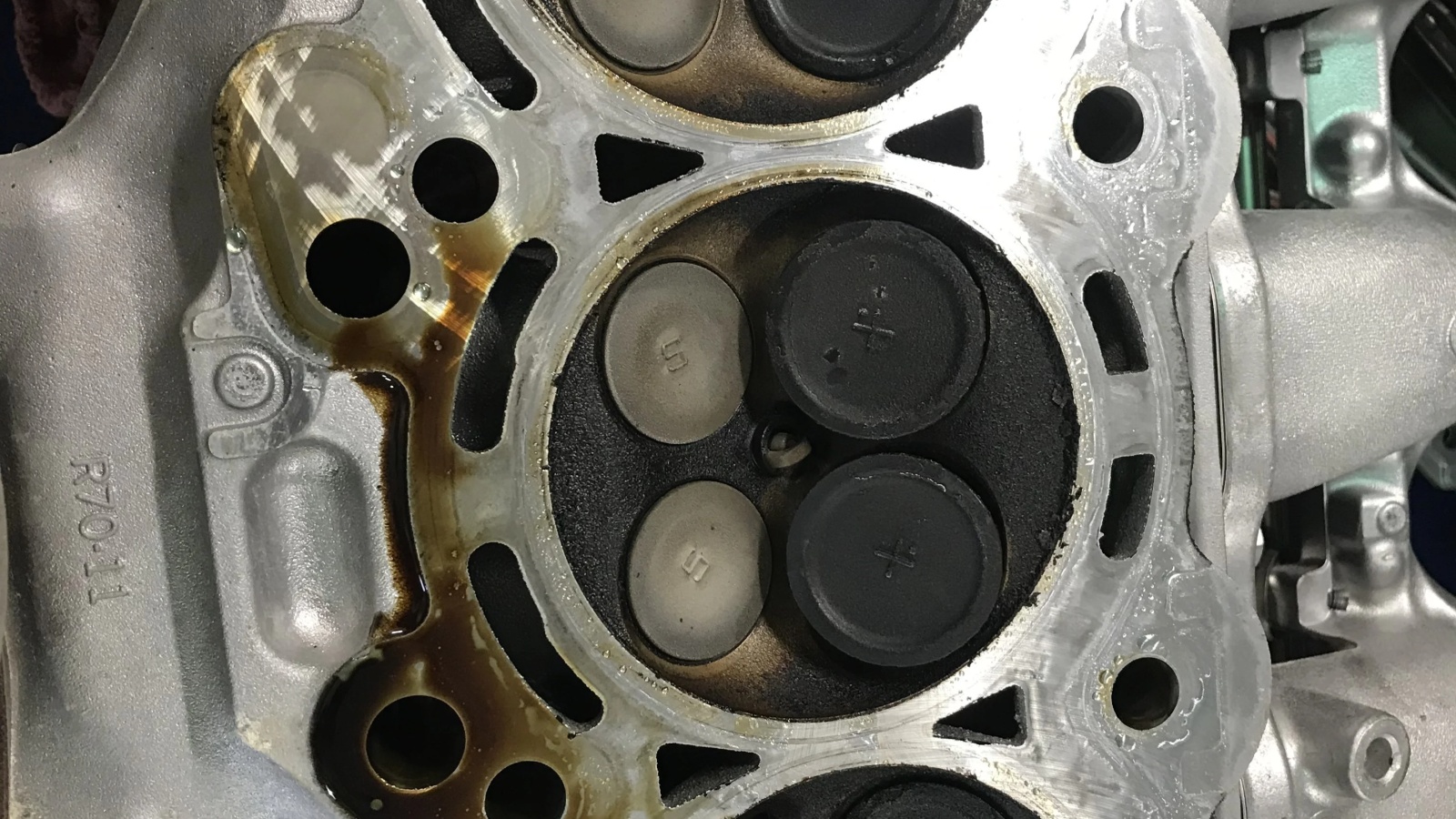
Depending on model year and diagnosis, repairs could progress from software updates and replacement spark plugs to piston cleaning and piston-ring replacement. The latter is significant internal-engine work that would otherwise create a substantial customer-paid bill.
The extension emerged in connection with a class-action settlement, and Honda sent settlement notices to affected owners beginning in 2013. Still, subsequent owners could easily miss the information, especially if they purchased a vehicle long after the original mailing.
Honda specifically required dealers to perform a VIN-status inquiry before beginning covered work. Salvage vehicles and certain branded-title vehicles were excluded.
The lesson goes beyond this particular Crosstour bulletin. A check-engine light caused by a recurring misfire might look like routine maintenance on an older Honda, yet under the right circumstances the actual repair could involve piston rings and qualify for special factory coverage long after the standard warranty had ended.
7. BMW N20 and N26 Timing Chains – 7 Years/70,000 Miles
BMW owners with early N20 and N26 turbocharged four-cylinder engines received component-specific extended warranty protection for the timing-chain and oil-pump-drive-chain systems.
BMW Service Information Bulletin 11 03 17 listed numerous affected vehicles, including certain 2012-2015 328i, 2012-2015 528i, 2012-2015 X1 28i, 2013-2015 X3 28i, 2014-2015 428i, and other models using the N20 or N26 engines.
BMW extended coverage on the engine timing chain and oil-pump drive chain modules to seven years or 70,000 miles from the original in-service date. Covered timing-chain repairs could also include associated guides, tensioners, sprockets, and related components when required to correctly complete the repair.
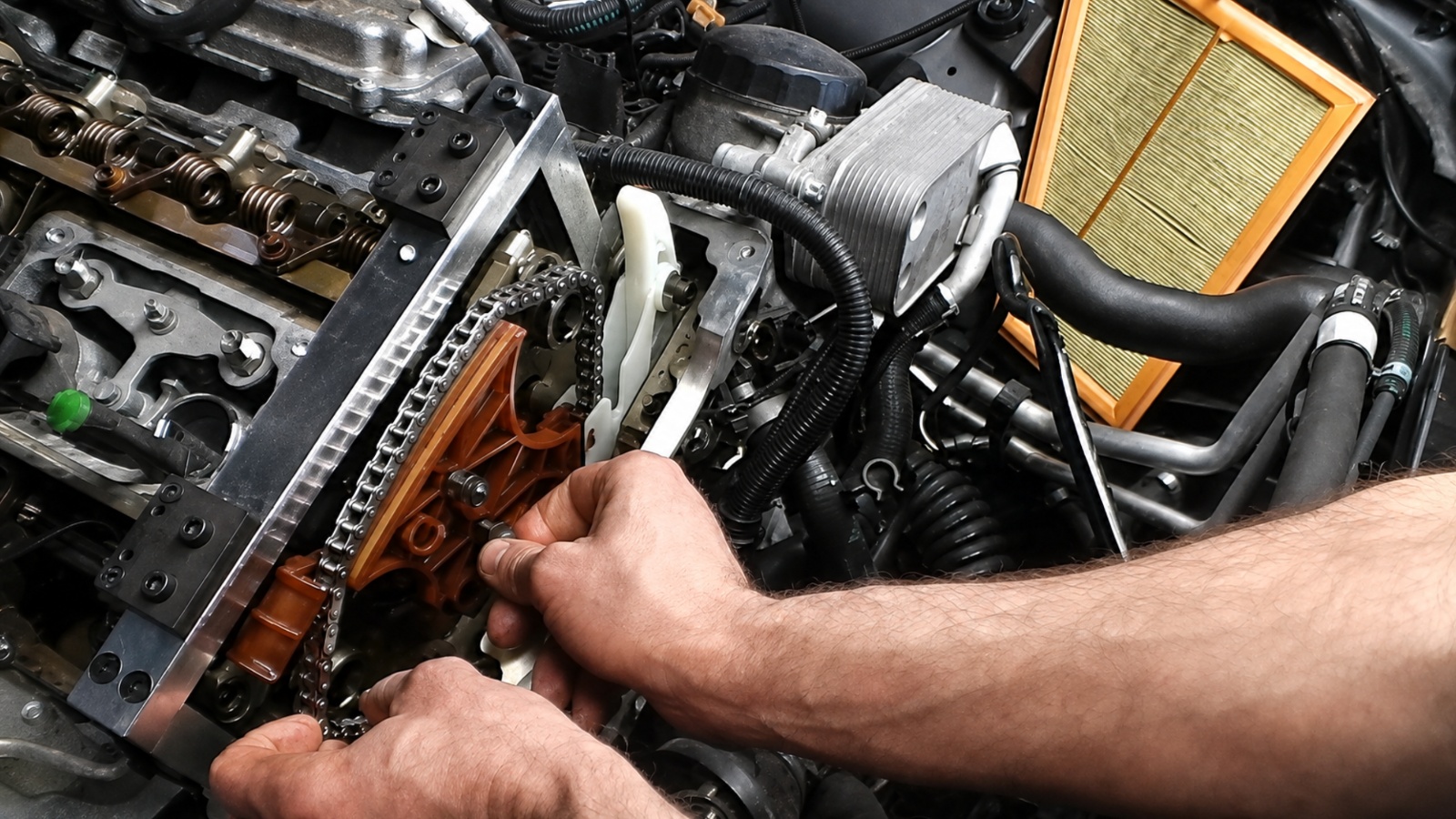
BMW made an important distinction in the bulletin: this was not a recall or service action. Owners were not instructed to bring healthy vehicles in for preventive replacement. Repairs were performed when an eligible vehicle developed a covered problem, and diagnosis confirmed the component failure.
That distinction helps explain why many owners were unaware of the program. Someone reading only recall databases might never see it.
BMW did send VIN-specific notification letters, but as cars passed to second or third owners, those letters could easily disappear with the original owner’s paperwork.
Timing-chain problems are particularly significant because failure can lead to serious engine damage. A timing-chain job on a modern BMW can also involve substantial labor.
BMW later documented additional settlement-related benefits for some affected vehicles beyond the original 7-year/70,000-mile program, making a VIN warranty inquiry especially important before paying for major N20 or N26 timing-chain work.
8. Volkswagen Water Pump, Thermostat and Housing – 8 Years/80,000 Miles
Volkswagen issued a major warranty extension covering cooling-system components on a wide range of vehicles after a class-action settlement.
The extension applied to certain 2014-2021 Volkswagen Arteon, Atlas, Beetle, Golf, Golf Alltrack, Golf R, Golf SportWagen, GTI, Jetta, Passat, and Tiguan vehicles.
For eligible vehicles, Volkswagen extended coverage for failure of the primary engine water pump, thermostat, and thermostat housing to eight years or 80,000 miles from the original in-service date.
The extension covered parts and labor required for a qualifying repair performed by an authorized Volkswagen dealer. It also contained provisions for certain consequential engine damage directly caused by a covered water-pump, thermostat, or thermostat-housing failure, although the amount paid for consequential damage could be prorated depending on age and mileage.
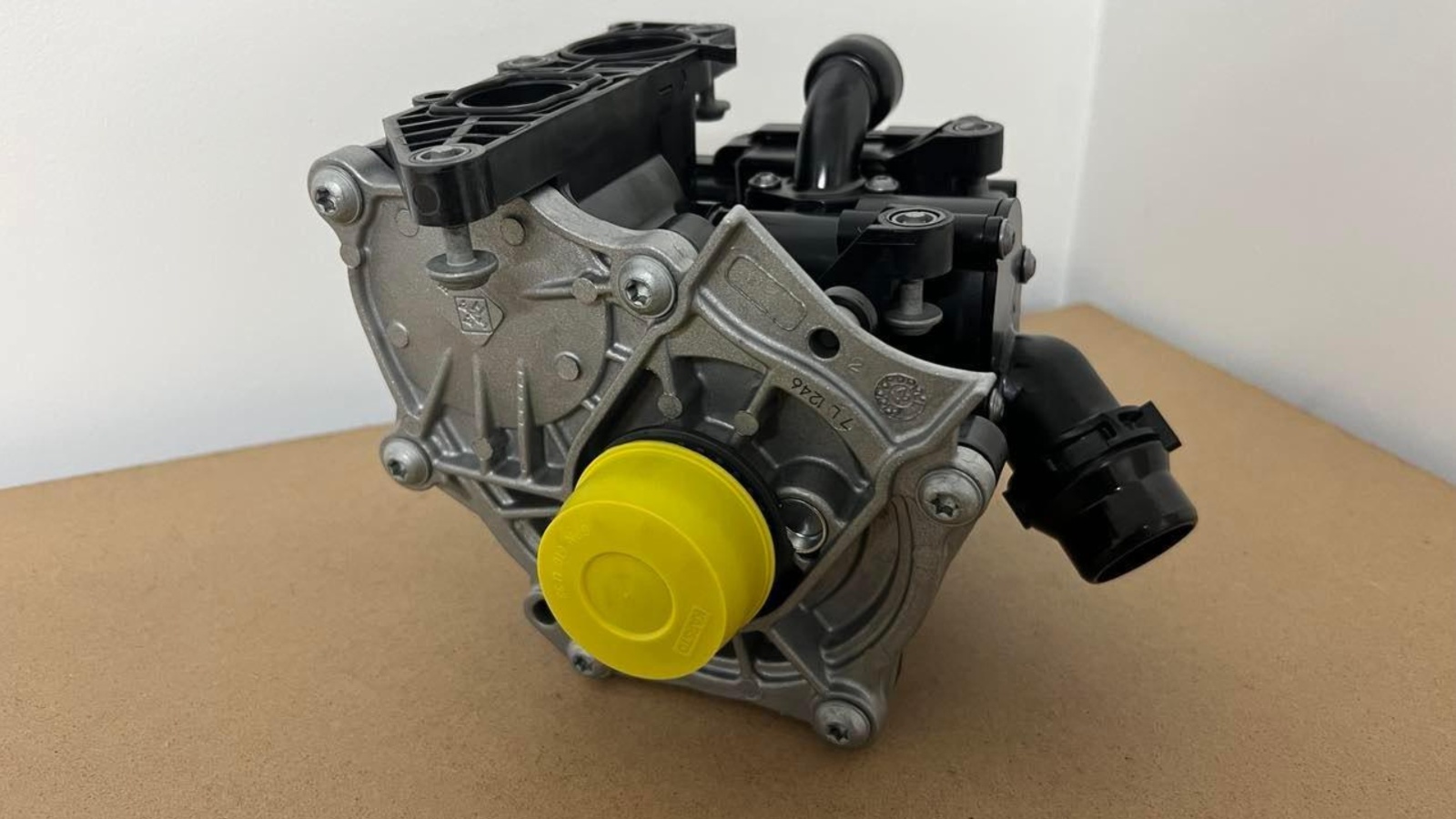
That additional protection mattered because cooling-system failure can become much more expensive than replacing a leaking pump. Severe coolant loss or overheating can damage the cylinder head, head gasket, or complete engine.
Volkswagen stated that the warranty extension was transferable to later owners, with certain exclusions, which made it particularly useful in the used-car market.
Eligibility was still VIN-specific. Dealers were instructed to look for a particular warranty key in Volkswagen’s vehicle-data system before processing a claim.
Because water pumps and thermostat housings are usually regarded as ordinary mechanical repair items rather than recall components, an owner could easily receive a four-figure repair estimate and never think to ask about extended factory coverage. Checking the VIN before approving a major cooling-system repair could therefore make a considerable financial difference.
9. Hyundai Theta II Engine Bearing Failure – Limited Lifetime Warranty
Hyundai’s Theta II engine warranty extension is easily one of the most significant examples because qualifying vehicles received limited lifetime coverage for certain engine failures linked to connecting-rod-bearing wear.
Hyundai’s TXXI program included certain 2011-2019 Sonata models, 2013-2018 Santa Fe Sport vehicles, certain 2019 Santa Fe models, and selected Tucson years equipped with specified 2.0-liter turbocharged or 2.4-liter Theta II engines.
The extension covered qualifying engine long-block repair or replacement associated with connecting-rod-bearing wear and was valid for both original and subsequent owners.
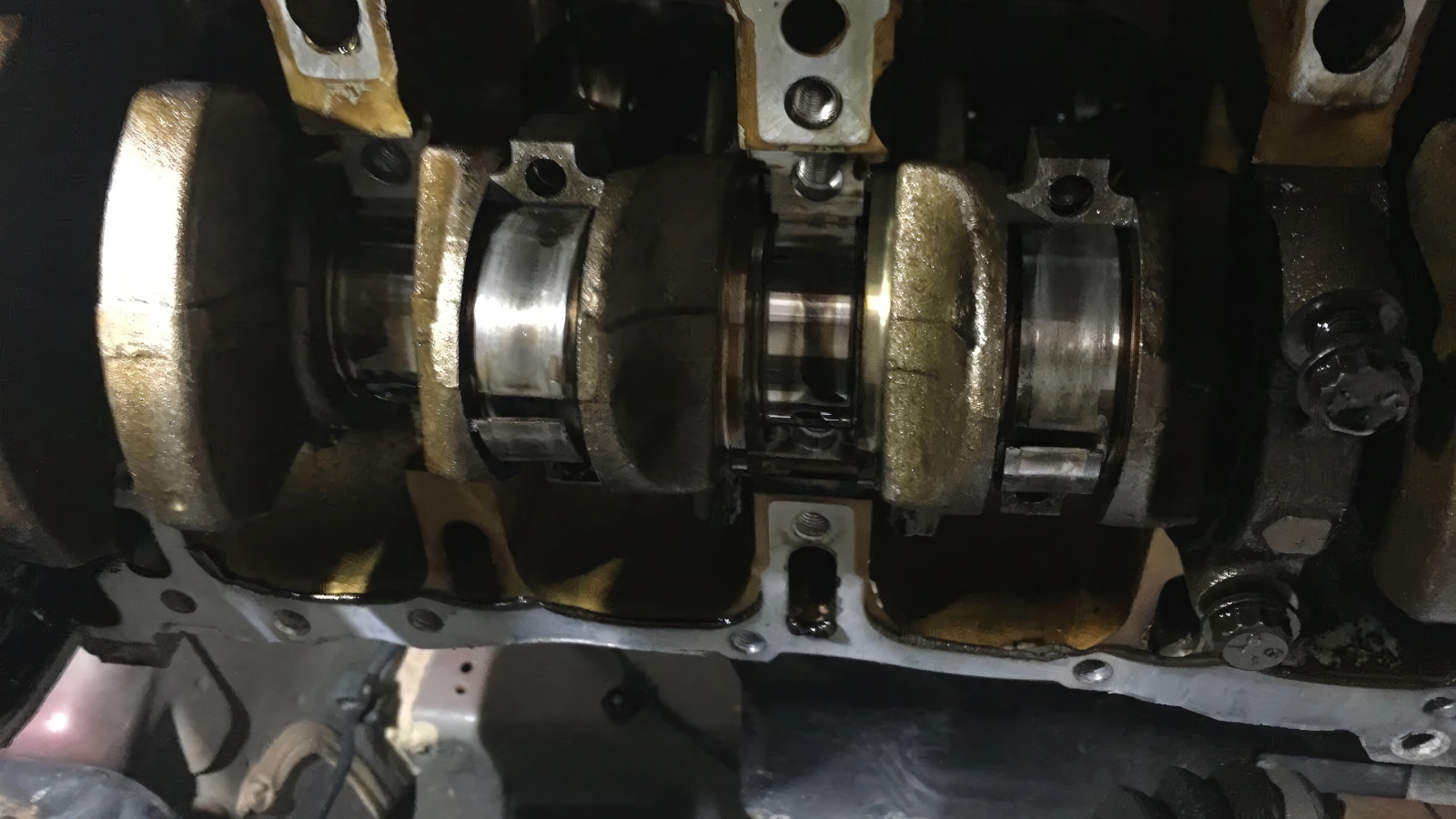
However, “lifetime warranty” did not mean every engine problem received a free replacement. Hyundai established conditions. Generally, the vehicle needed the applicable Knock Sensor Detection System software update, and diagnosis had to identify a covered connecting-rod-bearing-related problem. Diagnostic code P1326 became closely associated with the program.
The knock-detection strategy was designed to identify abnormal conditions that could precede severe bearing failure and potentially place the engine into a reduced-power mode.
A complete engine replacement is one of the most expensive repairs an ordinary vehicle owner can face, so this extension represented enormous value for qualifying owners.
Yet someone buying a used Sonata or Santa Fe Sport might only see the original five-year or ten-year warranty information and assume that an older vehicle had no remaining engine protection.
Hyundai’s own dealer documentation classified TXXI specifically as a warranty extension and provided service advisors with procedures for verifying coverage and obtaining approval. As with every program here, the key is the VIN and the exact failure, not merely owning a vehicle with the same engine family.
10. Nissan Rogue and Pathfinder CVTs – 7 Years/84,000 Miles
Nissan extended CVT warranty coverage on specific versions of two of its highest-volume crossovers following customer concerns and class-action litigation.
The program covered the 2015 Rogue Select, 2014-2018 Rogue, and 2015-2018 Pathfinder. Nissan expanded the original CVT warranty from 60 months/60,000 miles to 84 months/84,000 miles, whichever came first.
Coverage was broader than just the complete transmission case. Nissan stated that the extension included the CVT assembly and internal components, gaskets and seals, the CVT control valve body, torque converter, applicable cooler kit, and transmission-control-module reprogramming when required.
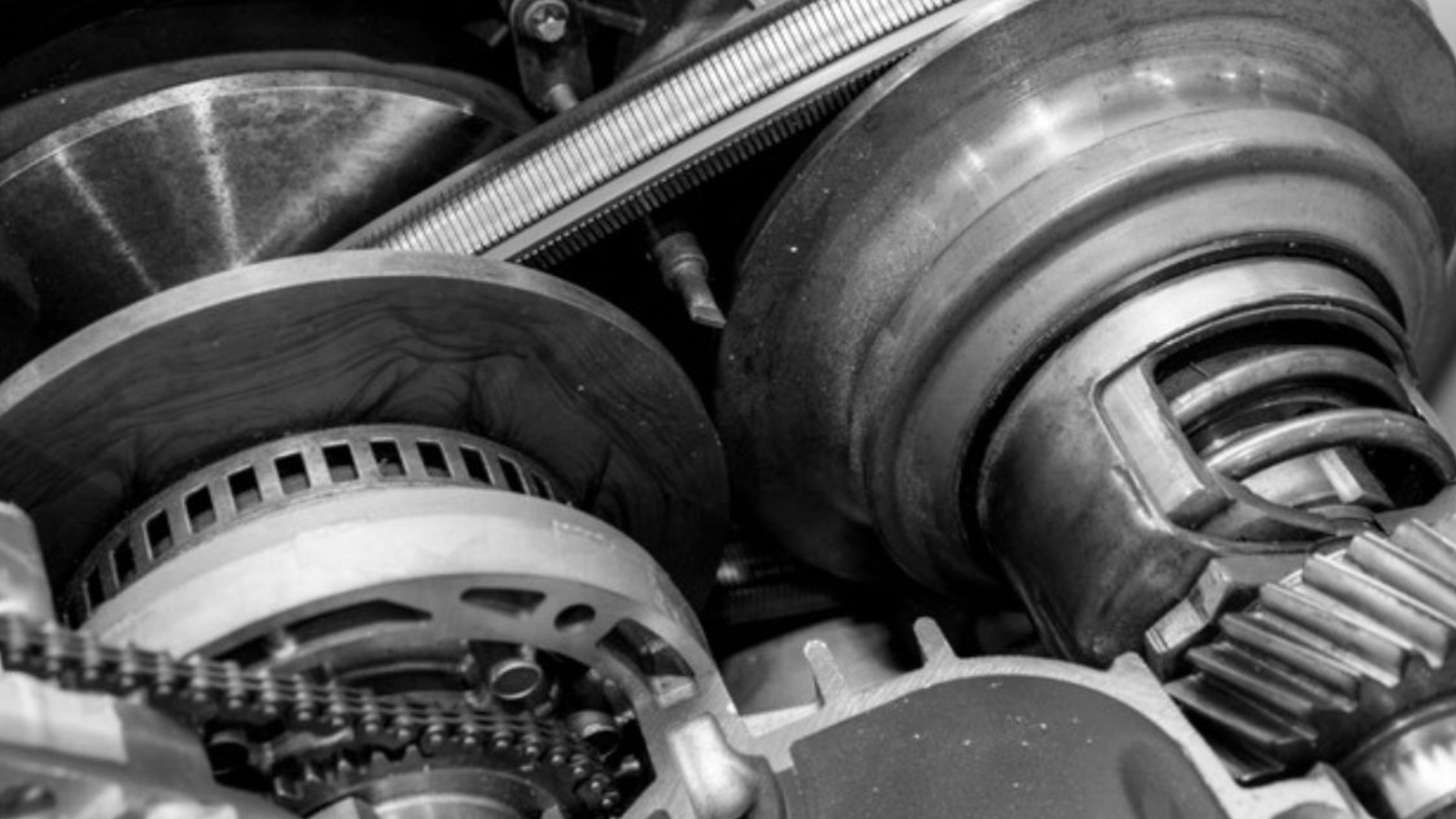
That could make a significant difference because CVT repairs can range from valve-body work to complete transmission replacement.
Nissan explicitly described the action as a warranty extension, not a safety recall or campaign. That distinction matters when owners search for outstanding recalls before buying a used vehicle. A clean recall history would not necessarily tell them that the transmission once had extended factory coverage.
The company began notifying eligible owners by mail in June 2022, but dealers were still instructed to verify the warranty status of every vehicle through Nissan’s internal systems. Some customers who excluded themselves from the associated class-action settlement could also have different eligibility, making VIN verification essential.
For buyers of an older Rogue or Pathfinder, transmission history is particularly important. A vehicle outside its ordinary five-year/60,000-mile powertrain warranty might still have qualified for substantial CVT repairs under the extended terms. Unfortunately, once the time or mileage limit expired, the same repair could immediately become a customer-paid expense.
These programs show why “out of warranty” does not always mean every component is out of warranty. Manufacturers frequently create narrow coverage extensions aimed at one known component or failure mode while leaving the rest of the vehicle under its original warranty terms. The extension may be hidden behind an internal program number, a dealer bulletin, a settlement, or a VIN-specific note.
Before paying for a major engine, transmission, hybrid-system, or cooling-system repair, owners should ask the manufacturer’s dealer to run the VIN for warranty extensions, customer satisfaction programs, special coverage adjustments, warranty enhancements, and reimbursement programs. Many of the older examples above have now expired, but the same strategy remains useful because new extensions continue to appear long after vehicles originally leave the showroom.
