
Checking engine oil takes seconds, but many modern automatic transmissions are deliberately designed without a dipstick. Instead of letting the owner pull a stick, wipe it clean, and read the level, these units use fill plugs, overflow tubes, temperature windows, scan-tool data, and procedures performed with the vehicle level and the transmission running. That makes a driveway check far more complicated than it was on older cars.
The transmissions below are common examples of this sealed or dipstick-free approach. “Sealed” does not mean the fluid can never be serviced, and it does not mean the transmission literally cannot be checked outside a dealership.
It means there is no simple owner-level dipstick check. Correct fluid level often depends on temperature, vehicle position, specified fluid, and an exact sequence of shifts or plug removal. Getting those details wrong can leave the unit overfilled or underfilled, either of which can create expensive problems.
1. ZF 8HP Eight-Speed Automatic
The ZF 8HP is one of the most widely used modern automatic transmissions, appearing in numerous BMW, Jeep, Ram, Dodge, Audi, and other vehicles. Owners accustomed to pulling a transmission dipstick will immediately notice something missing: checking the 8HP is performed from underneath through the transmission’s fill opening rather than through an easily accessible dipstick in the engine compartment.
ZF’s own service procedure shows why this is not a simple fluid check. The vehicle must be level, the engine must be running during part of the procedure, and the transmission oil has to remain inside a defined temperature range. ZF specifies checking the 8HP level while monitoring oil temperature, with the correct level indicated when only a small amount of fluid exits the filler opening.
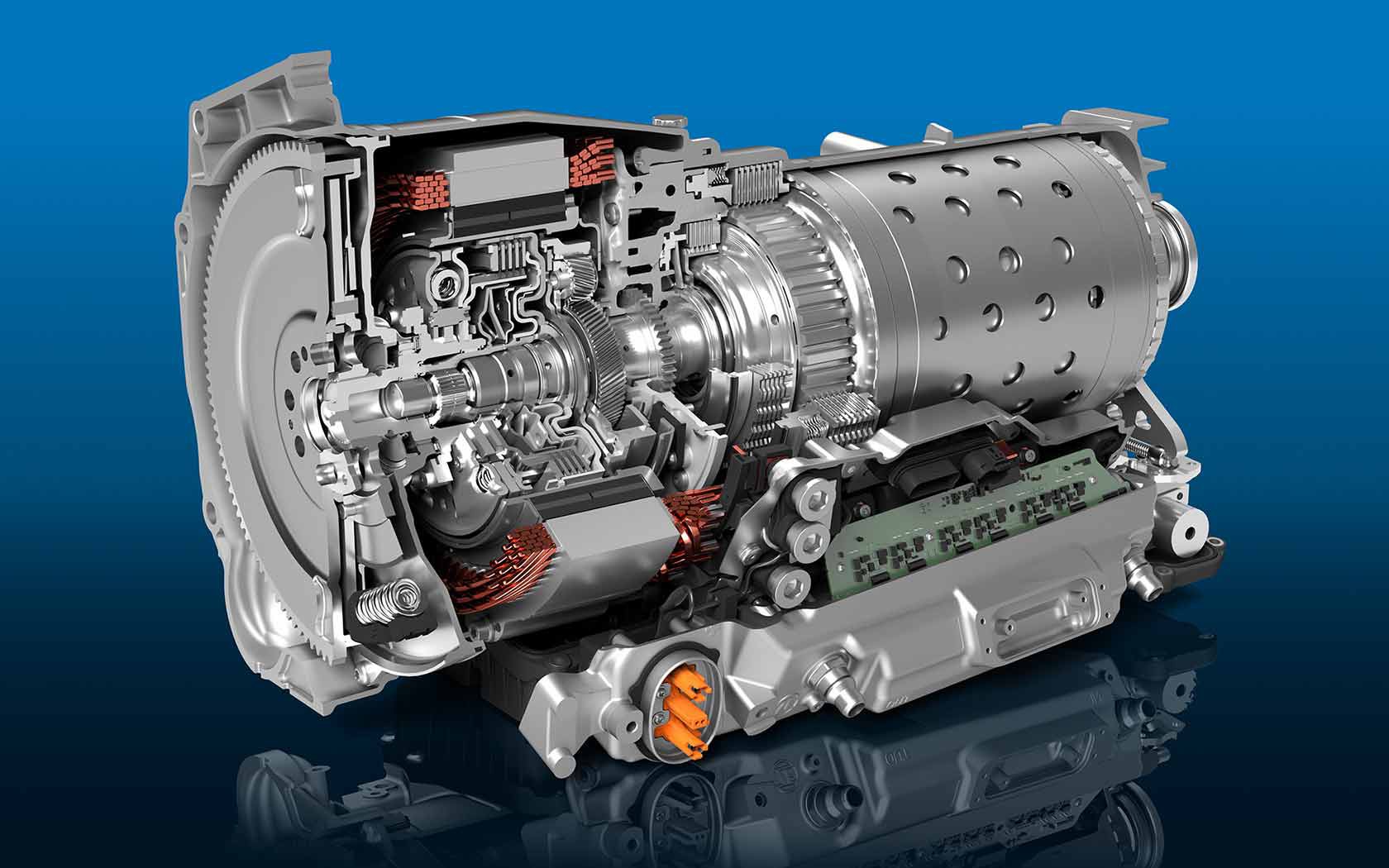
Temperature matters because transmission fluid expands as it heats. Checking it too cold or too hot changes how much fluid escapes through the level opening and can produce an incorrect result. The procedure also involves moving the selector through operating positions so fluid circulates through the transmission.
A capable home mechanic with a lift, diagnostic equipment, correct fluid, and service information can perform the work, so the transmission is not literally impossible to service yourself. For the typical owner, however, there is no quick visual check. That is what makes the 8HP a classic example of the modern “sealed” transmission.
2. Ford 10R80 Ten-Speed Automatic
Ford’s 10R80 appears in vehicles including the F-150, Mustang, Expedition, Ranger, and several other Ford and Lincoln products. Despite being installed in vehicles that owners regularly tow, modify, and service themselves, many 10R80 applications do not provide the familiar transmission dipstick that older Ford trucks once had.
Ford’s own Explorer owner’s manual states directly that the automatic transmission does not have a transmission-fluid dipstick. It tells owners to have the fluid checked and changed when required and advises contacting an authorized dealer if the transmission begins slipping, shifting slowly, or showing signs of leakage.
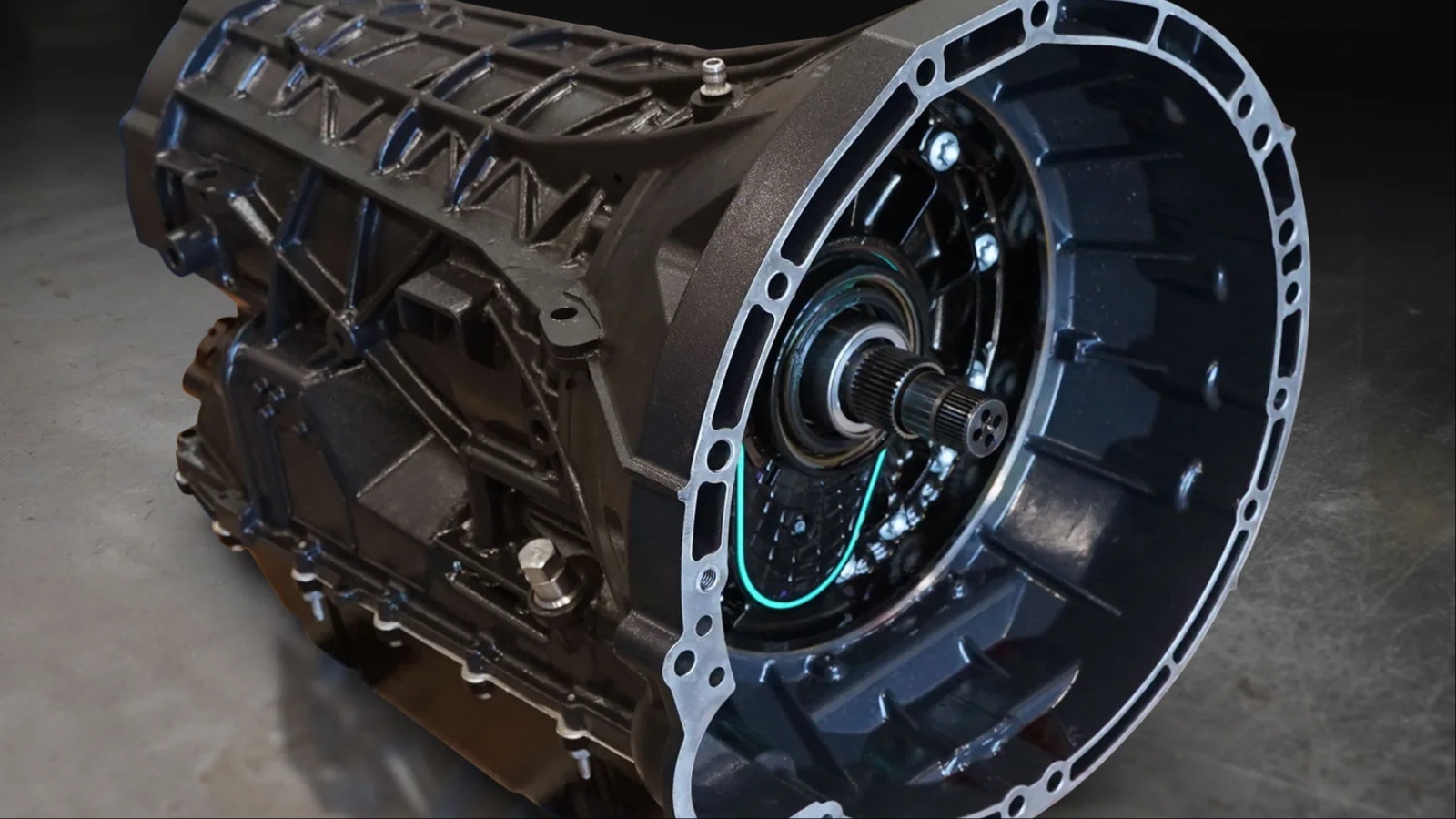
That does not mean the 10R80 has no way to verify fluid level. Technicians can access the transmission and follow Ford’s workshop procedure, but that process is substantially different from opening the hood and reading a marked stick. The vehicle needs to be positioned correctly, transmission temperature matters, and access can require working close to hot drivetrain and exhaust components.
That distinction is particularly important when shopping for a used F-150 or Mustang. A seller cannot simply show you a clean transmission dipstick and prove that the fluid is full. Instead, buyers should look for leakage underneath, abnormal engagement, delayed shifts, shuddering, or harsh gear changes.
For routine owners, Ford has effectively moved fluid-level verification from a driveway inspection to a service operation requiring more equipment and knowledge.
3. GM 10L80 and 10L90 Ten-Speed Automatics
General Motors’ 10L80 and 10L90 ten-speed automatics are used across a wide range of Chevrolet, GMC, and Cadillac applications. They were developed for high-output engines and heavy vehicles, but checking their fluid level is considerably less straightforward than checking an older four- or six-speed automatic with a dipstick.
GM service information shows that transmission temperature is an important part of fluid-level work on these ten-speed units. Technical documentation covering the 10L80 and 10L90 references specific transmission-fluid temperatures and thermostat operation when technicians check or service the system.4
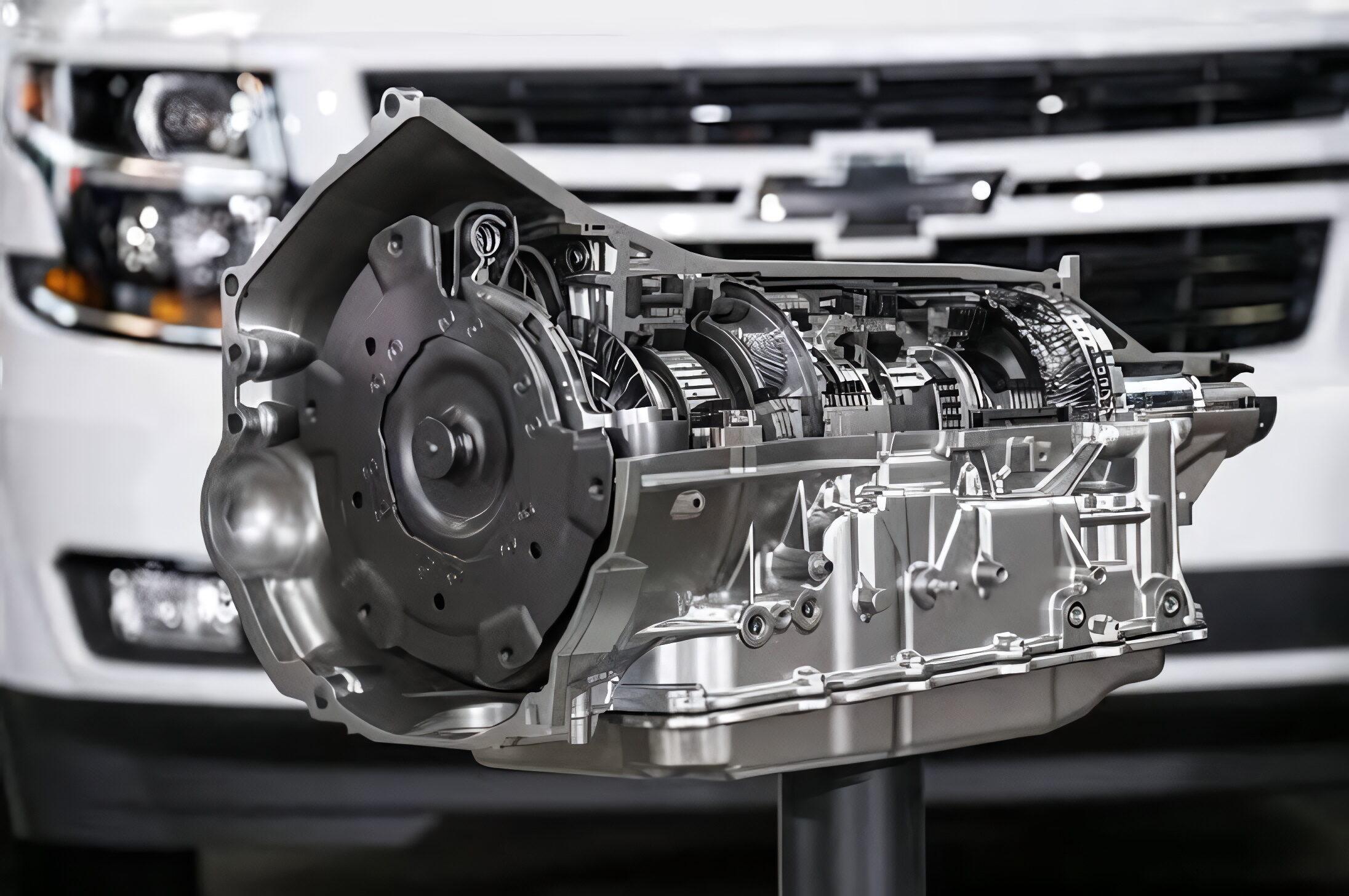
Rather than reading marks on a dipstick, the technician works with service plugs and monitors temperature while the transmission is operating under prescribed conditions. The vehicle also needs to remain level. Fluid that is too cold occupies less volume, while excessively hot fluid can produce a misleading overflow reading.
This creates a problem for buyers who want to perform a quick driveway inspection. You may see no external leak and still have no convenient way to confirm that the transmission contains exactly the correct amount of fluid.
Pay attention instead to how the unit behaves. Delayed engagement after selecting Drive or Reverse, unusual clunks, slipping, flare between shifts, or persistent harsh shifting deserve investigation.
The 10L80 and 10L90 are serviceable transmissions, but GM’s level-check procedure demonstrates why “sealed” increasingly means technician-checkable rather than owner-checkable.
4. Mercedes-Benz 9G-TRONIC 725.0
Mercedes-Benz’s 9G-TRONIC is another transmission where normal maintenance has moved far beyond the dipstick era. Known internally as the 725.0 family, the nine-speed automatic is used across numerous Mercedes sedans, SUVs, coupes, and performance-oriented models.
Mercedes documentation identifies the 725.0 as the 9G-TRONIC and treats fluid-level correction as a workshop procedure. One Mercedes service campaign even lists checking or correcting the transmission oil level using an ultrasonic method as part of service work on certain 725.0-equipped vehicles.
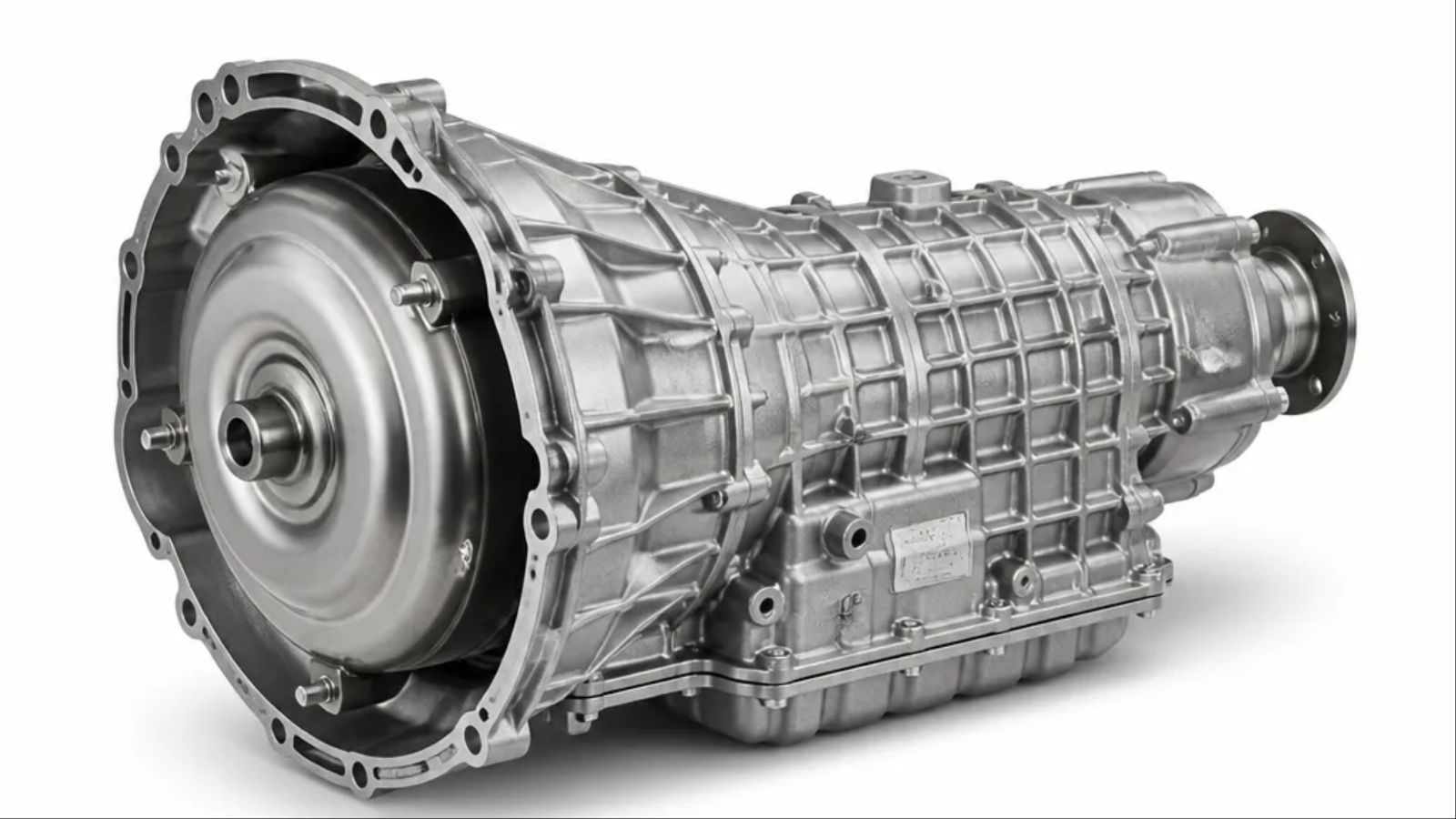
That tells you immediately how different this transmission is from an older automatic. There is no expectation that an owner will simply open the hood, remove a dipstick, and see whether the fluid reaches a crosshatched area.
Fluid condition can also be difficult for an owner to evaluate because the transmission is largely closed off from normal underhood inspection. Mercedes service information for leaks on the 725.0 discusses identifying transmission oil and tracing leakage around the case, output area, and associated seals rather than relying on a routine level stick.
For used-car shoppers, this means service history becomes especially valuable. Look for documented transmission maintenance and investigate any oily residue underneath the vehicle.
A skilled independent Mercedes specialist can check and service a 9G-TRONIC. The average owner, however, has no practical five-minute method of verifying its fluid level at home.
5. Volkswagen DQ250 / 02E DSG
Volkswagen’s six-speed DQ250, also known by the 02E designation, helped make dual-clutch transmissions common in everyday performance cars. It has appeared in vehicles such as the Volkswagen GTI, Golf R, Jetta GLI, Passat, and several Audi products.
Unlike a traditional automatic with a long dipstick running into the transmission pan, the DSG uses a more involved method of establishing fluid level. Volkswagen service material instructs technicians to verify DSG fluid level using diagnostic procedures, including ODIS in certain service operations.
The reason is that a dual-clutch transmission depends heavily on the exact fluid quantity and operating condition. The fluid lubricates internal components while also supporting hydraulic operation and clutch control. Too little fluid can cause lubrication and pressure problems, while too much is not desirable either.
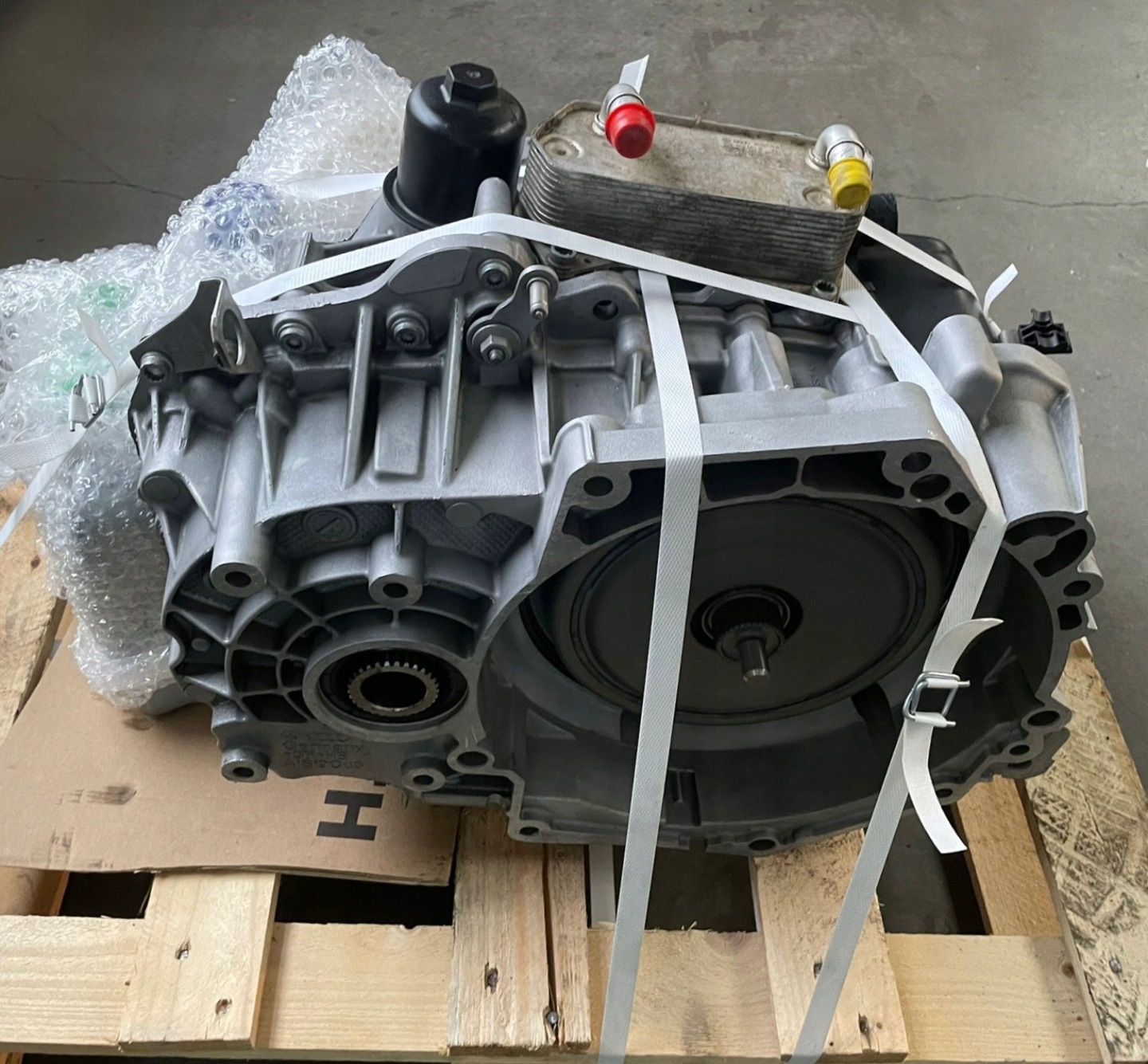
Correct checking involves accessing the transmission from underneath and following the specified procedure instead of guessing based on how much fluid was drained. Temperature is important because the overflow-style system is designed around fluid expansion within a particular operating range.
For owners, the important point is that there is no convenient underhood fluid-level check before a road trip or before buying a used GTI. You instead have to evaluate service records, look for leakage, and pay close attention to engagement and shift quality.
The DQ250 remains completely serviceable. It simply belongs to the generation of transmissions where fluid checking became a controlled service procedure rather than a basic owner-maintenance task.
Also read: 5 Engines Okay With Skipped Oil Changes vs 5 That Die From One
6. Toyota U660E/U660F and U760E/U760F
Toyota built a reputation for straightforward maintenance, but several of its modern automatic transmissions abandoned the traditional transmission dipstick. The U660 and U760 families are among the best examples and have appeared in numerous Toyota and Lexus front-wheel-drive and all-wheel-drive applications.
Toyota’s own service bulletin for these transmissions shows just how precise the fluid-level procedure can become. The procedure uses Toyota WS automatic transmission fluid and requires technicians to monitor ATF temperature. Toyota specifies an operating temperature range and uses specialized equipment to establish the correct fluid level. The correct condition is determined by observing fluid flow rather than reading a dipstick.
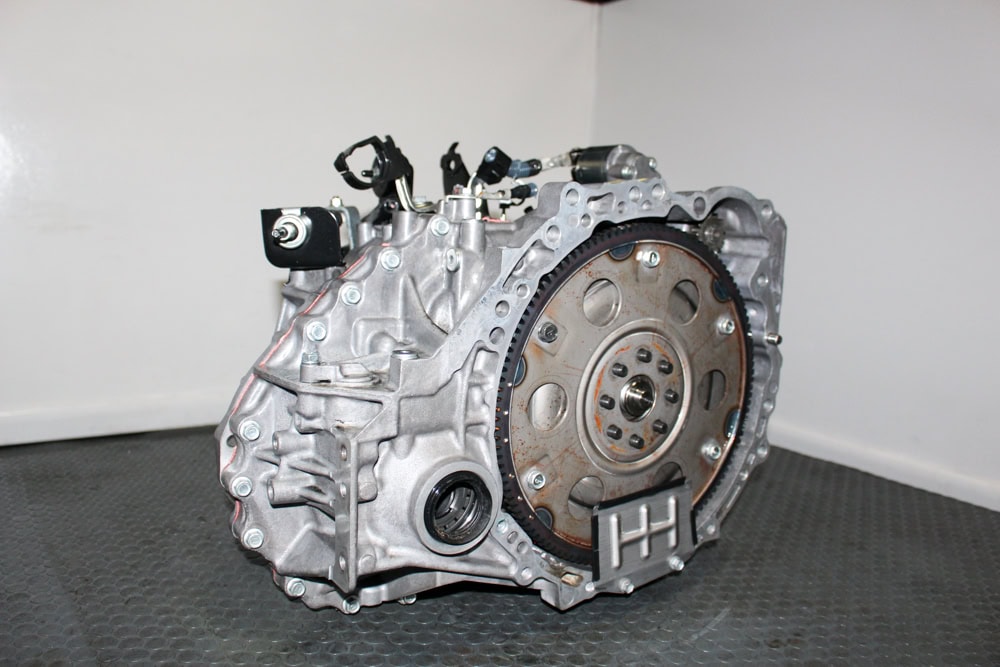
That makes the phrase “sealed transmission” understandable even though the units still have drain and fill provisions. An owner can drain fluid, but simply pouring back the amount that came out does not automatically guarantee that the finished level is correct.
The vehicle must be level, the fluid must be within the specified temperature window, and the appropriate inspection procedure has to be followed.
For used-car buyers, this removes one useful piece of evidence. On an older Toyota, you could inspect the transmission fluid for level, color, and smell within minutes. With these units, checking underneath for leaks and examining maintenance records becomes more important.
These Toyota transmissions are not maintenance-free. Their design simply separates fluid servicing from routine underhood checks, making accurate level verification much more of a workshop job.
7. Hyundai/Kia SP4-Series Automatics
Many Hyundai and Kia automatic transmissions use an overflow-style level system rather than a conventional dipstick. The design appears across several six- and eight-speed applications using Hyundai-specified fluids such as SP4-M, depending on transmission and model.
Hyundai technical information shows a typical procedure clearly. Fluid is added through a dedicated fill opening, diagnostic equipment is connected to monitor transmission oil temperature, and the engine is started with the selector placed through specified positions. When the ATF reaches approximately 122°F to 140°F, the level-checking plug is removed. The level is considered correct when fluid exits in the specified thin stream.
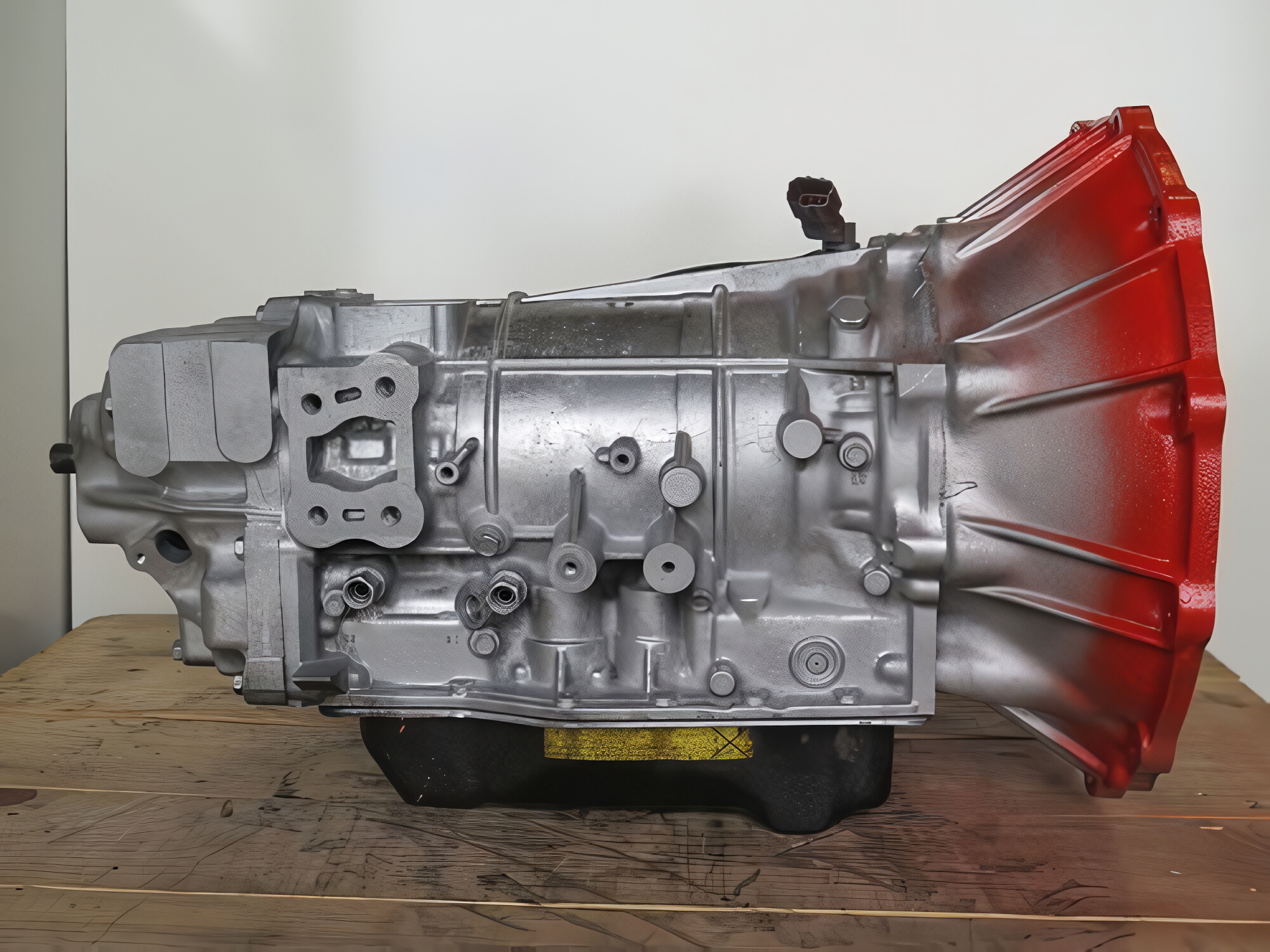
That is dramatically more complicated than reading a dipstick. A home mechanic attempting the procedure without temperature data may see fluid coming from the level hole and assume everything is correct even though the transmission is outside the required temperature window. Because fluid expands with heat, that can lead to the wrong final quantity.
The design also means owners cannot easily inspect the fluid’s condition every few months. You normally notice trouble through leaks, unusual shifting, delayed engagement, warning lights, or service history rather than a quick visual check.
Hyundai’s procedure proves that “sealed” should not be confused with “never serviced.” The transmission contains accessible fluid and can be maintained, but accurate level setting requires an exact process.
For most owners without a lift and scan equipment, this is a job better handled by a competent transmission shop or experienced technician.
8. Nissan Jatco RE0F10D CVT
Nissan’s Jatco continuously variable transmissions are among the units where correct fluid type and service procedure deserve particular attention. The RE0F10D CVT used in various Nissan applications relies on NS-3-specification CVT fluid and does not offer the simple traditional dipstick experience found on much older Nissan automatics.
Nissan technical information directs technicians to specific electronic service manual procedures when filling the RE0F10D and repeatedly warns against allowing inappropriate fluids, chemicals, dirt, or debris into the CVT assembly. Service documentation also identifies an overflow plug as part of the transmission hardware.
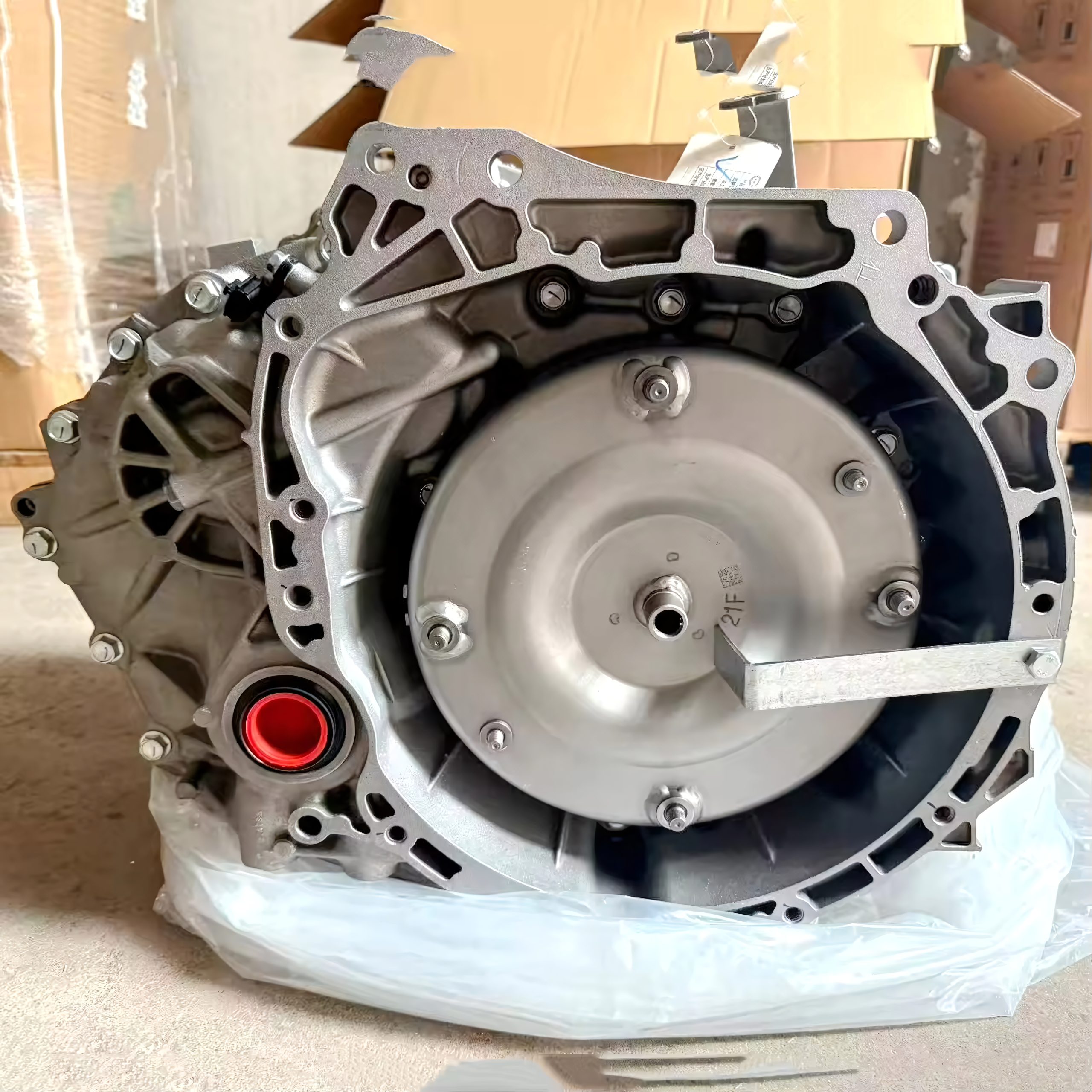
An overflow system changes the entire checking process. Instead of pulling a dipstick from above, the vehicle needs to be safely raised and positioned so the service opening can be accessed. Correct CVT fluid must be used, and the technician follows Nissan’s specified fill and level procedure.
That precision matters more on a CVT than many owners realize. The fluid is involved in lubrication, hydraulic control, cooling, and operation of the belt-and-pulley system. Using the wrong fluid or establishing the wrong level can affect operation.
For a used Nissan, do not assume that a seller saying “the transmission fluid looks fine” actually means it was properly checked. Ask how it was checked and whether the correct NS-3 fluid was used where required.
Without the correct procedure and equipment, the average owner has no meaningful quick way to verify the RE0F10D’s fluid level.
9. Honda HCF-2 Continuously Variable Transmission
Honda’s newer continuously variable transmissions also illustrate how routine fluid inspection has changed. Vehicles such as certain CR-V models use Honda HCF-2 CVT fluid, but the fluid level is not necessarily checked through the traditional engine-compartment dipstick procedure owners may remember from older Hondas.
Honda service documentation for CR-V CVT replacement describes a refill followed by a specific level-checking sequence. The engine is started, the transmission is shifted through multiple positions while the brake is held, and each position is maintained for a specified period. The engine is then shut down, and a check bolt is removed. The correct fluid level is indicated when fluid gradually drips from the check opening.
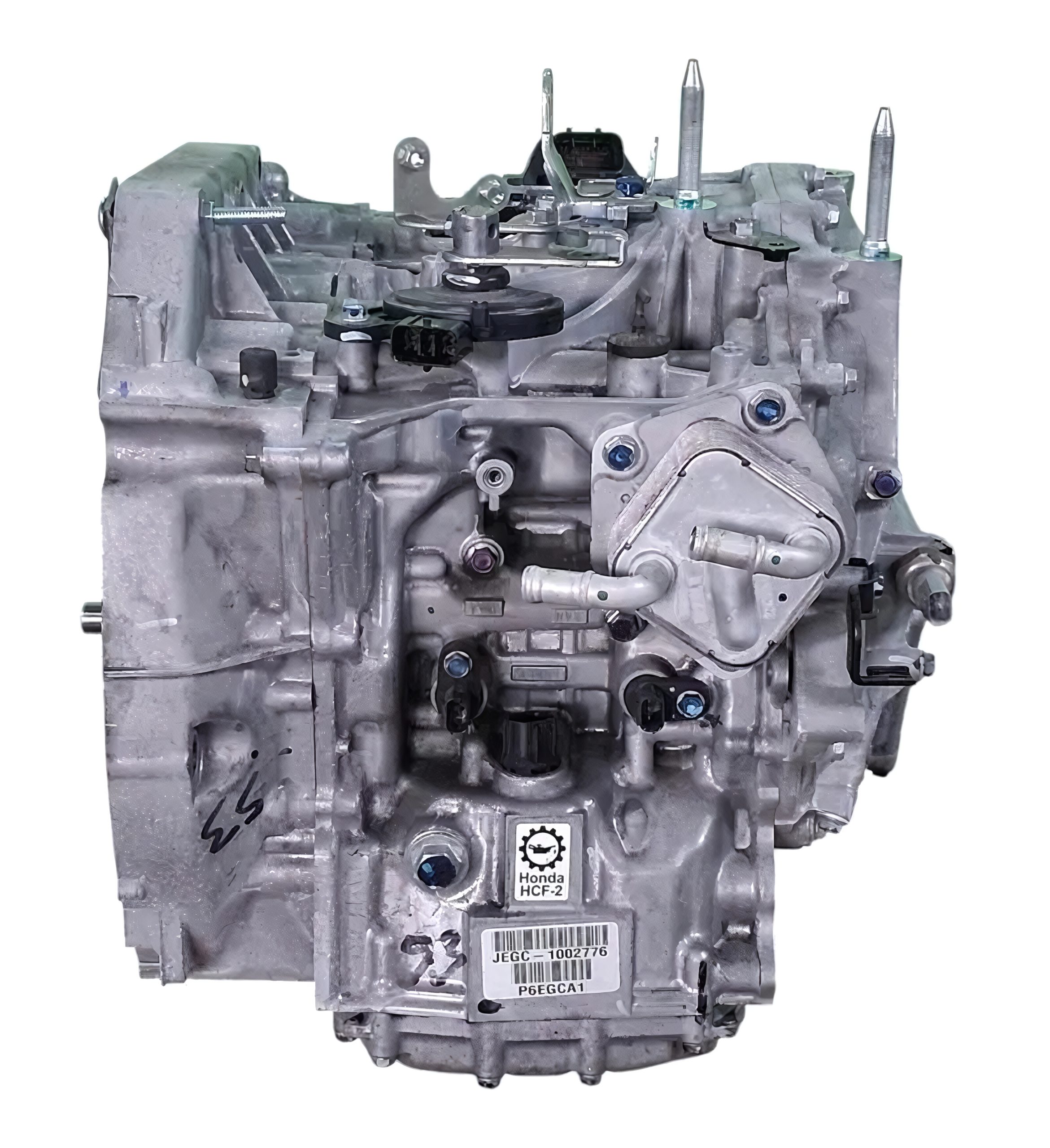
That is not a procedure most people are going to perform in a driveway while shopping for a used vehicle.
Honda also warns that the proper HCF-2 fluid must be used. Incorrect fluid can damage the transmission or affect operation. A precise level matters because the CVT depends on fluid pressure and lubrication throughout its internal components.
The transmission is therefore not permanently sealed in the literal sense. It has service openings and Honda provides procedures for changing and checking the fluid.
What has disappeared is easy owner access. Unless you have the proper equipment, safe lifting setup, service instructions, and knowledge of the check procedure, there is no quick way to establish whether the fluid level is correct.
For buyers, documented CVT maintenance can be far more useful than simply looking under the hood for a nonexistent dipstick.
10. Subaru Lineartronic TR580 and TR690 CVTs
Subaru’s Lineartronic CVTs, particularly the TR580 and TR690 families, are another major departure from the old automatic-transmission dipstick. These transmissions have been used across vehicles including the Outback, Legacy, Forester, Crosstrek, and Ascent in various configurations.
Subaru technical documentation shows that technicians access the Lineartronic through dedicated transmission plugs and warns them to be careful of hot CVT fluid. Procedures involving the TR580 and TR690 require identification of the exact transmission and use of specific service access points rather than a universal dipstick check from above.
That difference is important because Subaru used conventional dipsticks on older automatic transmissions. Earlier Subaru owner’s literature explicitly described pulling an ATF dipstick and reading HOT and COLD ranges. The newer CVT service approach is substantially different.
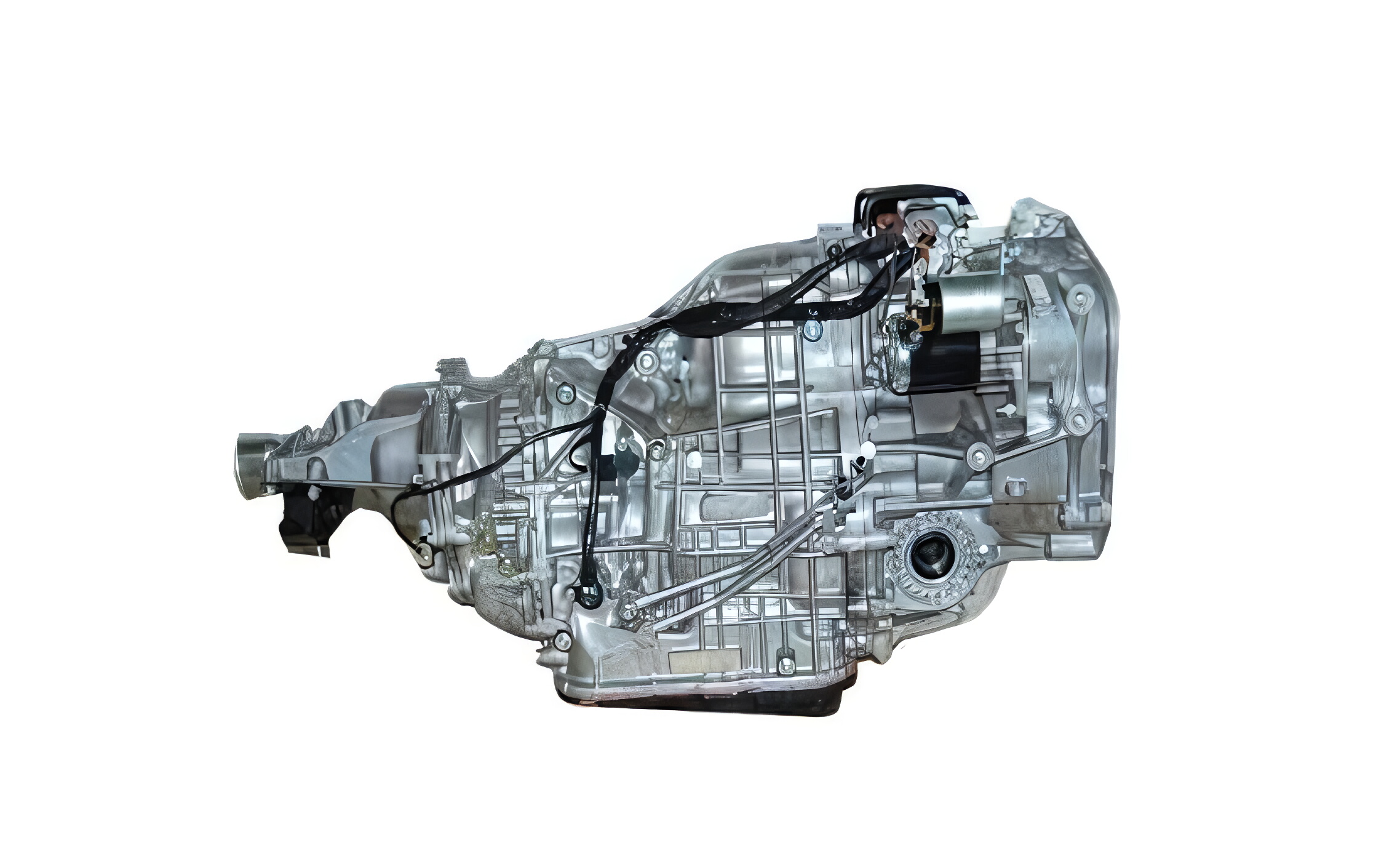
Owners therefore should not assume that the absence of a dipstick means the CVT contains lifetime fluid or never needs inspection. Leaks can still occur, and Subaru has published service information addressing CVT fluid seepage on Lineartronic units.
For a used Subaru, inspect the underside for seepage, look through maintenance history, and pay attention to hesitation, shuddering, unusual whining, warning lights, or inconsistent operation.
A Subaru specialist can inspect and service these transmissions properly. For the typical owner, however, confirming the exact CVT fluid level is no longer a simple Saturday-morning maintenance check.
Also read: 12 Engines That Handle Standard Grade Fuel Without Losing Long Term Life