
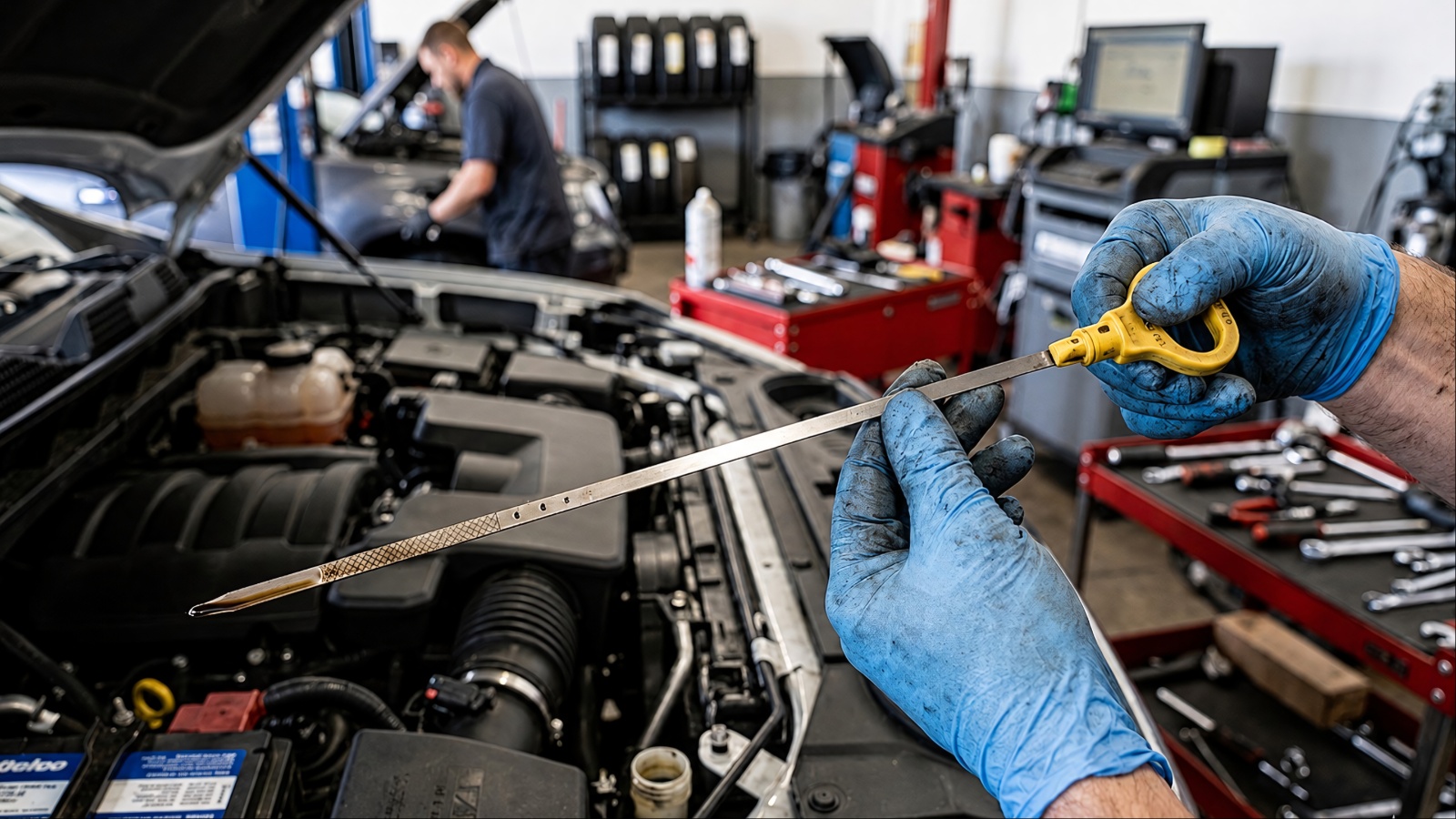
Oil consumption is expected from an aging engine, but regularly adding oil to a relatively young car is a different matter. Consumer Reports has repeatedly examined owner survey data and found certain modern engines with unusually high rates of oil consumption.
Its research identified engines from Acura, Audi, BMW, General Motors, Mini, Subaru, Volkswagen, and Volvo among those associated with excessive oil use. CR also found that vehicles that started consuming oil early tended to use more as they aged.
The 60,000-mile mark in this list represents premature oil consumption rather than a universal Consumer Reports cutoff; CR did not say every affected vehicle started burning oil before exactly 60,000 miles.
Its broader finding was that late-model cars should not require substantial topping-off between normal oil changes. These ten cars use engines specifically identified in CR’s oil-consumption research and are worth checking carefully when shopping used.
1. 2010–2013 Acura TL SH-AWD 3.7L
The fourth-generation Acura TL could be ordered with a 3.7-liter V6 in SH-AWD form, giving the luxury sedan considerably more power than the front-wheel-drive version. Unfortunately, the 3.7-liter Acura V6 is also one of the engines identified in Consumer Reports’ later analysis of engines associated with excessive oil consumption. CR’s list covered Acura’s 3.7-liter V6 from 2010 through 2013.
The concern became significant enough that Honda/Acura provided extended coverage for certain vehicles with oil-burning engines. That matters for used-car shoppers because oil consumption may not produce the obvious blue exhaust smoke people associate with an old, worn-out motor. Modern catalytic converters can disguise visible smoke, leaving repeated dipstick checks or oil-level warnings as the first obvious clues.
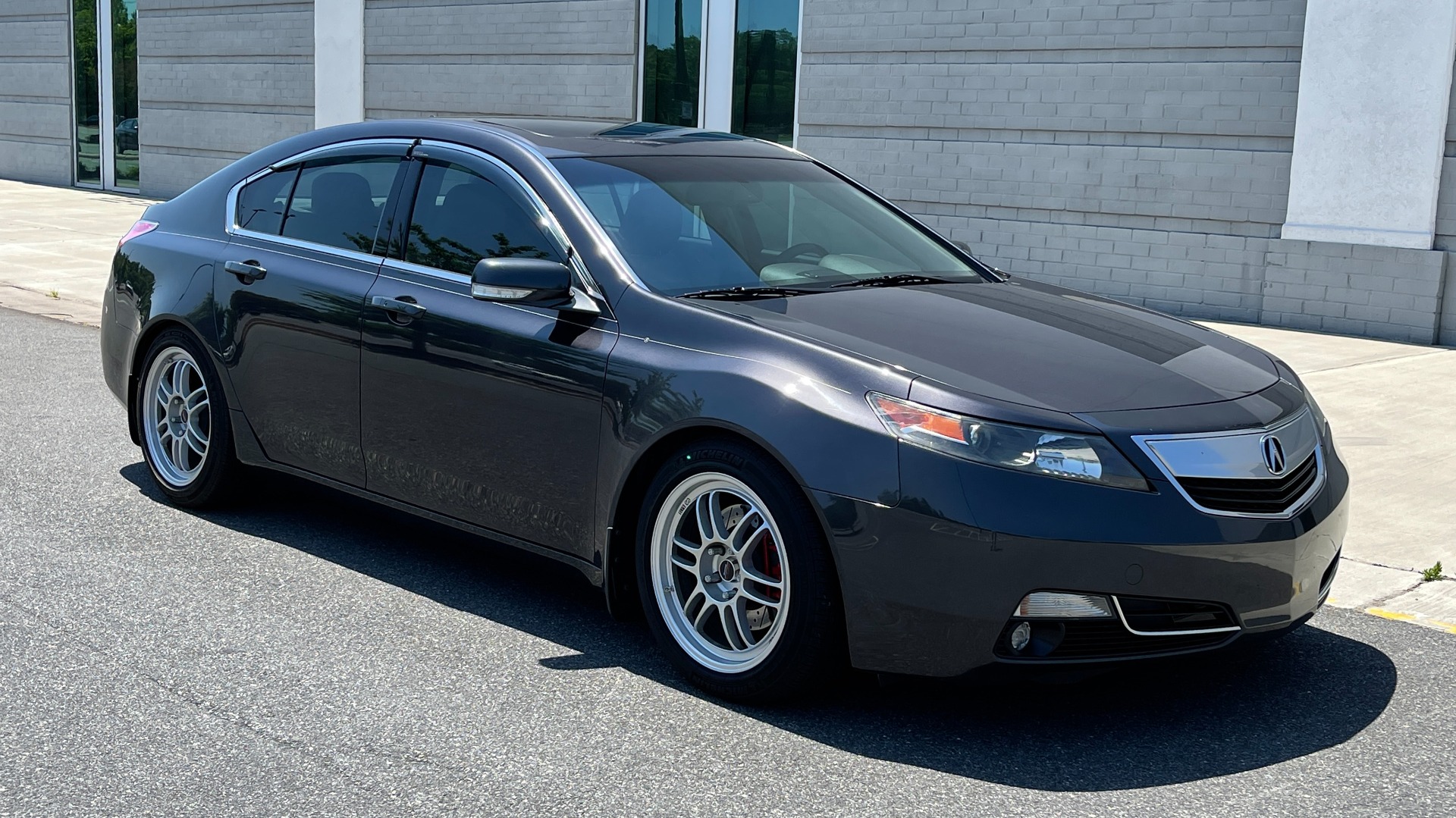
Anyone considering a 3.7-liter TL should ask how frequently oil was added between services and inspect maintenance records rather than relying on a clean tailpipe. Check the level before the test drive, drive the car long enough to reach operating temperature, and check again afterward.
The 2012 TL SH-AWD’s 3.7-liter V6 produced 305 horsepower and 273 lb-ft of torque. Acura listed the sedan at 194 inches long and 74 inches wide.
Specifications:
- Engine: 3.7L naturally aspirated V6
- Horsepower: 305 hp
- Torque: 273 lb-ft
- Length: 194.0 inches
- Width: 74.0 inches
2. 2010–2018 Audi A4 2.0T
Audi’s turbocharged 2.0-liter four-cylinder is one of the most recognizable engines in CR’s oil-consumption findings. Consumer Reports identified Audi’s 2.0-liter turbo engine from 2010 through 2018 among the engine families associated with excessive oil consumption, and the A4 was one of the models using it.
Earlier versions deserve particular attention. When Consumer Reports published its major 2015 investigation, Audi’s 2.0-liter turbo was specifically highlighted, and a class-action settlement covered certain 2009 A4, 2010 A4 and A5, and 2011 A4, A5 and Q5 vehicles. Audi did not admit wrongdoing as part of that settlement.
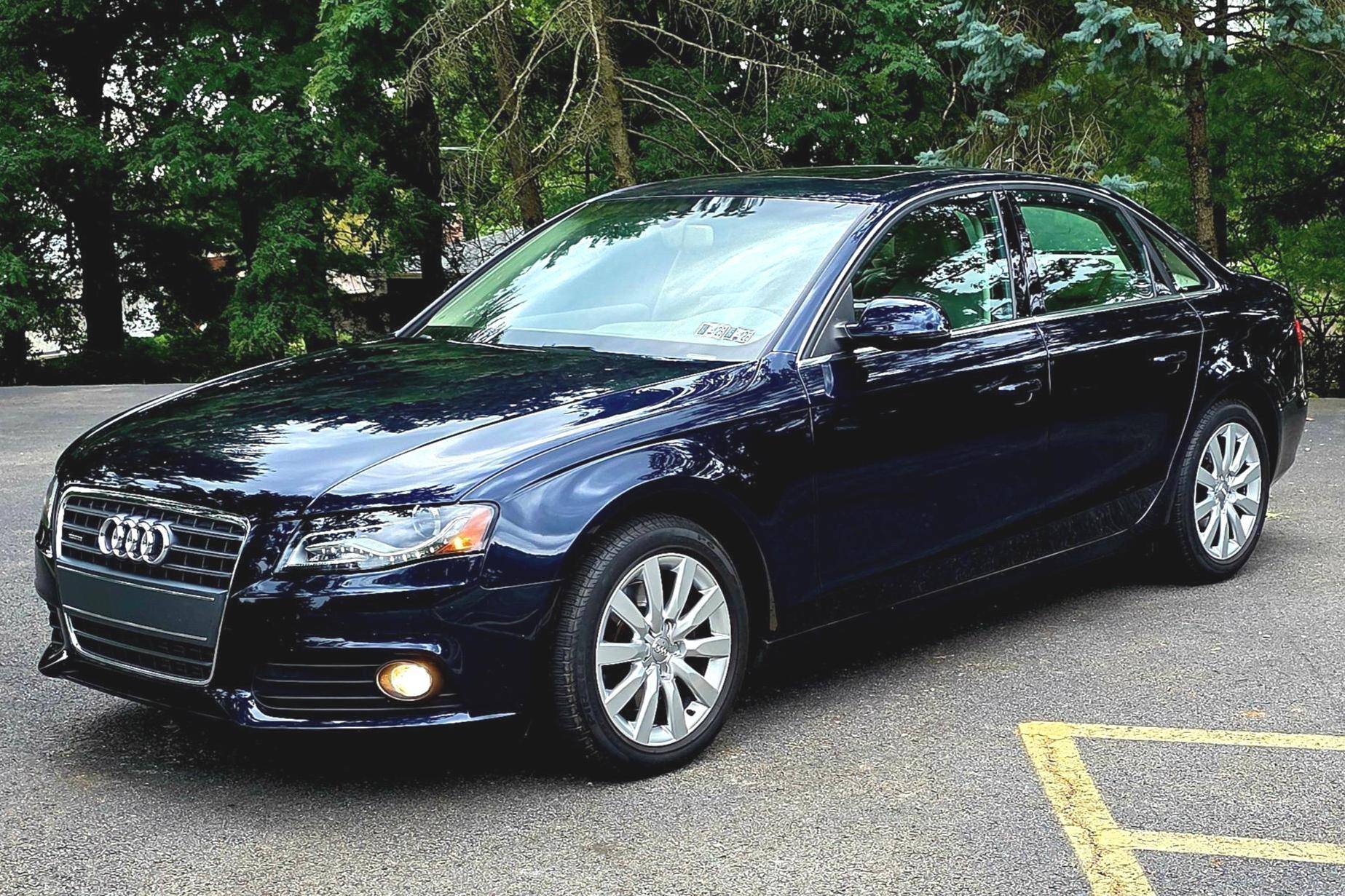
That does not mean every 2.0T A4 will burn excessive oil. It means shoppers should investigate consumption rather than assuming a low-mileage example is automatically healthy. Ask whether pistons, piston rings, or related engine components were ever replaced and whether an Audi oil-consumption test was performed.
A 2014 A4 2.0T produced 220 horsepower and 258 lb-ft of torque. The sedan measured approximately 185.1 inches long and 71.9 inches wide without mirrors.
If the seller carries spare oil in the trunk or describes frequent topping-off as normal, that should prompt a much more detailed inspection.
Specifications:
- Engine: 2.0L turbocharged inline-four
- Horsepower: 220 hp
- Torque: 258 lb-ft
- Length: 185.1 inches
- Width: 71.9 inches
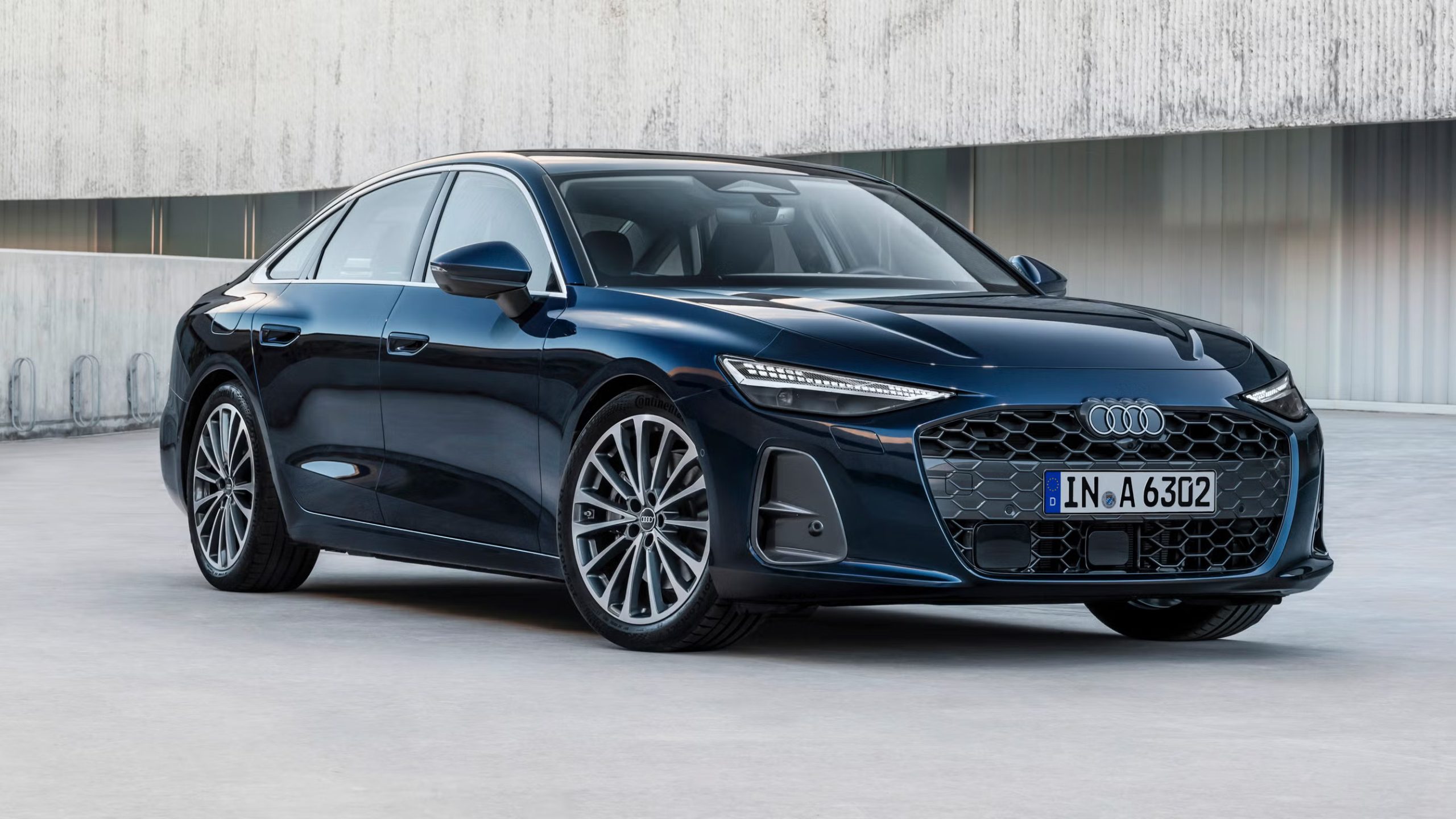
3. 2011–2019 Audi A6 3.0T
The Audi A6 offered another engine family that appeared in Consumer Reports’ oil-consumption research: the supercharged 3.0-liter V6. CR’s broader 2021 analysis identified Audi’s supercharged 3.0-liter engine from model years 2011 through 2019 among a dozen engines associated with unusually high oil use. The engine appeared in several Audi products, including the A6 and A7.
The A6 is particularly tempting on the used market because it combines strong acceleration, a quiet interior, all-wheel drive in many configurations, and prices far below its original luxury-car sticker. The problem is that an inexpensive purchase price does not make internal engine work inexpensive.
Consumer Reports’ earlier research emphasized that some Audi standards considered significant oil usage permissible. CR argued that owners of relatively new vehicles should not routinely have to carry spare oil and top up between scheduled services.
A representative 2014 A6 3.0T quattro produced 310 horsepower and 325 lb-ft of torque. It measured 193.9 inches long and 73.8 inches wide without mirrors.
When inspecting one, check the electronic oil-level display, maintenance history, and any invoices related to oil-consumption testing. A seller who recently topped it off can make a consumption problem impossible to detect during one short test drive.
Specifications:
- Engine: 3.0L supercharged V6
- Horsepower: 310 hp
- Torque: 325 lb-ft
- Length: 193.9 inches
- Width: 73.8 inches
4. 2012–2019 BMW 550i 4.4L Twin-Turbo V8
Few cars demonstrate the difference between performance and long-term operating costs as clearly as the BMW 550i. Its twin-turbocharged 4.4-liter V8 made the 5 Series extraordinarily quick, but the engine family also appeared prominently in Consumer Reports’ oil-consumption findings. CR identified BMW’s turbocharged 4.4-liter V8 from 2012 through 2019 among its oil-burning engine groups.
Earlier Consumer Reports data was even more striking. Reporting based on CR’s 2015 survey found that the V8-powered BMW 5 Series was about 27 times as likely as the average vehicle to experience excessive oil consumption. BMW maintained that oil use within its specifications did not necessarily indicate excessive engine wear and had a service campaign addressing components on certain 4.4-liter V8s.

That history makes the 550i a car that demands documentation. A low odometer reading should not replace evidence of regular servicing and careful oil monitoring.
For 2014, the 550i’s updated 4.4-liter twin-turbo V8 produced 445 horsepower and 480 lb-ft of torque. The sedan was 193.4 inches long and roughly 73 inches wide without mirrors.
Check the oil-level system during the inspection and investigate any history of frequent top-offs, smoke after idling, or engine repairs before buying.
Specifications:
- Engine: 4.4L twin-turbocharged V8
- Horsepower: 445 hp
- Torque: 480 lb-ft
- Length: 193.4 inches
- Width: Approximately 73.2 inches
5. 2011–2015 Chevrolet Malibu 2.4L
Oil-consumption concerns were not limited to expensive German cars. Consumer Reports’ expanded research also identified General Motors’ 2.4-liter four-cylinder from 2011 through 2015. The engine family appeared in vehicles including the Chevrolet Malibu, Equinox, GMC Terrain, and Buick Regal.
That makes the Malibu particularly relevant because buyers often view it as an inexpensive, straightforward commuter. Excessive oil consumption can change that calculation if the engine is allowed to run low. CR noted that long oil-change intervals can make moderate consumption dangerous because the oil level may fall substantially before the next scheduled service.
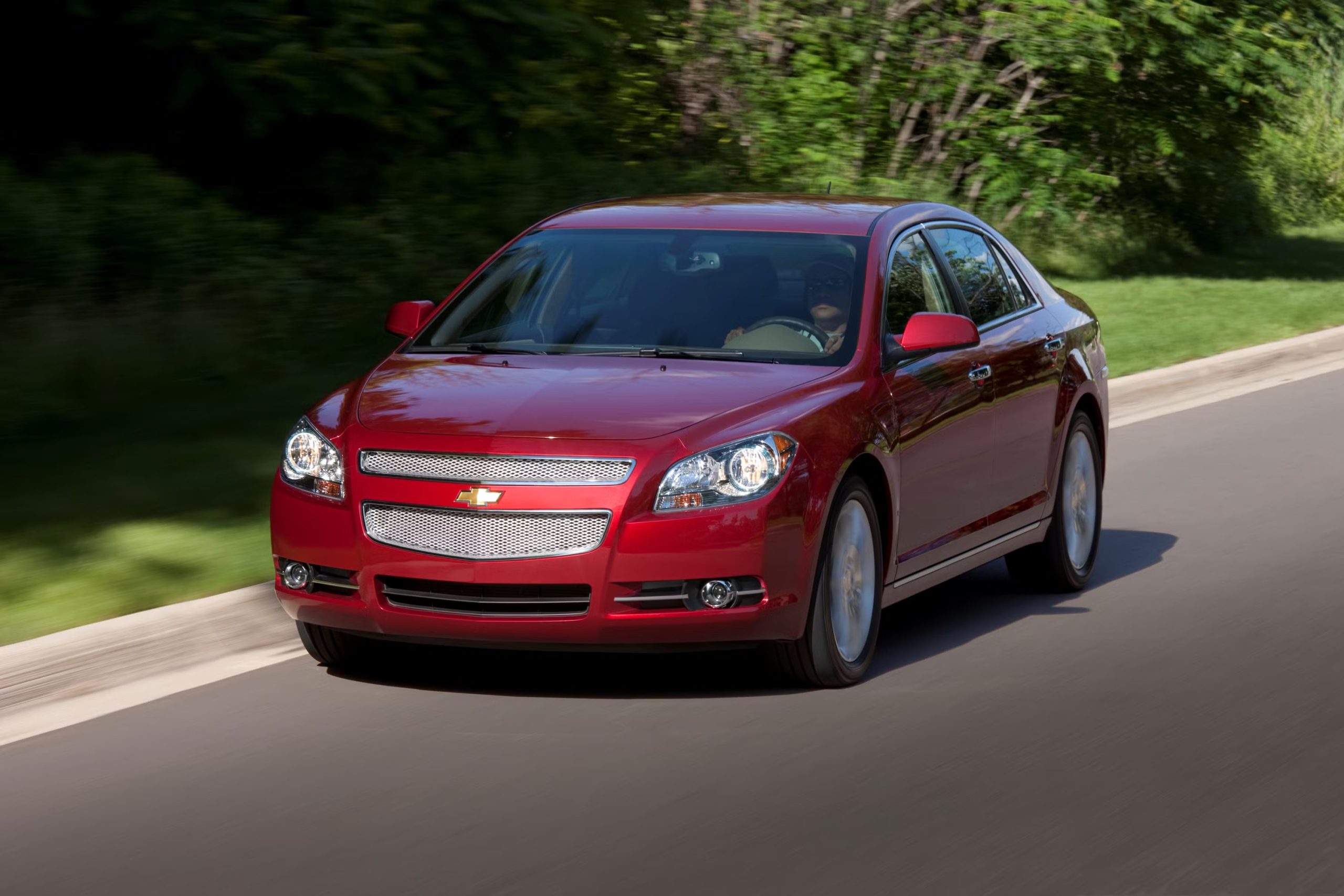
General Motors responded to oil-consumption issues on some applications by extending powertrain coverage. The best-known extension involved certain Equinox and Terrain models, demonstrating that the 2.4-liter engine family’s oil use was significant enough to produce manufacturer action in some vehicles.
A 2013 Malibu Eco using the 2.4-liter Ecotec with eAssist was rated at 182 horsepower and 171 lb-ft of torque.
Used buyers should check service records for repeated low-oil complaints and verify the dipstick level before purchasing. A car that requires frequent topping-off can still run normally during a twenty-minute test drive.
Specifications:
- Engine: 2.4L Ecotec inline-four with eAssist
- Horsepower: 182 hp
- Torque: 171 lb-ft
- Length: Approximately 191.5 inches
- Width: Approximately 73.0 inches
Also read: 5 SUVs With Cheap Rear Diff Service and 5 Over $700
6. 2010–2015 Mini Cooper S 1.6 Turbo
The Mini Cooper S packed impressive performance into a tiny package, but its turbocharged 1.6-liter four-cylinder also appeared on Consumer Reports’ list of engine families associated with excessive oil use. CR’s data covered the turbo 1.6-liter Mini engine from 2010 through 2015, including applications in the Cooper S, Clubman S, and Countryman S.
Oil consumption can be especially troublesome in a small turbocharged engine because the total oil capacity is limited and the turbocharger itself depends on a reliable supply of clean engine oil. An owner who assumes the level will remain full until the next service can therefore create additional risk if the engine is consuming oil faster than expected.

A potential buyer should check the dipstick when the engine is cold and ask specifically whether oil was added between services. Service receipts are useful because repeated purchases of one quart at a time can tell a story that a fresh oil change hides.
The 2013 Cooper S’s 1.6-liter turbo engine produced 181 horsepower and 177 lb-ft of torque. The two-door hatchback was only 146.8 inches long and 66.3 inches wide.
The Cooper S remains entertaining, but a bargain example with questionable maintenance can quickly become expensive. Oil consumption should be checked alongside timing-system, cooling-system, and turbocharger condition before purchase.
Specifications:
- Engine: 1.6L turbocharged inline-four
- Horsepower: 181 hp
- Torque: 177 lb-ft
- Length: 146.8 inches
- Width: 66.3 inches
7. 2012–2017 Subaru Impreza 2.0L
Subaru’s 2.0-liter flat-four was another engine identified in Consumer Reports’ expanded oil-consumption data, covering model years 2012 through 2017. Applications included the Impreza, Crosstrek, and BRZ.
The Impreza is significant because the engine arrived as part of Subaru’s effort to improve fuel economy. CR’s reporting discussed how changes intended to reduce internal friction and improve efficiency can sometimes create durability tradeoffs. CR also emphasized that relatively new vehicles requiring oil between normal services should not simply be treated the same as high-mileage engines approaching the end of their lives.
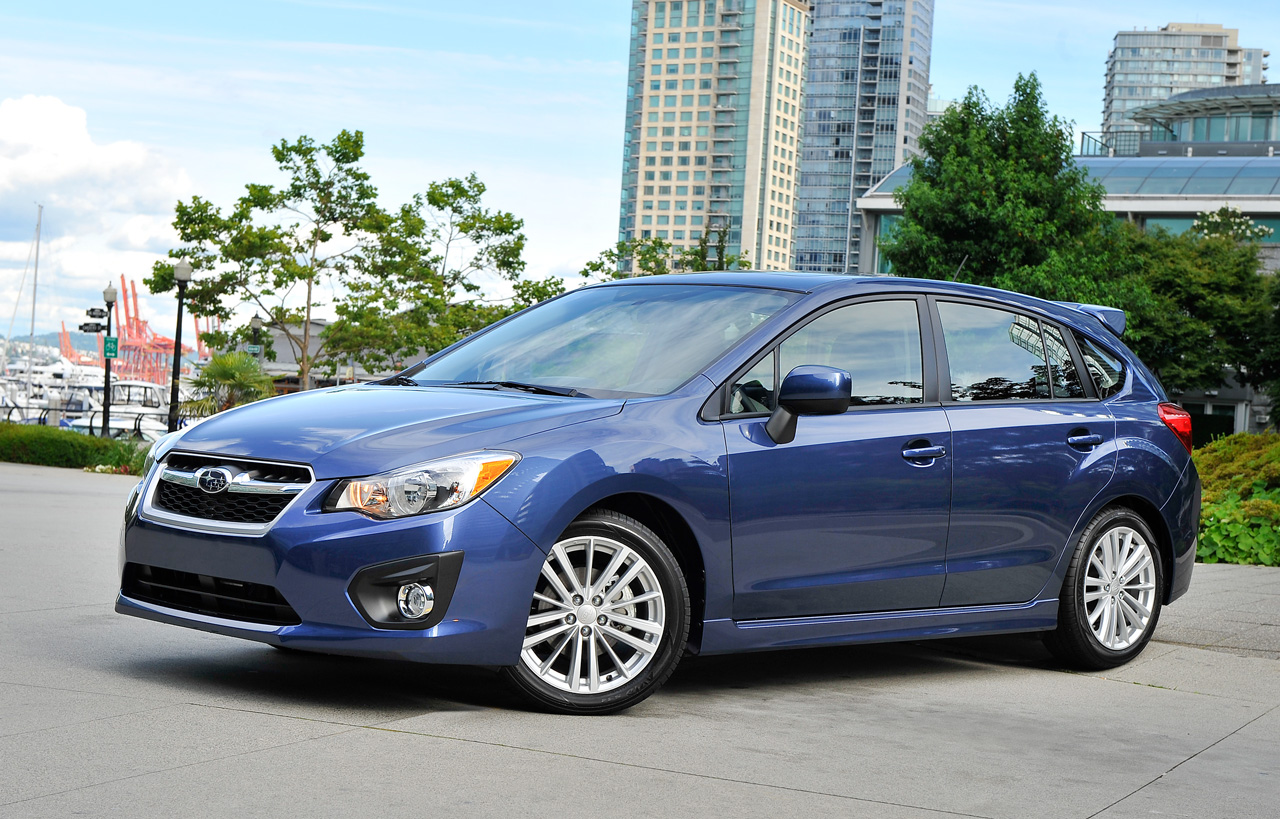
Subaru historically maintained that some oil consumption was normal and said usage depended partly on driving conditions. Consumer Reports reported that Subaru considered roughly one quart every 1,000 to 1,200 miles within acceptable limits during the period covered by its earlier investigation.
The 2014 Impreza’s naturally aspirated 2.0-liter boxer engine produced 148 horsepower and 145 lb-ft of torque. The sedan was 180.3 inches long and 68.5 inches wide.
When shopping, check whether the owner routinely monitored the dipstick. Running low repeatedly can matter more than the consumption itself because inadequate oil can eventually damage bearings and other lubricated components.
Specifications:
- Engine: 2.0L naturally aspirated flat-four
- Horsepower: 148 hp
- Torque: 145 lb-ft
- Length: 180.3 inches
- Width: 68.5 inches
8. 2010–2018 Subaru Legacy 2.5L
The Subaru Legacy’s 2.5-liter boxer four is another engine family called out in Consumer Reports’ oil-consumption analysis. CR’s expanded list covered Subaru 2.5-liter four-cylinder engines from 2010 through 2018, with applications including the Legacy, Outback, and Forester.
Earlier CR survey findings also specifically named the Legacy among Subaru models whose owners reported elevated oil use. The important point is not that every Legacy from these years burns oil. Consumer Reports found that most newer vehicles in its broader survey did not require additional oil between changes, while certain engines had noticeably higher complaint rates.
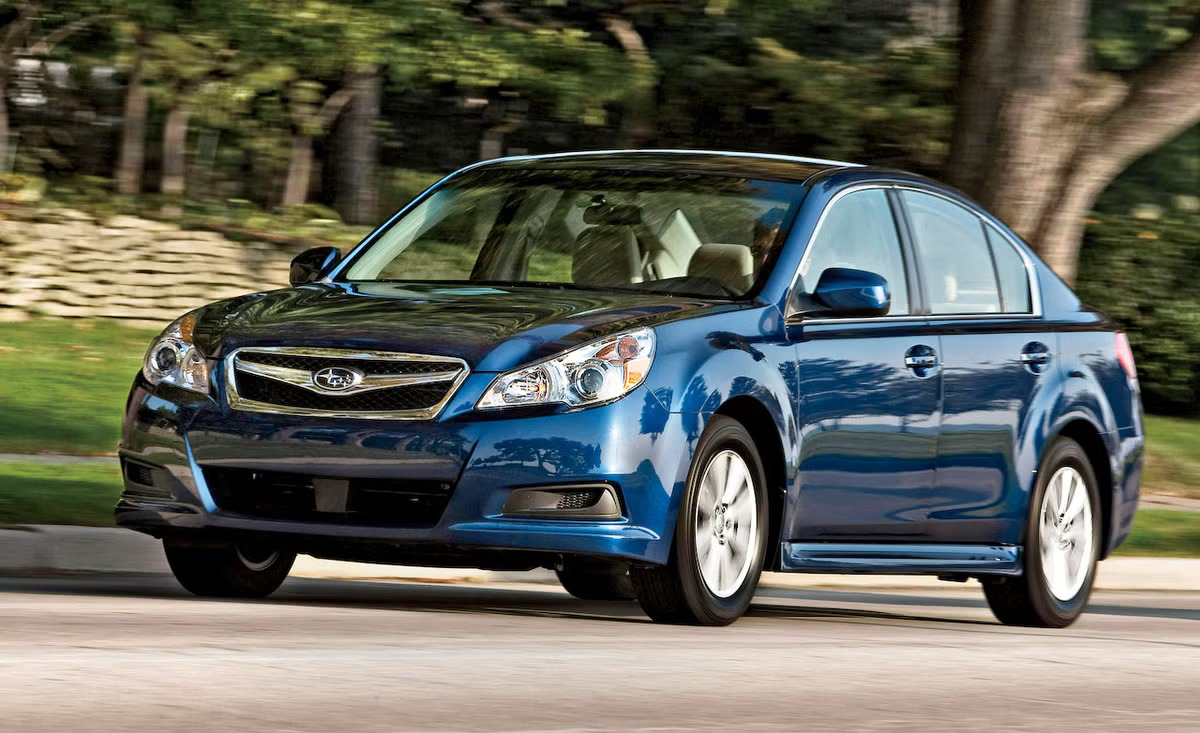
A used Legacy can therefore look completely normal while gradually consuming oil. There may be no large puddle underneath it because the oil can be entering the combustion chambers rather than leaking externally. Checking only the garage floor is not enough.
The 2014 Legacy 2.5i produced 173 horsepower and 174 lb-ft of torque. Subaru’s specifications put the sedan at 187.2 inches long and 71.7 inches wide.
Before purchasing one, ask whether the engine ever underwent an oil-consumption test and whether work was completed under any applicable warranty program. Check the dipstick yourself rather than accepting a seller’s statement that the level “never moves.”
Specifications:
- Engine: 2.5L naturally aspirated flat-four
- Horsepower: 173 hp
- Torque: 174 lb-ft
- Length: 187.2 inches
- Width: 71.7 inches
9. 2016–2019 Volkswagen Jetta 1.4T
Volkswagen’s 1.4-liter turbocharged four-cylinder is one of the newer engines on Consumer Reports’ expanded list. CR identified the 1.4-liter turbo used from 2016 through 2019 among engine families with notable oil-consumption complaints. The engine appeared in vehicles such as the Jetta and Golf.
That may surprise shoppers because the 1.4T arrived relatively late compared with several other engines on this list. A 2016 or 2017 Jetta can still look like a thoroughly modern used car, yet age alone does not eliminate the need to monitor oil.
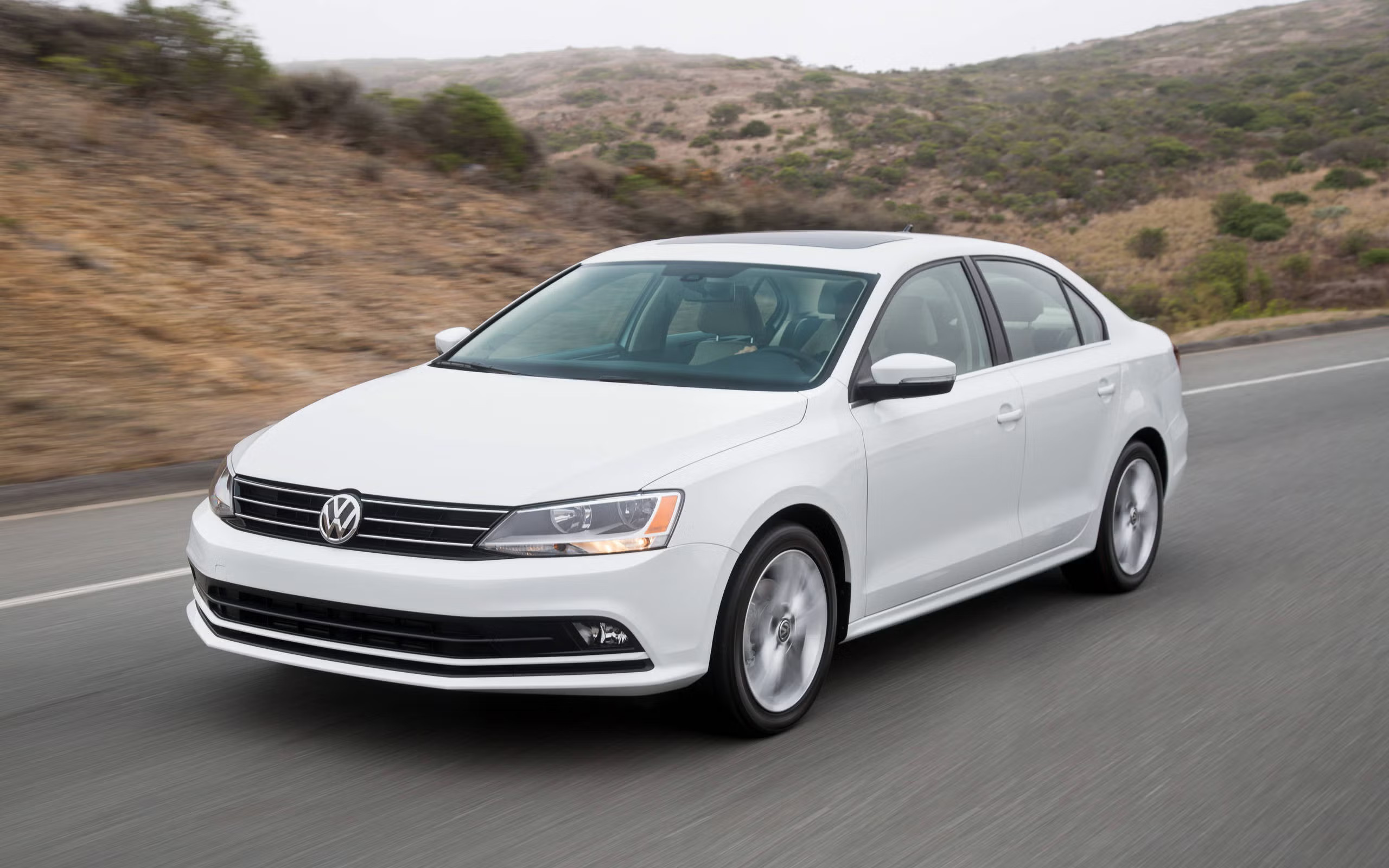
The 1.4T combines a small displacement with direct injection and turbocharging to produce strong low-end torque while maintaining good fuel economy. In the 2017 Jetta, it generated 150 horsepower and 184 lb-ft of torque, with peak torque available from just 1,400 rpm. The sedan measured about 182.2 inches long and 70 inches wide without mirrors.
A buyer should inspect maintenance documentation and verify that the correct oil specification was consistently used. Check the level before purchasing and again after several hundred miles if possible during an extended evaluation period.
Consumer Reports’ inclusion of the engine does not mean every 1.4T is defective. It means oil consumption deserves more attention than simply assuming a newer, lower-mileage Volkswagen will never need oil between scheduled changes.
Specifications:
- Engine: 1.4L turbocharged inline-four
- Horsepower: 150 hp
- Torque: 184 lb-ft
- Length: 182.2 inches
- Width: 70.0 inches
10. 2011–2015 Volvo S60 T6 3.0L
The first-generation modern Volvo S60 T6 used a turbocharged 3.0-liter inline-six, an engine that provided effortless power but also appears in Consumer Reports’ expanded oil-consumption findings. CR identified Volvo’s turbocharged 3.0-liter six-cylinder from 2011 through 2015 among the engine families with elevated oil-use reports. Applications included the S60, V60, S80, XC60, and XC70.
The S60 illustrates why oil consumption is not necessarily an obvious “old-car” symptom. A well-kept example may idle smoothly, make full power, and produce no visible blue smoke. The owner can still need to add oil repeatedly between scheduled services.

That makes records especially important. Look for notes about oil-consumption tests, piston-ring work, low-oil warnings, or unusually frequent top-offs. A pre-purchase inspection should also confirm that apparent consumption is not actually an external leak.
The 2014 S60 T6 used a 3.0-liter turbocharged inline-six. Depending on trim, output ranged from around 300 horsepower in the regular T6 to 325 horsepower and 354 lb-ft in the T6 R-Design. The S60 measured approximately 182.2 inches long and 73.4 inches wide.
Oil-burning problems do not automatically make every S60 T6 a bad purchase. They simply mean buyers should verify oil use before assuming that a relatively low odometer reading guarantees a healthy engine.
Specifications:
- Engine: 3.0L turbocharged inline-six
- Horsepower: Up to 325 hp
- Torque: Up to 354 lb-ft
- Length: 182.2 inches
- Width: 73.4 inches
Also read: 10 SUVs That Hold Value Better Than a Land Cruiser
