
Car loans have stretched longer than ever. Eighty-four-month terms are now common, especially for buyers chasing lower monthly payments. That’s seven years of payments. Many vehicles simply aren’t built to survive that long without major failures.
Reliability data from Consumer Reports, RepairPal, J.D. Power, and NHTSA complaint records paint a troubling picture. Certain vehicles develop serious mechanical problems well before the odometer reaches 84,000 miles.
Transmissions fail. Suspensions collapse. Electrical systems short out. Owners end up paying for a car that no longer runs, while still owing thousands on the loan. That situation is called being upside down.
Below are ten vehicles with documented histories of failing before a typical 84-month loan term ends. Each entry is based on real complaint data, warranty extensions, class-action records, and repair statistics.
These aren’t guesses or internet rumors. They’re patterns confirmed by owners, regulators, and the manufacturers themselves through recalls and extended warranties. If you’re financing a vehicle for seven years, this list is worth reading carefully before you sign.
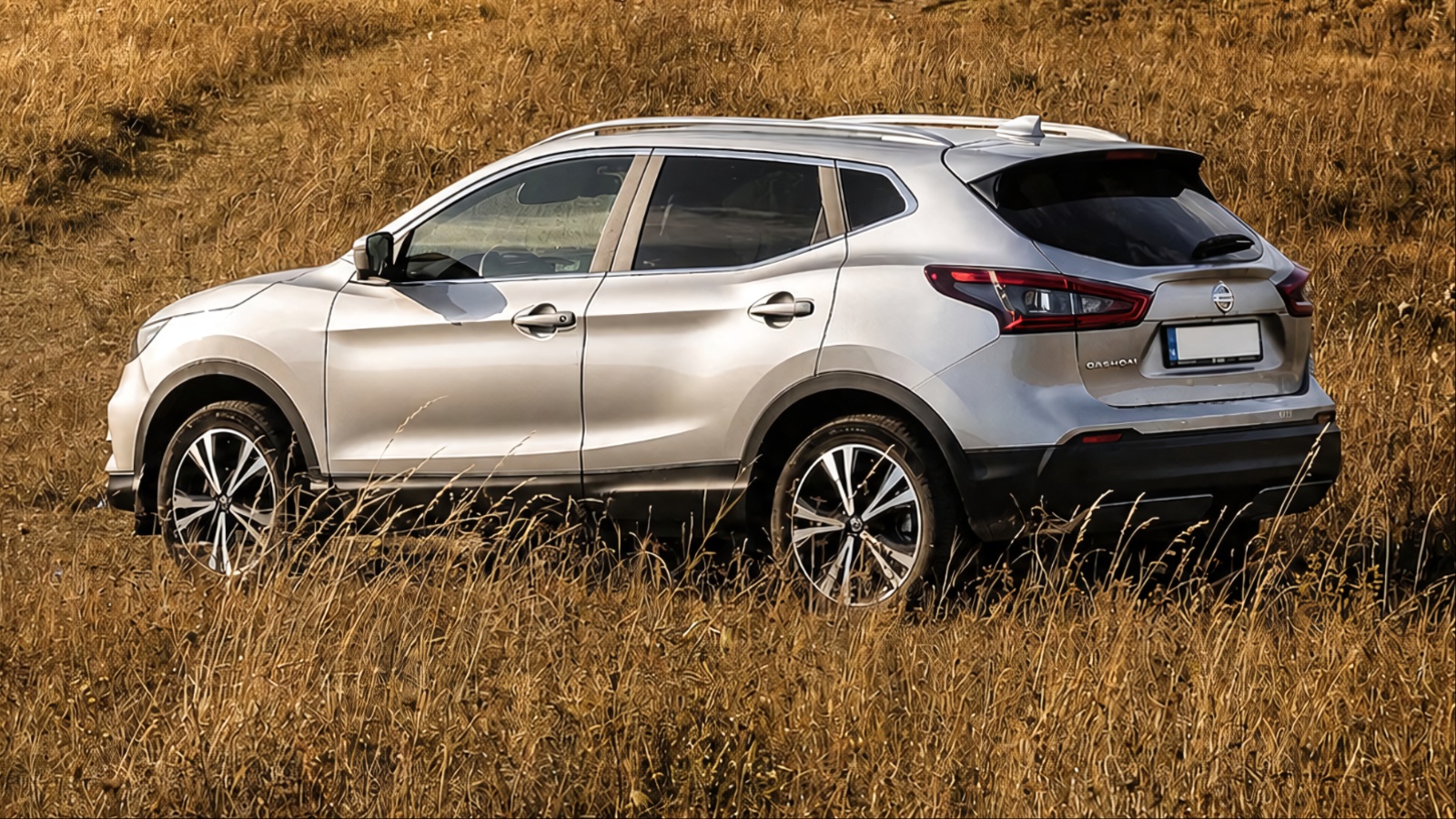
1. Nissan Altima and Rogue (CVT-Equipped Models)
Nissan’s continuously variable transmissions have one of the worst reliability records in the industry. Independent data shows the average mileage of CVT failure sits at just 75,200 miles.
That’s barely past the halfway point of an 84-month loan. Repair costs run high too. Owners of the 2014 Altima reported an average repair cost of $3,860 for CVT failures, based on 73 filed complaints. Some owners saw failure even sooner than that average.
The 2013 Altima’s average mileage before transmission failure was only around 53,000 miles. That falls within the first three years for most drivers.
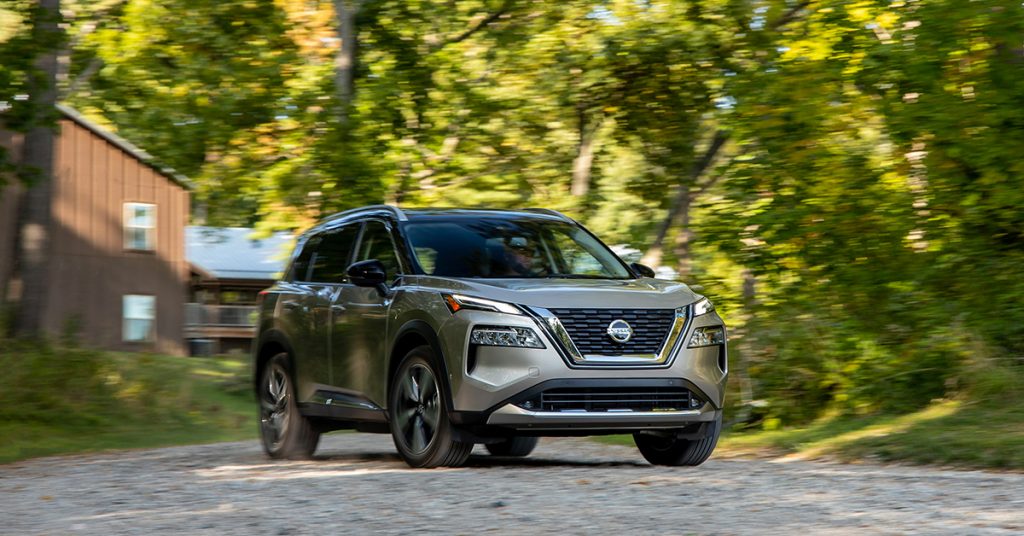
The complaint volume is enormous. The Altima has accumulated 4,814 individual complaints on CarComplaints.com since 1993, more than any other Nissan model.
Nissan acknowledged the scope of the problem. The company extended CVT warranty coverage from 60,000 miles and 5 years up to 84,000 miles and 7 years.
In Canada, the payout was staggering. Nissan paid roughly 37 million dollars to replace transmissions on over 11,000 Quebec vehicles, at an average mileage of just 66,000 kilometers.
Regulatory scrutiny was intense too. Between 2009 and 2020, Nissan Canada issued 139 technical service bulletins covering CVT diagnosis and repair, compared with fewer than 10 each from Toyota, Mazda, and Honda.
Survey data confirms the pattern nationally. A J.D. Power survey found 15% of Nissan owners experienced transmission-related problems, with most occurring between 60,000 and 100,000 miles.
Symptoms include shuddering, overheating, hesitation, and total power loss. Financing a CVT-equipped Altima or Rogue for seven years means expecting a transmission bill well before the final payment.
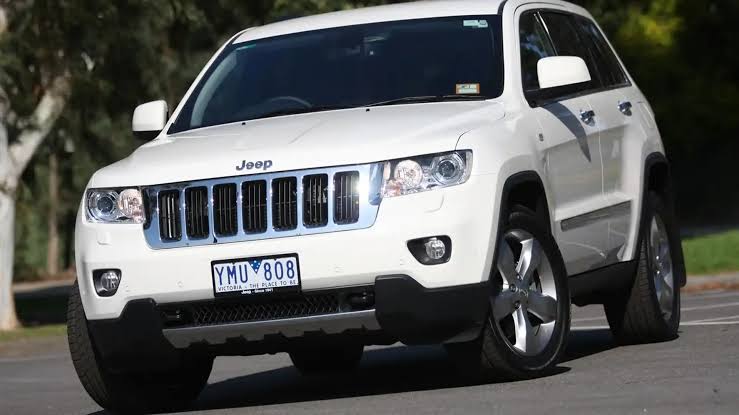
2. Jeep Grand Cherokee (ZF 8-Speed Automatic)
The Grand Cherokee’s ZF-derived 8-speed automatic sounds premium on paper. In practice, it’s a frequent source of expensive breakdowns.
Owners report harsh shifting, hesitation, and outright transmission failure at surprisingly low mileage. One 2023 Grand Cherokee owner reported complete transmission failure at just 48,000 miles, blamed by the dealer on a factory bushing defect.
The problem isn’t isolated to one model year. Jeep issued multiple bulletins addressing harsh shifting and delayed engagement tied to transmission control module logic on 2014 through 2022 models.
One specific bulletin targets this directly. TSB 21-013-21 addresses harsh shifting and delayed engagement caused by transmission control module logic.
Ignoring the software symptoms can make things worse. Left unaddressed, software-related issues can contribute to accelerated wear on clutches, valve bodies, and torque converters.
Forum reports back this up with real repair stories. One owner needed two replacement valve bodies before their shift flare problem, described as revving up during the 1-2 shift, was finally resolved.
There was also a safety-related recall tied to the same transmission family. Certain 2014 and 2015 models with the 8-speed transmission and a monostable gear selector could roll away because drivers weren’t alerted the vehicle wasn’t fully in park.
Repair frequency data from independent trackers supports the pattern. Transmission and drivetrain issues account for roughly 12% of all reported repairs on the 2017 Grand Cherokee, a meaningful share for a vehicle this age.
Combine software glitches, mechanical wear, and a genuinely complex 8-speed unit, and you get a transmission that regularly needs attention well before 84,000 miles.
3. Land Rover Range Rover Sport and Discovery
Land Rover consistently ranks near the bottom of every major reliability survey. The brand’s air suspension and electrical systems are the biggest culprits.
The Range Rover Sport scores just 2.5 out of 5 on reliability, with average annual repair costs of $1,179, and air suspension bills that can top $4,000. That’s before factoring in electrical repairs.
Independent quality scoring backs this up. J.D. Power gives the current Range Rover Sport a quality and reliability score of just 76 out of 100.
Consumer Reports is even more direct about the outlook. Consumer Reports predicts new model years will be “less reliable than other new cars,” based on Land Rover’s brand history.

Electrical gremlins are widespread across generations. Owners report infotainment screen freezes, rearview camera failures, door latch malfunctions, and phantom warning light cascades across the L494 generation.
Some issues were serious enough for recalls. Models from 2019 to 2023 were recalled for blocked cam carrier oil channels that could cause engine oil leaks and potential fire risk.
Related plug-in hybrid variants had their own separate recall. PHEV variants from 2019 to 2022 were recalled for coolant leaking onto turbocharger heat shields, another fire hazard.
The suspension is arguably the bigger financial risk. Because the air suspension relies on electronics and compressed air to keep the vehicle level, it’s especially prone to electrical faults and leakage.
Brand-wide data confirms the pattern isn’t limited to one model. Land Rover’s RepairPal reliability score sits at 2.5 out of 5, ranking 31st among car brands, with owners visiting the shop for unscheduled repairs about 0.7 times per year.
Older generations fare no better in survey data. RepairPal gives older Range Rover generations a 2.0 out of 5.0 reliability rating, with annual repair bills averaging $1,200 to $1,800. Stretch a Land Rover loan to 84 months, and you’re almost guaranteed to be paying for suspension or electrical repairs long before it’s paid off.
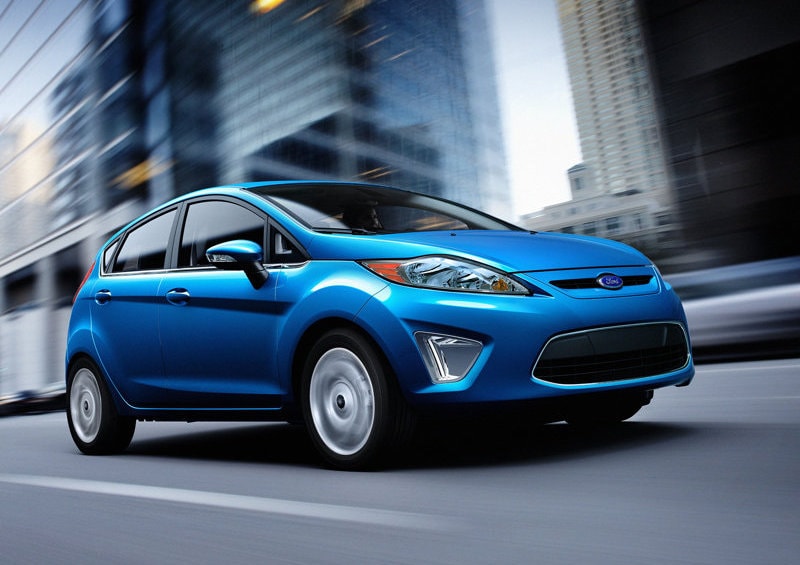
4. Ford Fiesta and Focus (PowerShift Dual-Clutch)
Ford’s DPS6 PowerShift transmission became one of the most litigated automotive defects in recent memory. It affected hundreds of thousands of small cars.
The class-action settlement over the transmission covered nearly 1.5 million Fiesta and Focus vehicles sold with the dual-clutch DPS6 unit. That’s not a niche complaint.
Owner reports describe frightening symptoms. Drivers experienced jerking, slipping, bucking, sudden or delayed acceleration, and delayed downshifts, with some vehicles lurching forward even when the brakes were applied.
The root cause was mechanical, not just a calibration quirk. The dry-clutch system allegedly caused the clutches to overheat, fail, and damage other transmission components.
Internally, engineers reportedly had doubts from the very beginning. Ford engineers who worked on the transmission called the dry-clutch concept a “mechanical catastrophe.”
Software played a role too, according to the lawsuit. Defects also allegedly arose from improper programming in the transmission control module that governs automatic shifting.
This wasn’t a one-time fix either. Ford settled a separate lawsuit in 2020 covering roughly 7,000 drivers, then faced a new 2022 class action over the same defect in newer model years.
The scale in Canada alone illustrates how widespread it was. An estimated 160,000 affected cars were sold in Canada, prompting national news coverage of owners stuck driving unsafe vehicles.
One owner’s account captures the real-world danger. A Halifax owner described the car jerking forward five to seven feet unexpectedly, creating fear of rear-ending the vehicle ahead or being hit from behind.
If you’re financing a used Fiesta or Focus with this transmission for seven years, budget for a clutch pack replacement, or more likely, a full transmission swap.
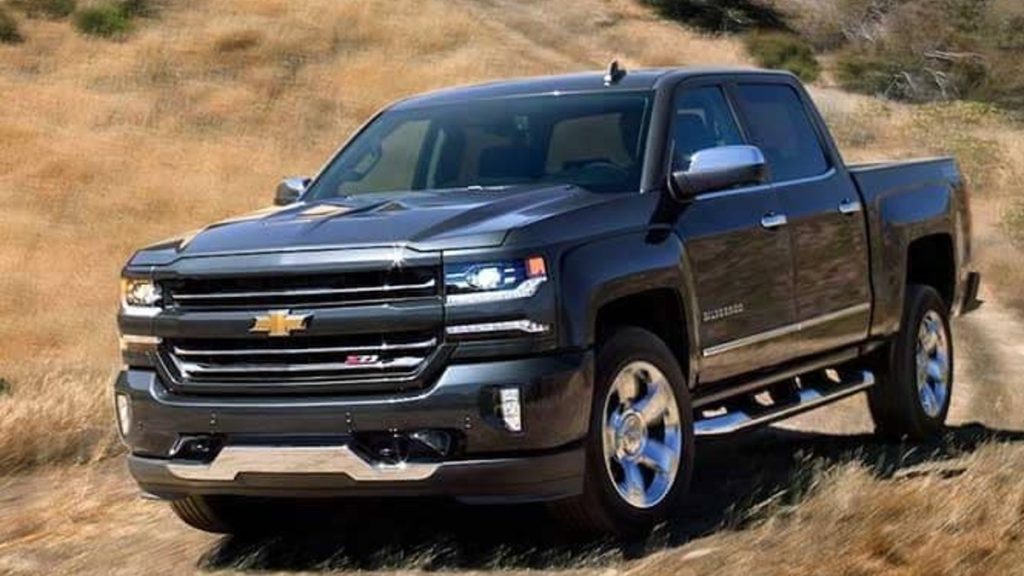
5. Chevrolet Silverado and GMC Sierra (8L90 8-Speed)
GM’s 8L90 8-speed transmission, used widely in Silverado and Sierra trucks starting around 2015, developed a well-known shudder problem. It’s expensive to fully correct.
The shudder and harsh-shift issues on the 2017 to 2020 Silverado and Sierra with the 8L90 are well documented, with fluid flushes running $350 to $500 and torque converter replacement costing $2,800 to $3,800.
Some owners saw the problem almost immediately after buying new. One 2018 Sierra owner with the 6.2-liter engine reported the shudder before reaching 19,000 miles.
That owner wasn’t alone once they started looking. A quick search turned up hundreds of posts describing the same torque converter shudder issue, despite no mention of it in mainstream reviews before purchase.
GM acknowledged the issue through official channels. The company issued bulletin 18-NA-355 recommending a switch to lower-viscosity transmission fluid to address the shudder complaint.
But fluid changes aren’t always a permanent solution. One truck owner reported the shudder returned after the powertrain warranty expired, at around 65,000 miles and six years of ownership.
Full repair costs, when the fluid flush alone doesn’t work, remain steep in 2026. Replacing the torque converter and performing a full fluid flush now ranges from $2,800 to $3,600 at a dealership, requiring 8 to 10 hours of labor.
Early production units had a more serious underlying flaw. Transmissions built between 2015 and 2017 suffered from catastrophic pump failures caused by converter hub wear and inadequate internal cooling.
That flaw wasn’t fully solved in later years either. Even 2018 to 2019 models continued to experience shudder, though less frequently, requiring continued fluid flushes and calibration updates.
This transmission was significant enough to trigger organized litigation, with class certification affirmed against GM covering a large population of affected trucks and SUVs.
6. Chrysler Pacifica
Chrysler’s minivan flagship has struggled with transmission and electrical reliability since its 2017 debut. Complaints span nearly every model year since.
Some owners report the transmission intermittently lurches forward without warning, with jerking forceful enough to feel like being rear-ended. Several needed full transmission replacements.
Timing is the real concern for financed buyers. Symptoms have shown up in relatively new Pacificas at around just 20,000 miles.
Consumer Reports’ own owner survey data reflects ongoing frustration. One owner reported being unable to drive twice within one week due to warning messages, then waiting a full week for a replacement transmission control module.
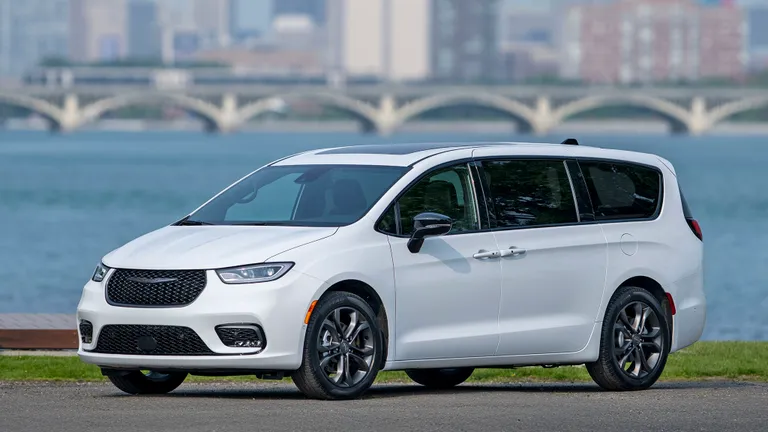
The 9-speed unit is a recurring theme across multiple model years. Chrysler models including the Pacifica have reported 9-speed transmission issues characterized by harsh, erratic, or delayed shifting, along with unintended shifts into neutral while in motion.
Electrical problems compound the transmission complaints. Owners report Uconnect infotainment glitches and Start/Stop technology failures alongside the transmission issues.
The hybrid variant fares no better in recent survey data. Consumer Reports found the most troublesome areas for recent Pacifica Hybrid models include the in-car electronics system, the powertrain, and the transmission.
Long-term cost data backs up the concern beyond individual anecdotes. The Pacifica carries above-average maintenance costs, with a 31.77% likelihood of a major repair over 10 years.
Engine problems have shown up alongside transmission trouble on certain years. Models from 2017 to 2018 experienced serious engine issues, including head gasket failures and premature wear in the 3.6-liter Pentastar V6.
For a minivan bought specifically for family reliability, that failure rate is a serious mismatch with a seven-year loan.
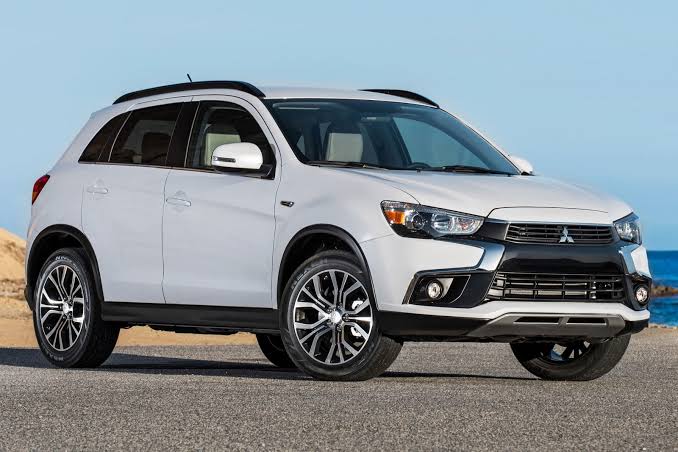
7. Mitsubishi Outlander Sport (2014–2016 CVT Models)
Older Outlander Sport models share Nissan’s Jatco-sourced CVT technology, and it shows in the complaint data. Owners report the same categories of failure.
Owners of 2014–2016 Outlander Sport models report transmission issues including jerking, rough shifting, and complete transmission failure, with the CVT linked to jerking, stalling, and overheating that sometimes required full replacement.
This wasn’t limited to complaint forums either. A class-action lawsuit filed in December 2021 alleged the CVT could cause erratic shifting and hesitation, posing a genuine safety risk to drivers.
Related Outlander models from the same era share the same root problem. Owners have reported CVT overheating accompanied by a burning smell and fluctuating engine revs, particularly when climbing steep hills.
Warning signs are often visible before full failure. A “Transmission Service Required” warning may signal developing transmission issues, especially in models equipped with CVT or Twin Clutch systems.
Repair costs aren’t cheap when the transmission does eventually fail. CVT repair costs on the Outlander range from $1,500 to $4,000, while full replacement can run $3,000 to $5,000.
Newer Outlander generations improved significantly and now score well with independent reliability trackers. The current Mitsubishi Outlander carries a 4.0 out of 5.0 reliability rating from RepairPal, ranking 8th out of 26 compact SUVs.
That improvement makes the older CVT-era cars stand out even more by contrast. Buyers should check the specific model year and transmission type carefully before signing an 84-month contract, since the gap in reliability between generations is significant.
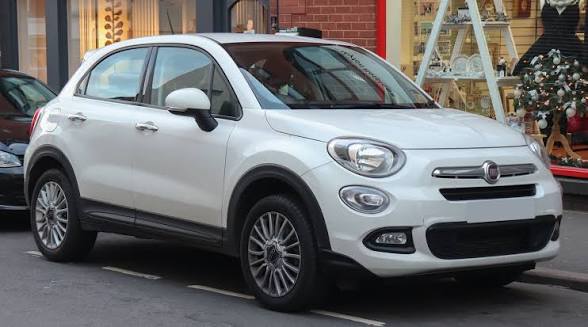
8. Fiat 500X
The Fiat 500X consistently lands near the bottom of every mainstream reliability ranking. It combines a small, low-resale-value platform with genuinely troublesome mechanicals.
The 9-speed automatic transmission, shared with several Chrysler and Jeep products of the same era, is a frequent source of hesitation, harsh shifts, and premature failure. Owners report symptoms appearing well under 60,000 miles.
Electrical faults are common too, and they tend to appear early. Dashboard warning lights, infotainment freezes, and sensor malfunctions show up repeatedly in owner complaint databases across model years.
The 1.4-liter turbocharged MultiAir engine has its own separate history of turbo failures and excessive oil consumption. Some owners report needing engine work before 70,000 miles, well within a typical loan term.
Fiat’s dealer network in the United States has also shrunk substantially in recent years. That makes parts availability and warranty support harder to find as the vehicle ages and needs service.
Resale value compounds the financial risk for anyone financing the car long-term. A 500X that needs a $3,000 transmission repair is often worth less on the used market than the repair itself costs.
That mismatch leaves financed owners deeply underwater if a major failure hits mid-loan. Combined with a low survival rate past 100,000 miles, the 500X is a poor candidate for any loan stretching past five years.
9. Dodge Journey
The Dodge Journey stayed in production for over a decade with minimal updates, and its reliability data reflects that stagnation. It was discontinued in 2020, but plenty remain available on the used market today.
The vehicle regularly scored at or near the bottom of midsize SUV reliability rankings throughout its long production run. Transmission hesitation, electrical faults, and interior component failures were persistent owner complaints across nearly every model year.
The 6-speed automatic transmission used in later production years developed a reputation for rough shifting and premature wear. Owners frequently reported these problems well before the 80,000-mile mark, right in the middle of a long financing term.
Safety recalls added further concern for owners and lenders alike. The Journey was subject to multiple recalls over its production life, covering airbag control modules, transmission shift cables, and electrical short circuits.
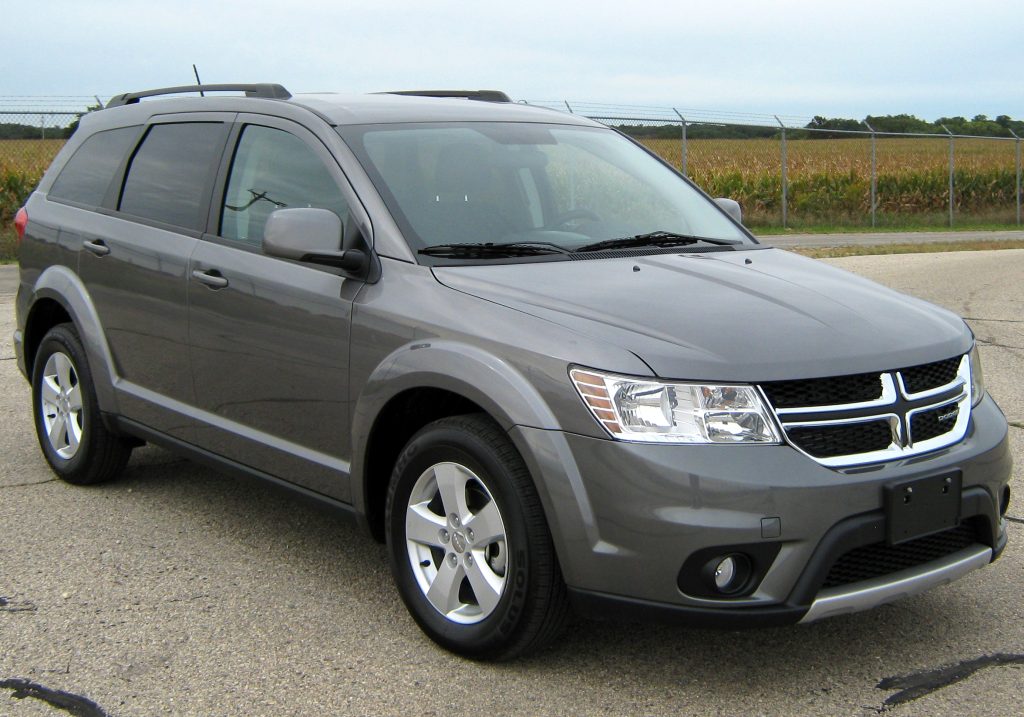
Because the platform dates back to underpinnings first developed in 2008, many components simply weren’t built to modern durability standards. Owners commonly report cascading issues once the vehicle passes 100,000 miles.
Its low starting price made the Journey a popular choice for buyers seeking affordable monthly payments, including through long-term financing. That combination of an aging platform stretched across a long loan is a difficult one for owners to manage.
Given its production history, recall volume, and steady complaint stream, the Journey remains one of the least dependable midsize SUVs to finance over a full seven-year term.
10. Volkswagen Tiguan and Atlas (DSG-Equipped Models)
Volkswagen’s dual-clutch DSG transmission delivers sharp, quick shifts when new. Over time, the mechatronic unit that controls it has proven to be a costly weak point across the lineup.
Owners commonly report shuddering at low speeds, delayed engagement from a stop, and warning lights tied to clutch pack wear. The mechatronic unit replacement is the standard fix, and it’s rarely inexpensive.
Repair estimates for a full mechatronic unit and clutch pack replacement often run into several thousand dollars. That’s a significant expense for a vehicle marketed and financed as a mainstream family SUV.
Electrical complexity adds meaningfully to the risk. Volkswagen’s infotainment and driver-assistance electronics have generated a steady stream of complaints about software glitches, sensor faults, and intermittent warning lights.
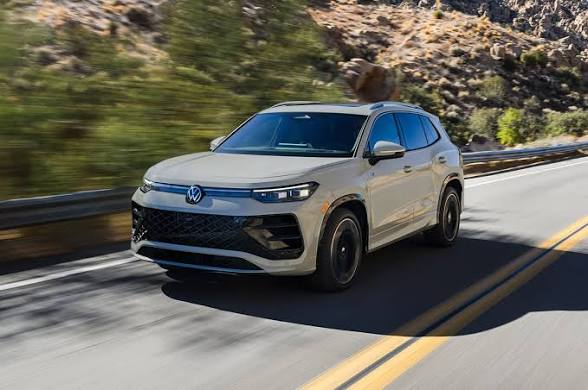
Timing chain tensioner issues on certain four-cylinder engines used across these models have also been well documented in owner and technician reports. Left unaddressed, this can lead to premature engine wear or, in severe cases, engine damage.
Volkswagen’s reliability scores in independent surveys consistently trail mainstream Japanese and Korean competitors in the same segment. Both repair frequency and repair severity come in above segment averages across most tracking sources.
For buyers financing a Tiguan or Atlas over seven years, the DSG transmission and its mechatronic unit represent the single biggest risk standing between them and a fully paid-off loan with no major surprises along the way.
