
A damaged body panel can look like a relatively minor problem until the repair estimate arrives. Since 2024, U.S. collision repair costs have continued to move higher, with parts becoming an important contributor to the increase.
CCC reports that the average total cost of a repair reached $4,818 in 2025, up 1.7% from 2024, while the average price per replacement part increased 6.0% during 2025. Some individual part categories, including grilles, liftgates, and quarter panels, recorded more pronounced increases.
The eight vehicles below show where expensive body panels can make a collision particularly painful, using U.S. parts and repair data rather than unsupported claims.
1. Chevrolet Silverado 1500
The Chevrolet Silverado 1500 demonstrates how quickly the price of a seemingly simple body panel can climb on a modern full-size pickup. The hood is particularly notable because the truck’s different configurations use different panels, meaning there is no single universal replacement price.
Current U.S. OEM parts listings show genuine 2024 Silverado 1500 hood panels with manufacturer suggested retail prices reaching roughly $1,300, depending on the exact configuration and part number. That is only the replacement panel. It does not represent the finished repair bill that a customer receives from a collision shop.
A damaged hood can require additional components before the truck is ready to leave the shop. Hinges, insulation, latch hardware, trim pieces, and other associated components may need replacement depending on how the collision occurred.
Paint adds another expense, particularly when the replacement panel must be color-matched and blended into adjacent panels.
The timing is significant because CCC found that average parts prices began showing inflation in the second quarter of 2024 after being comparatively stable during 2022 and 2023. By 2025, the average price per part had increased 6.0% year over year.
CCC also identified larger increases in specific part groups, showing that individual categories can behave very differently from the industry average.
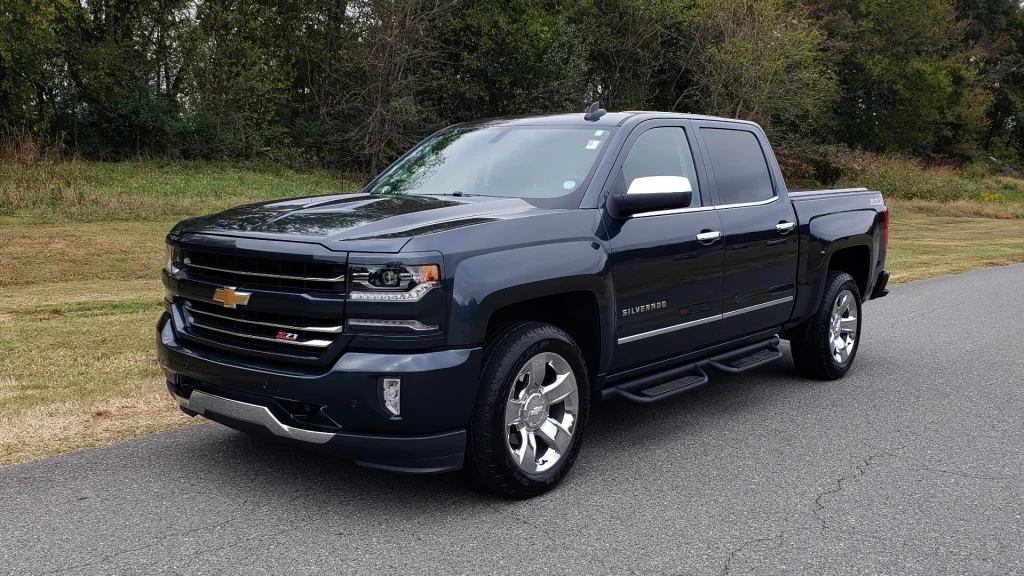
That makes the Silverado a useful example of the changing economics of collision repair. The hood itself can already cost four figures before labor and refinishing enter the calculation. For a large pickup that is frequently exposed to highway debris, parking-lot damage, and front-end collisions, that can turn a seemingly ordinary repair into a substantial expense.
- Engine: 2.7L TurboMax inline-4, 5.3L V8, or 6.2L V8, depending on configuration
- Torque: Up to 430 lb-ft
- Horsepower: Up to 420 hp
- Length/Width: Up to 211.4 inches / 81.2 inches
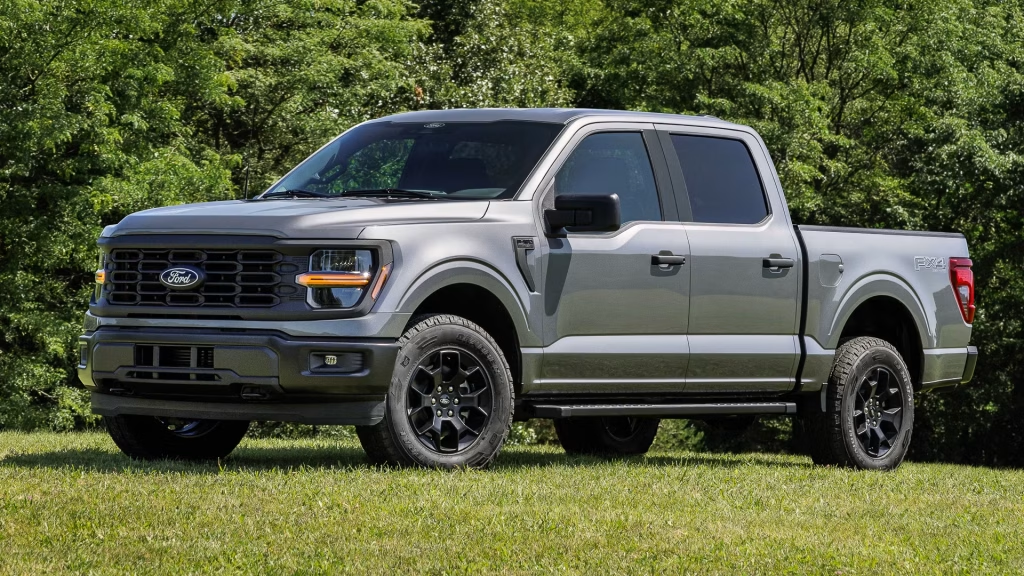
2. Ford F-150
Few vehicles make the cost of exterior repairs more relevant than the Ford F-150. It is one of America’s most common vehicles, and its large dimensions mean that a collision can involve substantial areas of sheet metal.
The hood is especially important because Ford offers numerous F-150 configurations, and replacement panels can vary significantly by application.
U.S. OEM parts catalogs show that replacement F-150 hood assemblies can reach well into four-figure territory depending on the model and exact part number. Specialized versions can cost considerably more than a basic hood because the exterior design may incorporate additional features or unique components.
That price is only the beginning of the repair calculation. When a hood is replaced, the body shop has to remove the damaged panel, transfer or replace compatible hardware, prepare the new surface, and refinish it. If the impact reaches the fender or front bumper, paint blending can make the repair more expensive still.
The broader collision industry provides a useful explanation for why these repairs have become more painful. CCC says average parts prices were essentially flat between 2022 and 2023, but inflation became visible beginning in Q2 2024. During 2025, the average price per part increased 6.0%, while the average total repair cost reached $4,818.
Importantly, the data does not support claiming that every F-150 hood literally doubled in price since 2024. The stronger and more defensible point is that replacement-panel costs have been rising inside an already expensive repair environment.
For an F-150 owner, a damaged hood can therefore become much more than a cosmetic inconvenience, particularly when OEM parts, refinishing, and labor are all included in the final estimate.
- Engine: 2.7L EcoBoost V6, 3.5L EcoBoost V6, 5.0L V8, or other available powertrains depending on configuration
- Torque: Up to 570 lb-ft
- Horsepower: Up to 450 hp
- Length/Width: Up to 243.5 inches / 79.8 inches without mirrors
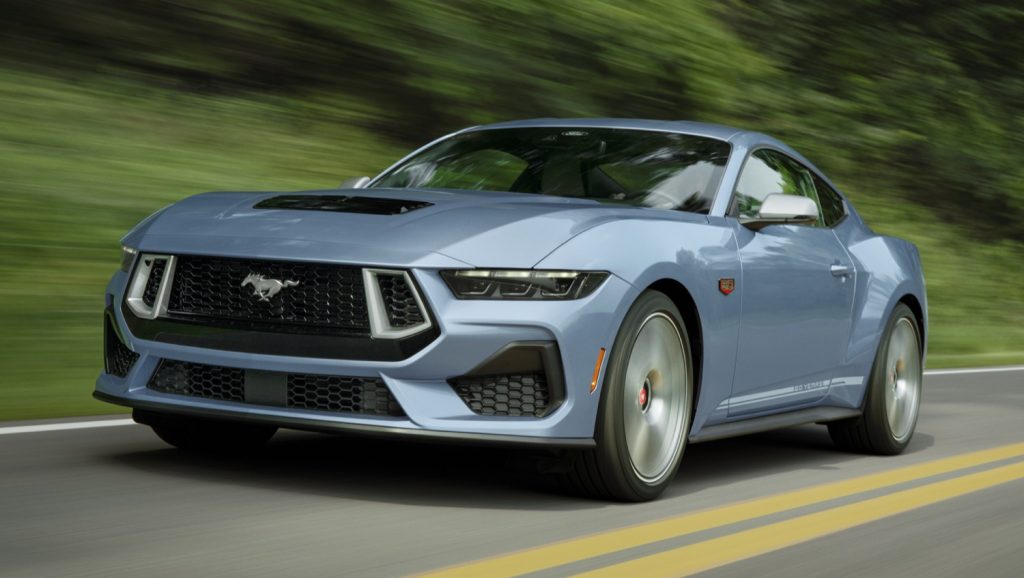
3. Ford Mustang
The Ford Mustang shows just how costly a rear-quarter repair can become when the damaged panel is part of the vehicle’s permanent body structure.
Unlike a bolt-on fender, a quarter panel is normally integrated into the body and can require substantially more work to replace. That makes its parts price only one piece of the financial equation.
Current U.S. OEM listings for the 2024 Mustang show coupe quarter-panel assemblies carrying manufacturer suggested retail prices of about $2,211 for the passenger side and $2,244 for the driver’s side.
The listed selling prices are lower, but the MSRP demonstrates the value of the genuine Ford components themselves. Convertible quarter panels are also listed at more than $1,500 MSRP.
The expensive part is not simply obtaining the replacement metal. A quarter-panel collision can involve cutting out damaged bodywork, welding the replacement panel, corrosion protection, refinishing, and blending paint into neighboring panels. Depending on the impact, inner structural pieces and quarter glass can also become part of the repair.
Ford’s parts catalog shows why the surrounding components can matter. Inner quarter-panel structures for the 2024 Mustang are listed at more than $1,200 to $1,800 MSRP depending on body style and side.
That fits the broader U.S. collision trend. CCC reported that average part prices began rising in Q2 2024 after being relatively flat in 2022 and 2023. By 2025, the average price per part had risen 6.0%. CCC specifically identified quarter panels among the part groups that experienced more prominent increases during 2025.
For Mustang owners, a damaged rear quarter is therefore one of the repairs that can become expensive very quickly, even when the initial impact does not appear severe.
Engine: 2.3L EcoBoost inline-4 or 5.0L V8, depending on configuration
Torque: Up to 480 lb-ft
Horsepower: Up to 500 hp
Length/Width: 189.4 inches / 75.4 inches
4. Cadillac Escalade
A Cadillac Escalade is built around the idea of luxury, and its replacement body panels carry a price tag that can reflect that positioning. The rear liftgate is a particularly good example because it is much more than a basic piece of sheet metal.
It forms a large part of the SUV’s rear opening and can incorporate electrical equipment, trim, sensors, lighting, and other hardware.
For the 2024 Escalade, U.S. GM parts listings show genuine liftgate assemblies with manufacturer suggested retail prices of approximately $1,767 to $1,803, depending on the specific configuration. One listed liftgate, part number 85592483, carries an MSRP of $1,802.68.
That figure becomes more meaningful when the entire repair is considered. A collision involving the liftgate can damage the rear camera, wiring, trim, glass, latch mechanism, or hands-free opening components. The GM parts catalog itself lists separate rear license-plate wiring, a hands-free rear-closure sensor, and other liftgate-related components.
The price pressure is occurring within a U.S. collision market that has already become substantially more expensive. CCC says the average total cost of a repair finished in 2024 is above $4,730, an increase of 3.8% from the previous year.
Its 2025 data showed the average price per replacement part increasing 6.0%. CCC also specifically identified liftgates as one of the part groups that experienced more prominent increases during 2025.
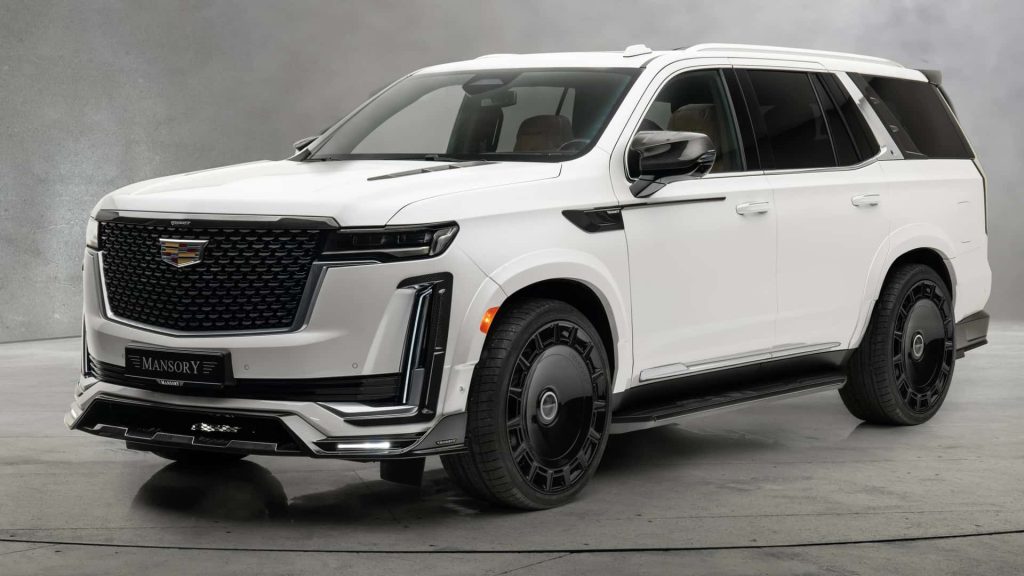
The Escalade demonstrates an important point about modern body repairs: the panel itself is only the starting point. A large powered or electronically equipped liftgate can turn rear-end damage into a multi-component repair, particularly when the impact reaches the equipment mounted around it.
- Engine: 6.2L V8
- Torque: 460 lb-ft
- Horsepower: 420 hp
- Length/Width: 211.9 inches / 81.1 inches without mirrors
5. Toyota Tundra
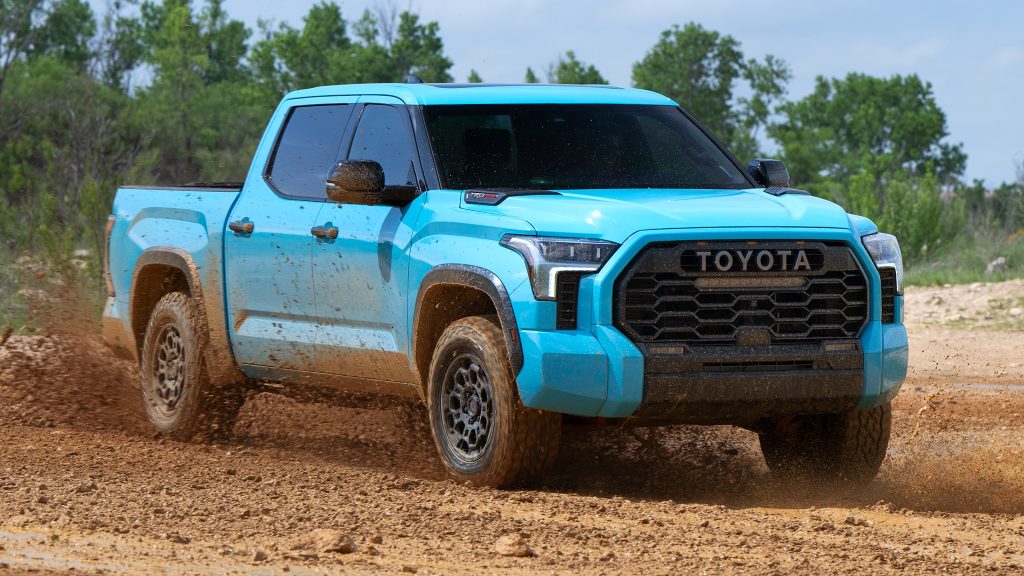
The Toyota Tundra’s hood is another example of how a large pickup panel can become an expensive replacement item.
Genuine Toyota parts listings for the 2024 Tundra show two different hood sub-assemblies, with manufacturer-suggested retail prices of $884.89 for one configuration and $864.76 for another. The listings cover the standard and TRD Pro applications, respectively.
Those figures might not look extraordinary compared with some luxury vehicles, but the hood is only one part of the repair.
Toyota’s catalog separately lists a hood insulator at $432.62 MSRP, a hood lock assembly at $104.77, support cylinders at $95.63, and other hardware and seals. If several of those pieces are damaged in the same impact, the parts bill can climb quickly.
The Tundra also illustrates why comparing only the price of the exterior panel can give an incomplete picture. A collision shop must determine whether the hood itself can be repaired or needs replacement, then account for alignment, hardware, refinishing, and labor.
A new panel still has to be painted to match the truck, and adjacent panels may require blending when the color difference is noticeable.
The U.S. collision market has been moving in the same direction. CCC reported that average replacement-part prices increased 6.0% in 2025, while specific categories experienced larger increases. That followed the beginning of broader parts-price inflation during 2024.
For Tundra owners, the interesting part is how quickly the supporting components can change the economics. The hood itself is already an expensive OEM component, but the complete repair can become considerably more costly once insulation, hardware, paint, and labor are included.
- Engine: 3.4L twin-turbo V6
- Torque: Up to 650 lb-ft
- Horsepower: Up to 437 hp
- Length/Width: Up to 258.7 inches / 80.2 inches
6. Honda Pilot
The Honda Pilot’s tailgate demonstrates why rear-end damage can become an expensive proposition even when the impact appears concentrated around the back of the SUV.
Genuine Honda parts listings for the 2024 Pilot show the complete tailgate carrying an MSRP of approximately $1,955.60 for several configurations. The current listed selling price is lower, but the manufacturer MSRP provides a useful reference for the value of the replacement component.
The tailgate is not simply a large sheet-metal panel. Honda’s parts catalog lists separate hinges at more than $100 each at MSRP, along with weatherstripping, seals, clips, and a tailgate lock assembly. The lock alone is listed at more than $140 MSRP on certain Pilot configurations.
That means a collision that bends the tailgate can potentially create a much larger parts list than the owner expects. If the impact reaches the hinges, latch, trim, or surrounding bodywork, replacing the main panel is only the beginning. The replacement also needs to be aligned correctly and refinished to match the rest of the vehicle.
There is another reason this matters in today’s repair environment. CCC’s U.S. collision data found that liftgates were among the part categories experiencing notable price increases in 2025, as replacement-part prices continued to rise. The average price per replacement part increased 6.0% during the year.
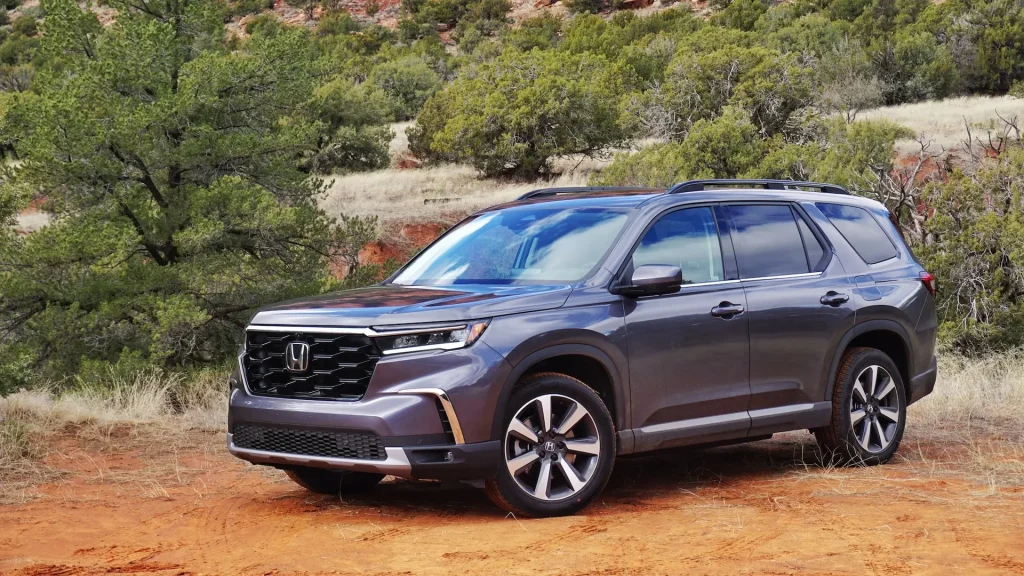
The pilot, therefore, represents an important change in how drivers should think about body damage. A tailgate may appear to be a cosmetic component, but on a modern SUV it can be a relatively expensive assembly surrounded by several additional parts.
Once paint, labor, and calibration or electrical work are added where applicable, the final insurance estimate can be far removed from the price of the panel alone.
- Engine: 3.5L naturally aspirated V6
- Torque: 262 lb-ft
- Horsepower: 285 hp
- Length/Width: 199.9 inches / 78.5 inches
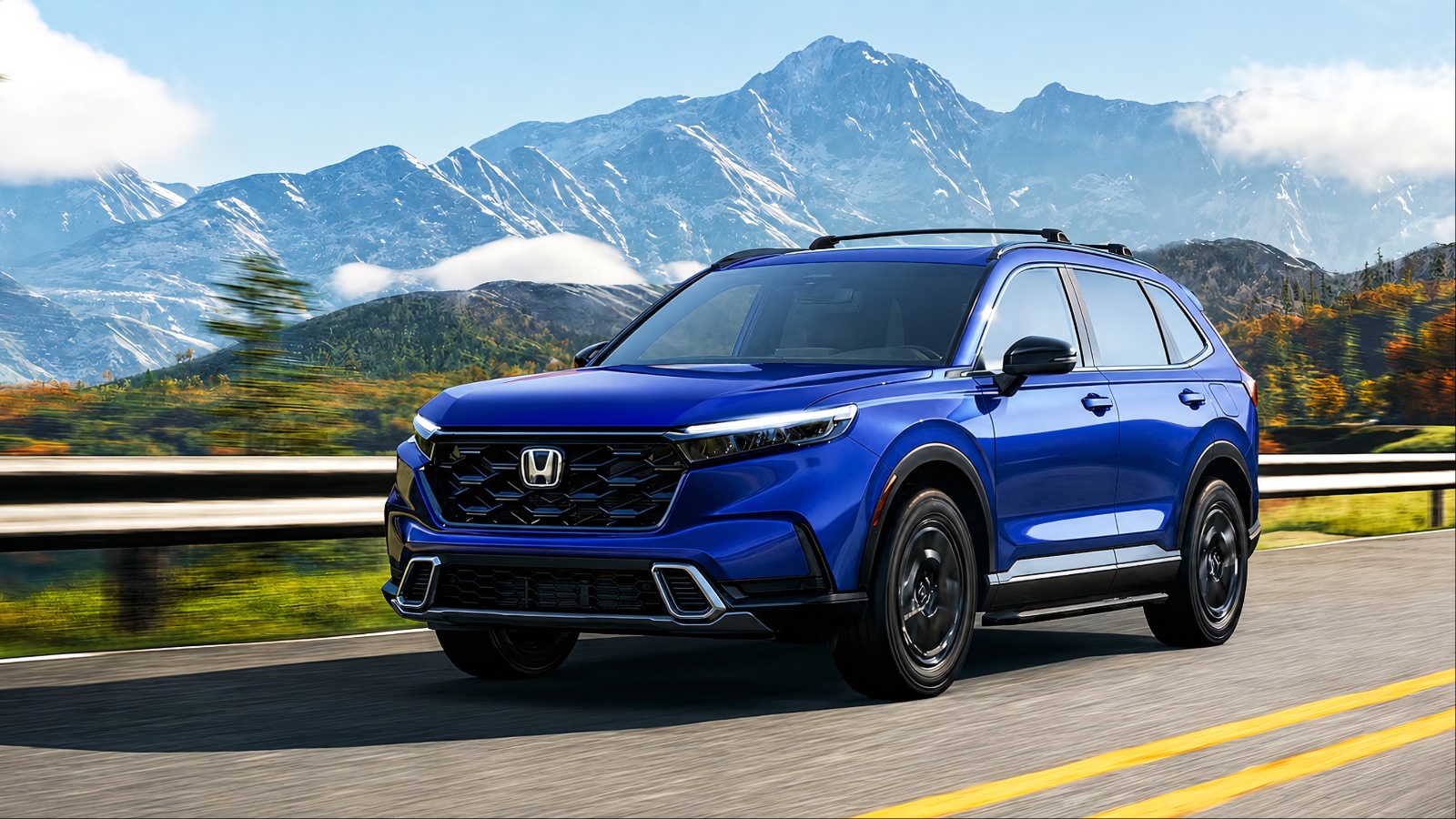
7. Honda CR-V
The Honda CR-V proves that an ordinary family SUV can have surprisingly expensive replacement bodywork. Its doors are a good example.
For the 2024 CR-V, genuine Honda door shells are currently listed in the U.S. at an MSRP of $1,095.67 for several front and rear applications. That is the price of the shell itself, before paint, labor, hardware, or installation is considered.
The distinction between a door shell and a door skin matters here. Honda’s parts catalog lists the complete door shell separately from the outer panel.
The outer panels are considerably cheaper, with listed MSRPs ranging from about $350 to $428 depending on the door. If the underlying door structure is damaged, however, replacing only the outer skin may not be sufficient.
A collision can also damage components mounted inside the door, including the window regulator, lock mechanism, wiring, speakers, and other hardware. That means the final estimate can be substantially higher than the price attached to the replacement shell.
The CR-V also fits into a larger trend identified by CCC. The company found that average replacement-part prices began showing inflation in the second quarter of 2024.
By 2025, the average price per part had risen 6.0% year over year. CCC also reported that some individual categories experienced much stronger increases than the broad average.
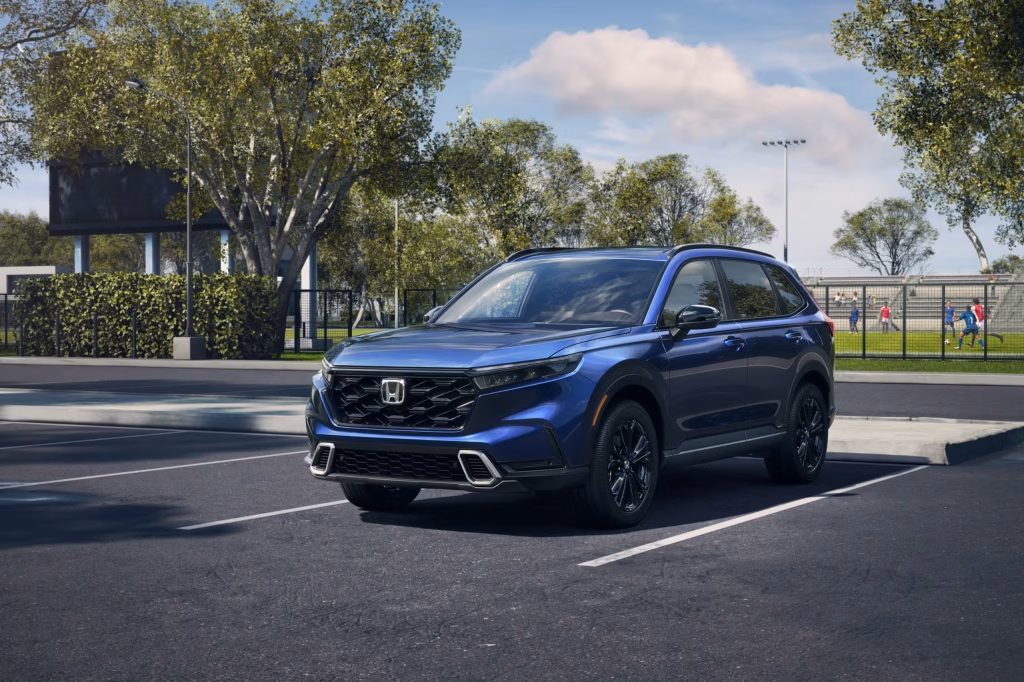
There is no reliable evidence that every CR-V door literally doubled in price from 2024 to 2026, so that claim should not be made. What can be documented is that OEM replacement doors can already cost more than $1,000 before the labor-intensive portion of the repair begins.
For a vehicle as common as the CR-V, that is a reminder that high-volume models are not automatically inexpensive to repair.
- Engine: 1.5L turbocharged inline-4
- Torque: 179 lb-ft
- Horsepower: 190 hp
- Length/Width: 184.8 inches / 73.5 inches
8. Toyota Camry
The Toyota Camry may be known for relatively sensible ownership costs, but a damaged door can still produce a surprisingly large parts bill.
Genuine Toyota listings for the 2018-2024 Camry show front door panel sub-assemblies with manufacturer-suggested retail prices of $907.35 to $934.62, depending on side and part number. Rear door panel assemblies are listed at an MSRP of $786.58.
Those numbers are important because they represent the door shell or panel sub-assembly, rather than the complete finished repair. A body shop still has to remove the damaged component, install the replacement, align the door, and refinish the exterior surface.
If the impact has damaged the surrounding structure or the mechanisms inside the door, additional parts can appear on the estimate.
Toyota’s catalog also shows that these are genuine factory replacement components. The front door panel is identified as a door shell, while the rear panel is described as a door shell as well. That makes the prices directly relevant when considering the cost of replacing the structural exterior component rather than simply repairing a dent.
The Camry’s pricing also has to be viewed against the broader parts market. CCC reported that the average price per replacement part increased 6.0% during 2025, after part prices began showing inflation during Q2 2024.
The company noted that certain categories, including quarter panels and liftgates, experienced more pronounced increases than the aggregate market figure.
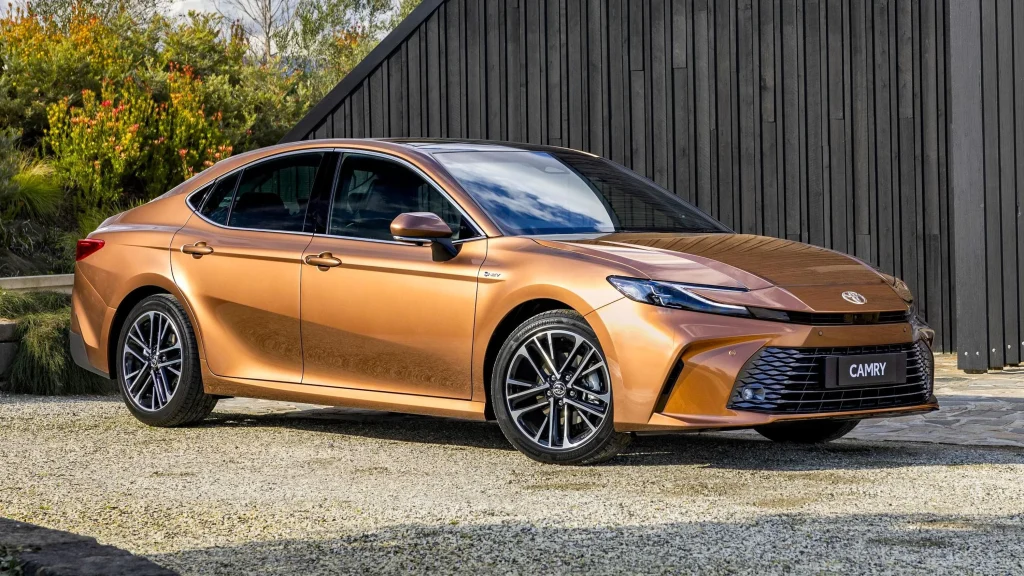
That does not establish a literal doubling of the Camry’s door price since 2024. It does establish something more useful for buyers and owners: body-panel prices have been moving upward while repair complexity continues to increase.
A Camry door approaching $1,000 at OEM MSRP can therefore become a significant expense once paint, labor, and associated components are included.
- Engine: 2.5L four-cylinder or 2.5L hybrid four-cylinder, depending on model
- Torque: Up to 163 lb-ft
- Horsepower: Up to 225 hp combined
- Length/Width: 192.1 inches / 72.4 inches
9. Chevrolet Equinox
The Chevrolet Equinox shows how a mainstream SUV can still carry a surprisingly substantial body-panel bill. Its hood is a useful example because the genuine GM replacement component is already expensive before paint, labor, or additional collision damage enters the estimate.
GM’s U.S. parts catalog lists a genuine replacement hood for the 2019 through 2024 Equinox at an MSRP of $1,266.86. The listing also makes clear that the hood is supplied unpainted, meaning the displayed price does not represent the finished repair.
That distinction matters in a collision. A damaged hood may require removal and installation labor, paint preparation, and color matching before the vehicle is ready to return to the road. If the impact also damages the latch, hinges, insulation, fenders, or front-end components, the final estimate can climb substantially beyond the price of the hood itself.
The Equinox also fits the broader U.S. repair-cost trend documented by CCC. Average replacement-part prices began showing inflation in the second quarter of 2024 after remaining relatively flat through 2022 and 2023.
CCC’s latest data shows the average price per replacement part increased 6.0% in 2025, while certain categories such as grilles, liftgates and quarter panels experienced even stronger increases.
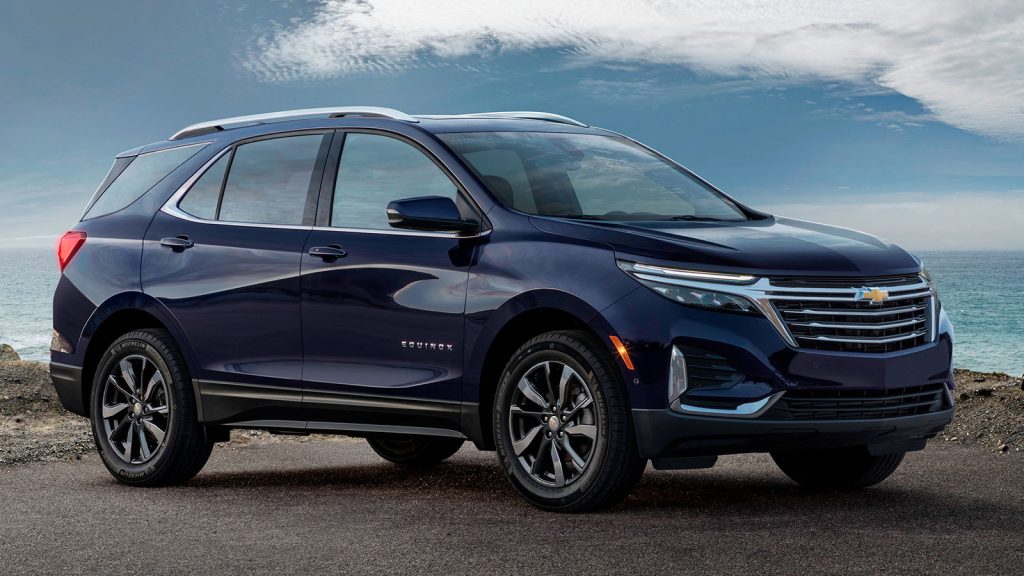
There is not enough evidence to claim that the Equinox hood itself literally doubled in price since 2024. The defensible point is that OEM body components are becoming more expensive within an increasingly costly collision-repair environment.
For owners, a hood that looks like a simple sheet-metal component can therefore represent more than $1,200 in parts value before the body shop begins the actual repair.
- Engine: 1.5L turbocharged inline-4
- Torque: 203 lb-ft
- Horsepower: 175 hp
- Length/Width: 183.1 inches / 72.6 inches
10. Ford Bronco
The Ford Bronco adds another modern SUV to the list, but its body construction makes exterior damage particularly worth watching. The Bronco uses removable body components and multiple trim configurations, so replacement parts can vary considerably depending on the exact vehicle.
Ford’s official parts catalog warns buyers that pricing can vary between dealers because individual Ford dealers set their own customer prices. Ford also recommends using the VIN when ordering parts because exact fitment and part selection depend on the vehicle’s configuration.
That complexity matters after a collision. A damaged exterior panel may not be the only item appearing on an estimate. Fasteners, brackets, trim, fender components, lighting, and other pieces can be affected depending on where the impact occurs. Paint and labor then add another layer to the repair bill.
The Bronco is also entering an environment where replacement-part prices have been moving upward. CCC reports that average part prices began rising during 2024, followed by a 6.0% increase in average price per part during 2025. CCC also found that some individual part groups experienced increases well above the broad market trend.
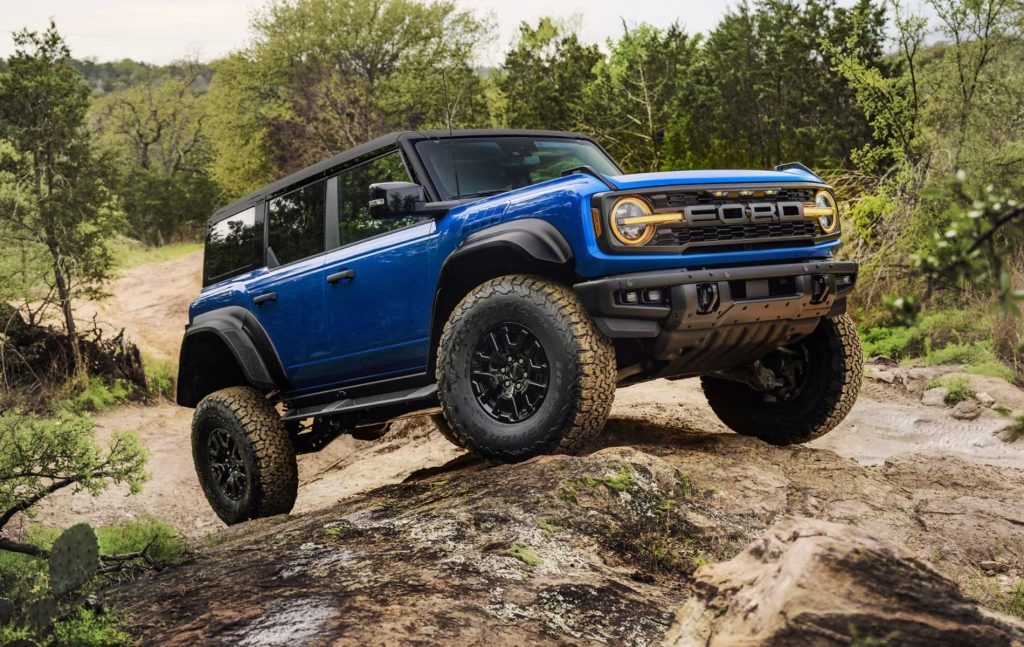
That does not prove that every Bronco body panel doubled in price from 2024. Such a claim would require historical OEM pricing for the exact part number and configuration.
What the available data does establish is that the broader collision-parts market has become more expensive, while newer vehicles can require more specialized components and procedures.
For Bronco owners, the lesson is straightforward: an exterior panel that looks replaceable at a glance can become a much larger repair once genuine parts, refinishing, hardware, and labor are included.
- Engine: 2.3L turbocharged four-cylinder, 2.7L twin-turbo V6, or 3.0L twin-turbo V6 depending on configuration
- Torque: Up to 430 lb-ft
- Horsepower: Up to 418 hp
- Length/Width: Up to 196.0 inches / 86.2 inches
