
Consumer Reports’ annual Auto Reliability Survey offers one of the most useful ways to identify vehicles that are giving owners more trouble than their competitors. The latest survey collected information on about 380,000 vehicles covering model years 2000 through 2025, plus a small number of early 2026 models.
Owners reported problems across as many as 20 areas, including engines, transmissions, electrical systems, in-car electronics, EV charging, and battery systems. CR then weighs the seriousness of those problems when calculating reliability scores.
The latest results show a striking pattern: seven of the 10 least-reliable vehicles are either electric vehicles or plug-in hybrids.
1. Rivian R1T
The Rivian R1T sits at the bottom of Consumer Reports’ latest reliability results, making it the clearest example of how cutting-edge technology can bring significant ownership problems. CR’s latest annual survey identifies the R1T as the least reliable vehicle in its 2026 Automotive Report Card.
The finding is based on owner reports covering multiple potential trouble areas rather than simply counting minor complaints.
The R1T’s problems are spread across several systems. Consumer Reports’ reliability history shows trouble areas involving the drive system, climate system, body hardware, and EV charging.
The organization also describes the 2024 R1T as much less reliable than other vehicles from that model year. Its 2024 reliability page lists six NHTSA recalls for that model year.
Some of the challenges are understandable given the R1T’s status as an entirely new vehicle from a relatively young automaker. Consumer Reports’ road test noted early production issues, including a power tonneau cover that was inoperable on its test vehicle.
CR also warned that buyers of an all-new vehicle could encounter early-production problems as the manufacturer worked through the design.
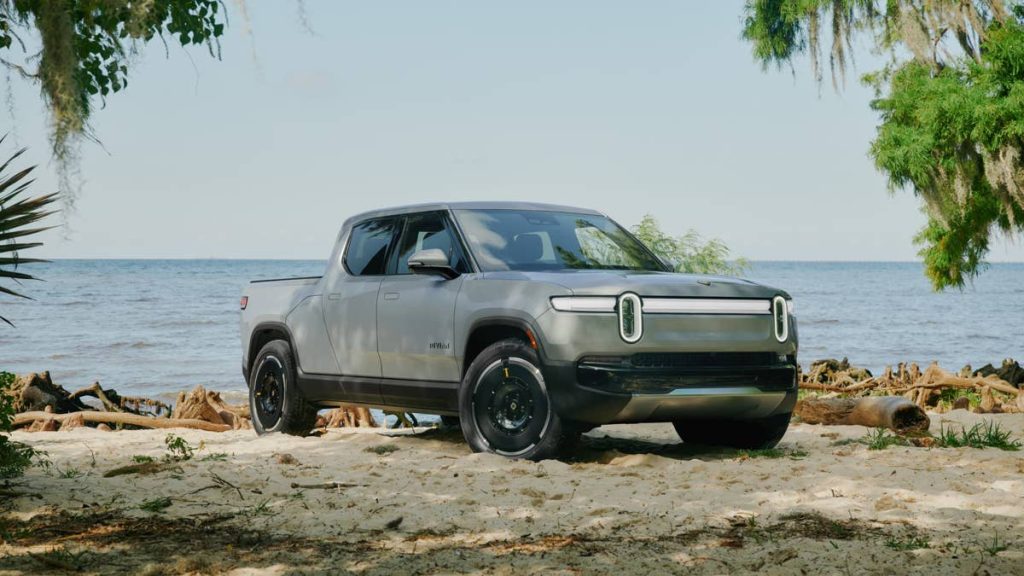
The R1T is an impressive truck in other respects, with strong acceleration, substantial towing capability, and sophisticated electric hardware. The problem is that owners are reporting enough issues across different systems to drag its reliability rating sharply downward.
For buyers considering a used example, service records and completed recalls deserve particular attention.
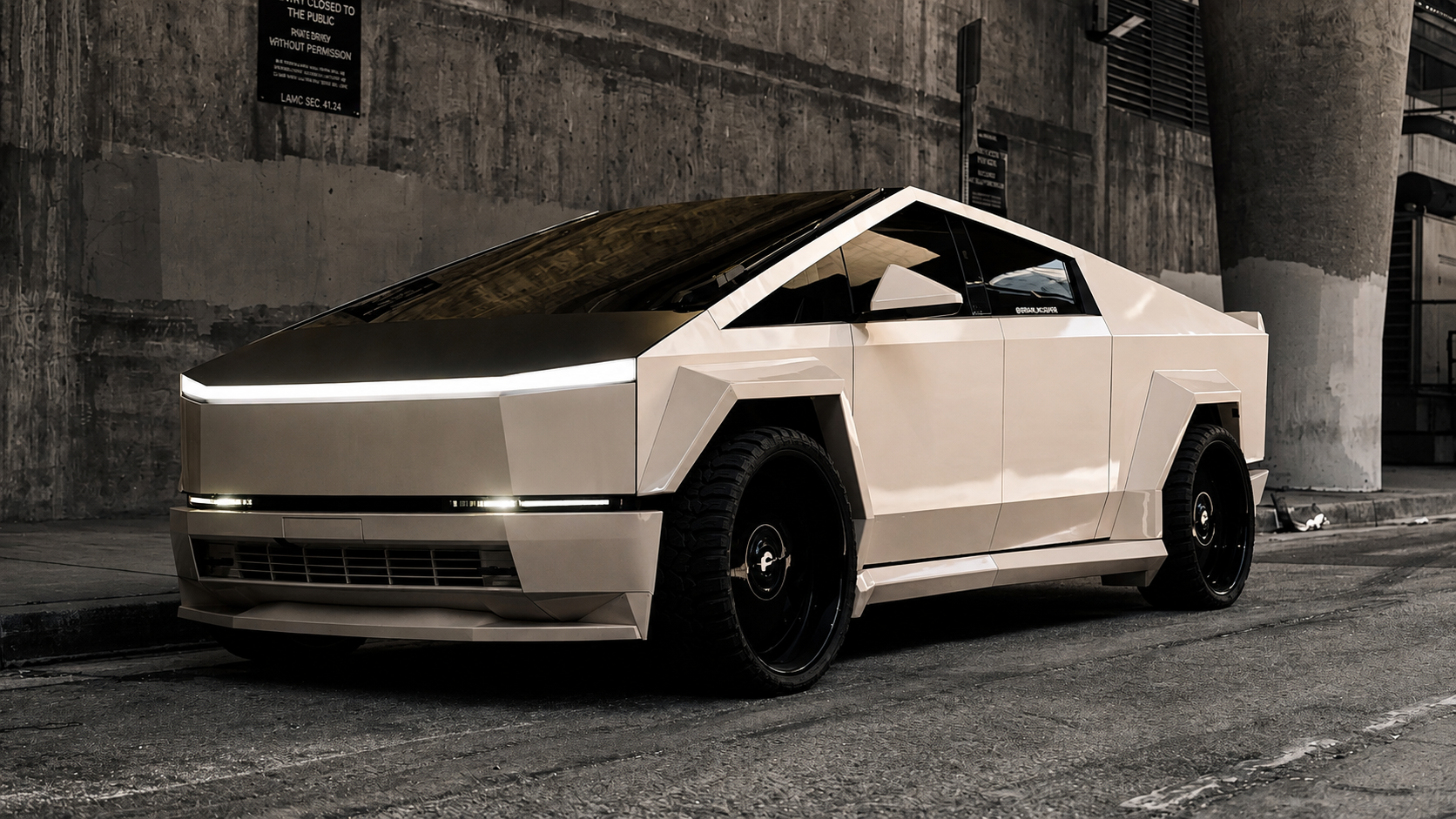
2. Tesla Cybertruck
The Tesla Cybertruck is another new-generation vehicle that Consumer Reports has identified as a significant reliability concern. In the latest annual survey, CR says the Cybertruck is the only Tesla model with below-average reliability, while Tesla’s other models have improved enough for the brand to reach its highest position in CR’s rankings to date.
That contrast makes the Cybertruck particularly interesting. The problem is not that Tesla as a whole performed poorly. Instead, the Cybertruck’s individual result stands out within a brand whose other vehicles have shown stronger reliability.
Consumer Reports’ methodology gives serious problems greater weight than minor annoyances. Owners are asked about up to 20 trouble areas, including electric motors, EV charging, electrical accessories, body hardware, and in-car electronics.
That means a vehicle can accumulate reliability penalties from several different systems rather than having one catastrophic mechanical weakness.
The Cybertruck is also a particularly ambitious design. Its stainless-steel body, steer-by-wire system, unusual suspension architecture, electronic controls, and extensive software integration introduce technologies that are less established than the components used in conventional trucks.
New technology does not automatically create poor reliability, but CR’s latest results show that buyers should not assume an innovative design will be trouble-free.
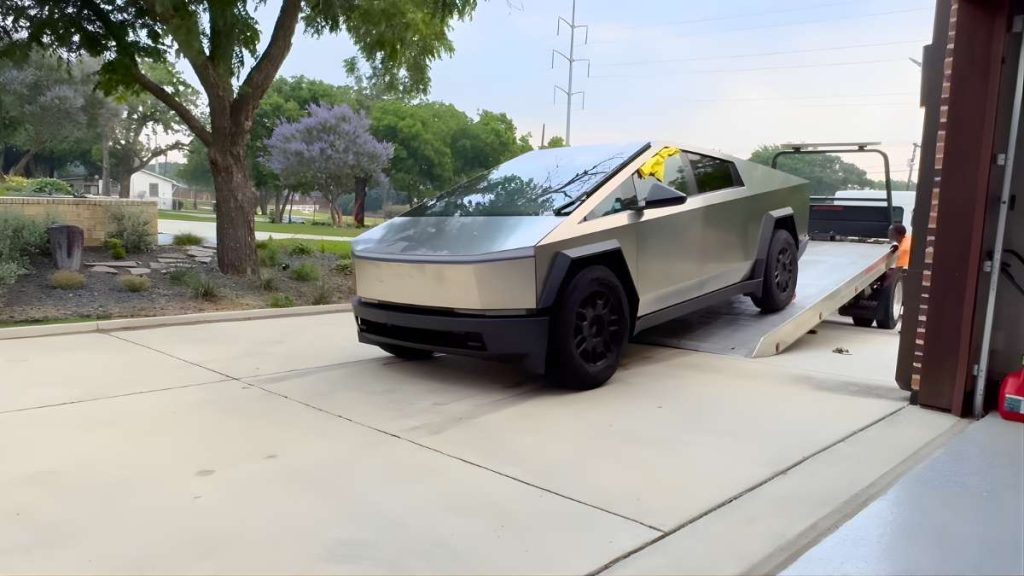
The distinction between reliability and performance is important here. A vehicle can be exceptionally quick, capable, and technologically impressive while still generating more owner-reported problems than competing trucks.
For shoppers considering a used Cybertruck, checking recall completion, service records, and the history of electronic or body-related repairs is especially important. Its latest reliability rating suggests buyers should prioritize proven condition over novelty.
3. Chevrolet Blazer EV
The Chevrolet Blazer EV lands near the bottom of Consumer Reports’ 2026 reliability rankings with a reliability score of 19 out of 100. That puts it only one point above the Rivian R1T and makes it one of the most problematic vehicles in the survey.
CR’s annual study draws on owner reports covering roughly 380,000 vehicles and examines 20 potential trouble areas, ranging from minor annoyances to expensive failures involving batteries, charging systems, and electric motors.
The Blazer EV’s problems are concentrated heavily around its electrical architecture. Consumer Reports identifies the EV battery and battery cooling system as trouble spots, along with the climate system and electrical accessories.
Owners have also reported failures involving the 12-volt battery. In-car electronics have generated complaints too, including screens that can freeze or go blank.
That combination can be particularly frustrating because several systems are interconnected. A problem with the vehicle’s software or electrical supply can affect functions that drivers normally expect to operate independently.
For an EV owner, charging reliability is also fundamental. A vehicle that develops problems communicating with its charging hardware can become considerably less convenient even if its propulsion system itself remains functional.
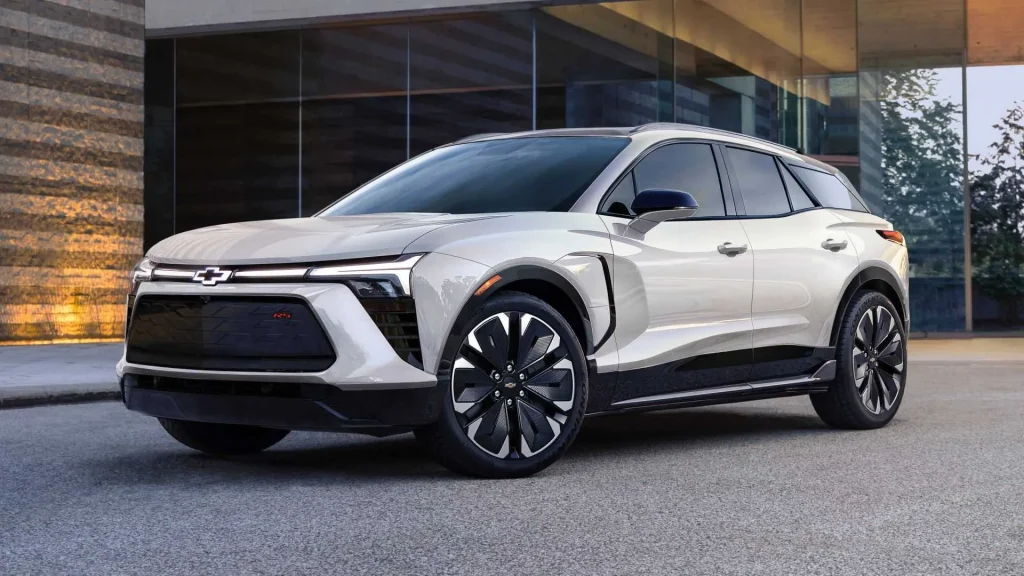
The Blazer EV’s position also reflects the risk associated with a relatively new vehicle architecture. Consumer Reports notes that all-new models frequently have more problems than established designs because manufacturers have fewer years of real-world owner data to identify weaknesses.
The Blazer EV has attractive performance, modern technology, and an EPA-rated driving range that can make it appealing. But the latest owner-reported reliability evidence suggests buyers should approach it with caution, particularly if minimizing unexpected service visits is the priority.
4. Mazda CX-90 Plug-In Hybrid
The Mazda CX-90 Plug-In Hybrid receives a 20 out of 100 reliability score in Consumer Reports’ 2026 rankings, placing it fourth from the bottom. Its position is notable because the problems extend across both its electric and conventional powertrain components.
Consumer Reports identifies trouble involving the EV battery, electric motor, major and minor transmission components, drive system, brakes, steering, and suspension. That is a much broader collection of problem areas than a vehicle suffering from one isolated defect.
The plug-in hybrid architecture is partly responsible for the complexity. Unlike a conventional gasoline SUV, the CX-90 PHEV must coordinate a gasoline engine, electric motor, high-voltage battery, and charging hardware and software that manages how those systems interact.
When everything works correctly, the arrangement can provide electric driving for shorter trips while retaining gasoline-powered capability for longer journeys. When something goes wrong, diagnosing the fault can become considerably more complicated.
Consumer Reports’ broader 2026 reliability analysis found that EVs and plug-in hybrids average significantly more reported problems than conventional internal-combustion vehicles.
CR says EVs and PHEVs averaged about 80% more problems than gasoline-powered vehicles in its latest survey, although that does not mean every electrified vehicle is unreliable.
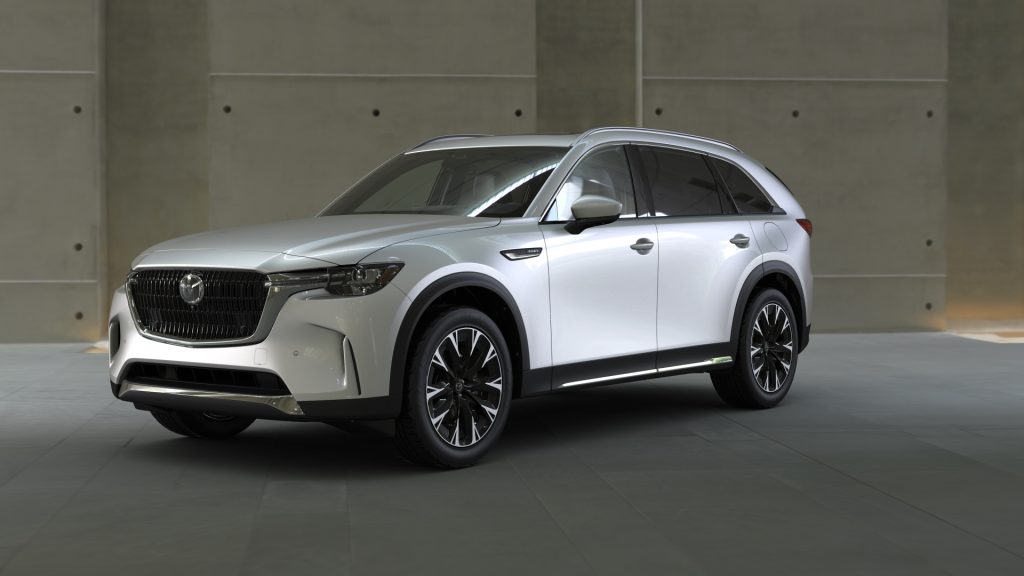
The CX-90 PHEV illustrates why new technology deserves additional scrutiny. It was introduced on a new platform, meaning Mazda had less long-term owner data available when the vehicle reached customers.
For shoppers considering one used, service records and recall completion should receive particular attention. A low purchase price can look attractive, but repeated powertrain or electrical problems can quickly erase the savings.
5. GMC Acadia
The GMC Acadia is among the vehicles Consumer Reports identified as having below-average predicted reliability in its 2026 Annual Auto Reliability Survey. That result places it in a group of newer vehicles that are giving owners more problems than the typical vehicle in the survey.
The Acadia’s inclusion is notable because GMC’s broader brand reliability score was also weak. GMC ranked 23rd out of 26 brands, with a reliability score of 31, according to Consumer Reports. The Acadia was specifically named among the least reliable vehicles in the year’s survey.
The latest survey gathered information on approximately 380,000 vehicles, with owners reporting problems encountered during the previous 12 months.
CR considers up to 20 trouble areas, including the engine, transmission, electrical equipment, in-car electronics, climate system, and other vehicle components. Serious problems receive greater weight in the reliability calculation.
The Acadia is particularly interesting because it was redesigned for the 2024 model year. Consumer Reports’ reliability methodology warns that newly introduced or substantially redesigned vehicles are more likely to experience early-production problems because manufacturers have less real-world data available to identify and correct weaknesses.
CR’s senior auto-testing leadership specifically advises reliability-focused buyers to be cautious with first-year redesigns.
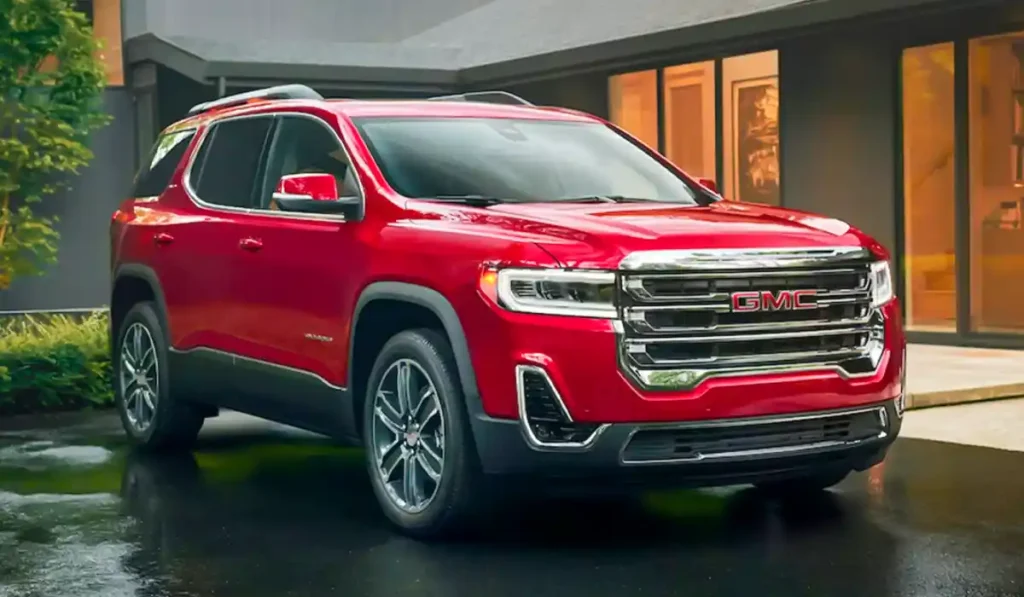
That does not mean every Acadia will be troublesome. Individual ownership experiences can differ considerably, and a well-maintained example may perform perfectly well. However, buyers should pay close attention to recalls, software updates, service records, and any electrical or infotainment problems reported by the owner.
The Acadia’s low reliability rating makes a thorough inspection especially worthwhile before purchase.
6. Jeep Grand Cherokee
The Jeep Grand Cherokee is another vehicle Consumer Reports placed among the least reliable models in its 2026 survey, although the exact reliability experience varies by powertrain and model year. The standard Grand Cherokee and its plug-in hybrid version should not be treated as identical vehicles when considering potential problems.
Consumer Reports specifically identified the Grand Cherokee PHEV among the least reliable vehicles in the 2026 survey. The broader Jeep brand ranked 24th out of 26 brands, with a reliability score of just 28.
The distinction between powertrains matters because CR’s latest research found that electrified vehicles continue to experience more reported problems than conventional gasoline vehicles.
On average, EVs and plug-in hybrids had about 80% more problems than gasoline-powered vehicles in the latest survey. Seven of the 10 least reliable vehicles were either EVs or plug-in hybrids.
The Grand Cherokee PHEV combines a gasoline engine, electric motor, high-voltage battery, and charging system, creating more components that have to work together. CR’s survey specifically identifies EV battery, charging, and drive-system problems as common areas of concern among the least reliable electrified vehicles.
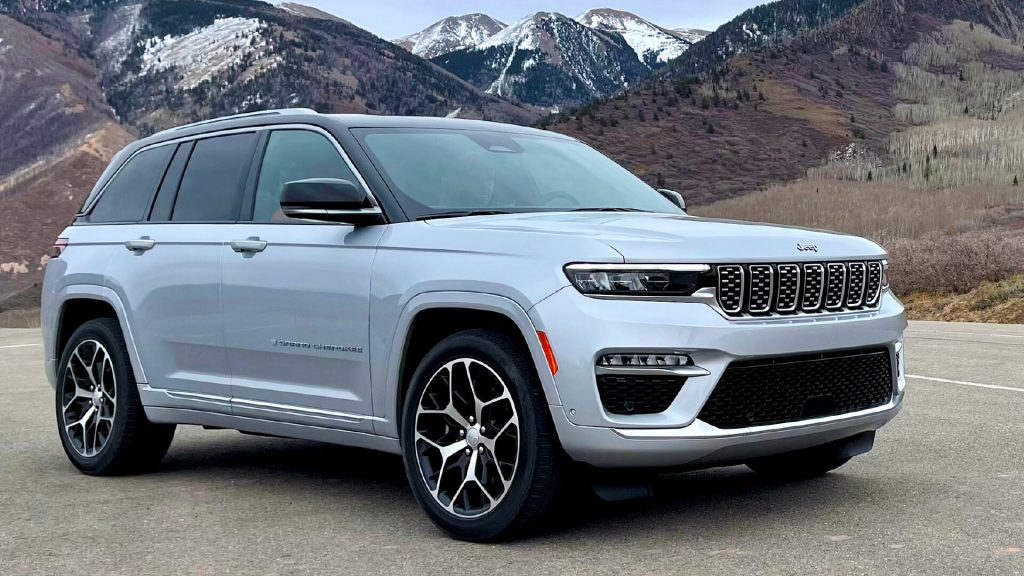
For used buyers, this does not make every Grand Cherokee a poor choice. It means the exact version matters enormously. A shopper considering a conventional model should investigate its individual model-year reliability rather than automatically applying the PHEV’s result.
A pre-purchase inspection, complete maintenance history, and recall check are particularly important. Buyers should also test the infotainment system and any available charging equipment on electrified versions.
7. Genesis GV60
The Genesis GV60 recorded a reliability score of 21 out of 100 in Consumer Reports’ 2026 reliability rankings, placing it among the 10 least reliable vehicles in the latest annual survey.
That result is notable because the GV60 is a relatively new electric luxury vehicle, meaning buyers have less long-term reliability history to rely on than they would with an established gasoline model.
Consumer Reports’ survey is based on owner-reported problems across as many as 20 trouble areas. For electric vehicles, those categories include the EV battery, charging system, electric motor, climate system, electrical accessories, and in-car electronics.
Problems in different areas can therefore affect the reliability score even when the vehicle’s basic electric propulsion remains functional.
The GV60’s position also fits a larger pattern in the latest survey. Consumer Reports found that EVs averaged more reported problems than gasoline-powered vehicles, with charging and battery-related issues continuing to contribute to the reliability gap. Seven of the 10 vehicles at the bottom of the 2026 rankings were EVs or plug-in hybrids.
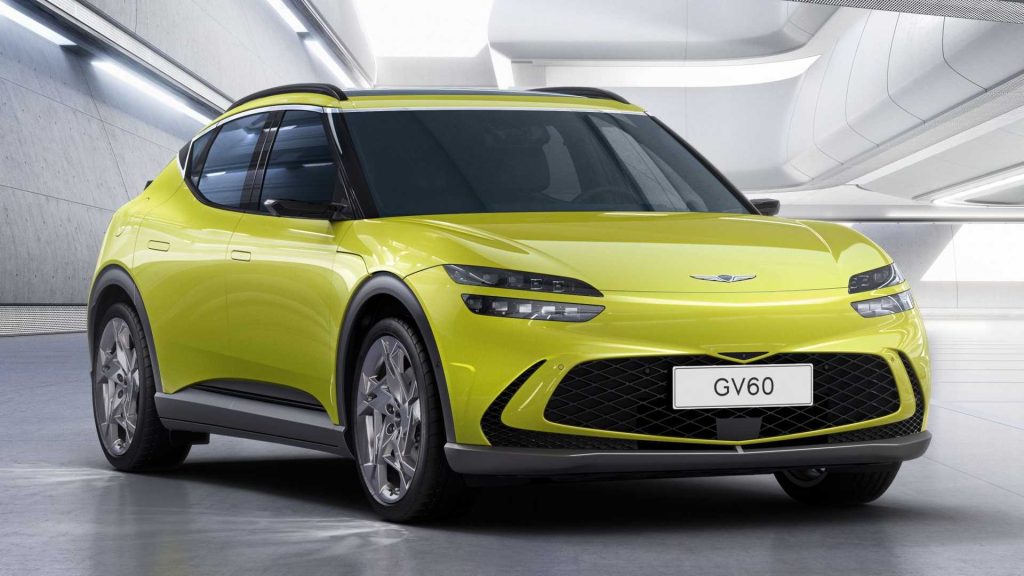
That does not mean the GV60 is fundamentally defective. It means owners reported enough problems for Consumer Reports to place it well below the average vehicle. A used buyer should therefore pay particular attention to charging performance, software behavior, warning messages, and the operation of electronic equipment.
The GV60’s luxury positioning also means a reliability problem can potentially involve expensive components. A thorough inspection and complete service history are especially important when considering a used example.
8. Mazda CX-90
The Mazda CX-90 earned a reliability score of 23 out of 100, placing it eighth from the bottom in Consumer Reports’ 2026 reliability ranking. The result is particularly significant because the CX-90 represents a major departure from Mazda’s previous SUV strategy, introducing a new rear-wheel-drive-based platform and new powertrain technology.
Consumer Reports has repeatedly warned that vehicles built on new platforms can experience more problems during their early production years.
The reason is simple. Automakers have less real-world data when a brand-new vehicle first reaches customers. Some problems may not show up during testing and only become noticeable after thousands of vehicles have been driven on everyday roads.
The CX-90’s reliability score should also be distinguished from the even lower score of its plug-in-hybrid version. Consumer Reports rates the CX-90 PHEV at 20, making it a separate entry in the bottom 10.
That difference demonstrates why buyers should research the exact powertrain rather than assuming every CX-90 has the same reliability record.
For used buyers, the CX-90’s early history makes maintenance documentation particularly important. Look for evidence that software updates and recalls have been completed, and pay attention to transmission behavior, electrical functions, and warning messages during a test drive.
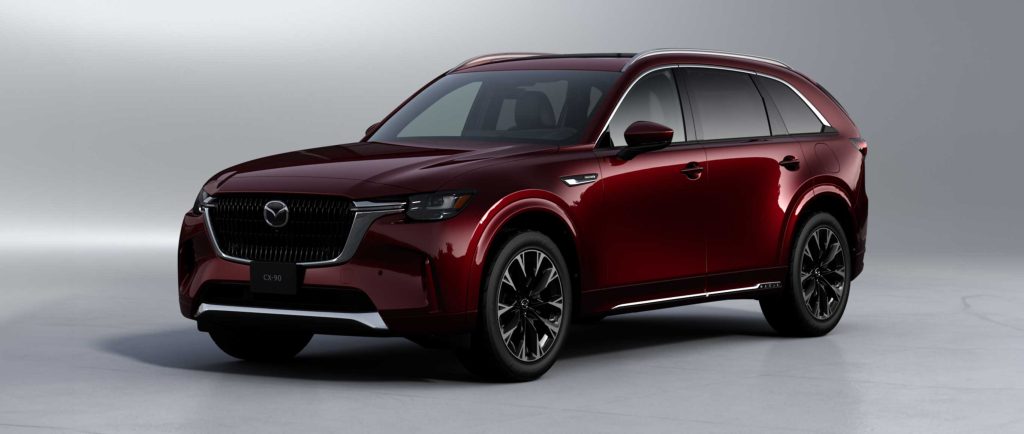
The CX-90 remains an appealing SUV for its performance, interior space, and available electrified powertrain. However, Consumer Reports’ latest owner data shows that buyers prioritizing reliability should approach early examples with more caution than an established Mazda model.
9. Kia EV9
The Kia EV9 earned a 24 out of 100 predicted reliability score in Consumer Reports’ 2026 rankings, putting it among the 10 vehicles with the lowest owner-reported reliability results.
The survey draws on information from roughly 380,000 vehicles and considers problems across numerous categories, including electrical equipment, battery systems, charging hardware, body components, and in-car electronics.
For the EV9, reported trouble areas include the EV battery, charging system, body hardware, electrical accessories, and infotainment electronics. Consumer Reports has also noted battery-cell problems on some vehicles.
The model’s position is notable because the EV9 otherwise offers strong performance, a spacious three-row cabin, and quick charging capability. CR’s 2026 Buying Guide gives the EV9 a strong road-test score of 88, showing that its low reliability rating does not mean the vehicle performs poorly in every area.
The EV9 is also a relatively new model, so there is less long-term owner history than for established vehicles. Consumer Reports advises reliability-focused buyers to be cautious with all-new models because manufacturers have less real-world data available when production begins.
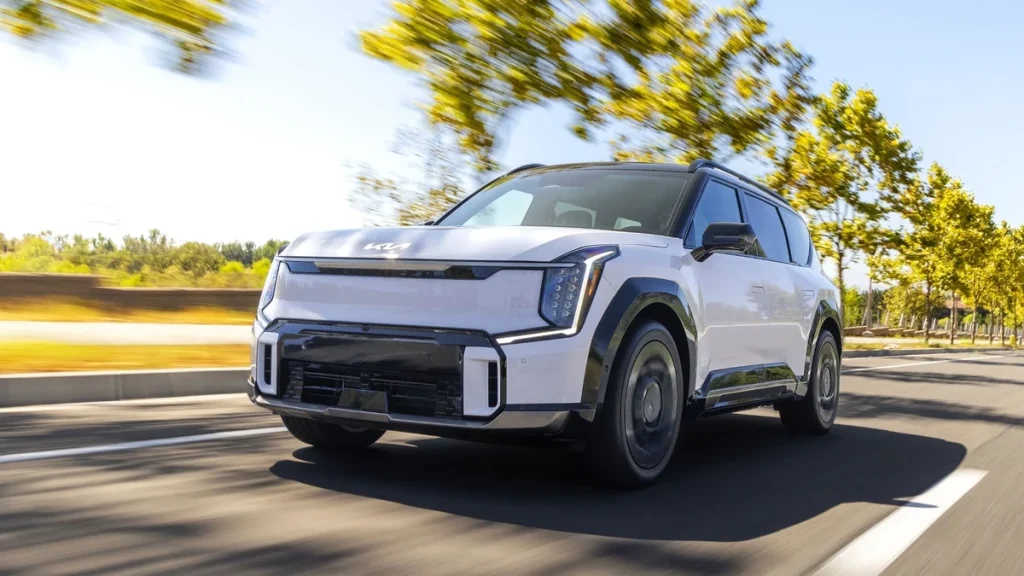
For a used EV9, buyers should inspect charging performance, check for completed recalls, and verify that software updates have been installed. The vehicle’s strong features make it appealing, but its reliability history deserves careful consideration.
10. Kia EV6
The Kia EV6 received a 25 out of 100 predicted reliability score in Consumer Reports’ 2026 rankings, placing it tenth among the year’s least reliable vehicles. That result is particularly interesting because the EV6 performs much better in other areas.
Consumer Reports’ 2026 Buying Guide gives the EV6 an 86 road-test score, highlighting its acceleration, braking, and handling despite the weak reliability result.
Owner-reported trouble areas include the EV battery, electric motors, charging system, climate system, electrical accessories, brakes, and body hardware.
One recurring concern involves the Integrated Charging Control Unit, or ICCU, a component used across several Hyundai Motor Group electric vehicles. Consumer Reports says survey data has identified ICCU problems in the Kia EV6 over multiple years.
The EV6’s position demonstrates why reliability should be separated from driving performance. A vehicle can be quick, quiet, and enjoyable while still generating more owner complaints than competing models.
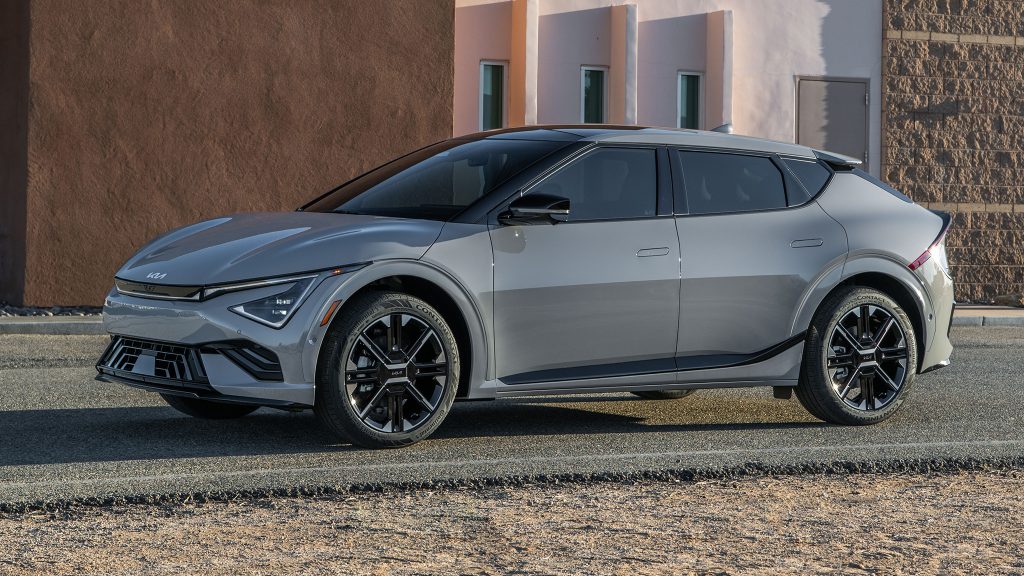
CR’s broader research also found that EVs and plug-in hybrids continue to report more problems than conventional gasoline vehicles, although the gap varies substantially between individual models.
For used buyers, the charging system deserves particular attention. Check whether relevant recalls and software campaigns have been completed and verify that the vehicle charges normally. A complete service history can also help reveal previous electrical or battery-related repairs.
