
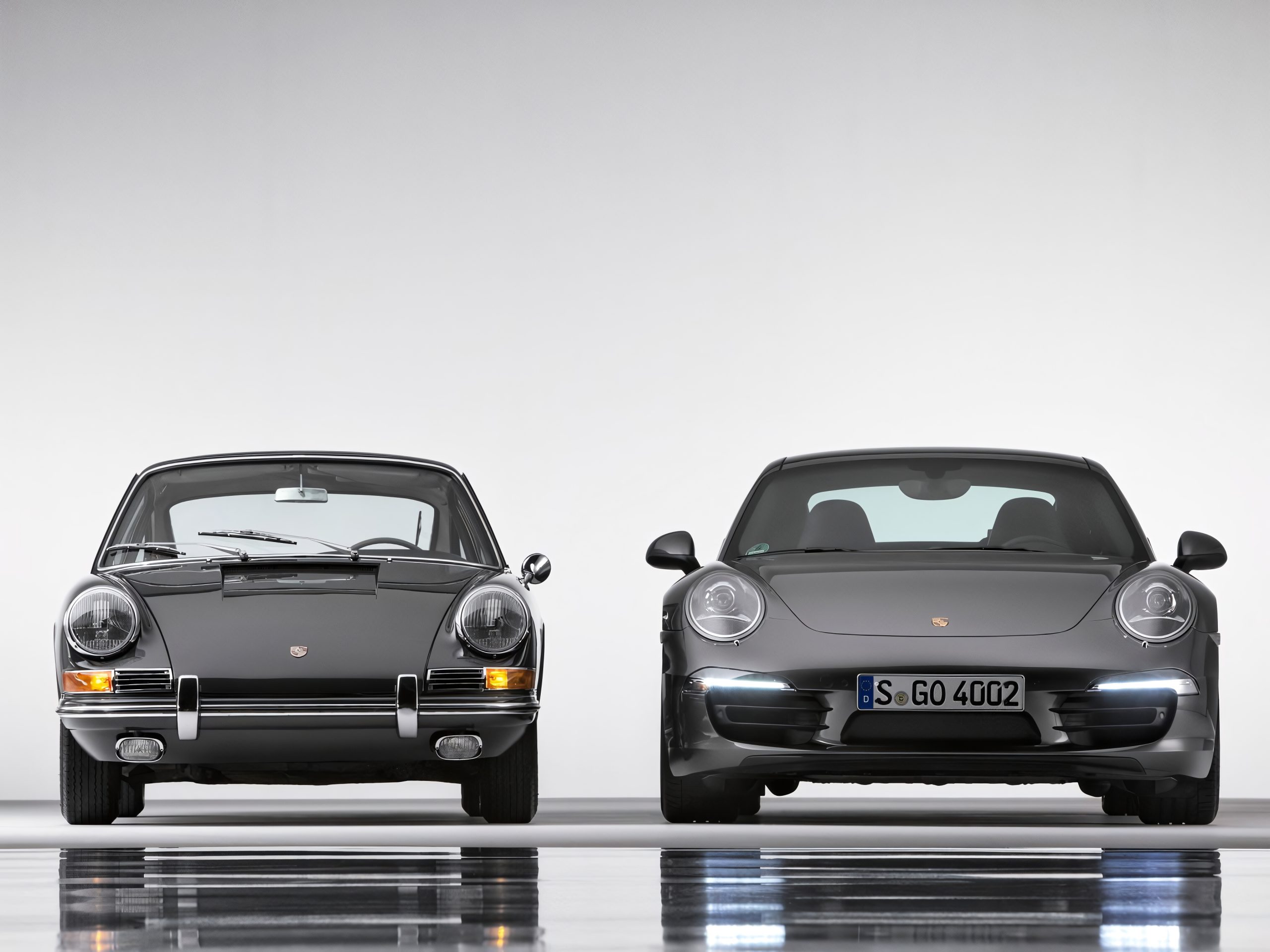
Here’s a fact that surprises even die-hard Porsche owners: the world’s most famous sports car almost carried a completely different name. Before it became the legendary 911, this German icon was known internally as the 901. A French rival had other plans, though, and their objection changed automotive history forever.
What followed wasn’t a dramatic showdown or a headline-grabbing scandal. It was a quiet legal claim that forced one of the most recognizable badges in car culture to swap a single digit. Stick around, because this story proves that sometimes the smallest changes create the biggest legacies, and Porsche’s answer to a French company’s paperwork became one of the greatest branding accidents ever.
The Birth of a Legend
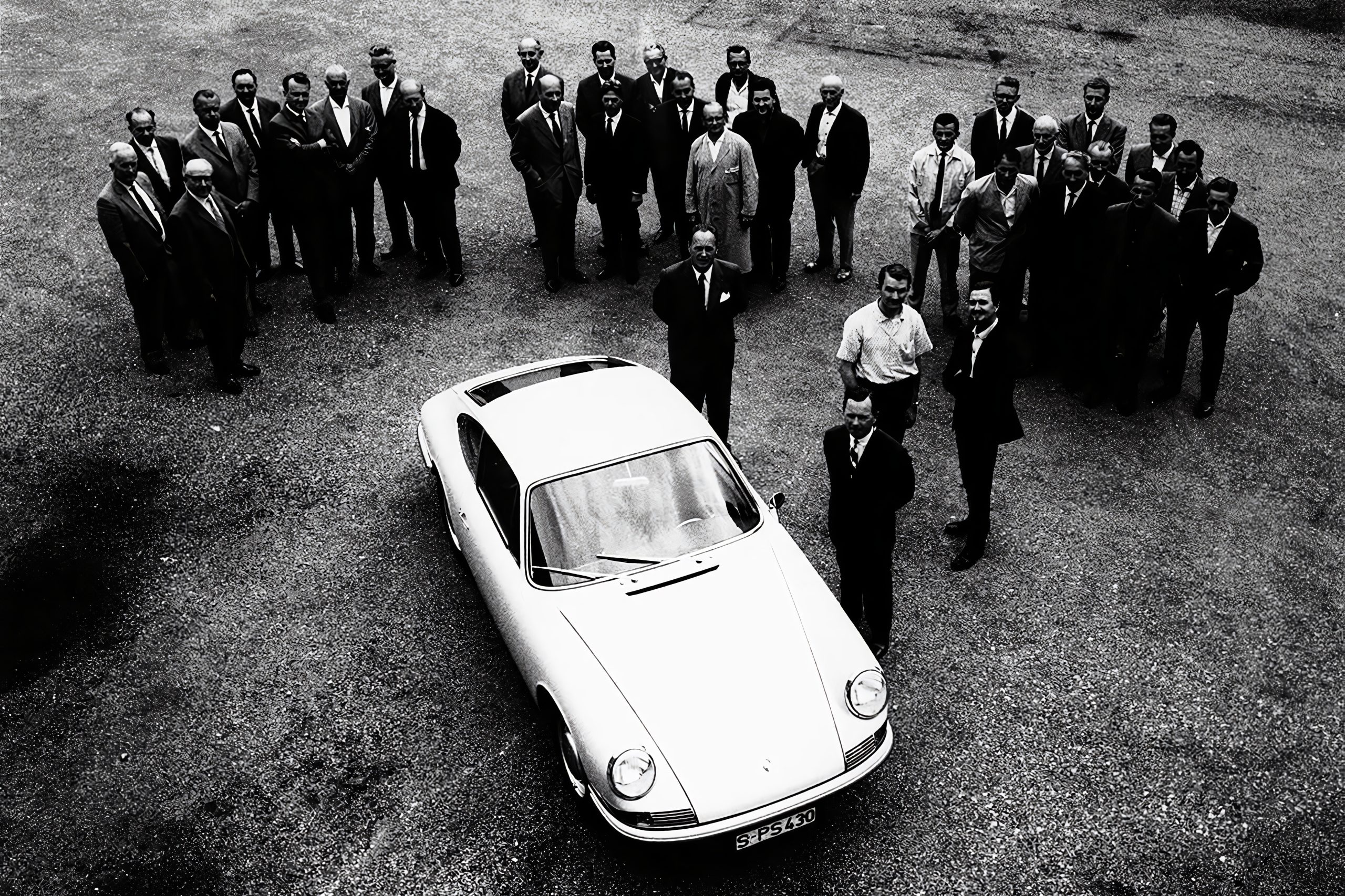
Porsche entered the 1960s needing a successor to the beloved 356, and the responsibility fell to Ferdinand Alexander Porsche, known to most as Butzi. Unlike his father and grandfather, Butzi didn’t come from a hands-on engineering background. He studied industrial design instead, and that training shaped every curve and proportion of what would become one of the most recognized silhouettes in automotive history.
Porsche gave the project an internal design number, 901, following a standard three-digit naming convention the company had used for its development work. The number itself carried no hidden meaning. It was simply the next sequence in Porsche’s internal cataloging system, a practical label rather than a marketing decision.
The prototype debuted at the Frankfurt Motor Show in 1963, drawing attention immediately for its sleek, purposeful shape. A year later, at the same show, the production-ready replacement for the 356 stood fully operational, badged with those same three digits: 901.
Everything about the launch suggested a smooth transition into showrooms. Nobody at Porsche anticipated trouble. The company had already invested in dashboard badges, rear emblems, and printed materials carrying the 901 name.
Production planning moved forward under that identity, with no indication that a French competitor sitting several hundred miles away had already claimed rights to a naming pattern that would soon collide directly with Porsche’s plans.
A Rival’s Legal Claim
Peugeot wasn’t new to three-digit model names built around a zero in the middle position. The French manufacturer had been using that exact numbering formula for decades, and by the 1960s, it had secured trademark protection across several major European markets, including France.
When Peugeot’s legal representatives noticed Porsche’s new 901, they moved quickly. Their objection didn’t target the actual digits nine, zero, and one individually. What mattered to Peugeot was the structure itself, a three-digit name with a zero sitting squarely in the middle position. That pattern belonged to them, at least according to the intellectual property claims they held across major territories.
For Porsche, this created a genuinely uncomfortable situation. The company hadn’t copied Peugeot intentionally, and the overlap seemed almost coincidental given how different the two brands’ approaches to car design were. Yet trademark law doesn’t require intent, only conflict, and Peugeot’s claim carried enough legal weight to force Porsche’s hand.
German and French business relationships during this era generally stayed cordial, and neither company wanted a prolonged court battle over a badge. Peugeot held firm on its position, and Porsche needed a resolution that wouldn’t derail a launch already gaining public attention.
The clock was ticking, dealership materials were being finalized, and a legal dispute threatened to delay a car that Porsche’s future depended on.
Porsche’s Response
Faced with a legitimate trademark conflict, Porsche’s leadership weighed their options carefully. Creating an entirely new name from scratch would have meant redoing marketing materials, dashboard tooling, badges, and press documentation that had already gone into production.
That kind of overhaul carried real financial cost at a moment when Porsche needed this car to succeed without unnecessary delays. Instead of starting over, the decision makers chose a far simpler fix.
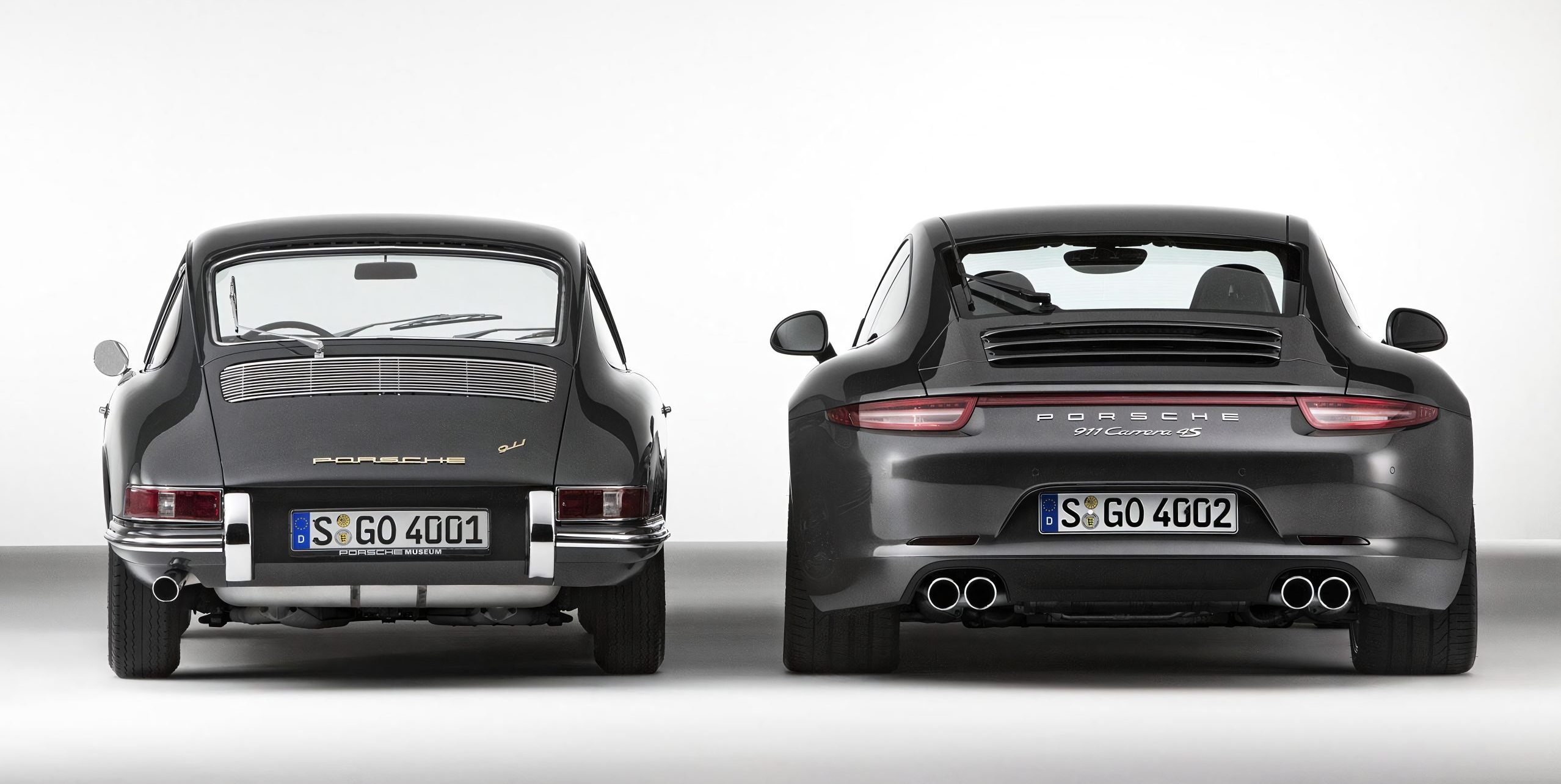
They kept the same three digits and simply swapped the zero for a one. The number nine stayed put. The number one at the end stayed put. Only that middle character changed, transforming 901 into 911 with minimal disruption to anything already in motion.
This solution solved the legal problem instantly, since Peugeot’s claim specifically targeted the zero in the middle position. Once that digit disappeared, the naming conflict evaporated entirely, and Porsche’s engineers, marketers, and dealers could move forward without further legal exposure in French or European markets.
Looking back, it’s remarkable how minor this adjustment actually was on paper, yet how permanent its impact became. A single character move, driven purely by legal necessity rather than creative branding strategy, produced the exact three digits that would eventually become shorthand for automotive excellence around the globe. Few corporate decisions have aged this well by accident.
Why the Name Change Mattered
Consider what could have happened if Porsche had chosen differently. A completely new name might have lacked the crisp, memorable quality that 911 eventually carried into racing circuits, magazine covers, and pop culture references spanning six decades. Simplicity turned out to be an accidental strength.
Numbers carry weight in the auto industry, and three-digit badges were already common shorthand for performance and prestige among European manufacturers. By keeping the same digit count and adjusting only one character, Porsche preserved that established naming logic while sidestepping legal trouble entirely.
There’s also something to appreciate about how little fanfare surrounded this change at the time. No press conference explained the swap. No advertising campaign highlighted the story behind the badge. Buyers in the mid-1960s likely had no idea their new sports car almost wore a different number, and that quiet transition probably helped the name settle into public consciousness without any confusion or hesitation.
Years later, automotive writers and historians began digging into Porsche’s early archives, uncovering the Peugeot connection and turning it into one of the more entertaining footnotes in car manufacturing history.
What started as a legal headache became a story followers now enjoy sharing, precisely because the outcome worked out so well for everyone except perhaps Peugeot’s sense of missed opportunity.
Peugeot’s Own Numbering Pattern
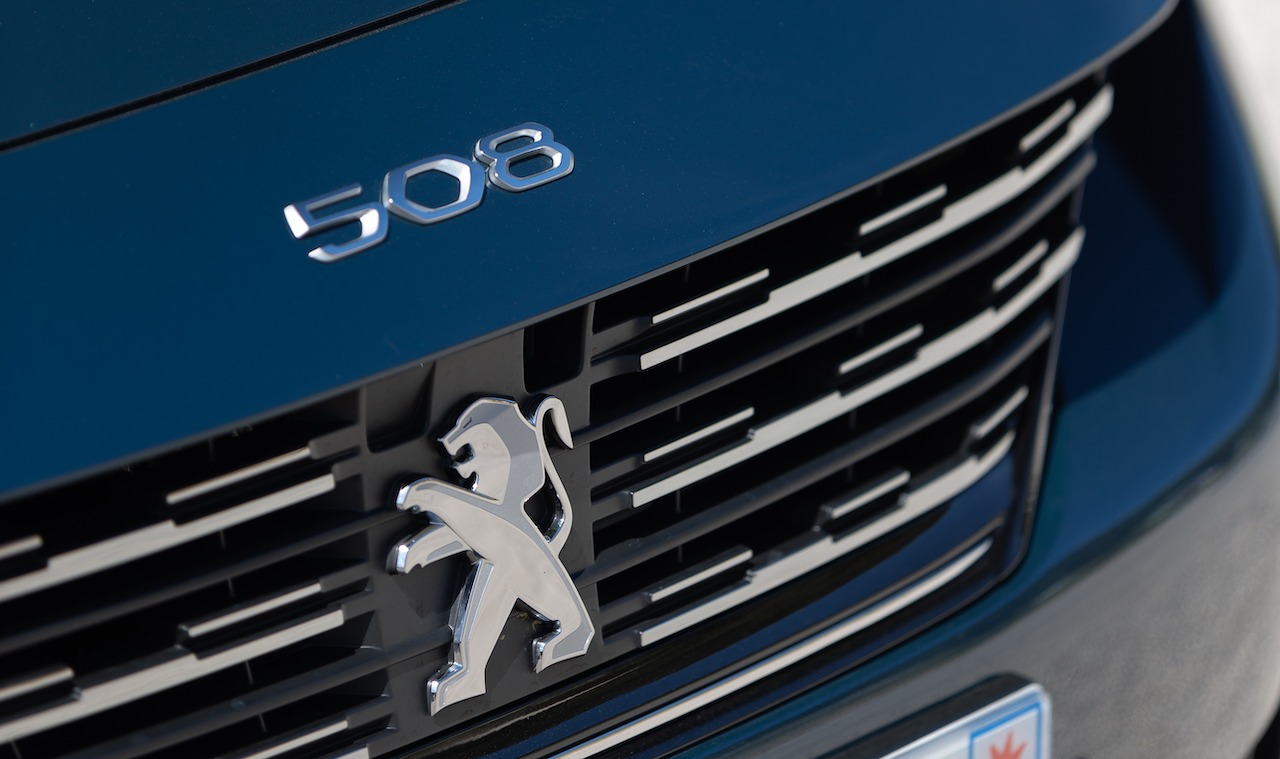
Peugeot had been using its trademark three-digit naming system for many years before Porsche displayed its prototype at a motor show. The French automaker had built its lineup around names featuring a zero in the middle, creating a naming style that became closely connected with its vehicles and brand identity.
That naming system remained in place long after the disagreement with Porsche. Models from different vehicle classes and generations continued carrying the familiar three-digit format. For many car enthusiasts, the middle zero remains strongly associated with Peugeot’s history and the way its vehicles have been named for decades.
Interestingly, Peugeot never produced a road car or racing vehicle called the 901. The closest example was the 905, a sports prototype that went on to achieve major success at Le Mans. It won the famous 24-hour endurance race in 1992 and again in 1993.
There is an unusual detail behind the dispute. Peugeot pushed Porsche to rename its planned 901 because the company wanted to protect its established naming system, even though Peugeot had never used 901 itself. The decision may have been driven by brand protection, careful business planning, or a desire to keep future naming options open.
Whatever the reason, the episode became an interesting part of automotive history and helped preserve Peugeot’s familiar three-digit naming formula for future models.
The Legacy Today
More than six decades after its introduction, the Porsche 911 remains one of the most recognised names in the automotive industry. Car enthusiasts immediately associate the number with careful engineering, racing achievements, and a design that has changed with each generation while still keeping the character created by Butzi Porsche in the early 1960s.
Whenever people talk about a Porsche 911 today, they are also referring to a name that came from an unexpected legal issue. Porsche had planned to use another number, but a trademark concern forced the company to make a quick change. What looked like a small adjustment eventually became one of the most familiar names in motoring.
The story is a good example of how an unexpected problem can produce an excellent result. Porsche was not trying to create a legendary naming system when it changed the number. The company simply needed a practical solution that would allow the new sports car to move forward without creating a legal dispute. That decision worked better than anyone could have expected.
Today, the 911 name appears on racing machines, video games, film posters, magazines, and cars owned by enthusiasts. Its history gives the name an interesting story that many people may not know.
A simple disagreement involving Peugeot’s three-digit naming system helped shape Porsche’s future. What began as a legal concern eventually became part of car culture, showing that some of the strongest brand identities can come from circumstances that were never planned and remembered by drivers today.
