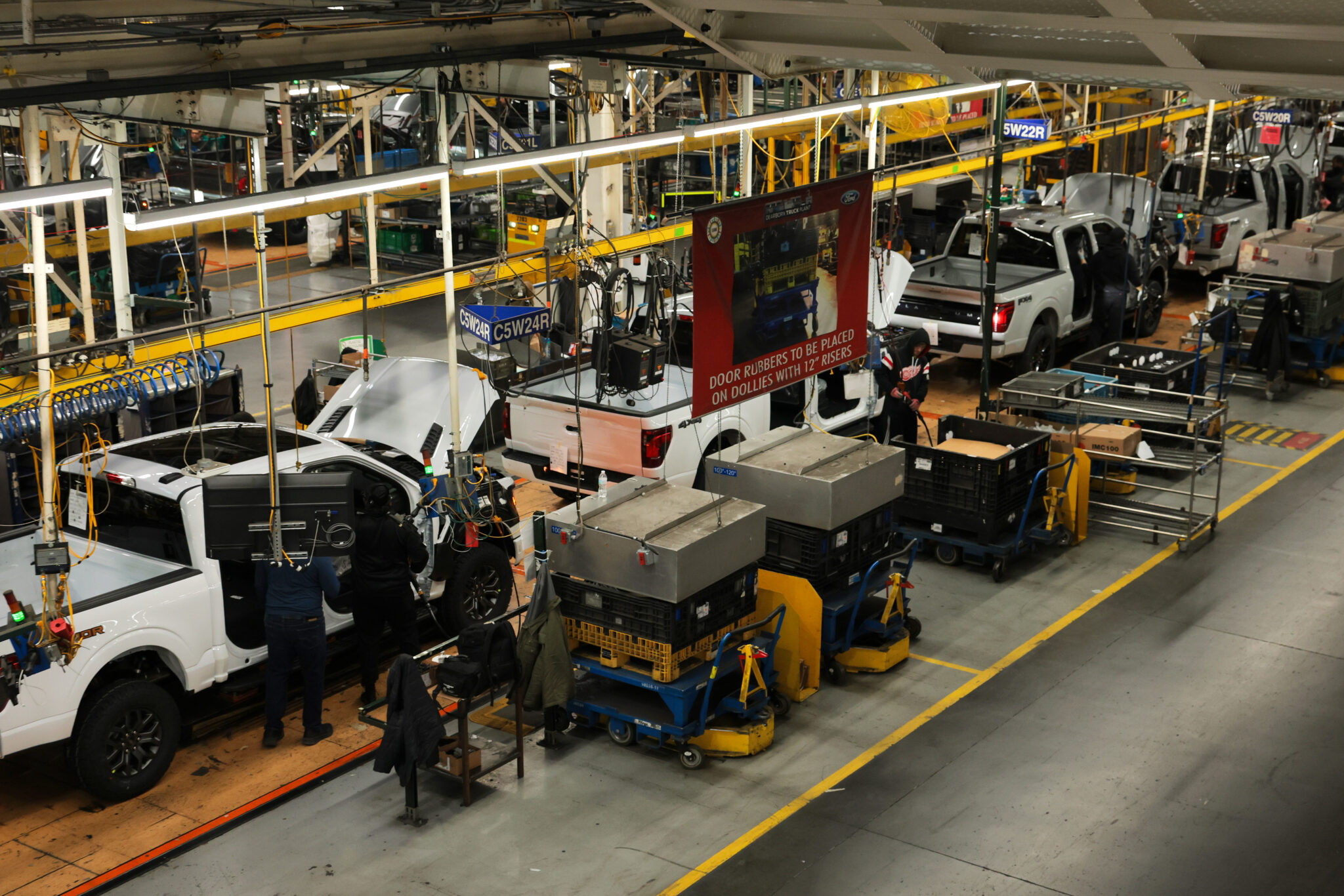
Detroit’s major automakers are preparing to caution the Trump administration that proposed changes to the North American trade agreement could cost the US automotive sector billions of dollars and weaken its ability to compete with overseas manufacturers, according to a report published on 13 August.
The companies are already dealing with the effects of tariffs introduced in 2025 on steel, aluminium and automotive components imported from Mexico and Canada. They fear the latest proposals, which were introduced ahead of September discussions with Mexican officials, could place additional pressure on their costs.
One of the most disputed proposals is the administration’s plan to require vehicles to contain at least 50% US-made content to qualify for reduced tariffs. This would be introduced alongside a separate proposal to increase the overall North American content requirement from 75% to 92%.
Estimates provided by two of the automakers suggest that implementing both measures could increase annual costs by at least $2 billion for each of Detroit’s major manufacturers.
The proposed changes would come on top of tariff costs the companies are already facing. GM estimates that tariffs could generate $2.5 billion to $3.5 billion in gross costs during the year, potentially reducing its operating profit by around 20%. Ford, meanwhile, has estimated its net tariff impact at approximately $1 billion.
The automakers have also already absorbed substantial losses connected with changes to their electric-vehicle strategies after President Trump removed the $7,500 federal EV tax credit in September 2025 and halted new investments linked to the Inflation Reduction Act.
Ford demonstrated how it is responding to the growing pressure on 12 August, when it announced plans to move Lincoln Nautilus production for the US market from China to the United States. The company directly cited tariffs as a factor behind the decision.
In an interview with Commerce Secretary Howard Lutnick, Ford CEO Jim Farley acknowledged that the company may have been slow to anticipate Washington’s push for greater domestic production but said it had since understood the administration’s direction. Lutnick indicated that he would like to see other automakers take similar steps.
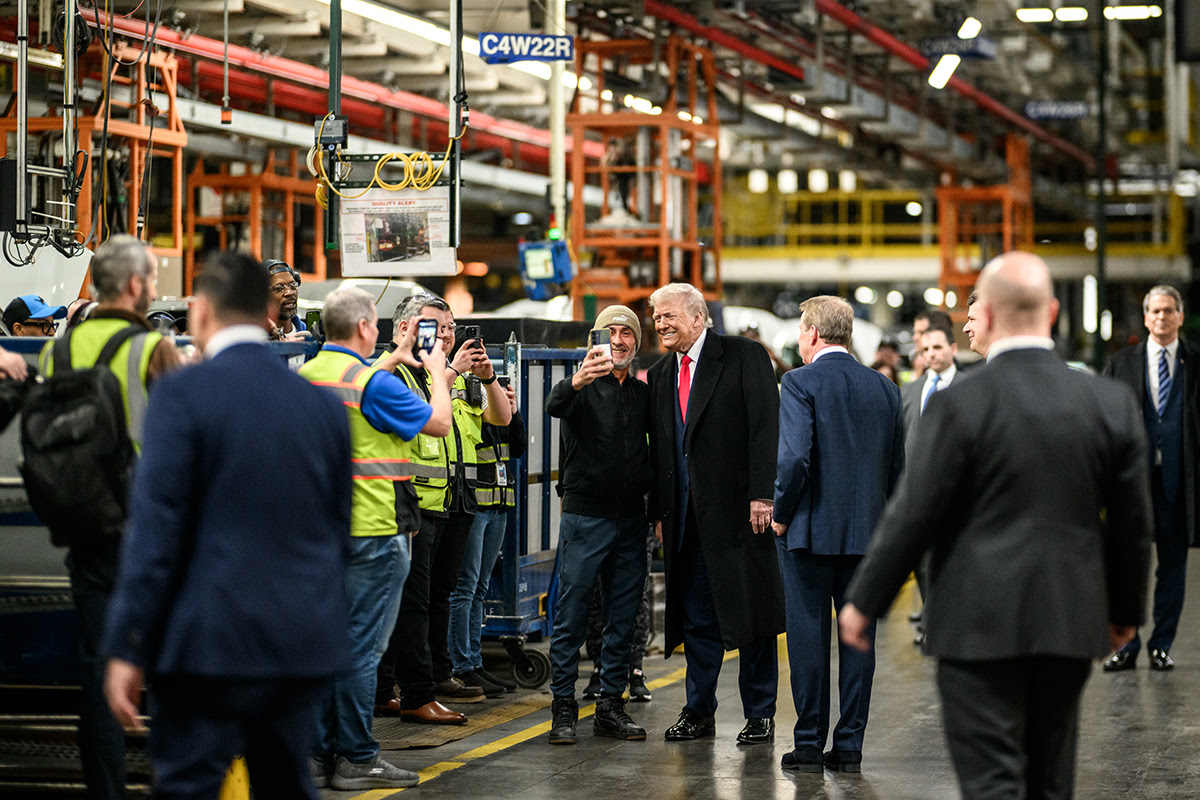
The timing of these developments is significant. A fourth round of US-Mexico trade negotiations is expected next month, while Canadian officials have been holding discussions with US representatives to prevent another round of tariffs that could soon come into effect.
This raises the possibility that recent decisions to move production back to the US are serving not only as responses to tariff-related costs associated with China but also as signals intended to influence Washington during the negotiations.
Detroit’s automakers argue that the current tariff system may actually be disadvantaging the companies it was intended to protect. The American Automotive Policy Council, which represents Ford, GM and Stellantis, has highlighted the 15% tariff applied to Japanese, South Korean and European automakers exporting vehicles to the US.
Although the rate is intended to pressure foreign manufacturers, Detroit argues that it is considerably lower than the effective burden created by North American content requirements.
GM CEO Mary Barra said in July that the company’s priority was to ensure US automakers could compete successfully against companies facing those tariff rates. Nevertheless, the current structure appears to create an uneven competitive environment.
One US automotive executive told that the difference may partly reflect diplomatic influence rather than manufacturing economics. According to the executive, Japan and South Korea were able to secure quicker and more favourable trade agreements because their governments could advocate for their automakers as part of wider national-security negotiations.
Jennifer Safavian of Autos Drive America, which represents international manufacturers such as Toyota and Hyundai in the US, disputed the idea that the negotiations primarily benefit foreign companies. She argued that the discussions are important to all automakers because international brands producing vehicles in the US also depend heavily on locally sourced components.
The disagreement comes as the wider North American trade framework undergoes significant changes. In July, the Trump administration chose not to extend the USMCA for another 16-year period and instead opted for annual reviews. While the agreement remains in effect, the new approach could result in prolonged renegotiations.
Another proposal introduced during talks in Mexico City in May would establish a 50% US-specific content requirement, the first country-specific threshold of its kind under USMCA. The proposal effectively excludes Canada from a provision that remains under negotiation.
Measures intended to encourage manufacturing within the United States could end up placing greater pressure on automakers that have built deeply integrated North American supply chains.
Detroit manufacturers have spent decades operating production networks across the US, Mexico and Canada, leaving them more exposed to cross-border tariff requirements.
In contrast, foreign automakers that have established manufacturing facilities in the US South can, in some cases, avoid part of that exposure, creating an ironic disadvantage for Detroit’s traditional manufacturers.