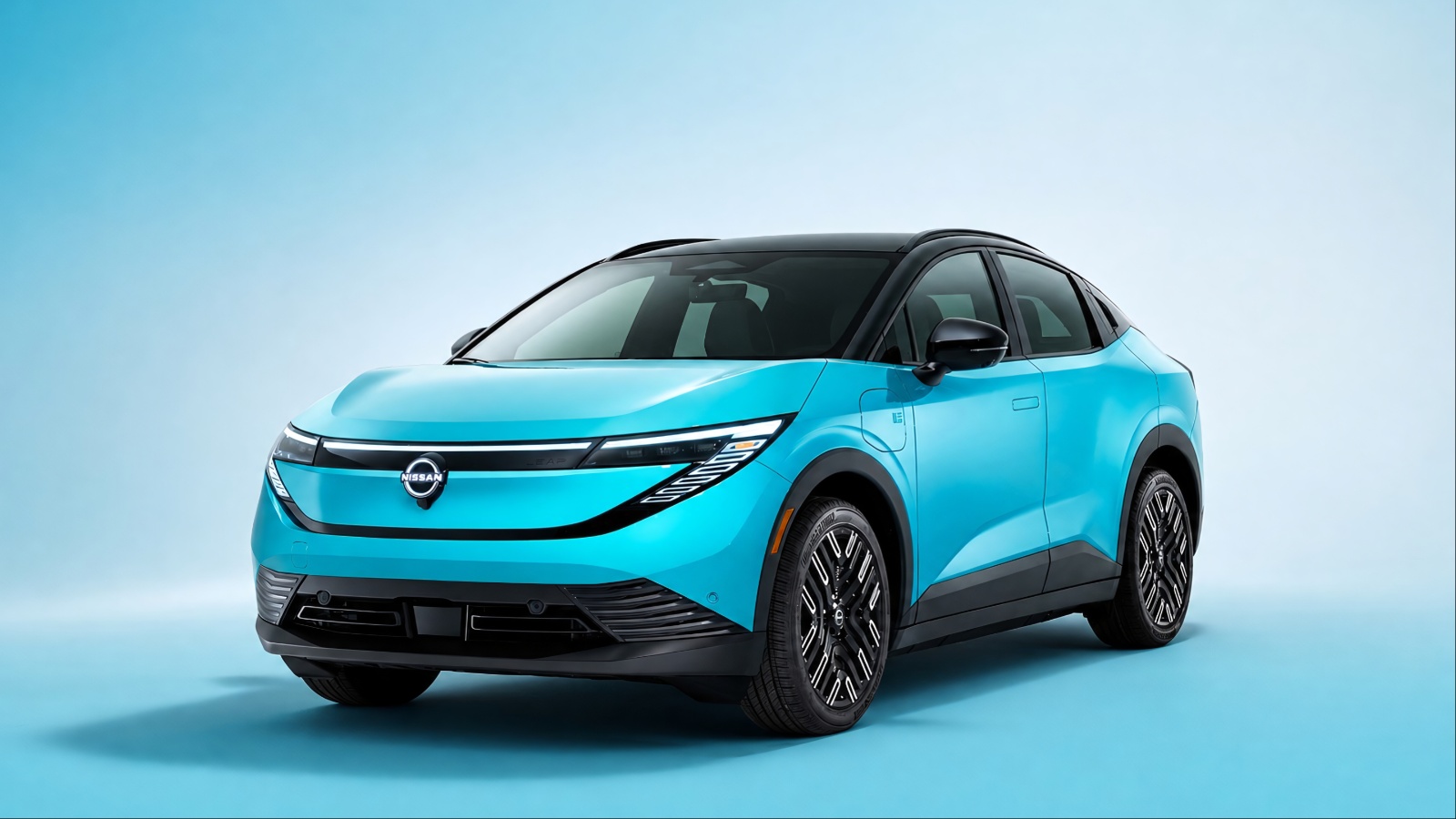
The US electric vehicle market took an unexpected pricing turn in 2026. Some automakers lowered sticker prices, introduced cheaper trims, or offered aggressive incentives to attract buyers after federal EV tax credits ended.
At the same time, several popular electric models became more expensive as manufacturers reduced discounts, adjusted trim levels, or responded to changing demand. This created a complicated market for shoppers comparing electric SUVs, sedans, and performance models.
From the Hyundai Ioniq 5 and Kia EV6 to the Volkswagen ID.4 and Kia EV9, several EVs became more affordable in meaningful ways during 2026. Here are the models worth watching.
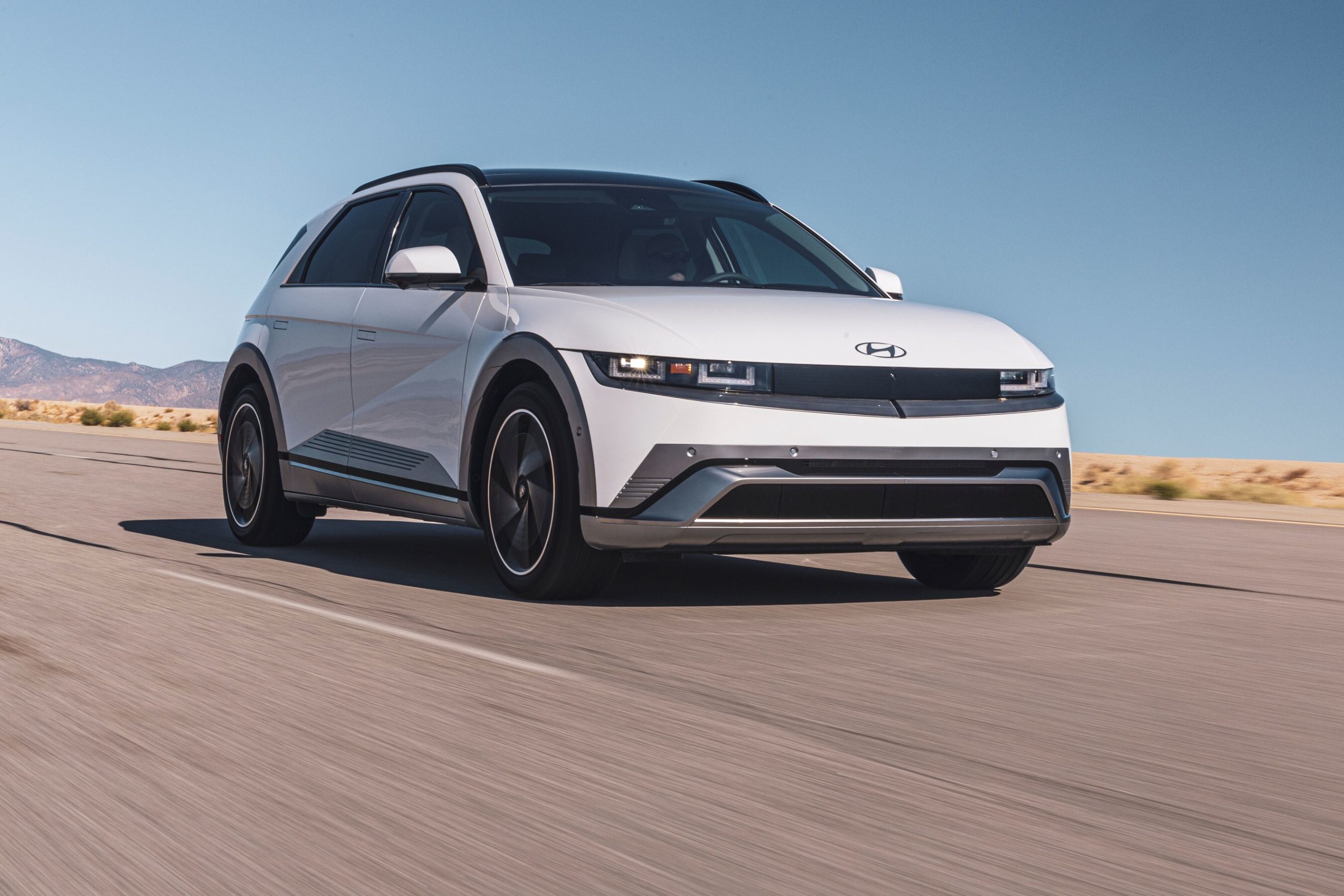
1. Hyundai Ioniq 5
The 2026 Hyundai Ioniq 5 stands out as perhaps the clearest example of an EV becoming cheaper in the US. Hyundai substantially reduced pricing across the lineup after the federal EV tax credit expired.
The 2026 Ioniq 5 SE Standard Range starts at $36,600 before destination charges, representing a $7,600 reduction from the comparable 2025 model. Several higher trims received even larger cuts. The SEL versions dropped by $9,800, while the Limited and XRT trims also received reductions of more than $9,000.
Hyundai said the changes were intended to improve competitiveness and make the vehicle more accessible as the US EV market changed.
The price reduction is significant because the Ioniq 5 did not simply become cheaper by removing major equipment. The 2026 model continues to offer the familiar retro-inspired design, spacious cabin, fast charging capability and multiple battery configurations.
Hyundai also includes a dual-amperage Level 1 and Level 2 charging cable across the lineup. That means buyers are receiving a lower starting price while retaining much of the equipment that made the Ioniq 5 competitive in the first place. For shoppers who previously considered the vehicle too expensive, the lower MSRP changes the calculation considerably.
The Ioniq 5 also benefits from strong charging technology. Its 800-volt electrical architecture allows very rapid DC fast charging at compatible stations, making it attractive to drivers who regularly take longer road trips.
Range varies by configuration, battery and drivetrain, so buyers need to compare trims carefully rather than relying only on the headline starting price. The entry version is aimed at affordability, while higher versions provide greater range, additional equipment and available all-wheel drive.
The pricing strategy makes the Ioniq 5 particularly interesting for consumers who want a mainstream electric crossover without moving into luxury-vehicle pricing.
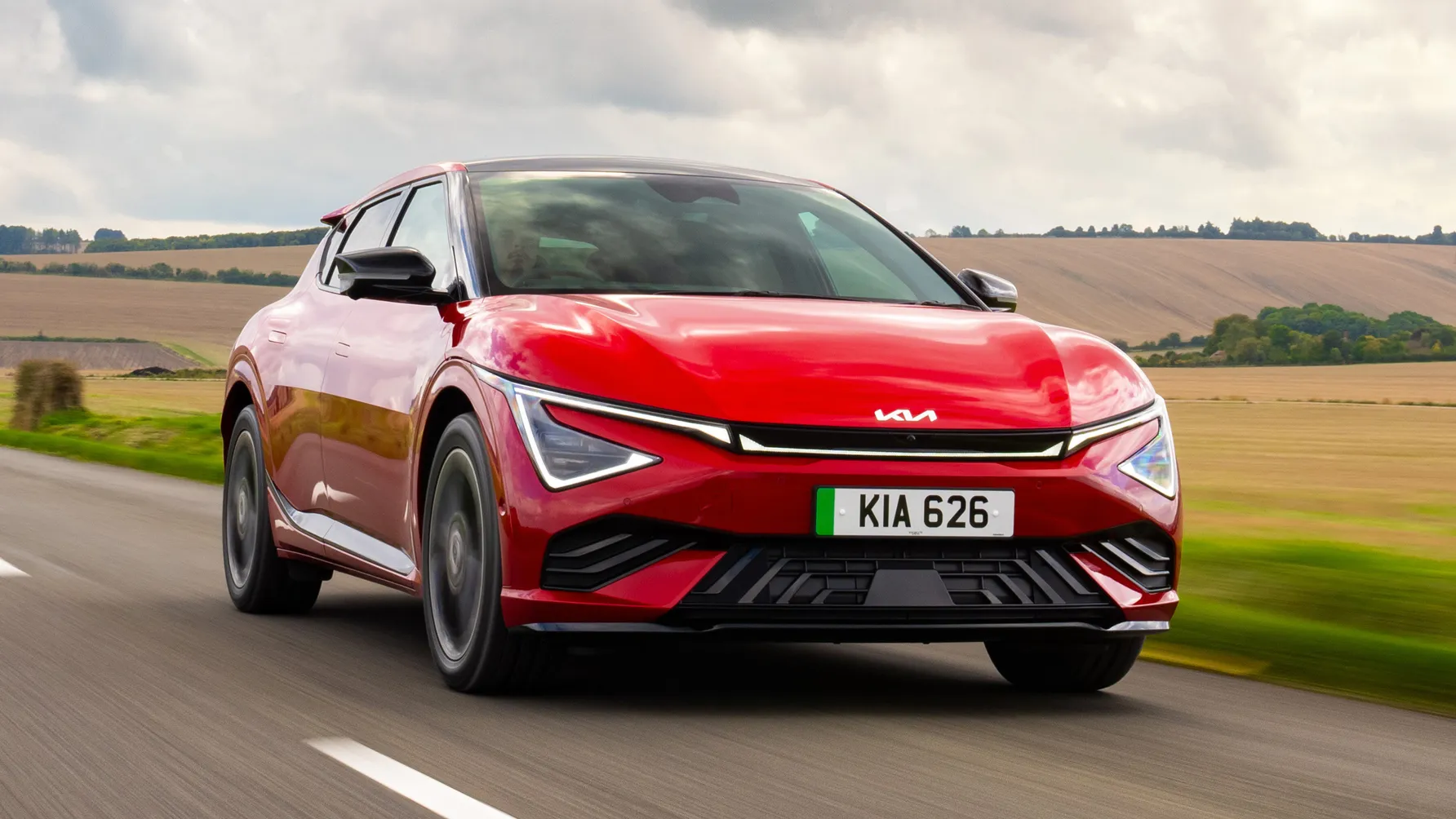
2. Kia EV6
The 2026 Kia EV6 received a major pricing adjustment that made it significantly less expensive than the outgoing model. Kia announced a starting MSRP of $37,900 before destination charges for the Light Standard Range rear-wheel-drive version. Including the $1,545 destination charge, the effective starting figure is $39,445.
That compares with $44,445 for the comparable 2025 model when destination was included. Depending on trim, the reductions reach roughly $5,000 or more. Kia also added a dual-voltage charging cable as standard equipment, increasing the value proposition for buyers who plan to charge at home.
The EV6 remains a distinctive choice because it combines crossover practicality with a low, sporty profile. Its platform is closely related to the Hyundai Ioniq 5, giving it access to fast charging technology and a range of drivetrain choices.
Depending on configuration, the 2026 EV6 offers rear-wheel drive or all-wheel drive and an EPA-estimated range extending to roughly 319 miles.
That combination makes the lower price particularly meaningful. Buyers are not simply getting a basic city EV. They are getting a vehicle designed for daily commuting, highway travel and rapid charging.
Kia’s decision also reflects the changing competitive environment. The EV6 was launched as a relatively premium electric crossover, with pricing that placed it above several mainstream electric models. As more manufacturers introduced lower-priced EVs, the gap became harder to justify.
Reducing the price gives the EV6 a clearer position between mainstream crossovers and higher-priced performance or luxury EVs. It also allows Kia to appeal to customers who may have considered the vehicle too expensive when the previous model was introduced.
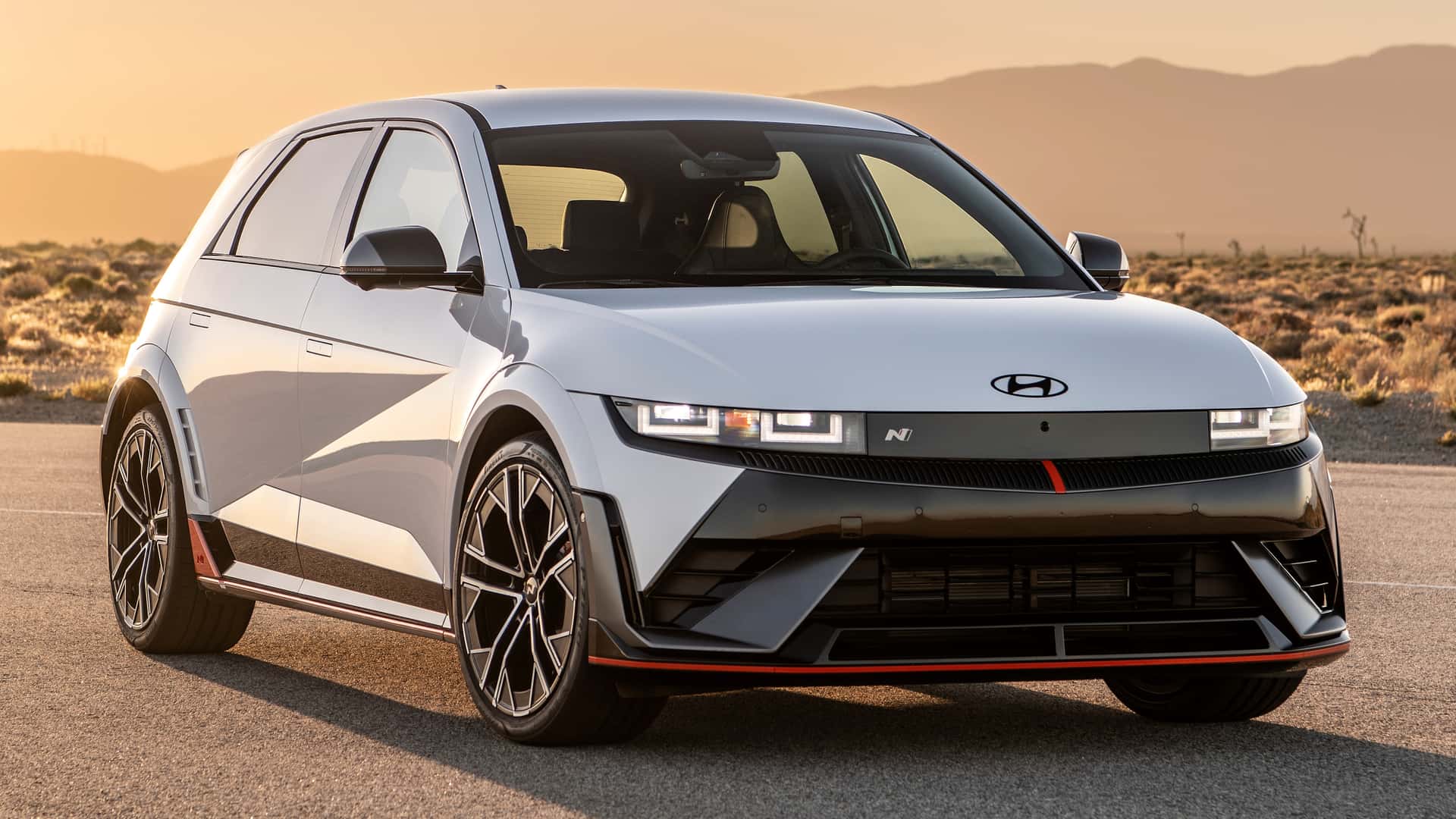
3. Hyundai Ioniq 5 N
Performance EVs usually command substantial prices, but Hyundai moved in the opposite direction with the 2026 Ioniq 5 N. The high-performance electric crossover received a $6,300 MSRP reduction for 2026.
Its new starting MSRP is $59,900 before destination charges, compared with $66,200 for the previous model. With the destination charge included, the starting figure reaches $61,500. That is a substantial change for a vehicle producing up to 641 horsepower with N Grin Boost activated.
The Ioniq 5 N is different from the regular Ioniq 5 because Hyundai developed it around performance rather than simply efficiency. It has a more powerful dual-motor system, performance-oriented suspension tuning, larger brakes, and software designed to provide a more engaging driving experience.
The vehicle can mimic certain characteristics of a high-performance combustion car through simulated gear changes and engine-style sounds. Those features will not appeal to every EV buyer, but they make the Ioniq 5 N unusual in a market filled with electric SUVs focused primarily on comfort and range.
A $6,300 reduction changes where the Ioniq 5 N sits in the performance market. Buyers who previously needed to spend substantially more for a high-output electric vehicle can now consider Hyundai’s model at a lower entry point.
It also gives the vehicle a clearer identity. The regular Ioniq 5 competes on practicality, range and charging, while the N version targets drivers who care about acceleration, handling and track capability. The lower price makes that performance proposition easier to justify.
The change also demonstrates that price cuts are not limited to entry-level EVs. Hyundai could have concentrated its cost reductions on the standard Ioniq 5 and left the performance model alone.
Instead, the company reduced the price of its flagship electric performance crossover. That move may help maintain interest while the market waits for additional high-performance EV products and as manufacturers reassess how much consumers are willing to pay for electric performance.
4. Cadillac Optiq
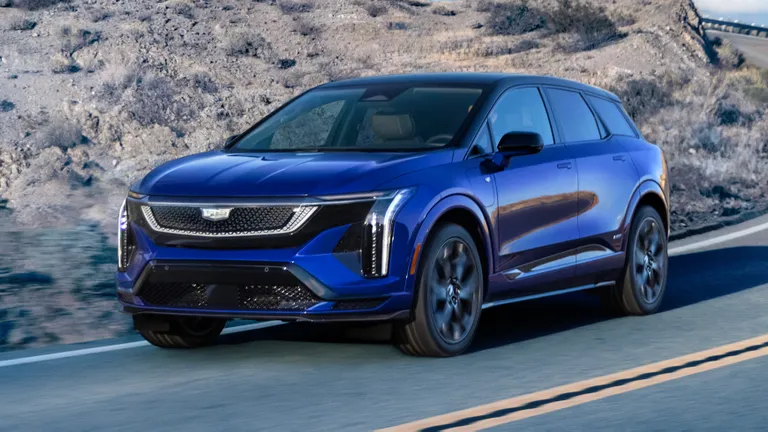
Cadillac also moved pricing in a more consumer-friendly direction with the 2026 Optiq. For the 2026 model year, Cadillac reduced the price of most Optiq versions by $1,995 compared with their 2025 counterparts.
The base rear-wheel-drive Optiq starts at $50,900 before applicable charges. That represents a reduction from the previous $52,895 starting MSRP. Cadillac also changed the basic powertrain strategy, with the entry version using a single electric motor driving the rear wheels.
The Optiq is positioned as a compact luxury electric SUV, giving buyers a more upscale alternative to mainstream EVs. Its standard equipment includes technology such as Super Cruise availability, a large 33-inch display, and a North American Charging Standard charging port.
The rear-wheel-drive version is rated for an EPA-estimated 317 miles of range. Those specifications make the lower price more interesting because Cadillac is not simply competing on purchase cost. It is also trying to provide the technology and interior presentation expected from a luxury brand.
Moving the base Optiq below $51,000 also puts pressure on nearby competitors. Luxury EV shoppers often compare vehicles based on equipment, range, charging access and monthly payments rather than badge alone.
Cadillac’s pricing gives the Optiq an opportunity to attract customers who might otherwise consider Audi, Lexus, Genesis or other premium electric SUVs. The strategy also helps Cadillac establish a more accessible entry point into its expanding EV lineup.
The powertrain change matters when comparing the 2026 Optiq with older versions. A lower starting price can be accompanied by changes in configuration, so shoppers should examine exactly what comes standard.
The rear-wheel-drive version provides a different experience from the dual-motor all-wheel-drive models. For many buyers, rear-wheel drive is perfectly suitable, especially when the vehicle’s primary role is commuting and family transportation. Customers living in areas with frequent snow may prefer the added traction of all-wheel drive.
5. Kia EV9
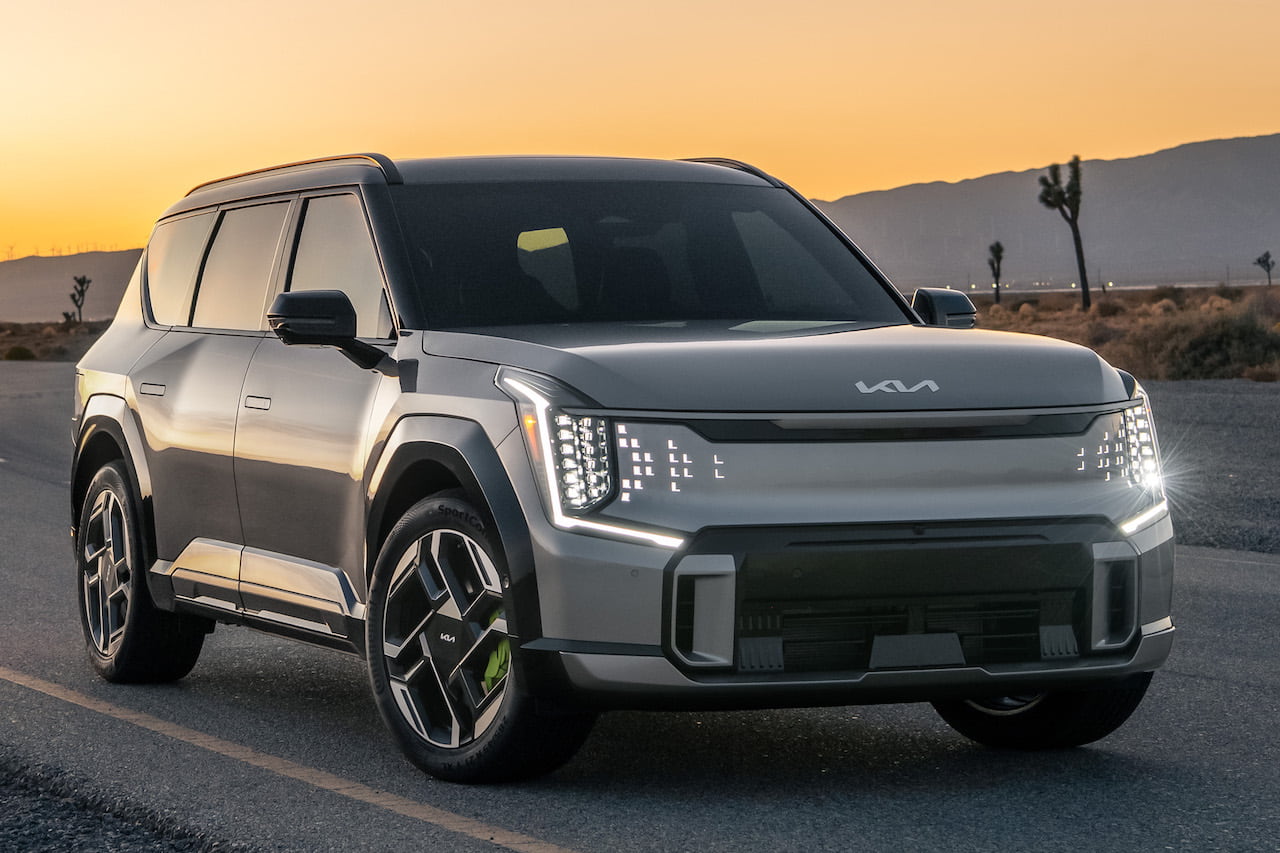
The Kia EV9 provides a different kind of price reduction because Kia did not cut the price of every version. The entry-level 2026 EV9 Light Standard Range remains at $56,395 including destination, matching the comparable 2025 price.
However, several more expensive trims became cheaper. The Light Long Range dropped by $2,000 to $59,395, while the Land AWD fell by $1,000 to $70,395. The GT-Line also dropped by $2,000 to $73,395.
The EV9 is significant because it is a large three-row electric SUV rather than a small crossover. Families often have fewer affordable electric options when they need three rows, substantial cargo space, and highway range.
The EV9 fills that gap with seating for six or seven depending on configuration. Its larger battery versions also provide considerably more range than the entry-level Light Standard Range. Lower pricing on the long-range and upper trims therefore gives families more incentive to consider a larger electric vehicle.
Kia also made modest equipment and range adjustments for 2026. The Light Long Range version delivers an EPA-estimated range of about 305 miles, an improvement over the previous version.
Some all-wheel-drive versions received small range gains as well. Kia also introduced a Nightfall appearance package for the Land trim without adding a separate charge for the package. These changes help the EV9 remain competitive without requiring a complete redesign.
The EV9’s pricing story is particularly notable because large SUVs have traditionally commanded high prices. Keeping the base price steady while reducing prices on several higher trims makes the upper portion of the lineup more accessible.
A buyer who wants long range or a more luxurious configuration does not necessarily have to pay more simply because the vehicle has moved into a new model year. That is valuable at a time when many new vehicles are receiving price increases.
6. Volkswagen ID.4
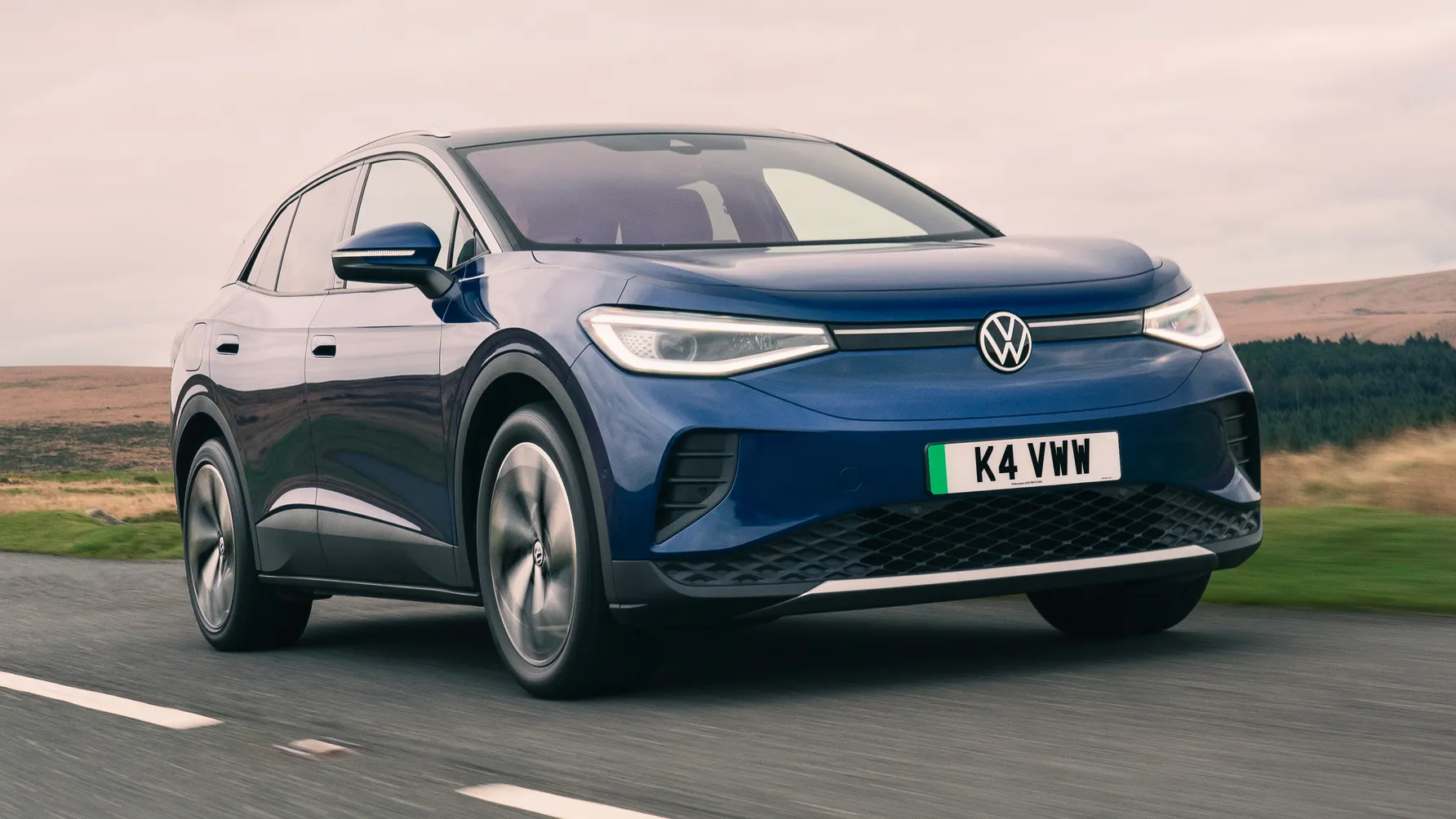
The Volkswagen ID.4 became an interesting bargain in 2026 through incentives and remaining inventory rather than a dramatic new-model MSRP reduction. Volkswagen’s US website lists the 2026 ID.4 with a starting MSRP of $45,095 and a 291-mile EPA-estimated range for the Pro version.
More importantly, Volkswagen has offered substantial customer incentives as the model approaches the end of its US run. Edmunds listed $6,000 in customer bonus cash for qualifying buyers during July 2026.
The ID.4 has always competed on comfort, practicality, and straightforward design rather than extreme performance. Its cabin provides useful passenger space, while the electric platform gives it a low center of gravity and smooth power delivery.
The Pro version’s 291-mile EPA-estimated range remains competitive for its class. For shoppers who can find qualifying inventory, the combination of a substantial manufacturer incentive and an established electric SUV platform can make the effective purchase price much lower than the advertised MSRP.
The model’s future also affects pricing. The ID.4 is being phased out after the 2026 model year, according to reporting based on Edmunds information.
That creates a familiar situation in the automotive industry: manufacturers and dealers have an incentive to move remaining inventory before production ends. Buyers may therefore encounter discounts that are not available on newer or higher-demand EVs. Inventory, color, trim, and location become particularly important when shopping for a vehicle in this situation.
There is a downside to buying a vehicle nearing the end of its production cycle. Future parts availability and resale values deserve consideration, even if Volkswagen continues supporting the vehicle.
Buyers should also compare a discounted ID.4 with newer EVs before making a decision. A large discount can make an outgoing model attractive, but a newer vehicle may offer more advanced software, improved charging capability, or longer range.
7. Ford Mustang Mach-E
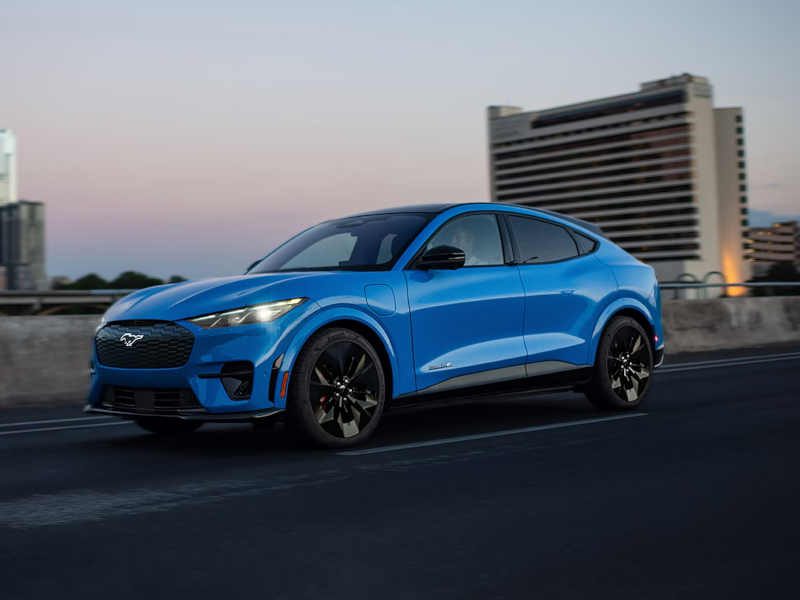
The Ford Mustang Mach-E became more affordable for many US shoppers through incentives rather than a sweeping MSRP reduction. During July 2026, available programs included $3,000 in total cash offers in some circumstances, while Ford also offered a $2,000 public charging credit for customers purchasing or leasing eligible 2025 and 2026 Mach-E models.
KBB also listed promotional financing for the 2026 Mach-E. These programs can reduce the effective cost of ownership even when the advertised sticker price remains relatively stable.
The Mach-E remains a distinctive electric crossover because Ford has given it a strong performance-oriented character. It combines a practical crossover body with Mustang-inspired styling and responsive electric power.
Different versions provide different combinations of range, performance and all-wheel-drive capability. Buyers therefore have several ways to configure the vehicle based on budget and driving priorities. The incentives are especially useful for customers who might otherwise move toward a less expensive mainstream EV.
Ford’s strategy also shows how charging benefits have become part of EV pricing. A public charging credit does not lower the vehicle’s MSRP, but it can reduce early ownership costs.
This matters for first-time EV buyers who are uncertain about charging expenses. A vehicle purchase involves more than the initial transaction. Electricity, home charging equipment, public charging, and maintenance all contribute to the long-term financial picture.
The Mach-E also faces competition from newer electric crossovers that offer increasingly competitive range and technology. Ford therefore has an incentive to keep the Mach-E attractive without relying exclusively on sticker-price reductions.
Incentives allow the company to respond to market conditions while maintaining an established MSRP structure. For buyers, that means the advertised price may not tell the entire story.
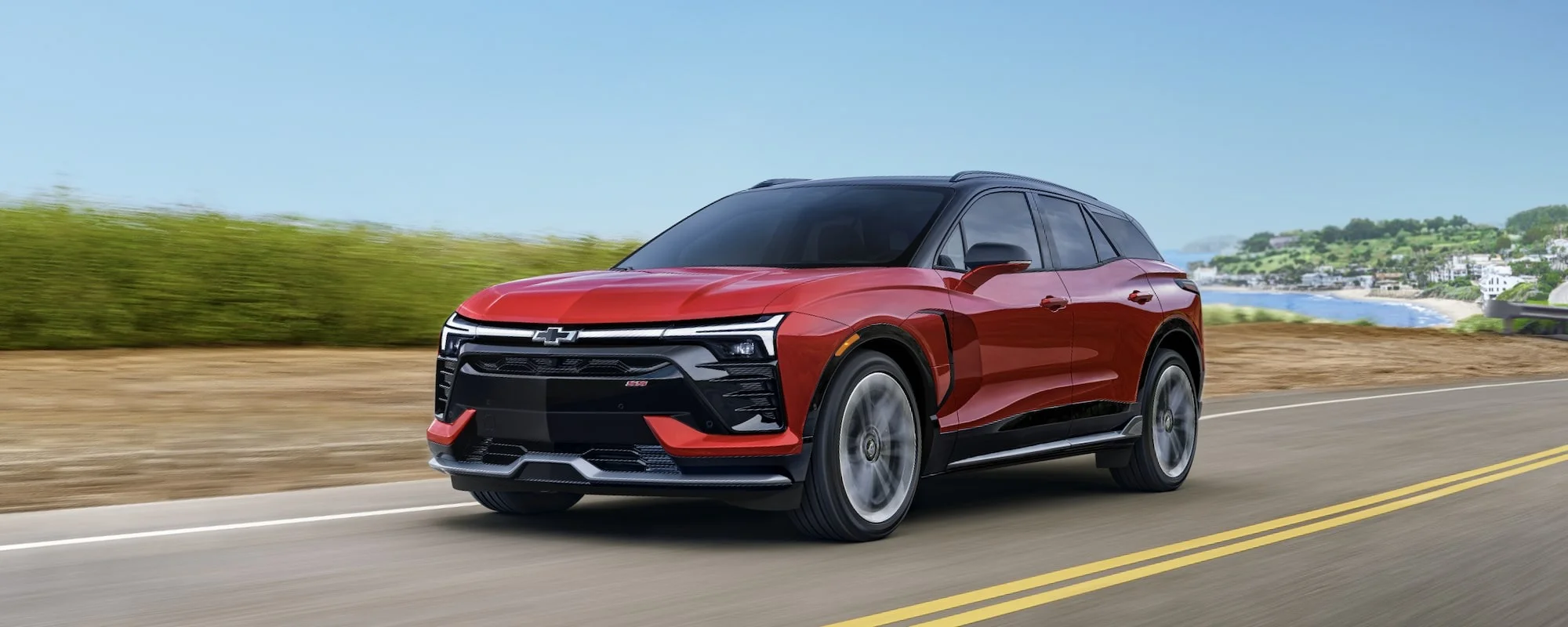
8. Chevrolet Blazer EV
The Chevrolet Blazer EV is another example of an electric vehicle becoming more affordable through discounts and incentives. Chevrolet lists the 2026 Blazer EV with a starting price of $44,700 before applicable charges.
During 2026, Chevrolet also advertised cash allowances, while dealer and customer programs could provide additional savings for qualifying buyers. KBB reported that national average Fair Purchase Prices were several thousand dollars below MSRP for certain Blazer EV trims.
The Blazer EV offers a useful middle ground for buyers who want an electric SUV with more space than a compact crossover. Depending on trim and drivetrain, the vehicle can provide up to about 312 miles of EPA-estimated range.
Chevrolet also offers Super Cruise on applicable configurations, giving the Blazer EV a technology feature that can make long highway drives easier. These characteristics help the vehicle compete with electric SUVs from Ford, Hyundai, Kia and Tesla.
The pricing situation becomes even more interesting when considering available dealer incentives. During July, programs included customer cash, conquest offers and other targeted discounts.
Some incentives were temporary and subject to eligibility requirements, so they should not be treated as guaranteed reductions for every buyer. However, the presence of several programs demonstrates the pressure manufacturers and dealers face when moving EV inventory.
The Blazer EV’s pricing also needs to be considered against the Equinox EV, which sits below it in Chevrolet’s electric lineup.
The Equinox is smaller and more value-focused, while the Blazer aims at buyers who want a more premium experience and stronger performance. A discounted Blazer can therefore become attractive when the gap between the two vehicles narrows after incentives.
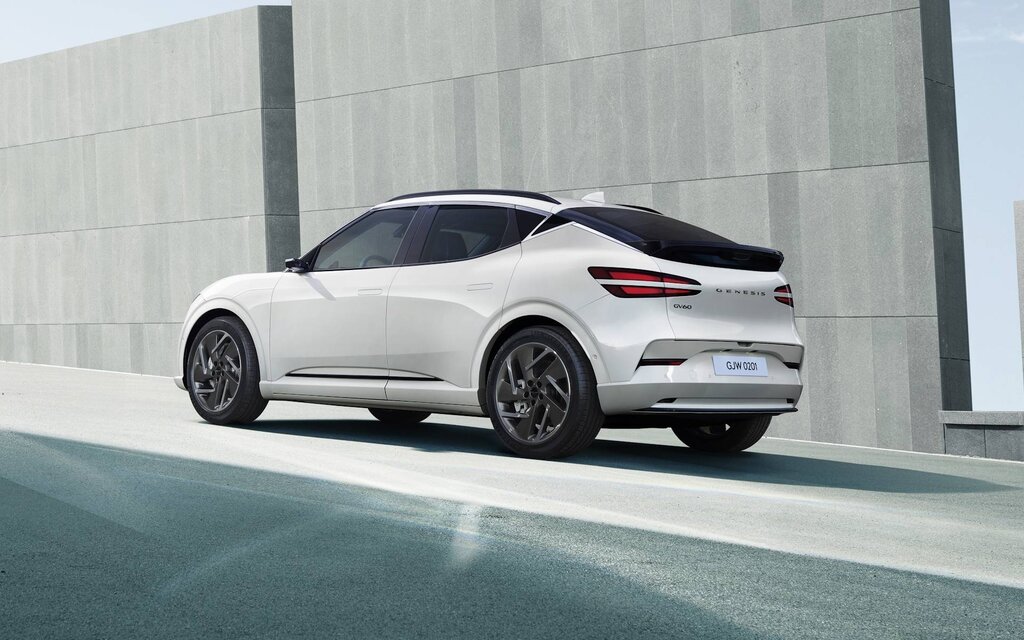
9. Genesis GV60
The 2026 Genesis GV60 has a more complicated pricing story, but certain versions became cheaper. The updated model received a larger 84-kWh battery, increased range, and additional technology.
The base RWD version rose slightly in price, while the Advanced trim fell from $62,395 for 2025 to $60,900 for 2026 when comparing the published figures. Genesis has also advertised bonus offers for the 2026 GV60 in the US, creating additional opportunities for qualified shoppers.
The GV60 competes in the premium electric crossover segment, where buyers expect sophisticated interiors, strong performance, and advanced technology. For 2026, Genesis increased the battery capacity and pushed maximum range to an estimated 306 miles.
The vehicle also gained a native NACS charging port, making access to compatible Tesla Supercharger locations more convenient. Wireless Apple CarPlay and Android Auto became standard, while a large 27-inch OLED display combines key information and infotainment functions.
The Advanced trim’s lower price is particularly relevant because it sits between the base model and the performance-oriented version. A buyer can access more equipment without paying the previous model year’s price for the same trim.
This is a useful illustration of why shoppers need to compare individual configurations rather than simply comparing the lowest advertised starting prices between model years.
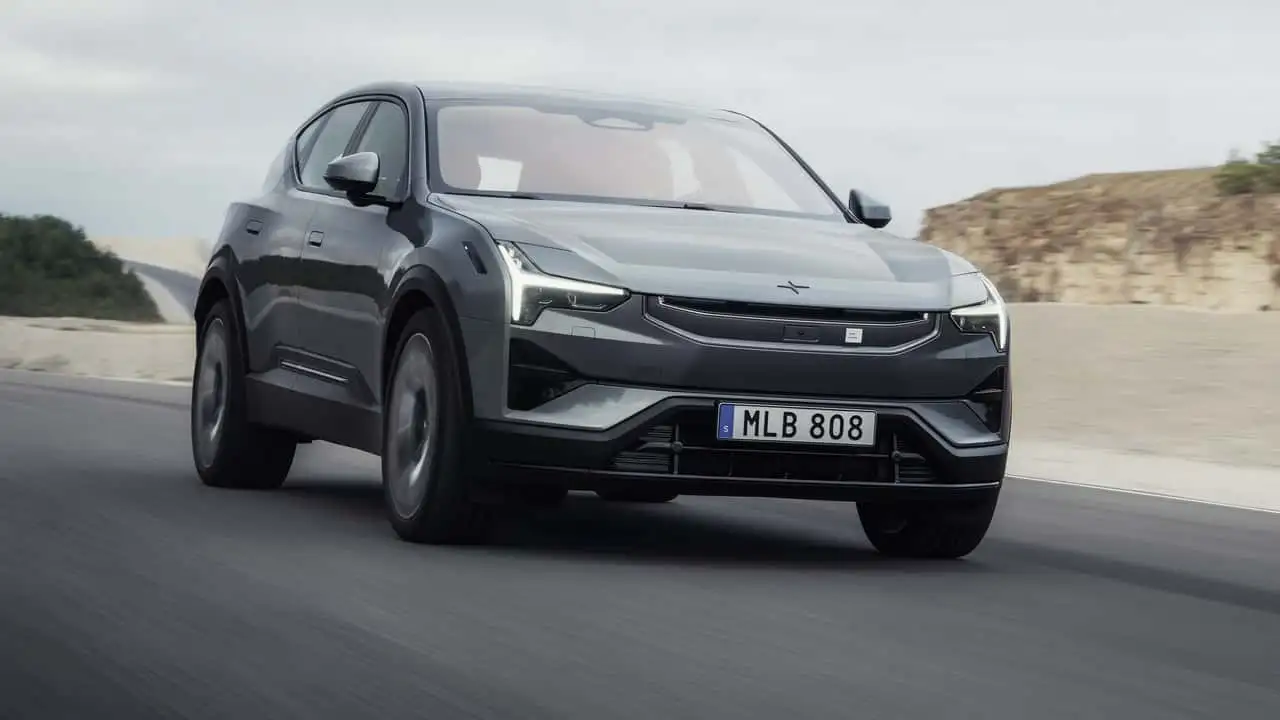
10. Polestar 3
The Polestar 3 became a major discount story in the US during 2026, particularly for remaining 2025 inventory. Polestar advertised a Clean Vehicle Incentive of up to $23,000 on qualifying 2025 Polestar 3 vehicles purchased with cash or promotional financing during July.
The company also advertised substantial lease incentives and additional loyalty bonuses for eligible customers. These offers can reduce the effective price by a very large amount compared with the original MSRP.
The Polestar 3 is positioned as a premium electric SUV with a strong emphasis on design, performance, and technology. Its higher starting price makes a large manufacturer incentive especially noticeable.
A discount of several thousand dollars on an inexpensive vehicle is meaningful, but a five-figure incentive on a luxury EV can fundamentally change the vehicle’s position in the market. That is why shoppers looking at premium electric SUVs should pay attention to manufacturer campaigns and outgoing inventory.
The important distinction here is model year. The major incentive cited above applied to qualifying 2025 Polestar 3 vehicles rather than meaning that Polestar permanently lowered the MSRP of the 2026 model.
Buyers should not interpret the promotion as a universal price reduction across every Polestar 3. Instead, it reflects the aggressive discounts available on remaining inventory as the company works through its US vehicle stock.
That distinction also creates a potential advantage for buyers who are comfortable purchasing an outgoing model. The vehicle may have most of the technology, performance, and equipment they want, while the discount can compensate for choosing an older model year.