Arizona does not publish a model blacklist that permanently bans particular cars from receiving license plates. The problem usually begins before the vehicle reaches the state counter.
Federal import law requires recent foreign market vehicles to satisfy American safety and emissions rules before they can be permanently brought into the country for road use. Arizona MVD then requires acceptable ownership documents and applicable inspections or emissions compliance before normal registration can be issued.
The ten vehicles below are specific models that create this problem when imported in their original overseas specification without an approved federal compliance pathway. They are not inherently illegal forever, and some could eventually qualify through federal certification procedures or age-based exemptions.
The key point is that buying one abroad, shipping it to Arizona, and presenting a foreign title is not enough. Each example must first have a lawful basis for permanent United States road use.
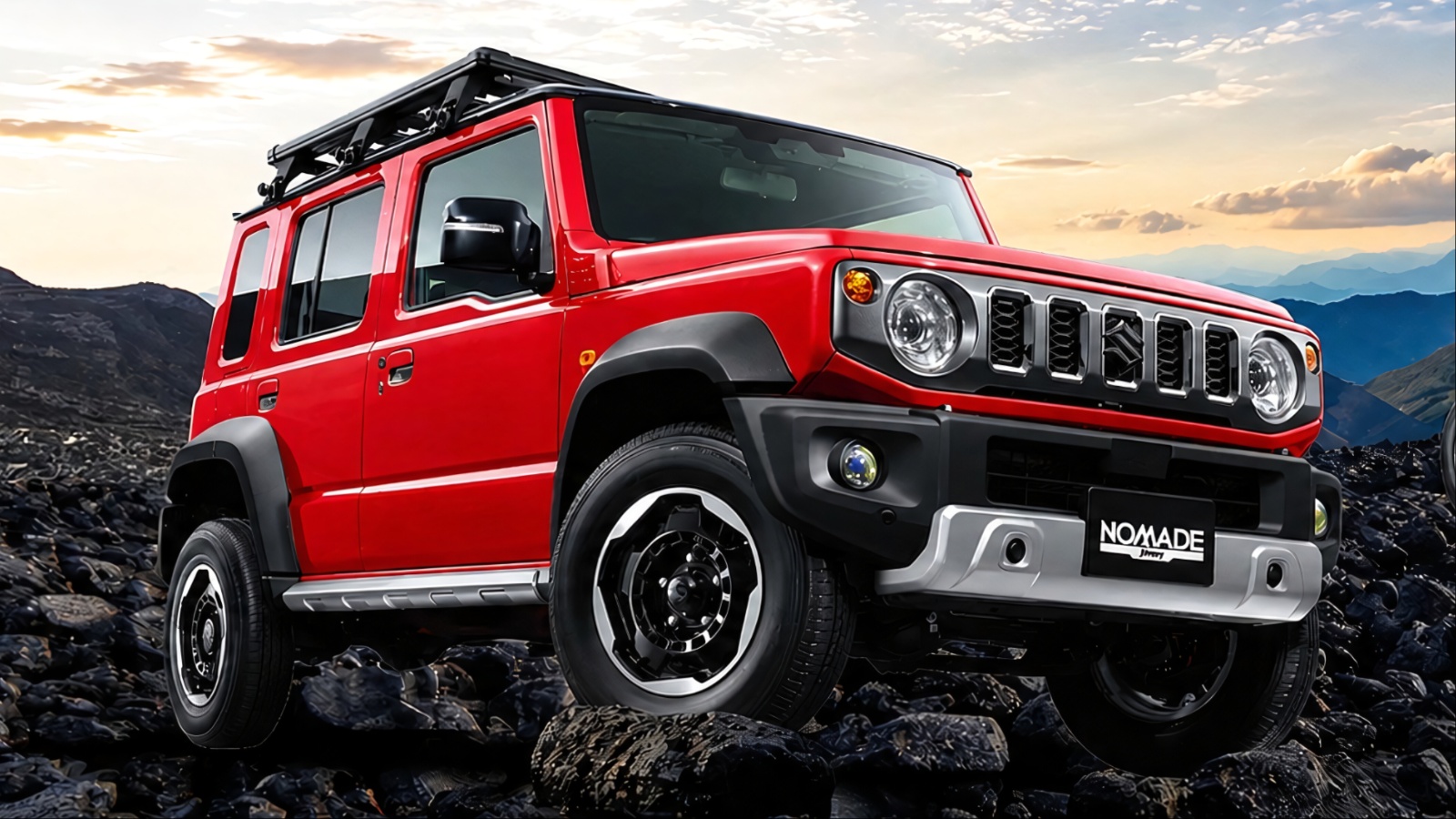
1. 2026 Suzuki Jimny Nomade
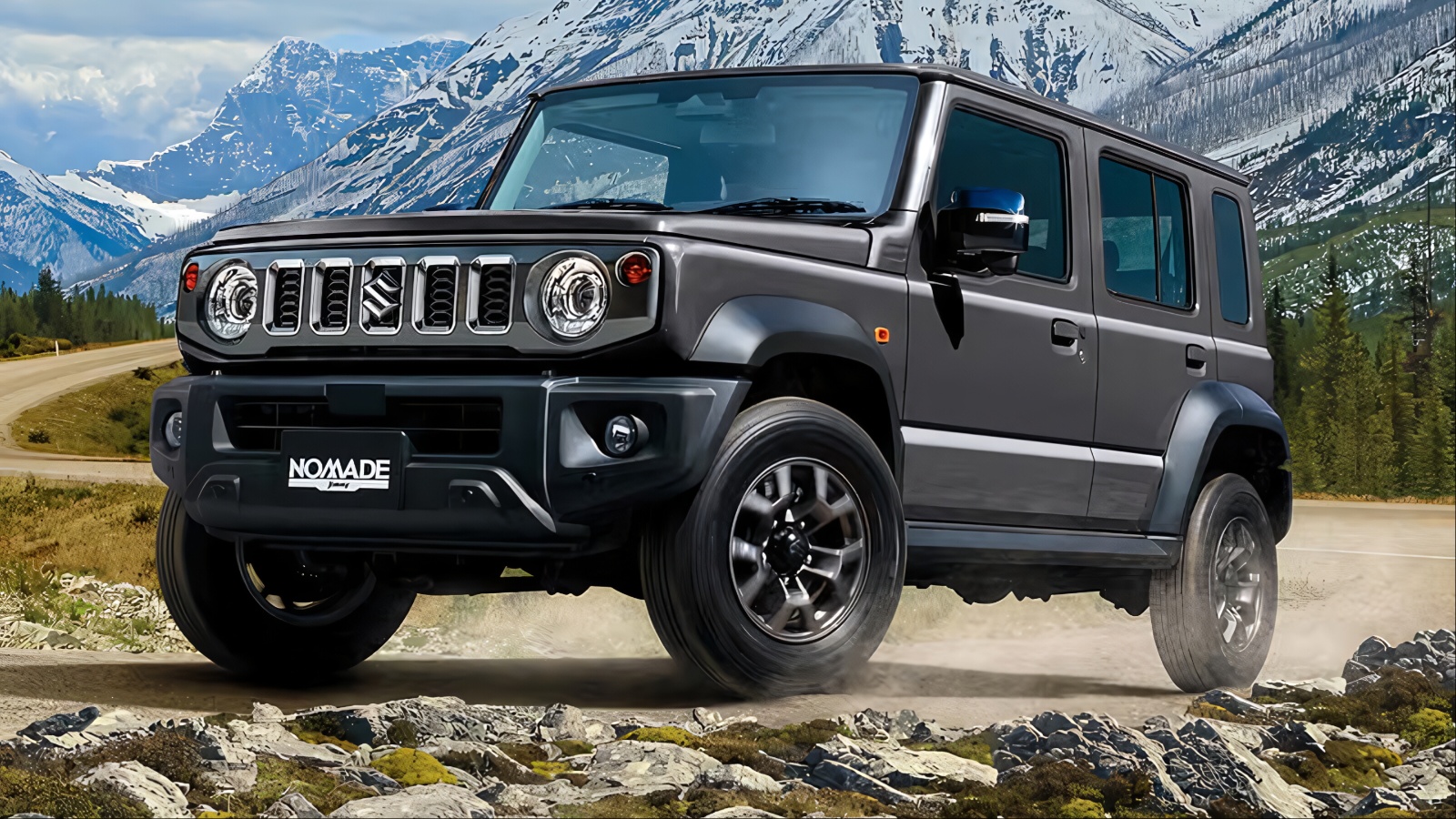
The 2026 Suzuki Jimny Nomade is a five-door version of Suzuki’s compact ladder frame 4×4, and it is sold in markets including Japan rather than through Suzuki automobile dealers in the United States.
In its overseas specification, it uses a 1.5-liter gasoline engine, part-time Four Wheel Drive, and low-range gearing. That makes it attractive to Arizona buyers who want a small trail vehicle.
The registration problem is federal import compliance. A recent Jimny that was not manufactured and certified to applicable American safety standards cannot simply be permanently imported as an ordinary personal vehicle.
A Registered Importer may sometimes be able to pursue an eligibility and conformity process, but the buyer cannot assume that such a route exists or that modifications will be affordable. Federal emissions requirements must also be satisfied separately.
Arizona does not create an exemption just because the Jimny is small or capable off-road. A Japanese title and customs paperwork do not automatically establish eligibility for unrestricted American highway use.
The situation becomes easier when a particular vehicle reaches the federal age thresholds, but a 2026 Nomade is decades away from that point. Until a lawful federal import and compliance basis exists, this specific current Jimny cannot simply be registered in Arizona as it arrives from Japan.
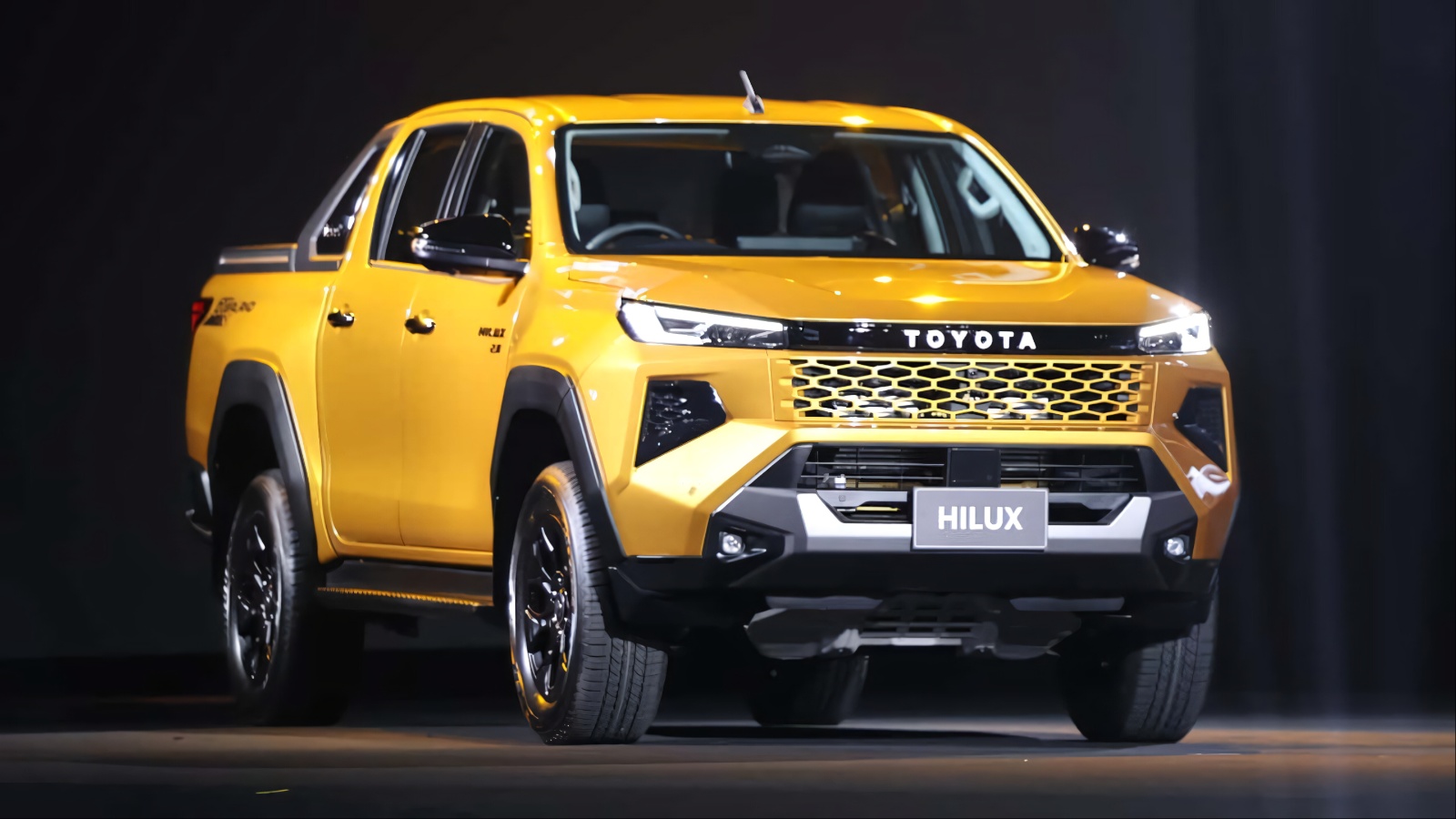
2. 2026 Toyota HiLux Double Cab 2.8 Diesel
The 2026 Toyota HiLux Double Cab is one of the most tempting overseas pickups for an Arizona enthusiast. Toyota continues to sell the HiLux internationally, and the newest generation includes a 2.8-liter turbo diesel version aimed at serious work and off-road use. Its reputation makes it a natural alternative to a Tacoma for buyers who want a diesel midsize truck.
That mechanical appeal does not solve the federal certification problem. A 2026 HiLux built for Australia, Japan, Thailand, or another overseas market is not automatically certified to the American safety standards required for unrestricted permanent importation.
The truck may also use diesel emissions hardware and calibration designed around rules that differ from United States requirements. Those issues have to be resolved before ordinary Arizona registration becomes realistic.
The fact that Toyota sells the Tacoma and Tundra in America does not make a foreign HiLux equivalent in the eyes of federal regulators. Certification applies to the particular model and configuration. A HiLux already sitting on American soil is also not automatically legal for permanent road use because temporary and restricted import pathways exist.
Unless the individual truck entered through an approved federal route and carries acceptable documentation, an Arizona buyer should not expect MVD to turn a newly imported 2026 HiLux into a normal road-registered pickup.
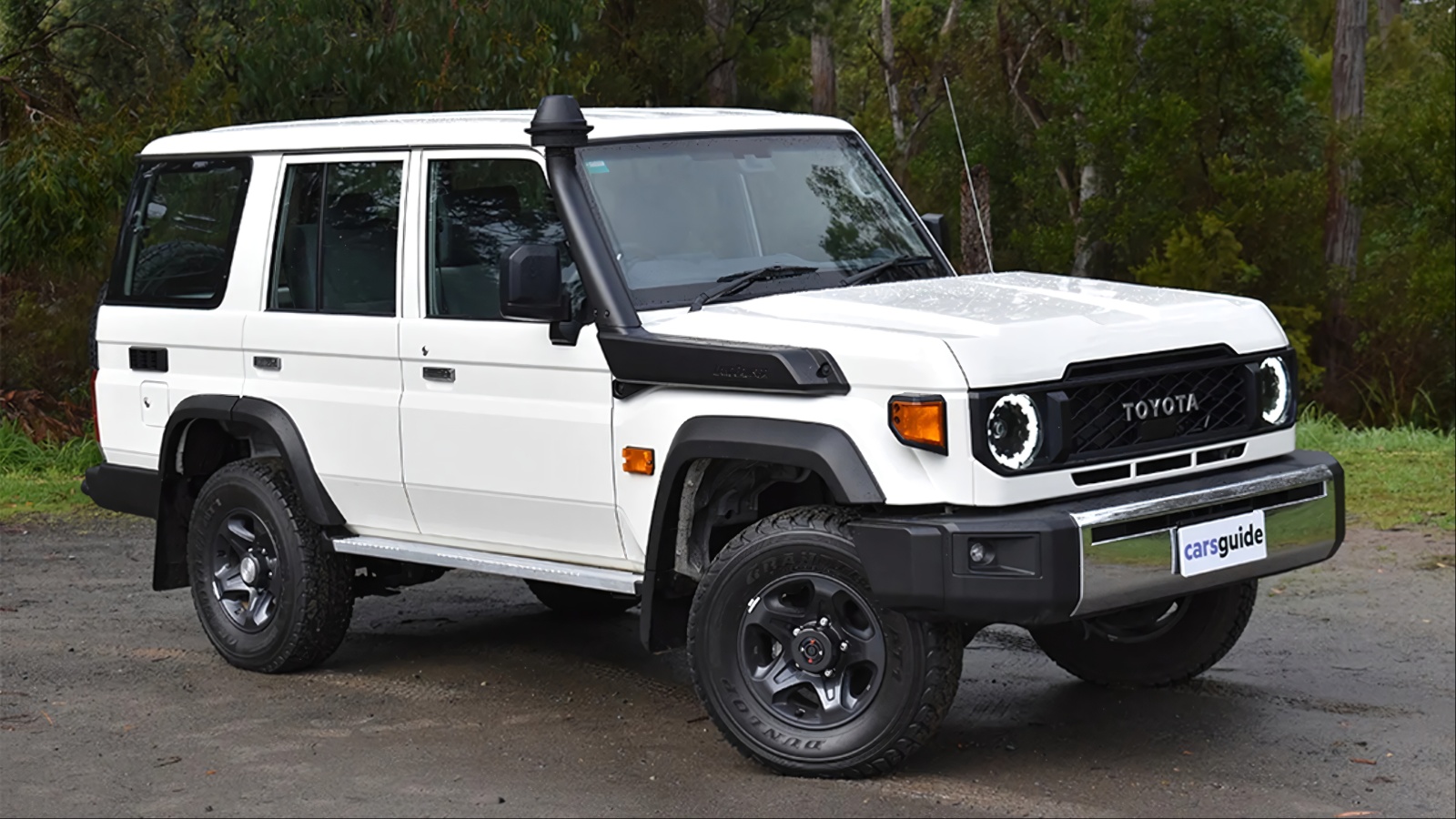
3. 2026 Toyota LandCruiser 76 GXL Wagon
The 2026 Toyota LandCruiser 76 GXL Wagon is another vehicle that seems almost perfectly matched to Arizona. Toyota Australia continues to offer the 70 Series with a 2.8-liter turbo diesel engine, and the 76 Wagon combines a short, upright body with the heavy-duty Four Wheel Drive hardware that made this family famous. It is more utilitarian than U.S. market Land Cruisers.
That difference matters when somebody tries to import a new one. A current Australian specification 76 Series was not simply built as a United States vehicle with a different steering wheel.
Federal law generally requires a recent foreign market vehicle to have the proper American safety certification or to qualify through a formal nonconforming vehicle process. Emissions compliance creates a separate hurdle for the overseas diesel powertrain.
Arizona MVD cannot erase those federal requirements by issuing a state title. The vehicle first needs a lawful basis for permanent American road use. Buyers should also be careful with advertisements claiming that a 70 Series is already inside the country because physical location does not prove permanent import eligibility.
Older 70 Series examples can become much easier to import once they reach the relevant age exemptions. A 2026 LandCruiser 76 is nowhere near that threshold, so an ordinary privately imported example in Australian specification cannot simply receive normal Arizona registration as soon as it arrives.
4. 2026 Ford Everest Sport 3.0 V6 Diesel
The 2026 Ford Everest Sport creates one of the easiest misunderstandings on this list because the badge belongs to an American manufacturer. Ford Australia offers the Everest with a 3.0-liter V6 turbo diesel and Four Wheel Drive, and the SUV shares engineering roots with the Ranger family. An Arizona buyer may therefore assume it should be easy to register.
Federal certification does not work that way. The fact that Ford sells other vehicles in the United States does not certify an Australian specification Everest for American road use. The complete vehicle has to satisfy the applicable safety requirements, and its diesel engine and emissions equipment must also meet the federal rules that apply to permanent importation. Similar components or shared platforms do not replace the required certification.
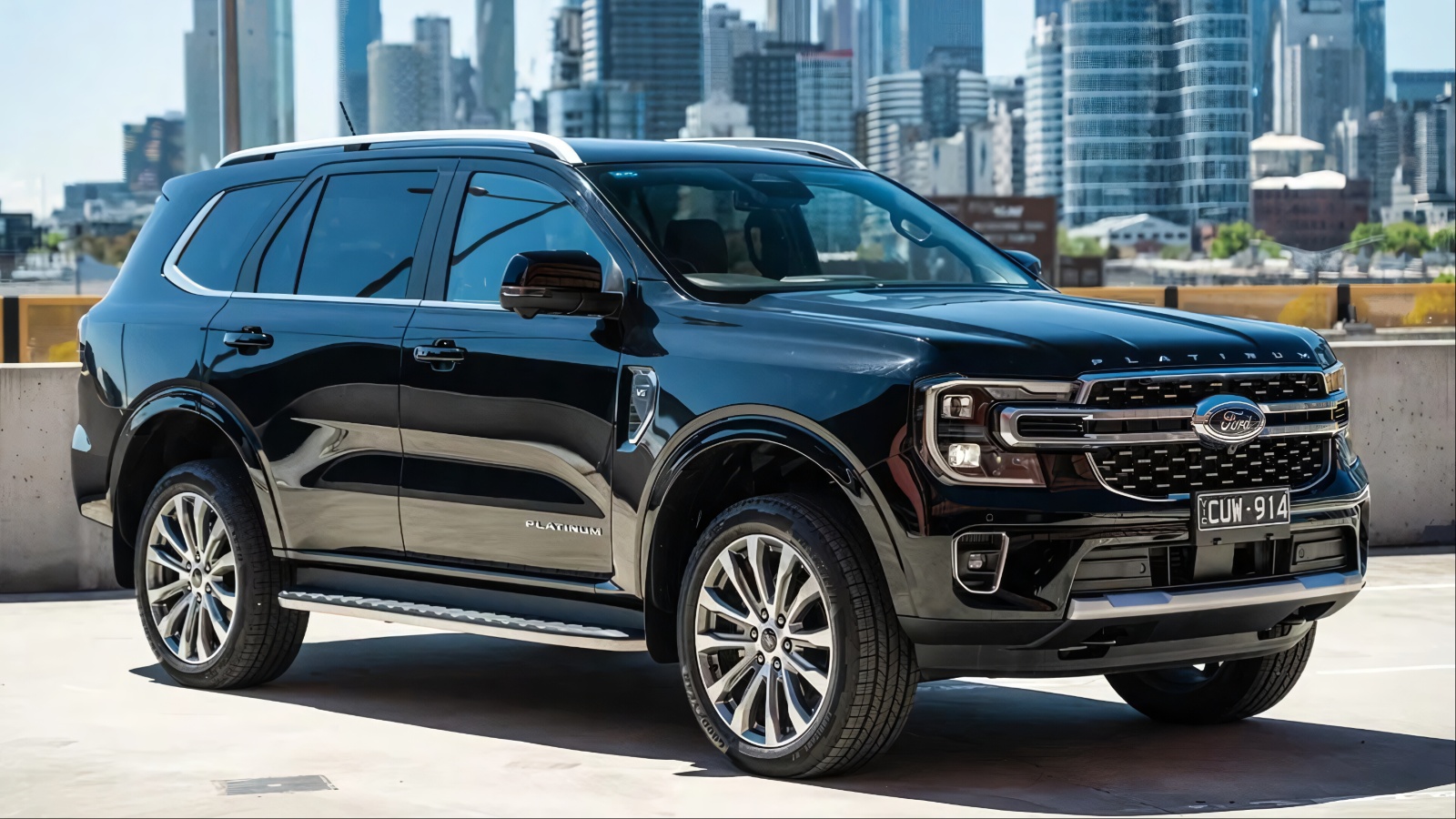
Arizona cannot treat the Everest as a Ranger simply because the vehicles are related underneath. MVD still needs a legitimate ownership and import basis before ordinary registration is issued. A seller who says that the SUV can be titled because it is already a Ford should be asked for the actual federal entry and compliance documents.
If those documents do not establish a lawful permanent import, the 2026 Everest remains a foreign market vehicle that cannot simply be registered for unrestricted Arizona road use. The brand name may be familiar, but the legal status of the individual vehicle is what controls.
5. 2026 Honda N-BOX Custom Turbo
The 2026 Honda N-BOX Custom Turbo is one of Japan’s most distinctive kei cars. Honda sells the current N-BOX with a 658 cc engine, and turbocharged Custom versions combine a tall four-seat cabin with dimensions far smaller than a typical American compact car. Its packaging makes it attractive to collectors who want something unusual.
Being tiny does not exempt it from federal import law. A new Japanese specification N-BOX was not built as a United States market vehicle, and a current example is far younger than the federal age exemption that makes many classic Japanese imports easier to bring into the country. Right-hand drive is not itself the decisive issue. The real barriers are federal safety certification, lawful permanent importation, and emissions compliance.
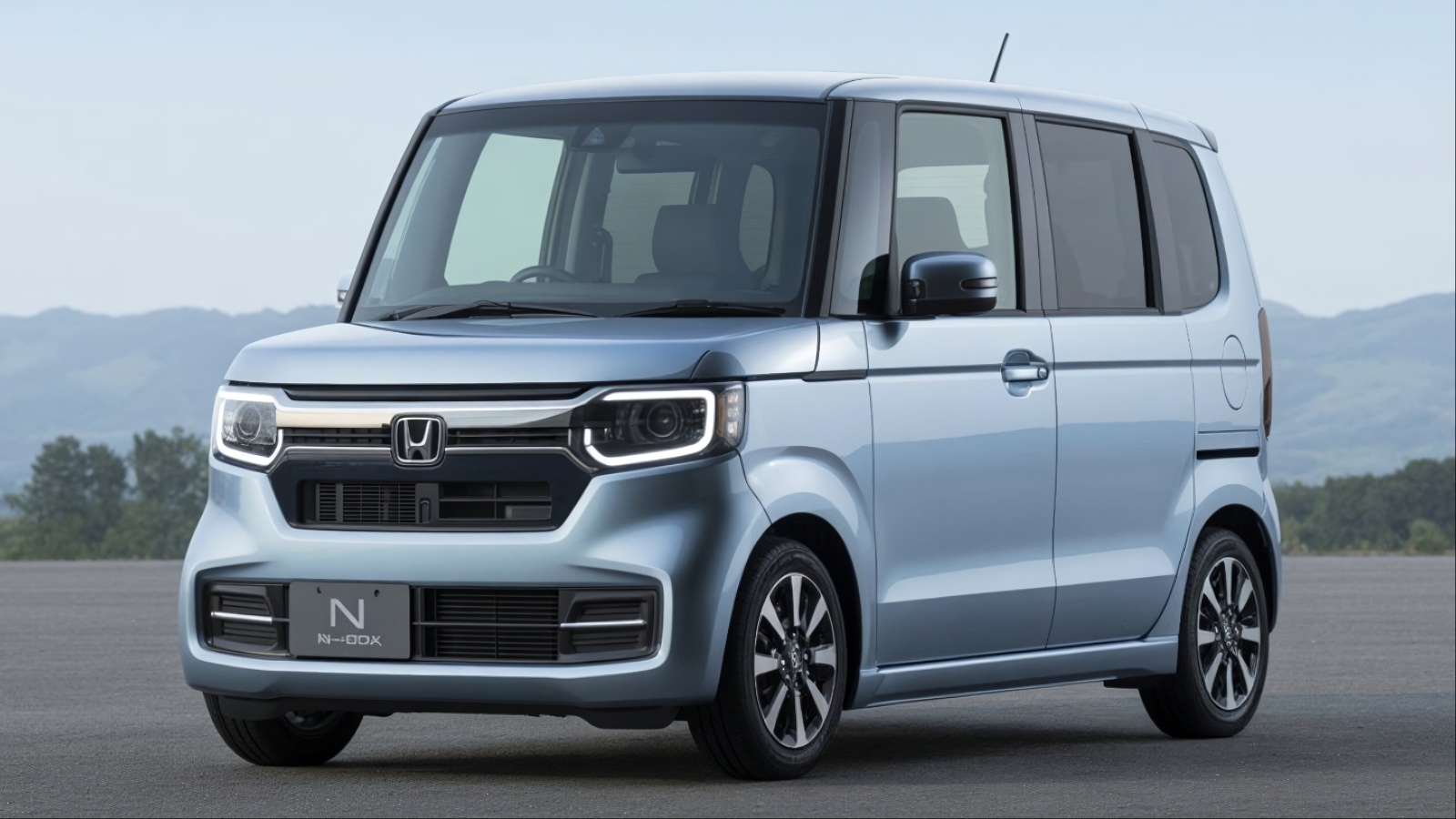
Arizona registration comes after those questions are resolved. A Japanese export certificate and purchase invoice may prove ownership, but they do not automatically prove that the car may be permanently operated on American roads.
That distinction is why older kei cars can appear legally at Arizona shows while an almost identical-looking brand-new example cannot simply follow the same route. A 2026 N-BOX Custom Turbo would need an approved federal basis for import and compliance before ordinary state registration could be expected. Without that, its small engine and low weight do not make it a legal shortcut into Arizona road use.
6. 2026 Toyota Alphard Executive Lounge PHEV
The 2026 Toyota Alphard Executive Lounge PHEV is a luxury Japanese market minivan that offers a completely different experience from Toyota’s American family vehicles. The current plug-in hybrid version uses a 2.5-liter electrified powertrain and is aimed heavily at chauffeur duty, with six-seat Executive Lounge packaging and an exceptionally elaborate rear cabin. Its comfort makes it attractive to buyers seeking something beyond a Sienna.
A new Alphard still faces the same federal barrier as less expensive gray market cars. Toyota has not sold this Japanese specification model as a normal United States certified vehicle. Its safety certification, lighting, restraint systems, software, charging-related equipment, and emissions compliance all have to be considered before permanent unrestricted importation can be assumed. The Toyota name does not create an automatic exemption.
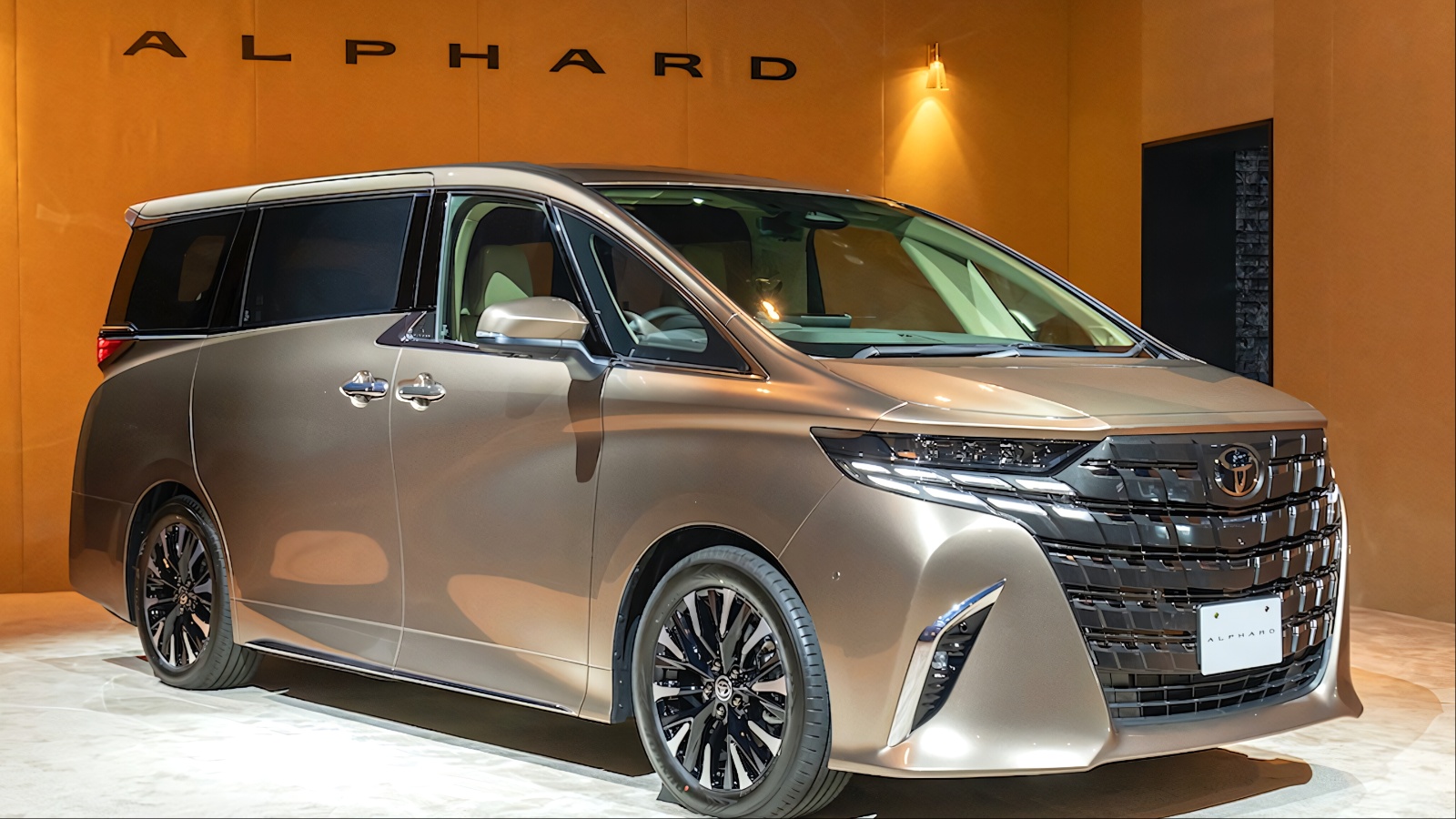
This is particularly important because the Alphard looks like a fully modern vehicle that could easily blend into American traffic. Visual roadworthiness is not the legal test. Arizona MVD cannot use a state registration to replace missing federal compliance. An importer would need a lawful federal pathway and documentation that supports permanent road use before the normal Arizona title process makes sense.
The 25-year safety exemption is also irrelevant to a 2026 model for many years. Until federal eligibility is established, a Japan specification 2026 Alphard Executive Lounge PHEV should be viewed as a vehicle that cannot simply be titled and registered for ordinary Arizona road use.
7. 2026 Honda Step WGN eHEV Spada
The 2026 Honda Step WGN eHEV Spada is another current Japanese family vehicle that American buyers sometimes discover through import videos and auction listings. Honda offers the Step WGN in Japan with seven-seat layouts and an eHEV hybrid system, while the Spada version adds more upscale trim and equipment. An Arizona family could easily imagine using one every day.
That everyday usability can hide the legal problem. A current Step WGN is not a United States market Honda, and it does not become federally compliant merely because other Honda hybrids are sold here. The individual vehicle must have the proper safety certification or qualify under an approved import process. Its hybrid and emissions systems also have to satisfy the federal rules that apply to permanent road vehicles.
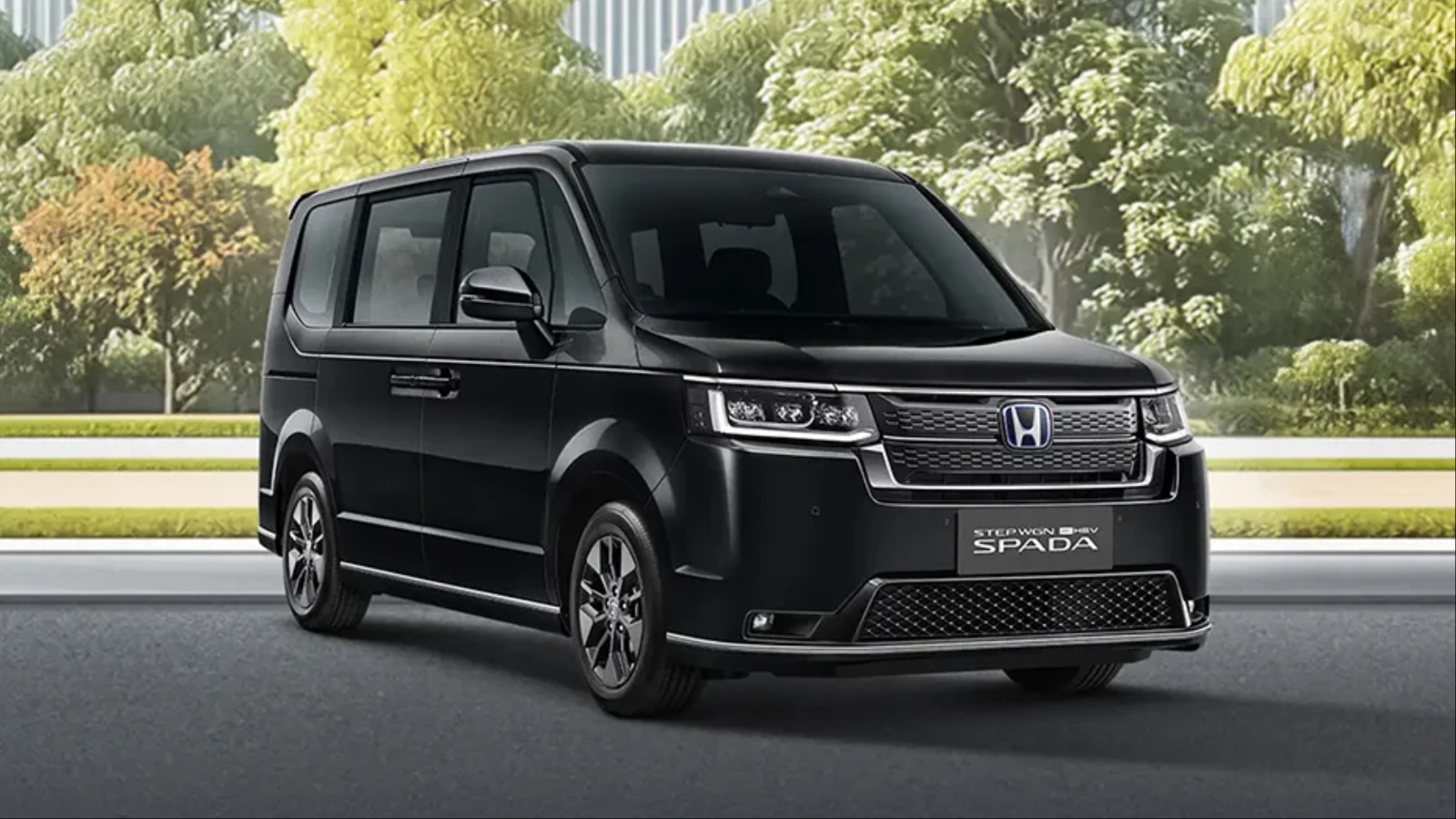
Arizona cannot simply register the van based on the reputation of the manufacturer. MVD needs acceptable ownership and vehicle documentation, while federal legality has to exist before the state process can provide normal road registration. This is why a 25-year-old Japanese Honda can be a relatively straightforward legal import while a new Step WGN remains difficult.
The two vehicles may both be right-hand drive Hondas, but they occupy completely different federal categories because of age and certification. A privately imported 2026 Step WGN eHEV Spada therefore cannot simply arrive from Japan and receive an ordinary Arizona plate without an approved compliance pathway.
8. 2026 Daihatsu Copen GR Sport
The 2026 Daihatsu Copen GR Sport is a tiny two-seat roadster that represents another side of Japan’s kei car world. Daihatsu continues to list the Copen in Japan through 2026, including the GR Sport version, although production is scheduled to end later in the year. Its open roof and small turbocharged engine make it appealing for Arizona weekend driving.
The problem is that a 2026 Copen is a current Japanese domestic market vehicle rather than a United States-certified roadster. Its size does not create a special legal category that allows an owner to bypass federal import rules. A vehicle this new generally needs proper American safety compliance or a legally approved nonconforming import route before unrestricted permanent road use is possible.
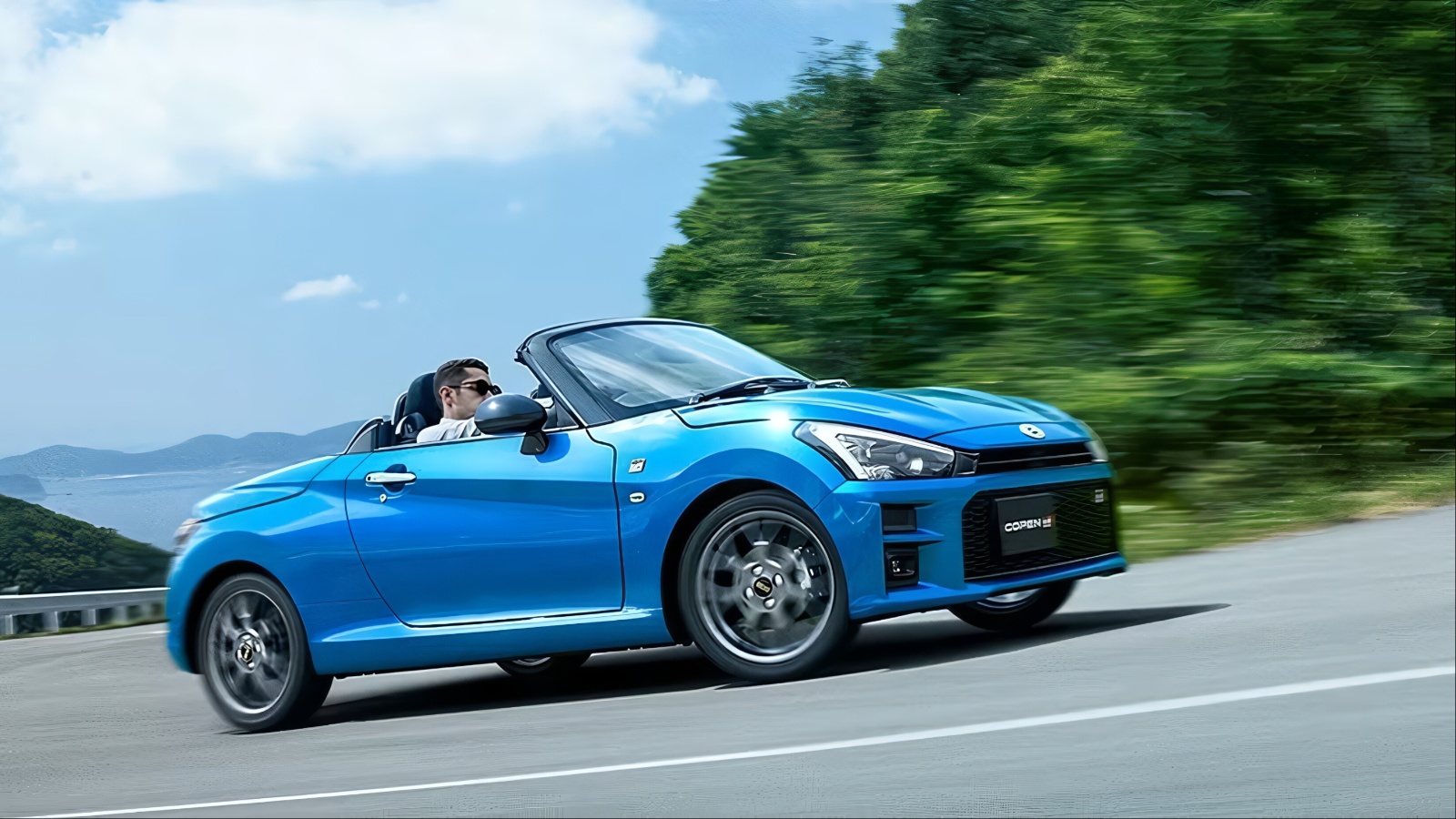
A buyer should not confuse older legally imported kei cars with this current model. The age exemption that helps classic imports does not apply simply because the model name has existed for years. It applies to the individual vehicle based on its manufacture date.
Arizona MVD cannot turn a newly imported 2026 Copen into an exempt classic by issuing a state title. Without the appropriate federal import status, the car cannot simply be registered for ordinary road use. It may be small enough to fit almost anywhere, but federal compliance is the obstacle that matters.
9. 2026 Mitsubishi Triton Double Cab
The 2026 Mitsubishi Triton Double Cab is a modern midsize pickup sold in overseas markets and developed for demanding commercial and off-road use. Mitsubishi continues to promote the current Triton globally, including through motorsport programs in Asia. For an Arizona buyer, importing one can seem like a way to get a rugged Mitsubishi pickup no longer offered here.
A current foreign market Triton is still subject to federal import requirements. The fact that older Mitsubishi pickups were once sold in America does not certify the present model. A 2026 Triton built for Thailand, Australia, or another market must have an approved basis for permanent importation if it lacks original American safety certification. Its diesel powertrain and emissions equipment also create separate federal compliance questions.
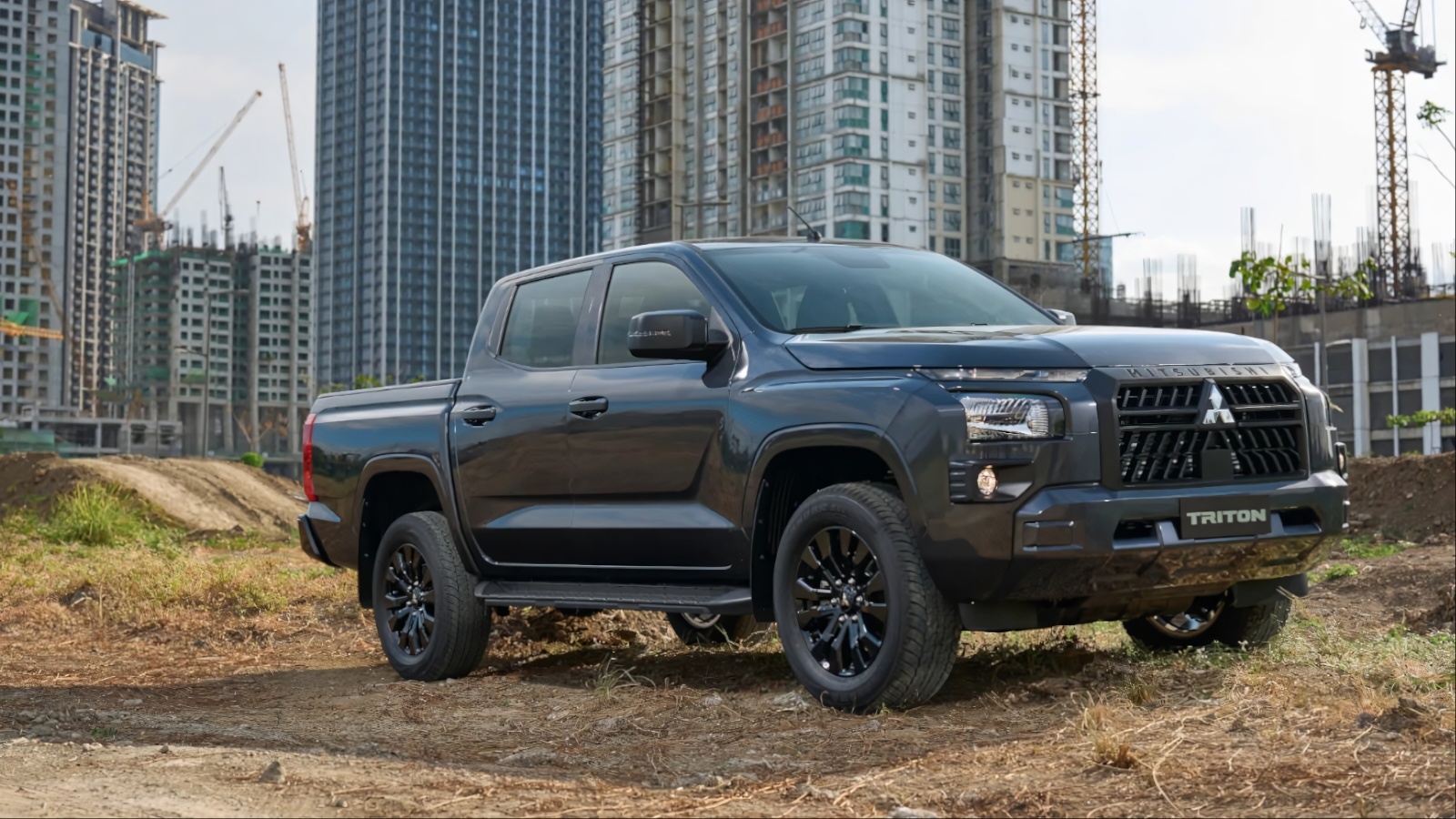
Arizona MVD is not a substitute for that process. A foreign registration document can help establish who owns the truck, but it does not establish that the truck may remain in the United States for unrestricted highway use. Buyers should demand documentation showing exactly how the vehicle entered the country and under which permanent import provision.
A newer Triton that came in temporarily, incorrectly, or without required conformity work cannot be fixed merely by searching for a lenient state title office. Until the federal status is legitimate, the 2026 Triton cannot simply be registered as a normal Arizona pickup.
10. 2026 Toyota Century Sedan
The 2026 Toyota Century Sedan is one of the most interesting vehicles on this list because it is a flagship limousine rather than an inexpensive gray market curiosity. Toyota continues to sell the Century Sedan in Japan, where the model is designed for formal and chauffeured transportation. Its rarity makes it desirable to collectors who want a Toyota never offered through normal American dealerships.
Its price and sophistication do not remove the same federal import rules that affect a kei car. A new Japan specification Century is not automatically eligible for unrestricted permanent American road use simply because Toyota manufactures many U.S. certified vehicles. The specific Century must have an approved safety compliance basis, and its powertrain and emissions equipment must also satisfy the applicable federal requirements.
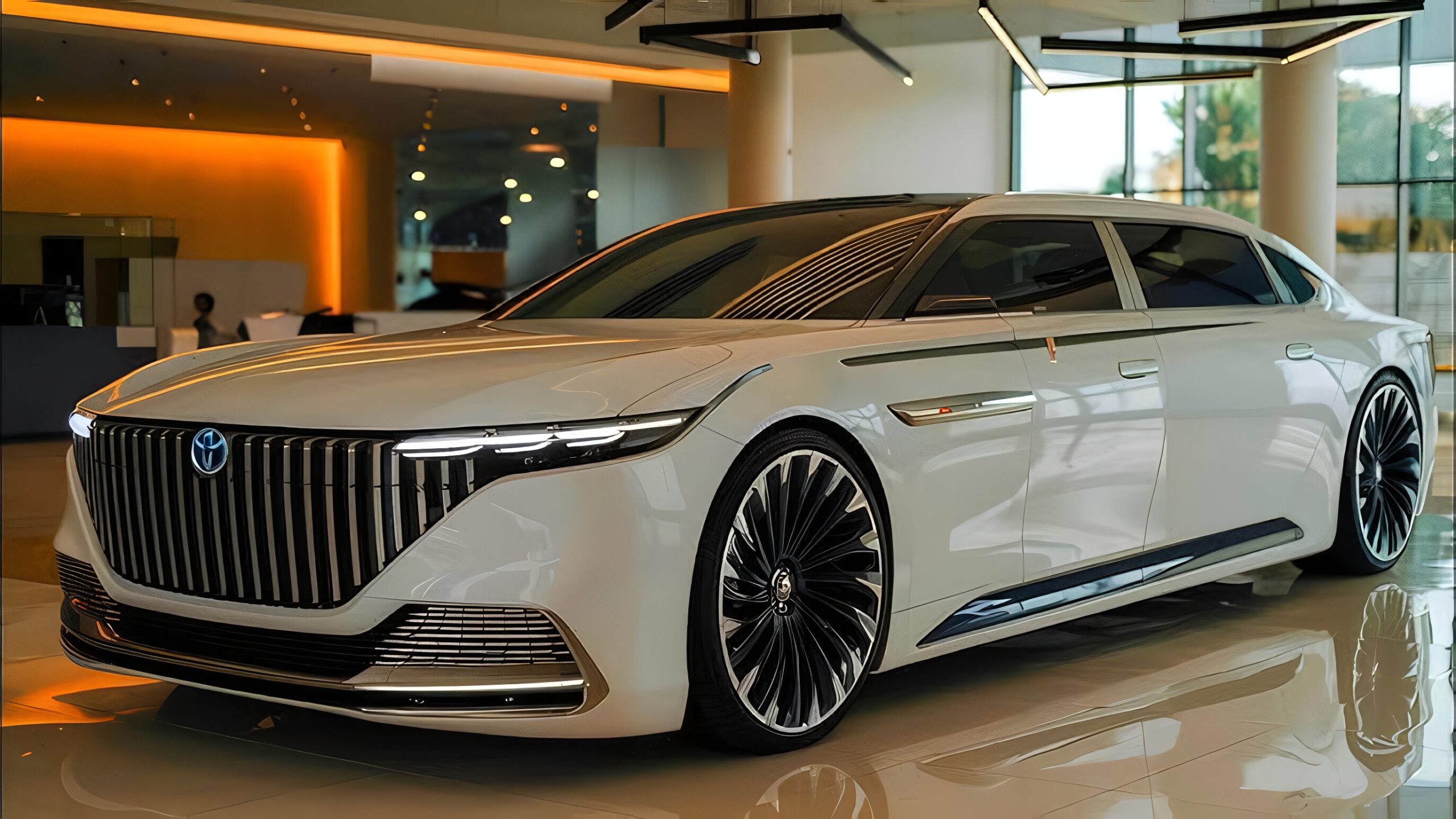
Arizona cannot issue an ordinary title as a shortcut around missing federal eligibility. A collector might investigate limited federal exceptions intended for particular purposes, but those should not be confused with unrestricted normal road registration. The usual 25-year safety exemption is also decades away for a 2026 example.
Buyers therefore need to establish the car’s federal status before arranging shipment rather than hoping to solve the issue after delivery. A 2026 Century Sedan may be among the most luxurious cars Toyota builds, but in original Japanese market form it still cannot simply be privately imported and registered for ordinary unrestricted Arizona road use.