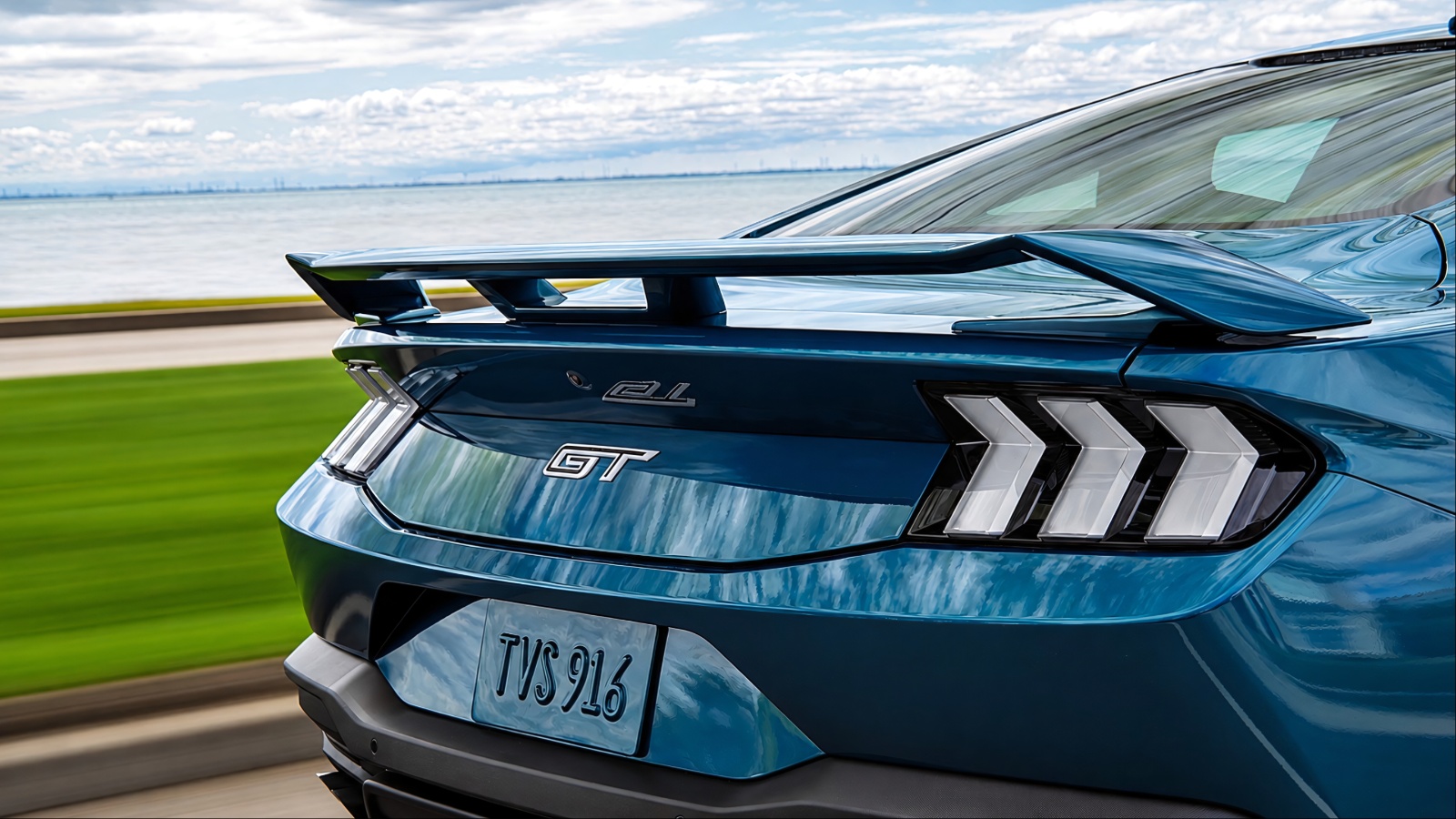
Ford Motor Co. is reportedly considering one of the most significant changes in the Mustang’s more than 60-year history with the possible introduction of a four-door model. Sources familiar with a recent dealer presentation say Ford showed an early version of the four-door Mustang, which could arrive in showrooms before the end of the decade.
The model is expected to use an internal-combustion engine, while a hybrid powertrain could also be under consideration. A fully electric version does not appear to be part of the current plans. Ford has yet to confirm the vehicle, and company spokesperson Mike Levine said the automaker does not comment on or speculate about future products.
If approved for production, the four-door Mustang would be the first conventional Mustang sedan ever sold. Since its 1964 introduction, the nameplate has primarily appeared on coupes and convertibles, with the Mustang Mach-E electric crossover becoming the major exception in 2019.
Dealers who saw the new car reportedly described it as sporty and unmistakably Mustang-like rather than resembling the taller Mach-E. The concept could give Ford a direct answer to the four-door Dodge Charger while helping the automaker expand one of its most valuable brands into a larger and potentially more profitable market.
Four-Door Mustang Could Bring New Buyers to the Brand
One dealer who attended Ford’s presentation described the proposed vehicle as having a strong “wow factor” and said its engine sounded like a V-8. Another dealer had expected something more rounded and crossover-like, similar to the electric Mustang Mach-E, but instead saw what appeared to be a traditional Mustang with an extra pair of doors.
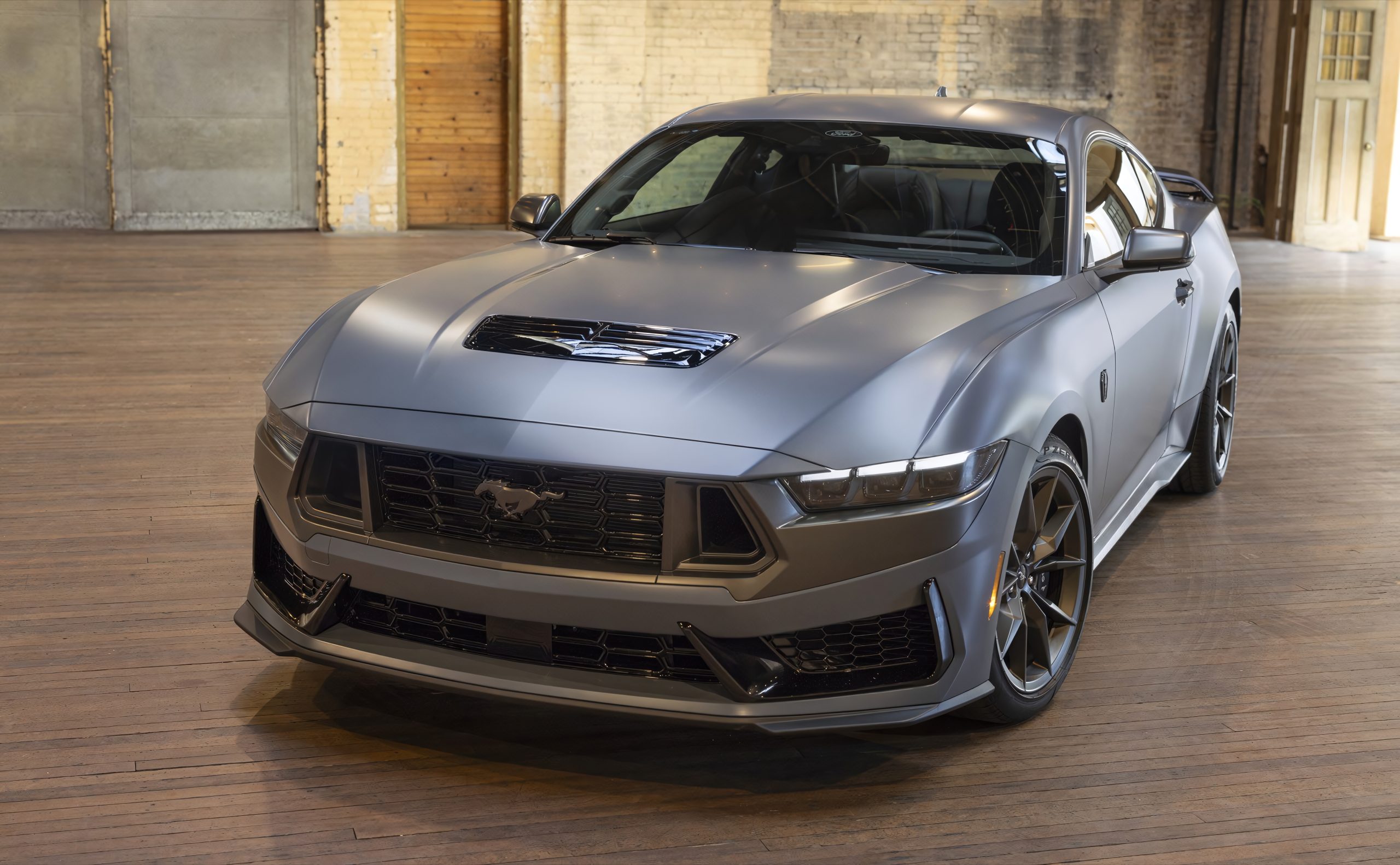
That distinction could be critical to the vehicle’s reception. Ford would need the sedan to feel like a real Mustang rather than simply placing Mustang badges on a conventional four-door car. Reports suggest its proportions may resemble vehicles such as the Porsche Panamera, which combines sports-car styling and performance with the practicality of a four-door body.
A sedan could also address one of the biggest limitations of the existing Mustang coupe. Although the Mustang has rear seats, getting into them can be difficult, and rear passenger space is limited. A four-door model could appeal to buyers with children, regular passengers, or commuting needs who like Mustang performance but need more everyday practicality.
Ford dealers reportedly believe that the extra doors could significantly broaden Mustang’s audience. Customers who previously avoided the model because of passenger room or poor practicality in bad weather might reconsider if Ford offers a more spacious body, potentially with all-wheel drive or a hybrid system.
The closest American competitor would likely be the Dodge Charger. Dodge has historically succeeded by combining muscle-car styling with four-door usability. Ford could use a similar formula while offering the Mustang’s established performance identity and potentially multiple engines.
A hypothetical lineup could include an affordable turbocharged four-cylinder sedan, a V-8-powered Mustang GT sedan and expensive high-performance versions. Ford has not confirmed any such trim structure, but its current Mustang lineup already demonstrates how widely the company is willing to stretch the nameplate.
Ford Is Increasingly Building Around Its Most Famous Names
The four-door Mustang fits into Ford’s broader strategy of concentrating investment around a smaller number of highly recognizable brands. Instead of maintaining a huge range of unrelated passenger cars, Ford has increasingly emphasized names such as Mustang, Bronco and F-150.
This strategy reflects the changing economics of the auto industry. Creating an entirely new vehicle name can require huge marketing investments, while established badges already carry customer recognition, history and emotional appeal. Mustang has been part of American automotive culture since 1964, while F-Series has become one of the most important pickup brands in the world.
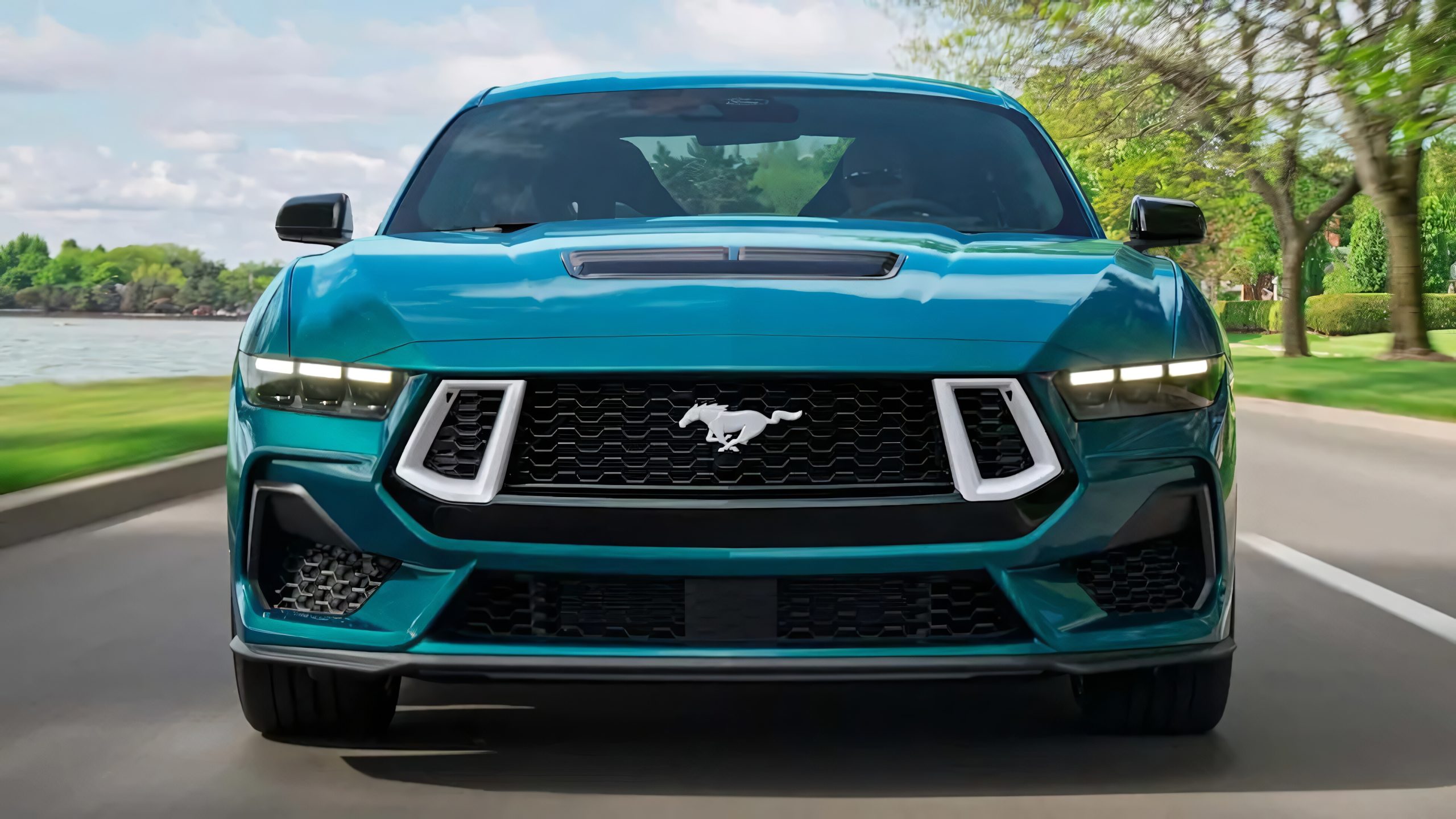
Ford already tested how far it could stretch Mustang when it introduced the Mustang Mach-E. The decision to apply the Mustang badge to an electric crossover generated criticism from traditional enthusiasts, but it also demonstrated Ford’s willingness to treat Mustang as a broader performance brand rather than just one two-door car.
A four-door Mustang could be less controversial than the Mach-E because it would reportedly remain low, sporty, and performance-oriented. Still, some industry analysts warn that expanding an iconic badge too far risks weakening what made the original product special.
Automotive analyst Karl Brauer has argued that every time an automaker changes the fundamental meaning of a historic nameplate, some of its exclusivity can be lost. He has compared the situation with Porsche, which created the Panamera name for its four-door performance car rather than introducing a four-door 911.
Ford, however, may see limited alternatives if it wants to profitably return to the sedan market. The company announced in 2018 that it would largely abandon conventional passenger cars in North America. Production of the Ford Fusion ended in 2020, leaving Mustang as Ford’s primary traditional passenger car in the United States.
Using Mustang for a new sedan would allow Ford to return without spending years creating recognition for an entirely new badge.
Mustang Sales Show Why Ford Wants to Expand the Formula
The business case becomes easier to understand when looking at Mustang sales. The car remains one of the world’s best-known sports cars, but demand for traditional two-door coupes is much lower than it once was.
Mustang U.S. sales exceeded 122,000 units in 2015. By comparison, Ford sold more than 45,000 Mustangs in the United States last year, although sales were reported to be up nearly 16 percent through July 2026. The difference illustrates how much the sports-coupe market has contracted over the past decade.
The Mustang’s historical peak was dramatically higher. In 1966, only a few years after the model debuted, Ford sold roughly 607,500 Mustangs. The original pony car became a cultural phenomenon by offering sporty styling and performance at prices attainable to ordinary buyers.
Competition has also changed. General Motors ended Chevrolet Camaro production after the 2023 model year. Dodge discontinued the previous-generation Challenger and Charger at the end of 2023 before introducing a new Charger capable of supporting both electric and internal-combustion configurations.
For decades, Mustang dominated the American two-door muscle-car segment, although Camaro and Challenger periodically outsold it. When Dodge offered the Challenger coupe and Charger sedan together in 2023, their combined sales exceeded 120,000 vehicles. That figure demonstrates the potential advantage of selling both two-door and four-door performance cars.
Ford already offers an unusually broad Mustang range. Entry models use the turbocharged EcoBoost four-cylinder, while the Mustang GT provides the traditional 5.0-liter V-8 experience. More specialized versions include the Dark Horse and increasingly exotic track-focused models.
At the extreme end, Ford has developed vehicles such as the Mustang GTD, a highly advanced performance model heavily influenced by racing technology. This broad range means Mustang is already moving toward becoming a family of performance vehicles rather than a single coupe.
A four-door version could provide the high-volume practical model that the Mustang family currently lacks.
Ford Is Balancing Gas, Hybrid and Affordable Electric Vehicles
The dealer meeting showed that Ford is not focusing exclusively on gasoline-powered performance cars. Dealers also reportedly saw the Ford Fathom, an affordable all-electric midsize pickup expected to launch next year with a starting price below $30,000.
The truck reportedly uses Ford’s Universal Electric Vehicle Platform, an architecture designed to support a new generation of lower-cost EVs. Dealers described the Fathom as modern and highly digital, with a simple interior containing relatively few conventional buttons and knobs.
Ford also reportedly displayed an image of a crossover based on the same electric platform, suggesting that the architecture could eventually support several vehicles. Sharing one platform across multiple models could help Ford lower engineering and manufacturing costs.
This represents a major change from some of Ford’s earlier EV plans. In recent years, the company canceled or reworked several planned electric vehicles, including a three-row SUV, a full-size electric truck, and a commercial van as EV demand developed more slowly than originally expected.
Ford is now taking a more flexible approach. By the end of the decade, the company has said nearly every vehicle in its lineup should offer some form of hybrid or multi-energy powertrain choice. Ford also plans to introduce several new affordable models, with most expected to be assembled in the United States.
The four-door Mustang could fit directly into that strategy. A gasoline-powered version would satisfy traditional performance buyers, while a hybrid could improve efficiency without requiring customers to switch completely to battery-electric propulsion.
Nothing about the vehicle is final yet. Ford can change or cancel future products before production, and changing regulations, fuel prices, and customer demand could influence the final engineering decisions.
Still, the concept shows where Ford appears to be heading. Instead of abandoning internal combustion or relying entirely on EVs, Ford is attempting to spread its strongest names across multiple vehicle types and powertrains.
If the four-door Mustang reaches production before 2030, it could become one of the most significant changes ever made to the pony-car formula and a major test of how far one of America’s most iconic automotive names can expand.