
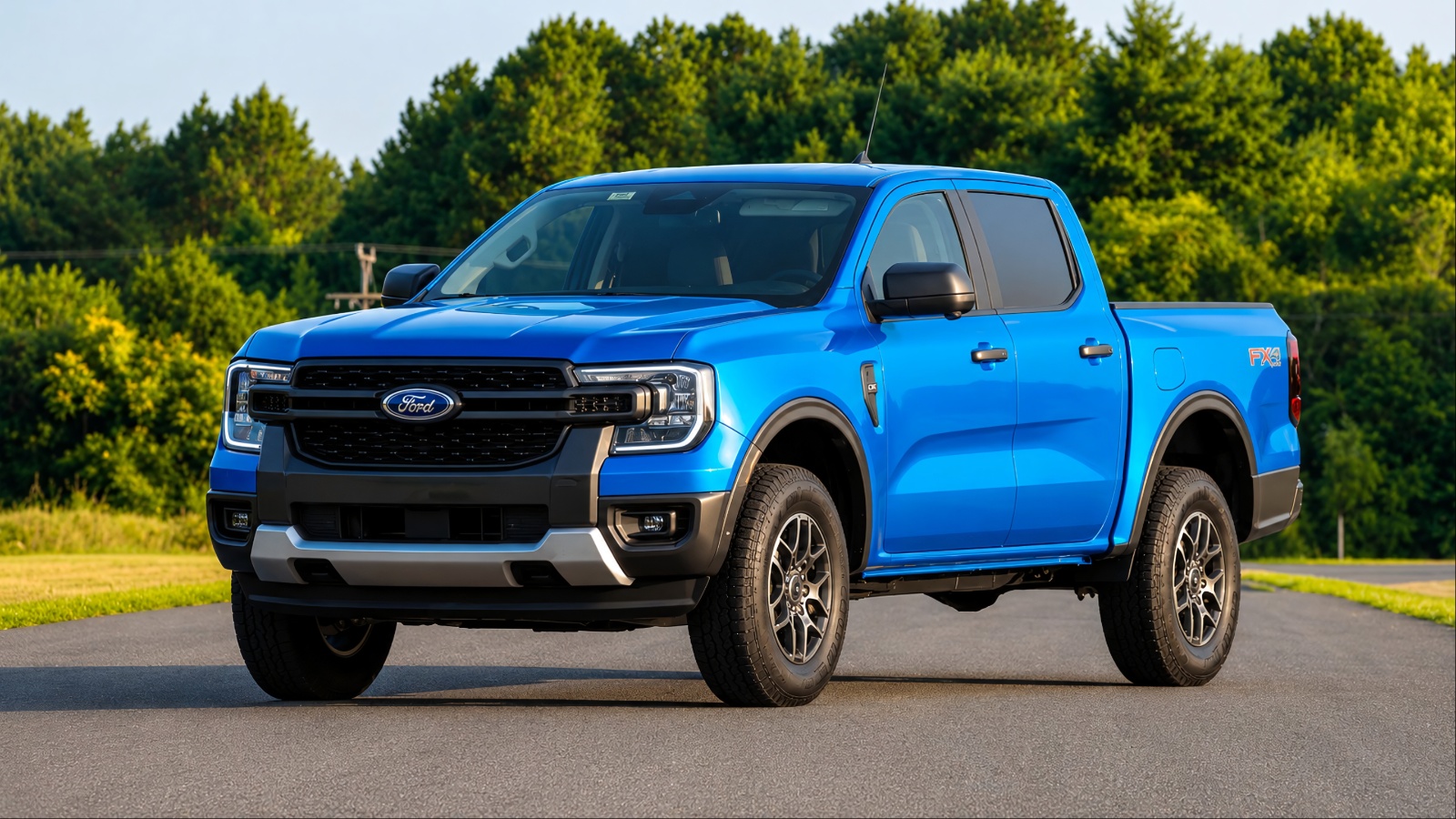
The Ford Ranger has returned to the U.S. as a midsize pickup with strong towing ability, a turbocharged engine and a reputation that varies considerably by model year. That makes choosing the right used Ranger more important than simply finding the newest truck within budget.
Consumer Reports’ reliability histories show meaningful differences between recent Rangers, while repair data and complaint records add more context about long-term ownership. Some years look like sensible used-truck purchases, while others deserve much closer inspection before money changes hands.
This guide separates the stronger choices from the years that require greater caution, using U.S. reliability and repair information rather than guesswork.
1. 2021 Ford Ranger
The 2021 Ranger is one of the more interesting years to consider because it sits in the middle of the first-generation U.S. return and avoids some of the earliest-production concerns associated with the 2019 launch.
Consumer Reports currently describes the 2021 model as having about average reliability compared with other vehicles from the same model year. That is not an exceptional rating, but it makes the truck a more balanced proposition than the years that receive weaker reliability assessments.
The powertrain is familiar and straightforward. Every U.S. 2021 Ranger uses Ford’s 2.3-liter EcoBoost four-cylinder paired with a 10-speed automatic transmission. The engine produces 270 horsepower and 310 lb-ft of torque, giving the Ranger substantially more torque than many naturally aspirated midsize-truck rivals.
The important caveat is the transmission. Consumer Reports’ owner survey identifies minor transmission problems and major transmission problems among the 2021 Ranger’s reported trouble spots.
Owners reported harsh or abrupt shifting, slipping behavior, and other transmission-related complaints. In-car electronics also appear among the reported trouble areas.
That does not make every 2021 Ranger problematic. It means a used example deserves a particularly careful transmission test drive. Check for hesitation, harsh engagement, unusual shift behavior, and inconsistent operation when the truck is cold and fully warmed up.
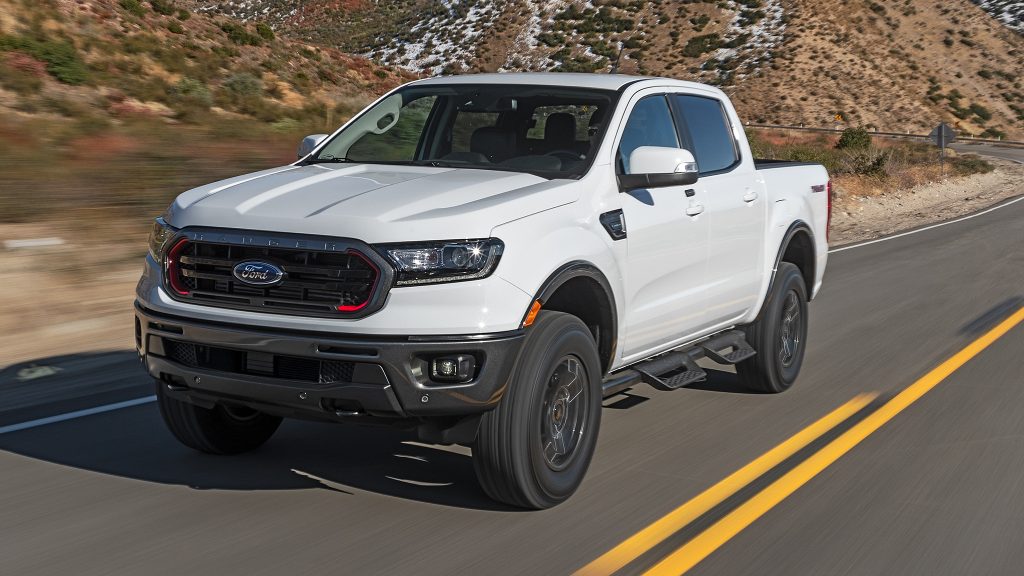
Repair history matters just as much. RepairPal gives the Ranger nameplate a 4.0 out of 5 reliability rating and reports low repair frequency, although that figure covers multiple model years rather than 2021 specifically.
For a buyer who wants a relatively modern Ranger without moving immediately into the redesigned 2024 generation, the 2021 model can make sense, provided the individual truck has a clean maintenance and recall history.
2. 2023 Ford Ranger
The 2023 Ranger is the final model year of this generation in the U.S., and that alone makes it attractive to shoppers who prefer a mature version of a design rather than buying during its launch year.
Consumer Reports currently rates the 2023 Ranger as less reliable than other vehicles from the same model year, so it should not automatically be treated as the safest Ranger choice simply because it is newer.
Mechanically, the formula remains familiar. The U.S. truck uses the 2.3-liter EcoBoost four-cylinder, producing 270 horsepower and 310 lb-ft of torque, with a 10-speed automatic transmission. Four-wheel-drive versions add a selectable 4WD system for buyers who need additional traction.
There is an important advantage to the 2023 model, though: it represents the end of a production cycle that began with the Ranger’s 2019 U.S. return. Buyers can therefore find vehicles with several years of service history rather than purchasing a completely new design with little long-term information.
The reliability rating still deserves attention. Consumer Reports’ current data shows the 2023 Ranger as below its model-year peers, while the organization reports four NHTSA recalls for the model in its current database.
One recall affecting the 2019–2024 Rangers concerns engine block heaters that can crack and develop a coolant leak, potentially creating an electrical short when plugged in.
That makes the VIN recall check essential before buying. A completed recall does not necessarily make a vehicle unreliable, but an unresolved safety campaign is a reason to have the truck serviced before regular use.
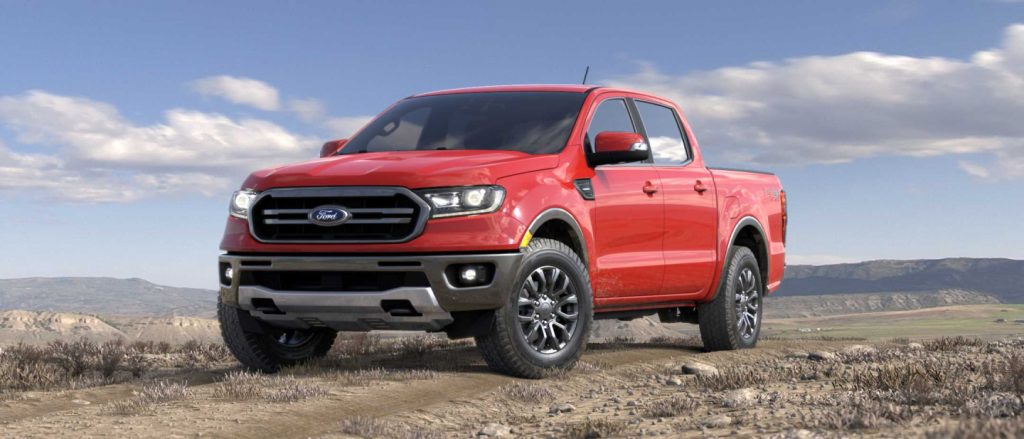
The 2023 Ranger therefore works best for buyers who prioritize a late example of the established generation and can verify its service history. It is not a year to purchase blindly based on age alone.
3. 2020 Ford Ranger
The 2020 Ranger deserves more caution than the 2021 and 2023 examples already covered. Consumer Reports currently rates the 2020 model as less reliable than other vehicles from the same model year, and its owner-survey data identifies several areas that deserve attention before buying.
The biggest concern is the 10-speed automatic transmission. Consumer Reports lists both major and minor transmission trouble spots for the 2020 Ranger, including rough shifting, torque converter problems, and transmission repairs.
Owner reports in the CR database describe harsh shifts, hesitation, and, in some cases, transmission replacement. The climate system also appears as a significant trouble area, with reports involving air-conditioning compressors, refrigerant leaks, and other HVAC components.
The truck uses the familiar 2.3-liter EcoBoost four-cylinder, producing 270 horsepower and 310 lb-ft of torque. That engine gives the Ranger plenty of capability, but the powertrain should be evaluated as a complete system rather than judging the truck solely by its strong engine output.
Recall history is another reason to inspect the VIN. Consumer Reports currently lists seven NHTSA recalls for the 2020 Ranger.
One recall involved the transmission shift-cable lock clip, which could allow the actual transmission gear to differ from the driver’s selected position. Another involved a rearview-camera problem that could reduce rearward visibility.
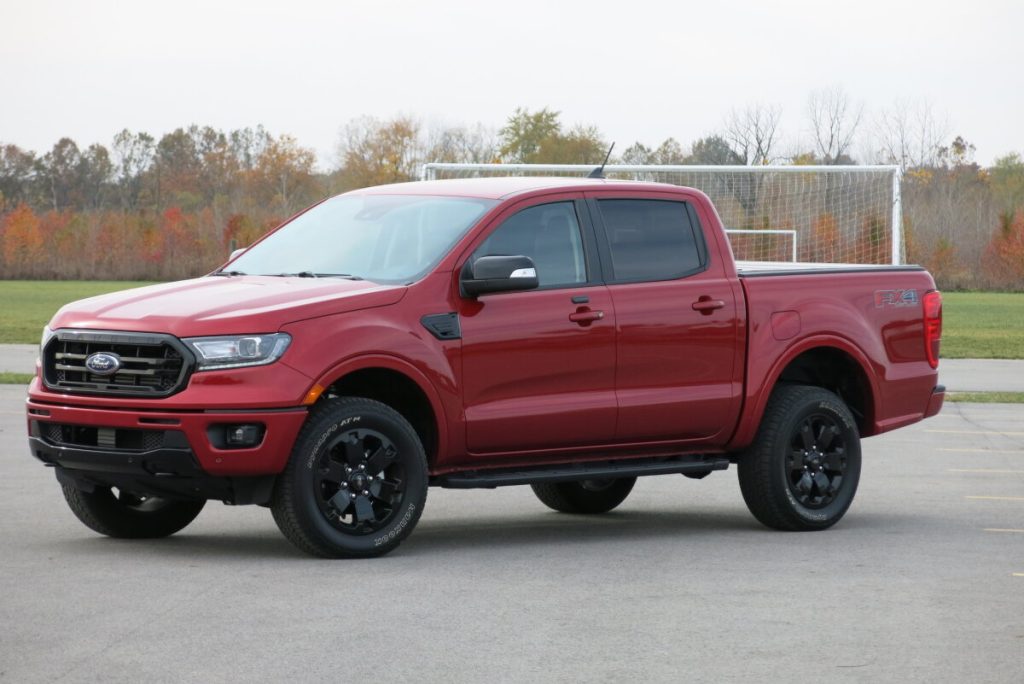
A well-maintained 2020 can still be worth considering, particularly at the right price. But buyers should demand a thorough test drive and documented service history rather than assuming every Ranger from this year is trouble-free.
4. 2022 Ford Ranger
The 2022 Ranger looks appealing on paper because it is relatively late in the generation, but Consumer Reports currently rates it less reliable than other vehicles from the same model year. That makes it a year where condition and maintenance history matter more than the model’s relatively young age.
The most notable concern in Consumer Reports’ owner data is again the transmission. The organization lists rough shifting, slipping, and other minor transmission problems.
Owner reports include complaints about aggressive engagement in cold conditions, harsh shifts under load, and transmission behavior that can become particularly noticeable when towing.
The 2022 Ranger retains Ford’s 2.3-liter EcoBoost four-cylinder with 270 horsepower and 310 lb-ft of torque, paired with the 10-speed automatic.
That combination provides strong performance for a midsize pickup, but it also means a used buyer should pay close attention to how the transmission behaves during both gentle acceleration and heavier throttle inputs.
Other owner-reported areas include paint and trim, noises and leaks, suspension components, and climate-system performance. Consumer Reports also identifies electrical issues in its owner feedback, including complaints involving the vehicle’s modem and remote-access functions.
The recall history is worth checking as well. Consumer Reports currently lists five NHTSA recalls for the 2022 Ranger. These include a fuel-line issue on certain 2.3-liter trucks, a tire-and-loading-information label problem, and a rearview-camera software issue.
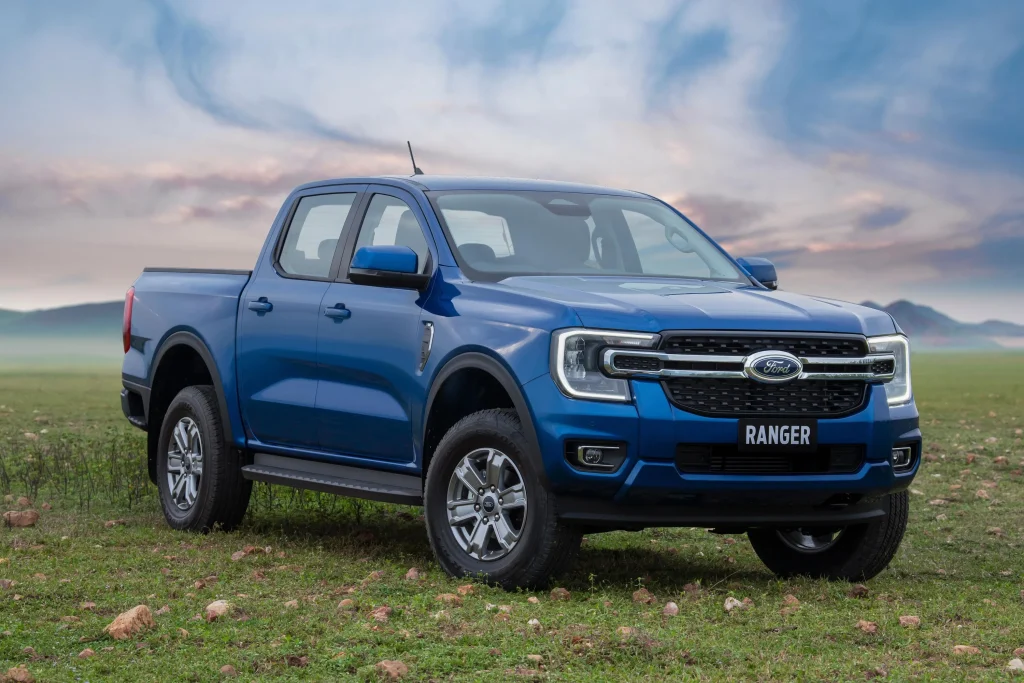
The 2022 Ranger is therefore not an automatic skip. A clean example with documented maintenance and completed recalls can still make sense. However, the buyer should treat the transmission as a priority inspection item and avoid purchasing solely because the truck has relatively low mileage.
5. 2019 Ford Ranger
The 2019 Ranger is the year I would approach with the greatest caution among the early U.S. Rangers. It marked the nameplate’s return to the American market after a lengthy absence, making it a significant redesign year. Consumer Reports currently rates the 2019 Ranger less reliable than other vehicles from the same model year.
The transmission is the biggest reason to inspect an example carefully. Consumer Reports’ owner data identifies both minor and major transmission problems, with reports describing rough shifting, slipping and, in some cases, transmission replacement.
One owner reported transmission slipping that ultimately resulted in replacement at about 60,000 miles.
The truck itself uses the same basic 2.3-liter turbocharged four-cylinder found throughout this generation, producing 270 horsepower and 310 lb-ft of torque. That engine is strong, but the 10-speed automatic deserves more attention on a used 2019 than the impressive power figures might suggest.
The driveline is another area worth checking. Consumer Reports’ owner feedback includes reports involving rear axle seals and other driveline concerns. Fuel-system and emissions complaints also appear in the survey data, including reports involving sensors and low-speed drivability.
The recall history reinforces the need for a VIN check. Consumer Reports currently lists 11 NHTSA recalls for the 2019 Ranger. One current recall covering the 2019–2024 Rangers involves engine block heaters that can crack and leak coolant, potentially creating an electrical short when plugged in.
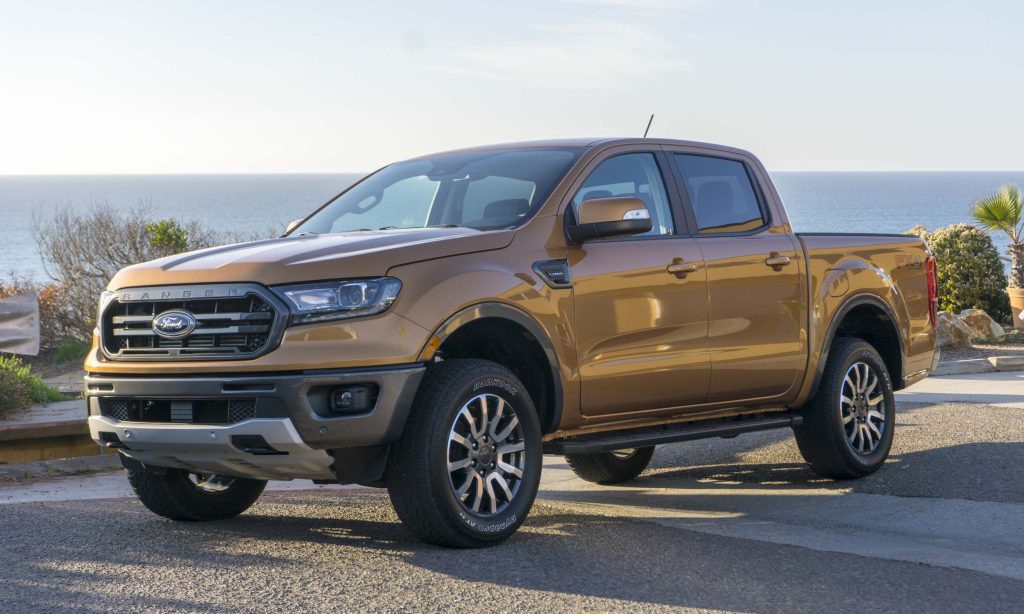
A properly maintained 2019 can still be usable, but it should not be the default recommendation when cleaner later examples are available. A prospective buyer should demand a cold-start test, a long transmission test drive, and documented maintenance.
6. 2024 Ford Ranger
The 2024 Ranger deserves a different kind of caution because it is the redesign year for the current-generation truck. Consumer Reports notes that 2024 is a major redesign year, and its reliability guidance warns that extensively redesigned vehicles can carry greater reliability risk because manufacturers have less real-world history with the new configuration.
This Ranger is larger than the outgoing model and introduces a substantially updated interior, new electronics, and revised chassis packaging.
The standard U.S. engine remains a 2.3-liter turbocharged four-cylinder producing 270 horsepower, while a 2.7-liter turbocharged V6 producing 315 horsepower is available. The Raptor uses a 3.0-liter twin-turbo V6 with 405 horsepower for 2024.
Consumer Reports currently rates the 2024 Ranger as having about average reliability compared with vehicles from the same model year.
However, its owner-reported trouble spots already include electrical accessories, climate-system issues, suspension and steering, drive-system components, and brakes. Some owners have reported electrical problems involving wiring harnesses and warning lights.
The recall history is also worth checking. Consumer Reports currently lists 11 NHTSA recalls for the 2024 Ranger. One important campaign concerns rearview-camera software that could cause the image to delay, freeze, or fail to display when reverse is selected.
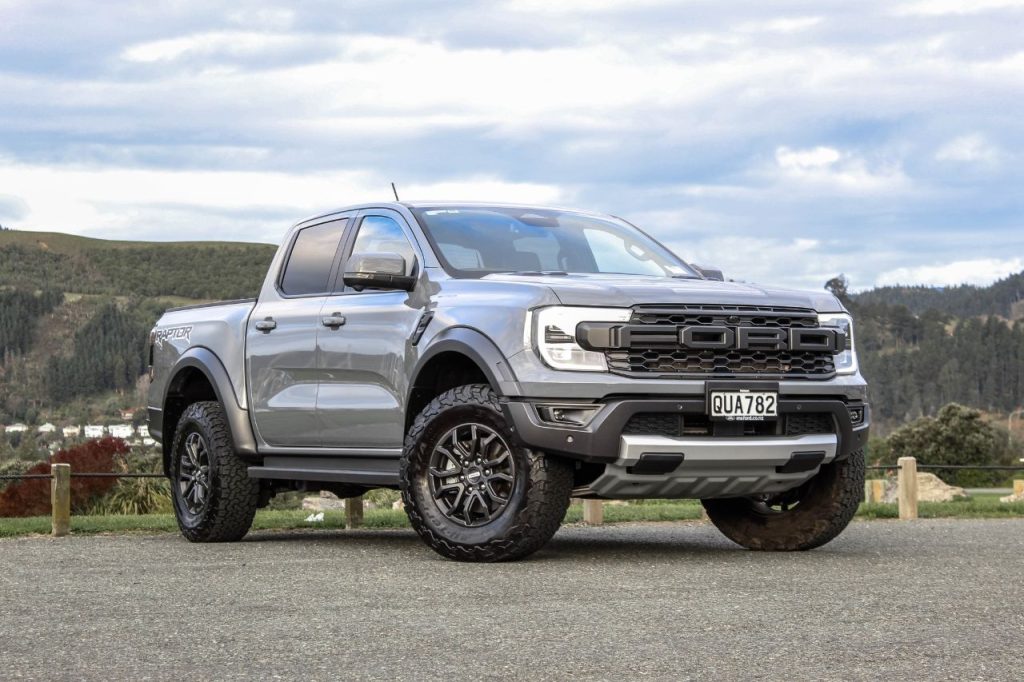
That does not make the 2024 a bad truck. In fact, its newer platform, larger cabin, and available V6 make it highly appealing. The issue is that buyers seeking proven long-term reliability have less historical evidence to work with than they do for the mature 2019 to 2023 generation.
For a used 2024, verify every recall by VIN and pay particular attention to electrical functions, cameras, warning lights, climate controls, and 4WD operation during the inspection.
7. 2025 Ford Ranger
The 2025 Ranger is a year I would approach carefully rather than automatically recommending simply because it is newer. Consumer Reports currently rates the 2025 Ranger as less reliable than other vehicles from the same model year, and its current database shows 10 NHTSA recalls.
This generation was still relatively young in 2025, having been redesigned for 2024. That means buyers are dealing with a newer platform, electronics architecture, and updated equipment with less long-term history than the previous-generation Ranger.
The standard engine remains a 2.3-liter turbocharged four-cylinder, while the 2.7-liter twin-turbo V6 is available. The Raptor continues with a 3.0-liter twin-turbo V6. The standard powertrain produces 270 horsepower and 310 lb-ft of torque, while the 2.7-liter V6 produces 315 horsepower and 430 lb-ft.
The recall record is the bigger reason to inspect a 2025 carefully. Current NHTSA data includes campaigns involving the electronic brake booster, side-curtain airbags, windshield bonding, dashboard construction, trailer-brake functions, and other systems.
One 2026 recall also involves certain 2025 Rangers whose EGR valve may fail and cause unexpected loss of drive power.
None of this means every 2025 Ranger is unreliable. It means the buyer should verify the VIN and confirm that every applicable recall has received its remedy. A used truck with incomplete recall work is a poor starting point, particularly when several campaigns involve safety-related equipment.
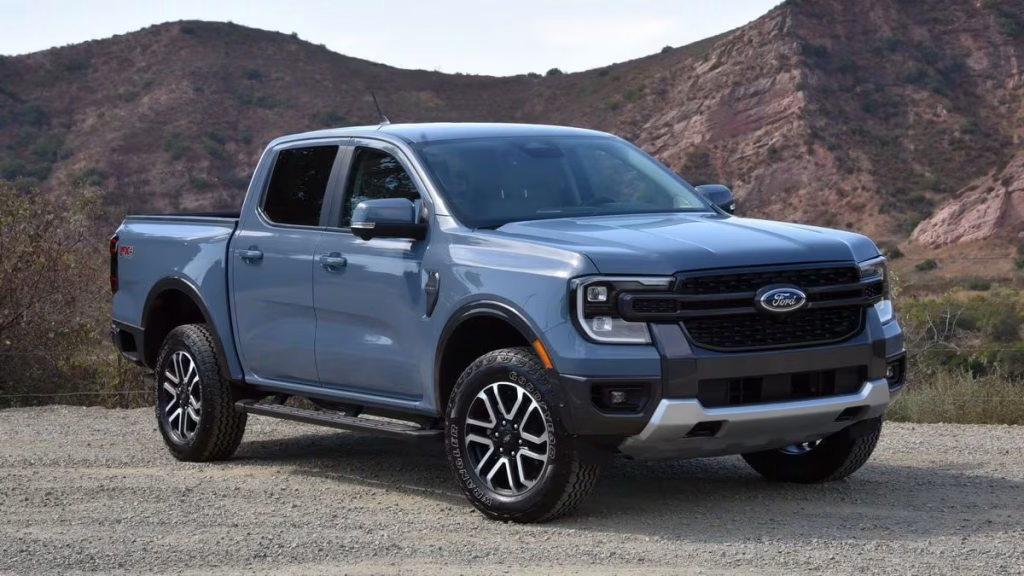
For shoppers who want the redesigned Ranger, a 2025 can still be appealing. Just treat it as a truck requiring careful verification rather than assuming newer automatically means better.
8. 2026 Ford Ranger
The 2026 Ranger is difficult to classify as a used-car reliability winner because it is still a current model and has limited long-term ownership history. Consumer Reports currently predicts about average reliability for the 2026 Ranger, basing that prediction on data from the 2024 and 2025 models.
That is actually encouraging compared with the weaker ratings attached to several earlier years, but buyers should remember what “predicted reliability” means. It is not the same as having a decade of proven ownership data. Consumer Reports is using existing information to estimate how the newest Ranger is likely to perform.
The 2026 truck continues the redesigned platform introduced for 2024. Ford offers the 2.3-liter turbocharged four-cylinder, the available 2.7-liter twin-turbo V6, and the high-performance Ranger Raptor with its 3.0-liter twin-turbo V6.
Current recall information also shows that the 2026 Ranger is not free from issues. Consumer Reports currently lists two NHTSA recalls, including a trailer-related integrated module problem that can cause loss of trailer brake or lighting functions and an airbag-related campaign covering certain 2024 through 2026 Rangers.
The 2026 model is therefore more promising on paper than some earlier Rangers, but it is too early to call it a proven long-term reliability champion.
For a buyer seeking the newest possible truck, the 2026 makes sense if the priority is modern equipment and warranty coverage. For someone specifically seeking the smartest used Ranger year, however, more established model years with stronger real-world history may eventually provide a clearer picture.
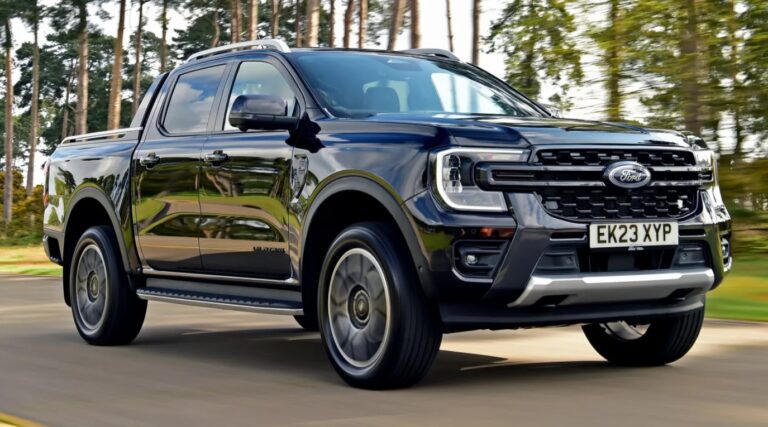
9. 2018 Ford Ranger
For a U.S. used-truck buyer, the 2018 Ranger is not a normal recommendation because it belongs to the pre-return period. Ford did not sell the Ranger in the U.S. during 2018, so there is no conventional U.S.-market 2018 Ranger to evaluate in the same way as the 2019 through 2026 trucks.
Consumer Reports’ current Ranger database jumps from the 2019 redesign back to the 2011 through 2018 period, reflecting the earlier Ranger generation rather than the modern truck that returned for 2019.
That makes the year important for buyers browsing used listings. A listing described as a “2018 Ford Ranger” may involve a vehicle imported from another market or an incorrectly entered model year. It should not be confused with the U.S. Ranger that Ford introduced for the 2019 model year.
For this guide, that distinction makes 2018 a year to skip when shopping specifically for the modern U.S.-spec Ranger. The 2019 truck was the major redesign year for the Ranger’s American return, bringing the 2.3-liter turbocharged four-cylinder, 10-speed automatic transmission, and modern safety and technology equipment.
Consumer Reports identifies 2019 as the redesign year, and its reliability history begins with the current U.S. generation there.
This is less about mechanical unreliability and more about avoiding confusion during a used-vehicle search. Buyers should always verify the VIN, title information, production year, and U.S. specification before assuming a listing represents the Ranger they expect.
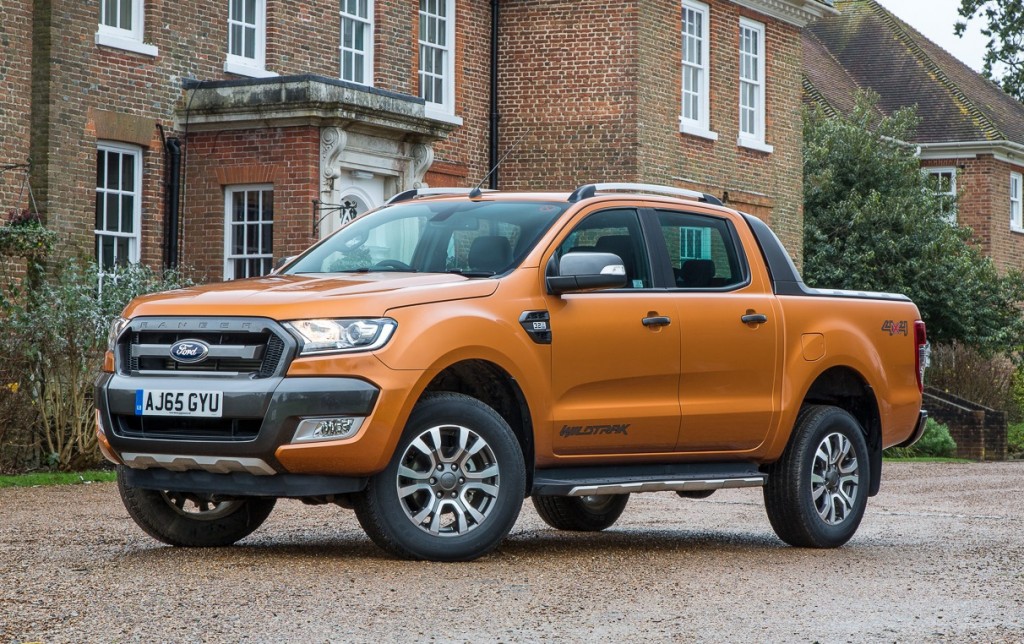
If the goal is a modern U.S. Ranger, there is little reason to chase an unusual 2018 example when the established 2019-and-newer generation exists.
10. 2017 Ford Ranger
The 2017 Ranger has the same fundamental problem for a U.S. buyer: Ford did not sell the modern Ranger in the United States for this model year. The U.S. Ranger returned for 2019, and Consumer Reports identifies 2019 as the redesign year for the current U.S. generation.
That means a used-car shopper searching specifically for a U.S.-market Ranger should treat a purported 2017 example with considerable caution.
A vehicle carrying that model year may be an imported Ranger from another market, rather than the midsize pickup Ford sold through U.S. dealerships beginning with the 2019 model year.
This distinction is important because specifications, engines, safety equipment, parts availability, and service requirements can differ between markets. A buyer expecting the U.S. Ranger’s 2.3-liter EcoBoost and 10-speed automatic could end up with a completely different vehicle.
For comparison, Ford’s U.S. Ranger returned for 2019 with a 2.3-liter turbocharged four-cylinder producing 270 horsepower and 310 lb-ft of torque. The current U.S. generation therefore begins with the 2019 model rather than 2017. Consumer Reports’ Ranger history also clearly separates the 2019-2023 generation from the newer 2024 redesign.
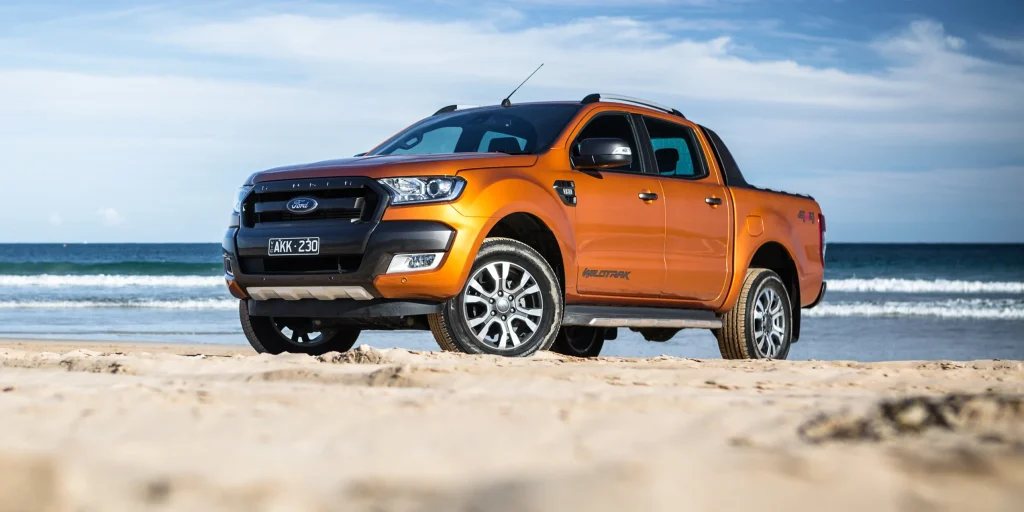
Consequently, 2017 belongs on a “skip” list for a very practical reason: it is not a normal U.S.-market modern Ranger purchase. Anyone encountering one should verify the VIN and determine exactly where the vehicle was originally sold.
For most American buyers wanting a Ranger, choosing a documented U.S.-spec 2019 or newer truck is considerably more straightforward
