
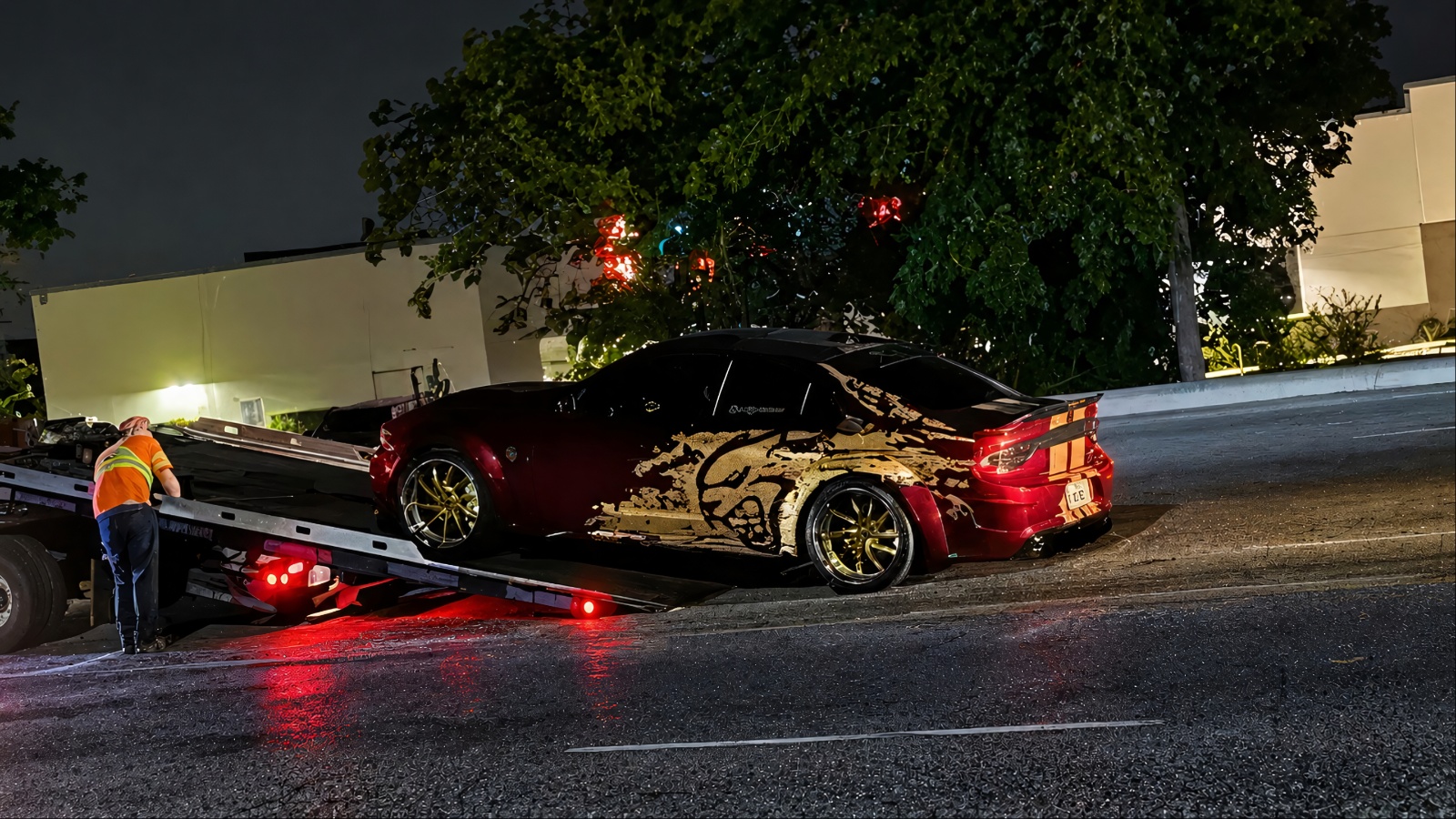
Getting a call that your car has been towed is never a good day, and in Texas, it can happen faster than most drivers expect. State law gives police officers and local departments clear authority to remove vehicles under a specific set of circumstances, and knowing what triggers a tow can save you time, money, and a serious headache.
Whether it’s a parking violation gone wrong or something far more serious, Texas doesn’t mess around when it comes to clearing hazards and enforcing the rules of the road. Here are eight situations where your vehicle could legally end up at a storage facility, and what the law actually says about each one.

1. Highway Racing or Drag Racing
Speed thrills, but it also gets cars towed in Texas. Under Transportation Code §545.420, any vehicle caught participating in prohibited highway racing, speed competitions, or drag racing gets sent straight to a licensed storage facility unless a specific legal exception applies.
This is not a situation where officers simply issue a warning and let drivers go. Street racing is treated as a serious public safety threat because it puts drivers, passengers, and bystanders at risk. Two cars traveling at triple-digit speeds on public roads can turn a reckless act into a deadly incident within seconds.
Lawmakers wrote this statute with that danger in mind, giving police the tool they need to pull these vehicles off the street immediately rather than waiting for a court date to sort things out. What surprises many drivers is how broadly “racing” can be interpreted. It doesn’t have to be an organized street race with spectators and a starting line.
Two strangers who start speeding side by side at a green light, egging each other on, can fall under this same provision. If you’re behind the wheel when it happens, don’t expect sympathy from the officer who shows up. Expect paperwork, a tow truck, and a bill waiting for you at the impound lot.

2. Vehicle Operated by an Arrested Driver
Here’s a scenario that catches people off guard: you get arrested, and suddenly your car is gone too. Section 545.305 gives officers the authority to remove a vehicle when its driver is taken into custody, and the officer is legally required to make that arrest. It doesn’t matter if the car itself did nothing wrong.
If you’re not there to drive it, it can’t just sit on the roadside indefinitely. This rule exists for practical reasons more than punitive ones. A vehicle left unattended on a busy street or highway shoulder creates its own set of problems, from traffic congestion to theft risk.
Rather than leaving a car exposed and unsupervised, officers are permitted to have it towed to a secure location until the owner or driver can retrieve it. Passengers sometimes assume they can just hop into the driver’s seat and take the car home instead.
That’s not always how it works. Depending on the situation, the passenger’s own license status, sobriety, and the officer’s discretion all play a role in whether that’s allowed. In many cases, the safest and most likely outcome is still a tow, leaving the arrested driver to deal with both the legal fallout and the impound fees once released. It’s an added cost nobody plans for, tucked into an already stressful day.

3. Driving Without Required Financial Responsibility
Insurance matters more than most Texas drivers realize, especially the second time around. State law includes specific impoundment provisions tied to a second or subsequent conviction for driving without the required financial responsibility, meaning driving without proof of insurance coverage.
A first offense might come with a fine and a stern warning. A repeat offense carries heavier consequences, and losing your vehicle to impound is one of them. The logic behind this escalating penalty isn’t hard to follow. Insurance exists to protect everyone on the road, not just the driver holding the policy.
When a driver repeatedly ignores that requirement, the state responds with a firmer hand, treating the pattern as a sign that lighter penalties simply aren’t getting the message across. For drivers who’ve already had one brush with this violation, the stakes rise considerably the second time.
Beyond fines and potential license consequences, having your vehicle impounded adds towing fees, storage charges that accumulate daily, and the logistical burden of proving current coverage before you can get your car back. Some drivers find themselves paying more to retrieve the vehicle than they would have spent on a full year of insurance premiums in the first place.
The message is simple, even if following it can be difficult. Maintaining continuous and valid insurance coverage is not just a legal requirement. It can also save you money. A lapse that seems harmless at first can eventually lead to higher costs, added complications, and more hassle down the road.
4. Driving in Violation of Certain License Requirements
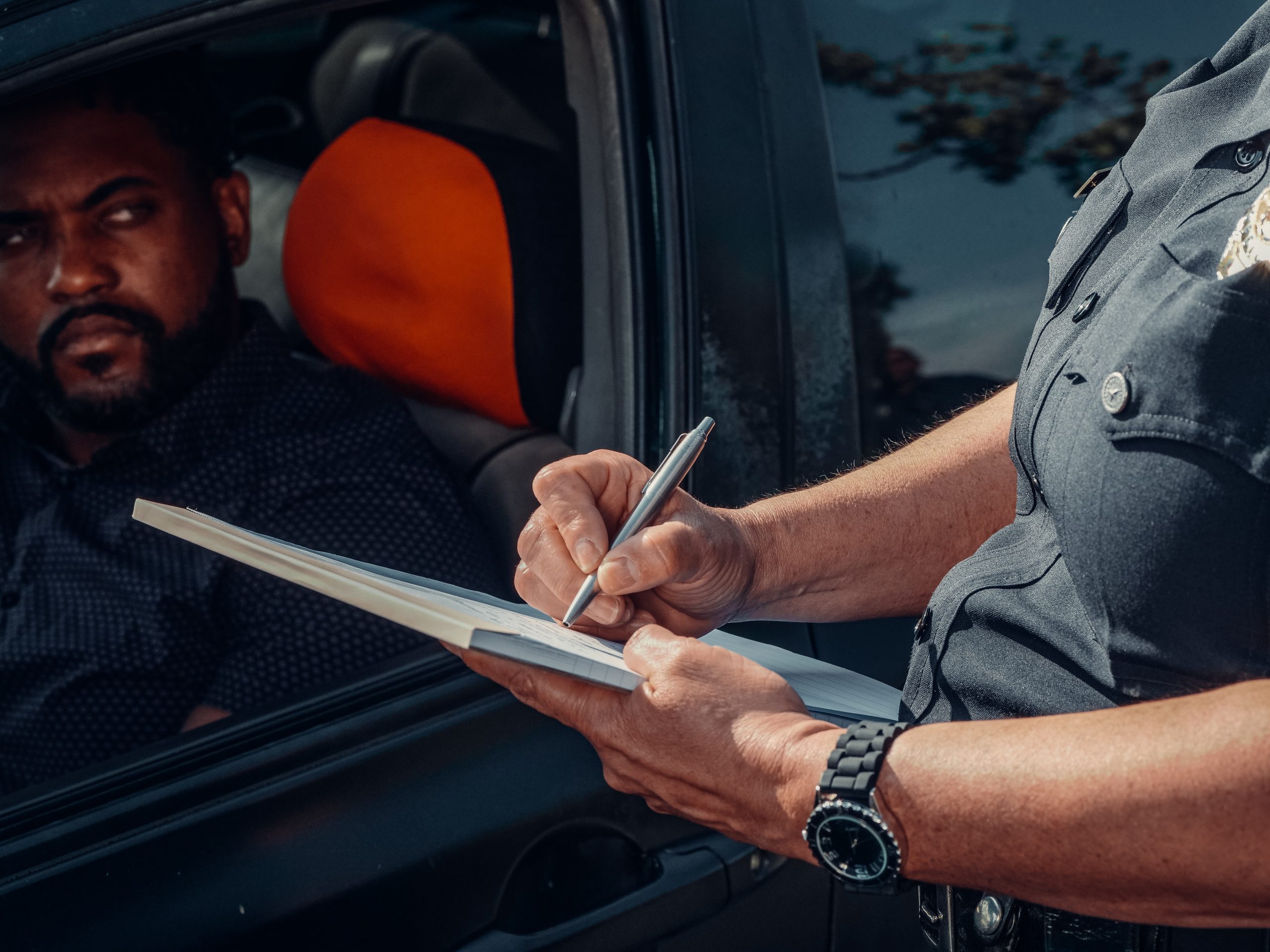
License issues and impoundment don’t always go hand in hand the way people assume. Section 545.305 permits vehicle removal specifically when a driver violates certain provisions tied to Transportation Code §§521.021 and 521.457. That’s a narrower rule than many drivers expect. Having an expired license or one that’s temporarily suspended doesn’t automatically mean an officer will call a tow truck.
Context shapes the outcome here more than almost any other violation on this list. Officers weigh the specific circumstances of the stop, the nature of the license issue, and whether leaving the vehicle parked and locked is a reasonable alternative to towing it.
That said, drivers shouldn’t take this as a loophole. Certain license violations covered under these specific sections do carry real consequences, including the real possibility of impoundment. The line between “you’ll get a citation and be on your way” and “your car is getting towed” often comes down to details that aren’t obvious to someone standing on the side of the road during a traffic stop.
The safest approach remains simple: keep your license current, resolve suspensions promptly, and don’t assume a lapsed document is a minor inconvenience. What feels like a paperwork delay to you might look like a statutory violation to the officer holding your license in their hand.

5. Abandoned Vehicle
Forty-eight hours. That’s the threshold Texas law uses to determine when an unattended vehicle crosses the line into “abandoned” territory. Once an officer has reasonable grounds to believe a car has sat unmoved and unattended beyond that window, removal becomes a legal option, no owner confrontation required.
Consider the vehicle sitting on a residential street for weeks, gathering dust, tickets, and neighborhood complaints. Or the car left in a parking lot after a breakdown, with an owner who never returned. These situations aren’t uncommon, and cities across Texas deal with them constantly, particularly in areas where old, non-running vehicles pile up and become eyesores or safety concerns.
Municipalities generally don’t jump straight to towing the moment the 48-hour mark passes. Officers typically document the vehicle, sometimes tagging it with a notice, before authorizing removal. This gives an owner a narrow window to move the car and avoid impoundment altogether. Once that window closes, though, the vehicle can be hauled away and stored, with fees accumulating for every day it sits unclaimed.
Owners who ignore these notices often face a rude awakening when they finally check on their vehicle, only to discover it’s gone, along with a growing bill. If you know a car under your name has been sitting somewhere for an extended stretch, don’t wait for a knock at the door. Move it, or risk losing it to the impound lot entirely.
6. Disabled Vehicle With No One Available to Handle the Tow
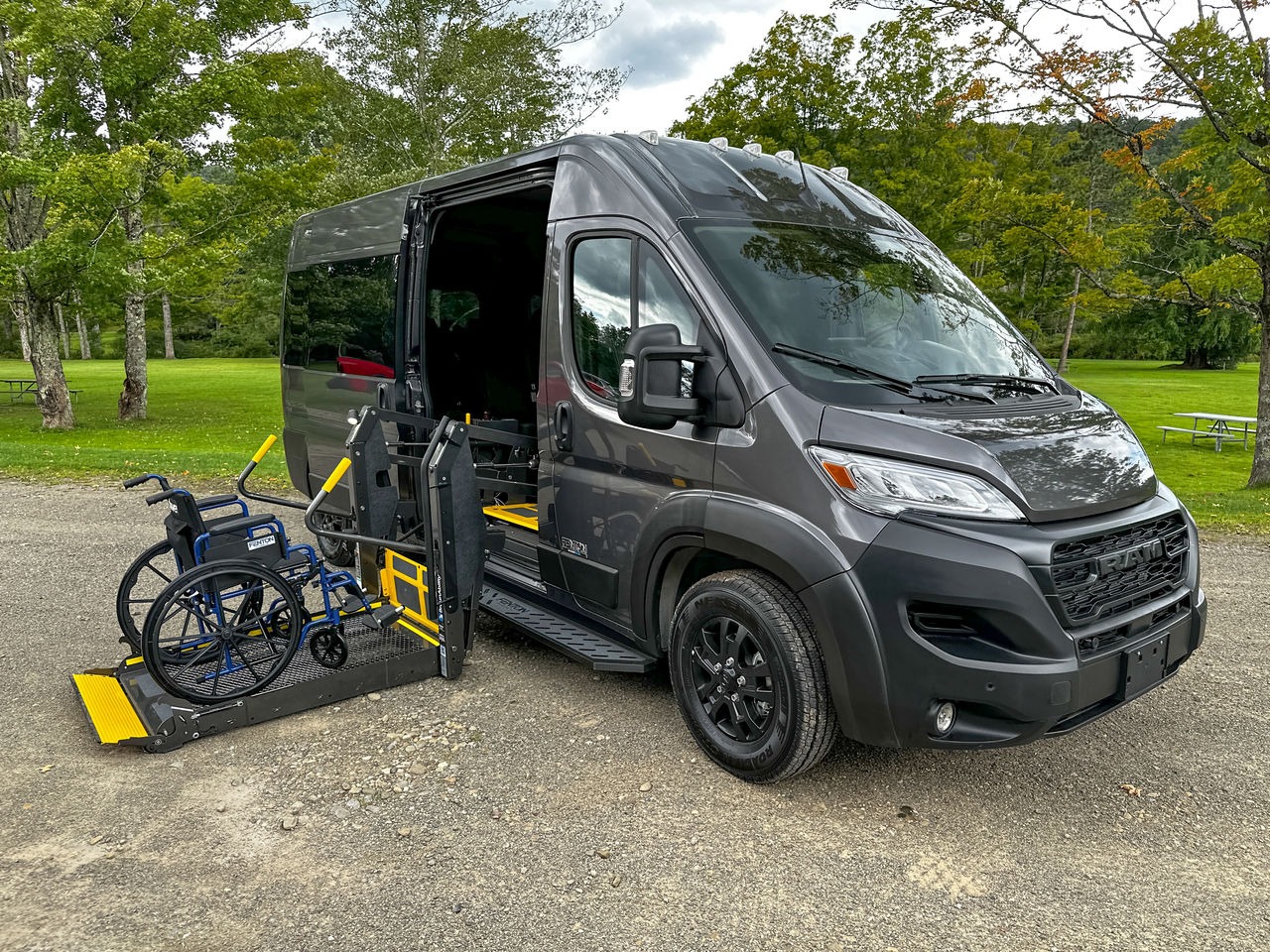
Breakdowns happen. It’s what occurs next that determines whether your car stays put or gets carted off by the state. When a vehicle becomes disabled to the point that normal operation is impossible or impractical, Texas law allows removal if the responsible person is incapacitated, not nearby, or fails to designate a towing and storage company of their own choosing.
Picture this: a driver suffers a medical emergency behind the wheel and is rushed to the hospital, leaving a disabled car sitting in a live traffic lane. Nobody’s coming back for it anytime soon, and leaving it there isn’t an option.
Officers step in, arrange removal, and the vehicle heads to a storage facility until the owner or a designated party can claim it. This provision isn’t about punishing drivers for mechanical failure. It’s a practical measure meant to clear roads quickly when the person responsible for the vehicle simply isn’t in a position to make arrangements themselves.
Drivers who are conscious, present, and able to call their own towing service are typically given that opportunity first, since the law generally favors letting the vehicle owner choose who handles the job whenever that’s realistic.
The lesson for drivers is simple but useful. Keep the number of a trusted towing service handy and make it clear which company you want to call if your vehicle breaks down. Waiting too long to speak up could mean giving up that choice to the officer at the scene.

7. Vehicle Blocking or Creating a Hazard on a Highway
A vehicle does not need to break down before Texas authorities can tow it for causing a traffic problem. State law allows removal when a car creates a safety hazard, disrupts government work, or becomes unsafe during an emergency or unusual situation.
For example, a stalled car sitting in an active lane during rush hour can be removed. The same can happen when a vehicle blocks emergency crews, prevents road workers from making repairs, or interferes with public operations. Officers may act quickly when leaving the vehicle there could create further problems.
Severe weather can make these rules even more important. During hurricanes, floods, or other emergencies, authorities may need to keep evacuation routes and access points open for emergency vehicles. A car that might normally remain where it is could be towed when it prevents emergency personnel from reaching people who need help.
Some drivers may disagree with the decision and believe their vehicle was not causing a serious obstruction. However, officers have broad authority when public safety or emergency access is involved. If your vehicle is towed under these circumstances, cooperating at the scene is usually a better approach than trying to settle the dispute there.
8. Stolen or Reported-Stolen Vehicle
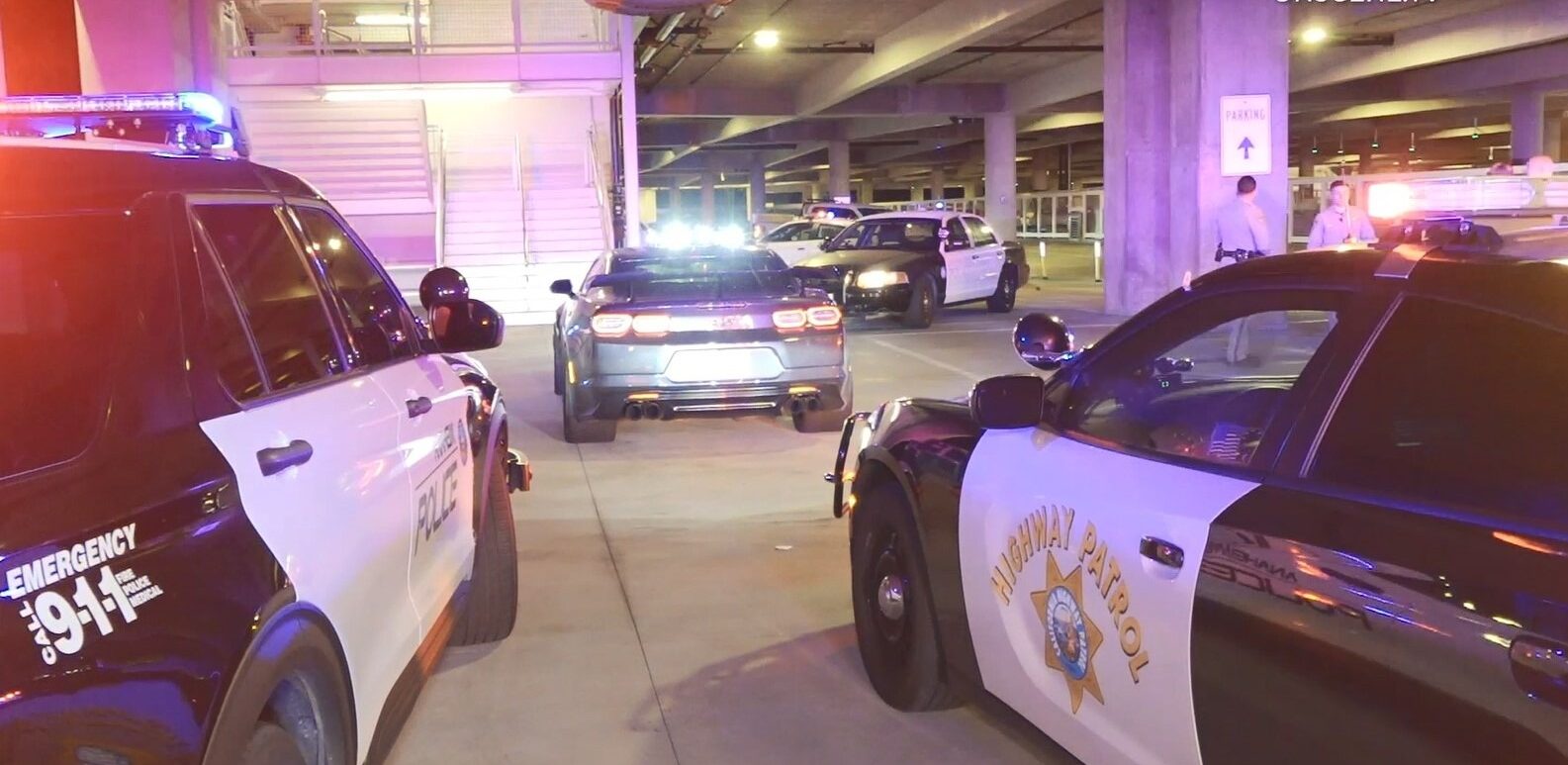
Recovering a stolen car should feel like good news, and legally speaking, it usually is. Section 545.305 authorizes the removal of any vehicle reported stolen or identified as stolen under a warrant, meaning once police locate that car, it doesn’t simply get driven back to the owner on the spot.
There’s a process behind this, and it exists for good reason. Recovered stolen vehicles often need to be processed as evidence, particularly if an arrest or investigation is tied to the theft. Fingerprints, forensic evidence, and documentation of the vehicle’s condition all matter for building a case against whoever took it. Towing the car to a secure facility protects that evidence and keeps the chain of custody intact.
For owners, this can feel like an unwelcome delay after already dealing with the stress of having their vehicle stolen. The relief of recovery often comes paired with additional steps: filing paperwork, coordinating with police, and sometimes covering towing or storage costs before the car is finally released back into your hands.
Insurance can sometimes help offset these costs, depending on your policy and the specifics of the theft. It’s worth contacting your provider as soon as you’re notified of a recovery, since some policies cover towing and storage fees associated with a stolen vehicle recovery. Either way, patience becomes part of the process, even when getting your car back should feel like a straightforward win.
