
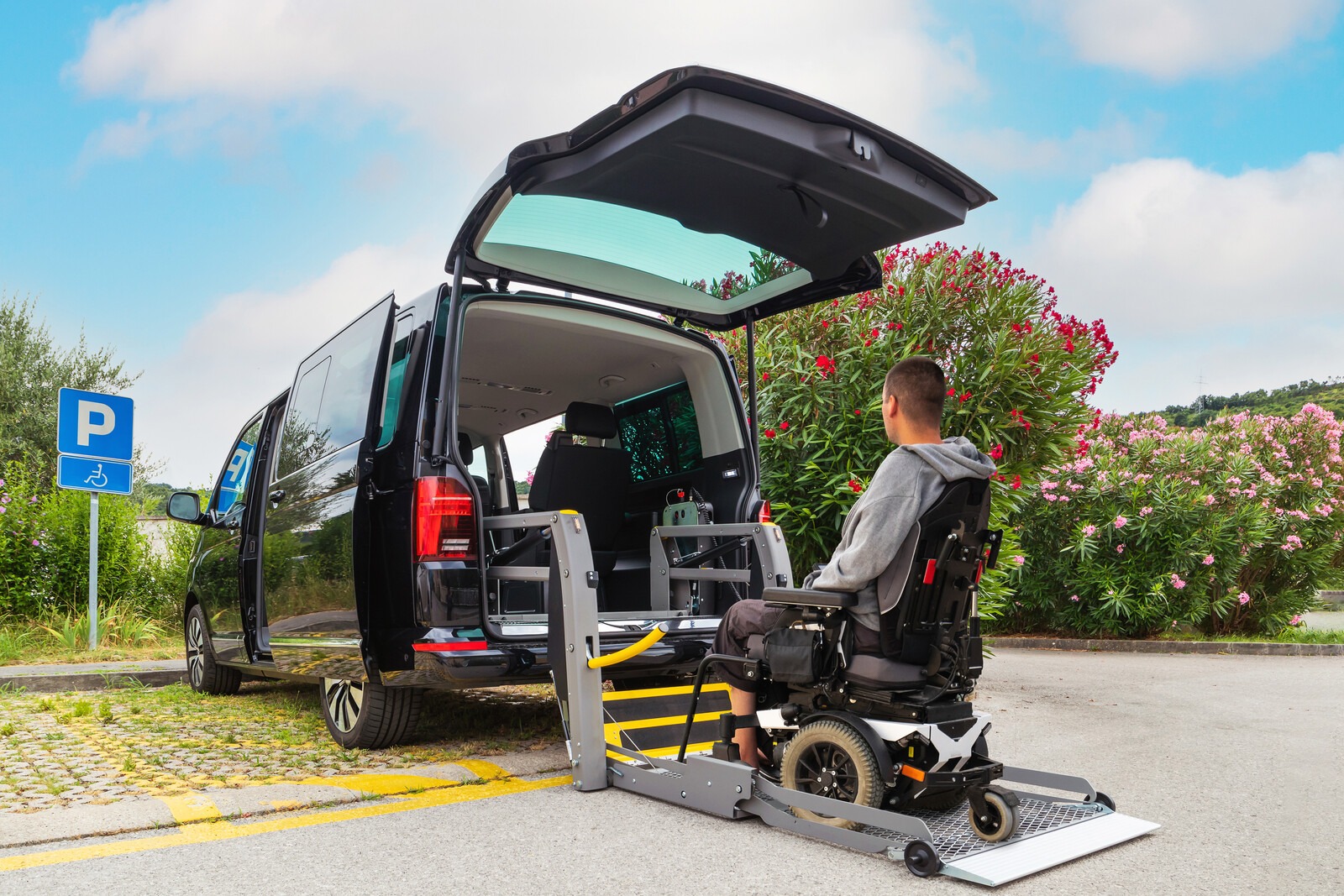
Not every car in the driveway is built the same way underneath, and that matters more than most people realize when mobility needs change. Some vehicles offer just the right floor height, cabin space, and structural layout to accept a professional wheelchair conversion, while others fight against every attempt to make them work.
This guide breaks down ten popular vehicles: five that welcome a wheelchair-accessible conversion with open arms, and five that push back against the idea almost entirely. Whether you’re shopping for a new ride or wondering if your current car could ever be adapted, this rundown gives you a clear, honest picture of what’s realistic and what simply isn’t worth the fight.
5 Vehicles That Are Relatively Easy to Convert
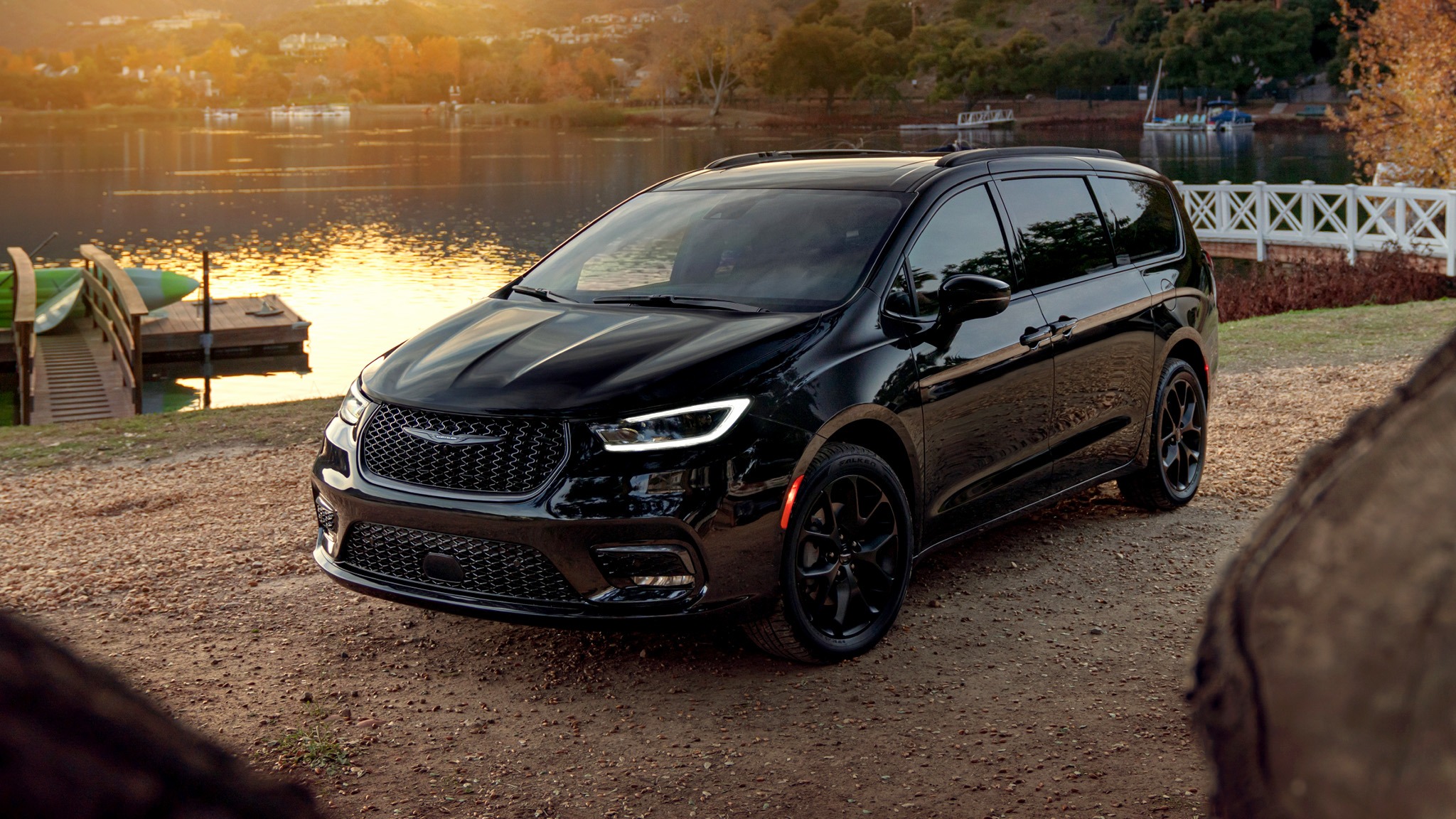
1. Chrysler Pacifica
The Chrysler Pacifica is one of the vehicles that has earned a strong reputation among people looking for wheelchair-friendly transportation. This reputation comes from its practical design, which gives mobility conversion companies enough room to install different accessibility systems.
BraunAbility, a well-known mobility conversion company, provides both side-entry and rear-entry options for the Pacifica. Customers can also choose between foldout ramps and ramps that remain inside the floor when not being used.
Having these choices makes it easier for families to select a setup that suits their daily needs and the type of wheelchair they use. For many families, the Pacifica can be a practical choice for long-term transportation because there are established conversion options available.
Listings from NMEDA show approved conversions covering model years from 2017 through 2026. This long period of support suggests that conversion companies have continued working with the Pacifica successfully rather than treating it as a vehicle suitable for only one type of modification.
A vehicle with an established conversion history can also make the buying process less stressful. Families do not have to depend entirely on a local shop to create a completely new solution from scratch. Existing conversion designs have already been developed and improved through years of use.
The Pacifica’s spacious interior, accessible doors, and flexible layout also give conversion specialists useful room to work with. For families who need dependable wheelchair transportation, those features can make daily trips easier and more convenient. It remains a practical choice for many accessibility needs.
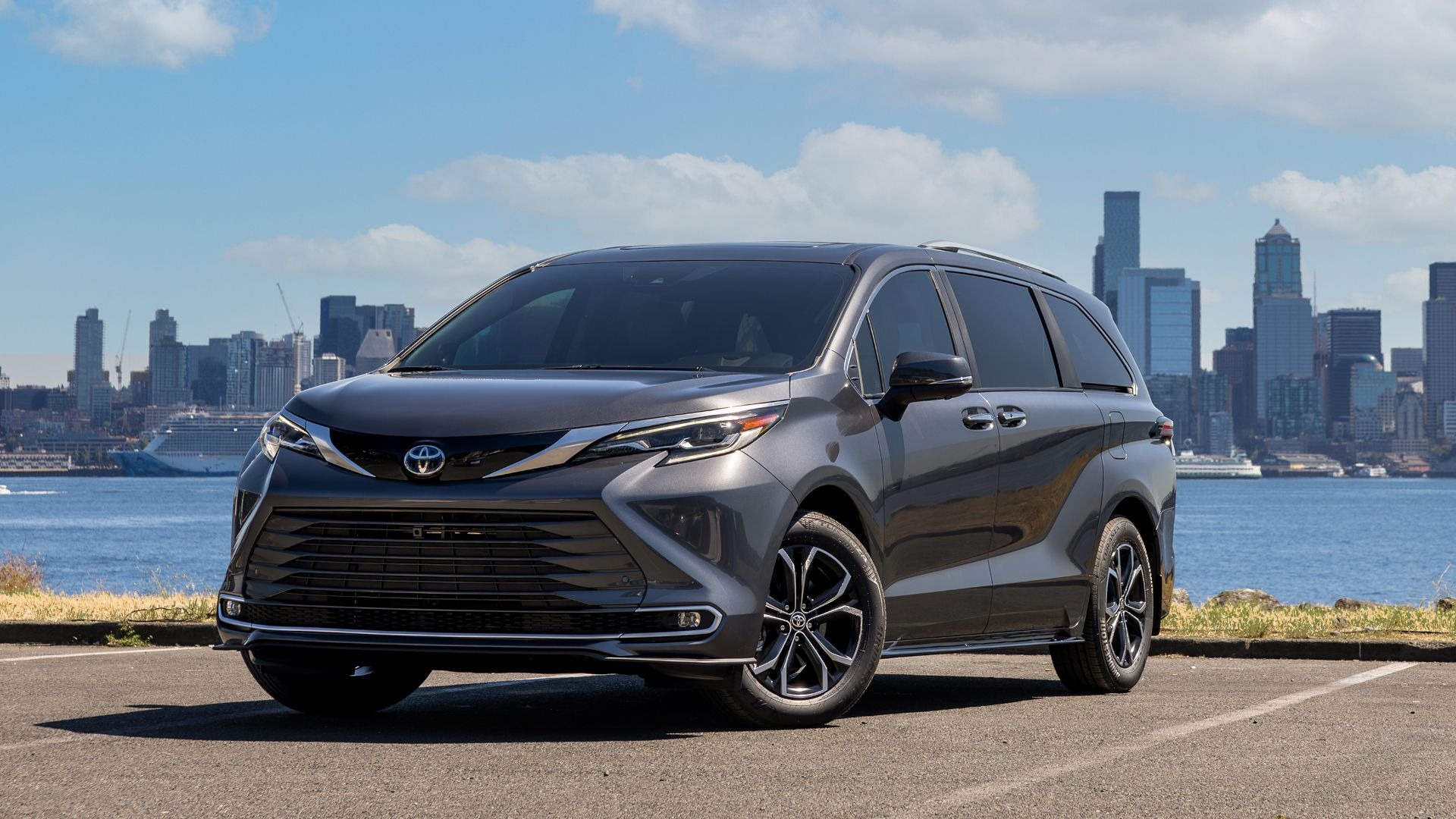
2. Toyota Sienna
The Sienna took an interesting turn when Toyota shifted the entire lineup to a hybrid-only setup, and that change didn’t stop conversion companies from continuing to work with the platform. If anything, it proved the minivan could still meet the structural demands of a wheelchair-accessible build despite its updated powertrain.
BraunAbility currently produces side-entry conversions specifically for the Sienna Hybrid, including both foldout and infloor ramp choices. That’s worth pointing out because hybrid vehicles don’t always translate smoothly into accessible conversions. Battery placement and underfloor components can complicate things quickly, yet Toyota’s engineering left enough room to make this work.
What stands out about the Sienna is how current the support remains. NMEDA’s listings cover Sienna Hybrid models from 2021 through 2026, meaning anyone shopping today, whether new or gently used, has access to a vehicle that’s actively being converted right now, not just in years past.
For buyers who care about fuel efficiency alongside accessibility, this minivan offers a rare combination. You’re not sacrificing one priority for the other. The Sienna proves that hybrid technology and wheelchair accessibility can coexist without one undermining the other’s practicality.
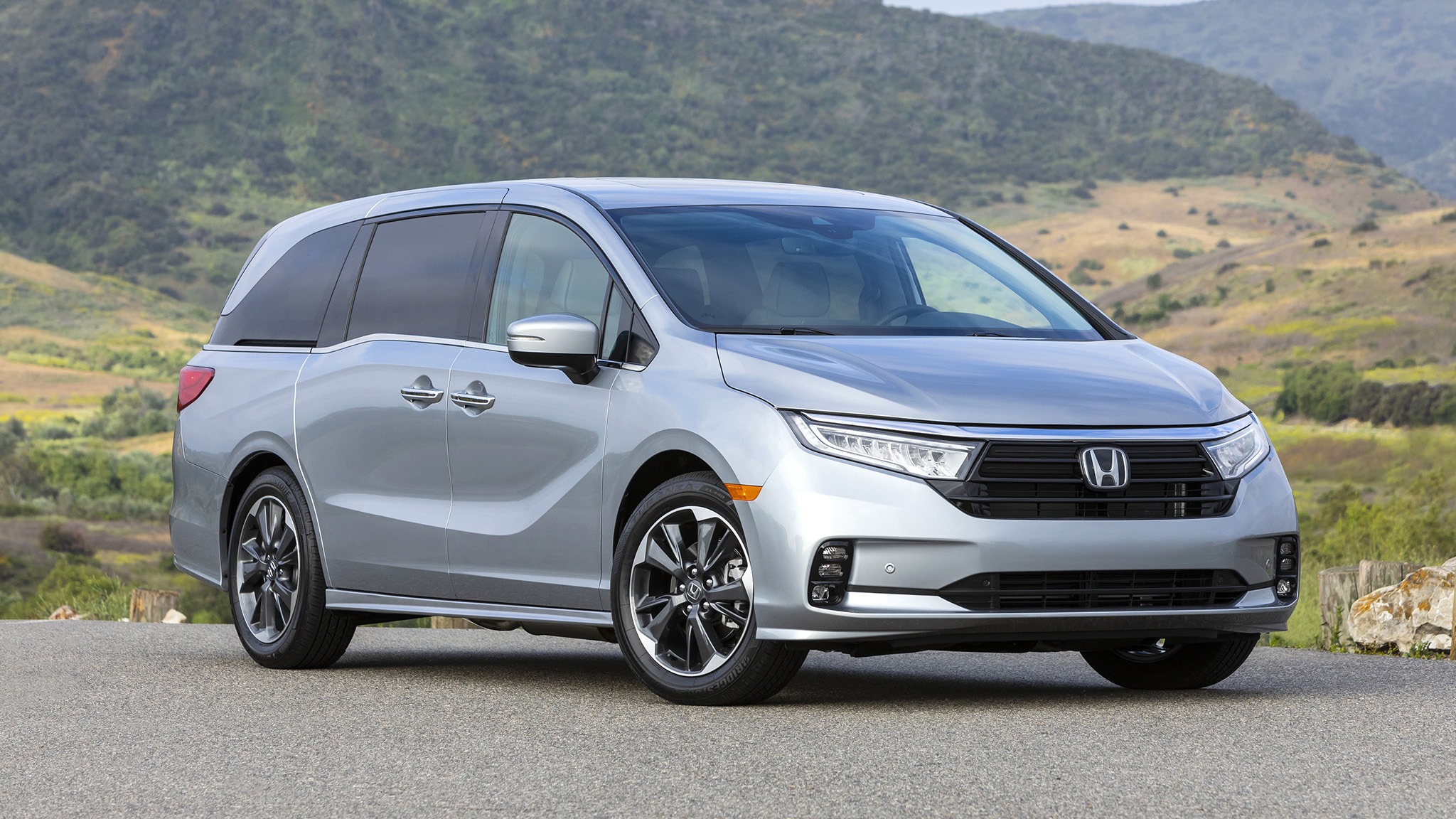
3. Honda Odyssey
The Honda Odyssey has become a familiar choice among mobility conversion specialists, and there are practical reasons for its long history in this area. The minivan was designed with a spacious cabin, making it easier for conversion companies to install wheelchair access equipment without making major changes to the vehicle.
Inside the Odyssey, the available headroom and floor layout provide useful space for a lowered-floor conversion. Installers can create enough room for a wheelchair user to enter and sit comfortably while keeping the vehicle’s basic structure intact.
Many vehicles do not offer this kind of working space, which helps explain why the Odyssey has remained popular for accessibility modifications. BraunAbility offers a side-entry system with an infloor ramp for the Odyssey.
When the ramp is stored, it stays inside the floor instead of remaining outside the vehicle. This design provides a cleaner entrance and makes everyday use more convenient for wheelchair users and their families.
NMEDA records also show that approved Odyssey conversions have been available for many years. The listings cover model years from 2009 through 2026, showing that conversion specialists have continued to support the minivan across a long period.
For families looking for a wheelchair-accessible vehicle, that history can provide some peace of mind. They can choose from established conversion systems rather than depending on an entirely new design.
Honda’s approach to cabin space and floor layout has helped make the Odyssey a practical platform for mobility modifications, giving families more choices when planning regular transportation needs.
4. Chevrolet Traverse
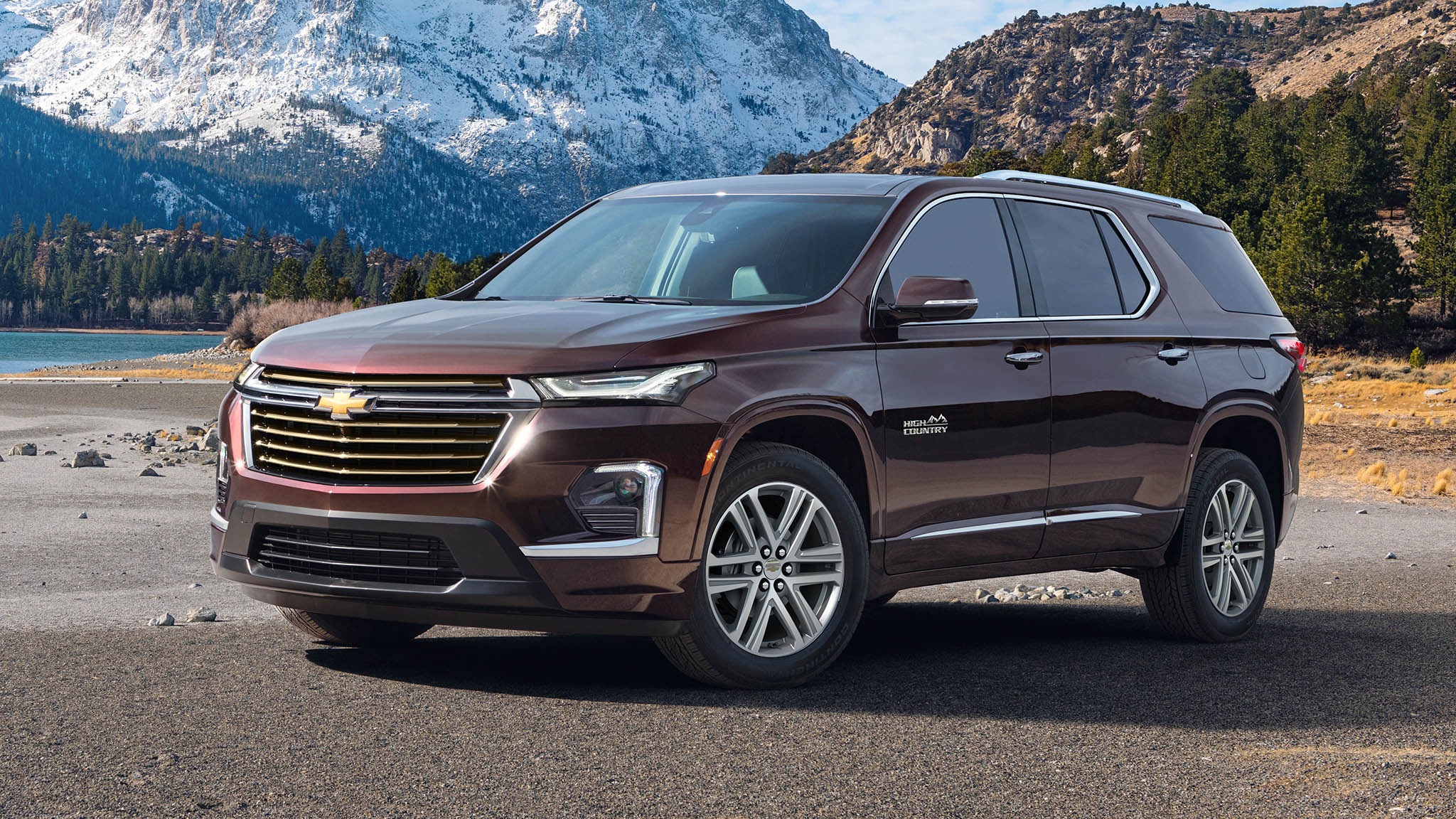
Minivans tend to dominate this space, so it’s refreshing to see an SUV hold its own among wheelchair conversion options. The Traverse manages to do exactly that, offering families an alternative body style without sacrificing the practical requirements a conversion demands.
BraunAbility’s side-entry power infloor conversion for the Traverse shows just how far accessible engineering has come for SUVs specifically. This isn’t a stripped-down version of a minivan conversion forced onto a different chassis. It’s a purpose-built system designed around the Traverse’s own proportions and structural points.
People who prefer the higher seating position and road presence of an SUV, but still need reliable wheelchair access, finally have a legitimate option here. That matters for buyers who’ve felt boxed into minivans simply because SUVs historically lacked proper conversion support.
NMEDA’s current listings confirm Traverse conversions covering model years 2020 through 2026, a window that keeps growing as newer versions roll off the assembly line. Given how quickly this SUV has earned its place among trusted conversion platforms, its continued presence on approved lists seems likely to stick around for a good while longer.
5. Kia Soul
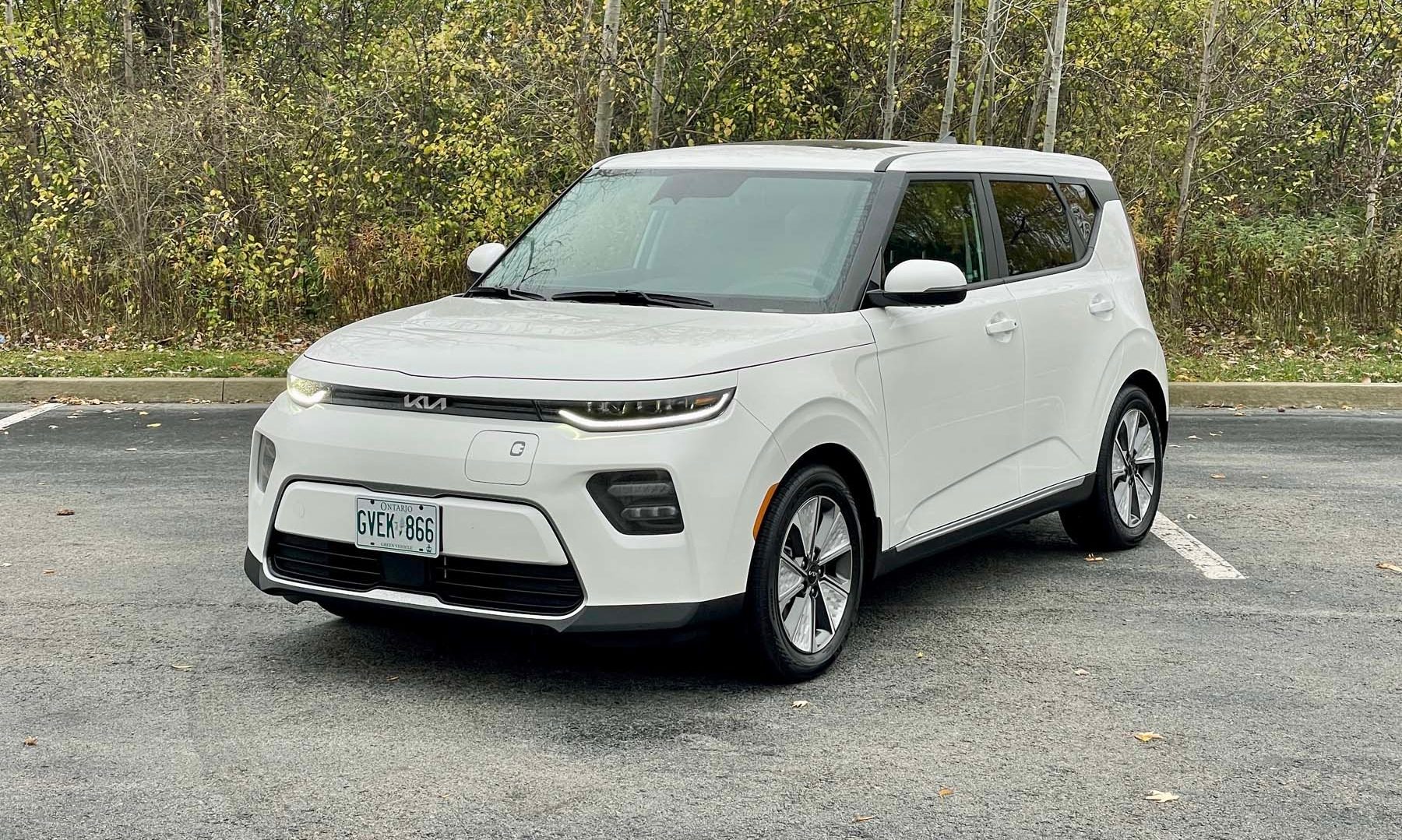
The Kia Soul may look like an unusual choice for wheelchair access, but its compact size has not stopped conversion specialists from finding a practical solution. It shows that accessibility does not always require a large minivan or a spacious vehicle.
Freedom Motors has developed a rear entry conversion for the Soul, using a lowered floor to create room for wheelchair access. Because the Soul is smaller than most vehicles used for these conversions, the installation requires careful planning and accurate work.
Customers can choose between automatic and manual ramp systems, depending on their needs and budget. One advantage of choosing a smaller vehicle is easier daily driving. A compact car can be simpler to park in busy areas, fit into smaller garages, and move through narrow spaces.
For someone who spends plenty of time in crowded places, these benefits can make a real difference. The reduced size may also make the vehicle feel easier to handle during trips.
Current listings include front wheel drive gasoline powered Soul conversions, showing that this type of setup is available for people who prefer a smaller vehicle. It also gives buyers another option if a traditional minivan feels too large for their lifestyle.
The Soul will not provide the same interior room as a full-size accessible van, but that may not matter to every wheelchair user. For drivers who value easier parking, a smaller footprint, and practical mobility access, this Kia offers an interesting alternative worth considering with a qualified conversion specialist.
5 Vehicles That Are Difficult for Conventional WAV Conversion
1. Mazda MX-5 Miata
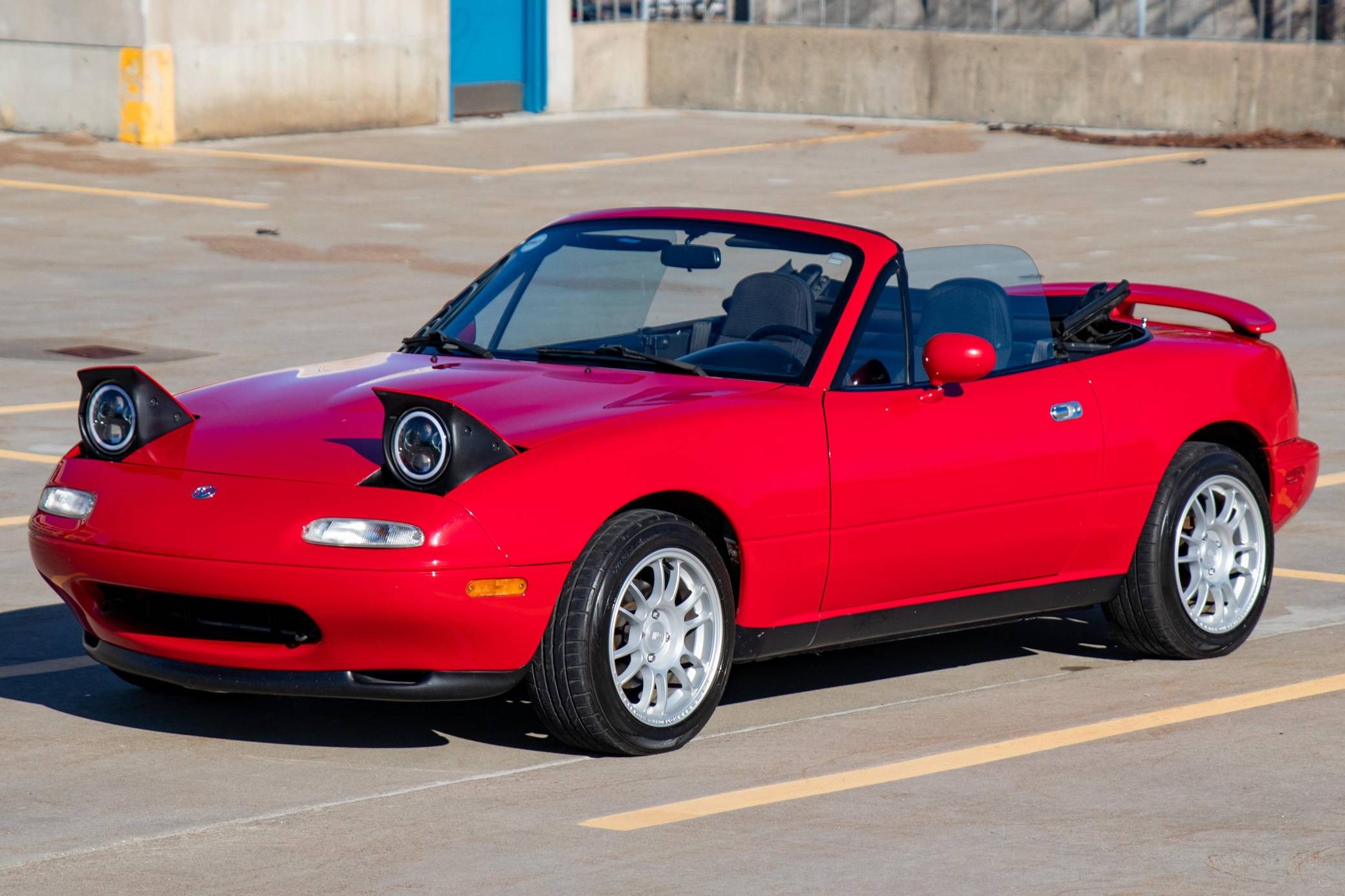
A wheelchair conversion sounds like a useful way to make a small sports car more accessible, but the Mazda Miata presents a serious challenge. The car was built for two occupants, limited storage, and a compact driving setup, leaving very little room for a wheelchair system.
Unlike larger vehicles designed with accessibility in mind, the Miata has a low body, narrow cabin, and small floor area. These features help keep the car light and responsive, but they leave little space for the equipment needed during a roll-in conversion.
Getting a wheelchair inside would require enough room for entry, positioning, and secure attachment, which the cabin simply cannot provide. Physical space becomes the biggest problem for conversion specialists.
Even with careful planning and custom equipment, there are limits that cannot be solved through better design alone. Cutting into the structure or making major changes could also affect the car’s safety, balance, and original driving characteristics.
For someone who needs mobility assistance but still wants to enjoy a Miata, adaptive driving equipment may be a better choice. Hand controls, pedal modifications, and other professionally installed devices can help a driver operate the car without requiring a major body modification.
Choosing the right solution depends on the driver’s mobility needs and the type of access required. A specialist should assess the vehicle before any work begins. In many cases, keeping the Miata mostly unchanged while adding suitable driving aids offers a safer and more practical approach than attempting a full wheelchair conversion.
This allows the driver to enjoy the car while avoiding major structural changes that may not be practical or safe for daily use.
2. Toyota Prius
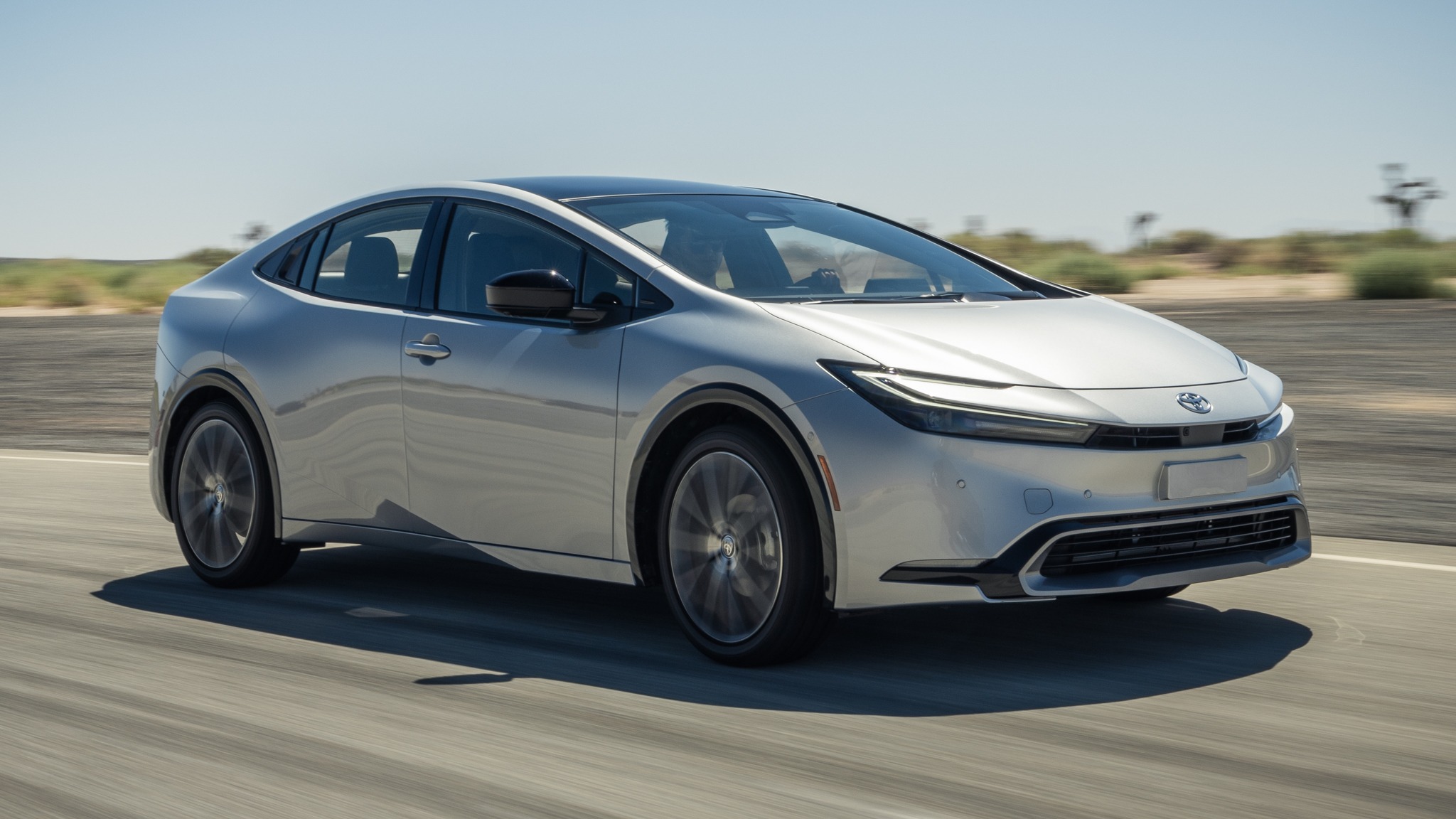
The Prius presents a strange kind of puzzle. On the surface, it looks like a reasonably sized hatchback that could work for basic conversions, but underneath, its hybrid architecture creates obstacles that aren’t immediately obvious to anyone unfamiliar with how these systems are built.
Battery placement sits at the center of the problem. Toyota positioned the hybrid battery pack and its supporting electrical components in locations that directly interfere with where a lowered floor would typically need to go. Add the exhaust routing and structural floor sections into the mix, and you’ve got a vehicle that resists conventional modification at nearly every turn.
None of this means engineers couldn’t theoretically find a workaround given enough time and resources. It simply means that, for now, a standard lowered-floor conversion isn’t a practical path for this hatchback. Saying it’s flatly impossible would be overstating things without accounting for specific model years or custom-engineered approaches that might exist outside typical conversion catalogs.
For most buyers seeking a straightforward, accessible vehicle, though, the Prius remains a poor match. Its hybrid components simply occupy too much of the space a conversion depends on.
3. Jeep Wrangler
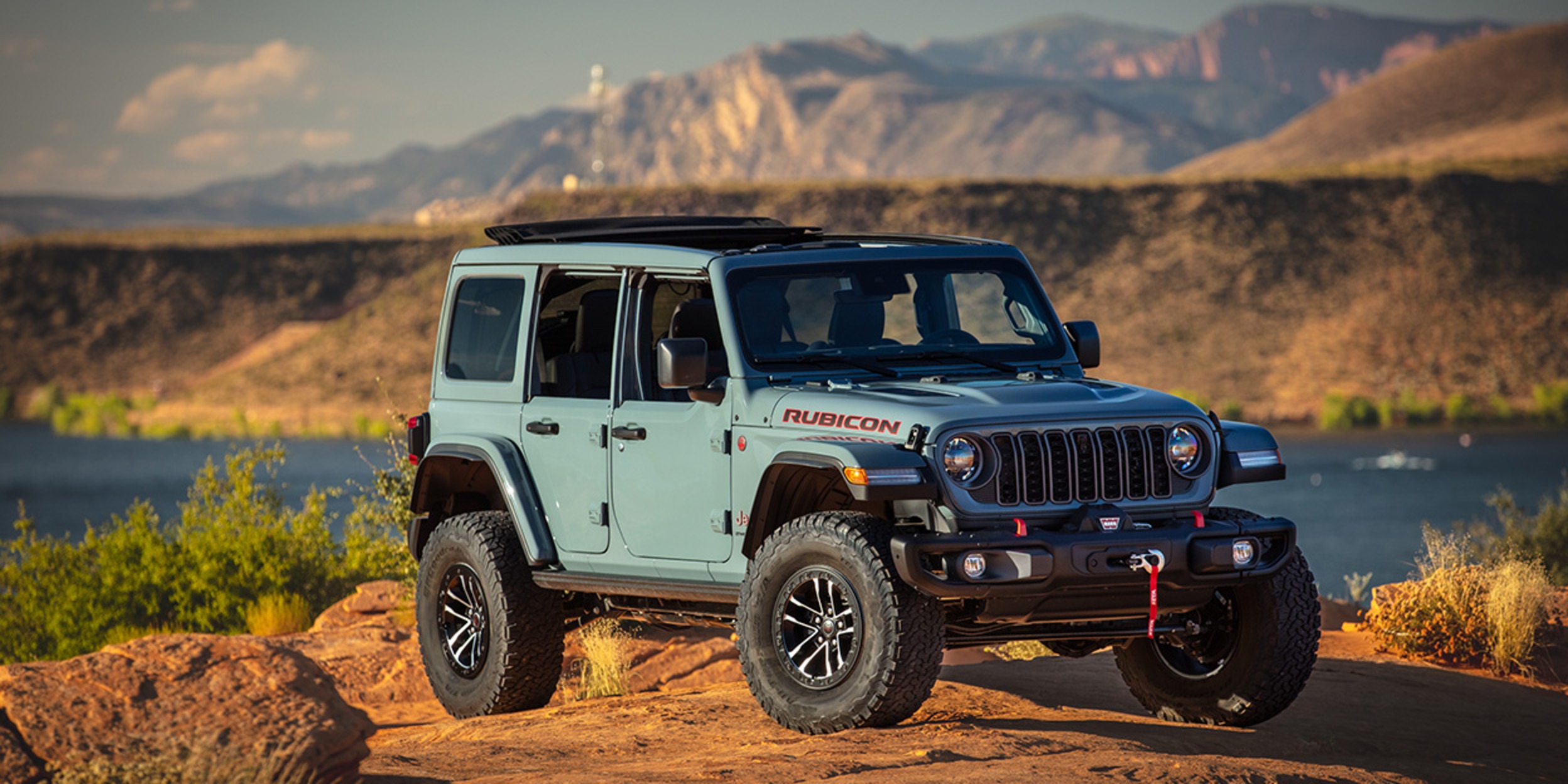
The Jeep Wrangler is mainly built for rough roads, muddy tracks, and rocky paths, so wheelchair accessibility was not part of its original design. That becomes clear when you look at the vehicle’s height and structure.
The high floor creates a major problem because a wheelchair ramp would need to sit at a steep angle before reaching the cabin. The Wrangler also uses a body-on-frame design, which makes certain modifications more difficult.
With this type of construction, the frame sits below the passenger area and limits how much the floor can be lowered. A conversion company must be careful not to make changes that could weaken the vehicle’s structure or affect its safety.
Another issue comes from the four-wheel-drive system. The drivetrain and other equipment underneath the vehicle take up valuable space. That space could otherwise be used to create a lower floor or install a more suitable ramp system. The off-road components make the available room even more limited.
However, having four-wheel drive does not automatically mean a vehicle cannot be modified for wheelchair access. Some other four-wheel-drive vehicles have received approved conversions. The main issue with the Wrangler is the combination of its high ride height, frame construction, and equipment underneath the cabin.
Specialised mobility companies may still find solutions for certain drivers. However, the work can be more demanding and expensive than with vehicles designed with easier access in mind.
Anyone considering such a modification should have the Wrangler assessed by a qualified conversion specialist before making any changes to the vehicle.
4. Chevrolet Corvette
It may seem unusual to discuss wheelchair access when talking about the Chevrolet Corvette, but the car was never designed with this type of modification in mind. Its main purpose is performance, and nearly every part of its design supports that goal rather than passenger convenience.
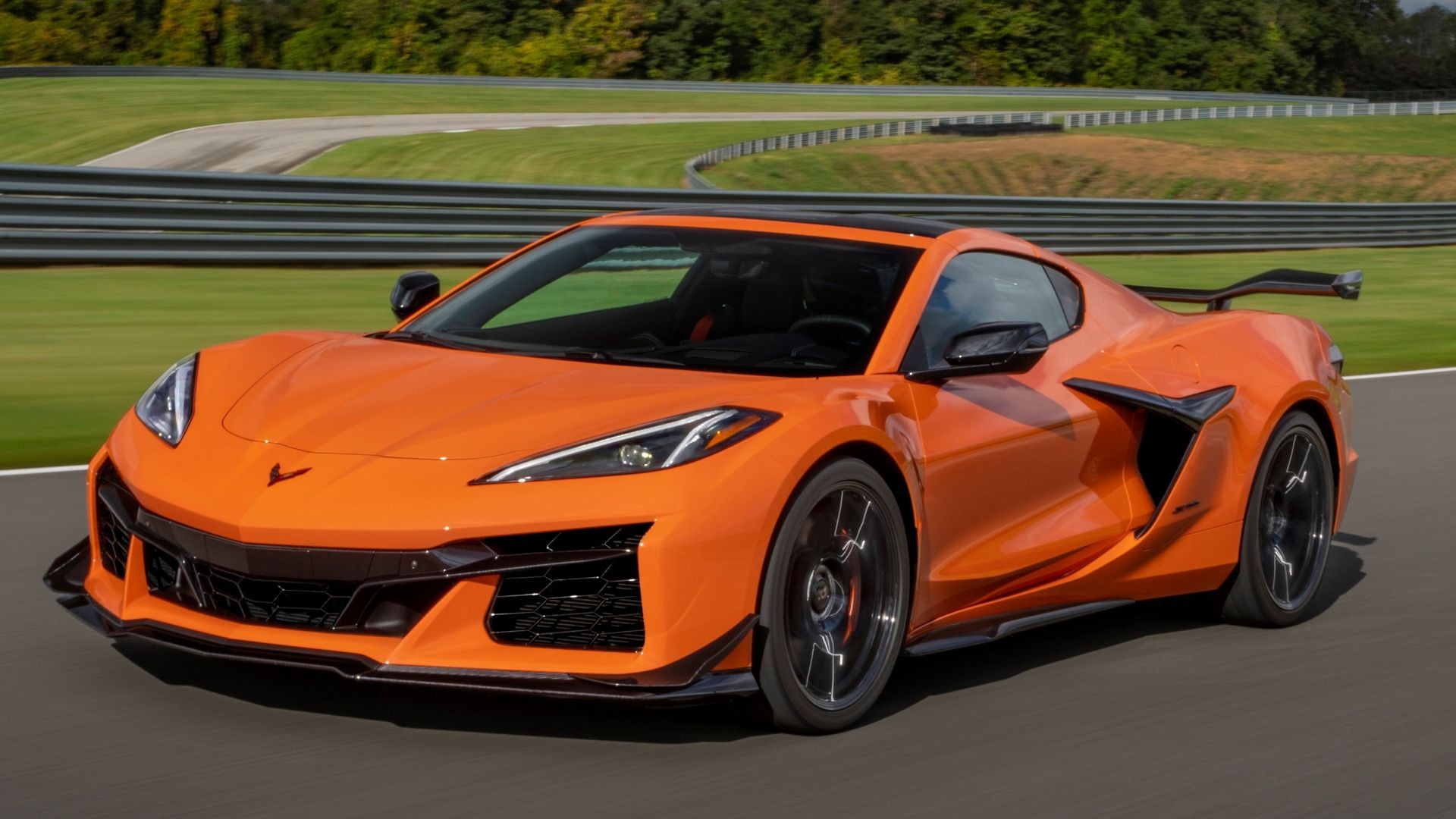
The driver’s seating position creates the first major problem. A person sits very close to the ground, with the seat positioned inside a tight cockpit. This arrangement helps the Corvette handle well and maintain its sporty character, but it leaves very little room for the movement and floor space required by a wheelchair conversion.
The limited cabin area makes matters even harder. The Corvette has only two seats, and the interior is built closely around the occupants. Installing a ramp or creating a lowered floor would require major changes to the vehicle. Such work could also become extremely expensive while changing many of the features that make the Corvette a sports car.
For someone who needs wheelchair access, a larger vehicle is usually a more practical starting point. Minivans and certain SUVs provide more interior room and allow conversion specialists to install ramps and other equipment with fewer structural problems.
The Corvette’s design simply does not provide much space for these modifications. Its low seating position, compact cabin, and performance-focused construction make a conventional wheelchair conversion highly impractical.
Anyone considering such a project would need to speak with a qualified mobility specialist first, as a custom solution would require careful assessment of safety, cost, and available space.
5. Ford Explorer
Labeling the Explorer as impossible would be jumping to conclusions too quickly, and the evidence backs that up. This is a case where the honest answer depends heavily on which model year and conversion design you’re looking at, rather than a blanket judgment applied across every version ever built.
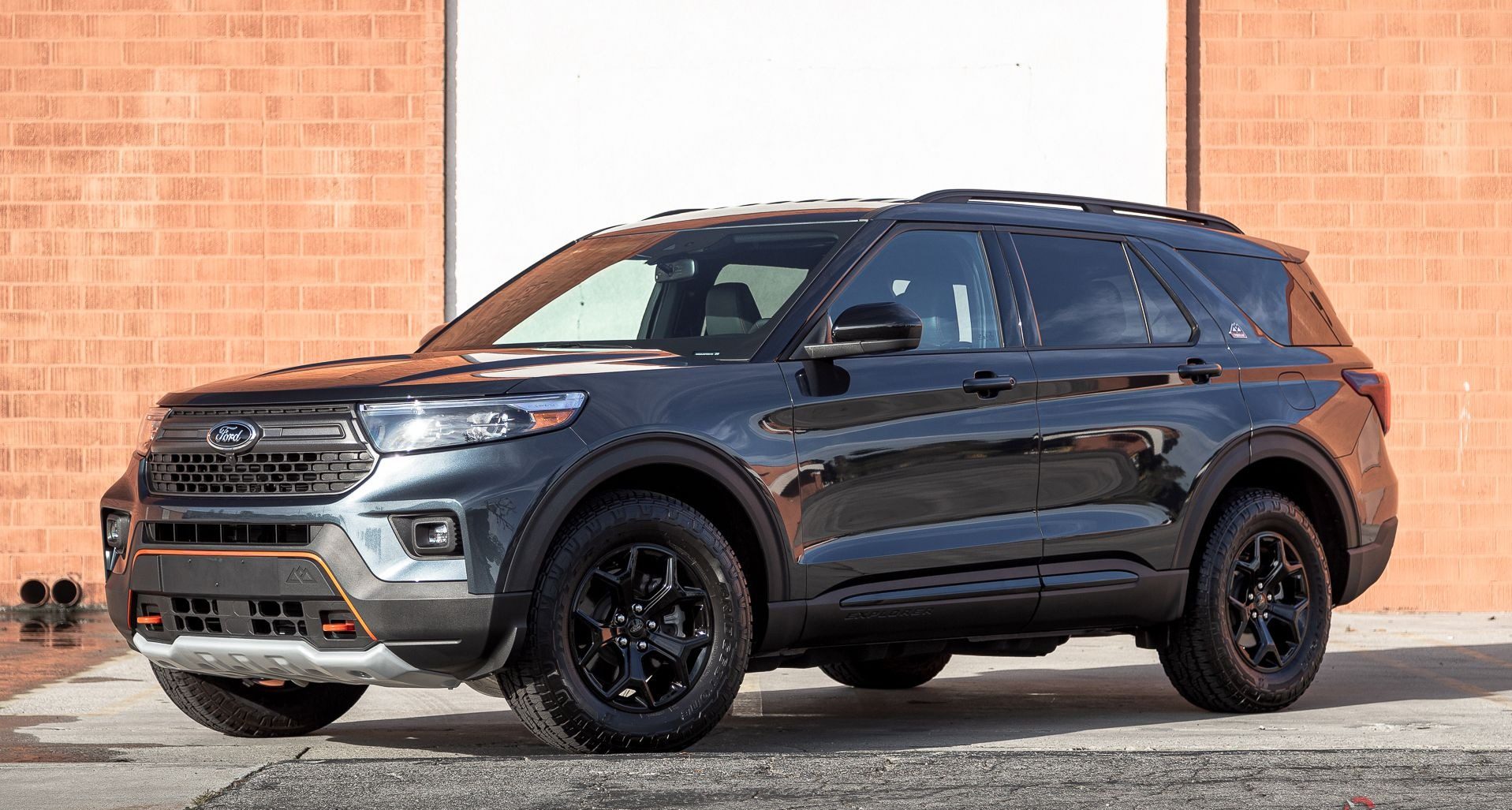
Floor height, suspension geometry, and underbody packaging do create real obstacles for a standard conversion. These factors push the Explorer closer to the difficult end of the spectrum compared with minivans purpose-built for accessibility. Nobody’s arguing this SUV is as straightforward to convert as a Pacifica or Odyssey.
But here’s what changes the picture. NMEDA’s accepted-conversion records actually list a Ford Explorer MXV for model years 2017 through 2019, confirming that certain Explorer variants have gone through professional, approved conversions successfully. That single detail dismantles any claim suggesting this SUV can never be adapted under any circumstances.
For buyers considering the Explorer specifically for accessibility purposes, doing homework on the exact model year and available conversion programs becomes essential. The door isn’t closed here. It’s just narrower and more selective than what you’d find with dedicated minivan platforms built from the ground up for this purpose.
