

Car theft used to require a crowbar and a getaway plan. These days, all it takes is two cheap radio devices and about sixty seconds. Relay theft has quietly become one of the biggest threats to keyless-entry vehicles, allowing thieves to clone your fob’s signal from inside your home while your car sits helpless in the driveway.
The scary part? Most drivers have no idea whether their vehicle is protected or completely exposed. Some manufacturers have fought back hard with cutting-edge chips and motion-sensing technology, while others still rely on outdated systems that practically invite trouble. Below, you’ll find five cars built tough against this exact scam, followed by five that leave owners dangerously vulnerable.
5 Cars Immune (or Highly Resistant) to Relay Theft
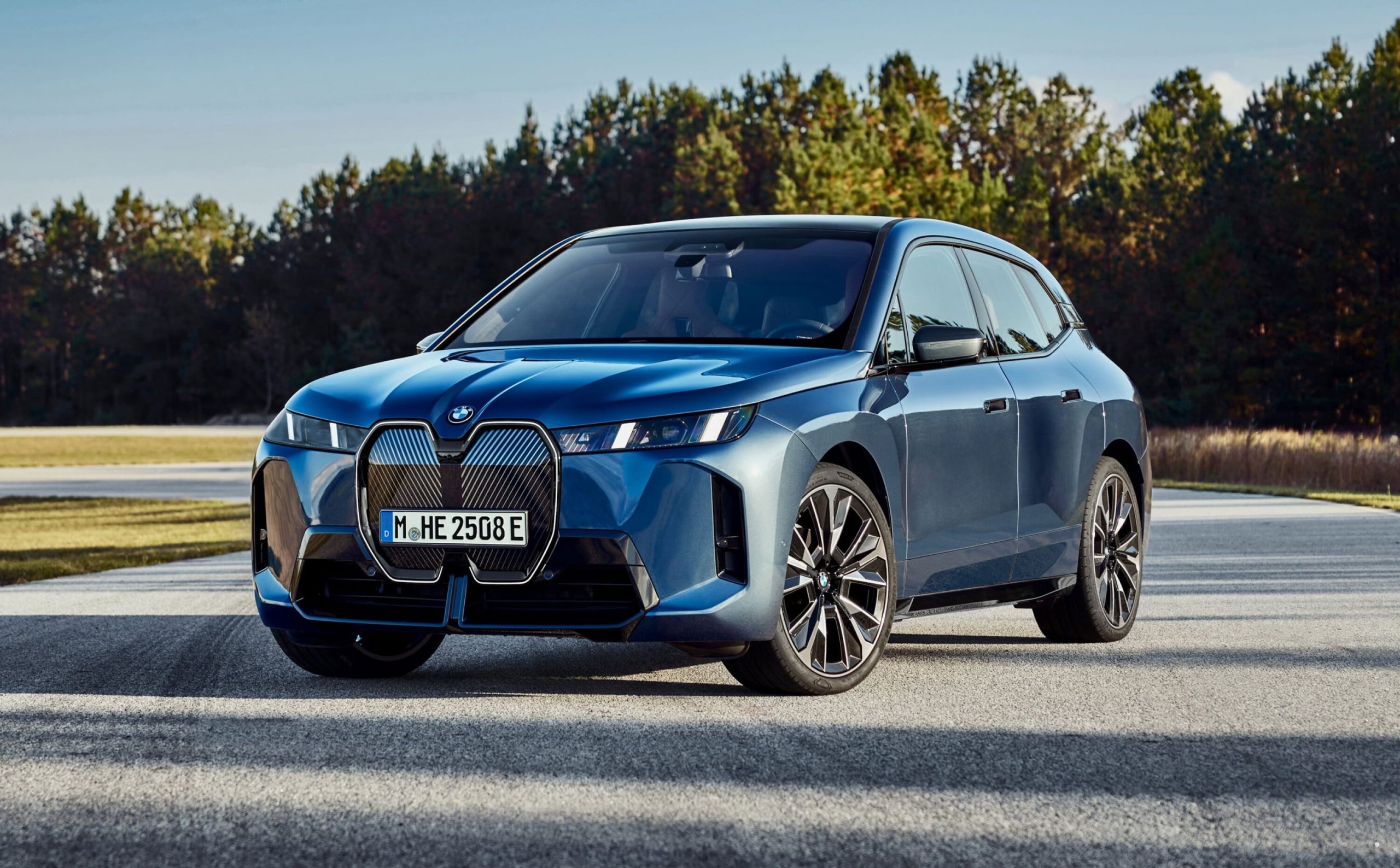
1. BMW iX
Step into an iX and you’re sitting inside one of the most forward-thinking security setups on the market. BMW didn’t just tweak its existing keyless system for this vehicle. It rebuilt the whole approach to signal verification from scratch, and the difference shows the moment a thief tries anything sneaky.
Digital Key Plus forms the backbone of this protection, running on Ultra-Wideband technology that measures the precise time it takes a signal to travel between the fob and the car. Because that measurement happens at nanosecond speed, any attempt to relay or amplify the signal introduces a tiny but detectable delay.
The car catches this instantly and simply refuses to budge, treating the mismatched timing as a red flag rather than a valid key. What makes this approach so effective is how little it relies on the driver doing anything extra.
There’s no PIN to remember, no app to open, no button to press before walking away. The system works quietly in the background, constantly checking that the key requesting entry is physically where it claims to be rather than sitting inside a thief’s amplifier three houses down.
For anyone shopping in the luxury electric SUV space, this alone makes the iX worth serious consideration if theft protection ranks high on your list of priorities.
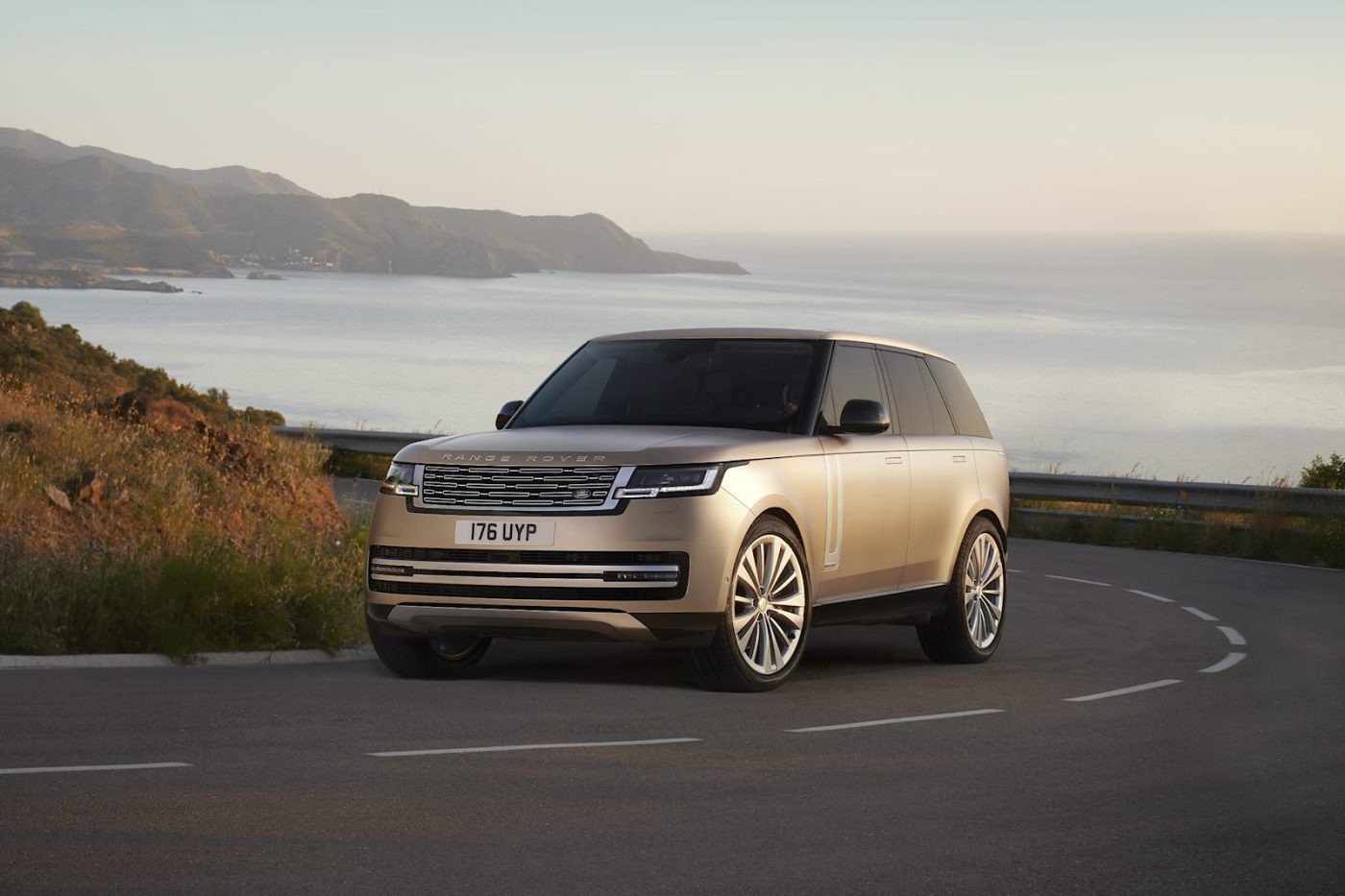
2. Range Rover / Jaguar Land Rover (Modern Generations)
Few brands have faced as much public criticism over vehicle theft as Land Rover did a few years back. Rather than quietly absorbing the bad press, the company used it as fuel, pouring resources into rebuilding its keyless systems from the ground up across the Range Rover, Discovery, and Jaguar i-Pace lineups.
Wide-range Ultra-Wideband tracking now sits at the core of these newer models, giving them some of the strongest results recorded in independent consumer defense testing. Security researchers who once treated Land Rover products as easy marks for organized theft rings now describe modern versions using words like “impervious,” a dramatic reversal from where things stood not long ago.
This turnaround matters because these vehicles carry serious resale value and remain popular targets for theft rings shipping stolen SUVs overseas. Knowing that current-generation models have closed the gap that once made them so exploitable gives buyers real peace of mind, especially in neighborhoods where luxury SUV theft has historically run high.
Owners upgrading from an older Range Rover to a current model often mention this security overhaul as one of the more reassuring changes, right alongside the usual updates to comfort and technology that come with each new generation.
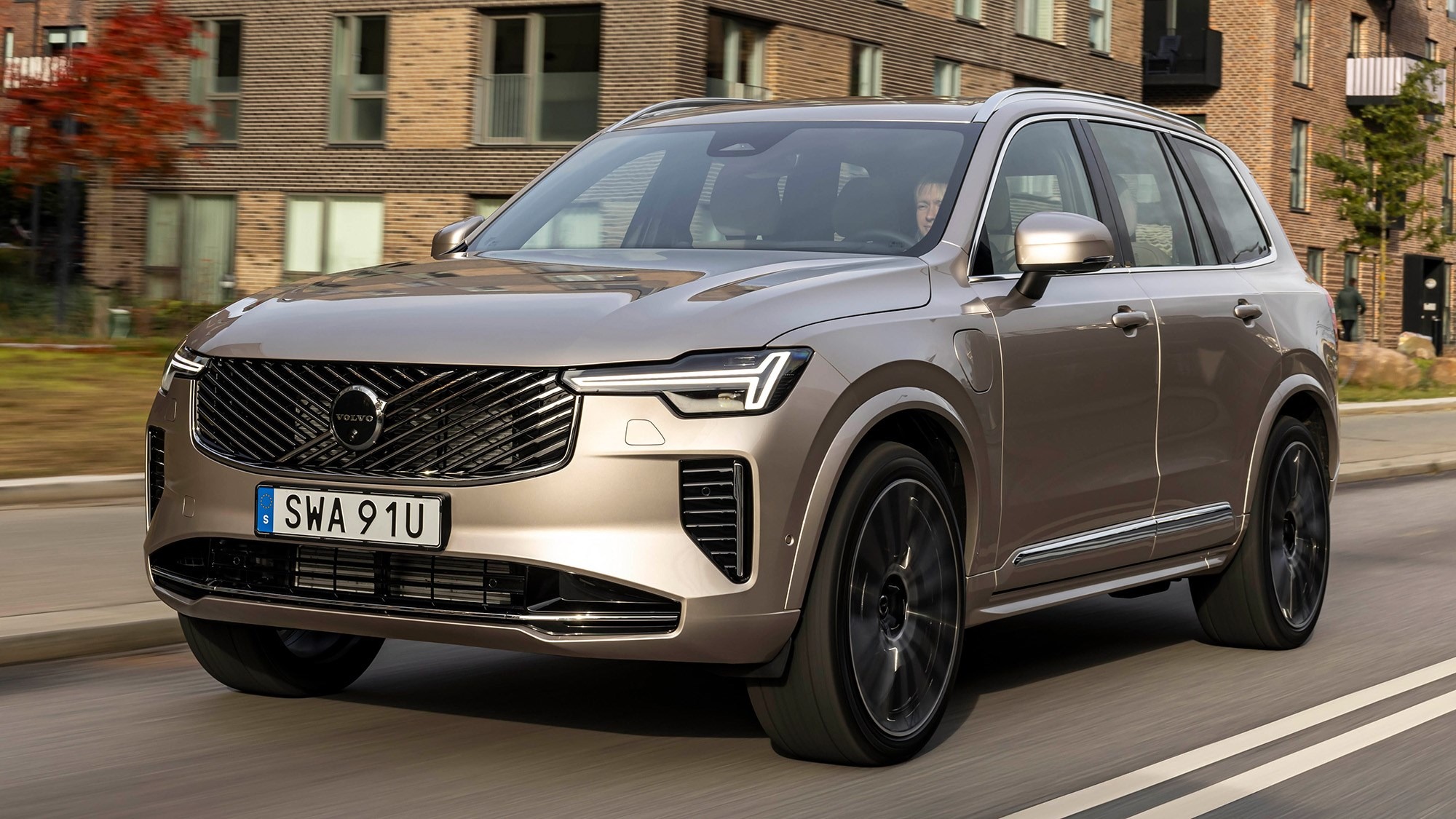
3. Volvo XC90
Volvo has built its reputation around safety, and this same concern can be seen in the way the company protects its vehicles from theft. The XC90 does not depend on one security feature alone. Instead, it uses several measures that work together to make the vehicle more difficult for criminals to steal.
One of the useful features is the motion-sensing remote. When the remote remains in one position for a few minutes, such as on a kitchen counter or a table inside the house, it automatically stops sending out a radio signal.
This is important because relay theft depends on capturing and extending the signal from the remote. Once the remote goes to sleep, there is no active signal for a thief to pick up.
Volvo also uses encrypted communication between the remote and the vehicle. This makes it much harder for criminals to copy or reproduce the information being exchanged. Even if a thief manages to intercept a transmission, using that information to gain access is not straightforward.
For people who want another layer of protection, the XC90 also allows owners to set a personal PIN. The code has to be entered on the vehicle’s screen before the car can be driven. This provides an additional physical barrier against theft.
For families looking for a comfortable luxury SUV with good security, the XC90 is worth considering. The sleeping remote, encrypted communication, and optional PIN work together to provide better protection, especially for owners who park their vehicles outside at night.
These features can also give drivers greater confidence when leaving the vehicle in public places or residential areas where security may be limited.
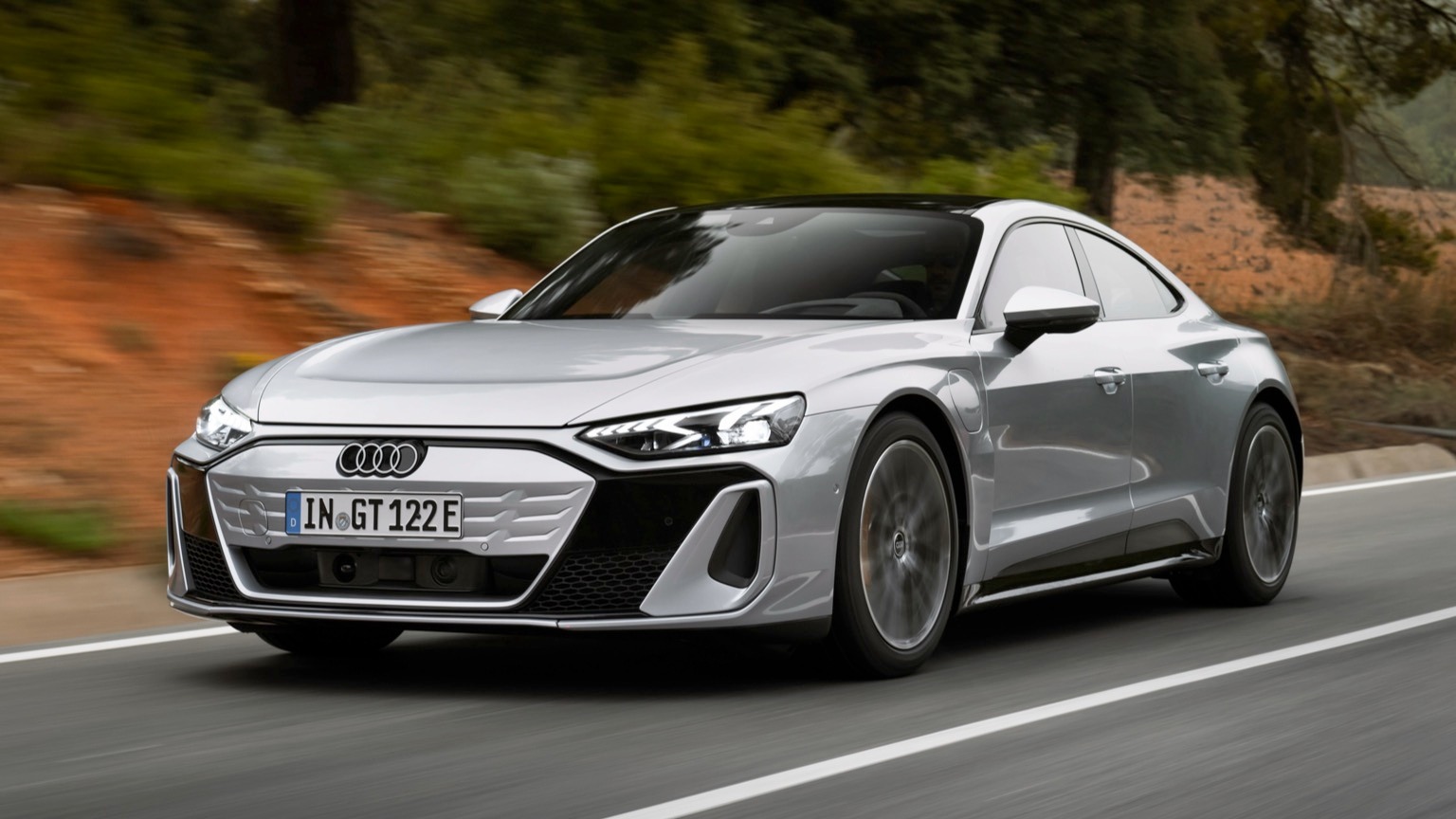
4. Audi e-tron
Audi has taken a strong approach to protecting the e-tron against car theft by using advanced encryption in its keyless entry system. The technology changes the signal between the remote and the vehicle regularly.
As a result, even if a criminal manages to capture a signal, that particular code will no longer work when the remote is used again. This makes it much harder for thieves to gain access through electronic means.
Another useful feature is the motion-activated sleep function built into the remote. When the remote remains still for a few minutes, it automatically goes into sleep mode and stops sending radio signals.
This is especially helpful when the vehicle is parked outside the house. A thief standing nearby with signal-boosting equipment cannot make use of a signal that the remote is no longer transmitting.
This type of protection shows that vehicle manufacturers are paying closer attention to the security challenges facing expensive electric cars. Many people park their vehicles in compounds, driveways, or open spaces overnight, which can make them easier targets for criminals. Audi appears to have considered this situation while designing the e-tron’s security system.
Anyone considering an electric SUV within this price range should pay attention to the security features, not just the vehicle’s appearance, performance, or technology. This becomes even more important for people who regularly park outside rather than in a secured garage.
Having a system that can reduce the chances of electronic theft can give owners greater peace of mind and make the vehicle a more practical choice for everyday use.
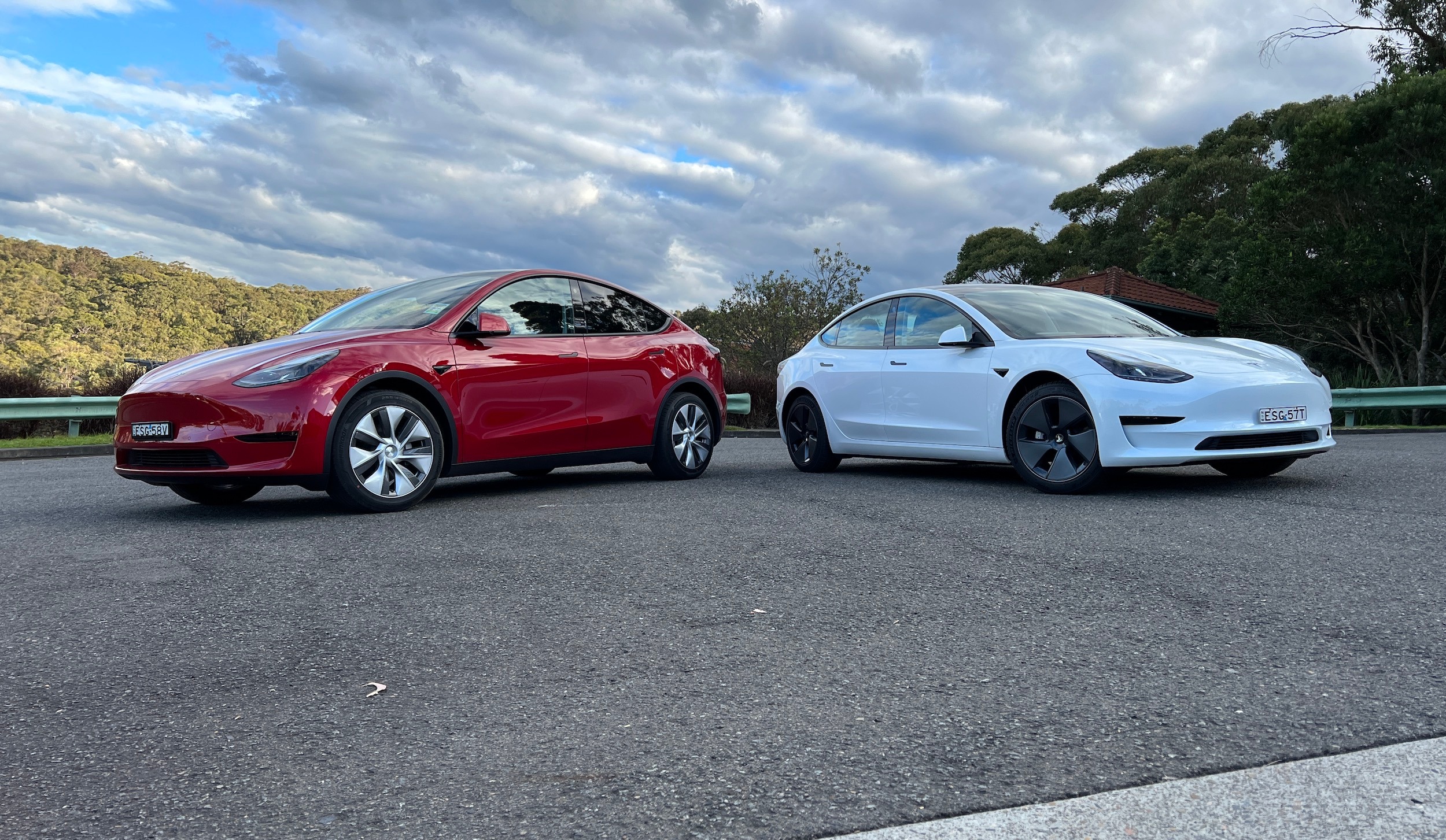
5. Tesla Model 3 / Model Y (With PIN-to-Drive Enabled)
Tesla uses a different approach to vehicle security compared with many traditional car manufacturers. While this technology offers several advantages, there is one issue that vehicle owners should understand.
Research has shown that basic Bluetooth phone-based entry systems can be exposed to highly advanced signal relay methods under controlled conditions. Although this may sound worrying, there is an important safety feature that can reduce the risk considerably.
PIN-to-Drive provides an additional layer of protection for Tesla vehicles. When this option is activated, entering the vehicle is not enough to drive away. Even if a thief somehow manages to open the doors, the car will remain stationary until the correct four-digit PIN is entered on the touchscreen.
This means that copying or extending the phone signal alone will not be enough to steal the vehicle. The main concern is that this protection depends on the owner activating it.
Some drivers may not know that the setting is available, while others may assume that the vehicle’s advanced technology already provides complete protection. That assumption can leave an avoidable security gap.
For anyone driving a Model 3 or Model Y, activating PIN-to-Drive should be one of the first things to do after getting the vehicle. It takes only a few minutes to set up and can make a big difference if someone attempts to gain access without permission.
Taking this simple step gives owners extra confidence, especially when the car is regularly parked outside the home or in public areas.
5 Cars “Wide Open” to Relay Theft
1. Ford Mustang / Ford Fiesta (Keyless Trims)
Consumer advocacy groups haven’t been shy about calling out Ford’s traditional keyless setups, and the criticism keeps piling up year after year. Security researchers testing these systems have repeatedly flagged them as some of the easiest targets on the road today for anyone equipped with basic relay hardware.
The mechanics behind this vulnerability are almost embarrassingly simple. An accomplice standing near a front door, sometimes without even entering the property, can capture a fob’s signal and relay it straight to a car parked in the driveway.
The entire process wraps up in under sixty seconds, often without triggering so much as a beep from the vehicle’s alarm system. What makes this especially frustrating for owners is how little warning exists once the theft begins.
There’s no flashing light, no phone notification, nothing signaling that a stranger just drove away in a car that was locked and secure minutes earlier. Fiesta and Mustang owners with keyless trims should treat this as a genuine, ongoing risk rather than a rare edge case.
Simple countermeasures like signal-blocking pouches for fobs or parking in a garage overnight go a long way toward closing this gap until Ford addresses it at the platform level.
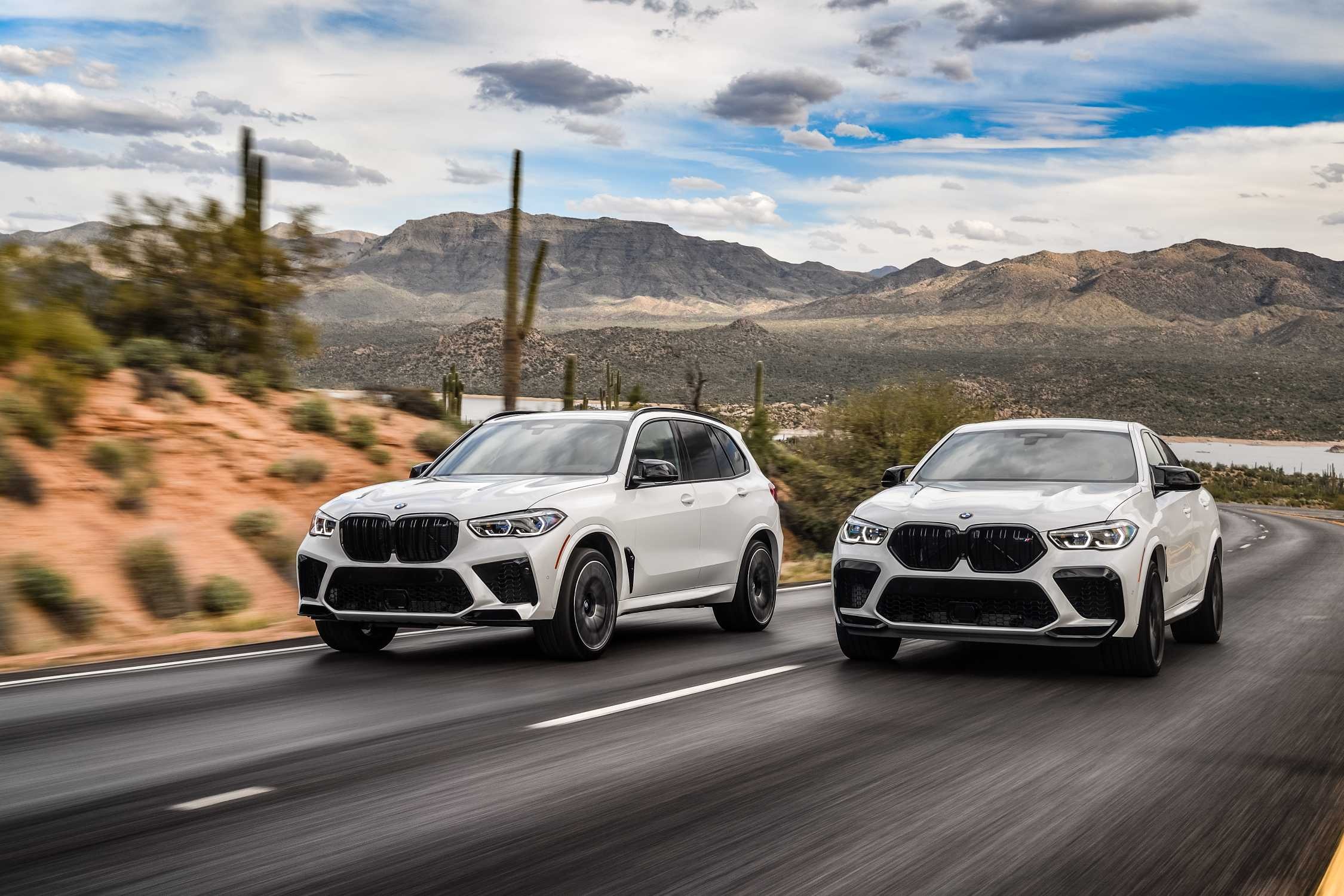
2. BMW X5 / X6 (Older or Pre-UWB Models)
BMW has earned a strong reputation for producing secure vehicles, yet some older X5 and X6 models face a different situation. These SUVs have attracted organized thieves because their proximity sensors were not built to prevent relay attacks.
This means criminals can take advantage of the way the vehicle communicates with its key fob, especially on models produced before newer security technology became common. A major concern is the high-powered sensor that continually searches for the vehicle’s key fob.
While this feature makes unlocking the car convenient, it can also create an opportunity for thieves. Relay devices can receive the signal from a key fob inside or near a house and extend it over a distance. The vehicle may then interpret the amplified signal as proof that the genuine key is close to the door.
For owners, the high resale value of these luxury SUVs makes them attractive to theft groups. The vehicles can be sold locally or transported to other countries, giving criminals another reason to target them. Therefore, owning an older BMW should not create a false sense of security.
Owners of X5 and X6 models without UWB protection should take additional precautions. Factory security equipment usually cannot be easily upgraded, so simple protective measures can make a meaningful difference.
Keeping the key fob inside a Faraday pouch can reduce signal transmission. A steering wheel lock provides another physical barrier, while parking in a secure compound or well-protected area at night can also reduce the risk of theft.
These measures are especially useful for owners of older models that lack newer security systems.
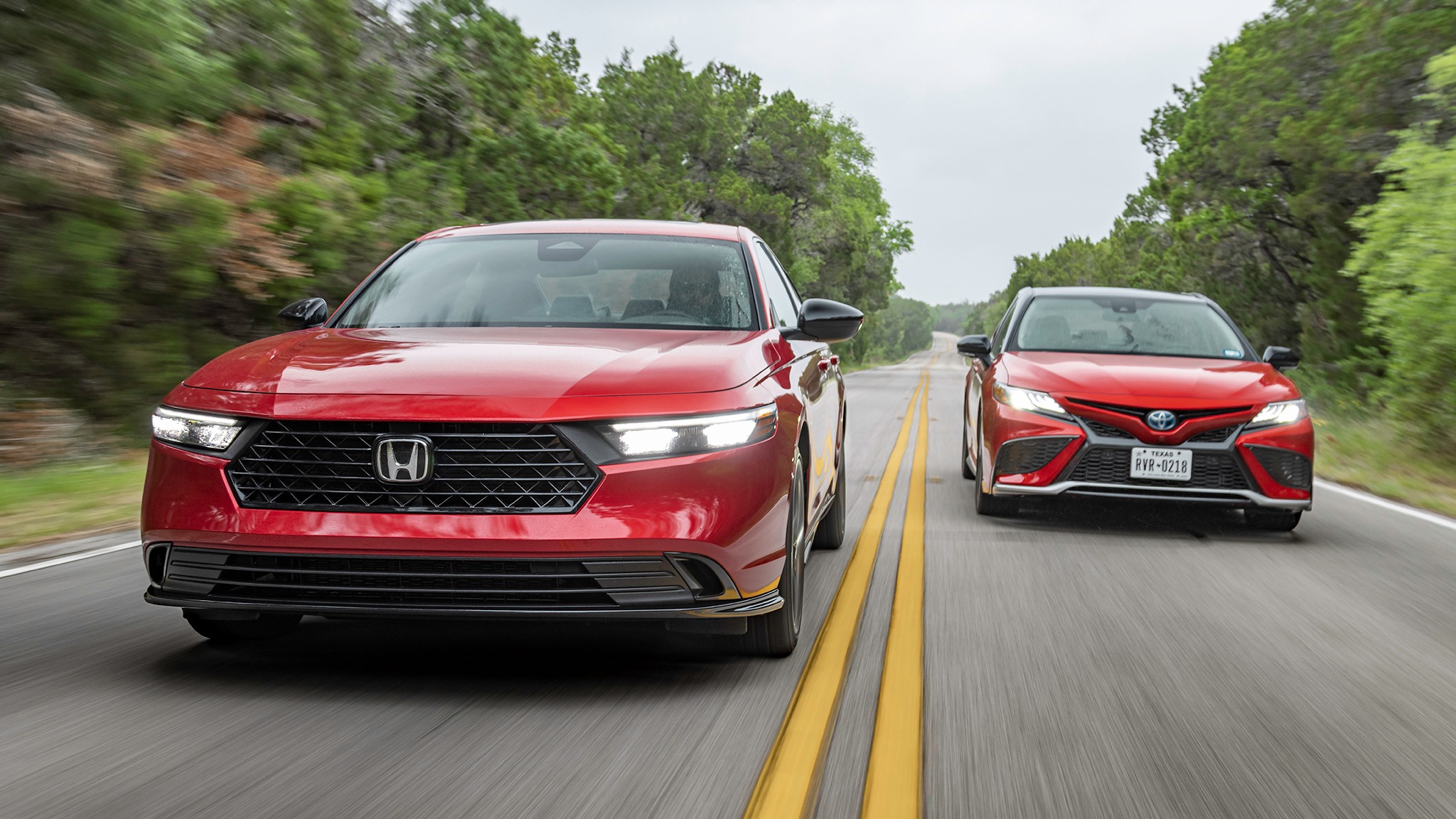
3. Toyota Camry / Honda Accord (Push-Button Start Trims)
Reliability has never been the question with these two sedans. Both have earned reputations for running for hundreds of thousands of miles without complaint, and that mechanical trust runs deep among owners. Security against modern theft tactics, though, tells a very different story once push-button start enters the picture.
Base and mid-tier trims equipped with this feature rely on standard radio frequency fobs that broadcast constantly, without any of the time-of-flight verification found in newer luxury systems. That constant broadcasting creates exactly the kind of opening relay thieves look for, since there’s no distance-checking technology standing in the way to catch a spoofed signal.
Because these two sedans rank among the best-selling vehicles in the country, they’ve also become frequent, almost routine targets for localized driveway relay loops in cities and suburbs alike.
A thief doesn’t need to research a rare model or specialized system. They just need generic relay equipment that works across thousands of nearly identical vehicles parked throughout any given neighborhood.
Owners of these trims should seriously consider aftermarket signal-blocking pouches, since factory protection simply hasn’t caught up to the threat these push-button systems now face daily.
4. Volkswagen Golf (Older Keyless Generations)
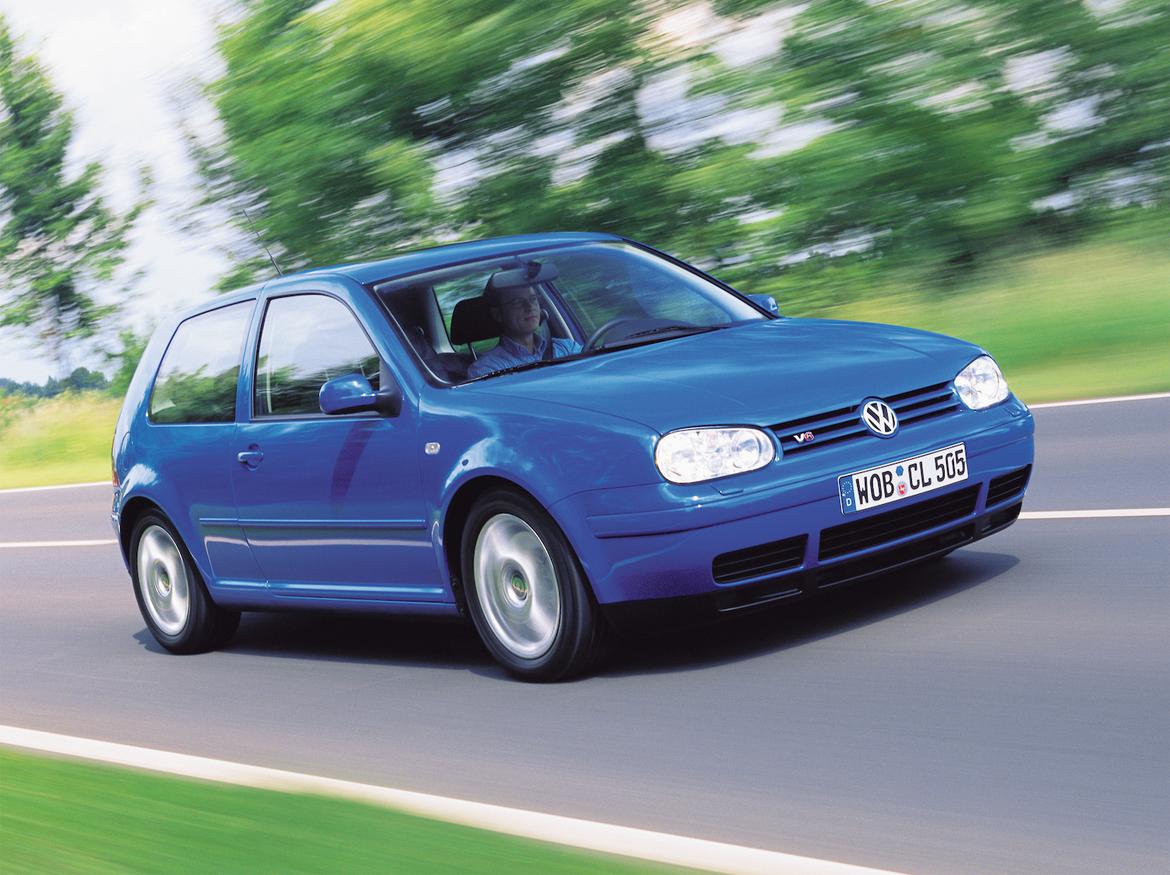
Rapid-theft testing has not been kind to older Golf models equipped with keyless entry. These vehicles routinely failed evaluations conducted by independent security researchers, exposing gaps that criminals have been more than willing to exploit across cities in the United States and abroad.
The core problem traces back to how these early keyless systems were engineered. Moving-encryption parameters, the kind that scramble and constantly update signal codes, simply weren’t built into these initial setups.
Sleep-mode functionality for fobs was absent too, meaning keys kept broadcasting around the clock regardless of how long they sat untouched on a table or hook. That combination of weaknesses left these Golf generations wide open to clean, quiet theft.
Vehicles could be unlocked and driven away without ever triggering an alarm, leaving owners with no warning until they walked outside to an empty parking spot.
Anyone still driving one of these older keyless Golf models should treat this as a pressing concern rather than a minor inconvenience, since the absence of rolling encryption and sleep-mode protection makes this an especially attractive target compared to newer vehicles on the same street.
5. Suzuki Jimny
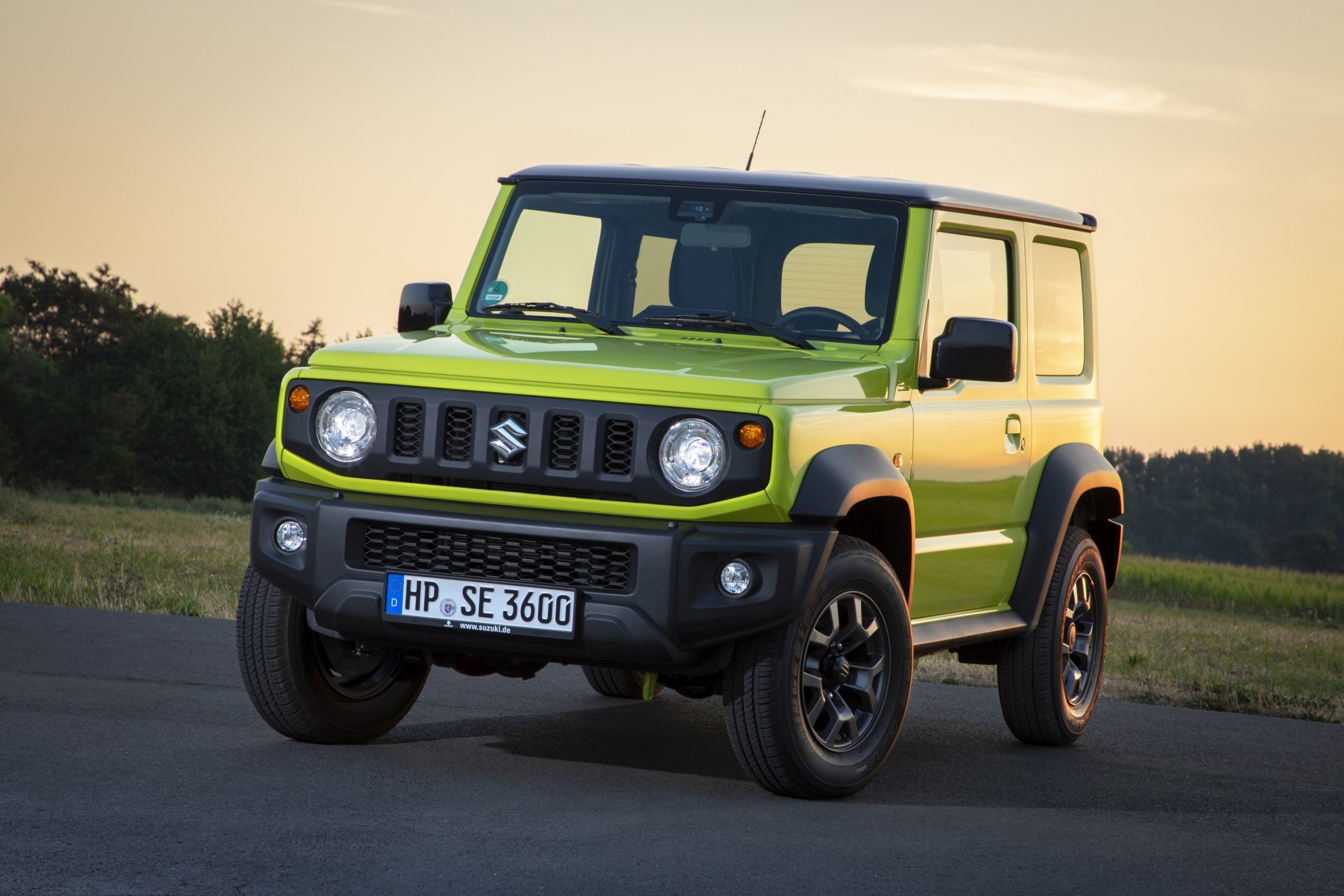
When Thatcham Research put the Jimny through comprehensive security testing, the results landed about as poorly as possible. This compact SUV received the lowest rating available, a blunt “unacceptable” verdict that placed it well behind nearly every competitor evaluated in the same round of testing.
That failing grade stems from a serious shortage of both consumer-facing anti-relay options and factory-installed electronic countermeasures. While rivals scrambled to add motion-sensing fobs, rolling encryption, or UWB verification, the Jimny’s security architecture stayed largely rooted in older thinking, leaving owners with few built-in tools to defend against a determined thief carrying basic relay equipment.
This gap matters more than it might initially seem, especially since the Jimny has built a loyal following among off-road enthusiasts who often park in remote areas with little surveillance or foot traffic nearby. That combination of weak factory security and isolated parking situations creates a genuinely risky scenario for owners.
Anyone drawn to this SUV for its rugged charm should budget for aftermarket security additions right alongside their purchase, treating extra protection as a near-mandatory expense rather than an optional upgrade given how poorly the factory system performed under independent testing.
