
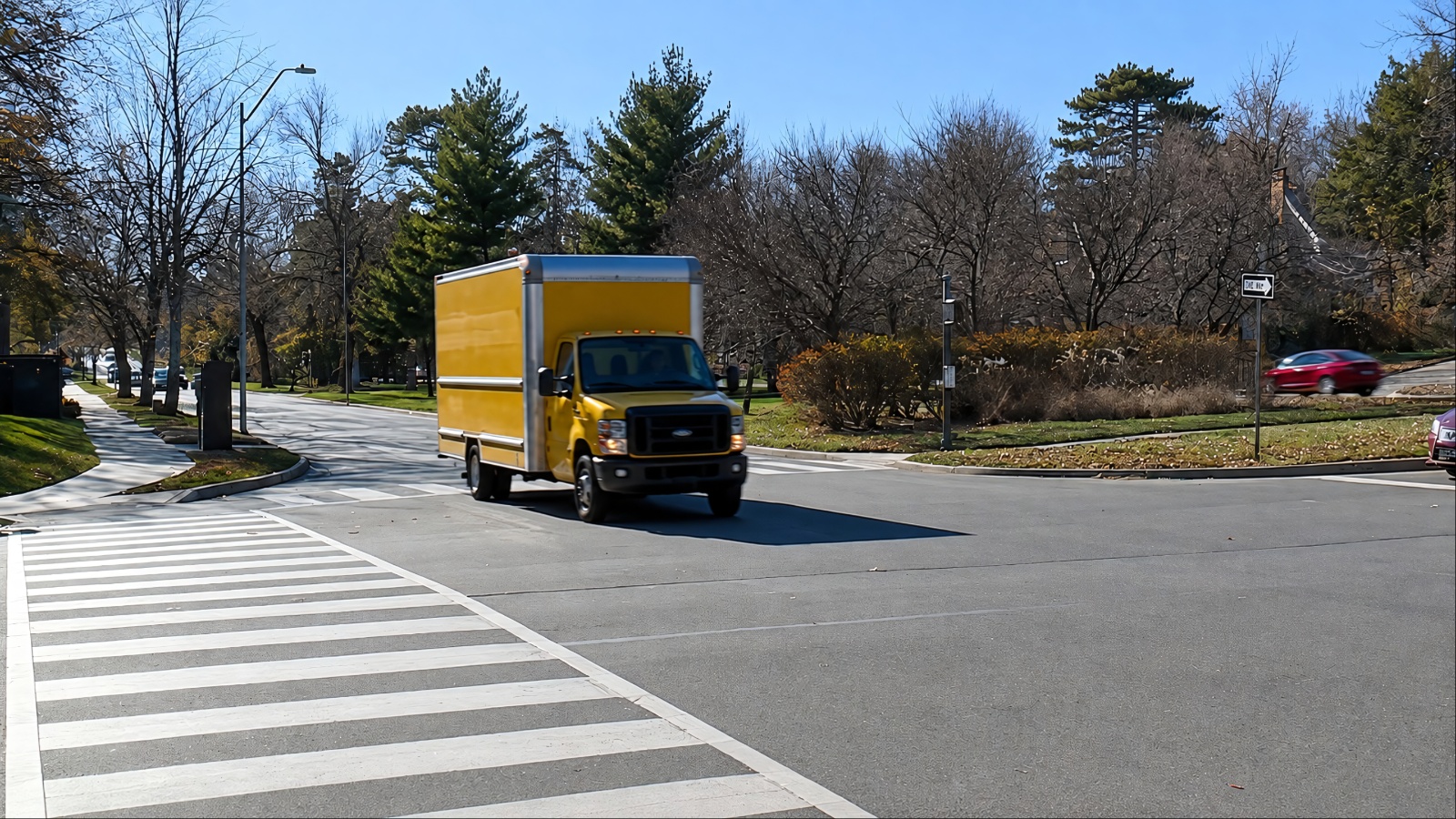
Ever planned a road trip only to discover your truck isn’t welcome on the parkway you mapped out? You’re not alone. Parkways were built decades ago for smaller passenger cars, and many still carry rules that keep larger commercial vehicles off their lanes. Connecticut, New York, and New Jersey each enforce their own restrictions, and the differences can trip up even experienced drivers.
Some trucks are flat-out banned, while others can cruise through without a second glance from law enforcement. This guide breaks down exactly which vehicles typically get turned away and which ones usually get a green light, so you can plan your route with confidence instead of guesswork.
5 Trucks Commonly Banned
1. Tractor-trailers And Semi-trucks
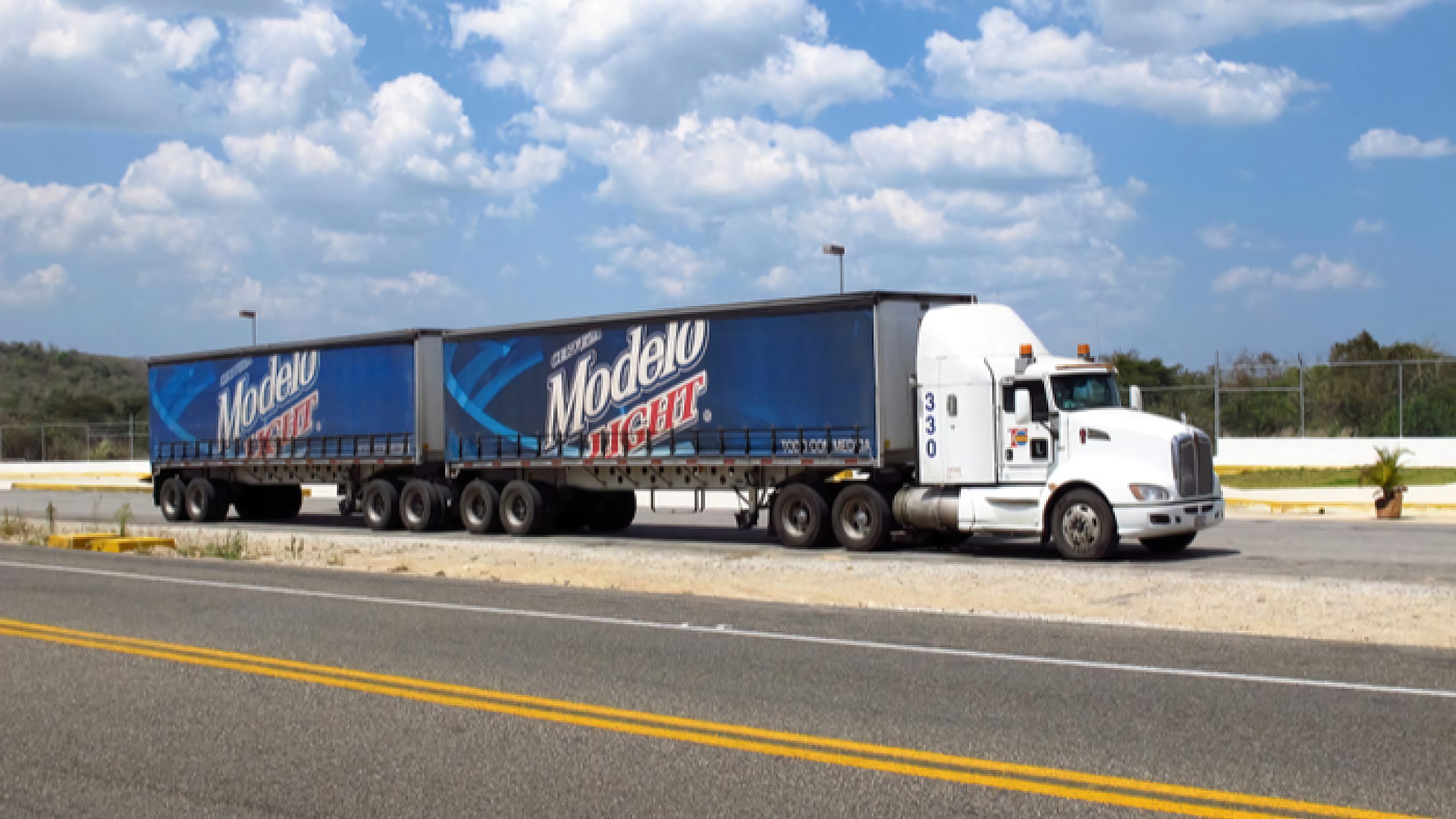
Trying to drive an eighteen-wheeler onto a parkway with narrow lanes, sharp bends, and low bridges is a serious problem waiting to happen. This is why tractor-trailers and semi-trucks are prohibited on many parkways in Connecticut and New York City.
Connecticut specifically bans box trucks and tractor-trailers from the Merritt, Wilbur Cross, and Milford Parkways. New York City also prohibits trucks and commercial vehicles from most parkways.
Many of these roads were built for smaller vehicles, so their bridges may have much lower clearance than the routes normally used by large freight trucks. Some New York parkways even have clearances as low as 6 feet 11 inches. A trailer that is too tall can easily hit an overpass, causing damage, traffic delays, injuries, and serious problems for other road users.
Weight is another concern. A fully loaded semi-truck is far heavier than an ordinary passenger vehicle, while older parkways were not intended to handle regular heavy freight traffic. Drivers therefore need to pay close attention to posted signs and restrictions before entering these roads.
For truck drivers carrying goods through Connecticut or New York, using interstates and approved truck routes is the safer option. New York City provides designated truck routes for commercial vehicles, while Connecticut requires prohibited vehicles to stay off its restricted parkways unless they have an applicable permit.
Ignoring these restrictions can lead to fines, delays, or a dangerous bridge strike. Checking the route before starting a journey can prevent unnecessary trouble and keep everyone on the road safer.
2. Box Trucks
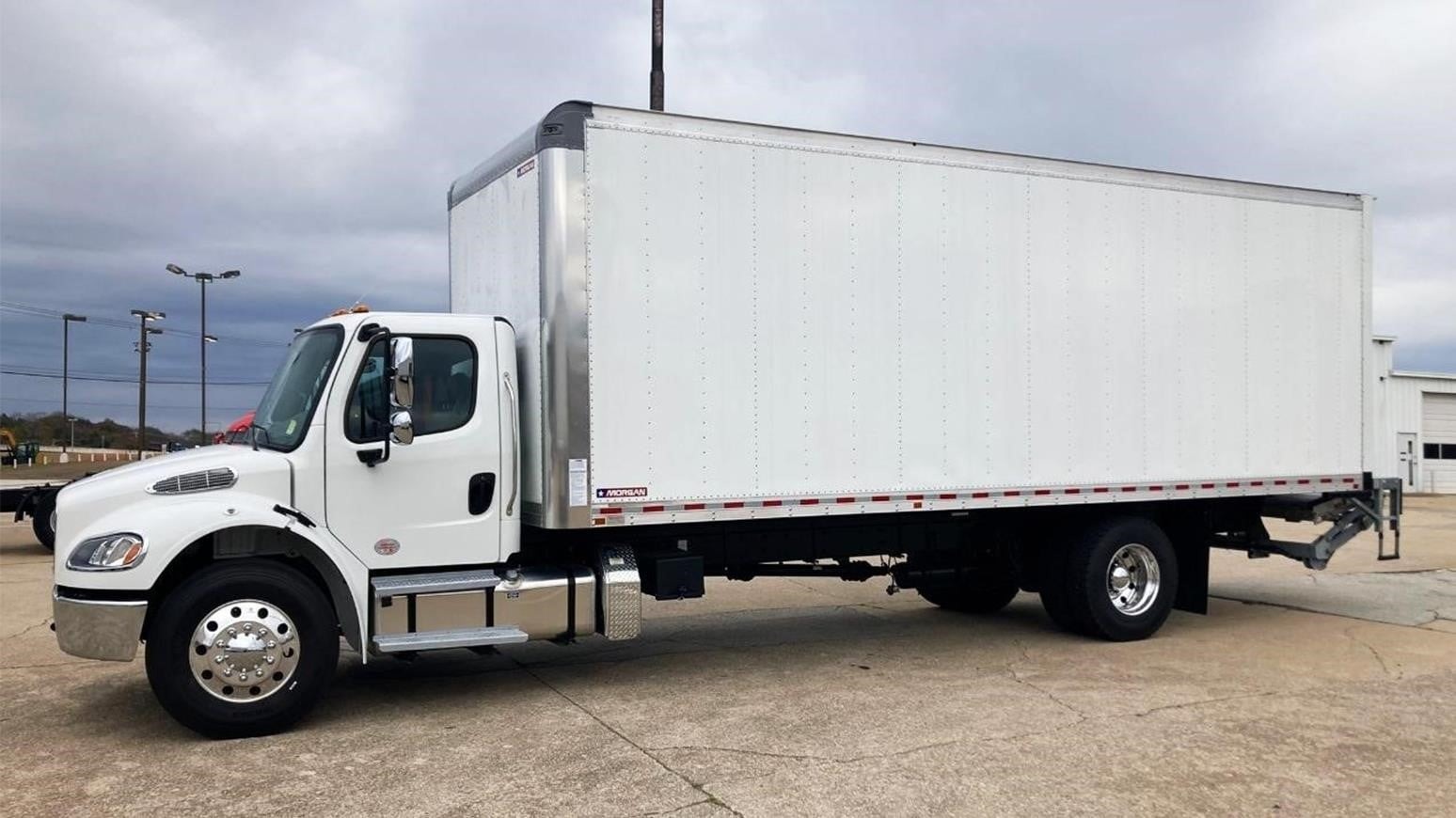
At first glance, a box truck may look easier to handle than a large semi truck, but drivers should not assume that means it can use every parkway. In Connecticut, commercial box trucks are prohibited from using the parkway system, and they are treated much like larger freight vehicles.
New York City follows a similar rule, with many parkways restricting these trucks regardless of their size. The main issue is the vehicle’s registration and classification, not simply how large it appears.
Since box trucks are registered as commercial vehicles, many parkways restrict them because those roads were designed to keep commercial traffic away. A driver carrying household items for a moving job may think using a parkway will save time, only to discover a sign or inspection point showing that the route is not permitted.
Rental trucks can also confuse people who are not used to driving commercial vehicles. Someone who hires a box truck for a weekend move may believe the restrictions only apply to company vehicles, but that is not usually the case.
The same rules can apply whether the truck belongs to a business or is rented for personal use. Drivers should therefore pay close attention to road signs before entering any parkway.
Rules can differ from one area to another, so relying on what is allowed in a different location can result in a ticket, wasted time, or an unexpected detour. Checking the signs beforehand is a simple way to avoid unnecessary trouble during a trip.
3. Rental Trucks
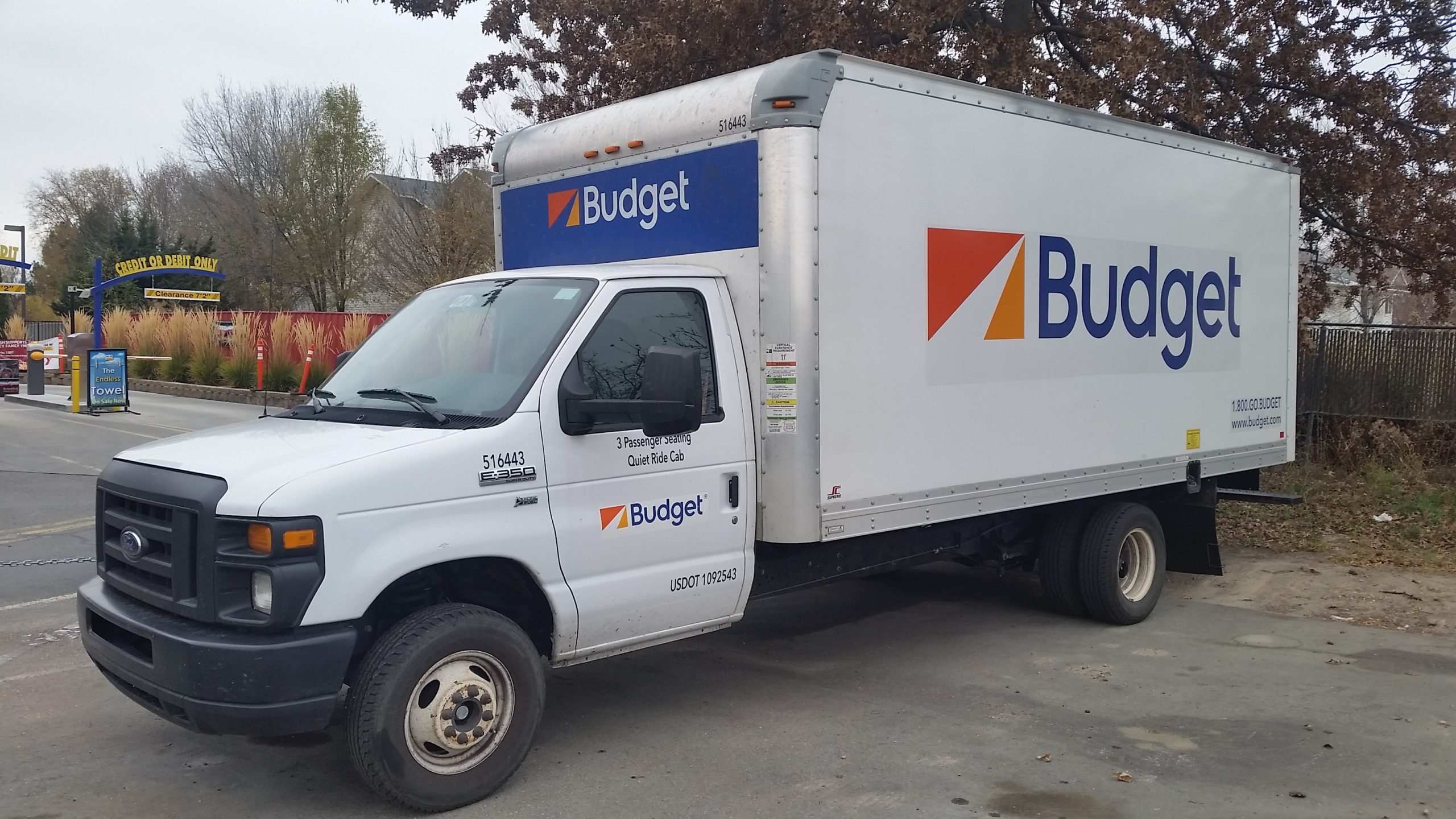
Moving day can become stressful when you discover that the rental truck you hired is not allowed on a particular parkway. Rental companies such as U-Haul, Penske, Budget, Enterprise, and Ryder offer different types of trucks, and some of these vehicles may fall under Connecticut parkway restrictions.
Unless the driver has the required permit or qualifies for an exemption, using such roads may lead to problems. Many people do not think about these rules when hiring a truck. Their main concern is usually moving their furniture, boxes, and other belongings to a new home without wasting time.
Since rental trucks can look smaller than regular commercial trucks, it is easy to assume that they can use the same roads as ordinary passenger vehicles. However, the vehicle’s registration, size, and classification can determine whether it is permitted on a particular parkway.
Before collecting the truck, drivers should check its height, length, weight, and registration details. They should then compare this information with the rules that apply to the roads they plan to use.
Rental companies may provide some information about restricted roads, but drivers should still confirm the local requirements themselves. It is also wise to plan another route before leaving. A different road may add a few minutes to the journey, but that is better than reaching a restricted entrance with a truck full of belongings.
Getting stopped, receiving a fine, or having to turn around can make an already demanding moving day much harder. A little preparation can make the journey easier and less stressful.
4. Commercial Delivery Trucks
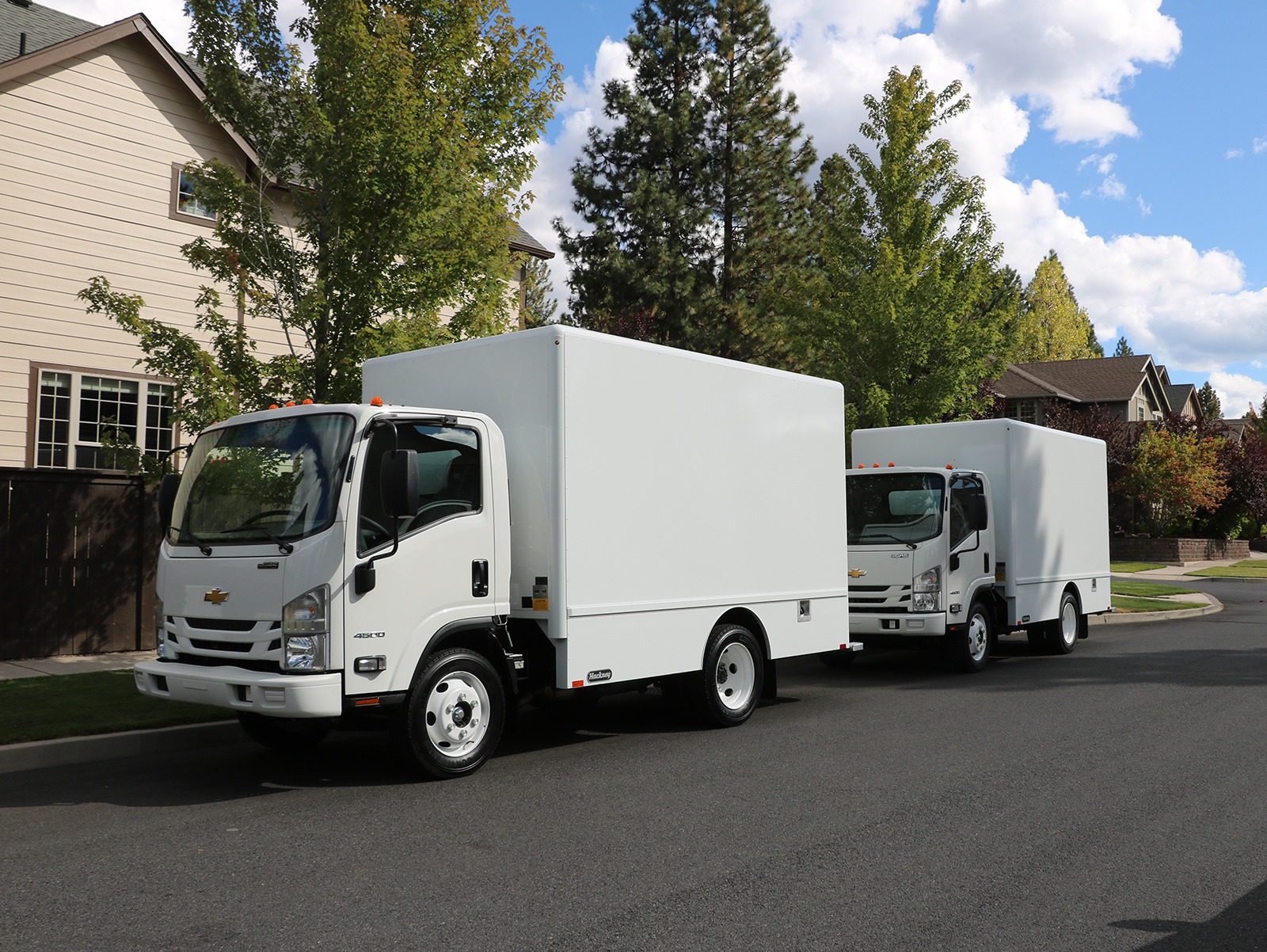
Step vans, cargo vans built for delivery routes, and similar commercial vehicles face broad restrictions across both Connecticut and most New York City parkways. These trucks are the backbone of package delivery and local commerce, yet the very roads that could shorten their routes are frequently off-limits.
The logic follows the same pattern as other banned categories: commercial registration combined with vehicle dimensions places these trucks outside the intended use of parkway infrastructure.
Delivery drivers working tight schedules sometimes treat parkways as tempting shortcuts, especially during high-volume seasons when every minute counts. That instinct, understandable as it is, can lead straight into a citation.
Fleet managers who dispatch drivers through unfamiliar territory bear some responsibility here as well, since proper route planning software should already flag parkway restrictions before a driver ever gets behind the wheel.
Smaller sedan-style delivery vehicles sometimes avoid these rules depending on classification, but anything resembling a traditional step van or box-style delivery truck almost always falls under the ban.
Drivers new to a region should treat any parkway as off-limits by default until they’ve confirmed otherwise, rather than assuming rules from one state will carry over to the next.
5. Heavy Commercial Trucks
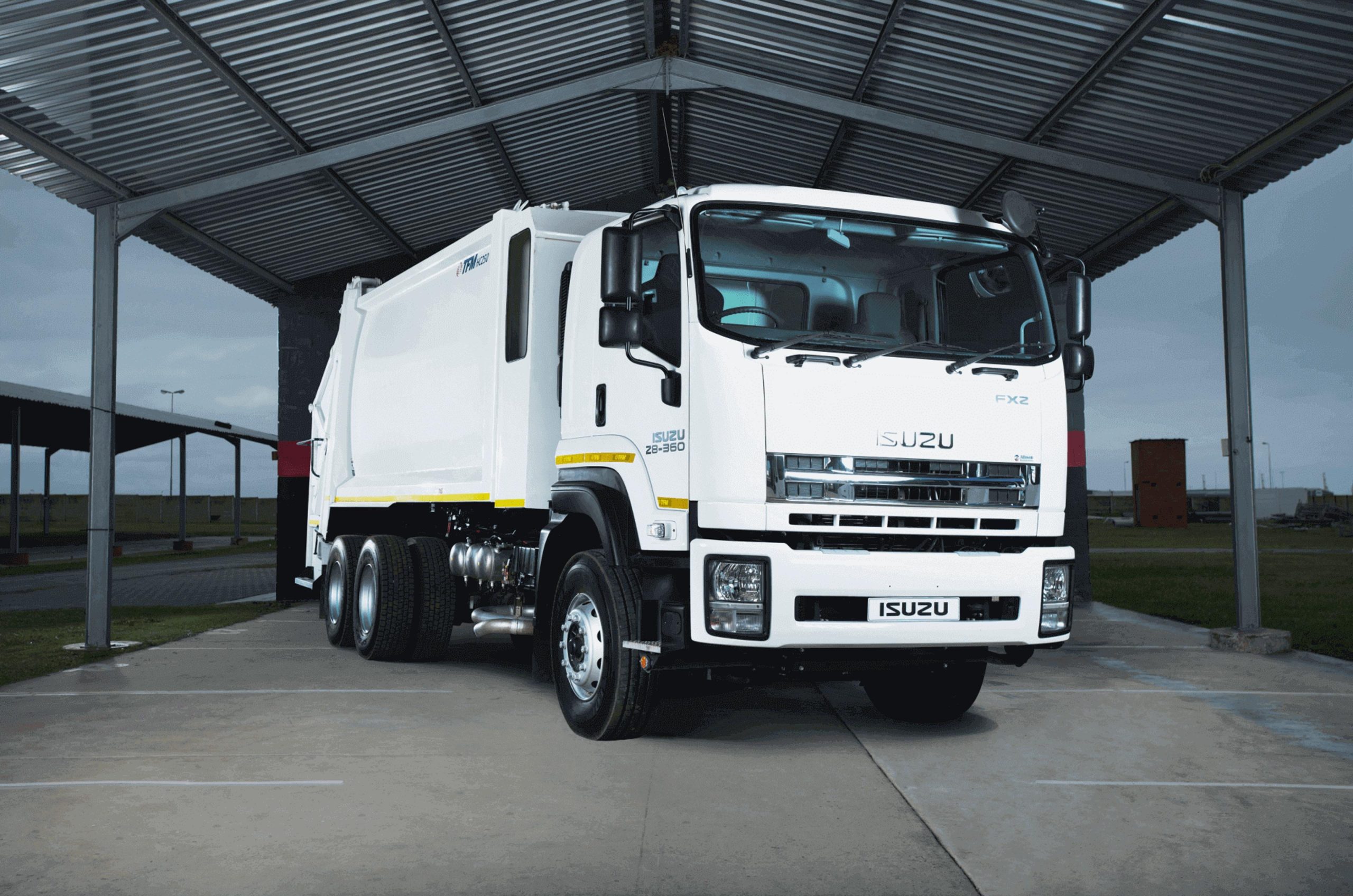
New Jersey handles things a bit differently through its Garden State Parkway, which restricts heavy trucks registered at 10,000 pounds or more from traveling north of Interchange 105. This weight-based approach differs from Connecticut’s more blanket commercial vehicle bans, giving drivers a clearer numeric threshold to work with.
A truck under that weight might pass through freely, while one just over the line gets turned away regardless of its intended use. Weigh station checks and roadside enforcement help keep this rule active, and violations can result in fines that scale with how far over the limit a vehicle happens to be.
Business owners operating fleets that regularly travel through New Jersey need to factor this restriction into their route planning software, since a single miscalculation on registered weight could send an entire delivery schedule off course.
Farmers hauling equipment, construction companies moving machinery, and even movers with heavier loaded trucks all need to double check their registered weight before approaching that stretch of roadway.
Southern sections of the Garden State Parkway don’t carry the same restriction, which adds another layer of nuance for anyone unfamiliar with exactly where Interchange 105 falls along the route.
5 Pickup Trucks That Can Be Allowed
1. Ford F-150
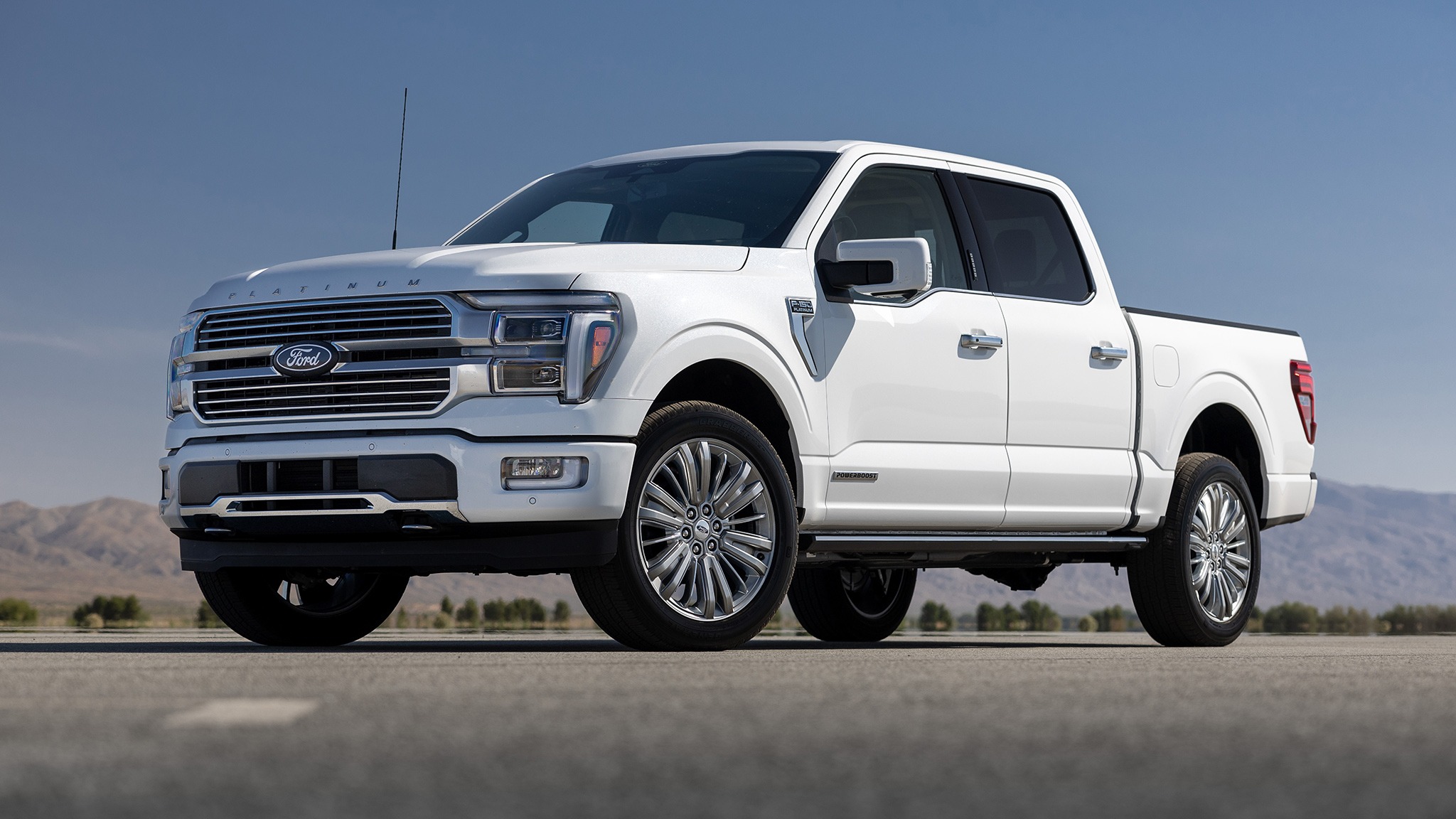
Registration status makes all the difference for a truck like the Ford F-150. When registered for passenger use rather than commercial purposes, an F-150 can typically travel on parkways that permit standard pickup trucks.
This distinction trips up plenty of owners who assume any pickup automatically counts as a commercial vehicle simply because of its size or hauling capability. The F-150 remains one of the best-selling trucks in the country, and a large share of its owners use it purely for personal errands, family trips, and weekend projects rather than business purposes.
That personal registration status, paired with dimensions that fall within posted limits, usually clears the path for parkway travel. Drivers should still check specific signage for the parkway they’re using, since permitted dimensions can vary slightly between Connecticut’s system and other regional roadways.
An F-150 outfitted with oversized tires, a lifted suspension, or towing a trailer might exceed height or length limits even with proper passenger registration, so it helps to measure your specific setup rather than assuming the base model specs apply.
Owners who occasionally use their truck for side work should be especially careful, since mixing commercial activity with passenger registration can create legal gray areas that are best avoided entirely.
2. Chevrolet Silverado 1500
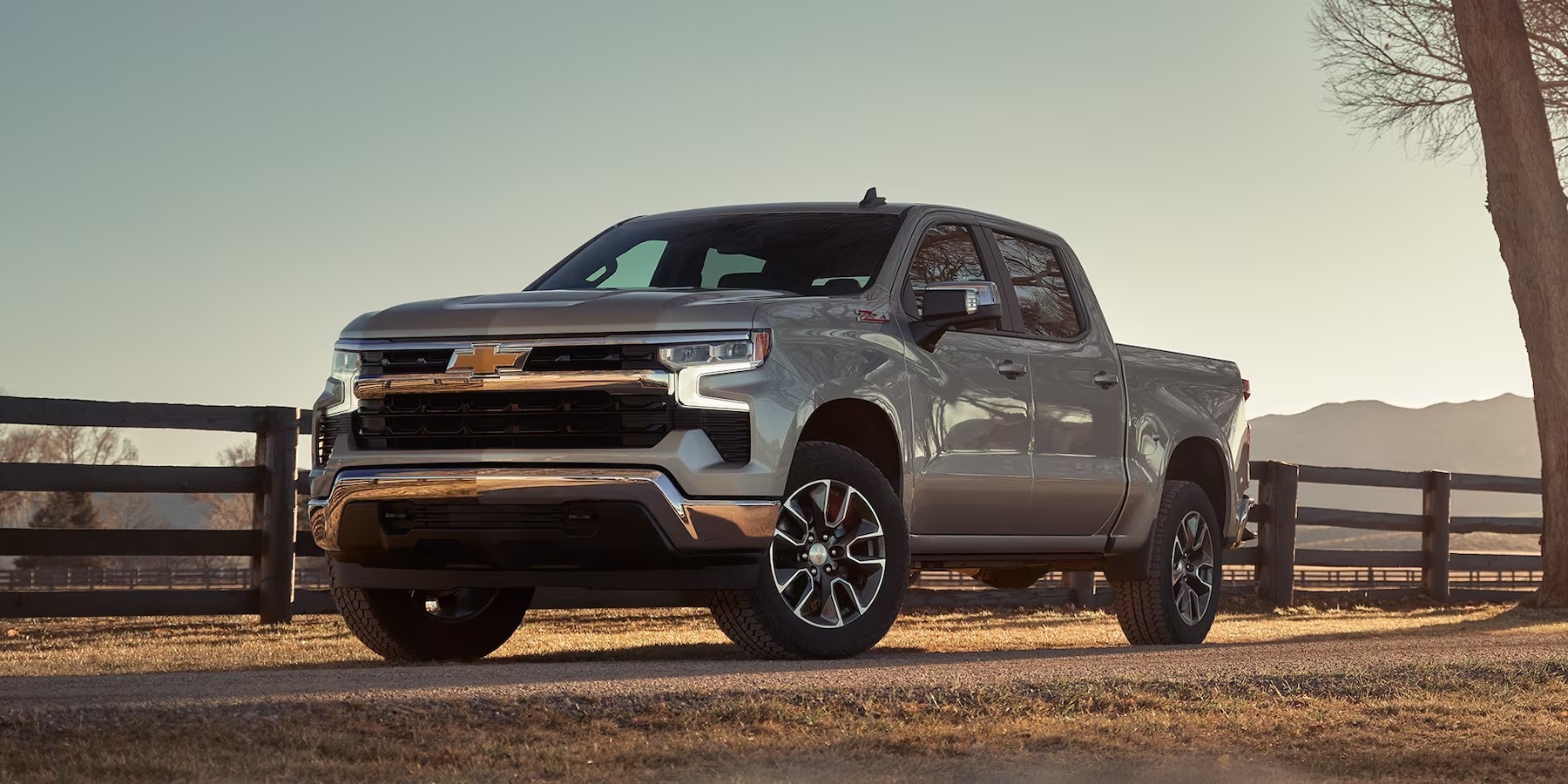
For people who own a Chevrolet Silverado 1500 for personal use, the truck can generally be suitable for Connecticut parkways when it remains within the required height, length, and weight limits.
The Silverado 1500 is a light-duty pickup, similar to the Ford F-150, and many owners choose it because it provides good towing ability without requiring the heavier 2500 or 3500 models.
The 1500 classification means the truck is built for lighter work, which can help it remain within the weight limits required on some parkways. Families who use their Silverado for camping, carrying household materials, travelling, or regular daily activities may have no problem using roads where ordinary pickups are permitted.
However, owners should pay attention to any changes made to the truck after purchase. A raised suspension, larger wheels, roof rack, bed cover, or other accessories can increase the vehicle’s height or length.
Even when the original truck meets the road requirements, these additions may bring it close to or beyond the permitted measurements. Drivers who plan to tow a trailer or camper should also check the total length of the complete setup.
Parkway rules may consider the truck and trailer together rather than looking at the pickup alone. It is advisable to measure the vehicle and any attached trailer before starting the journey.
Checking road signs and confirming the measurements beforehand can help prevent problems at the entrance. This small preparation can save a driver from being turned back, receiving a citation, or having to find another route after beginning the trip.:::
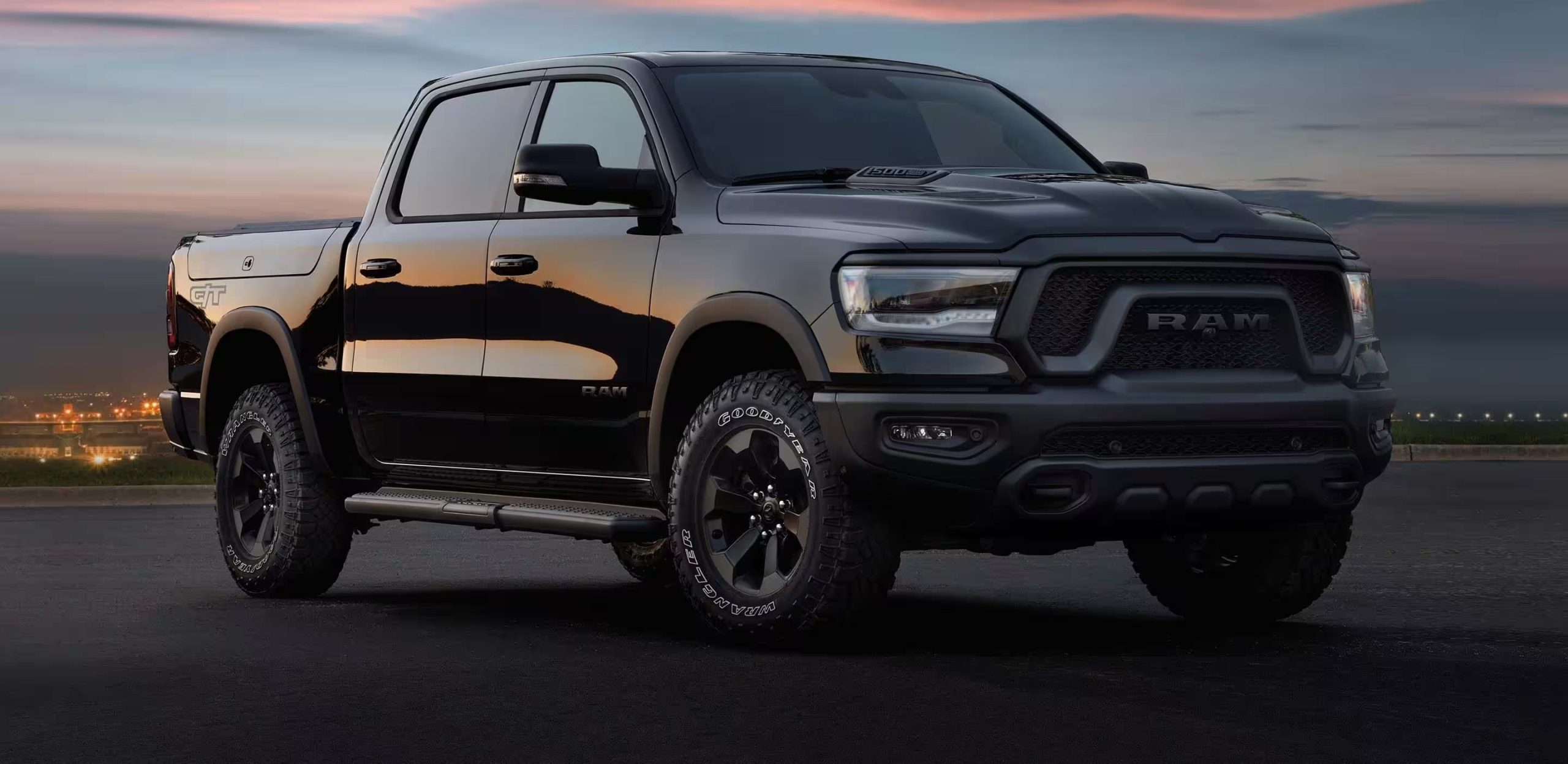
3. Ram 1500
The Ram 1500 follows a similar path to its competitors, qualifying for parkway travel when properly registered for passenger use and kept within posted restrictions.
Ram has built a reputation around comfort and capability in equal measure, which means plenty of owners use this truck the same way they’d use a sedan or SUV, for commuting, errands, and family transportation rather than commercial hauling.
That everyday use pattern lines up well with passenger registration requirements. Drivers should still treat each parkway entrance as its own checkpoint worth verifying, since assuming a rule from one roadway automatically applies to another can lead to confusion.
Height clearance deserves particular attention with the Ram 1500, especially for trims that come with a raised factory suspension or larger tire packages straight from the dealership.
Some higher trims marketed toward off-road use carry dimensions that edge closer to restricted territory than buyers might expect. Checking manufacturer specifications against posted parkway limits before a trip, rather than relying on memory or assumption, removes most of the guesswork.
Owners towing boats, trailers, or campers behind a Ram 1500 face the same combined-length considerations that apply to other pickups in this category.
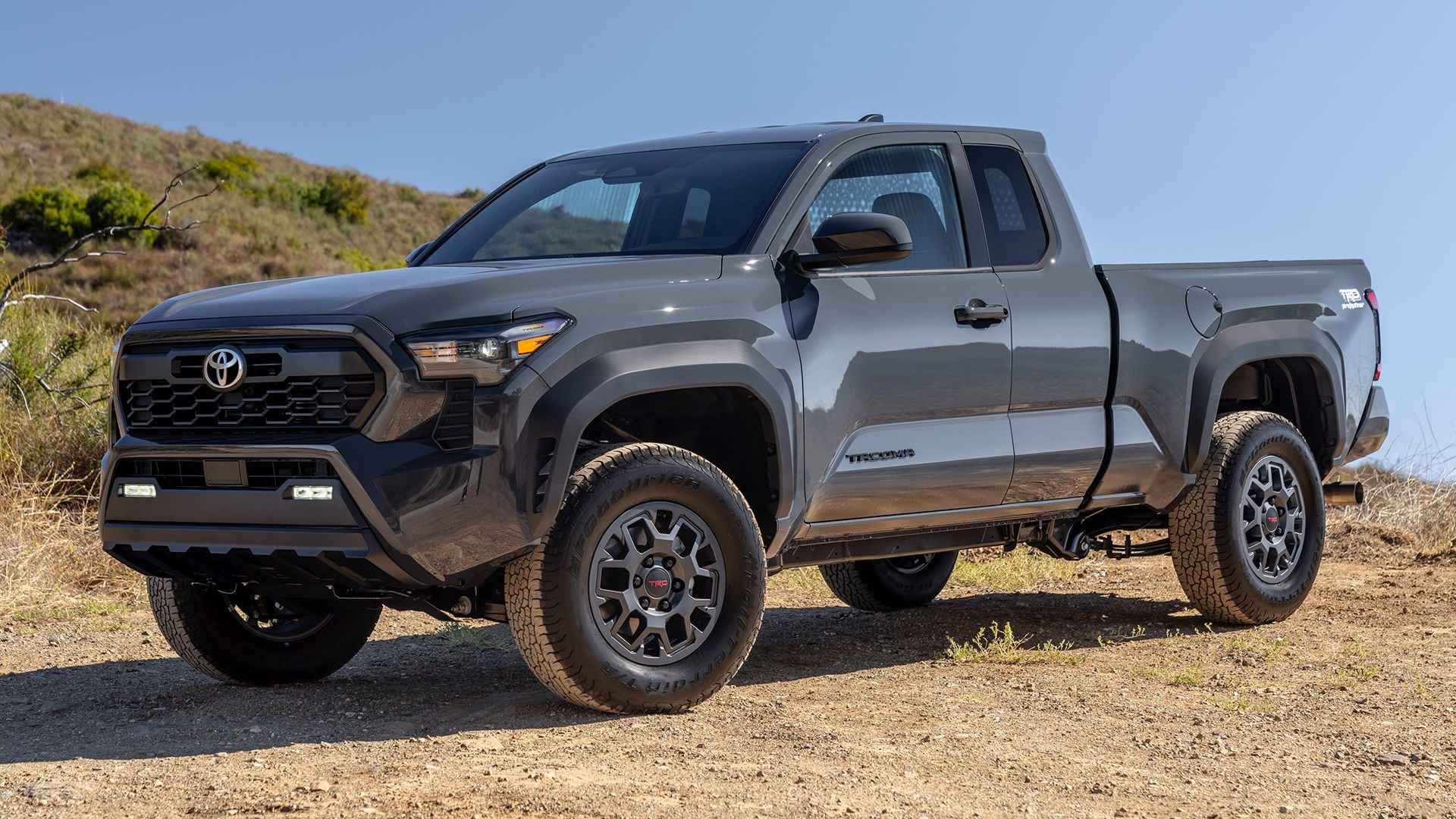
4. Toyota Tacoma
For many pickup owners, the Toyota Tacoma can be a more suitable option for parkway travel because of its smaller size. When the truck is registered for personal use and remains within the required height and length limits, it can generally use Connecticut parkways without much difficulty.
Its mid size body gives it an advantage over larger pickups such as the Ford F 150 and Chevrolet Silverado, especially where road rules are based on specific vehicle measurements. Many Tacoma owners use their trucks for camping, road trips, fishing, and other outdoor activities.
Since these vehicles are commonly registered for personal use, they may fall under the category allowed on certain parkways. However, owners should still pay attention to the particular version of the truck they have.
For instance, the TRD Pro comes with features designed for off road driving, including larger tires and increased ground clearance. These additions can make the truck taller than a standard Tacoma.
Accessories such as roof boxes, bed racks, and other equipment can also increase its total height. It is therefore wise to measure the vehicle after installing any accessories. Anyone towing a small camper or trailer should take extra care as well.
The combined height and length of the truck and trailer may be subject to different restrictions. Rather than relying only on the truck’s size, drivers should check the posted road signs and confirm the measurements before starting their journey.
Taking a few minutes to do this can save time, prevent unnecessary stress, and help avoid an unexpected route change during the trip.:::
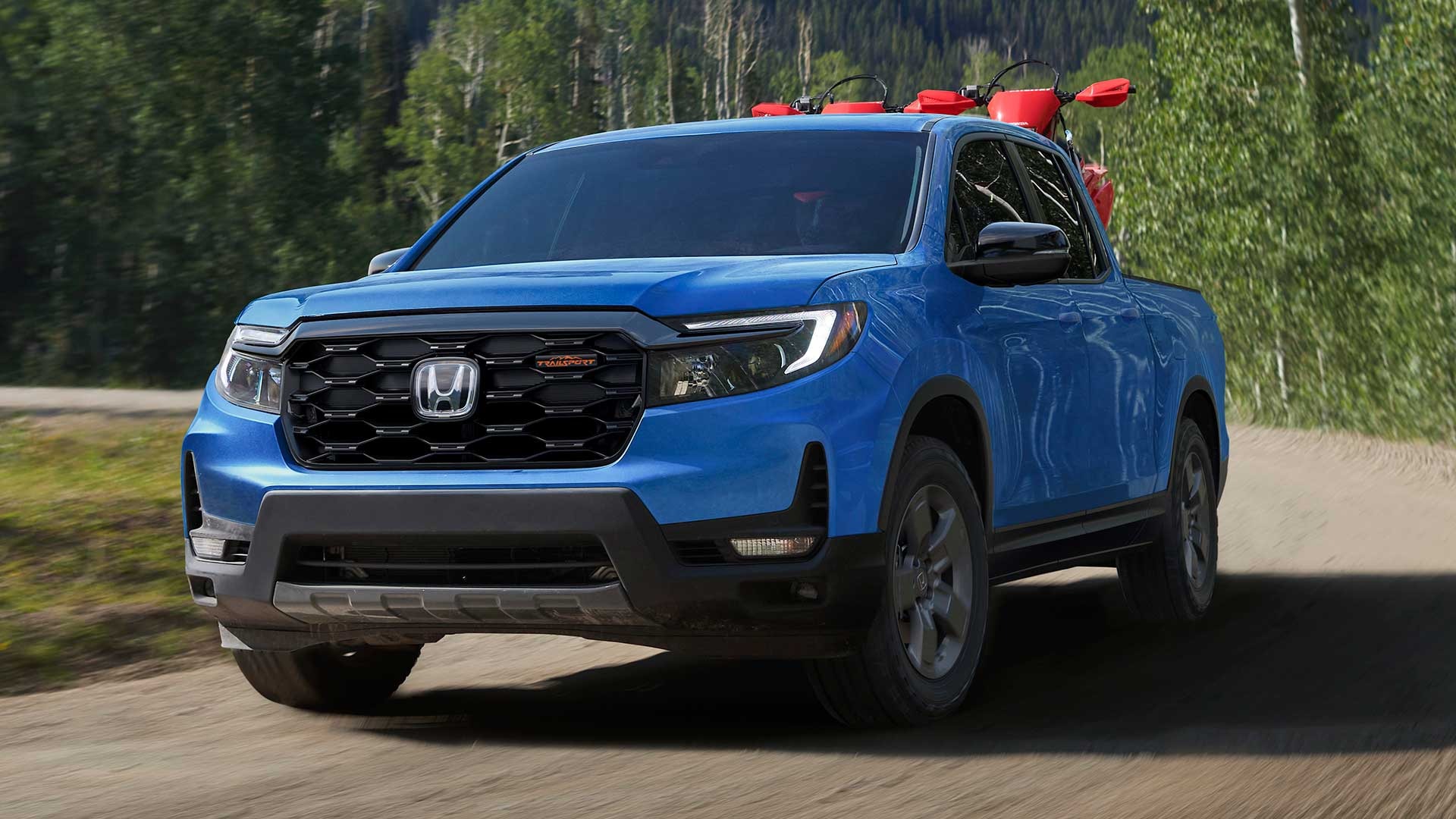
5. Honda Ridgeline
The Honda Ridgeline occupies an interesting spot in the pickup category, built on a unibody platform that gives it more of a crossover feel than traditional body-on-frame trucks. That design often translates to dimensions that comfortably fit within parkway restrictions, provided the vehicle carries passenger registration and meets posted requirements.
Ridgeline owners tend to use their trucks for daily commuting, family transportation, and light hauling rather than heavy-duty work, which aligns naturally with the personal-use registration category that parkways typically permit.
Its smoother ride and car-like handling make it a favorite among buyers who want pickup functionality without sacrificing comfort, and that same design approach keeps its height and length within reasonable bounds compared to larger trucks.
Drivers should still confirm specifics before a trip, since even a vehicle known for compact dimensions can exceed limits when loaded with roof cargo or hooked up to a trailer. Checking the exact posted restrictions for whichever parkway you’re using remains the safest habit, regardless of how confident you feel about your truck’s typical measurements.
Rules can differ slightly between roadways, and a habit of verifying before departure saves time, stress, and potential fines down the road. Rules like these exist for practical reasons tied to road design, bridge clearance, and pavement durability rather than arbitrary inconvenience.
Knowing your vehicle’s registration status, exact dimensions, and the specific restrictions of your route puts you in control before you ever reach an entrance ramp. A few minutes of research now beats a frustrating detour later, so check the posted signage, confirm your truck’s classification, and plan accordingly before your next drive.
