
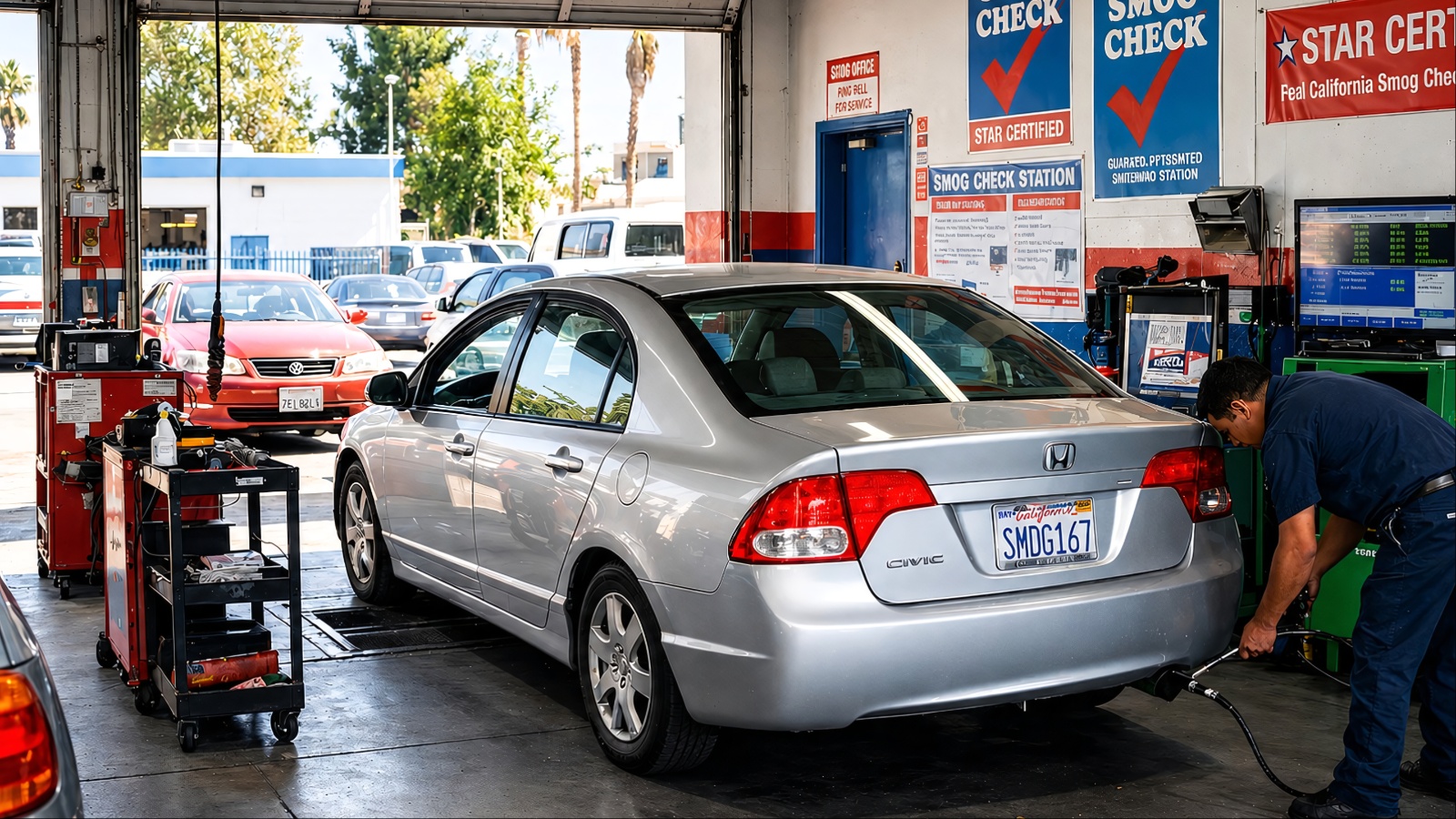
California’s vehicle registration system rejects more applications than most drivers realize. It isn’t always about missing paperwork. The DMV’s system cross-checks smog data, insurance records, citation databases, and even air quality compliance before it approves a renewal.
A single mismatch anywhere in that chain can stop the process cold, often without a clear explanation on the screen. Understanding what actually trips up a registration can save weeks of frustration and repeat trips to a DMV office.
Some causes are mechanical, tied to how the vehicle itself performs on emissions testing. Others are administrative, buried in unpaid citations or lapsed insurance filings that never reached the DMV electronically. A growing number are structural, connected to California’s shift toward online-only processing for straightforward cases.
This piece breaks down ten distinct reasons registrations fail in California right now, based on how the DMV’s systems and related state agencies actually operate. Each one is explained on its own terms, so you can identify which applies to your situation and what fixing it actually requires.
1. Failed or Missing Smog Certification
Smog certification is the most common trigger for a rejected registration in California. Most vehicles six years or older need a passing biennial smog check. The catch isn’t just passing the test. It’s whether that pass gets recorded correctly in the DMV’s system.
The DMV’s renewal system rejects transactions when a required smog certificate isn’t electronically available, and roughly 12% of online renewal failures trace back to this data lag. The station transmits results electronically to a state database.
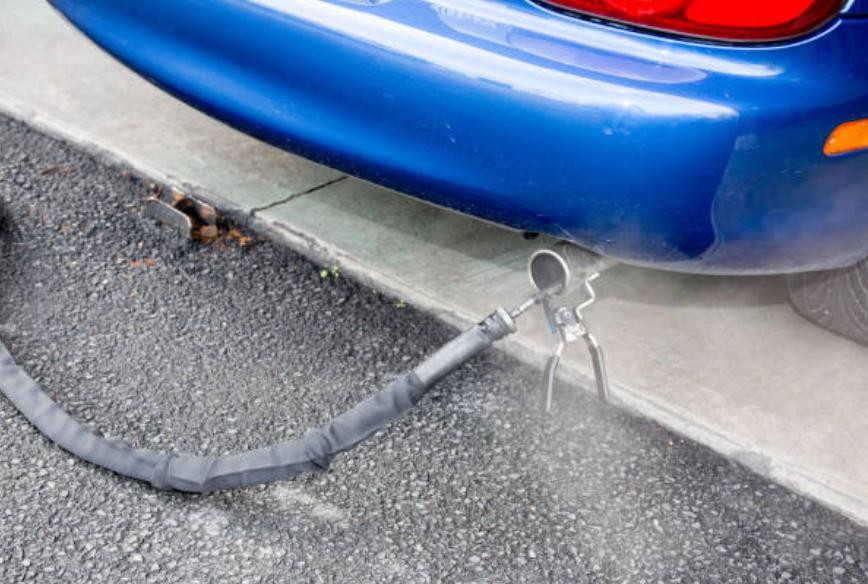
If that transmission fails, glitches, or gets delayed, the DMV sees nothing. Your paper receipt from the smog station means nothing to the online system. This creates a strange situation for drivers. You passed the test, you have proof in hand, and the DMV still shows no record.
The fix usually means contacting the smog station to confirm the data was submitted correctly. Sometimes it takes a manual resubmission on their end.
For vehicles that fail smog outright, the underlying mechanical issue has to be repaired before a passing certificate can even exist. Common failure points include a faulty oxygen sensor, a leaking gas cap, or a check engine light that’s on for any reason.
California treats an illuminated check engine light as an automatic smog failure, regardless of what triggered it. That single detail catches many owners off guard every renewal cycle.
2. Registration Holds From Unpaid Citations
A registration hold is different from a smog failure, but it’s just as common. It stops the process entirely, regardless of whether every other requirement is met.
Unpaid parking citations, toll violations, or certain other unresolved issues can place a hold on your registration that blocks online and mail renewal until it is cleared. This applies even if the citation was issued years earlier.
Local governments and toll agencies report unpaid debts to the DMV through a formal collections process. Once that report lands, the system locks the record.
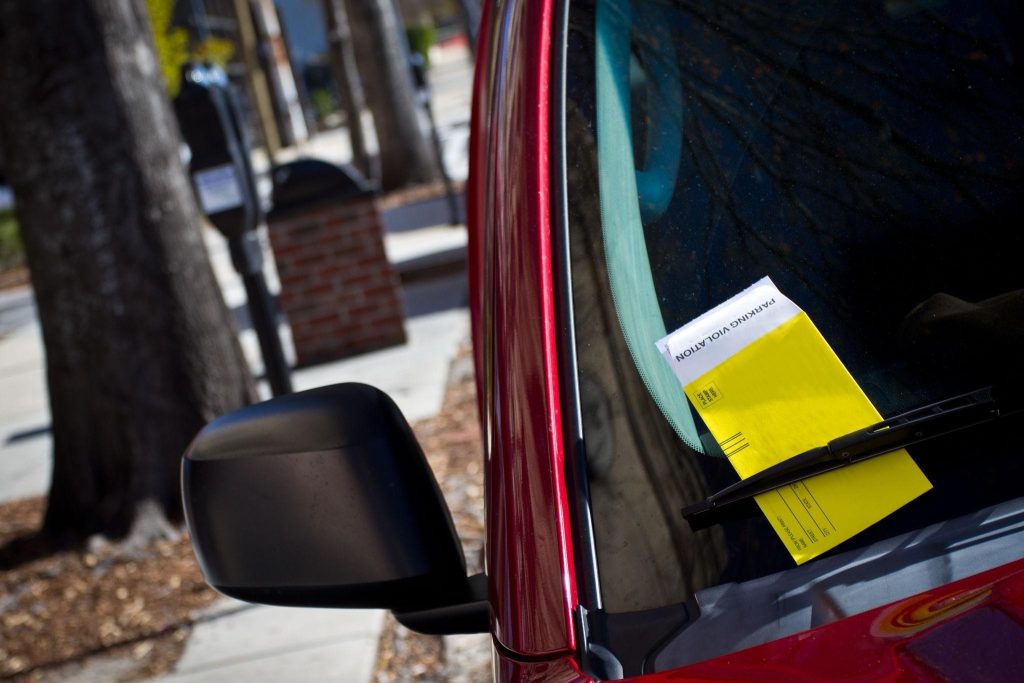
The frustrating part is visibility. Many drivers have no idea a hold exists until they try to renew and get bounced. If your renewal keeps failing online, a hold is the most common reason drivers run into. There’s usually no detailed explanation on the rejection screen itself.
Clearing a hold means tracking down which agency issued it and paying the underlying debt directly. The DMV doesn’t manage the citation itself, only the block tied to it.
Toll violations from bridges or express lanes are a frequent culprit. Many drivers forget a single unpaid toll notice from months earlier, and it resurfaces at renewal time.
Once the debt is paid, the reporting agency has to notify the DMV that the hold is released. That step can take days, so paying it minutes before a renewal deadline often isn’t fast enough.
3. Lapsed or Missing Insurance Records
California requires continuous liability insurance for every registered vehicle, and the DMV checks this electronically through its own database. A lapse in insurance on file is one of the core issues that stops online and mail renewal cold until it’s resolved. This applies even to brief coverage gaps.
Insurance companies report policy status directly to the state. If you switch providers and there’s even a short window without active coverage, the system flags it. The tricky part is timing. Some insurers report new policies with a delay of several days after the effective date.
That delay alone can cause a renewal rejection, even though you technically have continuous coverage in reality. The DMV’s database just hasn’t caught up yet.
Canceling an old policy before the new one reports can create the same false gap. It’s a sequencing problem more than a coverage problem in many cases.
Drivers who self-insure or use out-of-state policies run into this more often. California’s reporting requirements are built around insurers licensed and reporting within the state.
The practical fix is contacting your insurer directly and confirming they’ve submitted the electronic filing. Waiting a few business days often resolves it without further action.
4. Outdated or Incorrect Mailing Address
An address mismatch seems minor, but it derails registrations more often than most people expect. It affects both the paperwork and where fees actually go.
If your mailing address is outdated, the DMV recommends fixing that first, since otherwise your registration can go to the wrong place entirely. That includes physical registration cards and renewal notices.
The bigger issue shows up when a driver tries to renew online. A pending address change can itself block renewal until it fully processes through the system.

This creates a loop some drivers get stuck in. They update their address to fix a mismatch, but the update itself now blocks the renewal they were trying to complete.
The DMV recommends handling address changes as a completely separate transaction, done well in advance of a renewal deadline. Combining the two in one sitting invites delays.
Vehicles registered under an old address can also trigger secondary issues, like renewal notices never reaching the current owner. That compounds into a missed deadline and possible late penalties.
For anyone who’s moved in the past year, checking the address on file should be the very first step before attempting any renewal. It costs a few minutes and prevents a much longer delay.
5. Unresolved CARB Truck and Bus Regulation Status
This reason applies specifically to diesel trucks and larger commercial vehicles, but it’s one of the strictest blocks in the entire system. California law requires the DMV to deny registration for any vehicle that is non-compliant with the Truck and Bus Regulation, or hasn’t reported to CARB as compliant or exempt. This isn’t a soft warning.
To become compliant, most affected vehicles must be replaced entirely or have their engine repowered with a 2010 or newer engine. There’s a defined compliance schedule based on vehicle weight and engine age.
Owners often don’t realize their vehicle falls under this rule until a renewal notice arrives with a compliance warning printed directly on it. By then, the clock is already running.
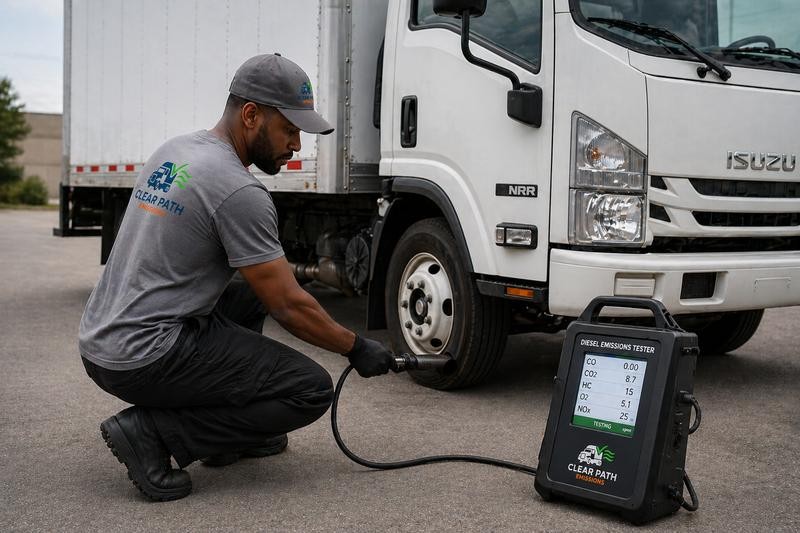
Filter requirements apply on top of engine age rules for heavier vehicle classes. Meeting one requirement without the other still leaves the vehicle non-compliant.
This is a case where paying a fee or clearing a hold won’t help. The underlying vehicle itself has to physically meet the standard, or qualify for a documented exemption.
Exemptions exist for certain low-mileage vehicles and specific use cases, but they require separate reporting to CARB directly. The DMV only reflects what CARB has already confirmed.
Fleet operators and independent owner-operators are the most affected group. For a single truck taken out of daily service occasionally, it’s easy to lose track of where it sits on the compliance timeline.
6. Vehicle Not Registered Under the Current Owner’s Name
Title and registration mismatches stop renewals just as effectively as unpaid citations. If a title transfer hasn’t been completed, that alone takes the process beyond the scope of a standard renewal.
This happens more often than people expect after a private-party sale. The seller assumes the buyer handled the paperwork, and the buyer assumes the DMV updated it automatically.
Neither assumption holds up. California requires an active title transfer filing, separate from any registration renewal, before the system will treat the new owner as valid.
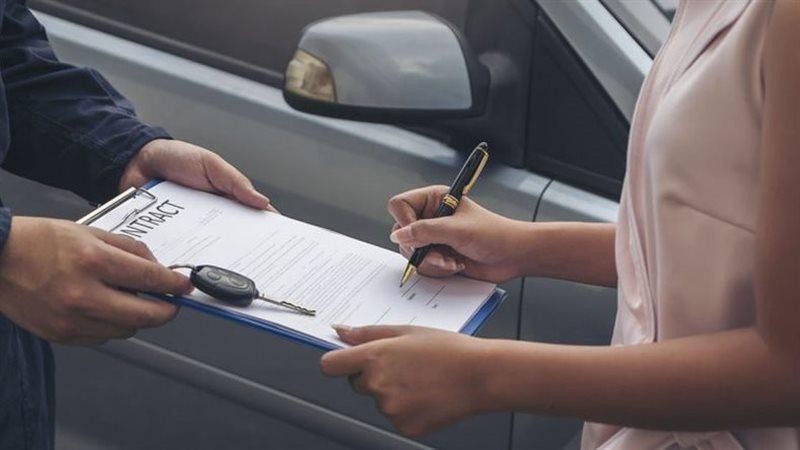
Attempting a third-party renewal on a vehicle with title issues often results in a pending status or outright rejection without a clear explanation. Family transfers and inherited vehicles run into this constantly.
Inheritance cases add another layer. The DMV wants documentation proving the legal transfer, not just a change of possession. Dealer sales are supposed to avoid this problem, since dealers typically file the paperwork as part of the transaction. But confirmation matters here too.
Buyers are encouraged to confirm with the dealer before driving off that the paperwork has actually been filed, since the record ultimately reflects whose name is on file. If it wasn’t filed correctly, the responsibility still falls on the new owner.
Fixing this means completing a formal title transfer through the DMV, which typically requires the original title, both signatures, and applicable fees, before registration can move forward normally.
7. Registration Data Missing From the CAIIDB System
The California Insurance Verification Database, referred to as CAIIDB, plays a quieter but critical role in registration approvals. It’s the backend system insurers report to.
A lack of data in the CAIIDB system is specifically flagged as one of the issues that takes a renewal beyond standard, automatic processing. This is distinct from a simple lapsed policy.
Sometimes coverage is fully active, but the data feed between the insurer and CAIIDB has a technical gap. The DMV’s system only sees what CAIIDB reports, nothing more.
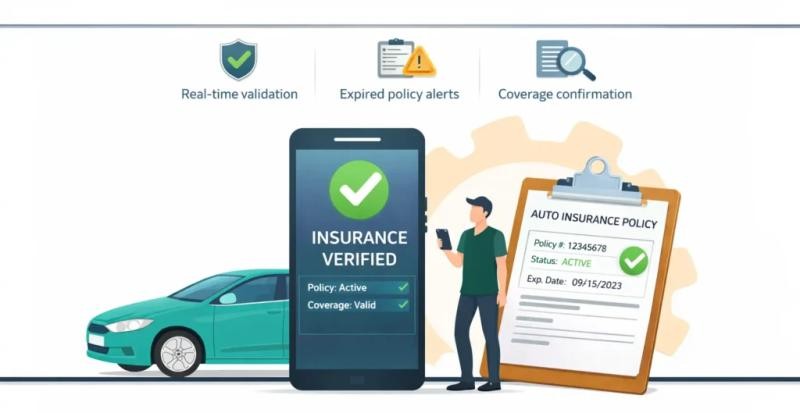
This creates situations where a driver has proof of insurance in hand, yet the online renewal still fails for what looks identical to an insurance lapse.
The distinction matters for how you fix it. A true lapse requires getting new coverage. A CAIIDB gap requires contacting the insurer to confirm and correct the data feed itself.
Smaller regional insurers and some niche policy providers are more prone to reporting delays into this particular database. Larger national insurers tend to sync more reliably.
There’s no way for a driver to check CAIIDB status directly online in most cases. The only visible symptom is the renewal rejection itself, without much detail behind it.
Patience combined with a direct call to the insurance provider is usually the only real path forward here. It typically resolves within a normal billing or reporting cycle.
8. Overdue Renewal Treated as a Violation
Registration that has lapsed for an extended period doesn’t just accrue late fees. At a certain point, the DMV’s system stops treating it as a routine renewal altogether.
When renewal is overdue for an extended period, the DMV treats the case as a violation rather than a standard registration renewal. That reclassification changes the entire process.
Standard online renewal paths are built for routine cases. Once a record shifts into violation status, those automated channels typically stop working for that vehicle.
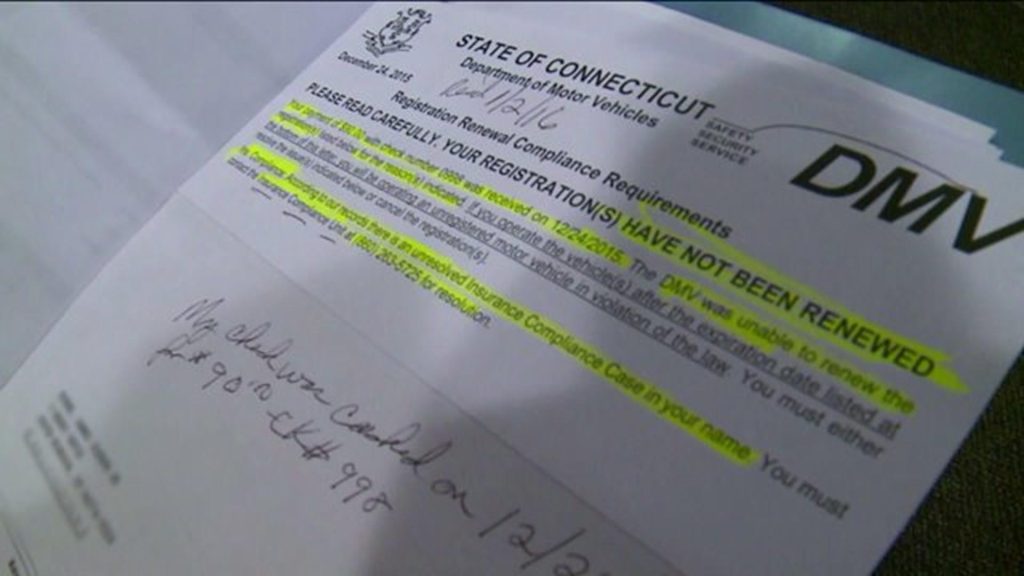
This often surprises drivers who assume a late registration is just a matter of paying accumulated penalty fees online. The system may simply refuse the transaction instead.
At that point, resolving the registration usually requires a field office visit rather than an online or mail submission. The self-service tools aren’t built to unwind a violation-status case.
This ties into a broader pattern in how the DMV has restructured its services. The online tools are well-suited for simple cases and poorly suited for complicated ones.
A significantly overdue registration lands squarely in that second category. It requires a level of manual review the automated system isn’t designed to handle.
The longer a vehicle sits unregistered, the more likely it is to accumulate additional complications, like new citations for driving on an expired registration, further deepening the violation status.
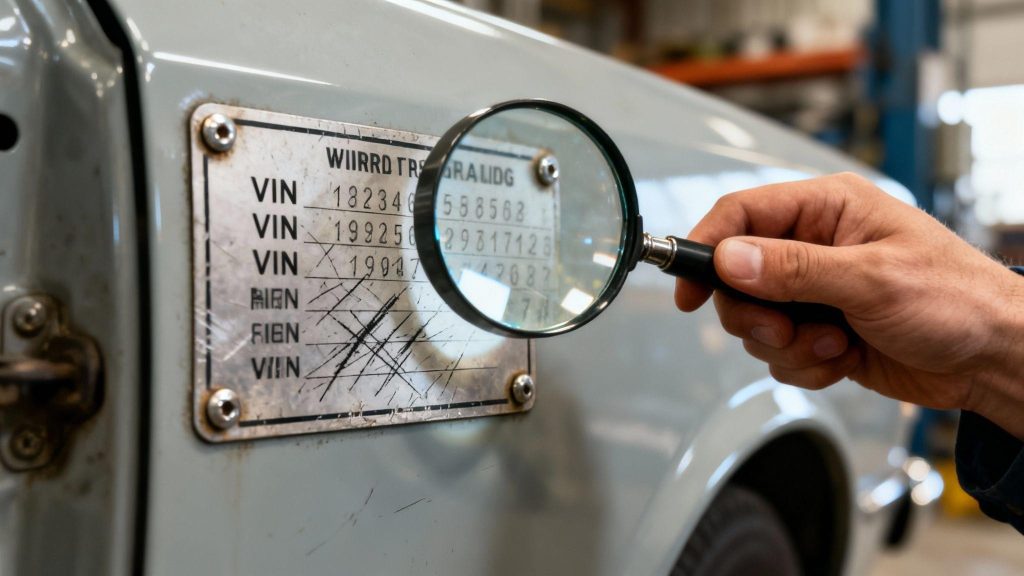
9. VIN Verification and Vehicle Identity Issues
Some registration failures trace back to the vehicle’s identity itself, not paperwork or payments. This shows up most often with out-of-state vehicles, homemade vehicles, and salvage titles.
California requires a physical VIN verification for a range of situations, including vehicles brought in from another state or those rebuilt after being declared a total loss.
Without a completed verification, the DMV’s system has no confirmed match between the physical vehicle and the record being registered. That mismatch blocks the process automatically.
This is one of the few reasons on this list that can’t be resolved online or by mail under any circumstances. It requires an in-person inspection, typically at a field office or through a licensed verifier.
Out-of-state transfers are particularly prone to this. Out-of-state transfers are specifically noted as a category the DMV’s online-first system tends to fail on.
A car that was perfectly legal and registered in another state doesn’t automatically translate into a clean California record. The physical verification step exists precisely to close that gap.
Salvage and rebuilt titles add an extra layer of scrutiny. A vehicle previously totaled by an insurer typically needs a more detailed inspection before it can be registered as roadworthy again.
Owners bringing vehicles into California from elsewhere should plan for this step upfront, rather than discovering it after an online renewal attempt fails with no clear reason given.
10. System-Level Processing Failures During Complex Transactions
The final reason isn’t about the vehicle or the owner at all. It’s about how California’s DMV has restructured its own processing infrastructure in recent years.
California’s DMV has quietly shifted most registration transactions to online-only channels, and for simple renewals it works fine, but for everything else the system creates more problems than it solves.
This matters because a growing share of registration attempts fall outside the “simple” category entirely. Any combination of the issues above compounds the odds of hitting this wall.
Commercial renewals tied to compliance flags, weight violations, or lapsed interstate agreements are similarly resistant to resolution through standard self-service channels. The system simply isn’t built to untangle layered problems.
Field offices, meanwhile, are handling fewer walk-in transactions than they used to. Field offices are expected to continue scaling back the transactions they handle in person, as digital channels take on a more central role.
That leaves a widening gap for drivers with anything beyond a clean, routine renewal. The tools meant to help them are increasingly the ones designed for someone else’s simpler case.
This isn’t a temporary glitch tied to one bad renewal cycle. It reflects a structural shift in how the department is choosing to deliver its services going forward.
For drivers facing a rejected registration with no obvious cause, this broader shift is worth keeping in mind. Sometimes the failure isn’t a hidden problem with the car or the paperwork at all. It’s simply a transaction too complex for the automated system currently in place, and it needs a human to finish the job.
