
A “Do Not Drive” order is the most serious warning a car company can give. It means the vehicle should not be started or driven at all. Unlike normal recalls, these warnings involve a real danger of injury or death.
Most of these orders come from the Takata airbag crisis. Takata airbag inflators can explode with too much force. When they explode, metal pieces can fly into the car like shrapnel.
This has caused dozens of deaths and hundreds of injuries across the world. Millions of cars still have these dangerous airbags installed today. Automakers like Stellantis, Ford, Mazda, and Nissan have issued fresh warnings in 2026.
If you own one of these vehicles, do not drive it. Instead, call your local dealer and ask for free towing. Below are ten vehicles currently under open Do Not Drive orders. Each one carries a real risk if it stays on the road. Check your car’s VIN number today to stay safe.
1. Dodge Ram (2003–2010)
The Dodge Ram is one of the oldest vehicles on this list. Model years 2003 through 2010 are affected by multiple Takata recalls. These recalls include campaign numbers 15V312, 15V313, and several others. The airbag inflator in these trucks can degrade over time. Heat and humidity make the problem much worse.
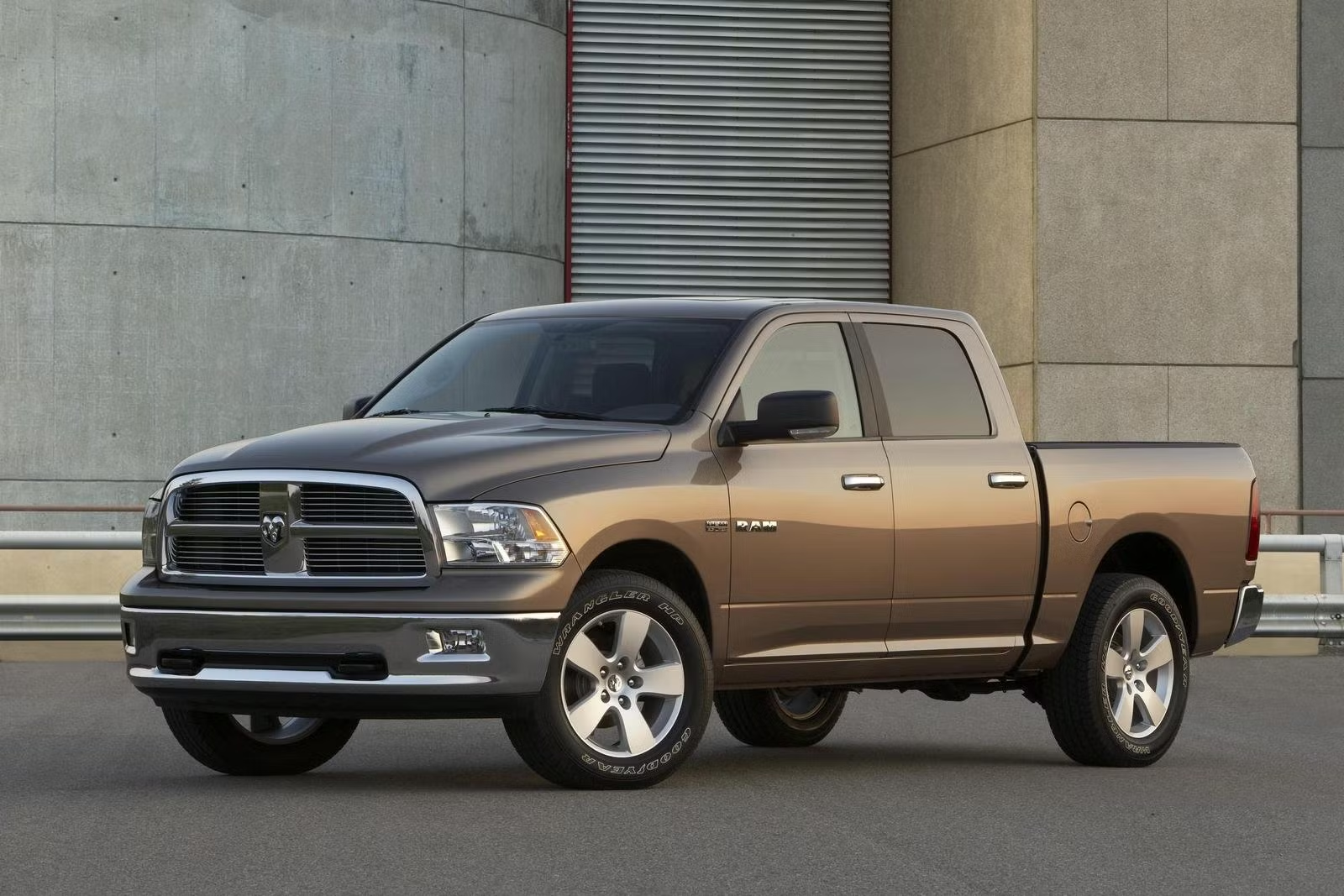
Trucks that have spent years in hot southern states face a higher risk. When the airbag deploys, the inflator can rupture violently. Metal fragments can then strike the driver or front passenger.
Stellantis has repaired over 6.6 million airbags since the recall began. Still, thousands of Ram trucks remain unrepaired today. Owners are urged to stop driving these trucks immediately.
The repair itself is completely free at any dealership. Stellantis even offers a customer hotline for scheduling help. Towing to the dealer is also provided at no cost.
This truck’s popularity means many units are still on American roads. Used truck buyers should always check the VIN before purchase. A quick search takes only a couple of minutes.
That short check could prevent a serious injury later. Many owners are unaware their older Ram has this open recall. Awareness remains the biggest challenge in getting these trucks fixed.
2. Jeep Wrangler (2007–2016)
The Jeep Wrangler is a beloved off-road vehicle worldwide. Sadly, certain model years also carry a Do Not Drive warning. Vehicles from 2007 through 2016 fall under this alert. The issue again involves the Takata airbag inflator system. These inflators use a chemical propellant that breaks down with age.
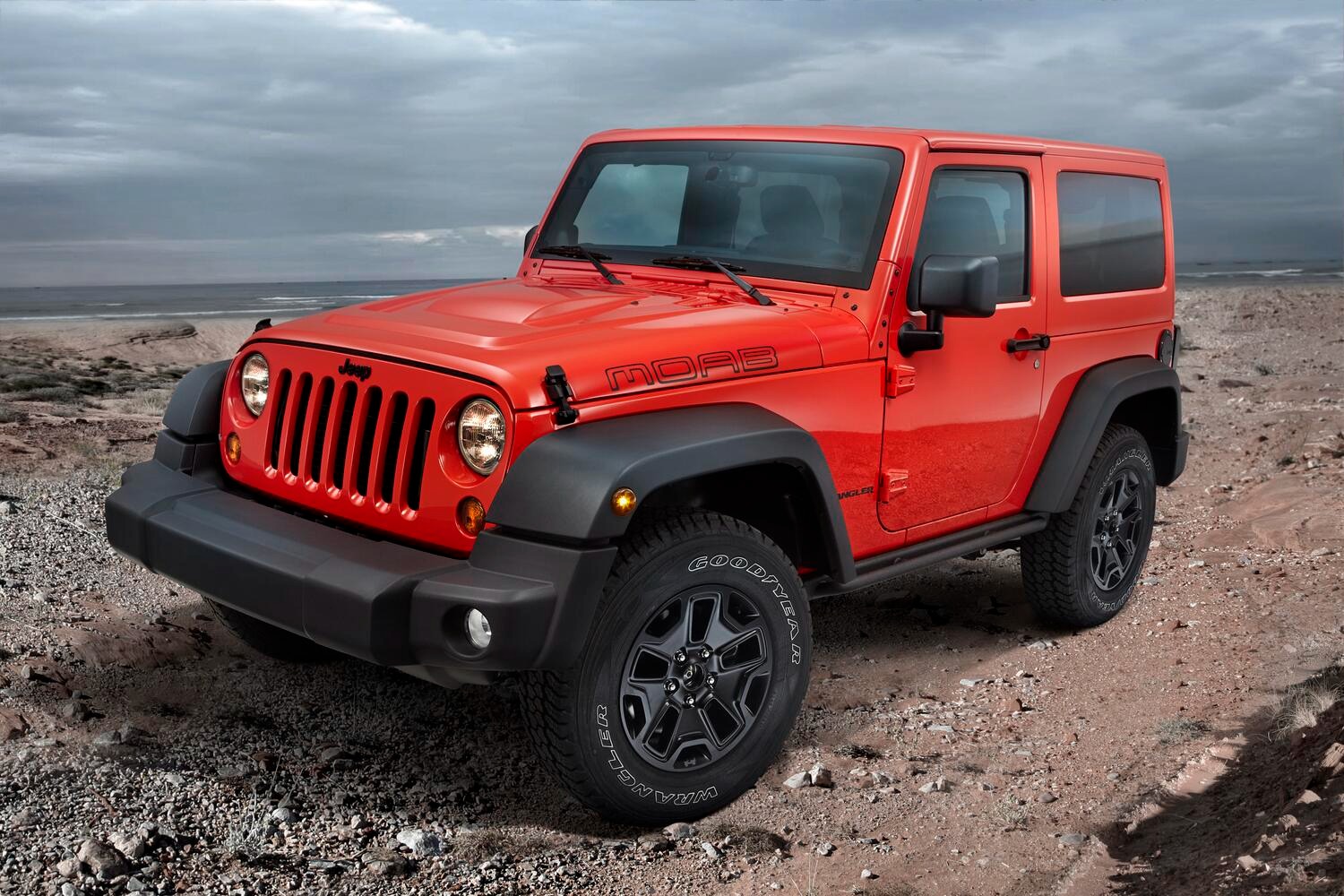
Older Wranglers are especially vulnerable because of this aging process. Notably, the Wrangler also faced a separate 2026 recall. That recall involved a power steering wiring fault.
Faulty wiring could spark fires even while the vehicle was parked. Over one million Wranglers and Gladiators were affected by that issue. NHTSA linked this defect to more than fifty fires already.
One injury was also reported from this particular fault. Combined with the Takata airbag risk, older Wranglers face double danger. Owners should check both the airbag recall and the wiring recall.
Both repairs are offered free through Jeep dealerships. Given the Wrangler’s rugged image, many are driven hard for years. That extended use can accelerate wear on vulnerable parts.
Regular VIN checks are strongly recommended for every Wrangler owner. This model remains one of the most affected in current recall data. Buyers of used Wranglers should treat this warning seriously.
3. Chrysler 300 (2005–2015)
The Chrysler 300 is a popular full-size sedan in North America. Model years 2005 through 2015 are included in the Takata warning. These sedans were built with non-desiccated airbag inflators.
Desiccant is a drying agent that helps prevent chemical breakdown. Without it, the propellant degrades faster in humid climates. This makes older 300 sedans particularly risky in coastal regions.
Stellantis’s February 2026 alert specifically named this model. Around 225,000 vehicles across all Stellantis brands remain unrepaired. The Chrysler 300 is one of the largest groups within that number.
Many owners bought these cars secondhand without knowing the recall history. A car’s recall status does not always show up during resale. This is why checking the VIN yourself is so important.
Owners can enter their VIN into official recall lookup tools. Results appear within seconds and are completely free to access. If the airbag recall is active, stop driving right away. Call Chrysler’s customer service line to arrange a tow.
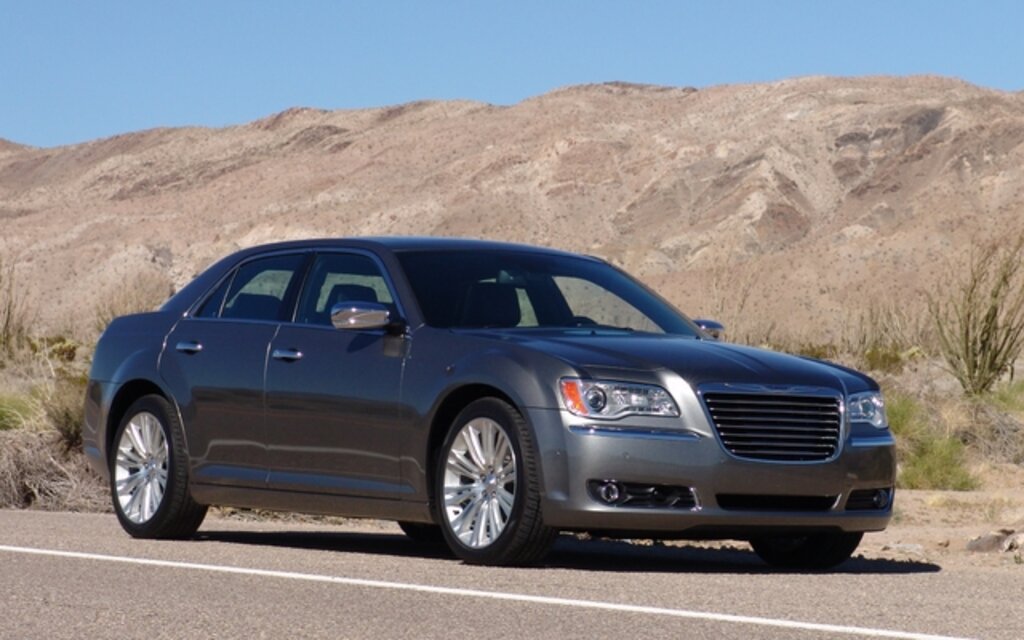
The dealership will replace the inflator at no charge. Given the sedan’s age, many are now used as budget cars. Budget buyers should be extra careful before driving one home.
4. Dodge Charger (2006–2015)
The Dodge Charger remains a fan favorite for its muscle car styling. However, certain model years share the same Takata airbag danger. Vehicles built between 2006 and 2015 are included in the warning. Multiple recall campaigns apply to this model over the years. These include campaigns 15V313, 16V352, 18V021, and 19V018.
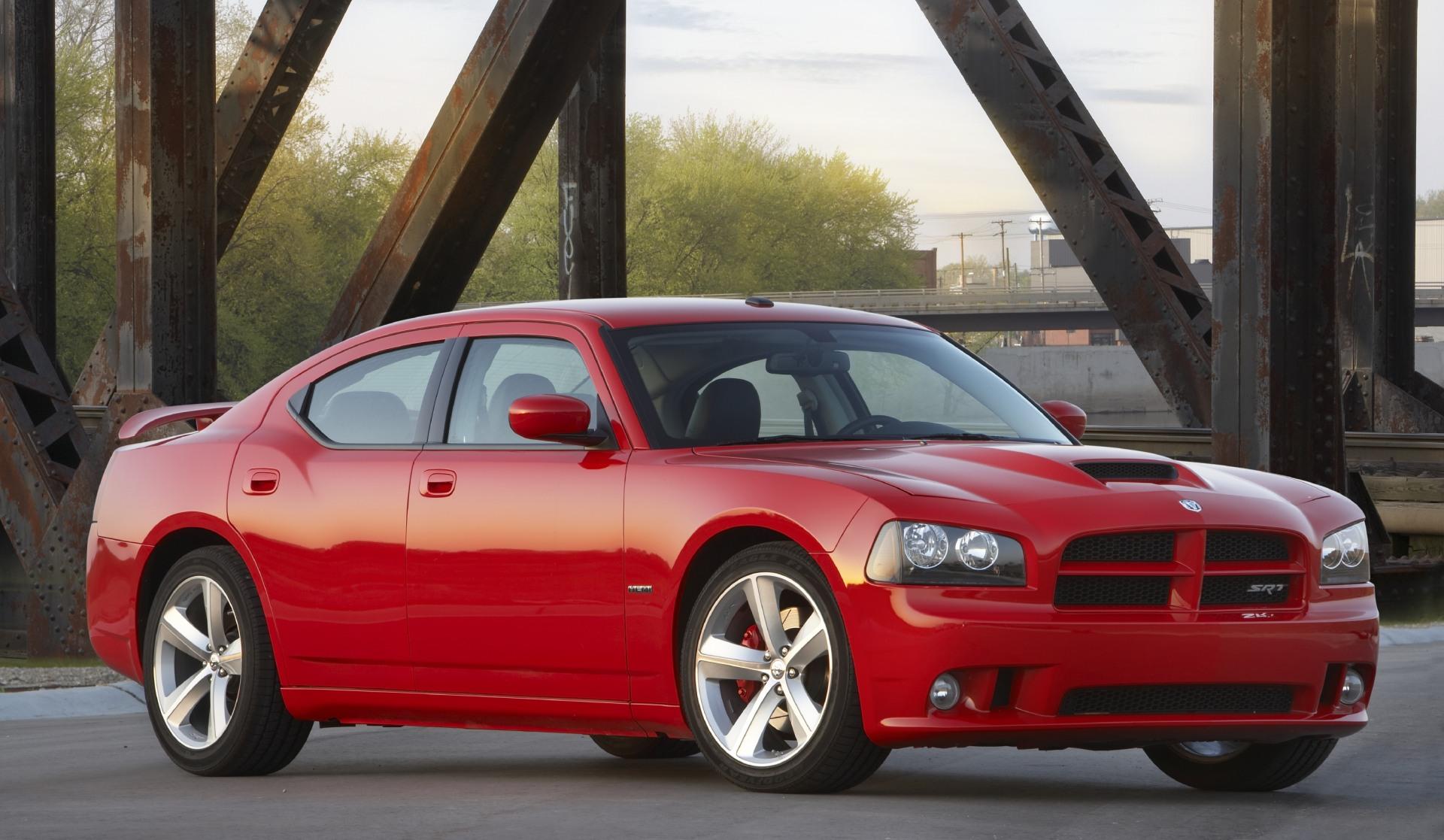
Each campaign targeted a slightly different batch of inflators. Together, they cover nearly a decade of Charger production. The risk grows every year the airbag remains unreplaced.
Chemical propellant inside the inflator becomes less stable with age. A minor fender bender could trigger a dangerous airbag rupture. Stellantis has stated that parts for repairs are currently available.
This means owners can get their Charger fixed without long delays. The process usually takes less than a day at the dealership. Many owners mistakenly believe older recalls have already expired.
In reality, an unrepaired Takata recall never simply goes away. It stays open until the actual airbag part is replaced. Charger owners should treat any recall notice as urgent business.
Ignoring the notice does not make the underlying risk disappear. Scheduling a repair appointment today is the safest choice. Free towing removes any excuse related to cost or convenience.
5. Dodge Challenger (2008–2014)
The Dodge Challenger is another muscle car swept into this crisis. Model years 2008 through 2014 fall under an active Do Not Drive order. Recall campaigns 15V444, 16V352, 18V021, and 19V018 apply here.
Like its Charger sibling, the Challenger used similar airbag hardware. This shared design means both models face comparable risks. Younger drivers often buy used Challengers as first performance cars.
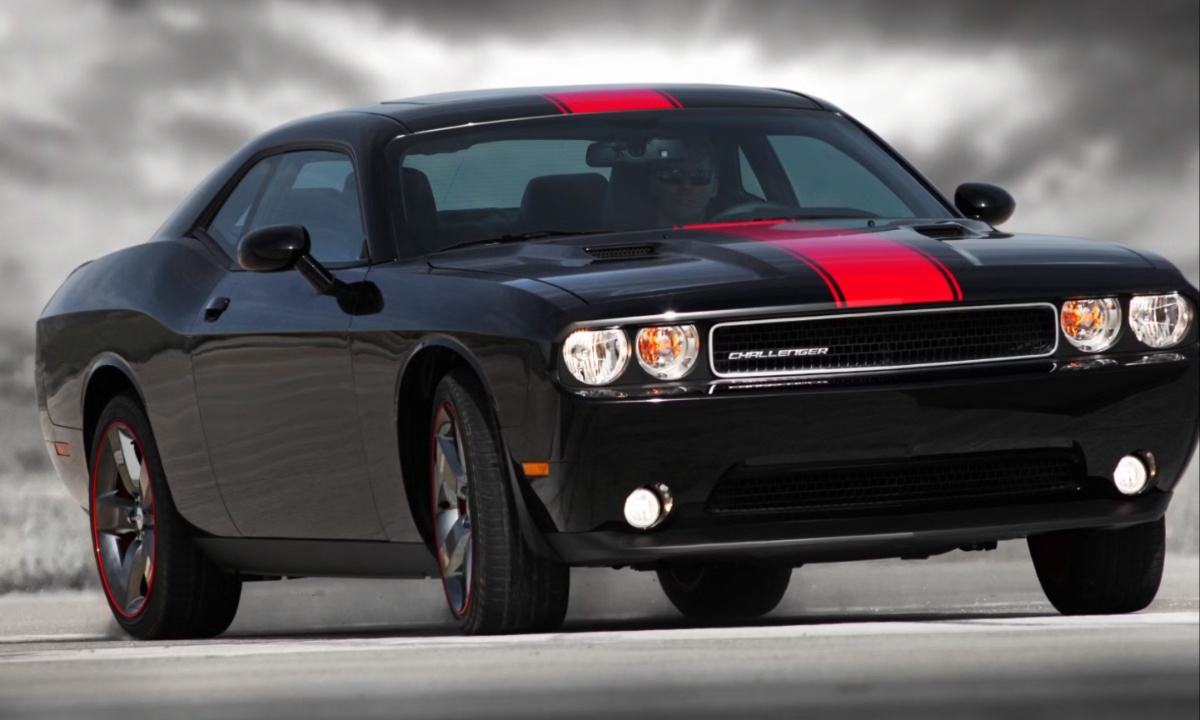
Many of these buyers are unfamiliar with the recall system. That knowledge gap can leave dangerous vehicles on the road longer. Parents helping teens buy a used Challenger should check this first.
A five-minute VIN search could prevent a life-changing accident. The airbag issue does not depend on how the car is driven. Even a low-speed collision can trigger a violent inflator rupture.
This is what makes the warning apply to daily commuting too. Stellantis dealers can perform the repair using existing part supplies. Owners are not charged for parts, labor, or towing services. Despite this, some owners still delay scheduling repairs unnecessarily.
Delaying repair only increases how long the risk continues. Given the car’s cultural popularity, thousands remain unfixed nationwide. Checking recall status should be a standard step before any purchase. Safety should always come before styling or performance appeal.
6. Dodge Durango (2004–2009)
The Dodge Durango is a mid-size SUV built for families. Its 2004 through 2009 model years are affected by Takata recalls. Recall numbers 15V313, 16V352, 16V947, and 18V021 apply to this SUV.
Family vehicles carrying this warning raise particular concern for safety. Children and multiple passengers are often riding in these SUVs. An airbag rupture in a crowded cabin increases potential harm.
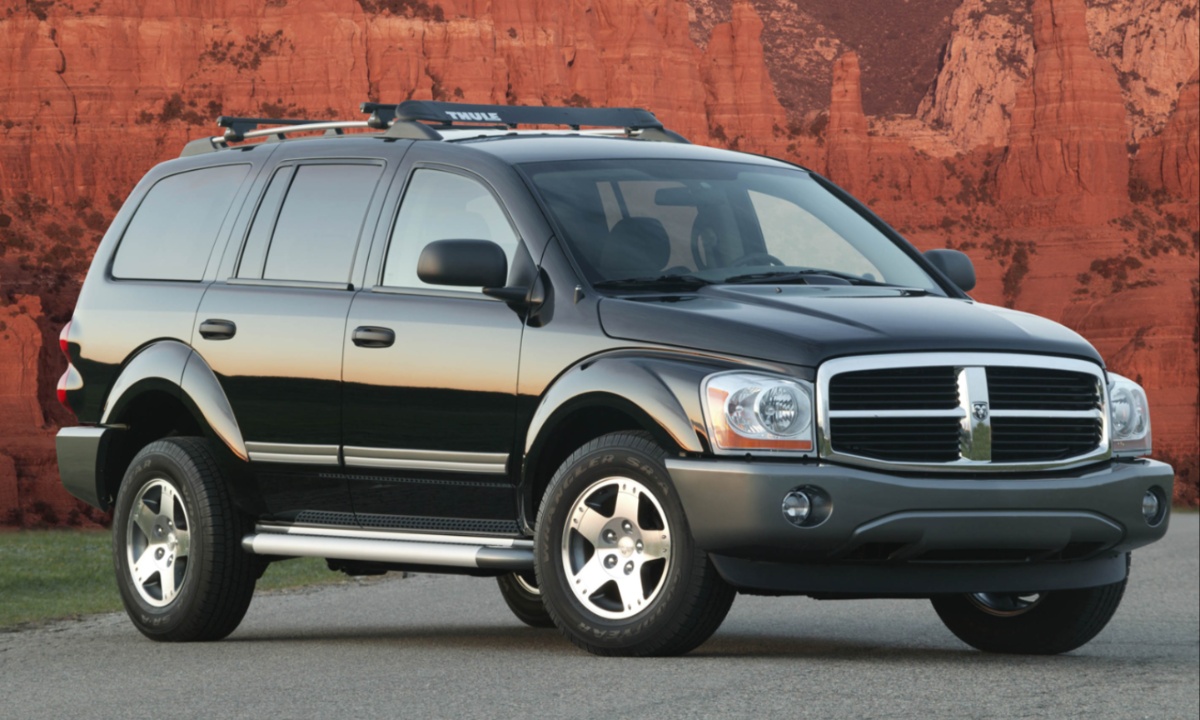
This makes the Durango warning especially urgent for parents. Many older Durangos are now sold as affordable used SUVs. Budget shoppers often overlook recall history during a quick purchase.
Sellers are not always required to disclose open recalls upfront. Buyers must take responsibility for checking the VIN themselves. The good news is that the check costs nothing.
Simply entering the VIN online reveals any open safety notices. If a Do Not Drive order appears, stop using the SUV. Contact the nearest dealership to schedule free repair service.
Towing arrangements are typically included as part of the process. Stellantis continues working through its backlog of unrepaired vehicles. Roughly 225,000 vehicles across all its brands remain outstanding. The Durango represents a meaningful share of that total number. Families driving one of these SUVs should act without delay.
7. Ford Ranger (2004–2011)
The Ford Ranger compact pickup also carries an active airbag warning. Two separate windows are affected: 2004–2006 and 2007–2011 models. These trucks fall under Ford’s broader 2024 and 2026 Takata alerts. Ford’s warning covers over 374,000 vehicles across multiple models. The Ranger represents a significant portion of that total figure.
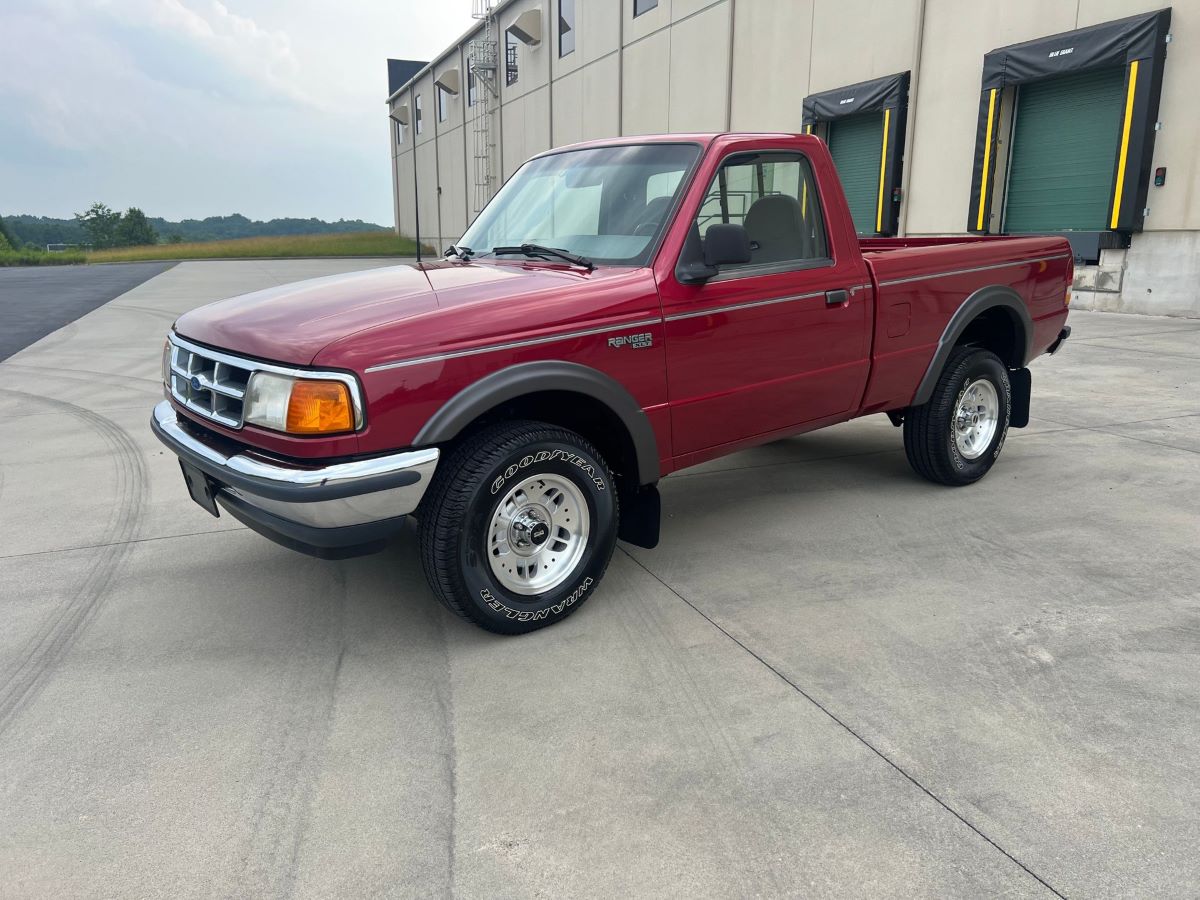
Non-desiccated airbag inflators were used throughout this production period. Without moisture protection, the chemical propellant degrades faster over time. Some of these trucks are now more than twenty years old.
Vehicle age significantly increases the chance of inflator failure. An older truck’s airbag has simply had more time to break down. Work trucks like the Ranger are often kept far past average lifespan.
This extended use raises the odds of an eventual rupture event. Owners using their Ranger for daily work should check status immediately. A workplace accident involving a faulty airbag could be devastating.
Employers with fleet vehicles should also review each truck’s recall history. Fleet-wide checks can catch problems before they cause an incident. Ford dealerships handle the airbag replacement at no cost to owners.
Appointment scheduling is usually quick given how common this recall is. Given its age, many Rangers may already be near retirement anyway. Even so, safety during those final years still matters greatly.
8. Ford Mustang (2005–2014)
The Ford Mustang is one of America’s most iconic sports cars. Unfortunately, model years 2005 through 2014 share the same airbag danger. This range falls squarely within Ford’s active Do Not Drive warning. Sports cars like the Mustang are often driven at higher speeds. Higher speed collisions increase the force involved in any airbag deployment.
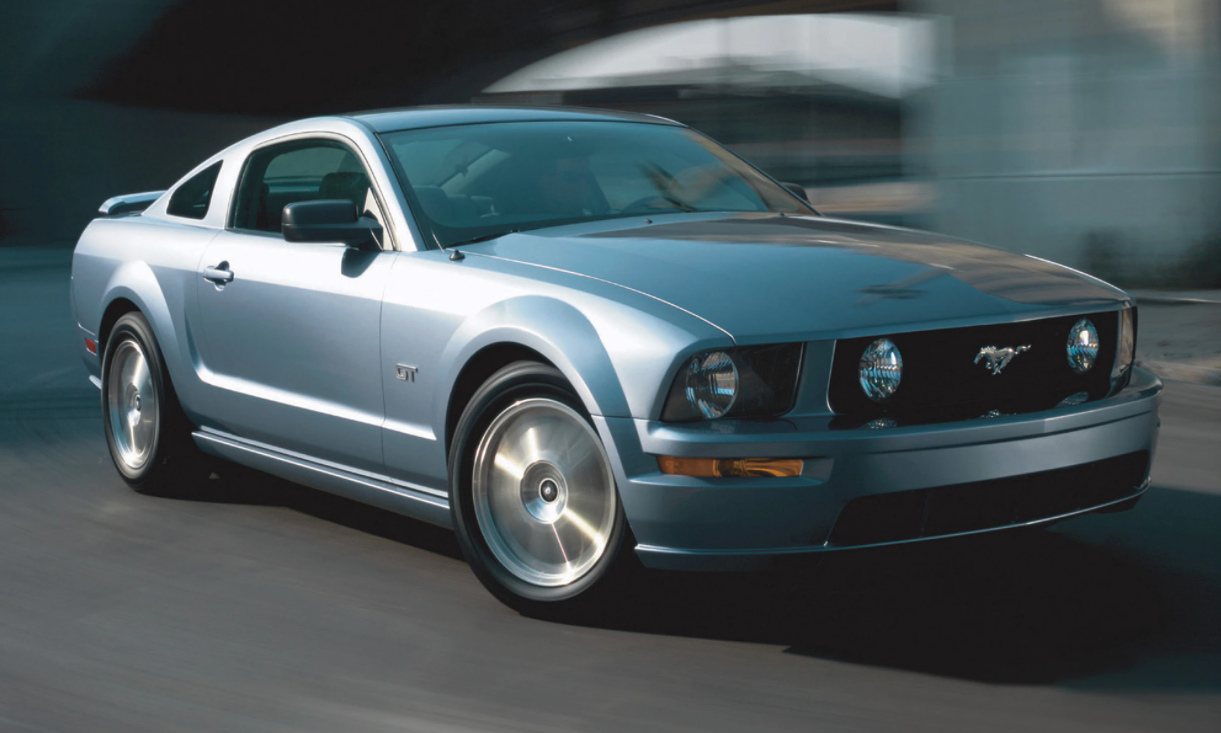
This makes a faulty inflator even more dangerous in this model. Many Mustangs from this era are now owned by younger drivers. Younger buyers may focus more on styling than recall history.
That focus can leave a serious safety issue completely unnoticed. Some owners also modify their Mustangs for track or show use. Modified cars are not exempt from the underlying airbag risk.
No amount of aftermarket work fixes a degraded factory inflator. Only an authorized dealership repair can properly resolve this issue. Ford’s 2026 alert reaffirmed that this recall remains fully open.
Vehicles with non-desiccated inflators are the primary concern here. Checking your specific Mustang’s VIN reveals its exact recall status. If flagged, stop driving the car until repairs are finished.
Ford covers the entire cost of parts and labor involved. Given the Mustang’s collector appeal, many sit in home garages. Even garage-kept cars must be checked before their next drive.
9. Mazda6 (2003–2013)
The Mazda6 sedan is included in Mazda’s own Do Not Drive warning. Model years span from 2003 through 2013 in various recall campaigns. Mazda’s total warning covers close to 83,000 vehicles nationwide. Several campaign numbers apply, including 17V474 and 18V402 among others. This sedan was sold widely as a practical family car.
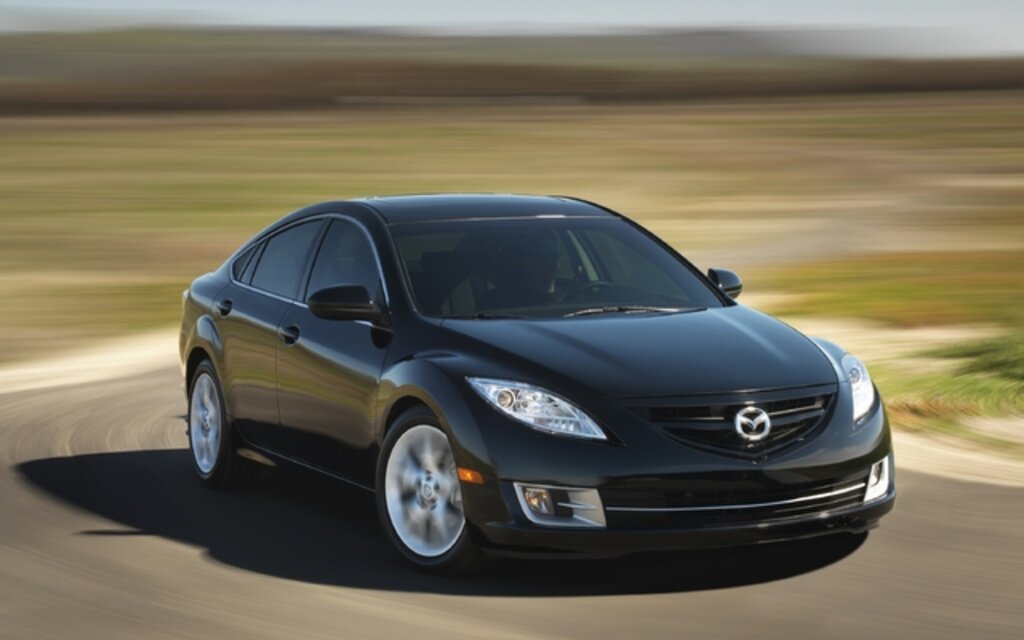
Many units changed hands multiple times over the past two decades. Each ownership transfer increases the chance of lost recall awareness. A new owner may never learn about an older open recall.
This is especially true for private sales without dealer involvement. Mazda urges every owner to check their VIN through official channels. The lookup tool works using any standard internet browser.
Results show clearly whether a Do Not Drive order applies. If the sedan is affected, driving should stop immediately. Contact a local Mazda dealer to arrange free repair service.
Given the car’s age, some owners may consider retiring it instead. Even so, safe transport to a repair shop remains necessary first. Towing services are typically included at no extra charge.
Mazda’s continued involvement shows this recall is still fully active. Owners should not assume an older recall has quietly expired. Only a completed repair actually closes the safety concern for good.
10. Nissan Sentra (2002–2006)
The Nissan Sentra rounds out this list of affected vehicles. Model years 2002 through 2006 fall under Nissan’s specific warning. This alert also includes certain Nissan Pathfinder and Infiniti QX4 models.
Together, these vehicles account for about 84,000 units nationwide. NHTSA directly instructed owners not to drive these cars at all. The instruction remains in place until the airbag is replaced.
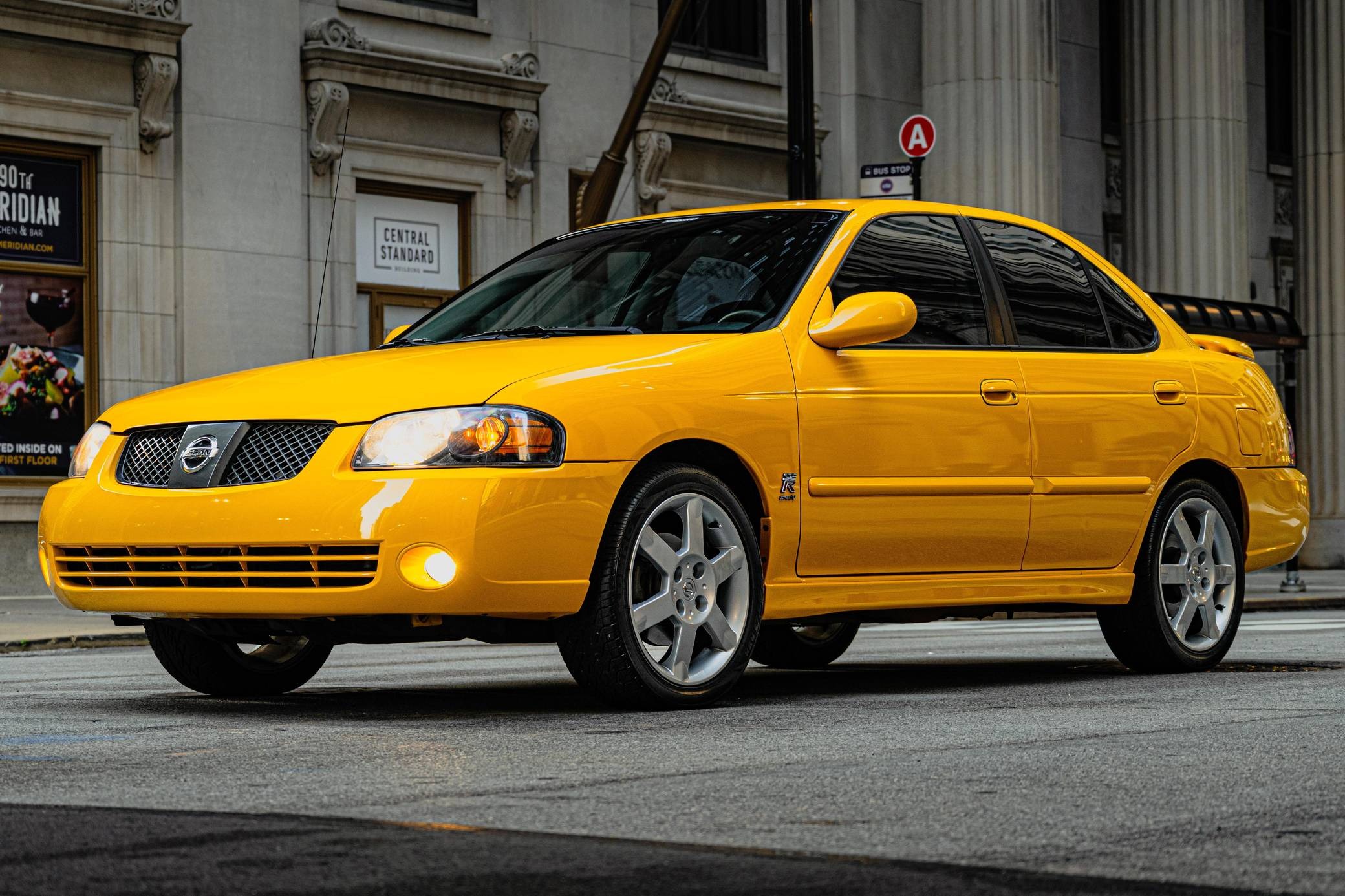
Compact sedans like the Sentra are popular among first-time drivers. Many are purchased used at lower price points than newer cars. This makes them attractive to students and budget-conscious buyers.
That same group of buyers, however, may be less likely to know about existing recalls. A simple VIN check can help identify any issues, and Nissan provides a free, easy-to-use recall lookup tool for this purpose.
If your Sentra falls in this range, stop driving it now. Reach out to a Nissan dealership to schedule your repair. The airbag replacement will not cost the owner anything.
Given the vehicle’s age, some owners may not check email alerts. Physical mail notices from Nissan may also go unnoticed over time. This makes proactive checking more important than waiting for a letter. Old recalls do not disappear simply because time has passed. Confirming your car’s status today is the safest course of action.
