

Buying a car can feel exciting from the moment you walk into the dealership. There are handshakes, friendly salespeople, big smiles, and plenty of promises designed to make you feel confident about the purchase. However, there is one important detail to understand before you put your signature on the contract.
Verbal promises made by a salesperson may have little to no legal value after you leave the dealership. Most vehicle purchase agreements include what is known as an Integration Clause or Merger Clause. This provision generally means that the written contract is what matters, not the promises or assurances that were made verbally.
Everything else, no matter how confidently it was said, tends to vanish the moment you need it most. This guide walks through eight promises commonly made during the sales process that rarely make it onto paper, and why getting everything documented before you leave protects you far better than any verbal assurance ever could.
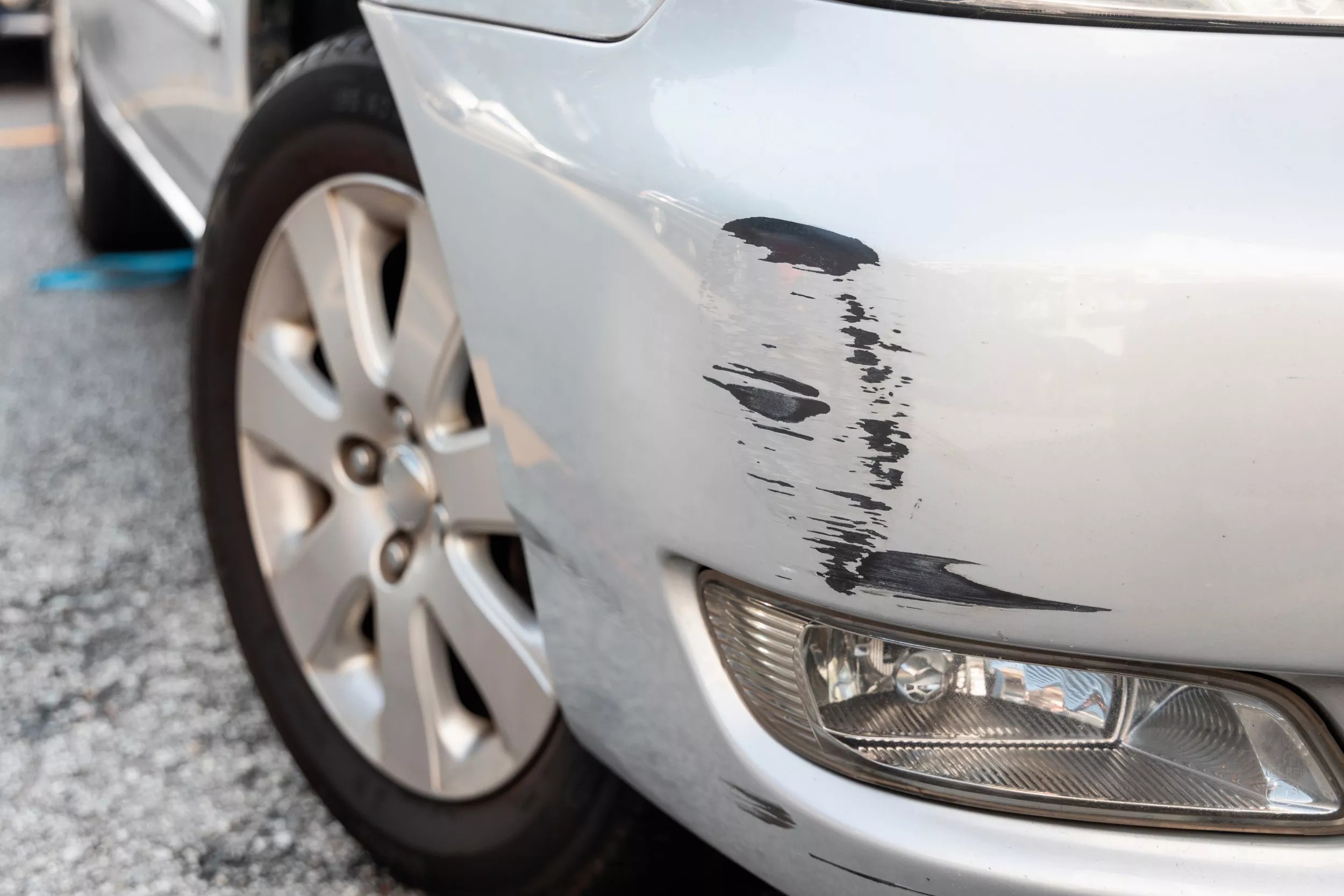
1. “We’ll fix that scratch after you buy the car.”
A small scratch or dent may seem like a minor issue when you are buying a car, when the salesperson promises to have it repaired later. You may hear something like, “Do not worry, we will take care of it after the paperwork is completed.” It sounds reassuring, but relying only on that statement can create problems.
Once the documents are signed and the vehicle leaves the dealership, that promise may become difficult to enforce if there is no written record. The same applies to windshield chips, damaged trim, paint marks, missing accessories, or other issues that the salesperson agrees to fix after the sale.
The Federal Trade Commission advises car buyers to get promises in writing before completing the purchase. Documents such as the sales agreement, Buyers Guide, or a signed “We Owe” form can provide evidence of what the dealership agreed to provide or repair.
Without written proof, you may have to depend on your memory and the salesperson’s recollection of the conversation. If the salesperson later denies making the promise, proving what was agreed can become difficult.
Before signing the final paperwork, ask the dealership to record every promised repair in writing. Make sure the description is clear and that an authorised dealership representative signs the document.
If the salesperson refuses to put a repair promise on paper, take that seriously. A simple written agreement can prevent unnecessary arguments and give you stronger protection if the dealership fails to complete the repair after you take the car home.

2. “You can return the car within three days.”
This one catches people off guard more than almost any other myth floating around car lots. Many buyers walk in assuming some kind of federal cooling-off period applies to vehicle purchases, similar to what exists for certain other consumer transactions. That assumption is incorrect.
There is no general federal three-day cancellation period for buying a car. None. Once you sign the contract and drive away, you generally own that vehicle, along with everything the loan and paperwork say you agreed to. Any return option that exists comes from elsewhere entirely.
Some states have their own regulations offering limited return rights under specific circumstances. Certain dealerships also choose to offer their own return policies as a customer service gesture, separate from any legal requirement. But these protections depend entirely on either applicable state law or a dealer’s specific written policy, not on anything a salesperson tells you across the desk.
So what happens when a salesperson casually mentions a three-day return window during your visit? Ask them to show you exactly where that policy appears in writing. If they can’t point to a specific document or state regulation backing that claim, treat the statement as unreliable.
Relying on a verbal assurance alone, especially regarding something as consequential as returning a car, leaves you without any real recourse if that promise quietly disappears once you’ve left the lot.

3. “The warranty covers everything.”
Warranty language sounds reassuring by design, and phrases like “bumper-to-bumper” practically invite you to imagine complete, worry-free coverage stretching across every inch of your new vehicle. Unfortunately, that phrase means something considerably narrower in practice than it does in everyday conversation.
Even comprehensive-sounding warranties or service contracts typically cover specific systems and specific types of repairs, not literally everything that could go wrong with a vehicle. Wear items, certain fluids, and various components often fall outside standard coverage, regardless of how sweeping the sales pitch sounded.
Coverage details matter enormously here: what’s included, what’s specifically excluded, whether deductibles apply, and how long the coverage period actually lasts. These details live inside the actual warranty documents, not inside a salesperson’s enthusiastic description delivered while you’re signing paperwork and thinking about a dozen other things.
Reading through warranty documents isn’t the most exciting part of buying a car, admittedly. But skipping that step means discovering the actual limits only after something breaks down and you’re standing at a service counter, surprised that your “complete coverage” doesn’t cover the specific repair you’re facing.
Ask for a copy of the warranty terms before signing, take it home if needed, and compare what’s written against what was promised verbally. That comparison alone can prevent a frustrating and expensive misunderstanding.

4. “We’ll pay off your old car completely.”
Trading in a car you still owe money on creates a situation dealerships love to smooth over with confident language. If your old loan balance exceeds what your trade-in is actually worth, a common scenario called negative equity, the dealer might offer to roll that difference into your new loan simply.
That phrase, “we’ll pay it off,” sounds like your old debt has vanished completely. It hasn’t. What’s actually happening is a bit different: the remaining balance from your previous loan gets added onto the new loan you’re taking out. Your debt hasn’t disappeared. It’s been relocated and combined with your new car’s financing.
This distinction matters quite a bit for your long-term finances. A buyer who doesn’t fully understand this process might walk away believing they’ve cleared their old obligation, only to realize months later that their new monthly payment reflects both the new vehicle’s cost and their previous negative equity, bundled together into one larger figure.
Before signing anything, look closely at your final loan documents. They should spell out exactly how your old balance is being handled, whether it’s rolled into the new loan, paid separately, or handled some other way entirely.
Understanding this mechanism before you sign prevents an unpleasant financial surprise down the road, one that a friendly verbal promise at the dealership never fully explained.

5. “Your first few services are free.”
Free maintenance offers sound like a genuinely nice perk, and sometimes they are exactly that. Dealerships frequently mention free oil changes, tire rotations, inspections, or other basic services as an incentive designed to make their offer feel more generous than a competitor’s.
The trouble starts when that offer stays purely verbal. If a promise involving future free services isn’t documented anywhere in your paperwork, the service department has no formal obligation to actually provide it when you show up expecting your complimentary oil change eighteen months later.
Memory fades, staff changes, and dealership ownership sometimes moves entirely between the day you bought your car and the day you try to redeem a promised service. Without documentation, you’re relying entirely on goodwill rather than any enforceable agreement, and goodwill doesn’t always survive staff turnover or a change in management priorities.
Any promised maintenance deserves the same treatment as every other verbal claim discussed here: get it written down. That documentation should specify exactly which services are included, how many visits are covered, and how long the offer remains valid.
A specific timeframe and service list, written on paper, gives you something concrete to reference if the service department later claims no record of any such arrangement exists.

6. “We’ll get you another key.”
It is easy to overlook missing items when buying a car. A vehicle may come with only one key fob, no owner’s manual, missing floor mats, or a cargo cover that should have been included. These things may seem minor at the time, especially when you are eager to complete the purchase and take the car home.
A salesperson may quickly reassure you by saying, “Don’t worry, we will bring it later.” Such promises are common when everyone is focused on completing the paperwork. You may also assume the dealership will keep its word because the missing item appears inexpensive or easy to replace.
Problems can arise several weeks later when you contact the dealership. The salesperson may delay the request, claim they do not remember the conversation, or tell you that another employee was responsible for handling it. Without written proof, it can become difficult to show exactly what was promised.
The safest approach is to have every missing or promised item recorded before you leave the dealership. Ask the salesperson to list each item on a signed “We Owe” form or another official document provided by the dealership.
This does not mean you are being difficult. You are simply making sure both sides have the same understanding of the deal. A written record gives you something to refer to if there is a disagreement later.
Whether it is another key fob, floor mats, an owner’s manual, or another accessory, get the promise documented before driving away. It can save you unnecessary trouble later.

7. “This car has never been in an accident.”
Trusting a salesperson’s word about a vehicle’s history feels natural, especially when they’re standing right there sounding confident and knowledgeable. Statements about accident history, though, deserve independent verification rather than simple acceptance based on tone and confidence alone.
Vehicle history reports offer one useful layer of verification, pulling together records from various sources to flag reported accidents, title issues, and other red flags. Requesting this report before finalizing your purchase gives you documentation that goes considerably further than a spoken assurance ever could.
Here’s an important caveat the FTC has specifically noted: a vehicle history report is not a substitute for an independent mechanical inspection. Reports rely on reported data, and not every accident or repair gets formally documented somewhere the report can access. Gaps exist, and relying solely on that report leaves room for surprises.
Pairing a history report with an independent inspection from a mechanic you trust, someone with no financial stake in the sale, gives you a far more reliable picture of the vehicle’s actual condition and history.
This two-step approach costs a little time and sometimes a modest inspection fee, but it protects you from taking a salesperson’s confident claim at face value when thousands of dollars and your ongoing safety depend on that vehicle’s real condition.

8. “Your interest rate will go down after you make payments.”
Financing conversations sometimes drift toward vague promises about future rate improvements, with a salesperson suggesting that refinancing down the road could land you a lower interest rate than what you’re signing up for today. That suggestion, however reasonable it might sound, is not the same thing as a guaranteed rate reduction.
Refinancing remains a possibility for many buyers, sure, but it depends on factors like your credit history, market conditions, and lender willingness at whatever point you eventually pursue it. None of that is locked in or promised simply because someone mentioned it during your original financing conversation.
Your actual loan documents disclose the real terms you’re agreeing to: the applicable interest rate, the loan length, and every other financing detail that matters. Those numbers, not a hopeful comment about future refinancing, represent what you’re legally bound to pay.
If a dealer specifically promises an automatic rate reduction after a certain period, treat that claim with real skepticism unless it’s written into your financing agreement. Ask directly: “Can you put that guarantee in writing?”
A legitimate offer should hold up to that request without hesitation. If it can’t, you’re likely dealing with a sales tactic rather than an actual, enforceable commitment tied to your loan.
