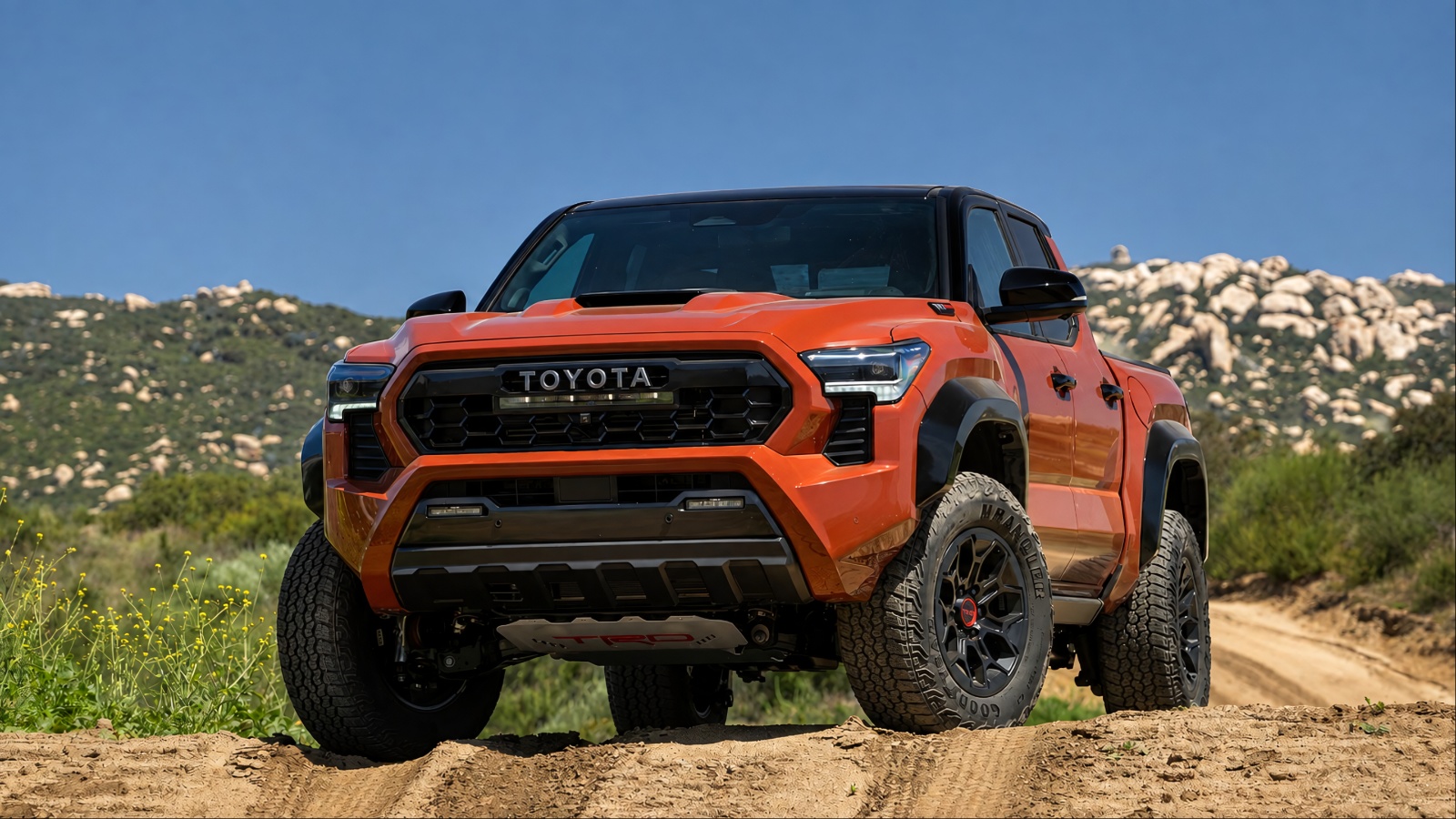
When temperatures fall to minus 20°F, starting a car becomes a serious test of its battery, engine oil, fuel system, and electrical components.
Some vehicles handle these conditions better because of dependable powertrains, suitable oil grades, strong batteries, and available winter equipment. Others can struggle badly when the mercury drops this far, especially when maintenance is poor or a block heater is unavailable.
This guide looks at five US-market vehicles that are sensible choices for severe winter conditions and five that can become unreliable at minus 20°F. No vehicle is guaranteed to start at this temperature without proper preparation and a healthy battery.
5 Cars That Start at Minus 20°F
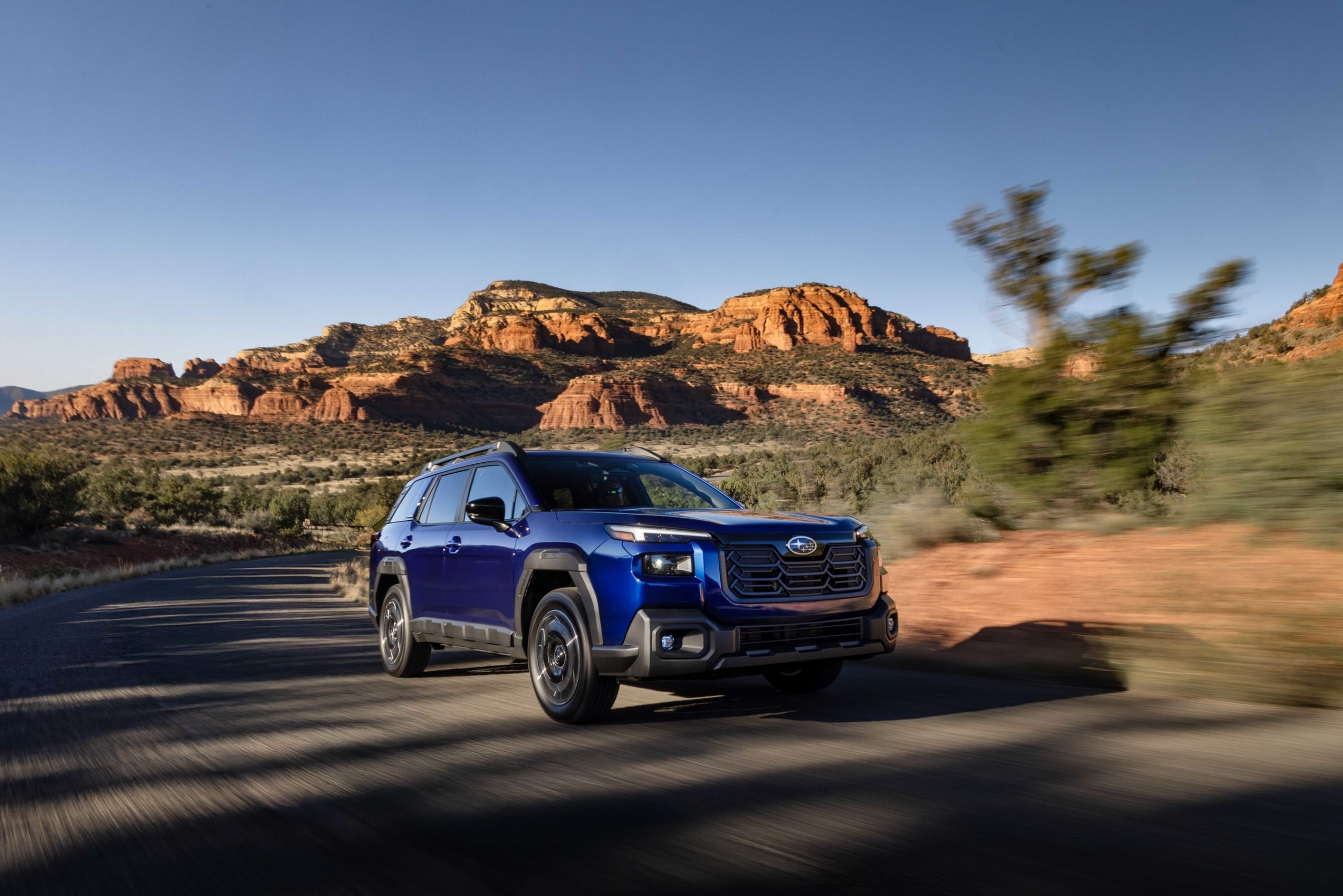
1. Subaru Outback
The Subaru Outback is a strong candidate for drivers who regularly deal with severe winters. Its standard all-wheel-drive system is useful once the engine is running, while the vehicle’s practical design suits regions where snow, ice, and low temperatures are common.
The important distinction is that all-wheel drive does not make an engine easier to start. Battery condition, engine oil, fuel quality, and maintenance remain critical factors when temperatures reach minus 20°F.
Subaru also offers winter-focused equipment for its vehicles. For the 2026 Forester, Subaru lists both a battery warmer and an engine block heater, with the latter designed to warm engine coolant and make starting easier in extreme cold.
Similar winter equipment has long been available across Subaru’s lineup depending on model and market. A properly installed block heater can make a major difference when a vehicle spends hours parked outdoors.
The Outback also benefits from being a gasoline-powered vehicle rather than a diesel. Gasoline engines generally avoid some of the fuel and glow-plug concerns associated with diesel starting in severe weather.
That does not mean an Outback will automatically fire up at minus 20°F. A weak battery can leave even a well-designed vehicle clicking rather than cranking. AAA notes that battery output falls significantly as temperatures drop, while the engine requires more electrical energy to turn over.
For an Outback owner in Minnesota, North Dakota, Montana, Wyoming, Alaska, or another region with prolonged subzero weather, preparation matters more than the badge on the hood.
The correct oil, a healthy battery with adequate cold-cranking performance, proper coolant protection, and a block heater can transform a difficult morning into a routine start. Parking inside a garage is even better because reducing the vehicle’s exposure to extreme temperatures protects the battery and fluids.
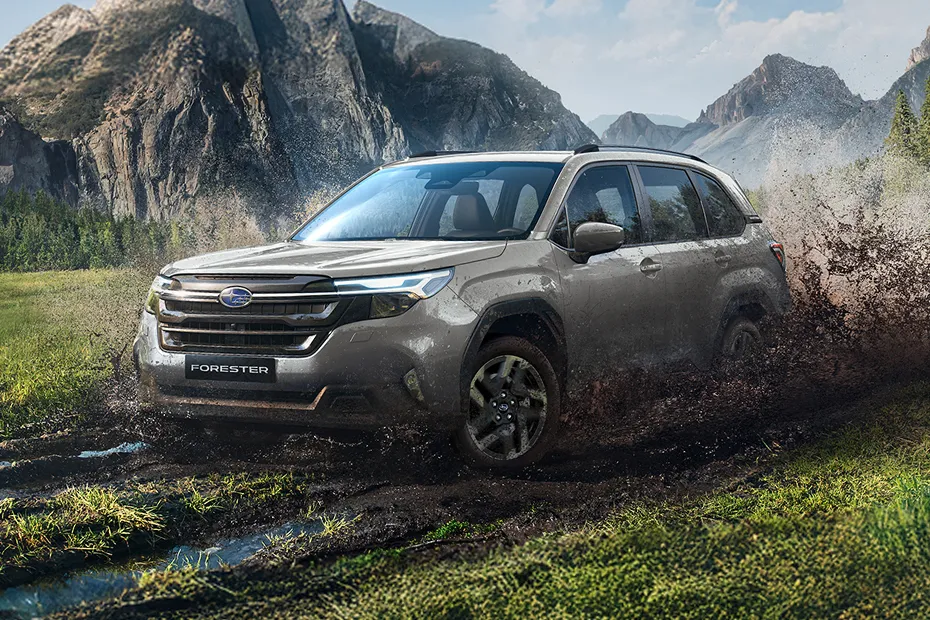
2. Subaru Forester
The Subaru Forester follows a similar formula. Standard all-wheel drive gives it useful traction on snow-covered roads, while its gasoline powertrain avoids the added starting complications associated with diesel fuel in severe temperatures.
Drivers who live in the northern United States often value this combination because winter transportation involves more than simply getting an engine running. The vehicle also needs predictable traction, visibility, heating, and ground clearance.
Subaru’s official 2026 Forester accessory information specifically lists a battery warmer designed to make starting easier in extremely cold weather.
It also lists an engine block heater that warms engine coolant and promotes easier starting in extreme conditions. These accessories are especially relevant for people who park outside overnight, when the engine and battery can remain exposed to subzero temperatures for many hours.
The battery is still the weak point that owners cannot ignore. AAA reports that a typical automotive battery loses substantial capacity as temperatures fall, while the engine requires more power to crank.
At 0°F, battery performance can be dramatically reduced compared with normal conditions. At minus 20°F, a marginal battery can become a serious problem even if the vehicle itself is mechanically sound.
Engine oil selection also deserves attention. Thick oil creates greater resistance inside the engine, forcing the starter and battery to work harder. Modern engines use low-viscosity oils partly because they improve lubrication and starting performance across a broad temperature range.
Owners should follow the viscosity listed in the specific vehicle’s manual rather than simply choosing a product marketed as “winter oil.” Using the wrong oil can create unnecessary starting resistance and lubrication concerns.
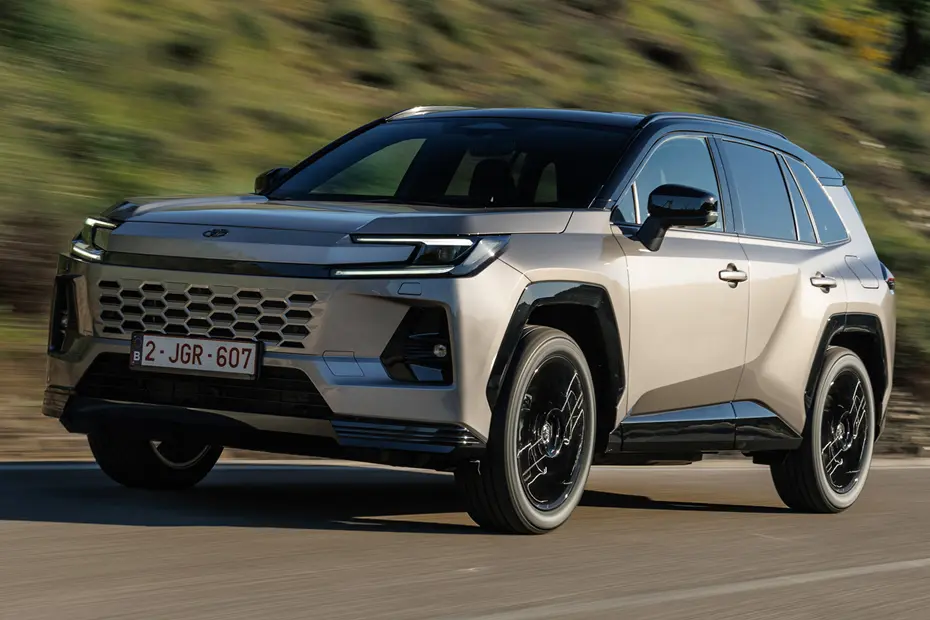
3. Toyota RAV4
The Toyota RAV4 is another practical choice for severe US winters, especially in its gasoline and hybrid configurations. The model is widely used across the country, and current RAV4 versions include features aimed at winter comfort and operation.
Toyota’s 2026 RAV4 information, for example, lists a Cold Weather Package with equipment such as a heated leather steering wheel, while heated front seats are available as standard equipment on specified versions.
A RAV4’s ability to start at minus 20°F still depends heavily on its 12-volt battery. This is particularly important because modern vehicles use substantial electrical equipment before and during startup. AAA identifies cold-cranking amps, or CCA, as a key battery specification for cold-weather starting.
CCA represents the battery’s ability to provide current during a standardized cold test at 0°F. A battery that is already weak at moderate temperatures can become useless during a severe freeze.
Toyota’s owner information also stresses winter preparation. Guidance for Toyota vehicles includes checking coolant protection, selecting engine oil suitable for the expected temperature, and keeping the auxiliary battery in good condition because low temperatures reduce its capacity. Those instructions highlight a larger point: the vehicle’s design is only part of the equation.
RAV4 Hybrid models add a different consideration because they rely on a high-voltage traction battery and a conventional 12-volt electrical system.
Toyota documentation for earlier RAV4 Hybrid models notes that extremely low traction-battery temperatures can affect the ability of the hybrid system to start, with a threshold around minus 22°F mentioned in its troubleshooting information. That means hybrid owners in extreme northern climates should pay attention to parking conditions and battery health.
For a typical American driver who wants a practical compact SUV for winter, the RAV4 remains a sensible choice. It is not immune to a dead battery or frozen mechanical component, but gasoline versions are relatively straightforward to prepare for severe weather.
Keeping the battery healthy, using the correct oil, maintaining proper coolant protection, and using a garage or engine heater when necessary can make minus 20°F considerably less intimidating.
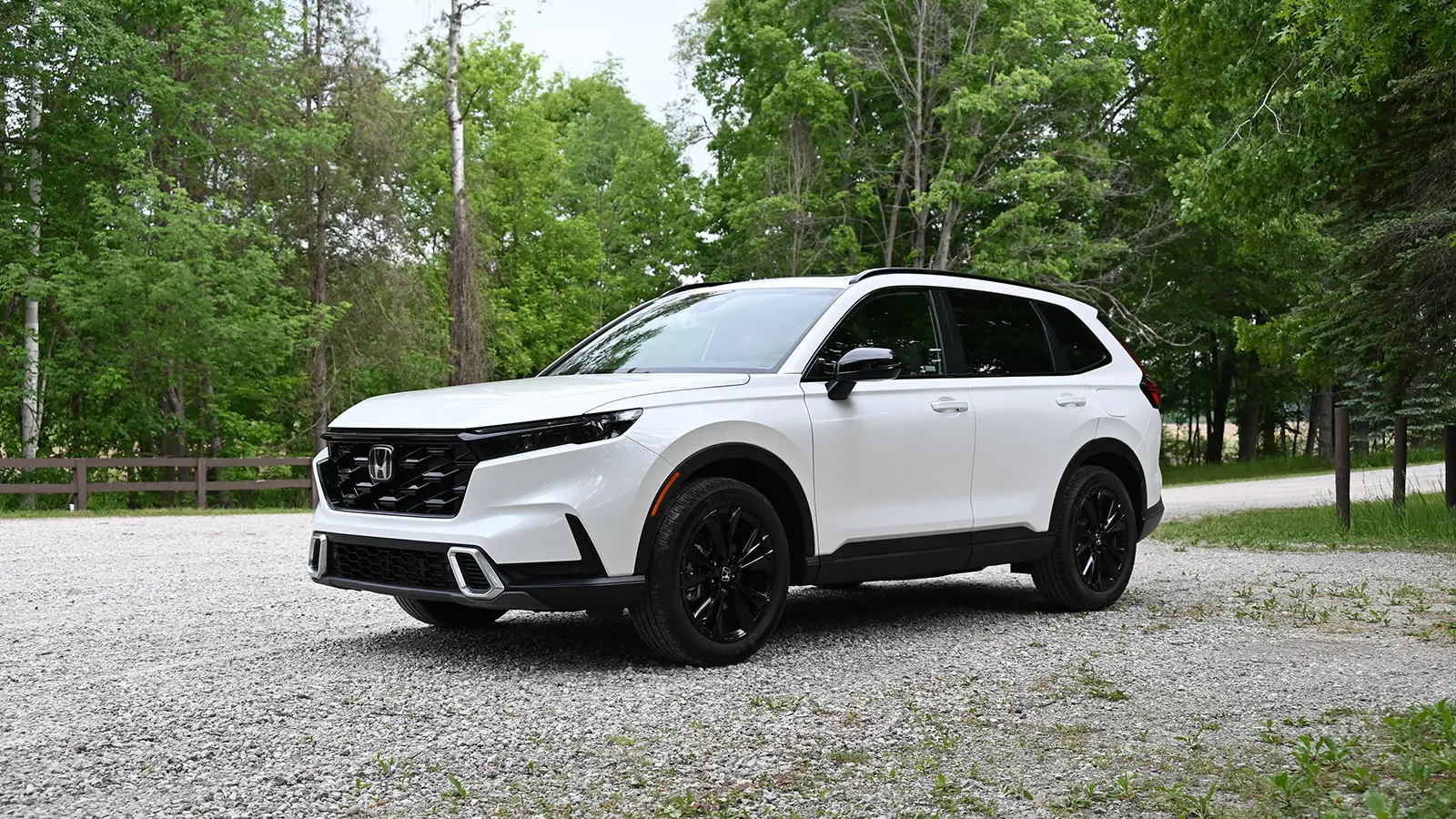
4. Honda CR-V
The Honda CR-V is another gasoline-powered SUV that can be prepared effectively for very low temperatures. Honda’s owner information specifically warns that engines are harder to start in cold weather and recommends turning off electrical accessories before starting to reduce battery demand.
Honda also states that an engine block heater can improve starting and warm-up in regions with extremely cold weather.
That guidance is important because it shows that Honda does not treat severe winter starting as something that happens automatically. The company recognizes that the engine requires more effort in low temperatures.
Before starting a CR-V at minus 20°F, unnecessary electrical loads such as exterior lighting, climate-control accessories, and rear defogging functions should not be drawing power during the initial startup process.
The CR-V’s gasoline powertrain also makes it a more straightforward choice than many diesel-powered vehicles for a household that does not have access to an electrical outlet.
Diesel engines can be excellent winter performers when properly equipped, but they may need additional attention involving fuel formulation, glow-plug operation, and engine heating. A gasoline crossover generally presents fewer special requirements for the average owner.
Honda’s current documentation also covers remote starting and automatic cabin preconditioning on applicable vehicles. When used correctly, remote starting can allow the engine and cabin to begin warming before the driver enters the vehicle.
In very low temperatures, that can improve comfort and reduce the unpleasantness of the first few minutes behind the wheel, though it does not replace proper maintenance.
A CR-V should therefore be considered a good candidate rather than a guaranteed starter at minus 20°F. A three-year-old or older battery that is already showing slow cranking can ruin the experience.
A healthy battery, correct oil, protected coolant, good ignition components, and an optional block heater provide a much stronger foundation. For many US drivers, that preparation is more valuable than choosing a vehicle solely because it carries a reputation for winter driving.
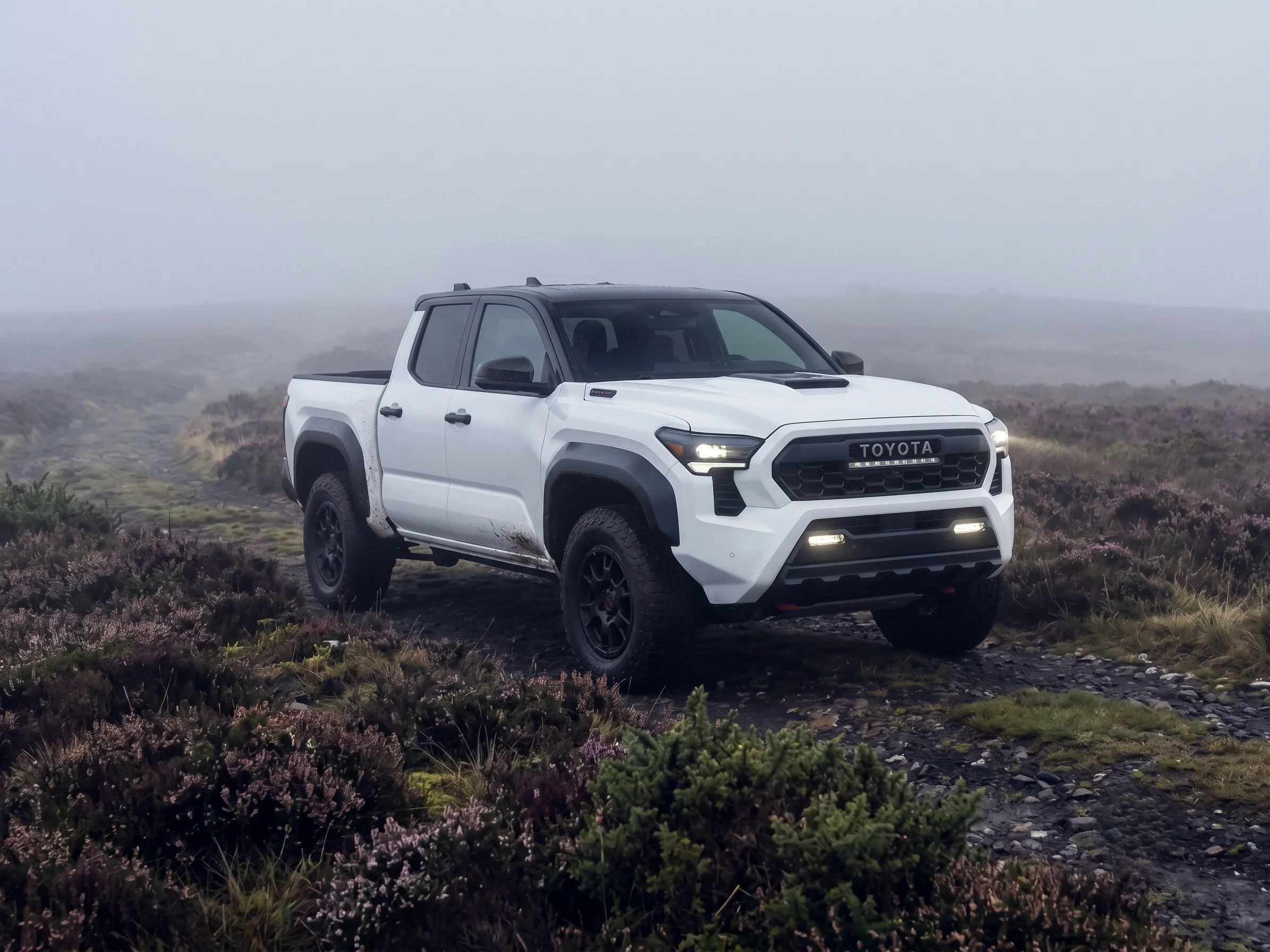
5. Toyota Tacoma
The Toyota Tacoma is worth considering for drivers who need a pickup rather than a crossover. Pickup trucks are frequently used in northern states for work, recreation, and transportation, so dependable starting can be important when the weather becomes severe.
A gasoline Tacoma avoids many of the complications associated with diesel engines, while its truck architecture gives owners plenty of flexibility for winter use.
Toyota’s winter guidance emphasizes several basic requirements that apply directly to a Tacoma. Engine oil must have a viscosity appropriate for the ambient temperature, coolant must have sufficient freeze protection, and the auxiliary battery needs to be in good condition. These points may sound simple, yet they become critical when the temperature reaches minus 20°F.
The battery deserves particular attention on a truck because owners sometimes add accessories that place additional electrical demands on the vehicle.
Auxiliary lighting, winches, heated equipment, aftermarket audio systems, and other accessories can make a marginal electrical system less forgiving. The vehicle should have a properly sized battery and charging system, and the battery should be tested before winter rather than after the first failed start.
A Tacoma equipped with four-wheel drive can also be useful once roads become snowy or icy, but drivers should not confuse traction with starting reliability.
Four-wheel drive cannot help a starter crank a frozen engine. Tires, battery condition, engine oil, coolant, and fuel quality still determine whether the engine wakes up on a frigid morning.
For northern pickup owners, the Tacoma is therefore a reasonable gasoline option for extreme winter service. A block heater can further improve starting when temperatures remain below zero for long periods. The safest approach is to treat minus 20°F as an operating condition that requires preparation rather than as a test of whether a particular brand is “tough enough.”
5 That Won’t
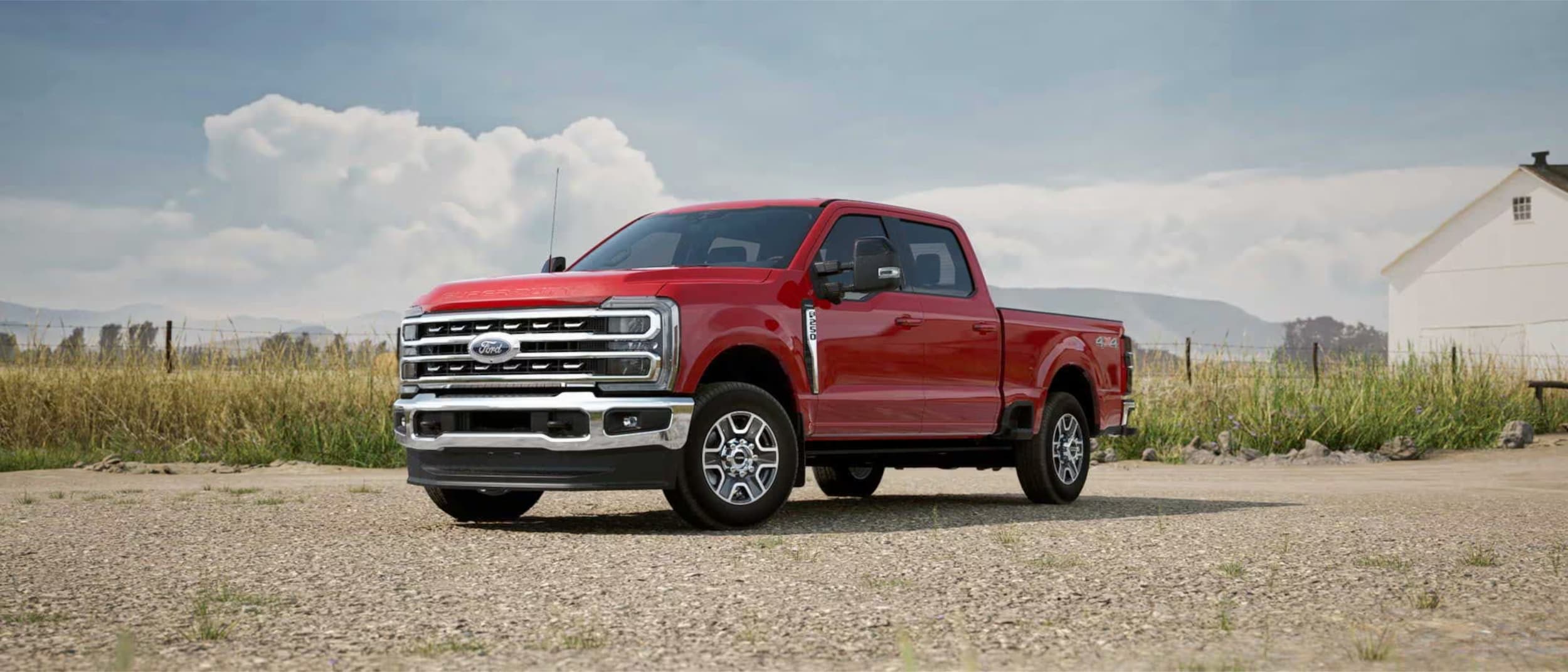
1. Ford F-250 Super Duty Diesel
The Ford F-250 Super Duty with a diesel engine moves into a different category. Diesel pickups can perform extremely well in severe winter weather when they are correctly equipped, but the same truck can become difficult to start if it is parked outside at minus 20°F without appropriate preparation.
Ford’s own owner information recommends using an engine block heater for starting when ambient temperatures reach approximately minus 9°F or lower on certain diesel applications.
That is a major clue for anyone shopping for a northern work truck. The issue is not that a diesel F-250 is poorly designed.
Diesel engines have different combustion characteristics, and very low temperatures increase the demands placed on the battery, starter, engine oil, and fuel system. If the engine has been sitting outside all night at minus 20°F, the absence of a block heater can make startup much harder.
Fuel is another consideration. Diesel fuel must remain suitable for low-temperature operation. Wax formation and fuel-flow problems can occur when temperatures become sufficiently low, particularly when fuel is not properly formulated for winter conditions.
Drivers in northern states usually encounter seasonally adjusted diesel fuel, but travelers moving between regions should not assume every tank of fuel has identical cold-weather characteristics.
Battery health is also critical. Diesel engines require substantial cranking power, and a weak battery may produce slow cranking rather than the strong rotation needed for reliable ignition. Ford’s cold-weather guidance also warns against using starting fluid in the intake because it can cause severe engine damage or personal injury. That makes proper winter preparation even more important.
So the F-250 diesel belongs on the “won’t” side of this list only when the phrase means “not a dependable choice without the right preparation.”
With a functioning block heater, healthy batteries, suitable diesel fuel, correct oil, and proper maintenance, a Super Duty can handle harsh winter service. Without those measures, minus 20°F can turn a capable work truck into a very expensive driveway ornament.
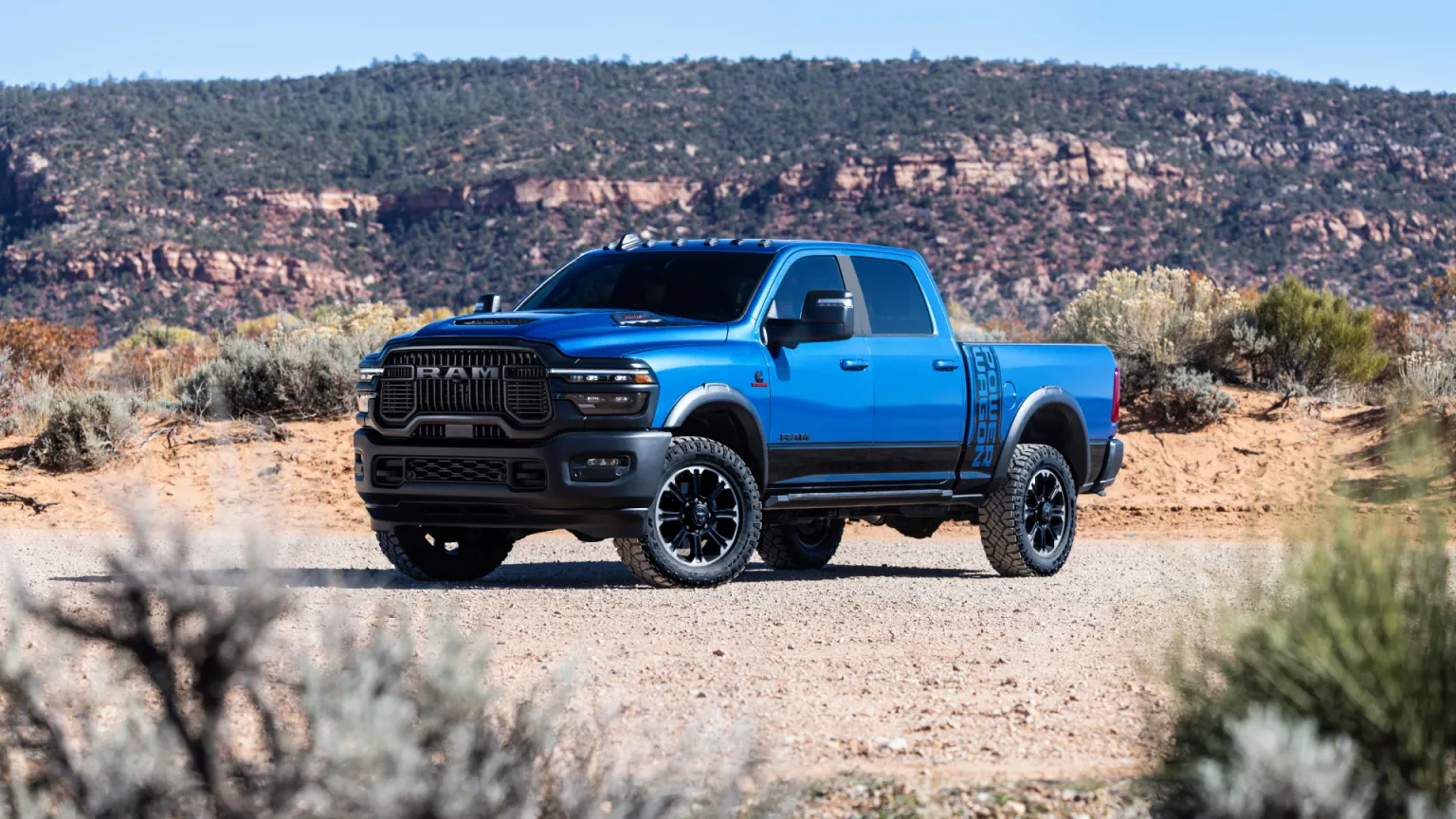
2. Ram 2500 Cummins Diesel
The Ram 2500 equipped with the Cummins diesel engine is another truck that can face severe winter conditions successfully when properly prepared. The key phrase is properly prepared. Diesel combustion requires sufficient cranking speed and suitable conditions inside the engine, and very low temperatures increase the amount of work required from the starting system.
A Cummins-powered truck may be a superb choice for someone living in a northern state who has access to a garage or electrical outlet.
An engine block heater allows the engine to retain or gain heat before startup, reducing the burden placed on the starter and battery. For a vehicle that spends winter nights outside, this equipment can be far more valuable than a long list of cosmetic options.
The battery system is another concern. A diesel pickup has to turn over a relatively large engine, so inadequate battery performance can become obvious very quickly. AAA recommends paying attention to the CCA rating when selecting a battery for cold-weather operation. At minus 20°F, a battery that appears acceptable during autumn can suddenly prove inadequate.
The fuel system should also receive attention. Diesel fuel can behave differently as temperatures fall, and winter-grade fuel is important in northern regions. Drivers should buy fuel from reputable stations and avoid assuming that an additive is automatically necessary or appropriate.
Any additive should be compatible with the vehicle and used according to its instructions rather than poured into the tank simply because the forecast looks bad.
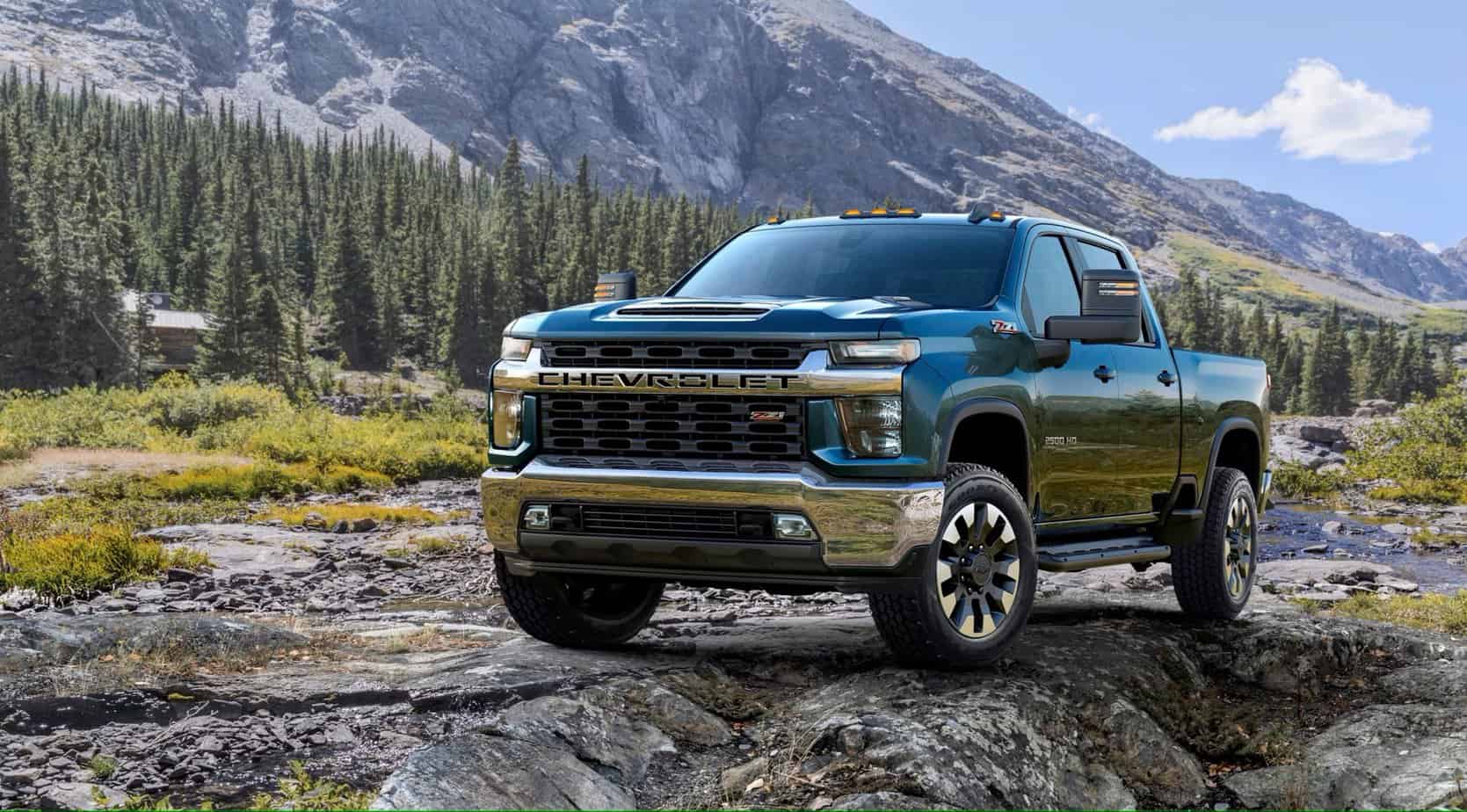
3. Chevrolet Silverado 2500HD Duramax
The Chevrolet Silverado 2500HD with the Duramax diesel is built for demanding work, yet severe winter temperatures can still expose weaknesses in the starting system. Diesel technology has advanced considerably, but physics has not changed. Oil thickens, batteries lose available output, and the engine needs adequate cranking speed to start.
A major mistake is assuming that a powerful diesel engine automatically has an advantage at minus 20°F. Engine size does not eliminate the need for electrical power. In fact, a large diesel can place substantial demands on its batteries and starter. If the battery has been weakened by age, repeated short trips, or prolonged storage, the truck may crank slowly or fail to start.
The best setup for a Silverado Duramax used in severe winter country includes suitable winter diesel fuel, correct engine oil, healthy batteries, and an engine heater when conditions demand it. Owners should also follow the instructions specific to their model year because cold-weather procedures and equipment can differ between generations.
The same basic battery principle applies to every vehicle on this list. AAA explains that batteries lose power as temperatures fall, while the engine requires more electrical energy to start. At minus 20°F, that combination can expose a battery that seemed perfectly fine at 40°F.
For a Silverado owner in Michigan, Wisconsin, Minnesota, Alaska, or a similar climate, a diesel truck can remain highly dependable if the winter system is treated as part of routine maintenance. Without a heater and with an aging battery, however, the vehicle becomes a less attractive choice for overnight outdoor parking. The Silverado is therefore in the “won’t” group because it is less forgiving when extreme temperatures meet inadequate preparation.
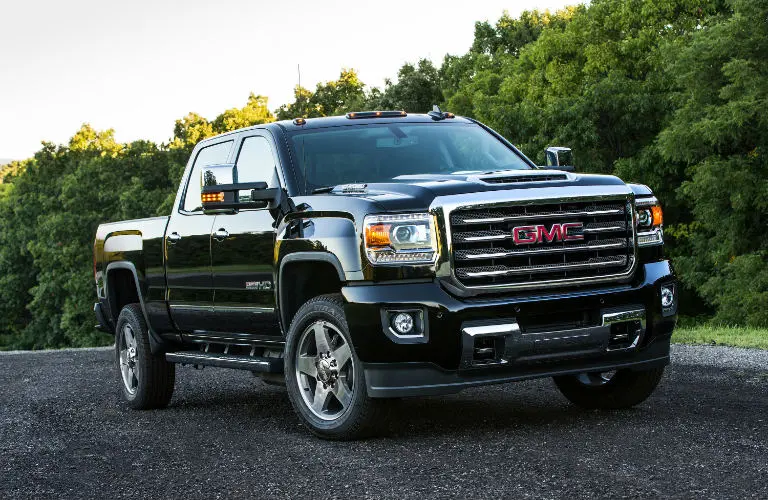
4. GMC Sierra 2500HD Duramax
The GMC Sierra 2500HD Duramax shares many of the same cold-weather considerations as its Chevrolet counterpart. Its diesel powertrain can provide strong performance once running, but starting a large diesel engine at minus 20°F requires a healthy electrical system and appropriate winter preparation.
Drivers who purchase a heavy-duty diesel specifically for northern work should plan for these requirements before winter arrives.
Battery maintenance is particularly important. A battery can gradually lose its ability to deliver high current without producing obvious warning signs during mild weather.
When temperatures fall far below freezing, that hidden weakness becomes much more visible. AAA recommends testing batteries before winter and paying close attention to slow cranking, clicking sounds, corrosion, and other warning signs.
The oil specification matters as well. Owners should follow the exact viscosity recommended for the engine and expected temperatures. Using a heavier oil simply because it appears more protective can make starting harder in extreme cold. Modern engine oils are formulated for specific operating ranges, so the owner’s manual should be the final authority.
Parking arrangements can also change the outcome. A Sierra kept inside a garage may begin a winter morning at a considerably higher temperature than a truck left exposed to wind and subzero air all night.
AAA recommends garage parking when possible because warmer surroundings help protect battery performance. An engine heater provides an additional layer of protection when extreme conditions persist.
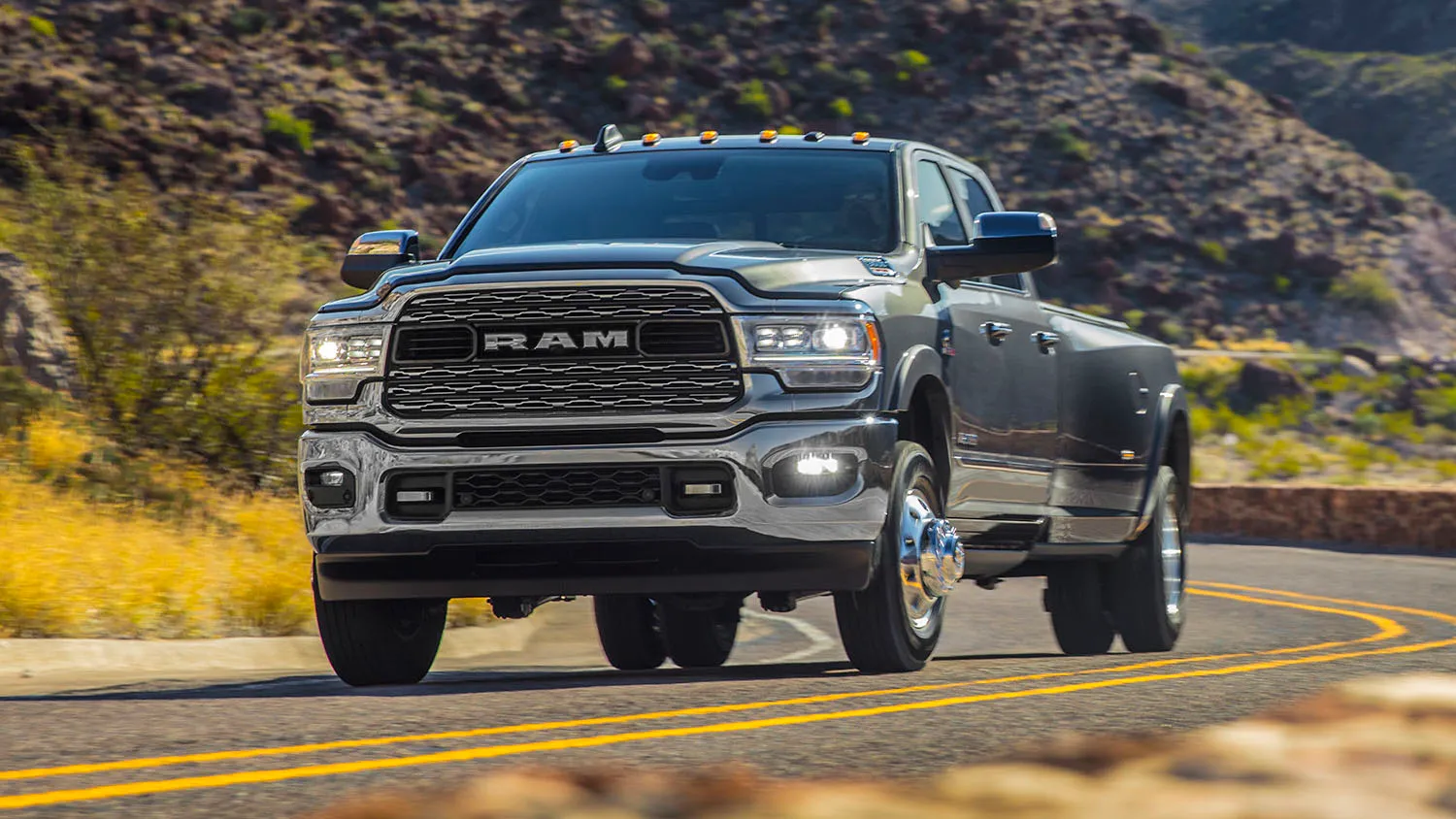
5. Ram 3500 Heavy-Duty Diesel
The Ram 3500 is designed for serious towing and hauling, and its available diesel powertrain is capable of working in harsh environments.
Yet a heavy-duty diesel should not be judged by how powerful it is once running. Starting is a separate challenge. At minus 20°F, the condition of the batteries, oil, fuel, and engine-heating system becomes extremely important.
For owners in the northern United States, a block heater can be a valuable part of the truck’s winter setup. The basic principle is simple: warming the engine before startup reduces the resistance created by cold oil and gives the engine a better starting environment. This is particularly helpful when the truck has been sitting outside for many hours.
Fuel management is equally important. Diesel fuel is more sensitive to low temperatures than gasoline because components of the fuel can form wax crystals that restrict flow.
Winter fuel formulations and proper storage practices help reduce the risk. A driver should also avoid letting the truck’s fuel system become contaminated with water because moisture can create additional problems when temperatures plunge.
The batteries should be tested before the harshest part of winter. AAA identifies CCA as an important specification for cold-weather starting and advises against using a battery below the vehicle manufacturer’s required specifications. A battery that barely meets expectations in ordinary weather may not provide enough starting power at minus 20°F.