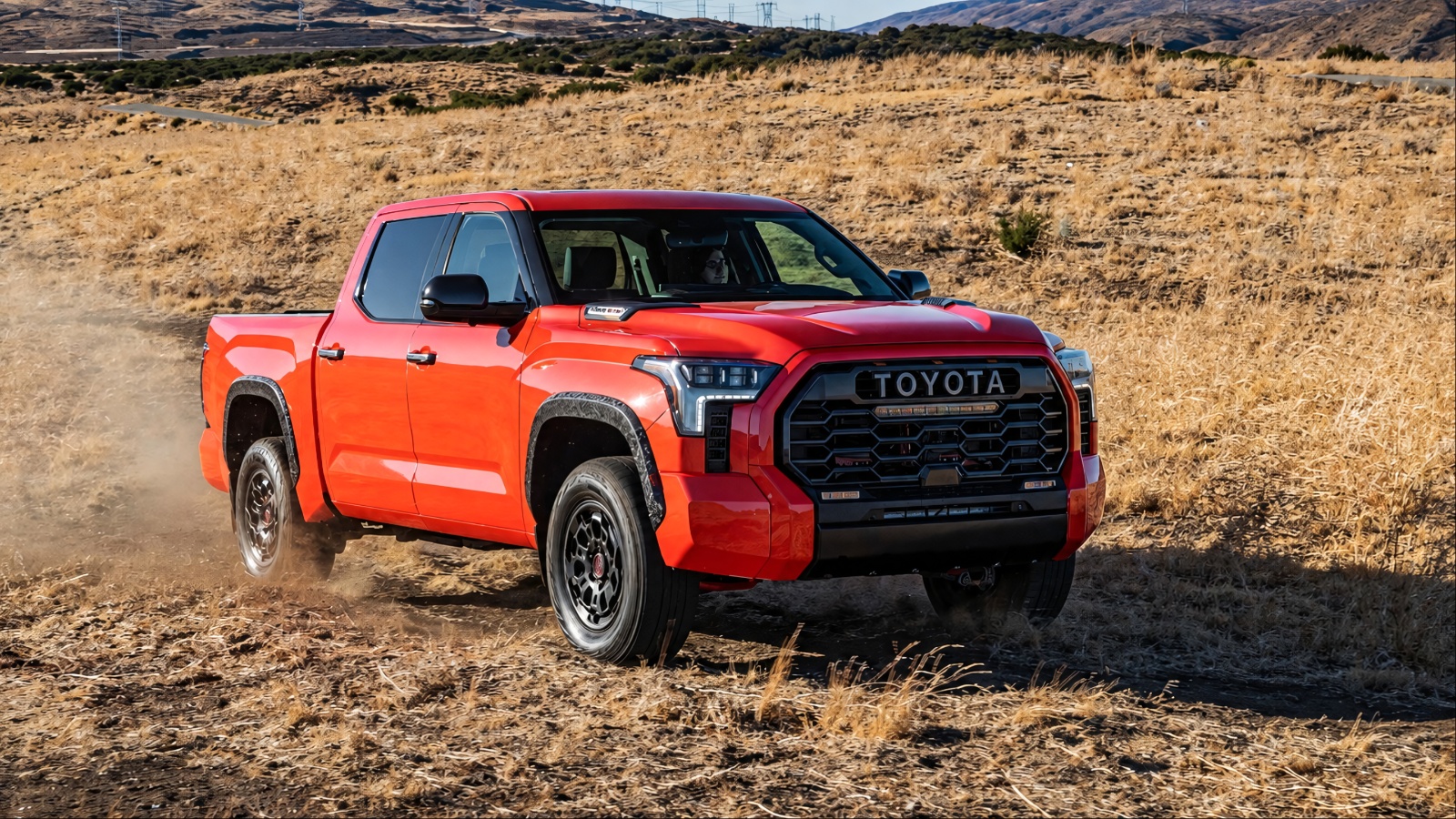
A car’s purchase price is only the beginning of its financial cost. Interest can quietly become a major expense, especially when buyers use long loan terms or face higher annual percentage rates.
At the same time, some vehicles lose surprisingly little value over five years, creating an unusual situation where the financing bill can exceed the car’s depreciation.
For this list, the comparison uses iSeeCars’ 2026 five-year depreciation data and a hypothetical 60-month loan with 10% down at 10.5% APR, close to the current U.S. average used-car rate reported in 2026.
Taxes, fees, insurance, maintenance, and registration are excluded. The calculation is illustrative because actual financing varies by buyer.
1. Porsche 718 Cayman
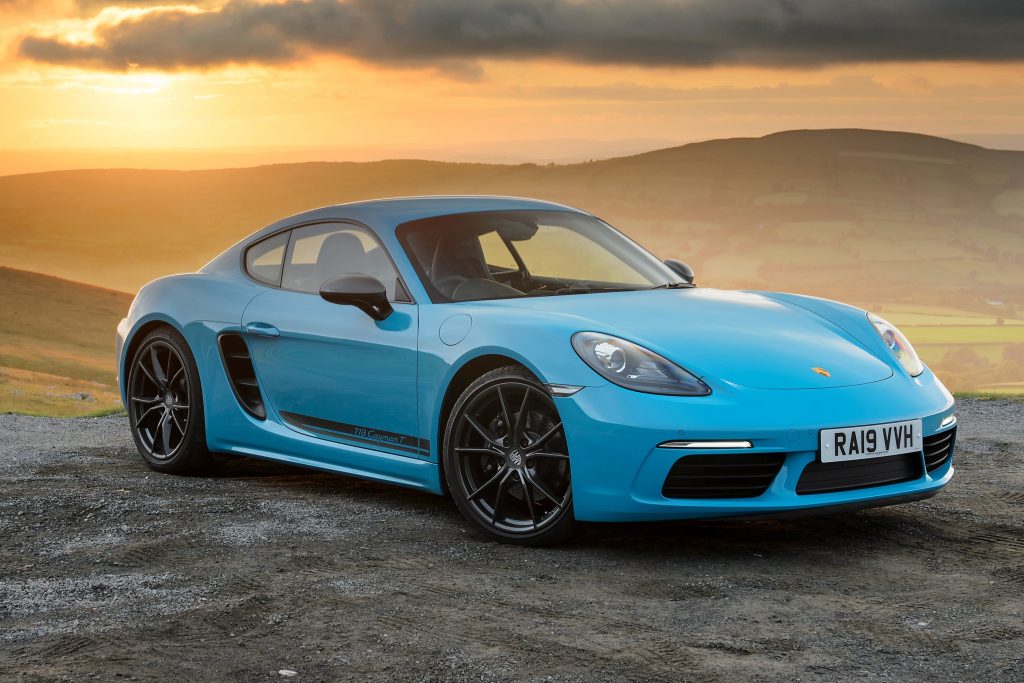
The Porsche 718 Cayman creates a fascinating ownership equation because it is expensive to buy, yet its value retention is unusually strong. iSeeCars’ 2026 study ranked the 718 Cayman as the vehicle with the lowest five-year depreciation of any model analyzed.
It loses just 9.6% of its value after five years, corresponding to an average dollar loss of $6,988. By comparison, the average vehicle in the study lost 41.8%.
That tiny depreciation figure is where the financing comparison becomes interesting. Using the study’s $6,988 depreciation figure and its 9.6% depreciation rate implies an inflation-adjusted original price of roughly $72,800.
Financing 90% of that amount means borrowing about $65,500. At 10.5% APR for 60 months, the interest would be approximately $17,000.
In other words, under this specific financing scenario, the interest bill can be more than twice the five-year depreciation. The buyer could lose relatively little through the vehicle’s market value while simultaneously handing the lender a much larger amount in interest.
That does not mean financing a 718 Cayman is automatically a bad financial decision. The calculation ignores taxes, fees, insurance, maintenance, and the opportunity cost of the down payment. It also uses a relatively high APR rather than Porsche promotional financing or an excellent-credit rate.
The more important lesson is how unusual the Cayman is in the used market. iSeeCars found that its resale value after five years remains exceptionally strong compared with both sports cars and the broader vehicle market.
2. Porsche 911
The Porsche 911 takes the same financial concept to an even more dramatic level because its purchase price is substantially higher while its depreciation remains remarkably low.
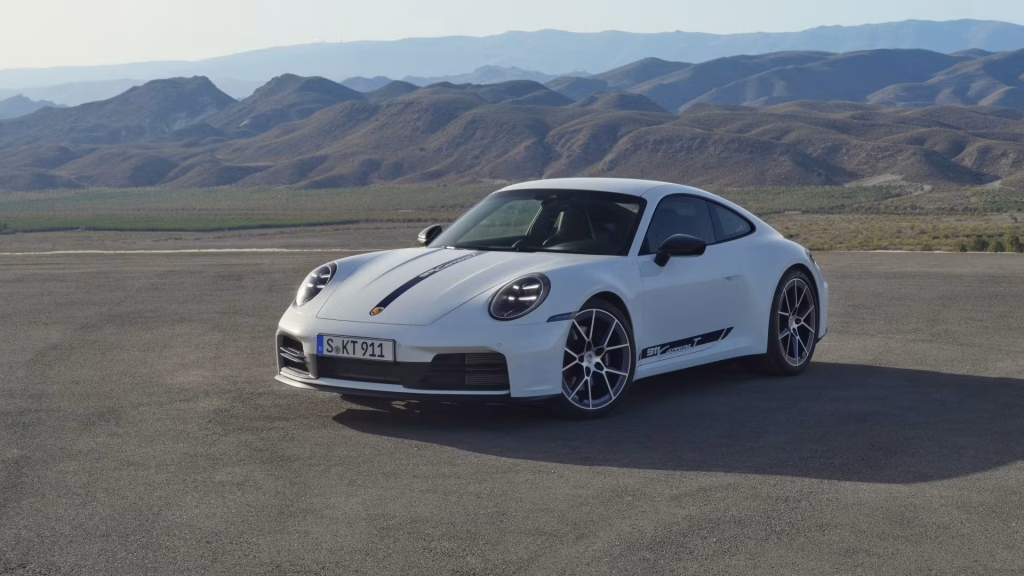
iSeeCars ranked the 911 second among all vehicles for five-year value retention in its 2026 study. The model loses only 11.1% of its value over five years, with an average dollar depreciation of $15,533.
Using those figures produces an implied inflation-adjusted MSRP of roughly $139,900. A buyer putting 10% down would finance approximately $125,900. At 10.5% APR over 60 months, the resulting interest would be roughly $32,800. That is more than double the $15,533 average depreciation measured by iSeeCars.
The comparison becomes especially striking because depreciation is normally one of the biggest costs associated with buying a new vehicle. iSeeCars says its 2026 analysis covered more than 950,000 five-year-old vehicles sold between March 2025 and February 2026, with MSRPs adjusted to 2026 dollars.
The 911’s unusually strong resale performance is helped by the model’s reputation, enthusiast demand, and relatively strong used-market pricing. It also stands apart from many luxury vehicles, which tend to lose value much faster after leaving a showroom.
Of course, a buyer with excellent credit may qualify for a considerably lower rate than the 10.5% assumption used here. A large down payment would also reduce interest substantially.
The point is not that every 911 buyer will pay more in interest than depreciation. It is that the 911’s unusually low depreciation makes that outcome possible even when the financing cost would normally seem modest relative to the purchase price.
3. Chevrolet Corvette
The Chevrolet Corvette is unusual because its depreciation is relatively modest for a performance car, while the amount financed can still be substantial. iSeeCars places the Corvette among the strongest vehicles for five-year value retention in its 2026 study, behind only the Porsche 718 Cayman and 911 among the leading models.
The study found that the Corvette loses about 15% of its value over five years, making it one of the better-performing sports cars in the U.S. used market.
That creates an interesting financing calculation. If a buyer finances a large portion of a Corvette’s purchase price, the accumulated interest can exceed the amount the vehicle loses through depreciation. Using a 60-month loan illustrates why.
The Federal Reserve’s latest available 60-month new-auto finance rate was 7.14% in May 2026, while Bankrate’s July 2026 survey showed an average new-car rate of about 6.97%.
For example, financing $70,000 for five years at 6.97% would produce roughly $13,000 in interest. If the vehicle loses only around 15% of its value during that period, depreciation can remain close enough to that financing cost that interest becomes the larger expense.
The calculation changes dramatically with the buyer’s credit score, down payment, loan term, and negotiated purchase price. A buyer securing a promotional rate could pay substantially less interest, while someone with weaker credit could pay considerably more.
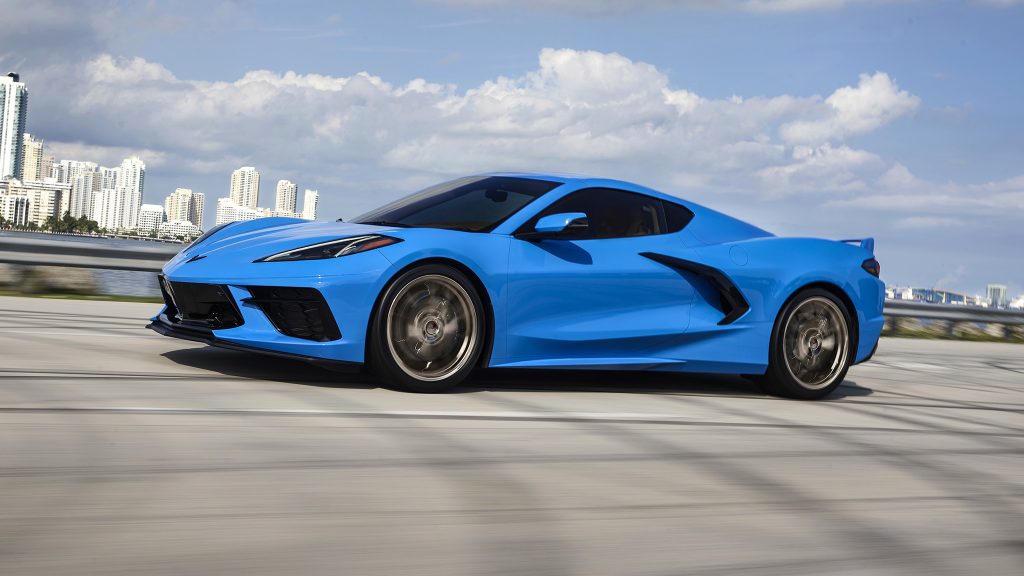
That is what makes the Corvette interesting for this list. It is not necessarily an expensive car to depreciate. Instead, its relatively strong resale performance can make the cost of borrowing money more significant than the decline in the car’s market value.
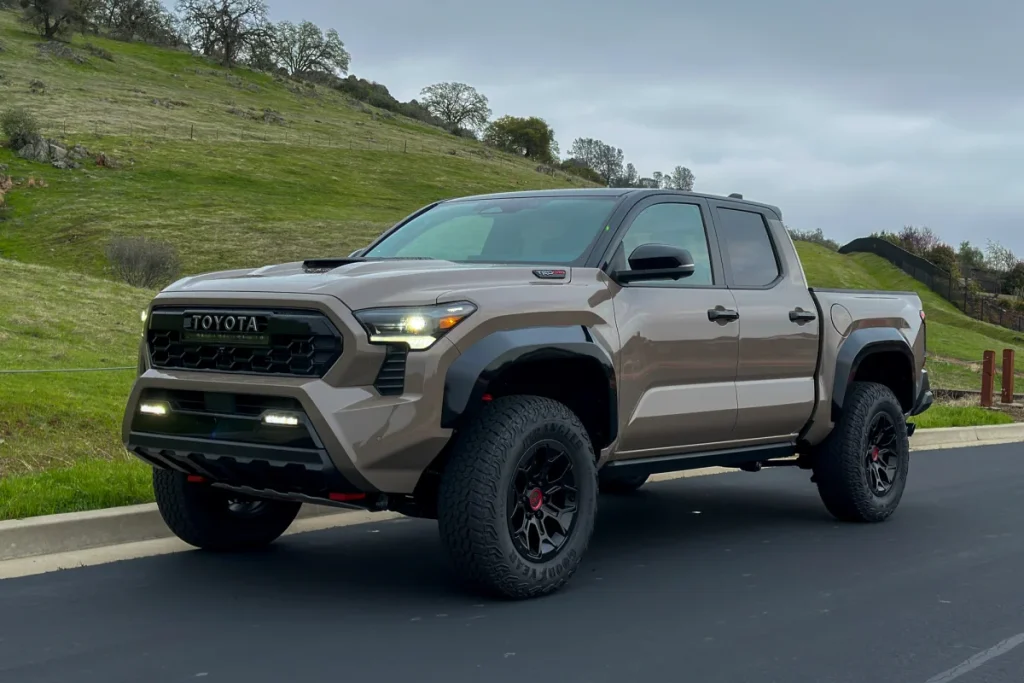
4. Toyota Tacoma
The Toyota Tacoma demonstrates how strong resale demand can change the traditional economics of car ownership.
Pickup trucks frequently depreciate more slowly than many passenger cars, and iSeeCars’ 2026 study places the Tacoma among the vehicles that retain the greatest percentage of their original value after five years. The model is one of the strongest performers in the study’s ranking of vehicles with low depreciation.
That matters because depreciation is normally unavoidable when buying a new vehicle. A Tacoma that retains a large portion of its value can lose relatively little money compared with a similarly priced vehicle that falls sharply in resale value.
If the buyer finances the truck for five years, however, interest continues accumulating regardless of how well the truck holds its value.
Consider a hypothetical $50,000 amount financed over 60 months at 6.97%. The interest would be roughly $9,300.
A Tacoma with strong five-year resale performance can potentially experience a depreciation loss below that figure, depending on the exact trim, configuration, purchase price, mileage, and market conditions.
Bankrate’s July 2026 average new-car rate was 6.97%, making this a realistic illustration rather than an unusually high borrowing assumption.
The Tacoma’s resale strength is not identical across every version. Four-wheel drive, cab configuration, engine, mileage, condition, equipment, and regional demand can all affect the final value. A heavily optioned truck purchased at a large premium can also depreciate differently from a popular configuration purchased at a competitive price.
Still, the underlying financial idea remains compelling. A buyer may complain about paying thousands of dollars in loan interest while simultaneously discovering that the truck has lost comparatively little value.
That makes the Tacoma a particularly interesting case where financing can become a larger ownership expense than depreciation.
5. Toyota Tundra
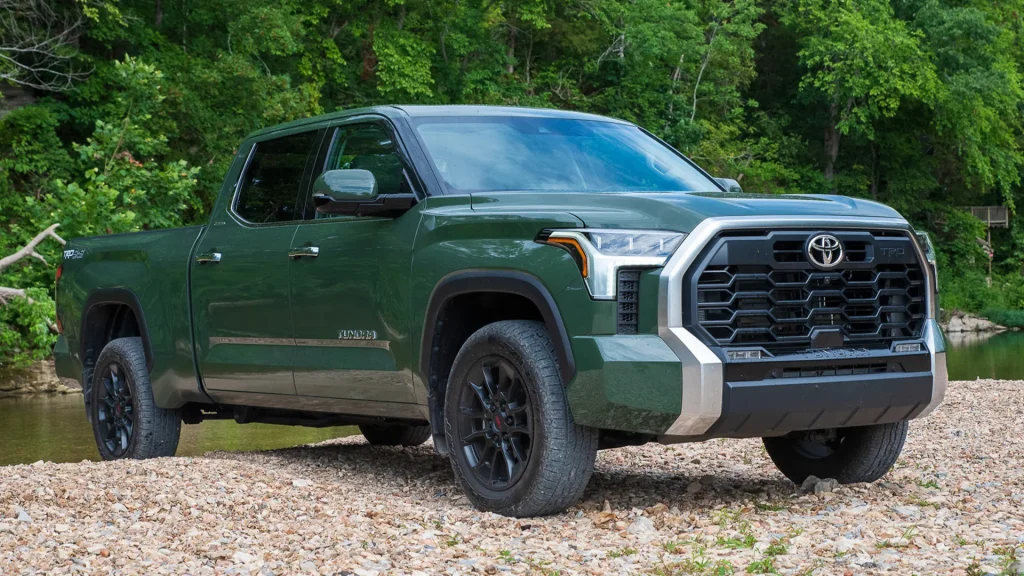
The Toyota Tundra is one of the clearest examples of a pickup where strong resale performance can make financing a surprisingly large part of the ownership equation.
iSeeCars’ current resale analysis shows the Tundra retaining 78.6% of its value after five years, meaning its estimated depreciation is only 21.4%. The study places that performance well ahead of the full-size pickup average of 36.6% depreciation.
iSeeCars estimates the Tundra’s five-year depreciation at $8,834, based on an estimated new-vehicle value of about $41,260 and a five-year resale value of $32,426. That relatively small loss creates an interesting contrast with financing costs.
For example, financing $45,000 for 60 months at 6.97% APR would generate approximately $8,300 in interest. That is already close to the estimated five-year depreciation. At a higher interest rate or a larger financed amount, the financing cost can clearly move beyond the value lost through depreciation.
The calculation is not a prediction for every Tundra owner. Trim level, options, mileage, condition, loan rate, down payment, and purchase price all matter. The current Tundra also has several powertrain choices, which means resale performance can vary between configurations.
Still, the basic financial pattern is compelling. A buyer can own a relatively expensive full-size pickup, make five years of payments, and discover that the truck’s market-value decline is surprisingly modest. Meanwhile, the lender continues collecting interest regardless of how well the truck retains its value.
That is why strong resale value does not automatically make financing cheap. In some cases, it simply shifts the largest financial loss away from depreciation and toward the cost of borrowing.
6. Jeep Wrangler
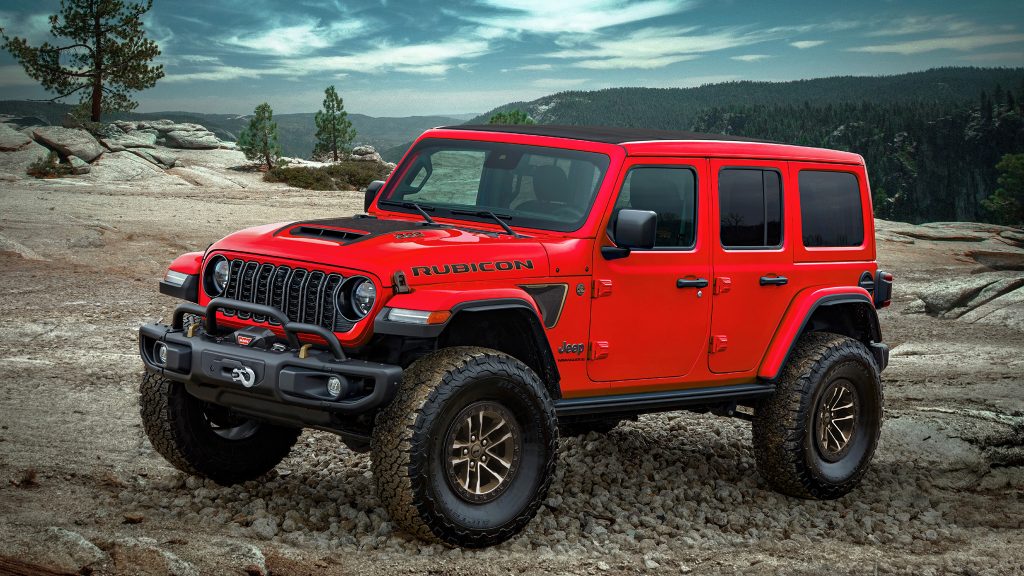
The Jeep Wrangler has one of the strongest resale reputations in the American market, and the numbers support that reputation. iSeeCars estimates that a new Wrangler loses 32% of its value after five years, leaving it with 68% of its original value. The average midsize SUV loses 46.3% over the same period.
In dollar terms, iSeeCars estimates five-year depreciation at about $11,174, with an average five-year-old Wrangler retaining approximately $23,721. That is a relatively modest depreciation loss for an SUV with such a strong enthusiast following.
Now consider financing. A $35,000 loan carried for 60 months at 6.97% APR would generate approximately $6,500 in interest. Stretch the amount financed higher through a more expensive trim, options, taxes, or accessories, and the financing cost can move much closer to the Wrangler’s estimated depreciation. At a higher APR, the gap can disappear entirely.
The Wrangler’s resale strength also varies by version. iSeeCars separately tracks the Wrangler 4xe, which has a higher five-year depreciation rate than the conventional Wrangler. That matters because buyers should never assume that one model’s resale percentage applies equally to every powertrain or configuration.
The Wrangler’s unusual resale behavior comes partly from its distinctive design and strong demand. Unlike many SUVs that compete primarily on comfort and practicality, the Wrangler has a recognizable off-road identity that attracts buyers even after several years.
That makes depreciation relatively less threatening to the owner. Financing can therefore become the larger cost, particularly when the buyer uses a long loan term or accepts a high interest rate.
7. Honda Civic
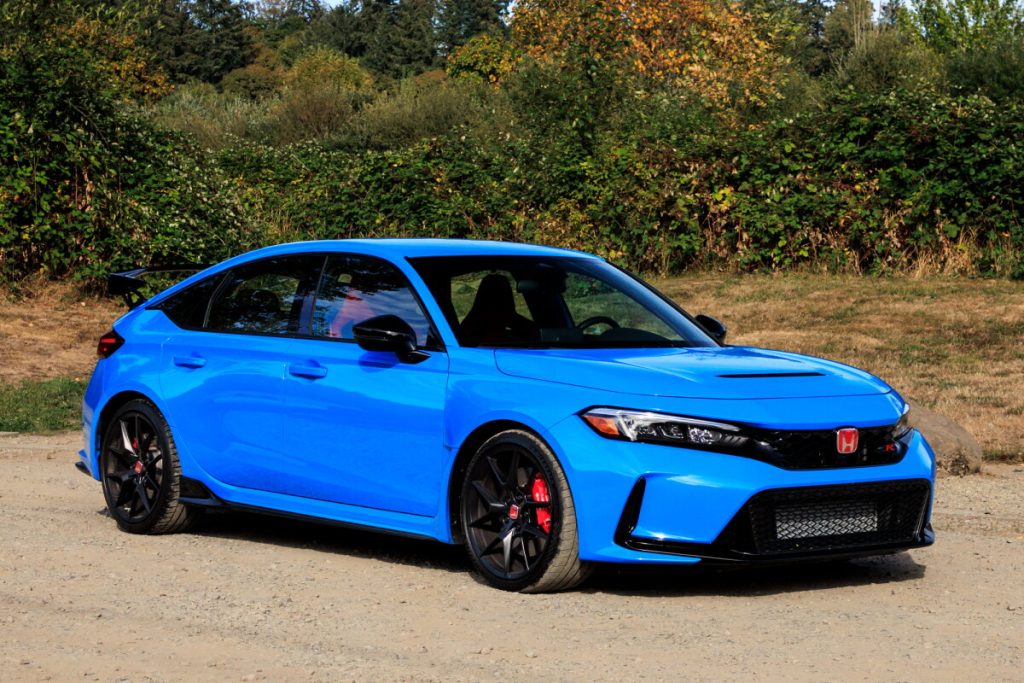
The Honda Civic shows how a relatively affordable car can create an unusual financing equation when its resale value remains strong. iSeeCars’ latest U.S. resale analysis says the Civic depreciates by just 22.7% after five years, leaving it with 77.3% of its original value.
The study estimates a five-year depreciation loss of about $5,611, with a five-year resale value of approximately $19,084.
That is a remarkably small depreciation loss compared with the broader market. iSeeCars puts five-year depreciation for all vehicles at 41.5%, while compact cars average 29.6%.
Now consider financing. A buyer who finances roughly $27,000 for 60 months at 7% APR would pay about $5,000 in interest. At a higher rate, the interest can quickly move beyond the Civic’s estimated five-year depreciation. Current U.S. auto loan rates remain elevated, with new-car rates around 7% in mid-2026.
The interesting part is that the Civic does not need an unusually expensive trim to create this situation. Its relatively strong resale value means the vehicle can lose less money through depreciation than buyers might expect from a new car.
Of course, financing terms make a huge difference. A buyer with excellent credit and a promotional manufacturer rate could pay considerably less interest. A longer loan term can produce the opposite result, increasing the total interest bill even if the monthly payment appears manageable.
The Civic therefore demonstrates an important financial principle: a car that depreciates slowly can make borrowing costs look surprisingly large by comparison.
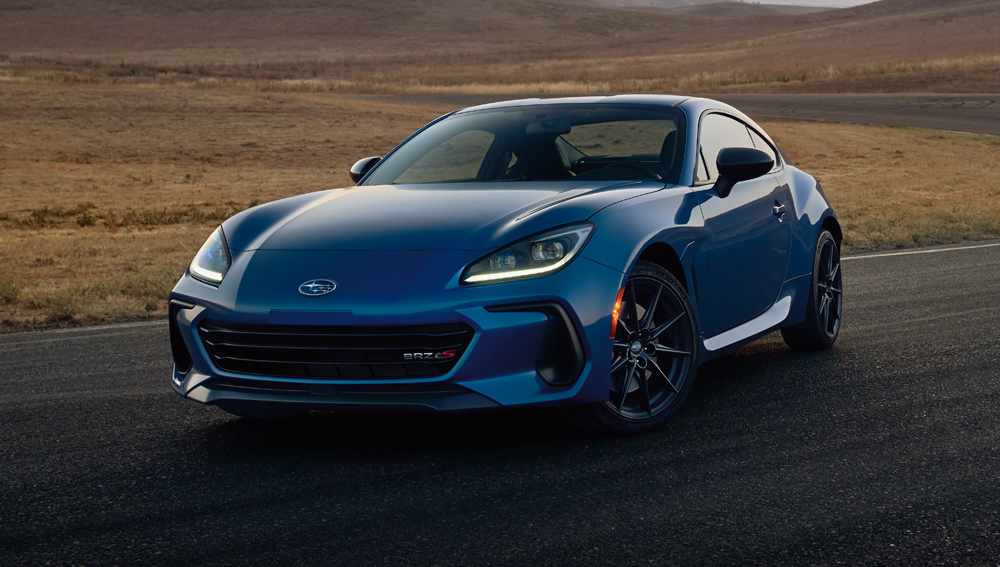
8. Subaru BRZ
The Subaru BRZ is an interesting case because it combines sports-car appeal with unusually strong resale performance for its class. iSeeCars’ 2026 Subaru resale analysis shows the BRZ retaining 76.1% of its value after five years, making it the strongest-resale model in Subaru’s lineup. The analysis is based on statistical depreciation from MSRP using U.S. vehicle data.
That means the BRZ loses only about 23.9% of its original value during the first five years. For a rear-wheel-drive sports coupe, that is a strong result. Enthusiast demand, limited competition, and the BRZ’s distinctive formula all contribute to its appeal in the used market.
Now put financing into the equation. A $35,000 loan for 60 months at 7% APR produces approximately $6,400 in interest. If the vehicle’s depreciation is comparatively modest, that interest expense can consume a large portion of the financial loss associated with owning the car.
The calculation becomes even more interesting when the buyer chooses a higher trim or adds options. The financed amount increases, but the basic five-year depreciation percentage does not necessarily rise proportionally.
There is also a crucial difference between depreciation and financing. Depreciation represents the reduction in the vehicle’s market value. Interest represents the price paid for borrowing money. They are separate expenses, and a buyer can experience both simultaneously.
The BRZ therefore demonstrates why a strong resale value does not automatically make a financed vehicle inexpensive. A buyer can own a car that holds its value remarkably well and still spend thousands of dollars paying the lender.
For someone buying with cash, the BRZ’s strong resale performance is a major advantage. For someone financing nearly the entire purchase, the interest rate deserves just as much attention as the expected resale value.
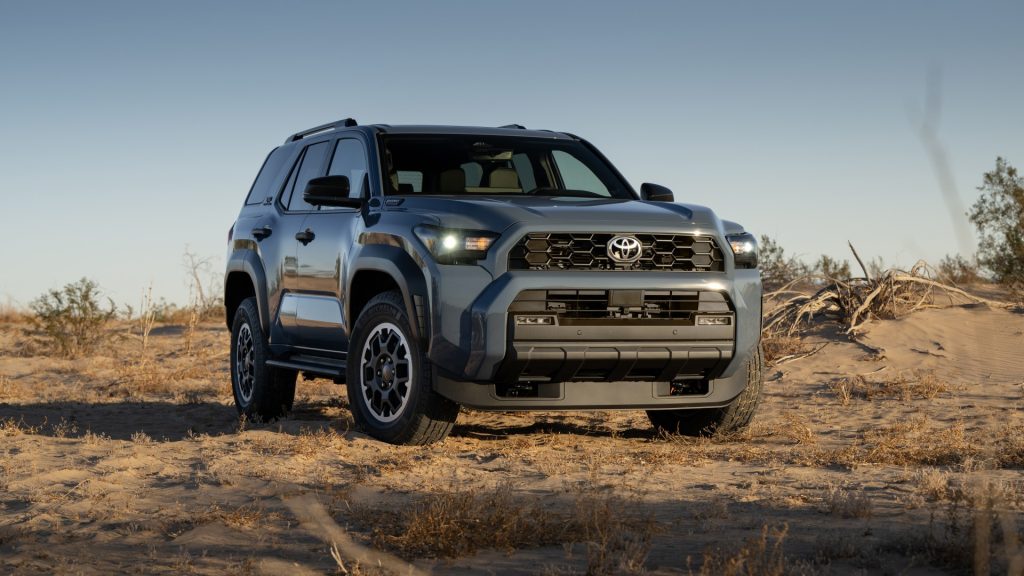
9. Toyota 4Runner
The Toyota 4Runner is one of the strongest examples of a vehicle whose resale value can remain high enough that financing becomes a surprisingly large part of the ownership equation. iSeeCars’ current U.S. data shows the 4Runner retaining 74.6% of its value after five years, meaning it depreciates by only 25.4%.
Its estimated five-year depreciation is $10,543, while a five-year-old example has an average resale value of about $31,027.
That is unusually strong for a midsize SUV. iSeeCars puts the average five-year depreciation for the entire midsize SUV segment at 46.3%, so the 4Runner loses substantially less value than the typical vehicle in its category.
Now consider the financing side. Using the current estimated new-vehicle value of about $41,570 implied by iSeeCars’ depreciation and resale figures, a buyer putting 10% down would finance approximately $37,400.
At a hypothetical 10.5% APR over 60 months, the interest would be roughly $11,000. That is slightly higher than the estimated $10,543 depreciation.
This is not a claim that every 4Runner buyer will pay more in interest than depreciation. A buyer receiving a 6% or 7% loan rate would pay considerably less interest. A larger down payment would have the same effect. Conversely, a high APR or longer loan term can push financing costs substantially higher.
The 4Runner therefore demonstrates why resale value alone does not determine affordability. A vehicle can hold its value exceptionally well while still becoming expensive to finance.
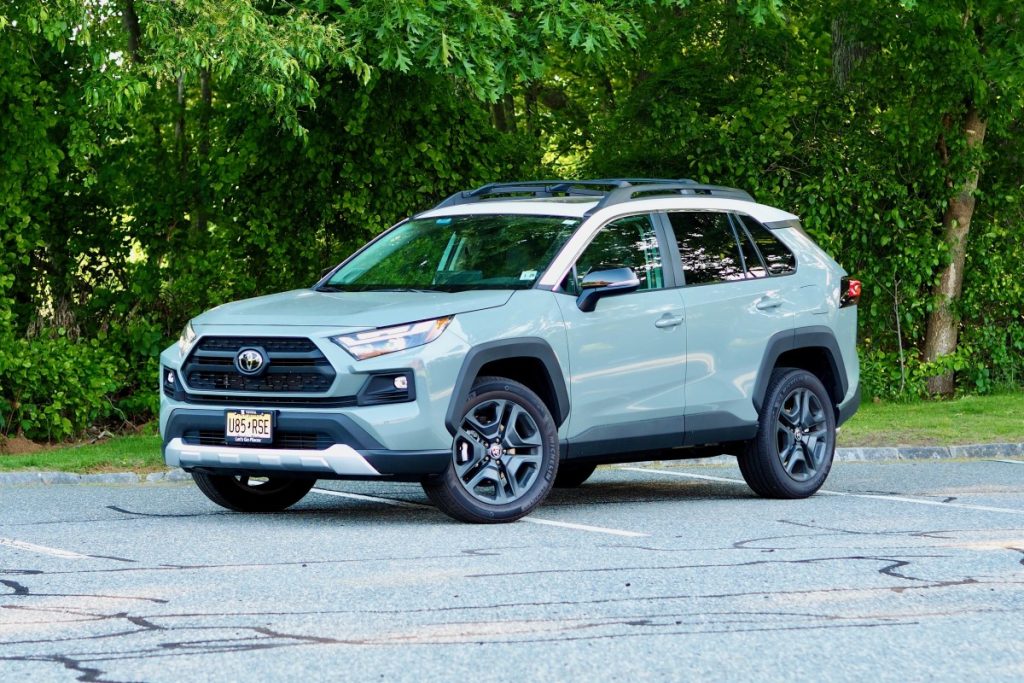
10. Toyota RAV4
The Toyota RAV4 brings the same financial idea into a much more mainstream segment. It is not a luxury vehicle or an expensive performance car, yet its resale performance is strong enough to make financing a surprisingly important part of the ownership equation.
iSeeCars ranks the RAV4 first among small and compact SUVs for five-year resale value. Its data shows the RAV4 retaining 75% of its value after five years, with an average five-year-old vehicle priced at $24,868. The model’s resale performance is 15.4% higher than the small and compact SUV segment average.
Using those figures, the implied original value is approximately $33,157, meaning the estimated five-year depreciation is about $8,289. That is a relatively small loss compared with the 40.4% five-year depreciation rate for the small and compact SUV category cited by iSeeCars.
Now look at the financing. If a buyer finances 90% of that implied amount, the loan would be approximately $29,840. At 10.5% APR for 60 months, the interest would be around $8,200, almost matching the estimated depreciation. A slightly higher APR, smaller down payment, or longer repayment period can push the financing cost beyond the depreciation figure.
This is why the RAV4 belongs at the end of the list even though the difference is much narrower than it is with some luxury or sports cars. Its strong resale value reduces the amount of money lost when the vehicle ages, but the lender’s interest calculation does not care how well the RAV4 holds its value.
For buyers, that creates a useful reminder: securing a competitive interest rate can matter just as much as choosing a vehicle with strong resale value.