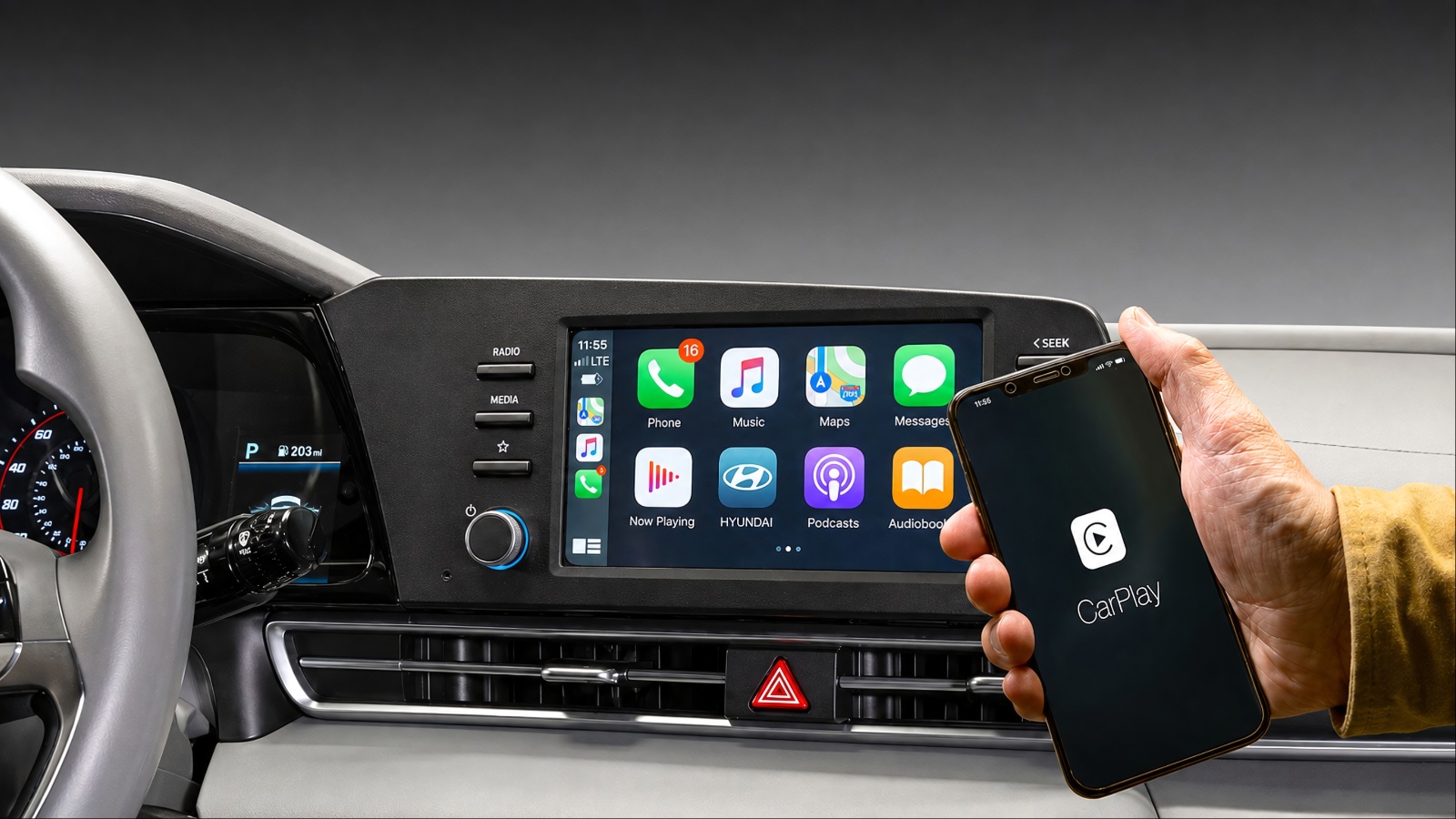
The modern car is becoming less like a finished product and more like a platform that can keep adding paid services after you drive it home. Features that once came as part of a vehicle’s hardware can now depend on software, connected services, or recurring subscriptions.
That does not mean every automaker charges for every feature, and some popular examples reported overseas, such as BMW heated-seat subscriptions, have not been offered in the same way in the United States.
In America, the clearest examples involve connected services, remote functions, advanced driver assistance, navigation, entertainment, and software-enabled upgrades. Here are ten worth watching.
1. Remote Start and Remote Vehicle Controls
Remote start used to be one of the simplest convenience features a buyer could get on a well-equipped vehicle. Press a button on the key fob, the engine starts, and the cabin begins warming or cooling before you reach the car.
Today, that same basic convenience can be tied to a connected-services subscription, particularly when the command is performed through a smartphone app rather than directly through the key fob.
General Motors provides a clear U.S. example. Chevrolet’s current connected-services program lists Remote Access at $14.99 per month and says the service can remotely start and stop the vehicle, lock and unlock the doors, and provide other connected functions. Availability depends on the vehicle and service package.
The interesting part is that the physical vehicle may already contain the hardware needed to execute the command. What the customer is paying for can instead be the cellular connection, cloud service, software authorization, and app infrastructure that allow the owner to control the vehicle from virtually anywhere.
That changes the economics of ownership. A buyer can spend tens of thousands of dollars on a vehicle and still face a recurring charge for certain remote functions after an included trial period ends.
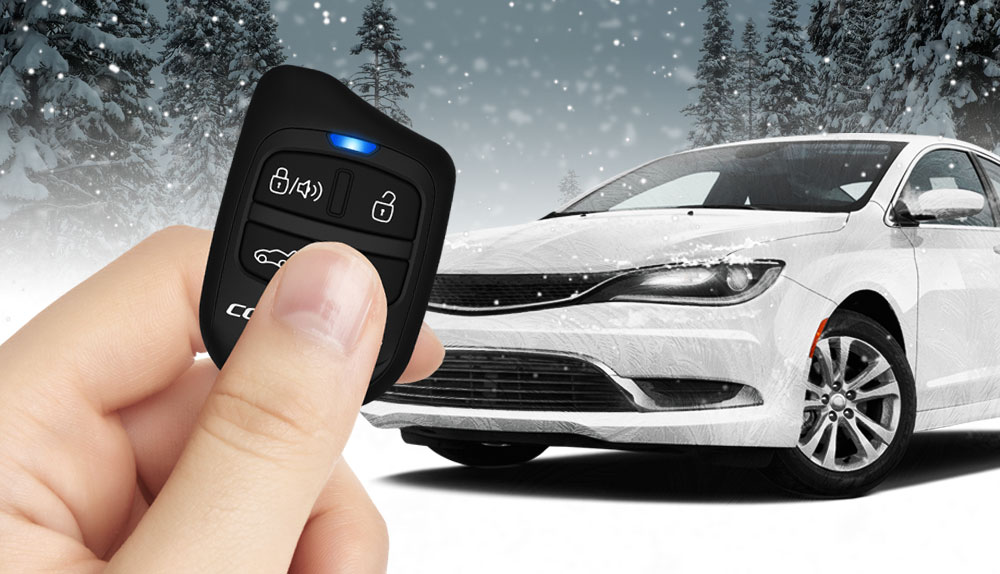
There is an important distinction, though. A subscription for app-based remote control does not necessarily mean the physical key-fob remote-start function is disabled. The exact equipment and service terms vary by model.
For owners in cold northern states or extremely hot regions, remote start can be more than a luxury. It can make daily commuting considerably more comfortable.
2. Hands-Free Highway Driving
Few subscription features have generated as much discussion as hands-free driving assistance. Ford’s BlueCruise is a particularly important example because the hardware can be installed in a vehicle while access to the hands-free driving functionality can be purchased separately.
Ford currently offers BlueCruise through flexible payment options. Its published U.S. pricing has included a $49.99 monthly plan and a $495 annual plan, while Ford has also offered a complimentary trial on eligible vehicles. The company says BlueCruise-equipped vehicles can use hands-free driving on approved roads known as Hands-Free Blue Zones.
This is different from paying for ordinary cruise control. Adaptive cruise control and lane-centering functions can be available without the same subscription, depending on the vehicle. BlueCruise combines those capabilities with Ford’s hands-free driving system and driver-monitoring technology.
The hardware itself is a major part of what makes the system possible. Cameras, radar, steering controls, and driver-monitoring equipment are installed in the vehicle, while software determines how those systems work together.
That creates a new ownership model. Instead of buying a feature once and keeping it permanently, the owner can potentially activate it for a particular period. Someone who takes frequent road trips might consider an annual subscription worthwhile, while another driver might only activate the service during a vacation.
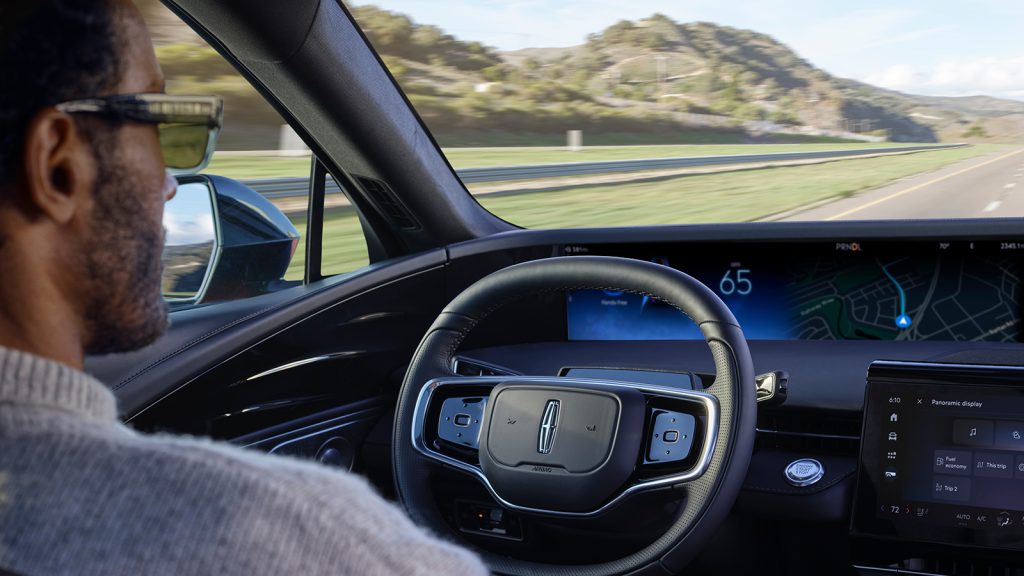
Ford says customers have accumulated more than 3.5 million hours using BlueCruise in the United States and Canada, covering more than 244 million hands-free miles.
The shift is significant because driver assistance used to be viewed primarily as equipment. With subscription-based access, some automakers increasingly treat advanced software capability as an ongoing service.
3. Built-In Navigation and Real-Time Traffic
Navigation used to be one of the clearest signs that a car had an expensive technology package. Once a vehicle had a built-in navigation screen, buyers could generally use it without paying a monthly fee simply to keep the map functioning.
The subscription model has changed that equation, particularly when automakers tie live traffic, connected points of interest, cloud-based routing, or map updates to an active service plan.
General Motors provides a clear U.S. example. Chevrolet’s connected-services information distinguishes between basic vehicle connectivity and paid services such as Connected Navigation.
The company describes Connected Navigation as providing real-time traffic and point-of-interest updates within the vehicle’s navigation system when equipped.
That distinction is important. The navigation hardware can already be physically installed in the dashboard, yet some of the information that makes the system particularly useful can depend on an active connected service. In other words, the screen and navigation hardware may be part of the vehicle while certain live data functions become subscription-dependent.
For drivers, real-time traffic can be considerably more valuable than a static map. A route that looks ideal at 8 a.m. can become inefficient after an accident or major congestion develops. Connected traffic data allows the system to react to changing road conditions rather than relying exclusively on information stored inside the vehicle.
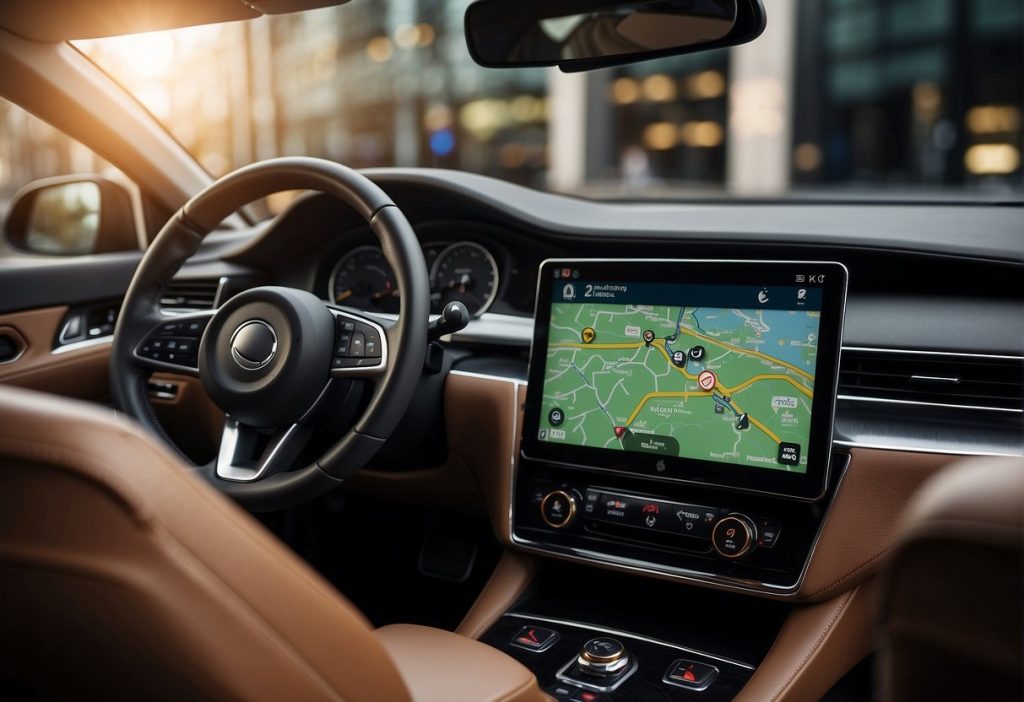
There is also a practical alternative. Drivers can use smartphone-based navigation through systems such as Apple CarPlay or Android Auto when supported. That means a subscription-dependent built-in navigation service does not necessarily leave the driver without navigation.
Still, the shift represents a change in how automakers view vehicle software. The physical navigation system is part of the car, but certain connected information can be treated as an ongoing service rather than a permanent feature.
4. In-Car Wi-Fi Hotspot
A built-in Wi-Fi hotspot was once the kind of feature that made a vehicle feel unusually advanced. Today, many automakers can equip a car with cellular connectivity that turns it into a mobile internet hotspot, but continued access generally requires a separate data plan after any included trial or promotional period ends.
Chevrolet’s current U.S. connected-services information provides a straightforward example. Its vehicles can offer an available 4G LTE Wi-Fi hotspot capable of connecting multiple devices, while Chevrolet states that a data plan is required after the applicable trial period. Its current service material says the hotspot can connect up to seven devices.
This is a slightly different subscription model from paying to unlock a physical feature. The cellular hardware is already integrated into the vehicle, but the ongoing internet connection requires access to a cellular data service.
For families, the distinction can matter. Passengers can connect tablets, laptops, or phones while traveling, potentially making long road trips easier. Someone who rarely carries passengers, however, may see little reason to keep paying for the service after the included period expires.
The hotspot also illustrates how connected cars increasingly resemble smartphones. A modern vehicle can contain a cellular modem, GPS receiver, cloud connection, software platform, and multiple digital services. Those systems can remain physically present even when a customer stops paying for certain connected functions.
Chevrolet’s current information also makes clear that connected services vary according to vehicle and plan. That means buyers should not assume that every model, trim, or model year receives identical connectivity terms.
For consumers, the important question is therefore not simply whether a car has Wi-Fi. It is whether the vehicle includes a free period, what happens afterward, how much the data plan costs, and whether the hotspot uses a separate cellular provider.
What once looked like a permanent technology feature has increasingly become a service that can continue generating revenue long after the vehicle leaves the dealership.
5. Heated Steering Wheel and Seat Climate Functions
Heated seats became a famous example of the subscription trend, but the American market needs a careful distinction.
BMW’s controversial heated-seat subscription was offered in several overseas markets, not the United States, and BMW discontinued that particular subscription approach in 2023 after customer backlash. So it would be inaccurate to claim that U.S. BMW owners currently have to pay monthly simply to activate heated seats.
However, BMW does currently use subscriptions for certain software-controlled climate functions. Its U.S. ConnectedDrive documentation lists climate control rules, which can automatically activate heated seats or the heated steering wheel when a specified outside-temperature threshold is reached. BMW says some of these Smart Interior Functions require an active ConnectedDrive subscription.
That distinction is important because the physical heating hardware and the software function are two separate things. The subscription is not simply charging an owner to turn on a traditional heated seat manually. Instead, BMW is selling additional automated functionality that controls existing equipment.
BMW’s current Digital Premium service is available on qualifying vehicles with Operating System 9 and can be purchased monthly or annually. BMW lists the service from $9.99 per month and says availability can vary by vehicle and state.
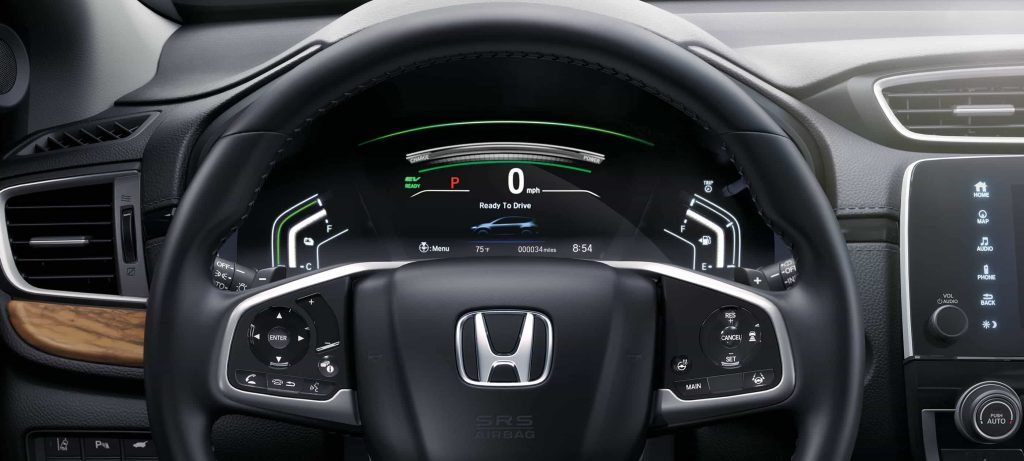
This illustrates where automaker subscriptions are heading. Rather than putting every function behind a monthly fee, manufacturers can sell software features that change how existing hardware behaves.
For buyers, the lesson is to examine exactly what a subscription unlocks before assuming that a familiar physical feature has become paywalled.
6. Enhanced Navigation and Digital Maps
Navigation is becoming another area where automakers can separate the basic function from premium digital features. A car may already contain its navigation hardware and mapping system, yet enhanced maps, richer graphics, traffic information, or additional connected content can require a recurring subscription.
BMW’s U.S. Digital Premium service is a current example. For qualifying vehicles running BMW Operating System 9, the subscription provides enhanced BMW Maps features, including traffic alerts, real-time traffic visualization, and richer landmark visuals. BMW says Digital Premium can be purchased as a monthly or annual subscription.
That is different from saying the entire navigation system stops working when the subscription expires. Instead, BMW separates standard navigation functionality from additional connected and personalized features.
The distinction may sound minor, but it reflects a larger change in vehicle ownership. Navigation was once primarily a hardware purchase. The customer paid for the navigation-equipped trim and received the system as part of the car. With software-defined vehicles, the manufacturer can continue adding services after the vehicle has been delivered.
Real-time traffic is particularly valuable because static maps cannot tell a driver what is happening on the road right now. Connected traffic information can identify congestion and incidents and provide a more dynamic routing experience.
BMW also bundles other digital functions into Digital Premium, including selected apps, personalization features, and enhanced in-car experiences.
For buyers, this creates an important question: Which navigation functions remain permanently available, and which depend on a subscription? That answer can differ by model year, operating system, vehicle equipment, and location.
The days when every function displayed on a dashboard screen was automatically considered part of the permanent vehicle purchase are gradually disappearing.
7. Remote Start and Climate Control Through a Smartphone
Remote start itself has not disappeared from modern cars, but the way owners access it is increasingly tied to subscriptions.
Hyundai provides a clear U.S. example through Bluelink+. On eligible vehicles, the system allows owners to remotely start the vehicle, control the cabin temperature, operate the defroster, lock or unlock the doors, locate the vehicle, and perform other remote functions through the MyHyundai app.
The important catch is that app-based remote control depends on an active Bluelink package. Hyundai’s current U.S. information identifies remote functionality as part of its subscription structure, although Bluelink+ is complimentary for the original owner on eligible newer vehicles.
That means the feature can be included initially and become a paid service later, depending on the vehicle and ownership situation.
This is different from saying that every Hyundai owner must pay to start the vehicle. Hyundai’s own documentation shows that remote-start availability can depend on the equipment and method being used. Some vehicles can also support remote start through the smart key.

What has changed is the definition of the feature. The hardware allowing the vehicle to receive a remote command is already part of the car, but smartphone-based control requires cellular communication between the vehicle, Hyundai’s servers, and the owner’s app.
That creates a recurring-service model around something that previously felt like a straightforward vehicle function. For owners who regularly use remote climate control during hot summers or cold winters, the subscription can be much more valuable than it is to someone who rarely uses the app.
8. Built-In Apps and Entertainment Services
The large touchscreen in a modern car can make it feel as though every digital function is permanently included, but automakers are increasingly separating basic vehicle functions from premium software and entertainment services. BMW’s Digital Premium program is one of the clearest U.S. examples.
For qualifying BMW vehicles equipped with Operating System 9, Digital Premium provides access to an expanded ConnectedDrive Store containing additional apps and digital content.
BMW says the service can include audio and video content, third-party applications, gaming through AirConsole, enhanced personalization, and other digital functions. It is sold as a monthly or annual subscription, with availability varying by vehicle and state.
The change is significant because the physical screen and underlying computer are already installed in the vehicle. The subscription is effectively providing access to additional software and content rather than adding a new piece of hardware to the dashboard.
BMW also separates standard ConnectedDrive functions from additional subscription services. The company says basic ConnectedDrive setup and certain core features are complimentary, while additional services may require an active subscription after an included trial period.
This creates an ownership experience that looks increasingly similar to a smartphone or streaming platform. The vehicle remains physically unchanged, but its software environment can gain or lose functionality depending on the owner’s subscription status.
For some drivers, these services may be worthwhile because entertainment and personalized digital features are used frequently. For others, smartphone connectivity may already provide everything they need.
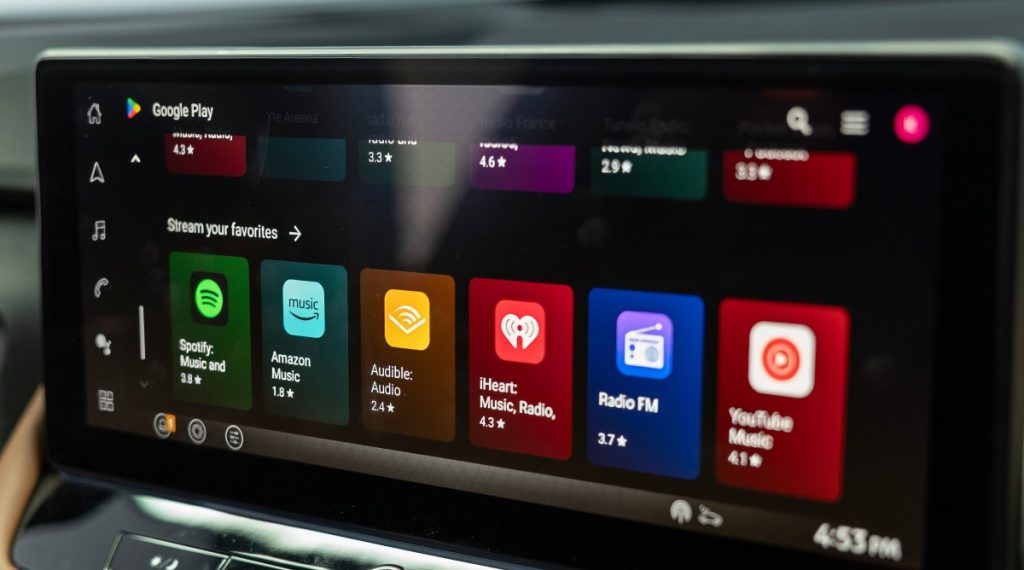
The important point is that the touchscreen itself does not tell you which functions are permanently included. Buyers need to check the specific model, model year, operating system, and subscription terms before assuming that every application visible in the vehicle will remain available without an additional payment.
9. Advanced Driver Assistance Features
Advanced driver assistance is increasingly becoming one of the biggest areas where automakers can turn existing vehicle hardware into recurring revenue.
Instead of requiring a completely different car, manufacturers can use cameras, radar, sensors, and computing hardware already installed in the vehicle and charge for access to additional software capabilities.
Ford’s BlueCruise is one of the clearest U.S. examples. Eligible vehicles equipped with the required hardware can use the company’s hands-free highway driving system through a subscription or other payment option.
Ford currently lists a monthly option of $49.99 and an annual option of $495 for BlueCruise, while eligible new vehicles may include an initial complimentary period.
The important distinction is that BlueCruise is not simply conventional cruise control. The system combines adaptive cruise control, lane-centering technology, hands-free capability on approved roads, and driver monitoring. Ford calls the approved sections of compatible roads Hands-Free Blue Zones.
This approach changes the economics of buying driver-assistance technology. Traditionally, a buyer selected a package during the purchase process and owned the equipment permanently. With subscription access, the physical sensors can remain in the vehicle while the manufacturer continues charging for the software service.
For an owner who drives long highway distances, the ability to use hands-free assistance may be valuable enough to justify the recurring cost. Someone who rarely drives on compatible highways may decide the feature is not worth paying for.
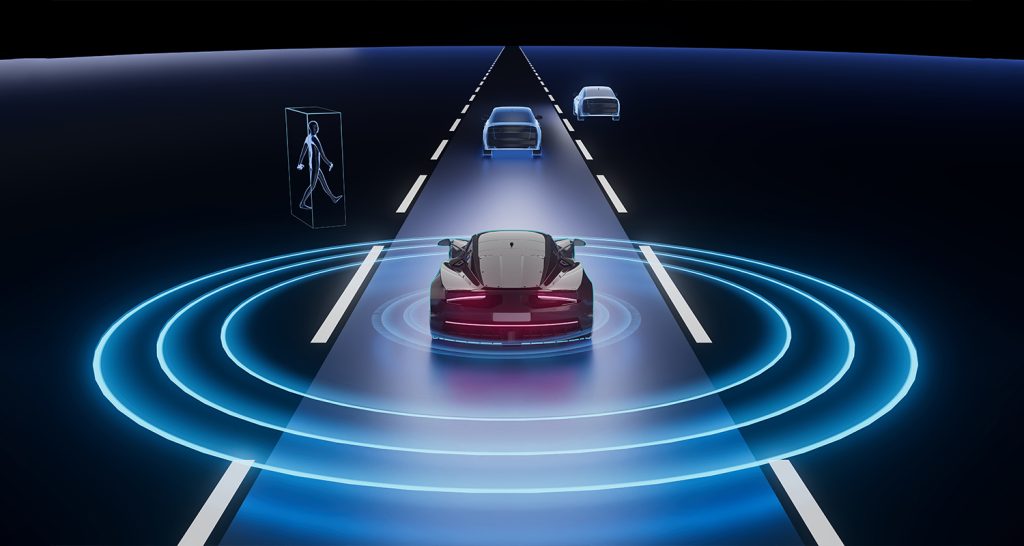
There is also an important safety distinction. BlueCruise is a driver-assistance system, not an autonomous vehicle. Ford requires the driver to remain attentive and ready to take control.
That makes advanced assistance one of the clearest examples of the software-defined-car trend. The hardware can already be sitting behind the windshield and inside the vehicle, but the manufacturer can continue selling the capability as a service.
10. Extra Vehicle Performance Through Software
Perhaps the most surprising subscription trend is the ability to alter a vehicle’s performance characteristics through software without replacing the engine or major mechanical components.
BMW has used this approach in the United States with its ConnectedDrive Store and compatible digital features, while other automakers have experimented with software-enabled performance upgrades.
BMW’s system demonstrates the underlying concept particularly well. The company says its ConnectedDrive Store allows owners of compatible vehicles to purchase certain digital features and services remotely, with availability depending on the vehicle’s equipment and software. Some functions can therefore be activated after the vehicle has already been delivered.
This is different from simply downloading a navigation update. Software can interact with hardware that was already installed in the vehicle, potentially changing how certain systems operate.
The exact features vary considerably by model, equipment level, model year, and software version, so consumers should not assume that every BMW offers the same upgrades.
The concept has major implications for buyers. A vehicle can potentially leave the factory with hardware capable of supporting functions that are not initially activated. The automaker can then sell access to those capabilities later.
That means the definition of “what you bought” becomes less straightforward. Two physically similar cars could potentially have different digital capabilities depending on which services their owners purchased.

There is also a financial question. A one-time payment for a permanent software upgrade is easier for consumers to understand than a monthly charge for something the car already physically contains. Subscription models create a continuing cost that can add up over several years.
This trend is still developing in the U.S. market, and not every software-controlled performance feature is subscription-based. However, the direction is clear: automakers increasingly can treat software as a product that can be activated, upgraded, or monetized after the initial vehicle sale.
For buyers, checking the software capabilities and future subscription requirements can therefore be just as important as examining horsepower, fuel economy, and standard equipment.