

There is an important legal distinction behind this headline: in the United States, there is generally no federal law that simply says an owner cannot repair a particular car.
However, certain repairs and modifications can be legally restricted because they involve emissions equipment, safety systems, regulated refrigerants, or other controlled components. The rules can also vary by state.
Federal law, for example, prohibits vehicle owners from knowingly tampering with federally required emissions controls, while safety laws restrict commercial repair businesses from knowingly disabling required safety equipment.
The examples below therefore focus on cars where particular repairs can create legal problems, rather than claiming the entire vehicle is off-limits to its owner.
1. Tesla Model 3
The Tesla Model 3 is a good example of why modern vehicle repair cannot always be treated like replacing a brake pad or changing engine oil. Owners are not legally prohibited from working on their own Model 3, but certain repairs involve high-voltage electrical systems and can carry significant safety and regulatory considerations.
Tesla’s high-voltage battery, drive units, charging equipment, and related electrical components are fundamentally different from conventional gasoline-car hardware.
The legal issue becomes especially important when a repair involves modifying or disabling federally regulated vehicle equipment. Federal law prohibits knowingly removing or rendering inoperative emissions-control devices on applicable motor vehicles. That rule applies to vehicle owners as well as commercial repair businesses.
For an electric car, emissions tampering is less relevant than on a gasoline vehicle, but the safety side remains important. High-voltage components should not be treated like ordinary 12-volt electrical parts.
Improperly opening, modifying, or rebuilding battery components can create fire, shock, or thermal-event risks. Tesla also uses sophisticated electronic systems that can require specialized procedures after component replacement.

The important point is that owning a Model 3 does not legally force an owner to use Tesla for every repair. State right-to-repair laws can provide additional access to diagnostic information, while Massachusetts specifically gives owners of qualifying newer vehicles rights concerning telematics data used for diagnosis, maintenance, and repair.
So the legal restriction is not “you cannot repair a Tesla.” Instead, certain modifications or disabling of regulated systems can cross the legal line.
2. Ford F-150 Lightning
The Ford F-150 Lightning presents another situation where the phrase “legally can’t repair yourself” needs some clarification. Ford does not make it illegal for an owner to perform ordinary maintenance or repairs on the electric pickup.
However, certain work involving the high-voltage battery and electrical propulsion system is substantially different from conventional F-150 repairs and should not be confused with normal owner maintenance.
The Lightning’s battery system operates at potentially dangerous high voltage, meaning improper handling can result in severe electric shock, arc-flash hazards, or battery damage. Ford provides specific service procedures and specialized equipment for technicians working on high-voltage components.
That does not automatically create a federal prohibition against an owner performing the work, but it does make certain repairs unsuitable for casual DIY work.
There are also legal boundaries unrelated to the battery itself. Federal law prohibits knowingly making required vehicle safety equipment inoperative when the work is performed by manufacturers, dealers, distributors, or motor-vehicle repair businesses. NHTSA specifically identifies safety equipment such as airbags as falling under this protection.
That distinction matters if an owner attempts a modification involving the Lightning’s restraint systems, sensors, or other federally regulated safety equipment. An independent owner has different legal circumstances from a commercial repair business, but NHTSA strongly discourages disabling or modifying safety systems.
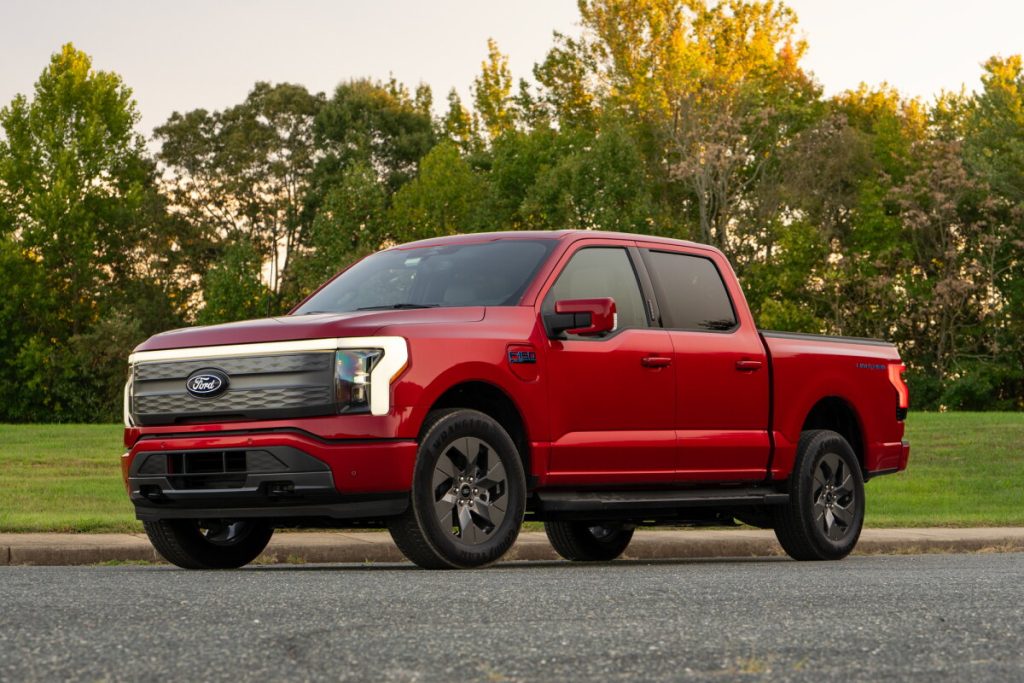
The Lightning, therefore, is not a car that owners are universally forbidden to repair. Rather, its high-voltage architecture and electronically controlled safety systems create areas where DIY work can become dangerous, warranty-sensitive, or legally problematic depending on what is being changed and where the vehicle is registered.
3. Chevrolet Silverado 1500
The Chevrolet Silverado 1500 is not legally off-limits to DIY owners, but certain repairs can cross a legal line if they involve removing or disabling federally regulated emissions equipment. This is particularly relevant to Silverado models equipped with gasoline emissions systems or diesel versions using additional emissions-control hardware.
The important distinction is between repairing a system and defeating it. EPA guidance issued in July 2026 confirms that manufacturers must provide Americans with emissions-related service information and tools needed to diagnose and repair vehicles.
The agency also clarified that temporary disabling of an emissions-control component can be permitted when it is genuinely necessary to perform a repair, provided the vehicle is restored to proper functioning afterward.
What an owner cannot legally do is permanently remove or render inoperative an emissions-control device simply to change how the truck operates. EPA specifically identifies catalytic converters as an example. Removing one and leaving the truck without a compliant replacement is federal emissions tampering.
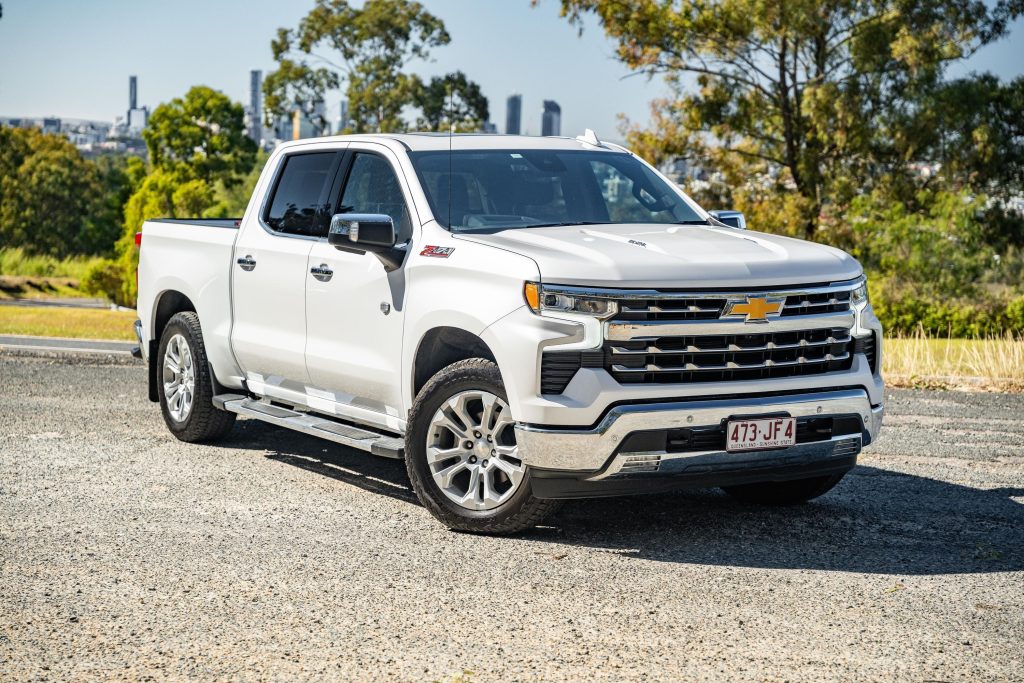
That distinction becomes important with heavily modified pickups. Installing an aftermarket component is not automatically illegal, but the replacement must comply with applicable emissions requirements. EPA’s 2026 action also created a new SEMA certification pathway for qualifying aftermarket emissions products.
So a Silverado owner can replace many components at home. The legal problem begins when a repair becomes an intentional emissions defeat.
4. Ram 1500
The Ram 1500 is another truck that demonstrates why “you legally can’t repair it yourself” is too broad for the United States. An owner can perform many repairs at home, but emissions-related modifications can become illegal when they deliberately defeat equipment installed to meet federal requirements.
The issue is particularly important for Ram’s diesel-powered applications, where emissions-control hardware forms an essential part of the vehicle’s certified configuration.
Systems associated with diesel emissions can include components such as diesel particulate filters, selective catalytic reduction equipment, and related sensors and controls. Removing or disabling such equipment for reasons unrelated to an actual repair can violate federal law.
EPA’s current guidance makes the distinction unusually clear. The agency says manufacturers must provide information necessary to diagnose and repair emissions systems, and it specifically states that temporary overrides can be used when necessary for the purpose of repair, as long as the system is returned to proper functioning afterward.
That means an owner is not expected to leave a defective emissions system untouched simply because it is electronically controlled. Proper diagnosis and repair remain lawful. What is prohibited is turning a repair into a permanent defeat strategy.
The same principle applies when installing aftermarket equipment. The EPA says aftermarket parts cannot bypass, tamper with, or remove emissions controls. Parts intended to replace or modify emissions equipment therefore need to satisfy applicable requirements.
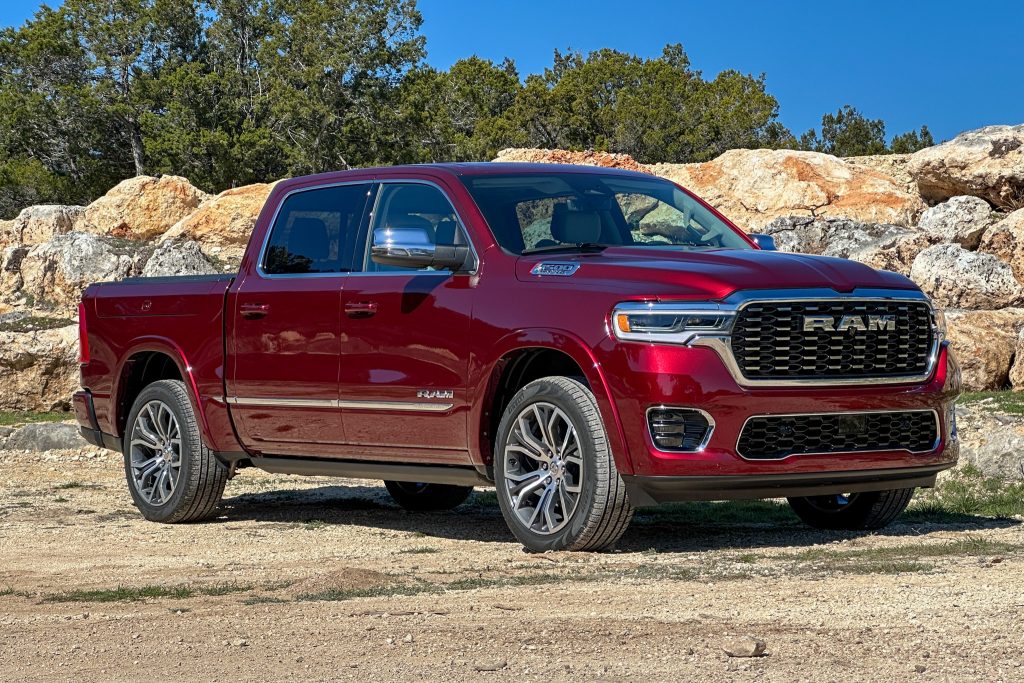
This makes the Ram 1500 a good example of the real legal boundary. The truck itself is not forbidden territory for a home mechanic. Oil changes, brakes, suspension work, and many mechanical repairs remain ordinary maintenance.
The restrictions arise when the work intentionally leaves federally required emissions equipment disabled or nonfunctional.
5. Ford Mustang
The Ford Mustang is absolutely repairable by its owner, but certain jobs can become legally problematic when they involve the car’s federally regulated emissions equipment.
This matters particularly to Mustang owners because the model has a huge aftermarket, and some modifications marketed as performance upgrades can alter the emissions configuration that Ford originally certified.
Federal law does not prohibit an owner from replacing a catalytic converter, oxygen sensor, exhaust component, or other emissions-related part when the repair restores the vehicle to its certified configuration.
In fact, the EPA’s July 2026 guidance explicitly confirms that vehicle owners have a right to repair their own vehicles and that manufacturers must provide access to information needed for emissions-system diagnosis and repair.
The legal boundary appears when a repair becomes tampering. EPA regulations prohibit actions that defeat or render ineffective emissions-control equipment.
A Mustang owner therefore cannot simply remove required emissions equipment and leave the vehicle operating in a non-certified configuration. EPA specifically identifies changes that bypass, defeat, disconnect, or otherwise disable emissions controls as tampering.
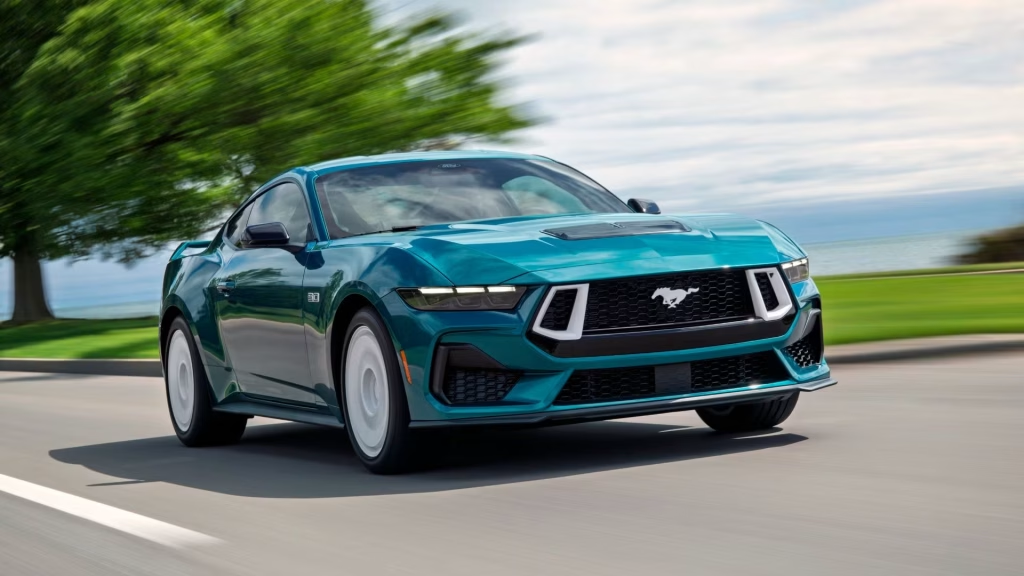
That distinction is particularly relevant to aftermarket exhaust and tuning products. A component advertised as improving performance is not automatically legal for use on a street-driven Mustang simply because it physically fits the vehicle. The important question is whether it maintains the vehicle’s required emissions configuration.
This means the Mustang is not a car that you legally cannot repair. Rather, it is a car where certain modifications can turn an ordinary DIY project into a federal emissions violation.
6. Chevrolet Corvette
The Chevrolet Corvette has an enormous enthusiast community, which makes it tempting to assume that virtually anything can be modified in a home garage. Owners certainly can perform many repairs themselves, but the Corvette is subject to the same federal emissions rules as every other road-going vehicle.
That becomes especially important because Corvettes are frequently modified for additional performance. Exhaust systems, engine-management calibrations, catalytic converters, intake systems, and other components can affect the emissions configuration with which the vehicle was originally certified.
EPA’s current guidance makes one point particularly important for Corvette owners: repairing an emissions-control system is lawful, including temporarily disabling equipment when doing so is necessary to perform the repair, provided the vehicle is restored to proper functioning before it returns to service.
The legal problem is intentional tampering. Removing a catalytic converter, defeating an emissions sensor, modifying the control system so emissions equipment no longer functions, or installing a non-compliant replacement can place the vehicle outside its certified configuration.
EPA’s OBD guidance specifically states that modifications changing a vehicle from a certified configuration to a non-certified configuration are considered tampering.
This distinction is particularly important with modern Corvettes because sophisticated electronic controls connect engine operation with emissions monitoring. A modification that appears mechanical can therefore have electronic consequences as well.

There is no general federal rule requiring a Corvette owner to send the vehicle to Chevrolet for routine maintenance. EPA’s 2026 guidance instead reinforces access to repair information and tools.
So the Corvette belongs on this list only with an important qualification: you can repair it yourself, but you cannot legally turn a repair into emissions tampering.
7. Ram 2500
The Ram 2500 is another vehicle where the headline needs an important qualification. Owners are not categorically prohibited from repairing their own trucks, and current EPA guidance actually reinforces the right of Americans to repair modern vehicles themselves.
The difficulty arises when a repair involves emissions equipment, and the owner leaves the vehicle in a configuration that no longer meets its certified emissions requirements.
This is particularly relevant to diesel versions. Components associated with diesel emissions control can include the diesel particulate filter, selective catalytic reduction system, sensors, and other equipment.
A legitimate repair can require temporarily disabling or removing components, and EPA’s July 2026 guidance specifically says that temporary disablement is permitted when it is necessary for repair and the vehicle is returned to proper functioning afterward.
The legal problem is a different situation: deliberately deleting or defeating emissions equipment so that the truck permanently operates outside its certified configuration. EPA’s current policy makes clear that manufacturers must provide emissions-related service information, diagnostic data, and tools needed to repair modern vehicles.
That means a Ram owner does not automatically have to take the truck to a Ram dealership simply because the repair involves electronically controlled emissions equipment. An independent shop or qualified owner can perform lawful repair work using appropriate information and equipment.
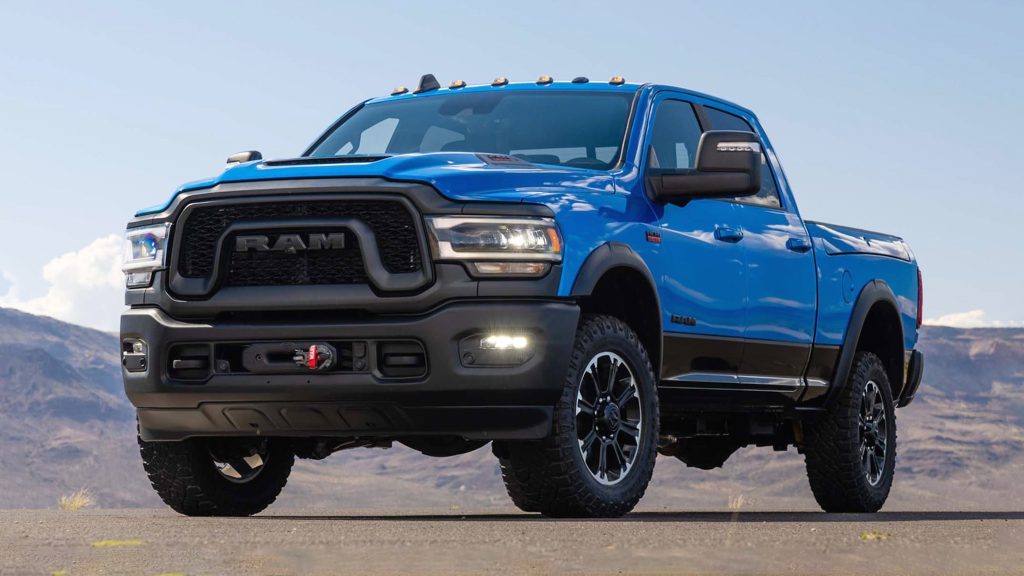
There is also a practical reason to be cautious. A modern diesel truck’s emissions systems are integrated with engine management, so an apparently simple modification can trigger warning lights, drivability problems, or other faults.
The Ram 2500 therefore belongs on this list because certain repairs can become legally restricted when they cross into emissions tampering, not because federal law bans owners from repairing the truck themselves.
8. BMW 3 Series
The BMW 3 Series demonstrates a different reason some DIY repairs can become problematic: modern restraint and safety systems. The owner is not legally forbidden from working on the car, but airbags and related supplemental restraint components are not ordinary electrical parts that should be dismantled casually.
NHTSA has repeatedly warned about the dangers of improper airbag work. In April 2026, the agency specifically warned consumers not to inspect or dismantle certain potentially dangerous airbag inflators themselves because an incorrect procedure could cause deployment and serious injury or death.
That warning is important for any modern vehicle containing airbags, including the 3 Series. Airbag modules, pretensioners, crash sensors, and associated wiring are connected to the vehicle’s restraint-control system. A mistake can have consequences that go far beyond a warning light on the dashboard.
There is also a legal distinction between private owners and commercial repair businesses. NHTSA’s interpretation of federal law states that manufacturers, dealers, distributors, and motor-vehicle repair businesses generally cannot knowingly render federally required safety equipment inoperative.
The federal provision does not impose the same restriction on an individual owner modifying their own used vehicle, although state laws can apply and NHTSA strongly discourages tampering with safety equipment.
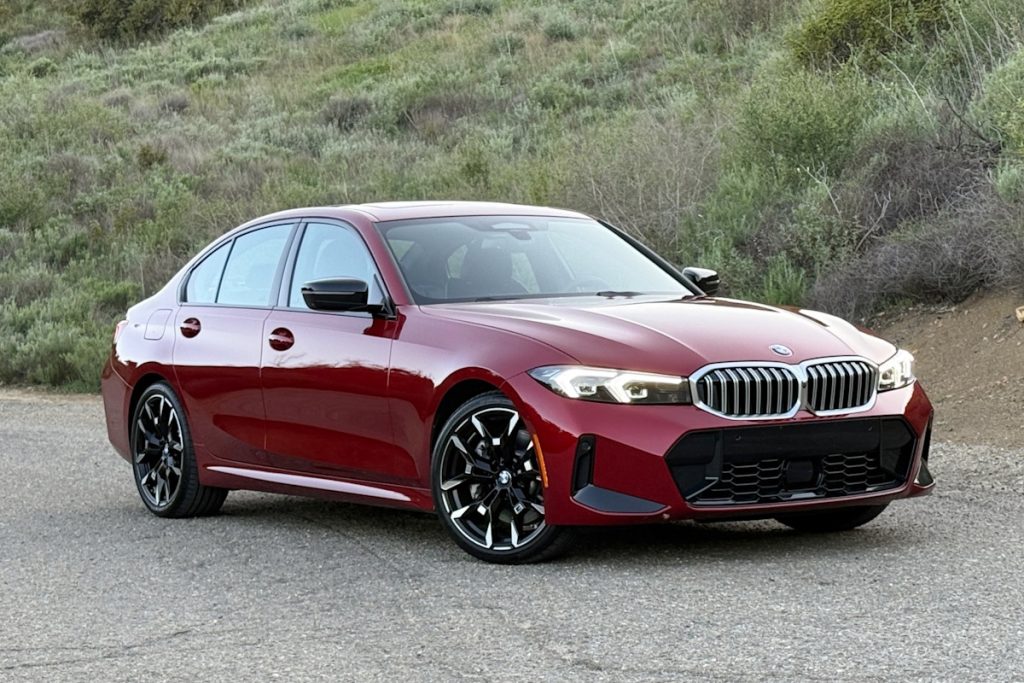
That means the phrase “legally can’t repair” is misleading here. A 3 Series owner can legally perform many repairs, but an airbag-related job should not be treated like replacing a cabin filter.
NHTSA specifically recommends professional inspection for vehicles with questionable replacement airbags and warns owners not to attempt to inspect certain inflators themselves.
For this reason, the 3 Series represents a category where safety risk, state requirements, and professional liability can make certain DIY repairs a very poor choice even when federal law does not categorically prohibit the owner from doing the work.
9. Mercedes-Benz S-Class
The Mercedes-Benz S-Class is another vehicle where certain repairs can become highly specialized, particularly when the work involves its advanced safety and electronic systems. But it is important not to confuse complexity with a legal prohibition.
In the United States, an S-Class owner is not generally forbidden from repairing the vehicle personally. Federal law does, however, place restrictions on manufacturers, dealers, and repair businesses that knowingly disable federally required safety equipment.
That distinction becomes important with components such as airbags, seat-belt pretensioners, crash sensors, and other restraint-system equipment. Modern S-Class models integrate numerous electronic systems, meaning a repair that appears mechanical can sometimes affect multiple vehicle systems.
NHTSA strongly advises against owners attempting to inspect or dismantle potentially dangerous airbag components themselves. The agency has specifically warned that improper work on certain airbag inflators can cause deployment and severe injury or death.

The legal situation is more nuanced than the headline suggests. NHTSA’s own interpretations state that federal law does not impose the same “make inoperative” restriction on an individual modifying their own vehicle that it imposes on commercial repair businesses.
However, state laws can impose additional requirements, and NHTSA strongly discourages disabling safety systems.
That makes the S-Class a good example of a vehicle where the sensible boundary is determined by both law and engineering risk. An owner can perform routine work, but an airbag or crash-sensor repair is a very different proposition from replacing brake pads.
10. Ford Super Duty
The Ford Super Duty closes this list because diesel emissions systems create some of the clearest legal boundaries in modern truck repair. The important point, again, is that Ford does not make it illegal for an owner to repair a Super Duty.
In fact, EPA’s July 2026 Freedom to Fix guidance explicitly states that Americans have the right to repair their vehicles and that manufacturers must provide emissions-related information and tools needed to diagnose and repair modern vehicles.
The issue is what happens during the repair. Modern diesel Super Duty trucks can use systems involving diesel exhaust fluid, selective catalytic reduction, particulate filtration, NOx sensors, and other emissions-control equipment.
A legitimate repair may temporarily disable part of an emissions system when necessary to complete the work. EPA’s 2026 guidance specifically clarifies that temporary disablement for the purpose of repair is permitted when the vehicle is returned to proper functioning afterward.
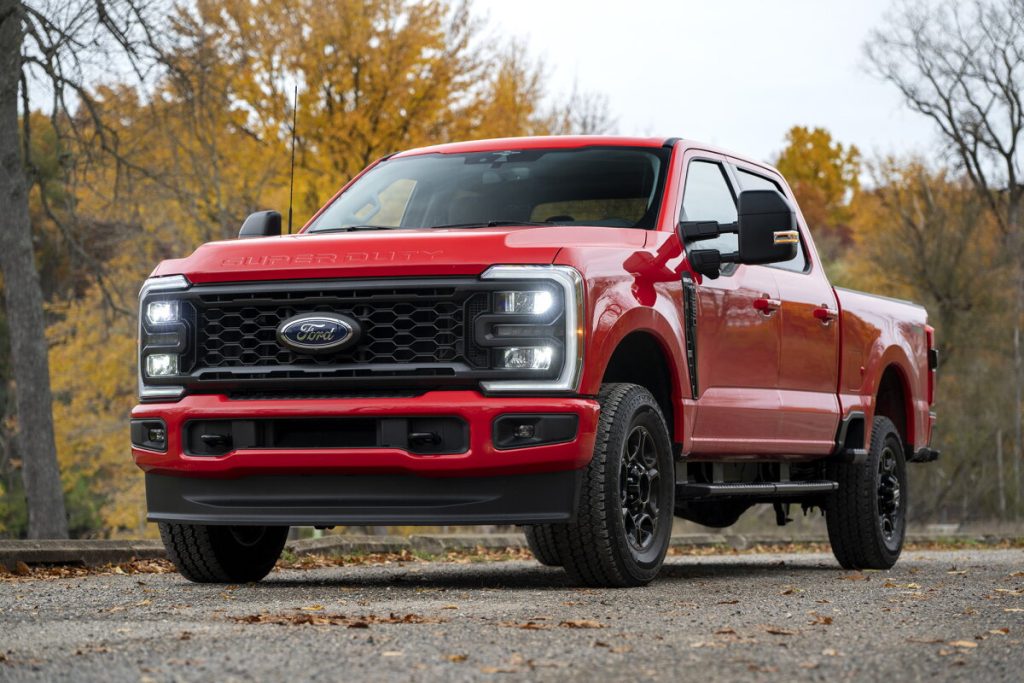
Permanent emissions deletion is different. EPA states that aftermarket parts cannot bypass, tamper with, or remove emissions controls. The agency’s July 2026 action also established recognition for SEMA’s emissions certification program for qualifying aftermarket products.
This distinction matters because diesel pickup owners have historically encountered aftermarket products marketed around emissions-system removal. A component that makes the truck operate without required emissions controls is not simply another repair part.
So the Super Duty is not legally untouchable. An owner can diagnose and repair many components personally. The legal line appears when the work intentionally leaves federally required emissions equipment defeated or nonfunctional.
