
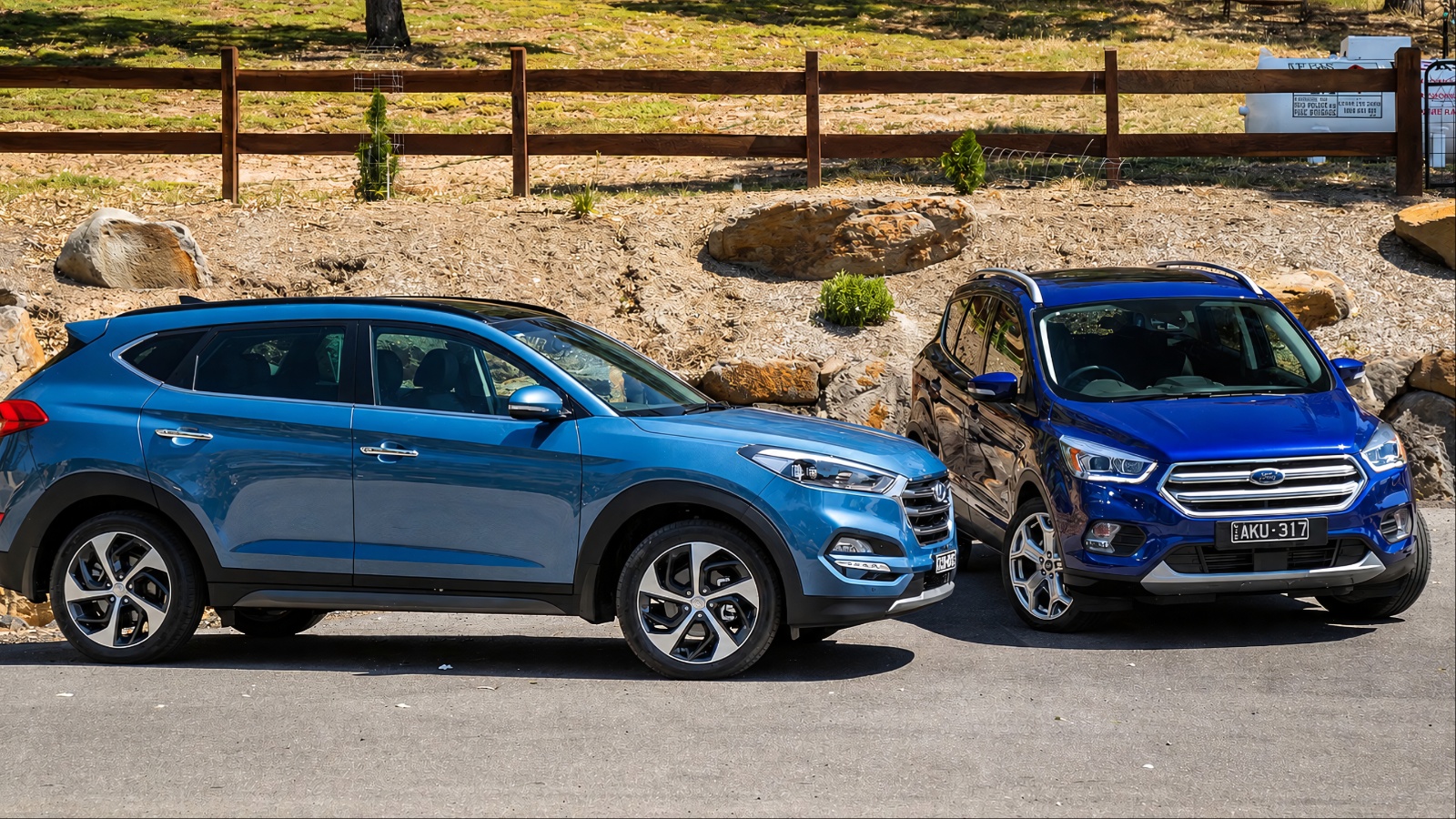
The compact SUV segment has become one of the most competitive parts of the American vehicle market. Buyers want something easier to park than a three-row SUV, more useful than a sedan, and efficient enough for daily commuting.
That has made vehicles such as the Ford Escape, Chevrolet Equinox, and Hyundai Tucson particularly important. For 2026, the three SUVs take noticeably different approaches.
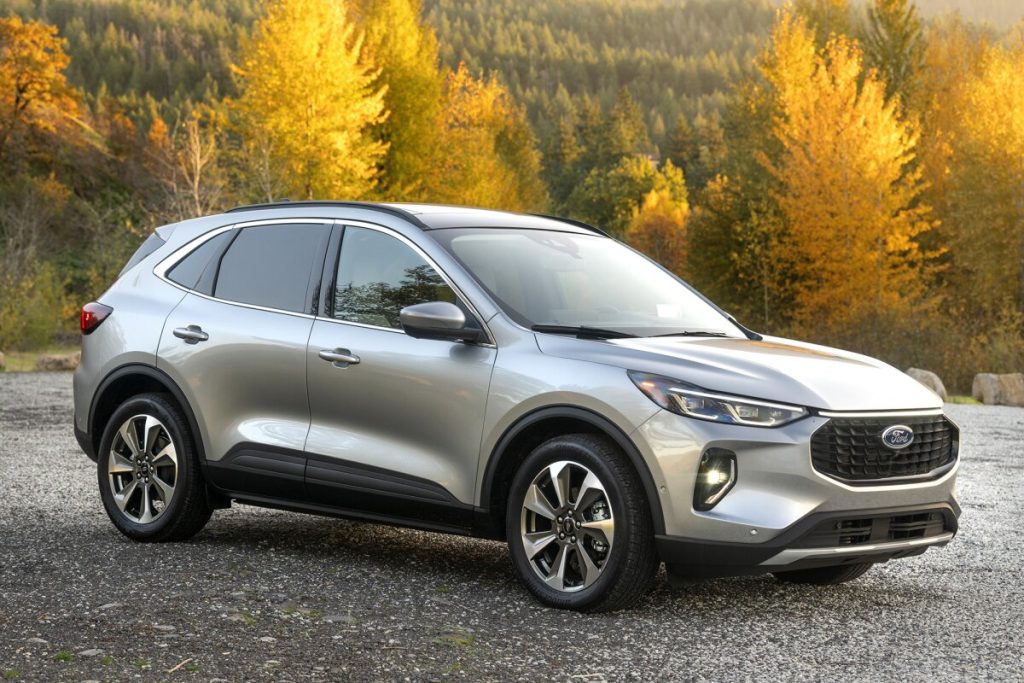
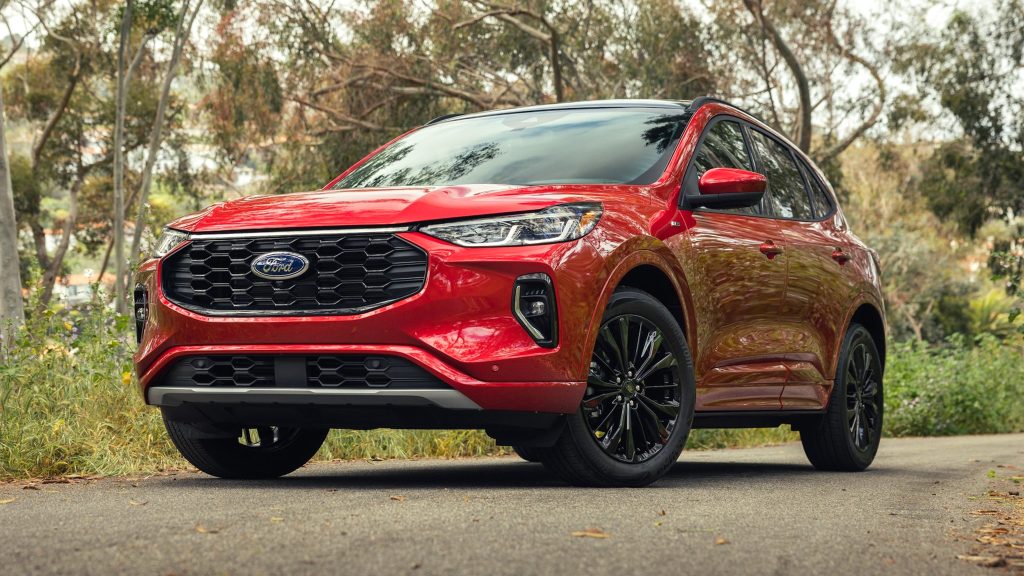
The Ford Escape offers the widest range of powertrains, including a conventional 1.5-liter EcoBoost, a stronger 2.0-liter EcoBoost, a hybrid, and a plug-in hybrid. Ford lists 180 horsepower for the 1.5-liter, 250 horsepower for the 2.0-liter, 192 total system horsepower for the hybrid, and 210 total system horsepower for the plug-in hybrid.
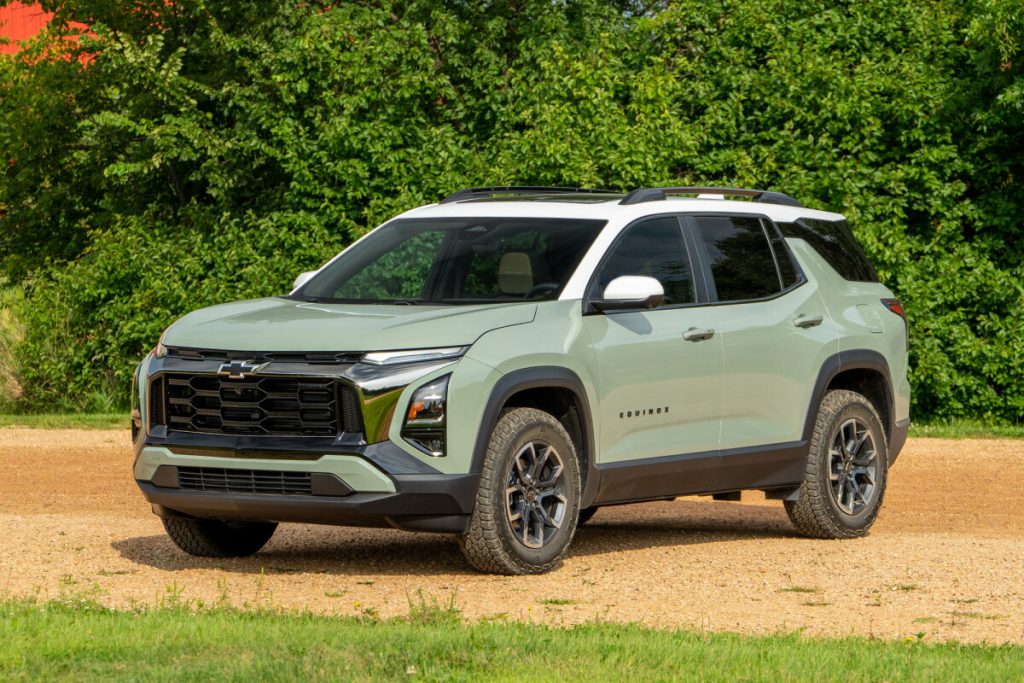
The Chevrolet Equinox takes a simpler route. Its 1.5-liter turbocharged four-cylinder produces 175 horsepower and 203 lb-ft of torque, while buyers can choose front-wheel drive or available all-wheel drive. The Equinox also starts at $28,800 for 2026.
The Hyundai Tucson is arguably the most powertrain-diverse rival once its hybrid and plug-in hybrid models are considered. The standard Tucson uses a 187-horsepower 2.5-liter four-cylinder, while the Tucson Hybrid produces 231 horsepower and offers available front-wheel drive or standard HTRAC all-wheel drive depending on configuration.
The plug-in hybrid produces 268 horsepower and provides an EPA-estimated 32 miles of electric range. That means the three vehicles are aimed at slightly different buyers.
The Escape is about choice. The Equinox focuses on straightforward value and everyday usability. The Tucson combines technology, interior space, and electrified powertrains.
So which one is better? Here is how they compare across six categories that matter most when choosing a compact SUV.
Price and Value
The Equinox immediately gets the attention of budget-conscious shoppers because Chevrolet gives it a lower starting price than the Escape and Tucson.
The 2026 Equinox starts at $28,800. Chevrolet’s lineup includes LT, RS, and ACTIV versions, giving buyers different styling and equipment choices without forcing them into an expensive luxury-oriented trim.
The Ford Escape starts at $30,350 for the 2026 model year. Ford’s lineup then moves through ST-Line, ST-Line Select, ST-Line Elite, and Platinum versions, with the plug-in hybrid listed separately. Ford’s current pricing shows the ST-Line Select beginning at $33,890, while the plug-in hybrid starts at $35,895.
Hyundai’s Tucson is also positioned above the Equinox in several configurations. The gasoline Tucson offers a broad trim lineup, while the hybrid starts at a higher price. Hyundai lists the 2026 Tucson Hybrid Blue SE at $32,450, with standard HTRAC all-wheel drive on that configuration.
The important difference is what buyers receive for the money. The Equinox starts with a 1.5-liter turbo engine producing 175 horsepower and 203 lb-ft of torque. Chevrolet also provides an 11.3-inch infotainment touchscreen and more than 15 standard safety and driver-assistance features.
That is a strong equipment package for a vehicle starting below $29,000. The Escape counters with more powertrain choices. A buyer can choose the 180-horsepower 1.5-liter EcoBoost, the 250-horsepower 2.0-liter EcoBoost, the 192-horsepower hybrid, or the 210-horsepower plug-in hybrid.
That flexibility is valuable, but buyers have to spend more to access some of the Escape’s most interesting technology.
The Tucson provides a polished cabin and an impressive list of available features, but the hybrid and plug-in hybrid models move the price substantially higher.
For a shopper who wants a new compact SUV at the lowest reasonable starting price while still receiving a strong standard equipment list, the Equinox makes the most convincing financial argument.
The Escape is more versatile if you are willing to spend more for a specific powertrain. The Tucson offers greater sophistication at higher prices.
But value begins with what the buyer receives for the initial purchase price, and Chevrolet has the strongest starting point.
Winner: Chevrolet Equinox
Powertrain and Performance
The Escape wins this category because no other SUV here gives buyers as many different ways to choose the powertrain.
Ford’s standard 1.5-liter EcoBoost produces 180 horsepower and 199 lb-ft of torque. Buyers who want substantially stronger performance can select the 2.0-liter EcoBoost, which produces 250 horsepower and 280 lb-ft of torque.
That 2.0-liter engine is important because it gives the Escape a clear performance advantage over the standard Equinox and standard Tucson.
The Chevrolet Equinox has a much simpler powertrain strategy. Every 2026 Equinox uses a 1.5-liter turbocharged four-cylinder producing 175 horsepower and 203 lb-ft of torque. It is paired with a continuously variable transmission in front-wheel-drive configurations, while all-wheel-drive models use an eight-speed automatic according to Chevrolet’s specifications.
The engine is adequate for normal commuting, but it does not provide the power range available from Ford.
Hyundai’s standard Tucson uses a 2.5-liter naturally aspirated four-cylinder producing 187 horsepower and 178 lb-ft of torque. It uses an eight-speed automatic transmission, with HTRAC AWD available.
That makes the standard Tucson slightly stronger than the Equinox in horsepower, although the Chevrolet has more torque. The Tucson becomes much more interesting when its hybrid system enters the picture.
The 2026 Tucson Hybrid combines a 1.6-liter turbocharged four-cylinder with an electric motor for 231 combined horsepower. Hyundai lists 178 horsepower from the engine and 64 horsepower from the electric motor.
The Tucson Plug-in Hybrid goes further, producing 268 combined horsepower. Those figures make the Tucson Hybrid and Plug-in Hybrid very competitive, but they come at a higher purchase price.
The Escape also has a hybrid and plug-in hybrid. Its regular hybrid produces 192 total system horsepower, while the plug-in hybrid produces 210 total system horsepower. The plug-in hybrid also provides up to 37 miles of EPA-estimated electric range.
So why does Ford win? Because the Escape provides the clearest spectrum between efficiency and performance. A buyer can choose a relatively efficient 180-horsepower gasoline engine, move to a 250-horsepower turbocharged engine, or choose one of two electrified options.
The Tucson’s hybrid system is more powerful than Ford’s hybrid, and the plug-in Tucson has more total horsepower than the Escape PHEV.
But the Escape’s 250-horsepower gasoline option gives it a strong middle ground for buyers who want performance without moving into a plug-in hybrid.
The Equinox is the least performance-oriented of the three. For buyers who want the most powertrain flexibility and the strongest conventional gasoline performance, the Escape takes this category.
Winner: Ford Escape
Fuel Economy
The fuel-economy battle is much closer than the performance contest, but Ford has a particularly strong advantage because the Escape offers both a conventional hybrid and a plug-in hybrid.
The 2026 Escape hybrid with all-wheel drive is rated at 42 mpg city, 36 mpg highway and 39 mpg combined. That is a substantial improvement over the gasoline versions.
The plug-in hybrid takes the concept further. Ford lists 101 combined MPGe and an EPA-estimated 37 miles of all-electric range. It can also operate as a conventional hybrid when the battery’s electric range has been used.
That gives the Escape a useful advantage for buyers who have access to home charging and make short daily trips.
The standard 1.5-liter Escape returns 27 mpg city, 34 mpg highway and 30 mpg combined in front-wheel-drive form. AWD versions are rated at 26 mpg city, 32 mpg highway and 28 mpg combined.
The Chevrolet Equinox cannot match the Escape’s hybrid efficiency because Chevrolet currently offers the 2026 Equinox with a conventional 1.5-liter turbo engine rather than a hybrid powertrain.
Chevrolet lists the Equinox at up to 26 mpg city and 28 mpg highway in current published fuel-economy information, depending on configuration. That puts the Equinox well behind the electrified Escape.
The standard Tucson is more competitive. Hyundai lists the front-wheel-drive Tucson at 25 mpg city, 33 mpg highway and 28 mpg combined. AWD versions are rated at 24 mpg city, 30 mpg highway and 26 mpg combined.
The Tucson Hybrid changes the equation. The Hybrid SE with front-wheel drive reaches 40 mpg city and 35 mpg highway, while the HTRAC AWD version reaches 38 mpg city, 38 mpg highway and 38 mpg combined.
Those are excellent numbers. In fact, the Tucson Hybrid is extremely close to the Escape Hybrid. The Escape’s 39 mpg combined AWD rating narrowly beats the Tucson Hybrid’s 38 mpg combined AWD rating, while Hyundai’s front-wheel-drive Tucson Hybrid reaches 38 mpg combined according to its current specifications.
The difference becomes much larger if the buyer can use the Escape Plug-in Hybrid properly. Its 37-mile electric range means many short commutes can potentially be completed using little or no gasoline, assuming regular charging.
That makes the Escape the most versatile choice for reducing gasoline consumption. The Tucson is the strongest alternative because its hybrid system combines 231 horsepower with impressive efficiency.
The Equinox is perfectly reasonable for buyers who do not want a hybrid, but it cannot compete with the other two once electrified powertrains enter the equation.
For maximum fuel-saving potential and the broadest selection of efficient powertrains, Ford has the advantage.
Winner: Ford Escape
Interior Space and Practicality
The Tucson wins this category because it provides a particularly strong combination of passenger space, cargo flexibility and everyday usability.
Compact SUVs are often purchased as family vehicles, so rear-seat space matters almost as much as front-seat comfort. A vehicle may look compact from the outside but still need to carry adults, child seats, groceries and luggage without becoming difficult to use.
The Ford Escape has a strong practicality story of its own. Ford lists up to 42.4 inches of front-row legroom and 40.7 inches of second-row legroom. Maximum cargo capacity reaches 65.4 cubic feet with the rear seats folded.
Those figures make the Escape highly usable. The Equinox provides 63.5 cubic feet of maximum cargo volume, with a 60/40 split-folding rear seat. Chevrolet also includes hidden storage under the rear cargo floor and offers a hands-free AutoSense power liftgate.
That makes the Equinox an excellent everyday family vehicle. Its cargo area is easy to use, and the rear seats provide flexibility when larger objects need to be transported.
The Tucson, however, has a particularly well-packaged interior. Hyundai gives it a broad cabin with generous rear-seat room, a large cargo area and a long list of convenience features.
The Tucson’s practical advantage becomes more obvious when the different powertrains are considered. Hyundai has engineered the hybrid and plug-in hybrid versions without turning them into completely different vehicles for the customer.
The SUV also offers features such as a hands-free smart liftgate, available leather seating, a panoramic sunroof and remote smart parking assistance on higher trims.
That combination makes the Tucson feel less like a basic transportation appliance and more like a vehicle designed around a family’s daily routine.
The Escape has one significant advantage for people who need towing. Its 2.0-liter EcoBoost can tow up to 3,500 pounds when properly equipped with the required Class II Trailer Tow Package. The hybrid and plug-in hybrid versions are rated at 1,500 pounds.
The Equinox is rated to tow up to 1,500 pounds when properly equipped. The Tucson’s gasoline models can tow up to 2,750 pounds with trailer brakes, while hybrid configurations are rated lower depending on the configuration.
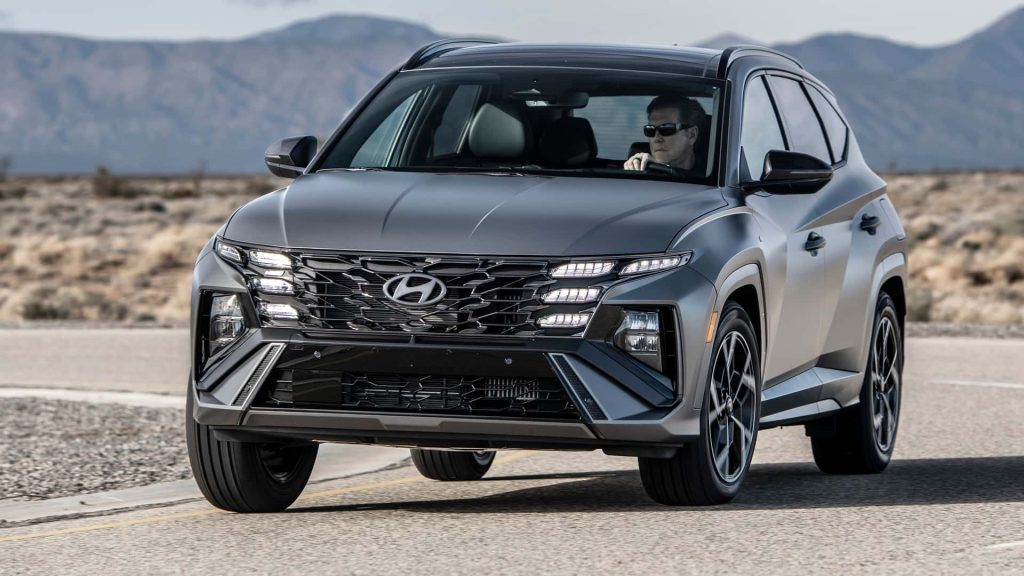
So the Escape wins if towing is included in the definition of practicality. But practicality also means passenger comfort, cargo flexibility, and the ease of using the vehicle every day. The Tucson’s spacious cabin and well-integrated family-oriented features give it the strongest balance.
The Equinox remains an excellent value-oriented choice, and the Escape offers more maximum cargo capacity according to Ford’s figures.
Still, Hyundai’s combination of interior room, comfort features, and flexible family packaging gives the Tucson the edge.
Winner: Hyundai Tucson
Technology and Safety
The Tucson takes the technology category because Hyundai has given the SUV a particularly impressive cabin interface and safety package.
The 2026 Tucson offers a 12.3-inch touchscreen display with navigation on applicable trims, along with a 12.3-inch digital instrument cluster. Higher trims can also add features such as a Blind-Spot View Monitor, Surround View Monitor, and Remote Smart Parking Assist.
That gives the Tucson a modern technology package even before buyers reach the most expensive versions.
The Tucson Hybrid also comes with a standard 12.3-inch touchscreen, while HTRAC AWD is standard on the hybrid configuration.
The Escape is also well equipped. Ford offers a 13.2-inch center touchscreen, SYNC 4, wireless Apple CarPlay and Android Auto compatibility, connected navigation, and Ford Co-Pilot360 Assist+ with adaptive cruise control on applicable configurations.
The Escape also has a useful feature that many buyers overlook: its available plug-in hybrid can provide an EPA-estimated 37 miles of electric driving range. That is not merely an efficiency figure; it changes how the vehicle can be used for short daily trips.
The Equinox counters with an 11.3-inch infotainment touchscreen and built-in Google. Chevrolet also says the 2026 model has more than 15 standard safety and driver-assistance features. Its standard safety package includes Automatic Emergency Braking, Front Pedestrian Braking, Lane Keep Assist with Lane Departure Warning, Forward Collision Alert, Following Distance Indicator, and IntelliBeam.
That is a strong standard safety package for a vehicle starting at $28,800. Chevrolet also offers useful higher-level equipment such as HD Surround Vision, Rear Cross Traffic Braking, and a Rear Camera Mirror.
So this category is not a case of one vehicle having technology while the others do not. The Equinox has an excellent standard safety foundation and a large screen for its price.
The Escape has the largest center display of the three and adds impressive connected features.
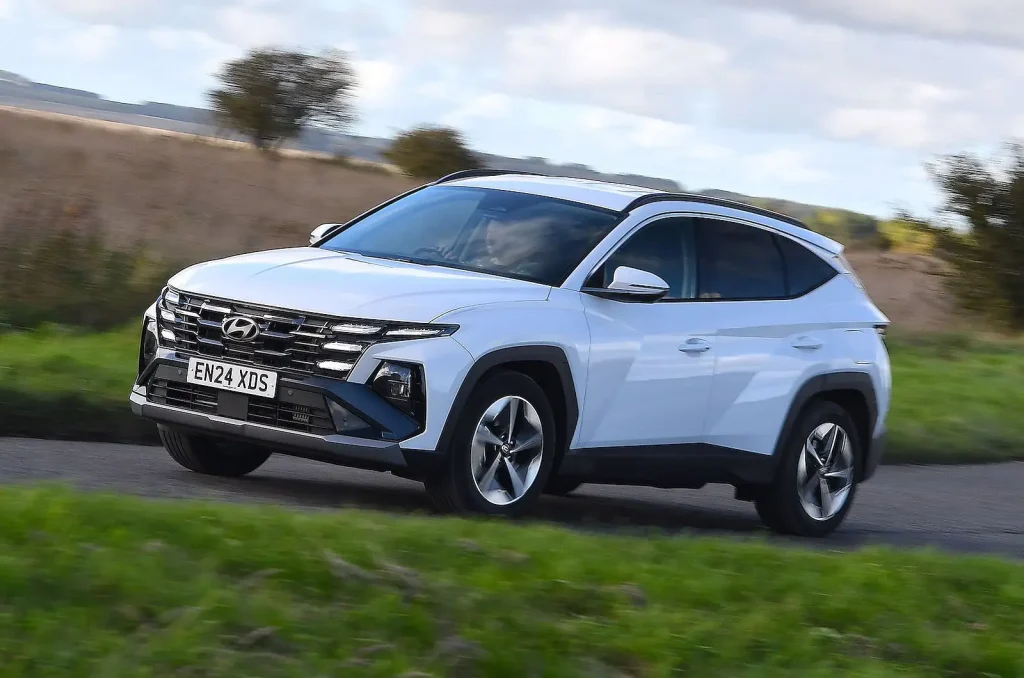
The Tucson, however, provides the strongest blend of large displays, premium technology and advanced camera-based driver assistance. Features such as the Blind-Spot View Monitor and Surround View Monitor are particularly useful in a vehicle that spends much of its time in crowded parking lots and urban traffic.
Hyundai also offers a strong warranty package, adding another ownership benefit to the technology story.
For buyers who want the cabin to feel modern and technologically advanced without immediately moving into a luxury SUV, the Tucson is the strongest choice.
Winner: Hyundai Tucson
Towing, Capability, and Everyday Driving
The final category brings together several factors that matter to SUV owners but do not necessarily show up in a horsepower comparison. The Escape has a major advantage when towing.
Ford rates the 2.0-liter EcoBoost Escape at up to 3,500 pounds when properly equipped. The smaller 1.5-liter EcoBoost is rated for up to 2,000 pounds, while the hybrid and plug-in hybrid versions are rated at 1,500 pounds.
That gives the Escape the highest towing ceiling of the three. The Tucson gasoline model can tow up to 2,750 pounds with trailer brakes, while the hybrid versions have lower limits depending on configuration.
The Equinox has a maximum towing rating of 1,500 pounds with the required factory-installed trailering equipment.
For a compact SUV, 3,500 pounds is a meaningful capability. It gives the Escape enough capacity for small recreational trailers, certain boats and utility trailers that would be beyond the limits of the Equinox.
The Escape also offers selectable drive modes designed to alter vehicle responses for different conditions. Ford lists Normal, Eco, Sport and Slippery modes, among others depending on configuration.
The Tucson has a strong capability story as well. Available HTRAC all-wheel drive provides traction in poor weather, and the gasoline model’s 2.5-liter engine is paired with an eight-speed automatic transmission.
The Tucson Hybrid goes further by making HTRAC AWD standard on its AWD versions, while the hybrid powertrain provides 231 horsepower.
That makes the Tucson particularly attractive to buyers who want an efficient SUV that can still handle snow, rain and rougher roads.
The Equinox is the least adventurous of the three. Its available AWD system provides additional traction, but its 175-horsepower engine and 1,500-pound towing rating show that Chevrolet has prioritized everyday family transportation rather than heavy recreational use.
For ordinary commuting, all three are easy to live with. The Equinox has the advantage of simplicity. There is one engine and a straightforward drivetrain strategy.
The Tucson offers excellent all-weather capability and a strong hybrid option. The Escape provides the most flexibility, from a fuel-efficient hybrid to a 250-horsepower turbocharged engine and a 3,500-pound towing capacity.
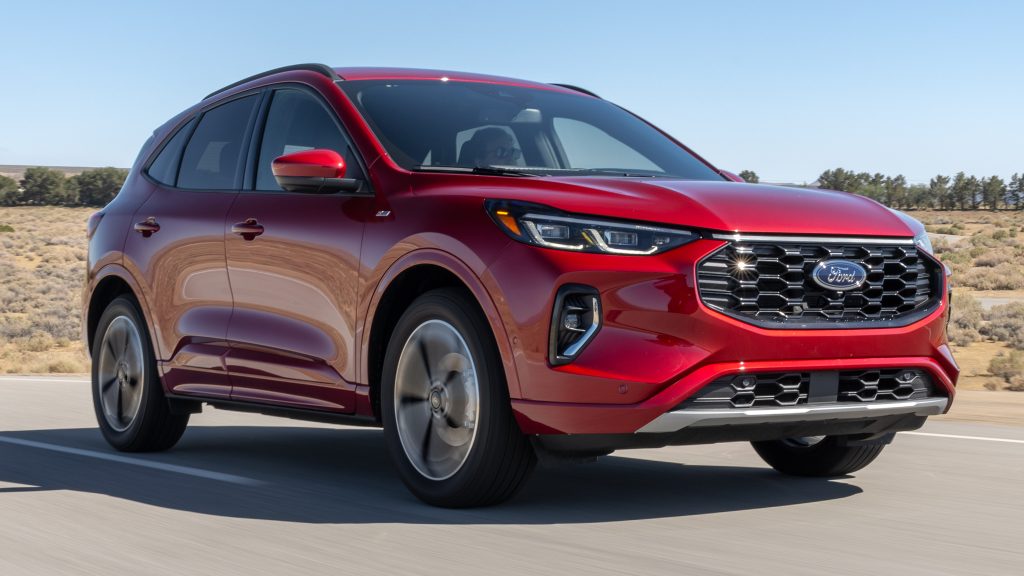
That ability to adapt to different owners is what gives Ford the edge. If you only need a daily commuter, the difference may not matter.
But if you want a compact SUV that can commute during the week, tow a small trailer on the weekend and still provide a choice between gasoline and electrified powertrains, the Escape is the most versatile package.
Winner: Ford Escape
The Ford Escape, Chevrolet Equinox and Hyundai Tucson are all competitive compact SUVs, but they win for different reasons.
The Chevrolet Equinox is the value choice. Its $28,800 starting price puts it below the Escape and many Tucson configurations, while the standard 1.5-liter turbo produces 175 horsepower and 203 lb-ft of torque. Chevrolet also gives it an 11.3-inch touchscreen and more than 15 standard safety and driver-assistance features.
The Hyundai Tucson is the technology and family-focused choice. Its standard gasoline engine produces 187 horsepower, while the hybrid produces 231 horsepower and the plug-in hybrid reaches 268 horsepower. It also offers a 12.3-inch touchscreen, extensive driver-assistance technology and generous interior flexibility.
The Ford Escape is the powertrain and capability specialist. It offers four powertrain choices, including a 250-horsepower 2.0-liter EcoBoost and a plug-in hybrid with up to 37 miles of EPA-estimated electric range. Its properly equipped 2.0-liter version can also tow up to 3,500 pounds.
The six-category results are close:
| Category | Winner | The Edge |
|---|---|---|
| Price and Value | Chevrolet Equinox | A lower starting price delivers strong equipment without expensive upgrades. |
| Powertrain and Performance | Ford Escape | Four powertrain choices provide the widest performance and efficiency range. |
| Fuel Economy | Ford Escape | Hybrid and plug-in options provide exceptional efficiency and electric driving range. |
| Interior Space and Practicality | Hyundai Tucson | Spacious cabin and flexible features make it especially family-friendly. |
| Technology and Safety | Hyundai Tucson | Large displays and advanced available driver-assistance technology strengthen its package. |
| Towing, Capability and Everyday Driving | Ford Escape | Strongest towing rating and broad powertrain lineup improve everyday versatility. |
