Buying a car with 100,000 miles can feel risky, but mileage alone does not tell the full story. Some vehicles remain dependable well beyond this point when owners follow regular maintenance, while others can become expensive once major components begin to age.
The key is knowing which models have proven powertrains, manageable repair needs, and strong long-term durability. This guide looks at four cars that can make sensible purchases around 100,000 miles and four that deserve greater caution.
Service history, condition, ownership habits, engine choice, and a professional inspection should always influence the final buying decision before purchase.
4 Cars Safe to Buy at 100,000
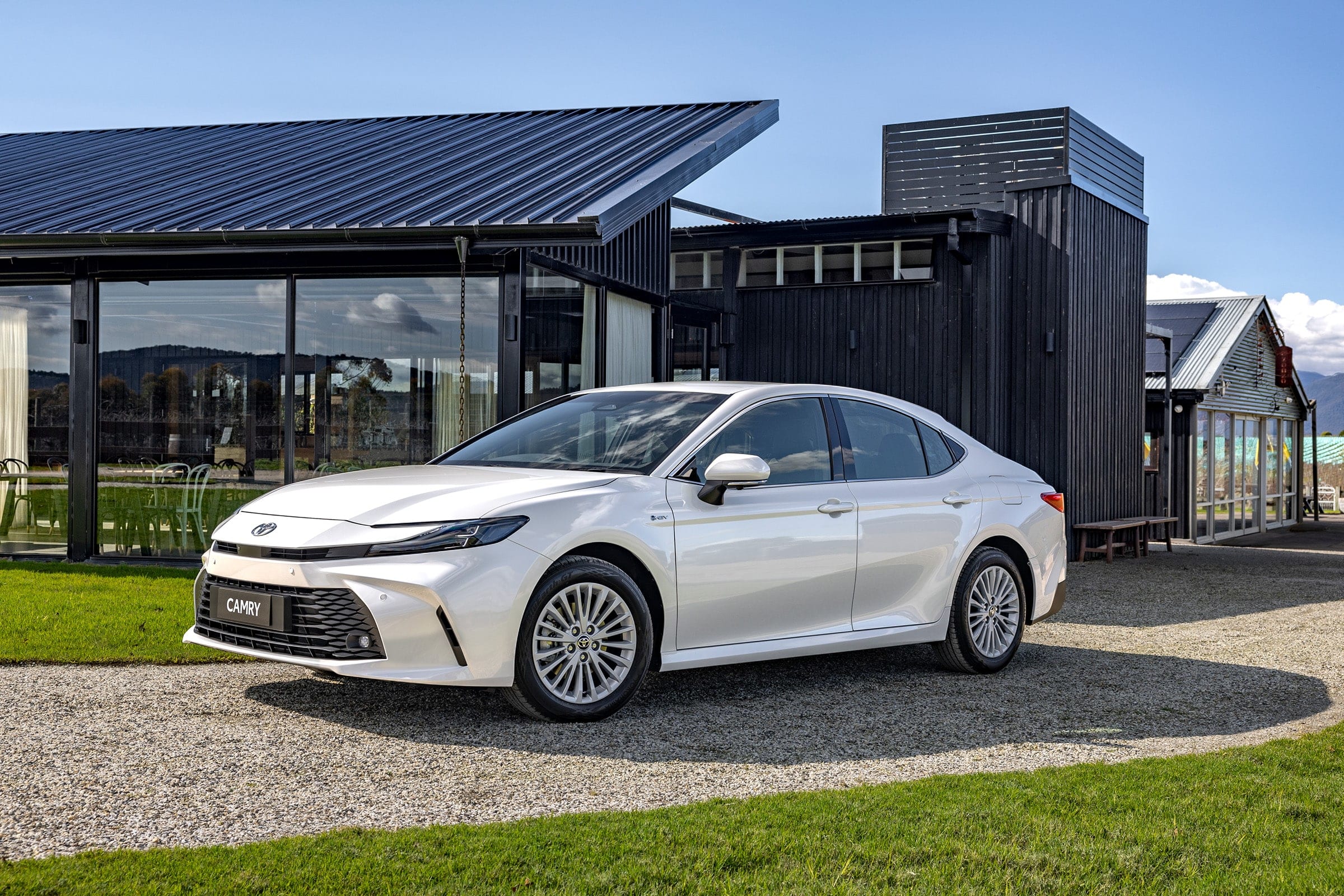
1. Toyota Camry
The Toyota Camry has earned a strong reputation for durability, making it a sensible choice for buyers looking at cars with around 100,000 miles. Its reputation comes from relatively straightforward mechanical design, widely available parts, and powertrains that have accumulated years of real-world use.
A properly maintained Camry can continue providing reliable transportation well beyond the 100,000-mile mark. The important point is that a high mileage Camry should not be judged by its odometer alone. Maintenance records, fluid condition, accident history, and evidence of neglected repairs can tell you much more about the vehicle’s future.
A Camry approaching six figures should receive a careful inspection before purchase. The engine should start smoothly from cold, idle consistently, and show no signs of excessive smoke. Transmission operation should also be smooth, with no harsh engagement, slipping, unusual noises, or delayed shifts.
Suspension components, wheel bearings, brakes, steering parts, and rubber components can naturally wear with age. These repairs do not automatically make the car a poor purchase. They simply need to be reflected in the price and budget.
Engine choice matters too. Several Camry generations have used naturally aspirated four-cylinder engines that are relatively simple compared with many modern turbocharged engines. Certain V6 versions can also be very durable when maintained correctly.
Buyers should research the exact model year and engine rather than assuming every Camry has identical reliability. Oil consumption, cooling system condition, transmission service, and previous repair work deserve particular attention. A vehicle with 100,000 miles and excellent records can be a much better purchase than a 70,000-mile example that has been neglected.
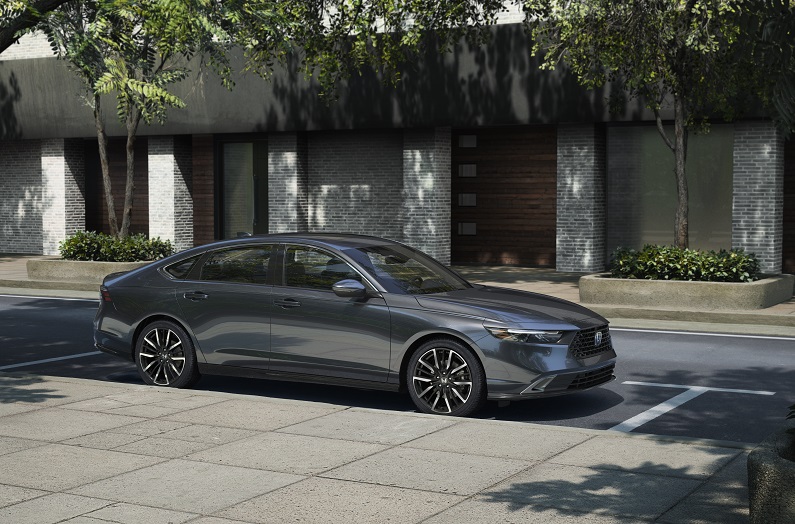
2. Honda Accord
The Honda Accord is another sedan that can make sense around 100,000 miles when it has been properly maintained. Its long production history means there is extensive experience with its engines, transmissions, suspension systems, and other mechanical components.
Many Accord owners keep their cars for well over a decade, which makes the model especially relevant for used car buyers. A 100,000-mile Accord is not automatically near the end of its useful life. With proper care, it may still have substantial service life remaining.
Inspection is particularly important because the Accord has been sold with many different engines and transmissions over the years. Buyers should identify the exact generation and powertrain before making a decision.
Naturally aspirated engines can offer a simpler ownership experience, while certain turbocharged versions introduce additional components that should be checked carefully. Automatic transmission behavior deserves close attention during a test drive. Smooth acceleration, consistent shifting, and the absence of strange noises are encouraging signs.
Maintenance records can make a major difference. Look for evidence of regular oil changes and scheduled services rather than relying on verbal assurances from the seller. If the car has had transmission fluid changes when recommended for its specific model, that is useful information.
The same applies to cooling system service, brake work, suspension repairs, and timing belt replacement on engines that use belts. A seller who can produce invoices and service documentation gives you a much clearer picture of how the vehicle has been treated.
Older Accords may also have age-related issues unrelated to the engine itself. Rubber bushings, shocks, motor mounts, air conditioning components, batteries, alternators, and wheel bearings can eventually need replacement.
These are normal concerns for a high mileage vehicle and should not automatically scare away a buyer. What matters is whether the car has a manageable collection of maintenance needs or several serious problems developing at the same time.
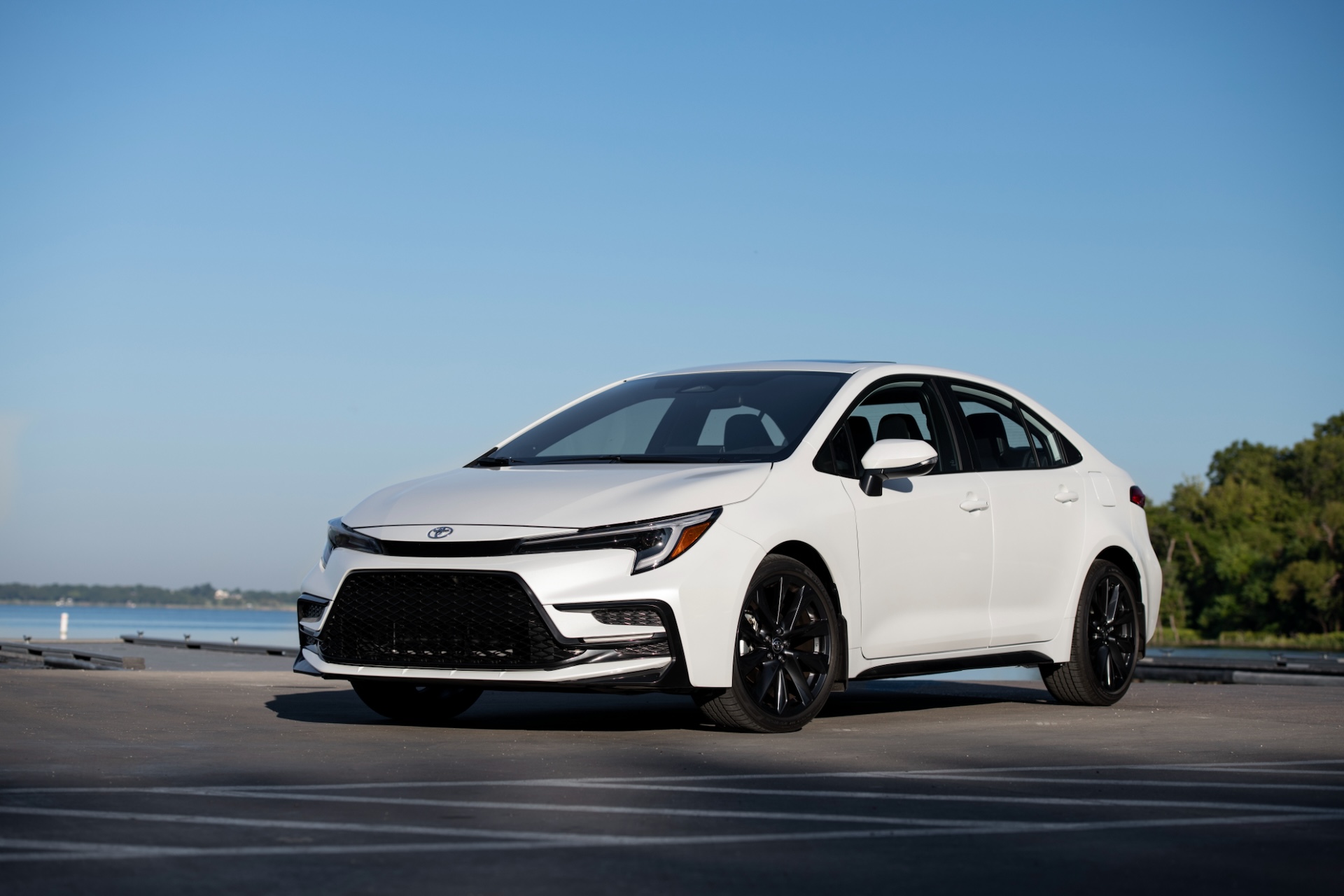
3. Toyota Corolla
The Toyota Corolla is a particularly attractive option for someone who wants an inexpensive used car that can continue serving as daily transportation after reaching 100,000 miles.
Its basic mission has remained focused on practical transportation rather than extreme performance or complicated luxury equipment. That simplicity can be helpful as vehicles age. A well-maintained Corolla may not feel exciting, but it can provide exactly what many used car buyers need: dependable commuting without excessive complexity.
A Corolla at this mileage should still receive a complete inspection. Check for oil leaks, coolant leaks, worn suspension components, damaged engine mounts, brake wear, uneven tire wear, and corrosion.
The transmission should operate smoothly, and the engine should not produce unusual knocking, ticking, or excessive smoke. If the vehicle has a continuously variable transmission, make sure its operation feels normal and check the service history for the specific model. A professional inspection is inexpensive compared with repairing a neglected drivetrain.
The condition of the interior can also provide clues about how the car was treated. Excessive wear on the steering wheel, pedals, seats, and controls can sometimes indicate heavy use.
That does not mean a worn interior makes the car mechanically bad, but it can help buyers understand its history. A Corolla used for long highway trips may have accumulated many miles with relatively gentle operation, while a lower mileage car used for constant short journeys and harsh urban driving may have experienced different stresses.
Another strength is the availability of replacement parts and experienced mechanics. Corolla components are commonly supported by independent garages, making routine maintenance relatively accessible. Buyers should still avoid assuming that every repair will be cheap.
Air conditioning problems, suspension work, catalytic converter replacement, transmission issues, and electrical faults can become expensive depending on the generation. The goal is to choose a car where the major mechanical systems are healthy at the time of purchase.
At 100,000 miles, a Corolla can be an excellent value when its service history is consistent. It is especially appealing for drivers who prioritize low operating costs and practical transportation. Do not pay a premium simply because the badge has a reputation for reliability.
Instead, compare condition, maintenance records, accident history, tire quality, and inspection results. A properly cared for Corolla with 100,000 miles can make much more sense than a neglected example with considerably fewer miles.
4. Lexus RX
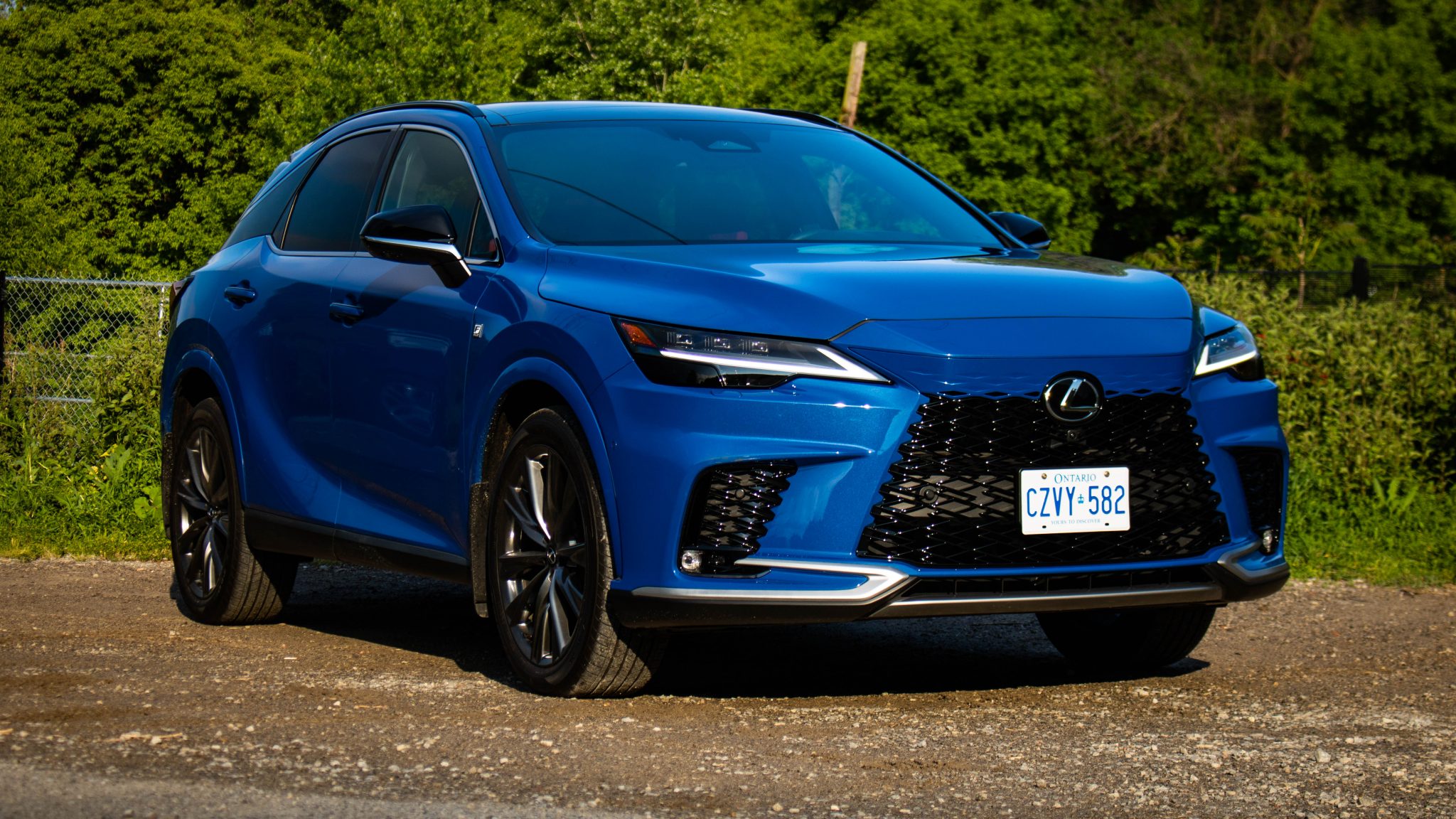
The Lexus RX is a different type of high mileage purchase because it combines a luxury vehicle with a reputation for relatively strong dependability.
A well-maintained RX around 100,000 miles can still offer a comfortable cabin, quiet highway driving, and useful passenger space. Its connection to Toyota engineering is part of its appeal, but buyers should remember that luxury equipment introduces more components that can age. The right RX can be a good purchase, but careful inspection remains essential.
The powertrain should receive the greatest attention. Start the engine from cold and listen for abnormal noises. During the test drive, check acceleration, transmission behavior, steering response, braking, and suspension operation.
Hybrid versions require additional attention to the hybrid system and battery condition. A hybrid battery warranty can vary by model year and market, so buyers should verify the specific vehicle rather than relying on general assumptions.
Luxury equipment deserves the same scrutiny as the engine. Test every seat adjustment, window, lock, camera, screen, climate control function, audio system, sunroof, and driver assistance feature.
A small electronic fault may not affect the vehicle’s ability to drive, but repairs can become expensive when multiple systems share complicated modules. A 100,000 mile luxury vehicle should therefore be evaluated as both a mechanical machine and an electronic product.
The RX has performed strongly in dependability measurements. J.D. Power’s 2024 Vehicle Dependability Study ranked the Lexus RX highest in the midsize premium SUV segment, while the Toyota Highlander placed third in its upper midsize SUV segment.
Such rankings do not guarantee that an individual used RX will be trouble free, but they provide useful context when comparing established models.
The best high mileage RX is one with complete service records and evidence that the owner addressed problems promptly. Buyers should have the vehicle inspected by a mechanic familiar with Lexus or Toyota products before paying.
Check for leaks, suspension wear, cooling system problems, brake condition, tire age, and electronic faults. If the vehicle passes inspection and the price reflects its mileage, a 100,000-mile RX can be a compelling choice for someone seeking comfort without stepping into the maintenance risks associated with some European luxury SUVs.
4 That Are Not

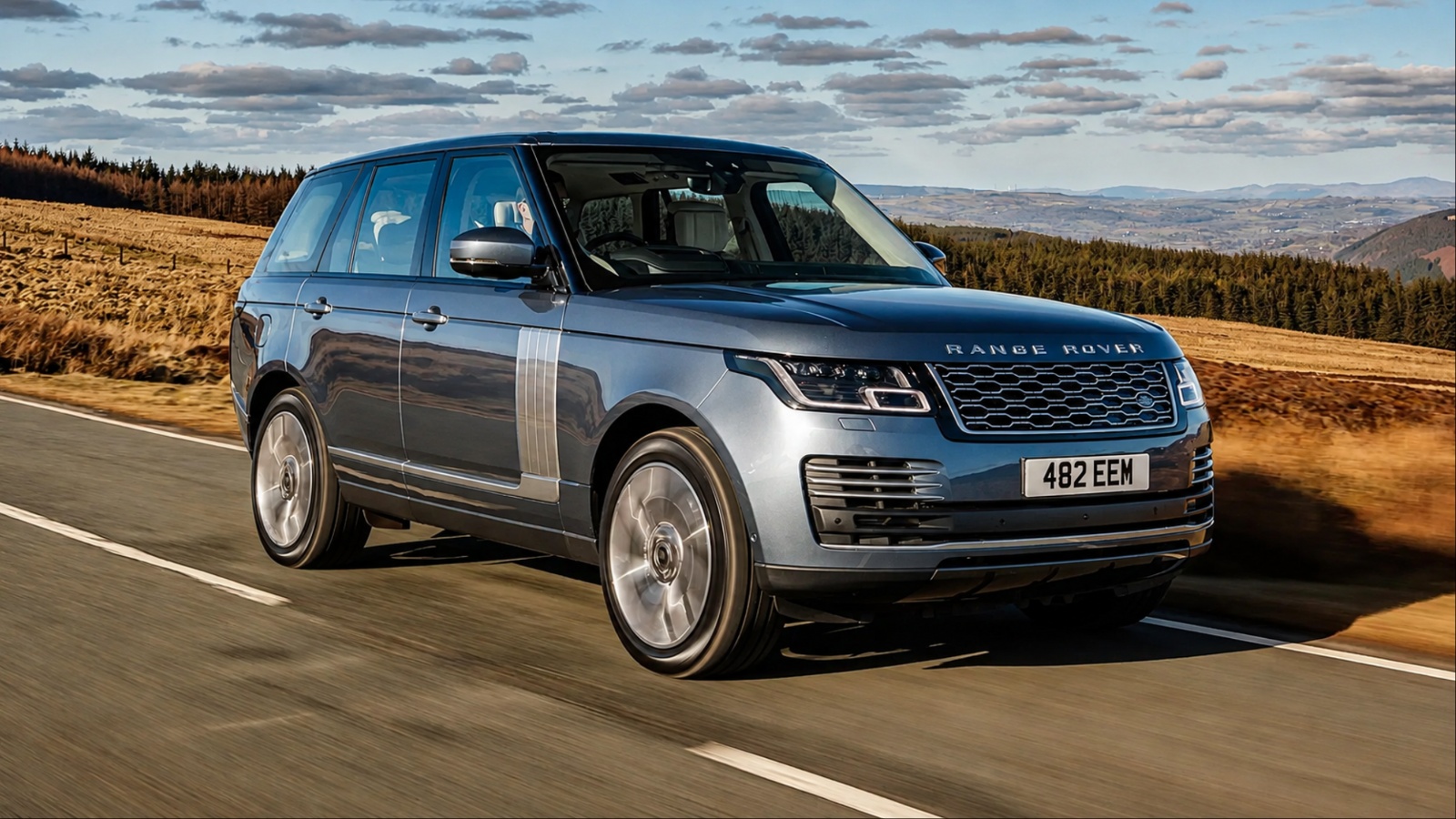
1. Land Rover Range Rover
The Range Rover offers tremendous comfort, capability, technology, and road presence, but buying one at 100,000 miles requires a very different financial mindset.
A low purchase price can be misleading because the vehicle may contain numerous expensive systems that have accumulated significant wear. Air suspension, advanced electronics, complex drivetrains, luxury features, and powerful engines can all require substantial investment as the vehicle ages.
The suspension deserves particular attention. If the vehicle uses air suspension, make sure it rises and lowers correctly and remains level after being parked. A vehicle that sits unevenly can signal a problem.
Electrical equipment should also be tested carefully. Seats, tailgate functions, climate controls, infotainment systems, cameras, lights, and other features should work correctly. What Car? specifically advises used Range Rover buyers to check the electrical systems and air suspension carefully.
Engine and drivetrain condition are equally important. Look for oil leaks, coolant leaks, warning lights, unusual noises, rough starting, and transmission problems.
A professional diagnostic scan should be part of the buying process. The technician should look for stored fault codes, not merely visible warning lights. A vehicle can have developing problems even when the dashboard appears normal during a short test drive.
Reliability data reinforces the need for caution. What Car? has reported a long history of reliability concerns for Land Rover, even while noting improvements in some recent results. Its 2025 brand ranking placed Land Rover 26th among 30 brands.
iSeeCars estimates an average Range Rover lifespan of roughly 113,000 miles, with a relatively small estimated chance of reaching 200,000 miles. These figures do not mean every Range Rover becomes unreliable at 100,000 miles, but they illustrate why buyers should not treat six figures as a routine milestone.
A 100,000-mile Range Rover can make sense for an enthusiast with a substantial repair budget and access to a specialist. For a buyer seeking inexpensive, predictable transportation, it is a much harder recommendation.
The purchase price should leave room for repairs, and a pre-purchase inspection should be non-negotiable. If the seller refuses inspection or cannot provide service records, walking away is usually the smarter financial decision.

2. BMW X5
The BMW X5 is an excellent driving machine, but a 100,000-mile example can carry substantial financial risk. The SUV combines strong engines, advanced electronics, sophisticated suspension systems, and premium equipment.
These features contribute to its excellent driving experience, yet they also mean there are more expensive components to maintain as the vehicle ages. A low asking price should therefore be viewed as a starting point for investigation, not an automatic bargain.
Engine selection is critical. Different generations have used different engines, and reliability can vary significantly. Some older turbocharged engines have developed reputations for expensive problems when maintenance has been neglected.
Autoblog’s 2026 X5 reliability guide specifically warns about fragile turbocharged engines in certain older generations and identifies cooling system maintenance as an important concern.
The X5’s suspension should receive careful attention too. Adaptive or air suspension components can be expensive when they fail. Look for uneven ride height, unusual noises, excessive bouncing, or warning messages.
Cooling system components also deserve scrutiny because an overheating problem can cause serious engine damage. During inspection, check hoses, pumps, expansion tanks, radiators, and evidence of previous overheating.
Reliability statistics show a more nuanced picture than simply calling every X5 unreliable. iSeeCars estimates an average X5 lifespan of about 132,545 miles and gives the model a 7.3 out of 10 reliability rating. More recent X5 versions have also performed better in some reliability surveys.
What Car? reported a 96.2% reliability rating for 2018-present petrol and plug-in hybrid X5 models in its luxury car survey, with diesel versions reporting more faults in that dataset.
The problem for a 100,000-mile buyer is that a reliable model can still be expensive to repair. BMW parts and specialist labor can cost more than comparable mainstream vehicles.
The X5 can be a reasonable purchase if the buyer understands those costs, selects a strong model year and engine, and finds a vehicle with excellent records. For someone seeking simple ownership, however, a high mileage X5 deserves considerably more caution than a Camry, Accord, or Corolla.
3. Audi A4
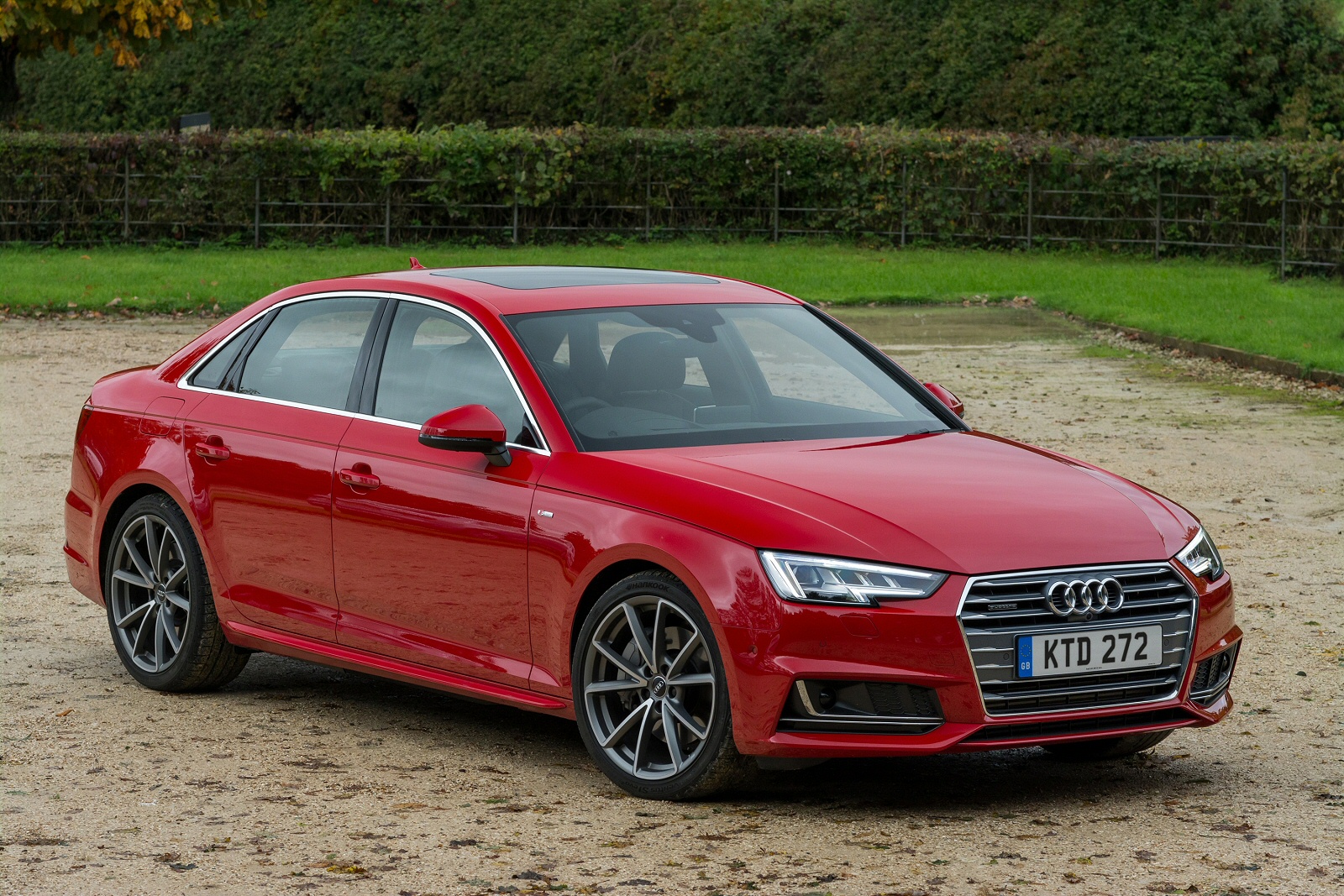
The Audi A4 can look remarkably attractive on the used market because depreciation can make an older luxury sedan appear affordable.
The challenge is that its purchase price does not eliminate the cost of maintaining a premium European vehicle. At 100,000 miles, buyers need to consider the condition of the engine, transmission, electronics, cooling system, suspension, and emissions equipment rather than focusing primarily on the price.
The exact engine and transmission combination matter greatly. Different A4 generations have had different mechanical concerns, so broad statements about every A4 are unreliable.
Some engines have experienced oil consumption issues, while certain diesel models can develop particulate filter problems when they spend much of their lives on short urban trips. What Car? notes that diesel A4s can experience DPF issues when the engine does not get hot enough for proper regeneration.
A test drive should be thorough. Pay attention to transmission shifts, engine response, steering, suspension noise, braking, and warning lights. Check the infotainment system and every electrical function.
If the vehicle has a turbocharged engine, inspect for signs of poor maintenance or boost-related faults. A scan with appropriate diagnostic equipment is particularly useful because premium vehicles can store electronic fault information that may not immediately appear on the dashboard.
Service history is perhaps the most important factor. Look for invoices showing scheduled maintenance and evidence that previous owners addressed faults promptly.
An A4 that received regular servicing can be substantially safer financially than an identical car that was serviced only when something broke. Ask whether major maintenance items were completed and verify the answers with documentation wherever possible.
The A4 is not a bad car, but a 100,000 mile example should not be purchased purely because it looks like a luxury bargain. What Car?’s reliability survey has reported mixed results for the A4, including complaints involving electrical systems, automatic gearboxes, and diesel particulate filters.
Buyers who want an A4 should budget for specialist maintenance and insist on a detailed inspection. If the financial reserve is small, a simpler mainstream sedan is generally the safer choice.

4. Jaguar XF
The Jaguar XF can be tempting at 100,000 miles because its depreciation often places a premium car within reach of buyers who could not afford it new.
The XF offers attractive styling, a comfortable cabin, and an engaging driving experience. The concern is that an aging luxury vehicle can have expensive mechanical and electronic requirements. The lower purchase price does not necessarily translate into lower ownership costs.
Before purchasing an XF, inspect the engine, transmission, cooling system, suspension, brakes, steering, and electrical equipment. Check the car from cold rather than allowing the seller to warm it up before arrival. A cold start can reveal noises, rough running, smoke, or warning lights that may disappear once the engine reaches operating temperature.
Electrical equipment deserves special attention. Test the infotainment system, climate control, windows, locks, seats, cameras, parking sensors, lighting, and dashboard displays.
A single malfunction may be manageable, but multiple electronic faults can suggest broader age-related problems. Make sure every warning light goes through its normal startup sequence and then switches off as expected.
Diesel versions require additional scrutiny if the vehicle was used primarily for short trips. Diesel emissions equipment can require specific operating conditions and maintenance, and a neglected system can create expensive repair bills.
Buyers should also verify whether scheduled maintenance was completed at the correct intervals. A complete history is far more valuable than a seller’s claim that the car has always been reliable.