
An electric vehicle can be more than transportation when its battery is designed to send electricity back out. With the right bidirectional charging equipment, some EVs can supply power to a home’s electrical system during an outage, turning a parked vehicle into a large backup battery.
Others can provide electricity to individual appliances through vehicle-to-load outlets, while conventional gasoline cars generally cannot export usable household power without separate equipment.
This difference is becoming increasingly important as EV technology develops. Here are five vehicles that can provide meaningful home power and five that cannot, along with what makes each one suitable or unsuitable for the job.
5 Cars That Can Power Your House
1. Ford F-150 Lightning
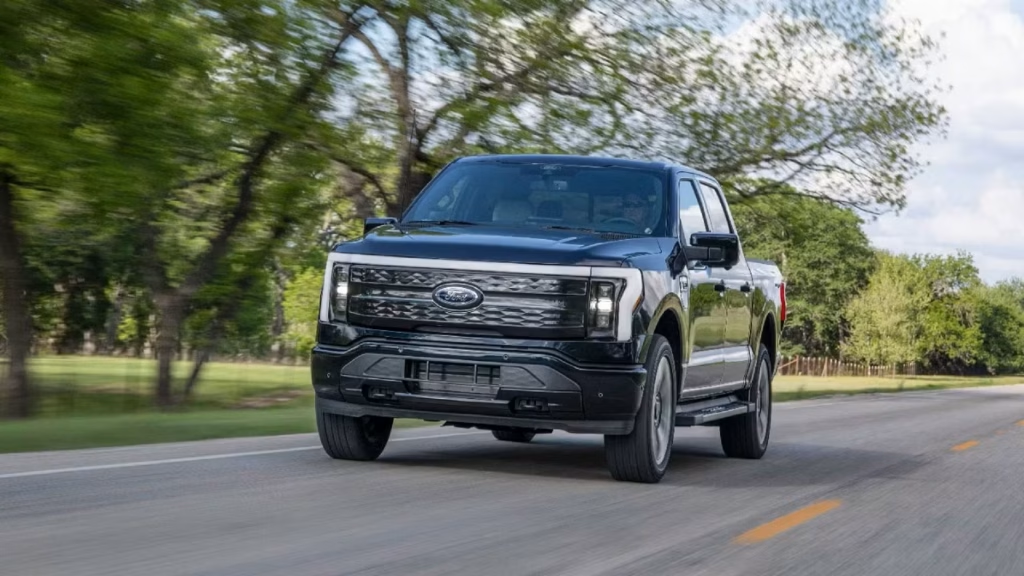
The Ford F-150 Lightning is one of the clearest examples of an EV designed to function as a home backup battery. Ford’s Intelligent Backup Power system allows the truck to send stored energy back into a properly equipped home, with the Extended-Range battery capable of providing up to 9.6 kW of power through the compatible home setup.
The important part is that the truck does not simply have a convenient electrical outlet. Ford developed an integrated system involving the F-150 Lightning, Ford Charge Station Pro, and home integration equipment. During a grid outage, the system can isolate the home from the utility supply and use energy stored in the truck’s battery instead.
That makes the Lightning particularly useful for households that experience unreliable electricity. Essential circuits can continue operating while the grid is unavailable, allowing owners to keep refrigerators, lighting, communications equipment, and other important loads running without relying exclusively on a conventional gasoline generator.
The truck’s enormous battery is what makes the concept practical. The extended-range pack is listed at 131 kWh, giving it a substantial energy reserve compared with many portable backup batteries.
There is still an important limitation: the system requires compatible hardware and professional installation. Simply parking an F-150 Lightning in the driveway does not automatically turn a house into a battery-backed property.
The Lightning belongs at the front of this list because Ford built a complete home-backup ecosystem around the truck. It demonstrates that an EV can serve two roles at once: transportation during normal conditions and a substantial emergency energy source when the power goes out.
2. Chevrolet Silverado EV
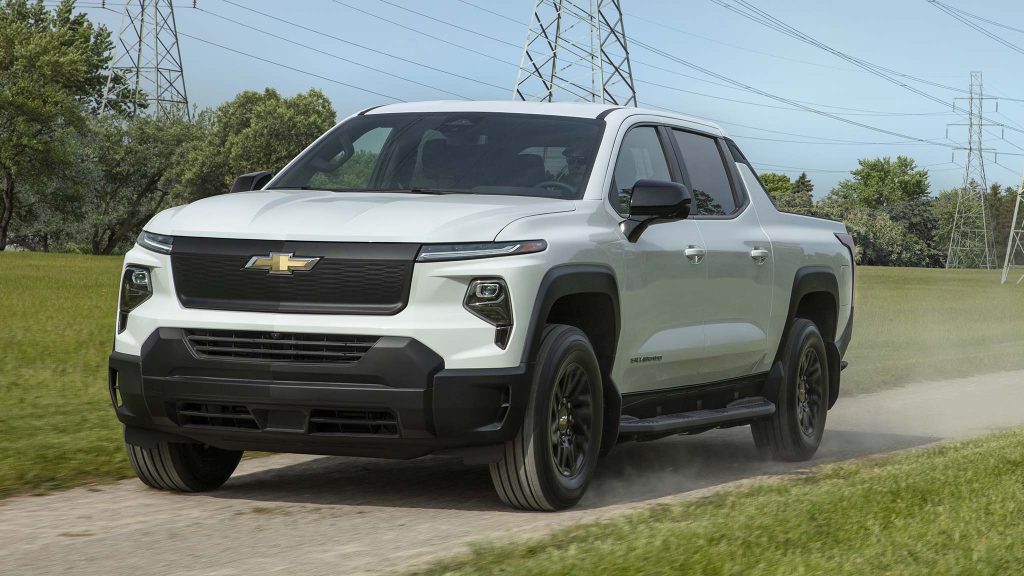
The Chevrolet Silverado EV represents General Motors’ push to turn its Ultium-based electric vehicles into mobile energy-storage systems.
Unlike an ordinary EV that simply accepts electricity from the grid, the Silverado EV can be equipped for bidirectional energy flow and home backup through GM Energy’s compatible charging and home-energy equipment.
Its large battery is particularly important. Depending on configuration, Silverado EV versions can have exceptionally large energy-storage capacity, giving the truck the potential to keep essential household loads running for an extended period when paired with the appropriate V2H hardware.
GM’s system is designed around a bidirectional charger and additional home equipment rather than a simple extension cord. That distinction matters because safely powering a house during a blackout requires the home to be isolated from the utility grid. Without that protection, electricity could flow backward into utility lines.
The Silverado EV also demonstrates how the technology is moving beyond a handful of niche vehicles. GM has expanded bidirectional charging capabilities across its Ultium-based lineup, creating an ecosystem in which the vehicle battery can become part of the home’s energy system.
For homeowners, the appeal goes beyond emergency use. A properly configured system can potentially allow stored vehicle energy to be used when electricity rates are high, depending on the available equipment, utility rules and local regulations.
The Silverado EV earns its place because it combines a very large battery with genuine home-energy functionality. It is not simply an EV with a power outlet. With the required GM Energy hardware and installation, it can become a substantial backup-power source capable of supporting household electrical loads when the grid is unavailable.
3. Hyundai Ioniq 5
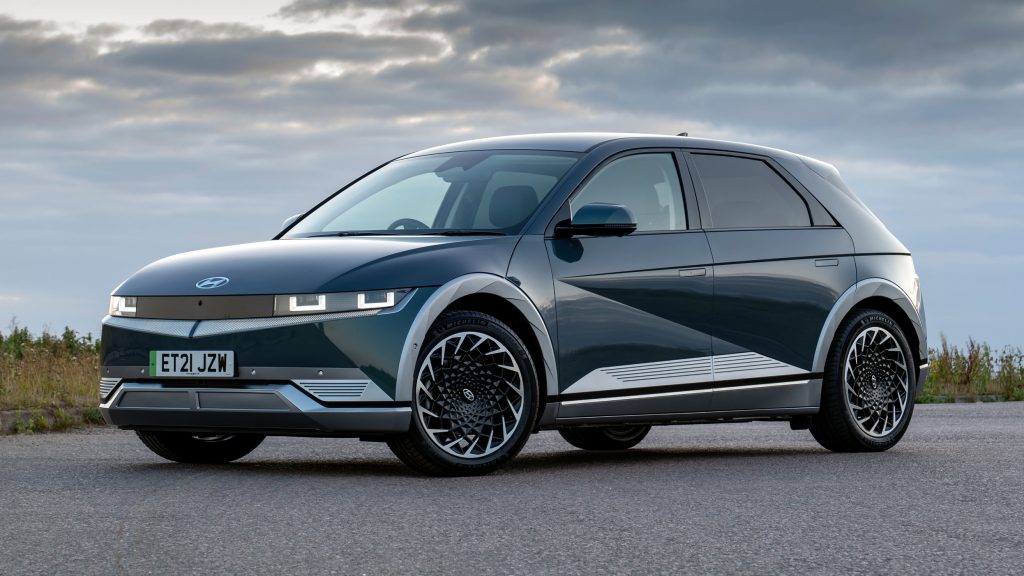
The Hyundai Ioniq 5 takes a different approach to backup power because its vehicle-to-load capability can turn the EV into a portable electricity source.
Depending on the market, model year, and equipment, the system can supply power through dedicated outlets or an adapter, allowing owners to operate appliances and other electrical equipment directly from the vehicle’s high-voltage battery.
That makes the Ioniq 5 particularly useful during an outage, although there is an important distinction between powering individual devices and powering an entire house. V2L can run selected appliances, but connecting the vehicle to a home’s electrical panel requires additional compatible equipment and a properly designed installation.
The usefulness of the system comes from the size of the Ioniq 5’s traction battery. Instead of carrying a small portable generator, an owner can use energy already stored in the vehicle. A refrigerator, lights, networking equipment, chargers, and other modest electrical loads can potentially be operated without starting an engine or carrying gasoline.
Hyundai’s V2L system is also valuable away from home. Camping trips, outdoor work, and emergencies can all benefit from having a substantial mobile electricity supply available. That makes the Ioniq 5 more versatile than an EV that can only accept energy from the grid.
For this list, the Ioniq 5 is important because it demonstrates that home-energy usefulness does not always require the same hardware as full V2H operation. Its ability to export electricity makes the battery useful even when the vehicle is parked.
Owners should still check the exact equipment and electrical limits of their model before connecting appliances. But the Ioniq 5 clearly shows how an EV can become an energy source rather than simply a vehicle.
4. Nissan Leaf
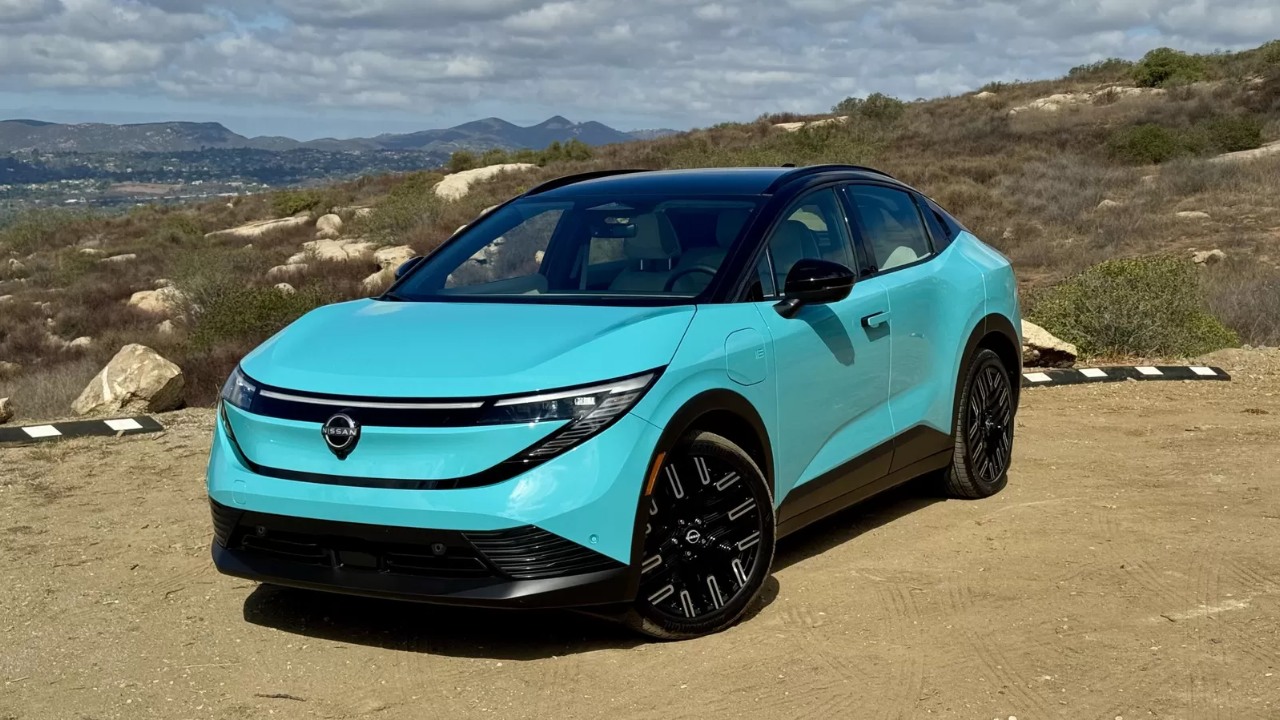
The Nissan Leaf is one of the pioneers of bidirectional EV technology and remains one of the most significant examples of a vehicle capable of sending stored battery energy back out for uses beyond driving.
Its CHAdeMO-based charging architecture has supported bidirectional applications such as vehicle-to-grid and vehicle-to-home systems in markets where compatible equipment is available.
That history gives the Leaf an unusual position among mainstream EVs. It was developed at a time when most electric cars were primarily treated as transportation devices. Nissan and its partners instead helped demonstrate that an EV battery could participate in a larger energy system.
With suitable bidirectional charging equipment, energy stored in the Leaf can be transferred to a home during an outage. The required setup is substantially more involved than plugging an appliance into an ordinary outlet. A compatible charger, home integration equipment, and appropriate electrical protection are necessary for safe operation.
The Leaf’s significance therefore comes from its architecture rather than simply its battery capacity. Its CHAdeMO connection has historically provided bidirectional functionality that many newer CCS-equipped EVs initially lacked.
For homeowners, that can turn an older Leaf into more than an inexpensive used EV. In the right region and with compatible equipment, it can serve as a stationary battery when parked at home.
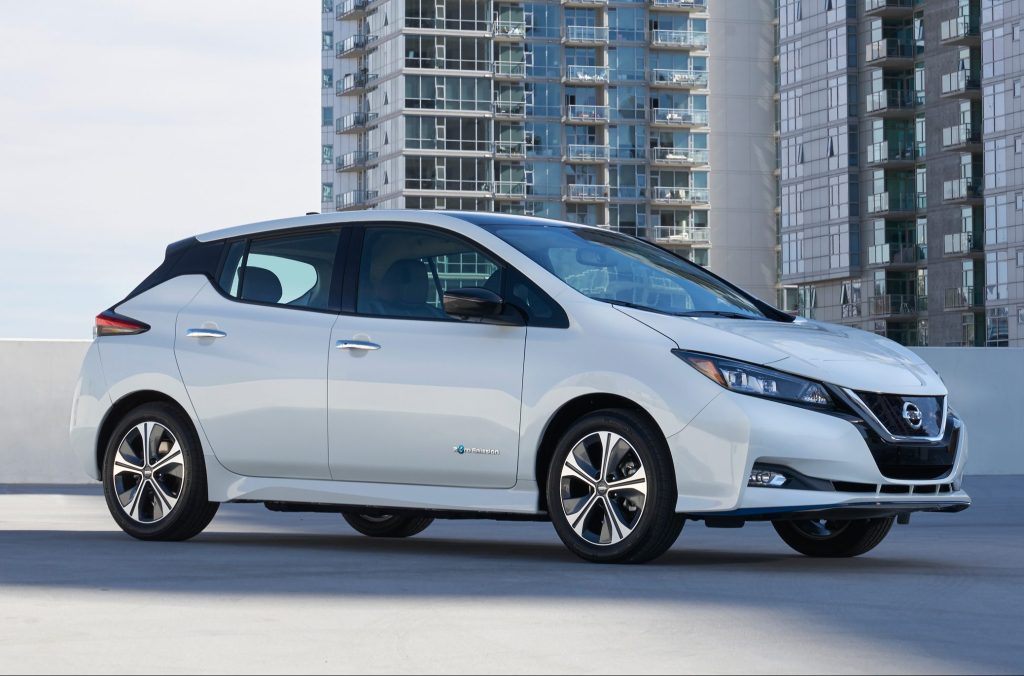
There are limitations. Equipment availability varies; CHAdeMO is becoming less common as the U.S. charging landscape shifts toward newer standards, and battery condition matters greatly on an older Leaf.
Still, the Leaf belongs in this group because it helped establish the idea that an EV could return electricity to the home. It remains an important example of vehicle-to-home technology and shows that bidirectional charging is not merely a recent development.
5. Ford F-150 Lightning Pro
The Ford F-150 Lightning Pro deserves the final spot because its ability to export electricity makes the truck useful well beyond transportation. Like other versions of the Lightning, it can participate in Ford’s Intelligent Backup Power system when equipped with the required charging and home-integration hardware.
The concept is straightforward. Electricity stored in the truck’s battery can be sent back toward the home during a grid outage, allowing selected household circuits to remain operational. Instead of depending entirely on a separate gasoline generator or portable battery, the owner can use the energy already carried by the truck.
The Lightning’s large battery is especially valuable here. A vehicle battery can hold vastly more energy than many small portable power stations, giving homeowners a much larger reserve to work with. Ford’s system can provide up to 9.6 kW of power with the appropriate extended-range setup, making it capable of supporting substantial household loads.
The key limitation is installation. A lightning bolt cannot simply be connected to a household outlet and used to energize an entire home. The compatible Ford charging equipment, home integration system, and proper electrical isolation are necessary.
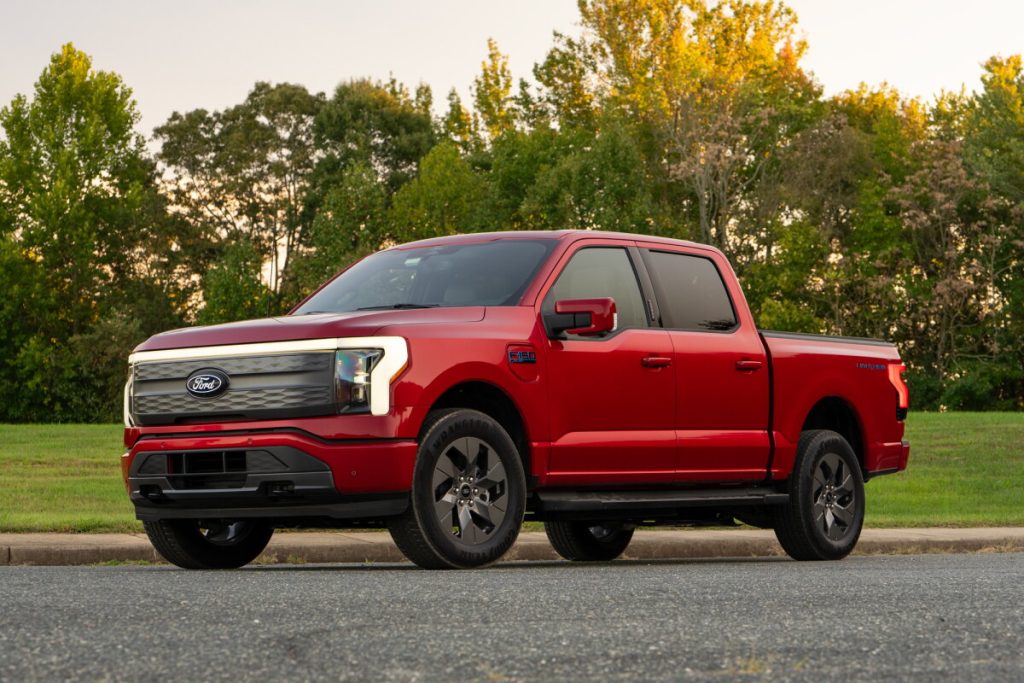
The truck can therefore serve two distinct purposes. During normal conditions, it is a pickup capable of daily driving and hauling. During a blackout, its battery can become an emergency energy source.
That dual-purpose capability is why the Lightning belongs among vehicles capable of powering a home. It demonstrates how the growing EV market can blur the traditional boundary between transportation and residential energy storage.
5 That Can’t
1. Toyota Camry Hybrid
The Toyota Camry Hybrid is an efficient electrified vehicle, but its hybrid battery is not designed to function as a home-energy storage system. Its battery supports the vehicle’s propulsion system and efficiency functions rather than providing a dedicated mechanism for exporting substantial electrical power to a house.
That difference is fundamental. The Camry Hybrid can recover energy through regenerative braking and use its battery to assist the gasoline engine, but that does not make the battery a bidirectional home-power source.
There is also no conventional vehicle-to-home system designed around the Camry Hybrid’s charging architecture because it is not a plug-in EV. The vehicle receives energy primarily through its gasoline engine and regenerative braking rather than connecting to the electrical grid through a high-voltage charging port.
This means an owner cannot simply install a home charger and expect the Camry to provide backup electricity. Its electrical system is designed around vehicle operation, not residential power delivery.
The distinction is important because hybrids can have surprisingly sophisticated electrical systems. They may contain high-voltage batteries, electric motors, and substantial power electronics, but those components serve the vehicle.
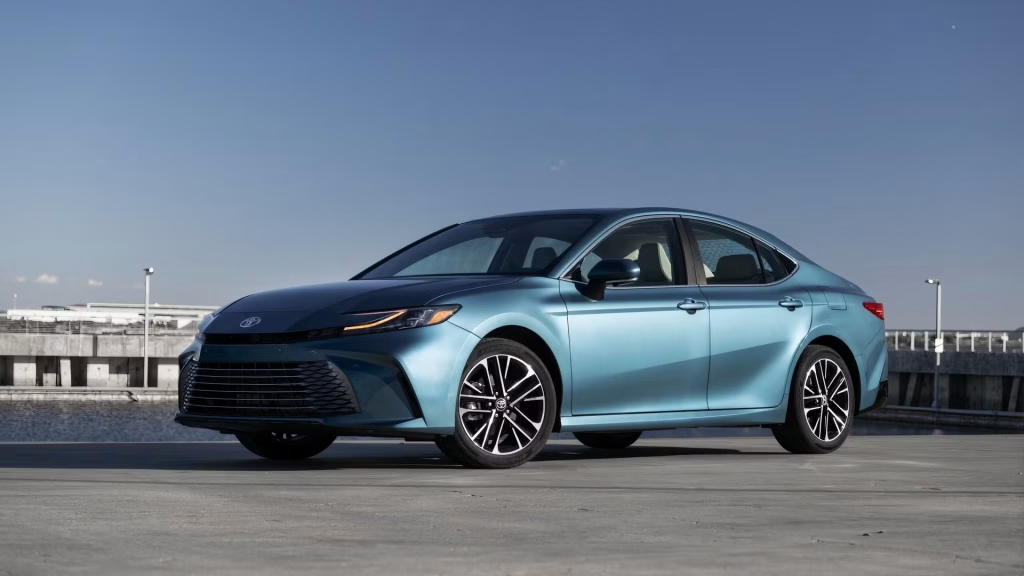
For this list, the Camry Hybrid represents the conventional hybrid approach. It improves fuel efficiency and reduces engine workload without turning the automobile into a household battery.
That could change with future technology, but for a standard Camry Hybrid, homeowners should not expect it to replace a generator or dedicated home battery during an outage. Its battery remains primarily a component of the vehicle’s propulsion system.
2. Honda CR-V Hybrid
The Honda CR-V Hybrid falls into a similar category. Its hybrid powertrain uses a battery and electric motors to improve efficiency, but the system is not intended to export stored energy into a home’s electrical system.
The presence of a high-voltage battery can make the vehicle appear suitable for backup power at first glance. However, the battery’s purpose is to assist propulsion, recover energy, and operate the hybrid system. It does not automatically provide a safe connection for household electrical circuits.
Unlike a vehicle equipped with a dedicated V2H system, the CR-V Hybrid does not have the necessary bidirectional home-energy interface. There is also no standard setup in which an owner can connect the vehicle to a home electrical panel and use its battery as residential storage.
That does not mean the vehicle lacks useful electrical capability. Its hybrid system can power the vehicle’s accessories and manage electrical loads internally. The limitation is that those functions remain inside the vehicle.
This example is important because it shows why simply having a hybrid battery is not enough. Home backup requires a coordinated combination of battery capacity, power electronics, software controls, electrical isolation and compatible charging equipment.
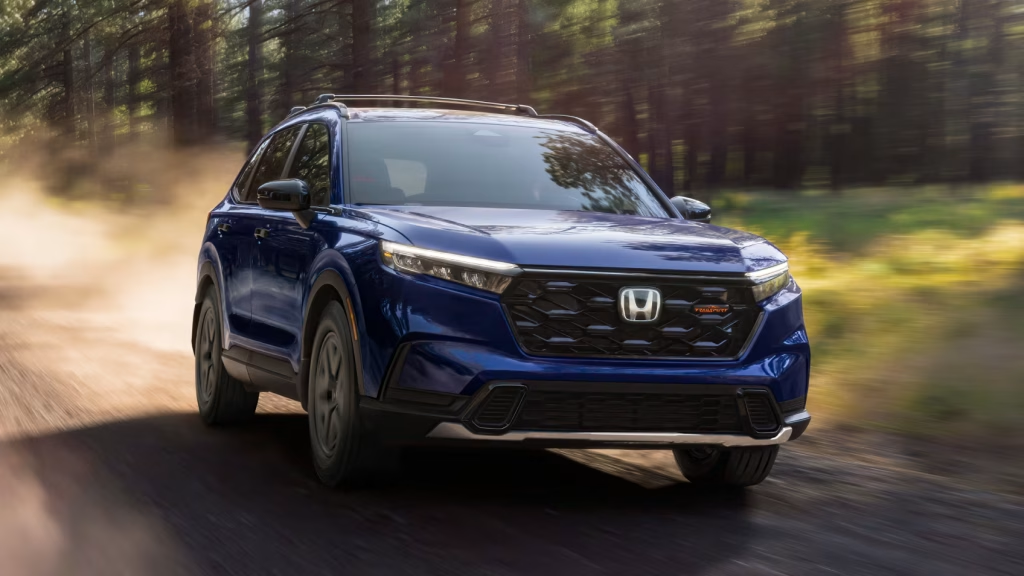
For a household seeking backup power, the CR-V Hybrid therefore cannot substitute for an EV specifically designed around bidirectional energy transfer. It remains a fuel-efficient crossover rather than a mobile home battery.
Its role is transportation first. While its hybrid technology can reduce gasoline consumption significantly, it does not provide the external electrical capability available from vehicles with dedicated V2H or V2L systems.
3. Ford Escape
The Ford Escape is another vehicle that cannot be treated as a home battery simply because it may have electrified powertrain technology. Its standard gasoline and hybrid versions are designed primarily around transportation, with their electrical systems supporting propulsion, accessories and vehicle controls rather than supplying electricity to a home’s electrical panel.
The distinction becomes particularly important with hybrid vehicles. A hybrid battery stores energy, but storage alone does not create vehicle-to-home capability. The vehicle also needs compatible power electronics, bidirectional energy controls and a safe method of transferring electricity outside the vehicle.
The Escape does not provide the dedicated whole-home backup system associated with vehicles such as the F-150 Lightning. A homeowner therefore cannot simply connect an ordinary charging cable or household extension cord and expect the vehicle to operate the house during an outage.
Even if the vehicle contains enough stored electrical energy to run certain systems internally, that energy remains part of the vehicle’s propulsion architecture. The battery is managed by the car’s control systems rather than being presented as a residential energy source.
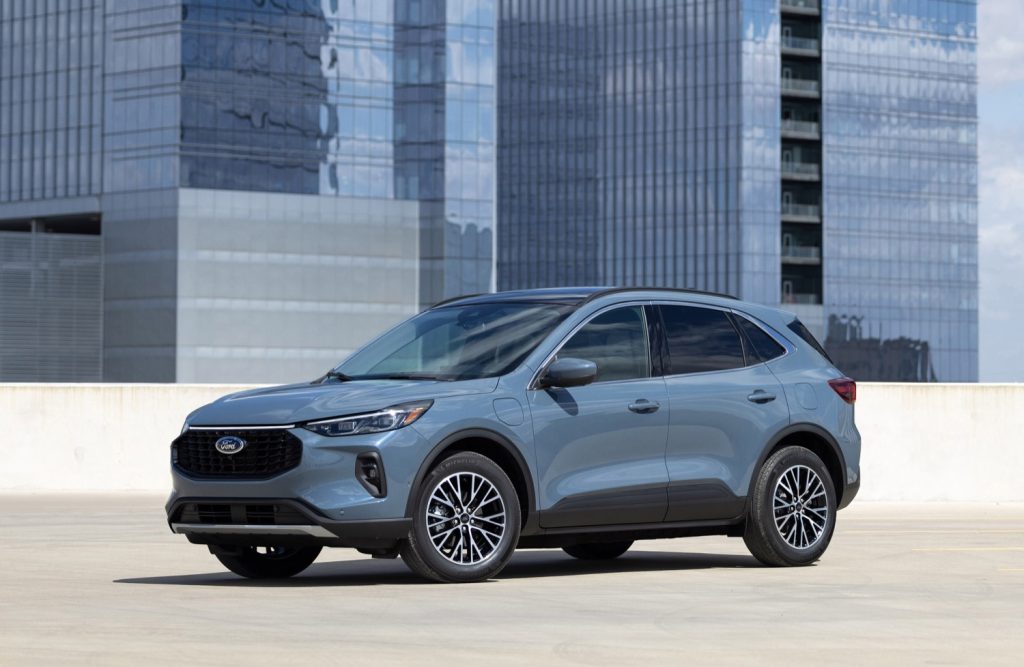
This makes the Escape useful as a reminder that electrification does not automatically equal bidirectional charging. A hybrid can deliver excellent efficiency while having no practical way to send its battery energy into a home.
For buyers interested in emergency backup, that distinction should be checked before purchasing. The Escape can be an efficient and practical crossover, but it should not be considered a replacement for a generator, dedicated home battery, or EV specifically engineered for V2H operation.
4. Tesla Model 3
The Tesla Model 3 represents a different case because it is a full battery-electric vehicle, yet the presence of a large traction battery does not automatically mean it can provide whole-home backup power. The Model 3 has traditionally been designed primarily to receive energy rather than return it through a dedicated V2H system.
That distinction can surprise EV owners. The battery contains a substantial amount of stored electricity, and the vehicle has sophisticated power electronics, but accessing that energy outside the vehicle requires hardware and software specifically designed for bidirectional operation.
The Model 3 does not provide the same integrated home-backup ecosystem associated with vehicles such as the Ford F-150 Lightning. Its standard charging setup is intended to replenish the battery from an external electrical source rather than reverse the process and supply a home’s electrical panel.
This means an owner should not assume that installing a high-powered home charger will automatically make the Model 3 a backup battery. Charging and discharging are separate functions, and a conventional EV charger does not provide the necessary bidirectional functionality.
The distinction is particularly important during blackouts. A Model 3 may still contain plenty of energy while the house has no electricity, but that stored energy is not automatically accessible to household circuits.
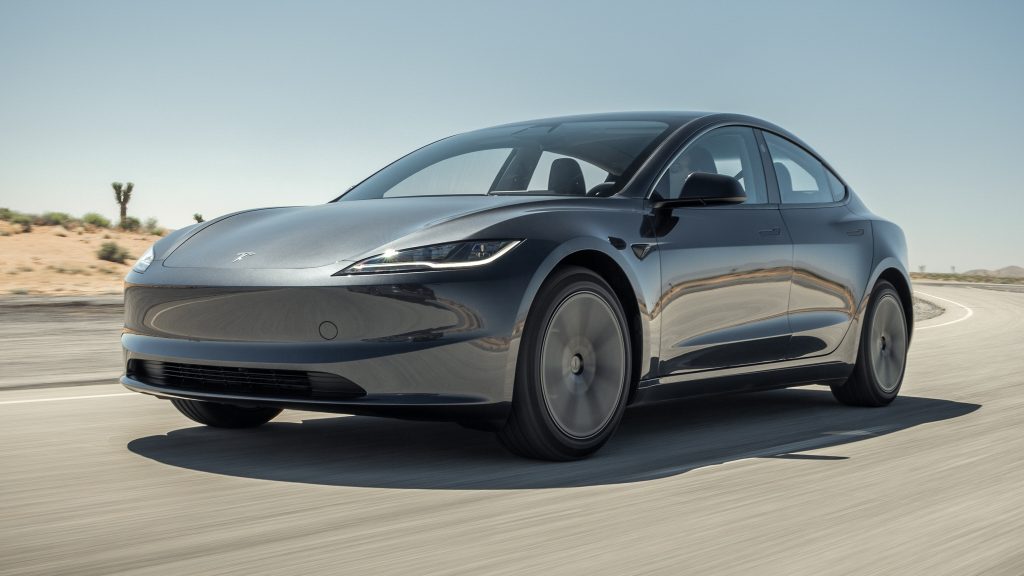
For this list, the Model 3 demonstrates why EV ownership and home-energy integration are not identical concepts. Battery capacity is only one part of the equation. Bidirectional hardware, software authorization, and electrical isolation are also required.
The Model 3 remains an efficient electric vehicle with a substantial battery, but without an approved V2H arrangement, owners should not count on it to operate their home’s electrical system during an outage.
5. Nissan Rogue
The Nissan Rogue is another vehicle that cannot be treated as a whole-home backup battery simply because it uses an electrified powertrain in some versions. Its standard U.S. lineup has focused on gasoline-powered and hybridized technology rather than providing a dedicated bidirectional charging system capable of supplying a home’s electrical panel.
That distinction is easy to miss when discussing modern electrification. A vehicle can use regenerative braking, electric assistance, and sophisticated battery management without having any mechanism for exporting stored energy to a house.
The Rogue’s electrical architecture is primarily designed around operating the vehicle itself. Its battery and power electronics support propulsion and onboard functions, but they are not configured as a residential energy-storage system.
There is no standard setup that allows an owner to connect the vehicle to a home’s electrical panel and safely operate household circuits during a blackout.
This is particularly important because household backup requires much more than available battery energy. The system needs bidirectional power conversion, communication between the vehicle and charger, appropriate transfer equipment and protection against sending electricity into the utility grid.
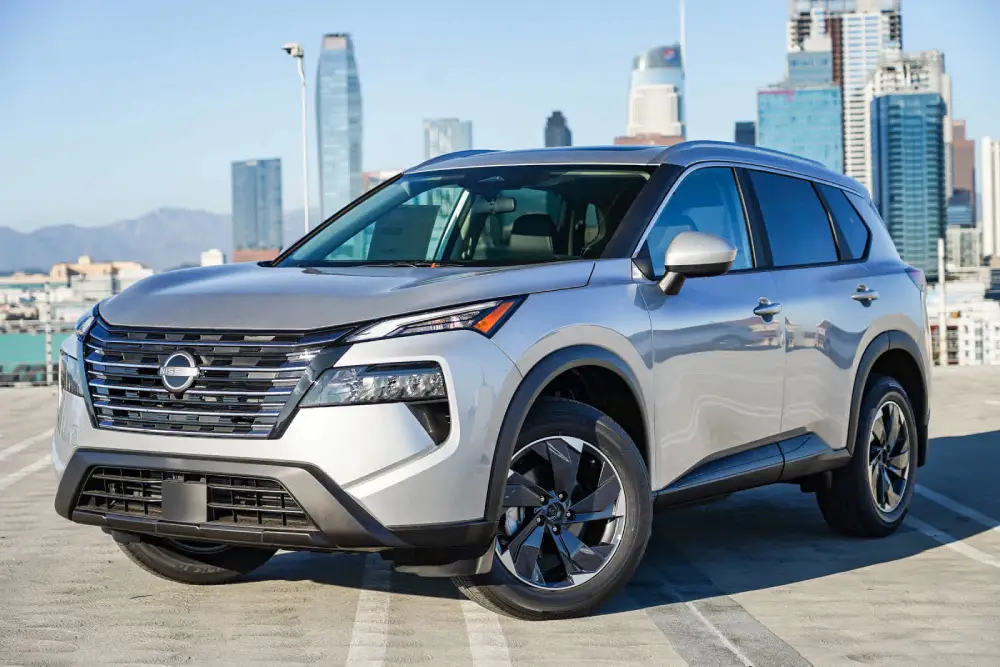
The Rogue, therefore, represents a vehicle that may offer useful electrification without offering true vehicle-to-home capability. Its technology can reduce fuel consumption and improve efficiency, but those benefits remain focused on transportation.
For homeowners seeking emergency power, a dedicated V2H-capable EV or a separate home battery remains the appropriate solution. The Rogue cannot simply be transformed into one by adding a conventional charger.
That makes it a useful final example in this comparison. Having a battery, electric motor, or regenerative-braking system does not automatically make a vehicle capable of powering a house. The entire electrical architecture must be designed for energy to flow in both directions, and the Rogue does not provide that functionality in its standard configuration.
