
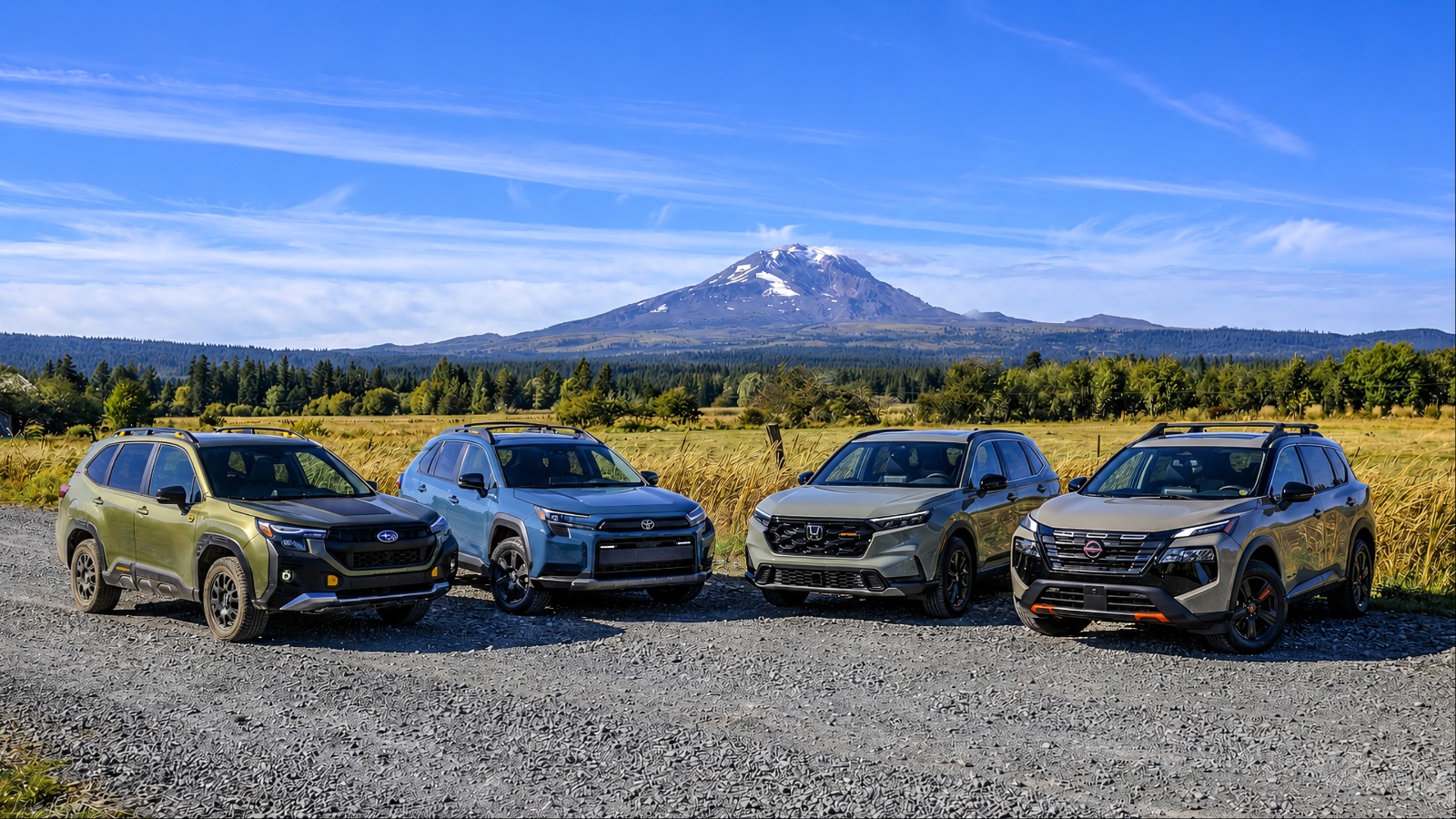
Washington’s new-car market tells a distinct story this August. Unlike much of the country, the state leans heavily on trucks, all-wheel-drive crossovers, and Subaru loyalty.
This ranking is based on dealer inventory and sales records tracked by CarEdge, reflecting a rolling 45-day sales window through early August 2026. It captures actual units moved off Washington lots, not manufacturer claims.
The Pacific Northwest’s rainy, hilly terrain shapes buyer choices here. All-wheel-drive vehicles consistently outperform their national averages in this state.
Toyota dominates the list with five models in the top ten. That mirrors the brand’s broader grip on the Washington market, where its reliability reputation and resale values carry serious weight.
Subaru also punches above its national weight class, placing three models in the top ten. Washington has long been one of Subaru’s strongest state markets in America.
Trucks remain relevant too, with the Tacoma sitting at number one. Below, each vehicle is broken down individually, with sales figures, context, and what’s driving demand.
1. Toyota Tacoma – 1,042 Units Sold
The Toyota Tacoma claims the top spot in Washington for August 2026. It sold 1,042 units in the last 45 days, comfortably ahead of every rival. That volume is no accident. Washington has a strong outdoor and trades culture, from construction crews to weekend campers.
The Tacoma’s Market Day Supply sits at 34 days. That’s a healthy pace, meaning dealers are restocking about as fast as buyers are driving trucks away.
Sales did dip 8% compared to the prior 45-day snapshot. Some of that softness likely reflects seasonal inventory shifts as the 2027 model year approaches.
Toyota redesigned the Tacoma a few years back with a more capable off-road stance. That refresh has kept demand raised across the Mountain West and Pacific Northwest alike.
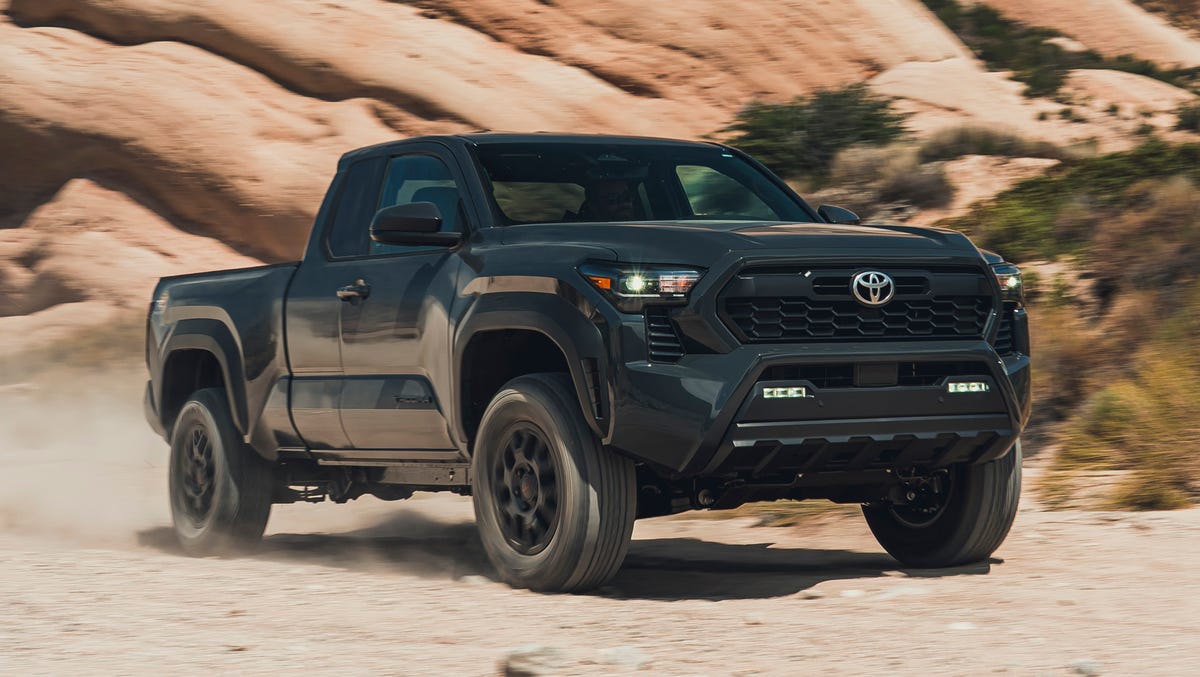
Washington buyers specifically favor mid-size trucks over full-size ones. Narrower streets in cities like Seattle and Tacoma make smaller trucks easier to live with daily.
Fuel efficiency also plays a role in this preference. The Tacoma’s hybrid i-FORCE MAX option appeals to buyers wary of gas prices. Resale value is another major factor for Washington shoppers. Toyota trucks routinely top depreciation rankings, holding value better than most competitors.
Dealers across Spokane, Bellingham, and Marysville all report the Tacoma as a top local seller. That consistency across both sides of the state is notable. Washington’s economy, with its mix of tech wealth and blue-collar trades, supports this dual demand.
Trucks serve both work purposes and recreational hauling needs. Expect the Tacoma to hold its lead into fall. Toyota’s production has kept pace reasonably well, avoiding the severe shortages seen in prior years.
2. Honda CR-V – 925 Units Sold
The Honda CR-V lands in second place statewide. It moved 925 units in the 45-day window, a strong showing for a compact crossover. Sales fell 13% from the previous period, the steepest decline among the top five. That’s worth watching, though it may simply reflect month-to-month inventory swings rather than a real demand shift.
The CR-V’s Market Day Supply stands at 39 days. That’s moderate, suggesting buyers aren’t rushing, but dealers aren’t overstocked either. Honda’s crossover has built a reputation for practicality that resonates with Washington families. It offers generous cargo space without the bulk of a larger SUV.
Seattle-area suburbs like Kirkland and Edmonds show the CR-V performing especially well locally. In both cities, it ranks as the single best-selling vehicle at the local level.
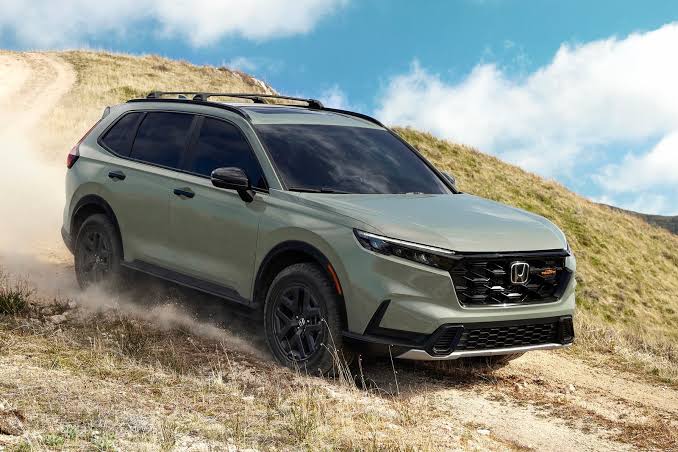
That urban and suburban strength contrasts with the Tacoma’s rural and trades appeal. Together the two vehicles show how split Washington’s auto market really is.
The CR-V also benefits from Honda’s hybrid powertrain option. Washington’s environmentally conscious buyer base gravitates toward efficient vehicles even outside the EV segment.
Reliability remains the CR-V’s core selling point. Honda’s track record for long-term durability keeps it on repeat-buyer shortlists across generations.
Financing conditions this year have also nudged buyers toward smaller, cheaper crossovers. The CR-V’s price point sits comfortably below many three-row SUV competitors. Expect continued strength through autumn. Honda typically sees steady demand for the CR-V regardless of broader market swings.
3. Toyota’s RAV4 – 903 units sold
Toyota’s RAV4 sits third with 903 units sold. It’s remarkably close behind the CR-V, keeping the compact SUV rivalry tight in Washington. Unlike most vehicles on this list, the RAV4 actually grew. Sales rose 3% compared to the prior period, a rare positive trend this month.
Its Market Day Supply is just 14 days. That’s extremely tight, meaning the RAV4 is essentially selling as fast as Toyota can ship it. This scarcity means buyers have little room to negotiate right now. Dealers simply don’t need to discount a vehicle moving this quickly.
The RAV4’s popularity stems from its balance of efficiency and utility. Its hybrid variant is especially strong in Washington, where gas prices run above the national average.
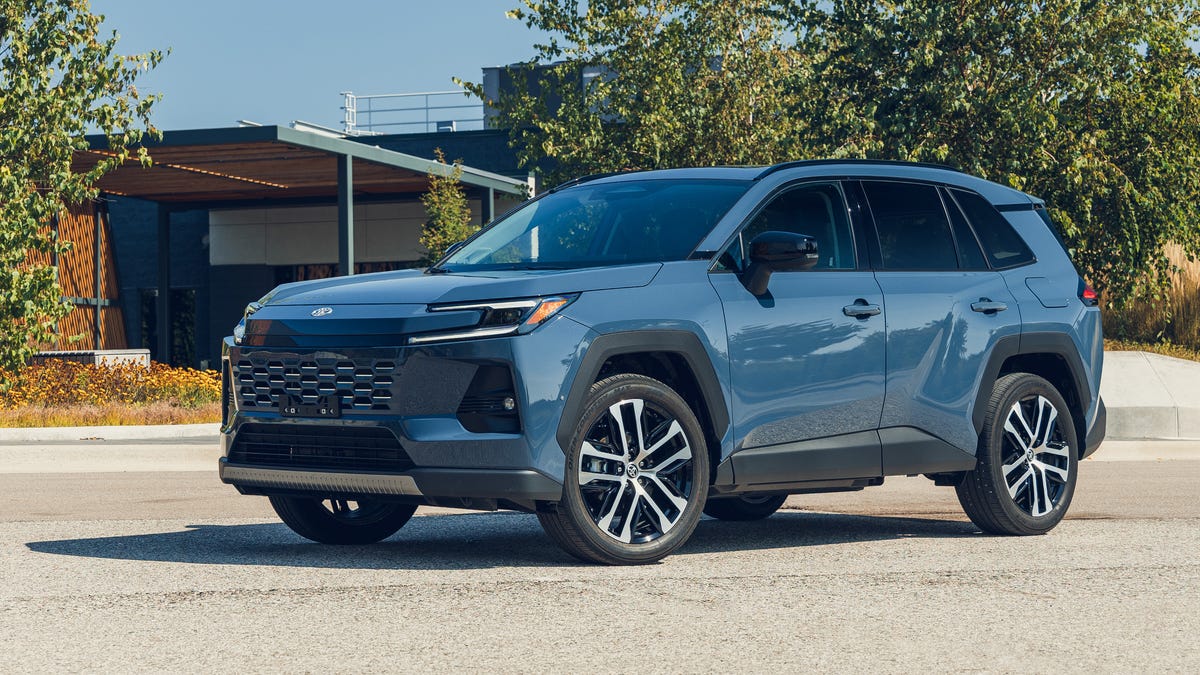
All-wheel drive comes standard on hybrid RAV4 trims. That’s a major selling point in a state defined by rain, mountain passes, and winter driving in the east.
Toyota has also positioned the RAV4 as a value leader in its lineup. It undercuts many rivals while offering comparable safety and tech features. Auburn, Washington data shows the RAV4 as the single top seller in that city specifically. That local dominance reflects its broad appeal to commuting families.
The nameplate has topped national SUV sales charts for years running. Washington simply reinforces that broader American trend. Expect the RAV4 to keep climbing if hybrid supply improves. Toyota has prioritized hybrid production expansion heading into the 2027 model year.
4. Toyota Camry – 819 Units Sold
The Toyota Camry ranks fourth in Washington, with 819 units sold. That’s a notable showing for a sedan in an SUV-and-truck-dominated market. Sales dropped 10% from the prior snapshot. Still, the Camry remains far ahead of most other sedans sold statewide.
Its Market Day Supply is a lean 15 days. Like the RAV4, that signals strong, steady demand outpacing dealer restocking. Toyota made the Camry hybrid-only starting with recent model years.
That shift has actually boosted its appeal among Washington’s fuel-conscious buyers. Sedans have struggled nationally against crossovers for over a decade now. The Camry is one of the few holding its ground against that trend.
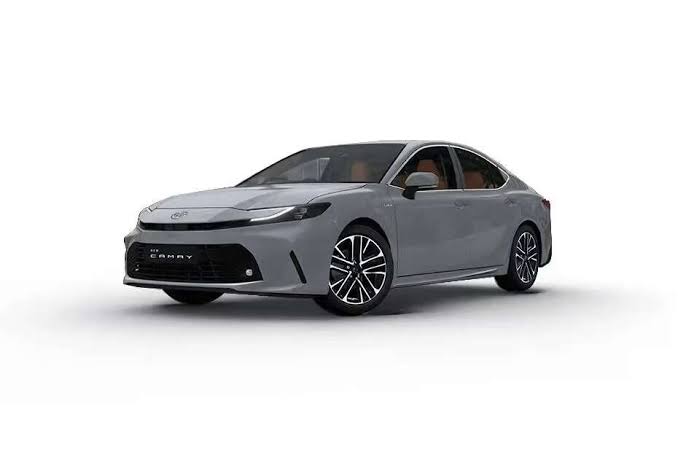
Its standard hybrid powertrain delivers excellent fuel economy. For commuters crossing the 520 or I-5 corridors daily, that efficiency translates into real savings.
The Camry also carries strong resale value within Toyota’s lineup. That reputation keeps it attractive to buyers thinking long-term about ownership costs.
Everett-area data shows Toyota sedans and crossovers performing well together. The brand’s footprint in Washington remains larger than any single competitor’s.
Ride comfort and interior refinement have also improved substantially in recent redesigns. That upgrade helped the Camry compete against near-luxury alternatives.
Expect the Camry to remain the top-selling traditional sedan in Washington. Few rivals can match its combination of efficiency, reliability, and value.
5. Subaru Crosstrek – 632 Units Sold
Subaru’s Crosstrek takes fifth place with 632 units sold. It’s the highest-ranking Subaru model on this particular list. Sales slipped 9% from the previous 45-day period. Even so, the Crosstrek remains one of the most consistent performers in the state.
Its Market Day Supply runs at 49 days, longer than the leaders above it. That gives Washington buyers a bit more room to negotiate pricing. Subaru’s all-wheel-drive standard equipment is the Crosstrek’s biggest advantage here. Every trim comes with symmetrical AWD, no upgrade required.
That matters enormously in a state with mountain passes, gravel roads, and unpredictable winter weather. Washington drivers value that traction without needing a truck.
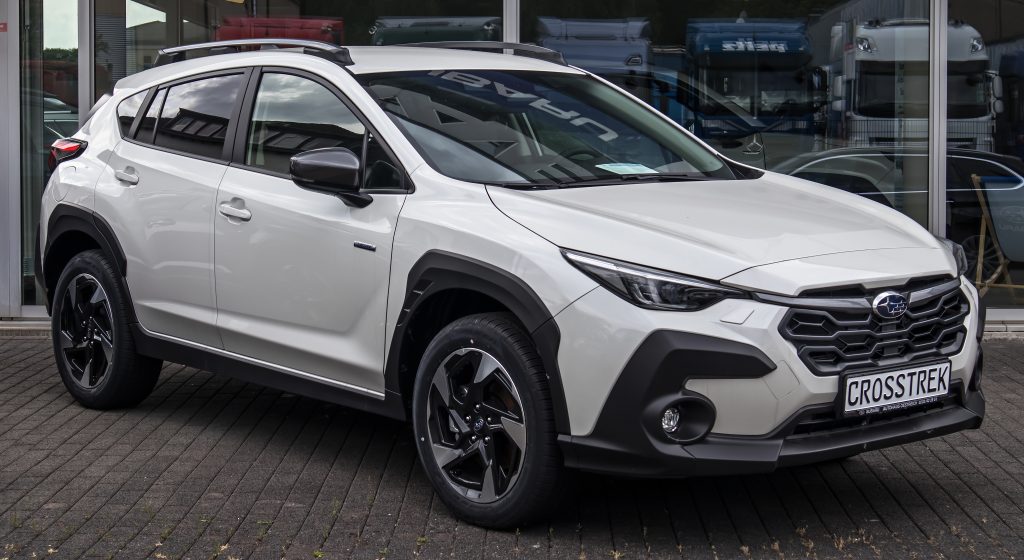
The Crosstrek also appeals to younger, outdoor-oriented buyers. Its compact size and higher ground clearance suit hiking, camping, and ski-trip lifestyles common here.
Subaru has cultivated a near-cult following in the Pacific Northwest for decades. Washington and Oregon remain two of the brand’s strongest markets nationwide.
A plug-in hybrid Crosstrek variant has also broadened its appeal recently. That option lets buyers get efficiency without sacrificing the AWD system they want.
Community and dealer loyalty run deep for this nameplate locally. Many Washington households own multiple Subarus across generations. Expect the Crosstrek to remain a top-five fixture through the rest of 2026. Its blend of price, capability, and brand loyalty is difficult for rivals to disrupt.
6. Subaru Forester – 621 Units Sold
The Subaru Forester ranks sixth, moving 621 units in the 45-day period. It sits just behind its smaller sibling, the Crosstrek. Sales fell 6% compared to the prior snapshot. That’s a relatively modest decline given broader softness across much of the list.
Its Market Day Supply sits at 40 days. That’s a middle-ground pace, neither scarce nor oversupplied. The Forester offers more cargo room and a slightly larger footprint than the Crosstrek.
Families who need extra space but still want AWD often step up to this model. Olympia-area sales data shows the Forester as the single top-selling vehicle in that city. That local dominance highlights its strength outside the bigger metro areas.
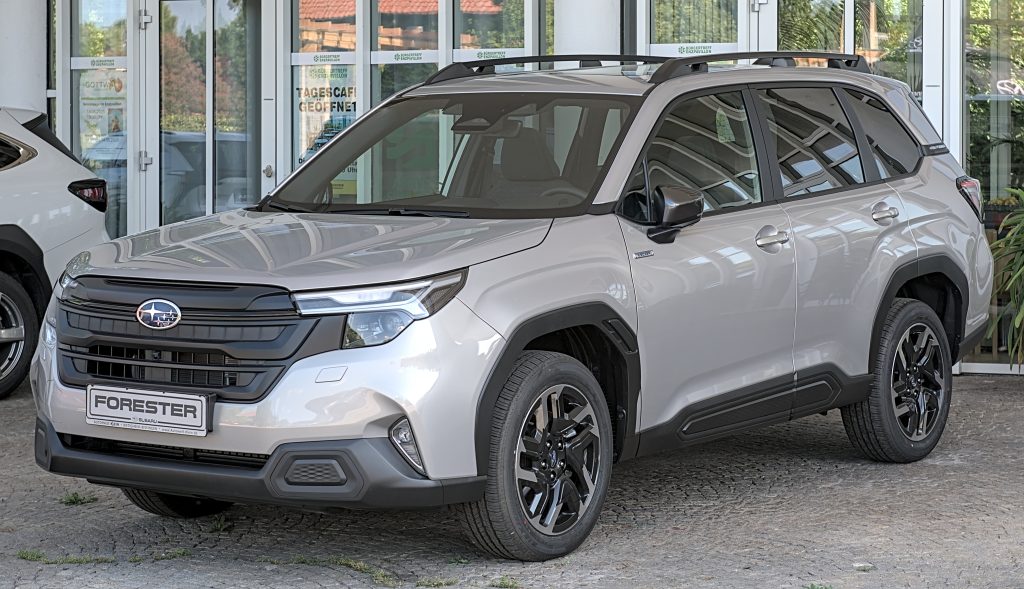
Subaru redesigned the Forester with improved visibility and safety tech in recent years. Those upgrades have kept it competitive against newer rivals like the Honda CR-V.
Boxer engine reliability remains a core part of Subaru’s pitch here. Owners frequently cite longevity as a reason for repeat purchases. The Forester’s relatively boxy shape also maximizes interior space. That practicality matters for Washington families hauling gear for skiing, boating, or camping trips.
Hybrid Forester trims have started gaining traction too. As gas prices remain high, that efficient option draws additional interest. Expect the Forester to hold steady through the fall selling season. Its loyal buyer base tends to insulate it from sharp swings.
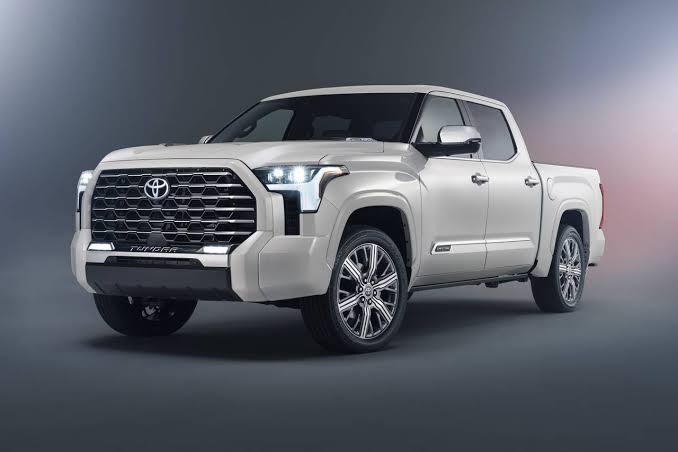
7. Toyota Tundra – 568 Units Sold
Toyota’s full-size Tundra ranks seventh, with 568 units sold statewide. It’s the highest-volume full-size truck in this particular ranking. Sales actually rose 9% from the prior period. That growth stands out against the broader downward trend seen across most models this month.
Its Market Day Supply is 33 days, a fairly healthy turnover rate. Dealers are managing to keep pace with buyer demand reasonably well. The Tundra’s hybrid i-FORCE MAX powertrain has helped differentiate it from rivals. That option boosts both towing capability and fuel economy simultaneously.
Eastern Washington’s agricultural and industrial base supports strong full-size truck demand. Spokane and the Tri-Cities region contribute heavily to these numbers.
Towing needs for boats, trailers, and equipment remain common across the state. Washington’s mix of farming, construction, and recreation all lean on capable trucks. Toyota’s reliability reputation extends fully into its truck lineup. Buyers often cite long-term durability as the deciding factor over rivals.
The Tundra competes directly with the Ford F-150, Chevrolet Silverado, and Ram 1500. Its relatively tighter inventory position gives it a pricing edge over some of those rivals.
Resale value also favors the Tundra within the full-size segment. That reputation makes it a lower-risk long-term purchase for many buyers. Expect continued growth if Toyota keeps hybrid production strong. Demand for efficient towing capability shows no signs of slowing down.
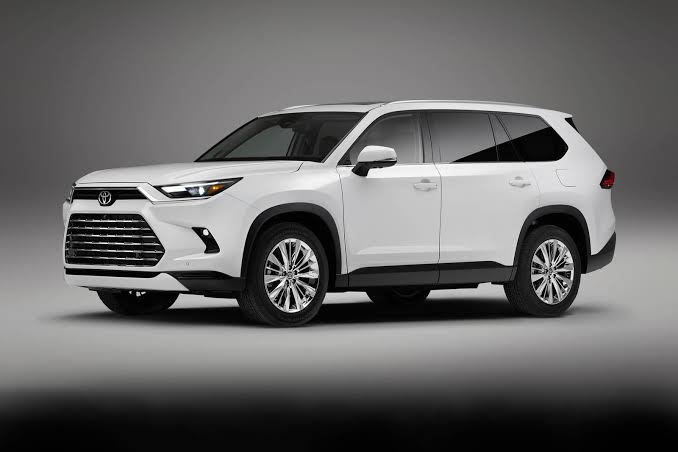
8. Toyota Grand Highlander – 500 Units Sold
The Toyota Grand Highlander lands eighth, with exactly 500 units sold. It’s the largest three-row SUV to crack Washington’s top ten. Sales dropped sharply, down 30% from the prior 45-day window. That’s the steepest decline of any vehicle on this list.
Despite that drop, its Market Day Supply remains tight at just 14 days. The sharp sales decline likely reflects limited inventory rather than falling demand.
Toyota introduced the Grand Highlander to compete directly with larger three-row rivals. It gives families extra cargo and passenger room beyond the standard Highlander.
Washington’s larger households, particularly in suburban areas, have embraced this bigger footprint. It fills a gap between the RAV4 and minivans like the Sienna.
Hybrid and hybrid Max powertrains are available on this model. That efficiency option matters given the vehicle’s size and weight. Bellingham and Everett dealer data show strong appetite for larger Toyota SUVs generally. That regional pattern supports the Grand Highlander’s presence in the statewide top ten.
Supply constraints have limited how many units Toyota can allocate here. Popular trims frequently sell before they even reach dealer lots. Family road-trip culture in Washington, from Olympic Peninsula trips to cross-state drives, favors this kind of spacious vehicle.
Three rows of seating remain a priority for many buyers. Expect volume to rebound if Toyota increases regional allocation. Demand signals remain strong despite the reported drop in raw units.
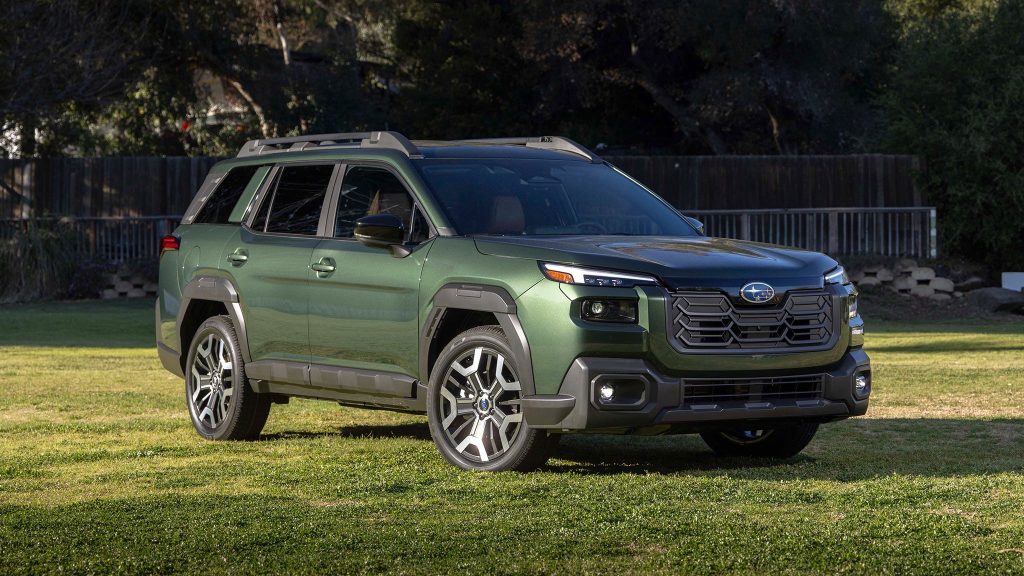
9. Subaru Outback – 419 Units Sold
The Subaru Outback rounds out the brand’s third top-ten appearance. It sold 419 units across the 45-day window, taking ninth place. Sales actually climbed 15% compared to the previous period. That’s the strongest growth rate among any vehicle in Washington’s top ten.
Its Market Day Supply runs at 61 days, the longest among the leaders. That gives Outback shoppers noticeably more negotiating leverage than buyers of tighter-supply models.
The Outback blends wagon practicality with SUV-like ground clearance. That combination has made it a Pacific Northwest institution for decades. Standard all-wheel drive again plays a central role in its appeal. Washington’s mountain passes and rural roads reward that capability heavily.
Subaru’s turbocharged Outback trims have added more power without sacrificing efficiency. That upgrade has broadened its appeal to buyers wanting a bit more performance.
Camping, hiking, and dog-friendly lifestyles are practically synonymous with Outback ownership here. Subaru’s marketing leans directly into that Pacific Northwest identity.
Longtime Subaru owners frequently trade up from a Crosstrek or Forester into an Outback. That upgrade path helps sustain steady demand across the brand’s lineup.
The nameplate’s resale value also remains strong regionally. Used Outbacks hold their price well in Washington’s secondhand market. Expect the Outback’s growth to continue if inventory keeps loosening. Rising sales alongside expanding supply is a healthy combination for the model going forward.
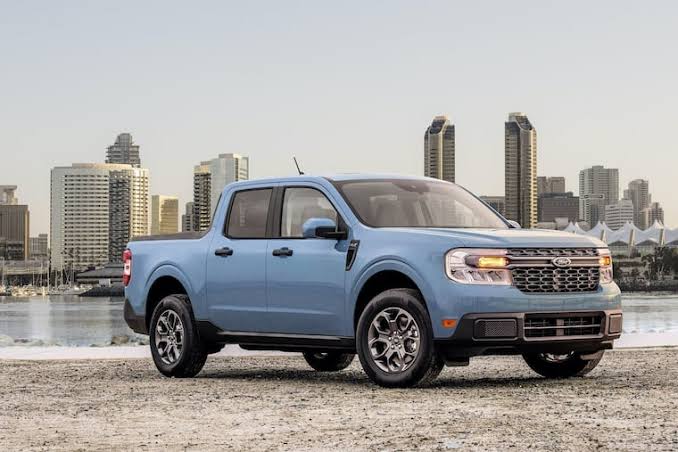
10. Ford Maverick – 399 Units Sold
The Ford Maverick closes out the top ten with 399 units sold. It’s the only non-Toyota, non-Honda, non-Subaru model to make this particular cut. Sales fell 23% from the prior period, one of the sharper declines on the list. Even so, it held onto its top-ten position.
Its Market Day Supply sits at 55 days. That’s a relatively relaxed pace, giving buyers room to shop and negotiate. The Maverick carved out a unique niche as a compact, affordable pickup. It undercuts the Tacoma and full-size trucks significantly on price.
Its standard hybrid powertrain delivers excellent city fuel economy for a truck. That efficiency appeals strongly to Washington’s urban and suburban commuters.
Smaller dimensions make the Maverick easier to park and maneuver in cities like Seattle and Tacoma. That’s a real advantage over bulkier full-size alternatives.
Ford positioned the Maverick as an entry point for truck buyers priced out of larger models. Rising vehicle costs generally have made that value proposition increasingly attractive.
First-time truck buyers and empty-nesters both gravitate toward this size class. It offers utility without the commitment of a full-size bed and cabin.
Marysville-area sales data shows continued strong interest in compact trucks generally. That regional pattern supports the Maverick’s presence here.
Expect the Maverick to remain a fixture in Washington’s top ten. Its combination of price, efficiency, and utility is difficult to match elsewhere in the truck segment.
