
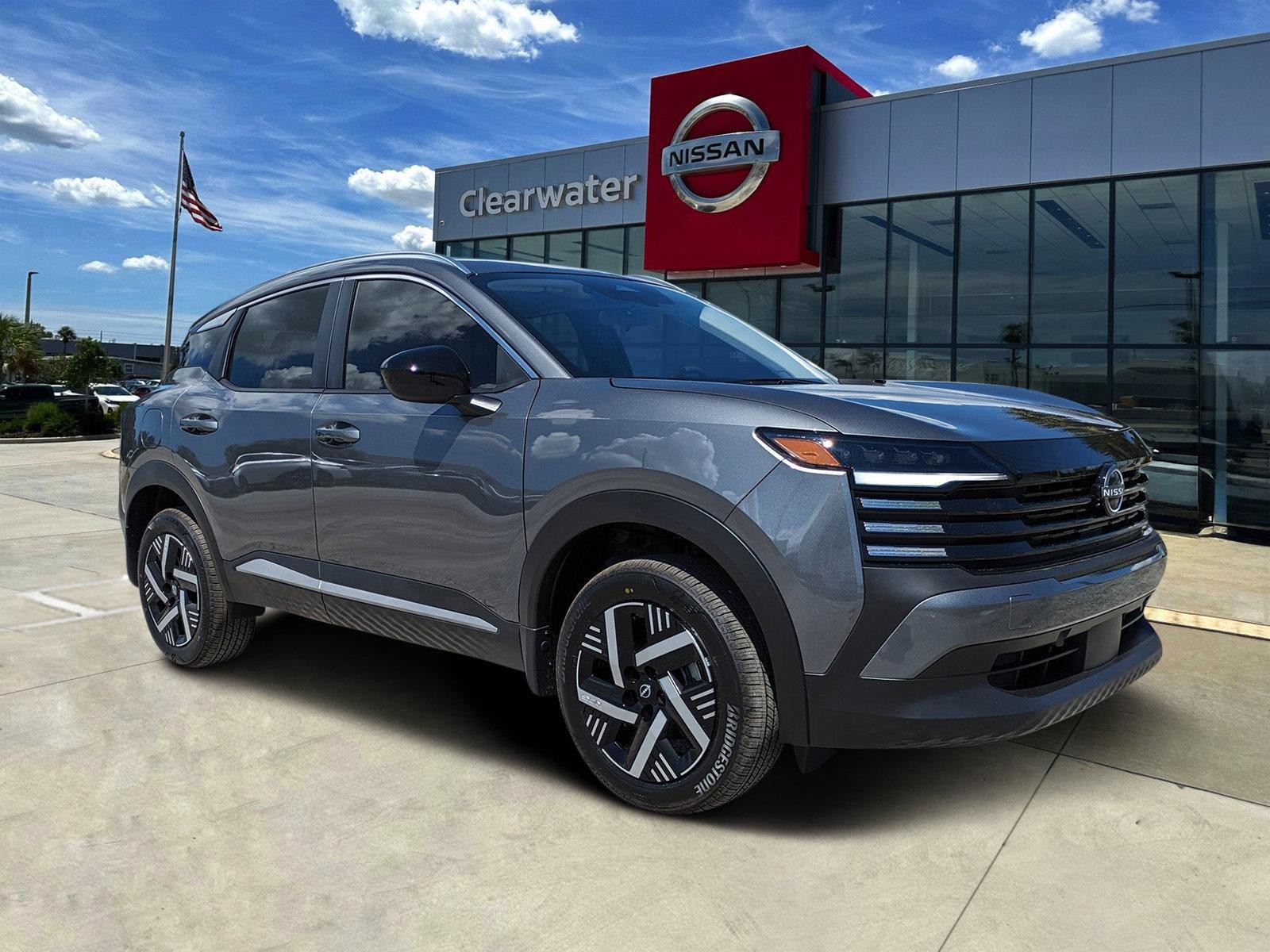
Thirty thousand dollars used to be real money in the car world. In 2016, it could land you a loaded midsize sedan, a well-equipped SUV, or even a genuine sports coupe.
Today, that same $30,000 buys a noticeably smaller slice of the market. Average new car prices have climbed from around $34,000 in 2016 to nearly $49,000 to $52,000 in 2026.
That means $30,000 has gone from being close to the national average to being well below it. What was once a mid-tier budget is now considered an entry-level or budget shopper’s number.
This shift didn’t happen overnight. Chip shortages, supply chain chaos, rising interest rates, tariffs, and heavier feature loads all pushed prices upward.
In this article, we’ll walk through exactly what $30,000 could buy a shopper in 2016, model by model and segment by segment. Then we’ll look at what that same $30,000 buys in today’s market.
Along the way, we’ll explore why prices rose so much, what shoppers gained in return, and what compromises today’s budget buyers now have to make.
The Car Market in 2016
In 2016, the average new car in America cost just over $34,000. A $30,000 budget sat comfortably near that middle line. Gas prices were low, interest rates were near historic lows, and manufacturers were still building plenty of affordable sedans. Choice was abundant across nearly every price point.
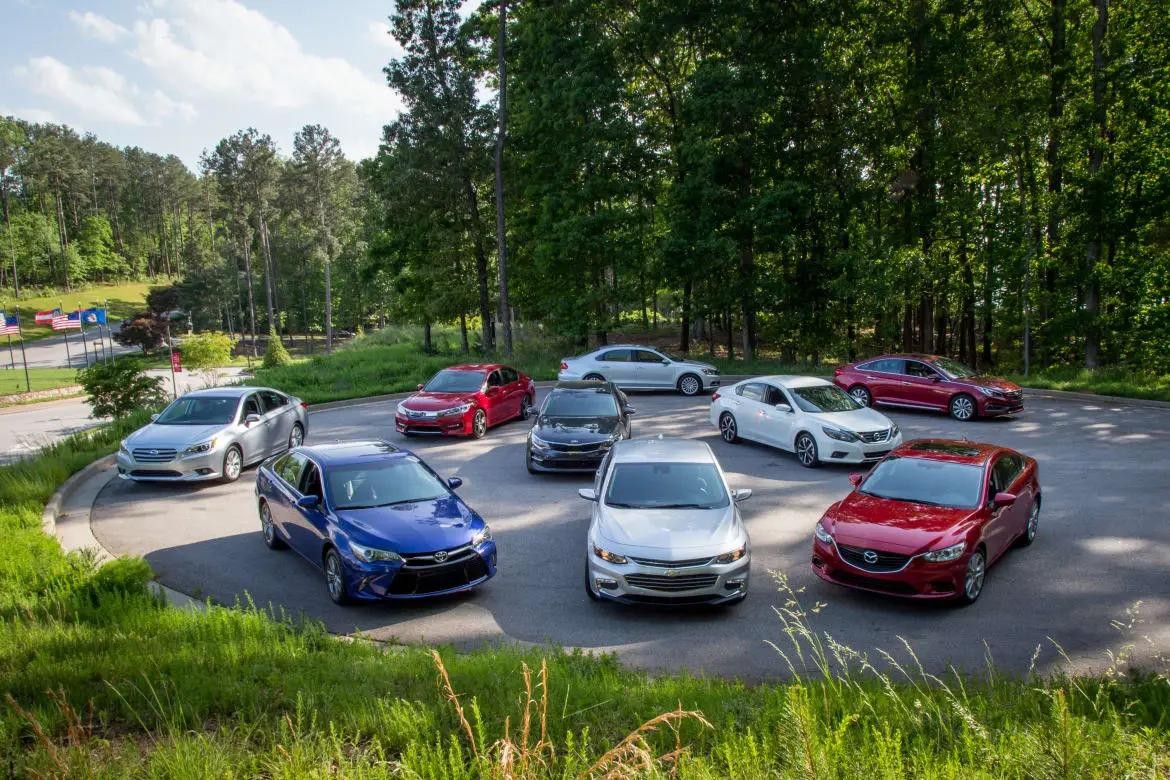
New vehicle sales hit a peak of roughly 17.5 million units that year. Automakers were competing hard for budget-conscious buyers, not just luxury shoppers.
This meant real competition among Honda, Toyota, Chevrolet, Ford, and Hyundai for the sub-$30,000 buyer. That competition kept quality high and prices reasonable.
Sedans You Could Buy in 2016
The 2016 Honda Civic was widely considered one of the best cars for the money that year. Even its top Touring trim, loaded with navigation and Honda Sensing safety tech, stayed under $30,000.
The Civic had been freshly redesigned for 2016 with a more refined interior. It offered excellent fuel economy and crisp handling that punched above its price class. The Chevrolet Cruze also fit comfortably in this budget. Its turbocharged 1.4-liter engine delivered strong fuel economy for a compact sedan.
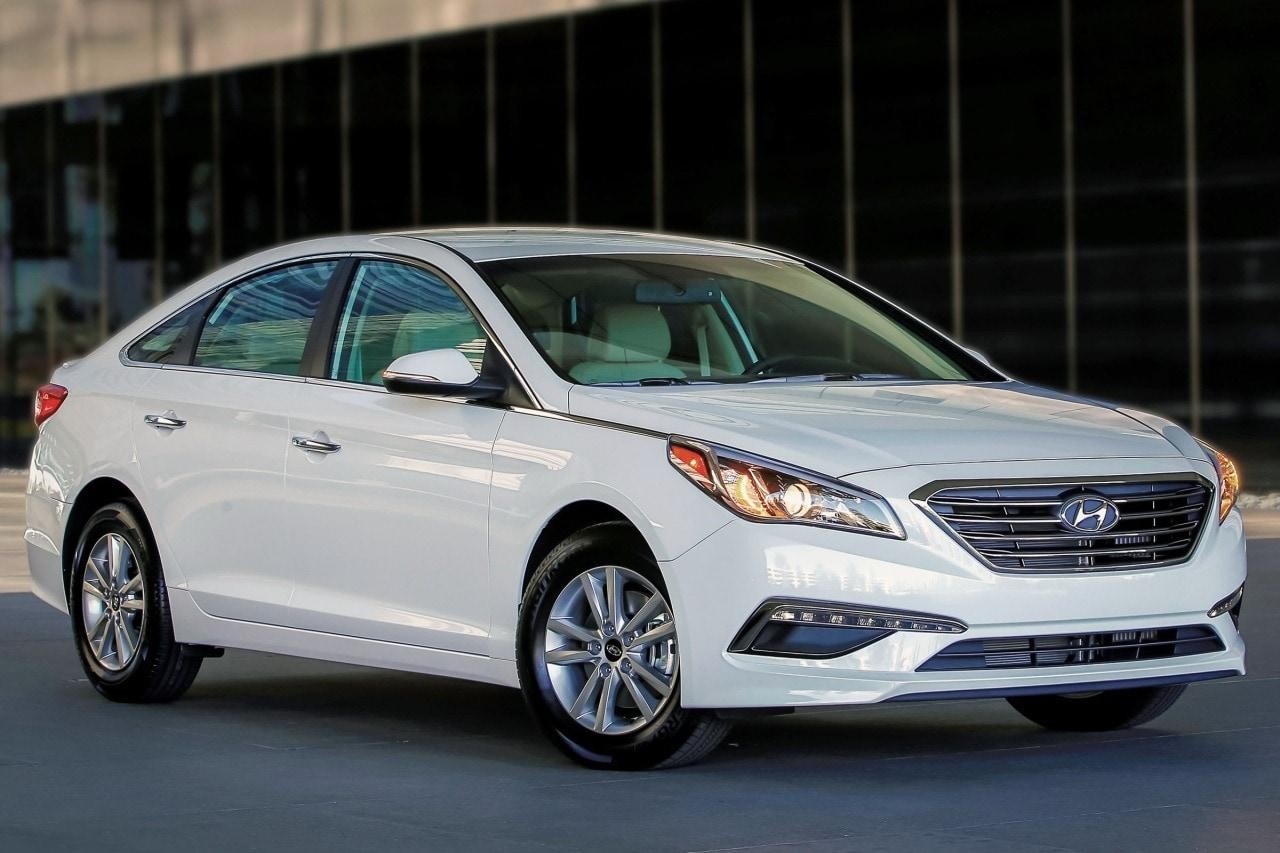
The Hyundai Sonata and Kia Optima, both midsize sedans, started well under $10,000 and could be optioned up substantially. Even fully loaded, most trims stayed under the $30,000 ceiling.
The Mazda3 was another standout, praised for an interior that felt almost luxury-grade. Reviewers noted it punched above its price point in refinement.
Even the Acura ILX, a genuine entry-luxury sedan, started at around $27,900. That put a badge with real prestige within reach of a $30,000 budget.
SUVs and Hybrids at the $30,000 Mark
Small and midsize SUVs were increasingly popular in 2016, and many fit under this budget. The Mazda CX-5 offered strong utility, though loading it with crash-avoidance tech pushed some trims past $30,000.
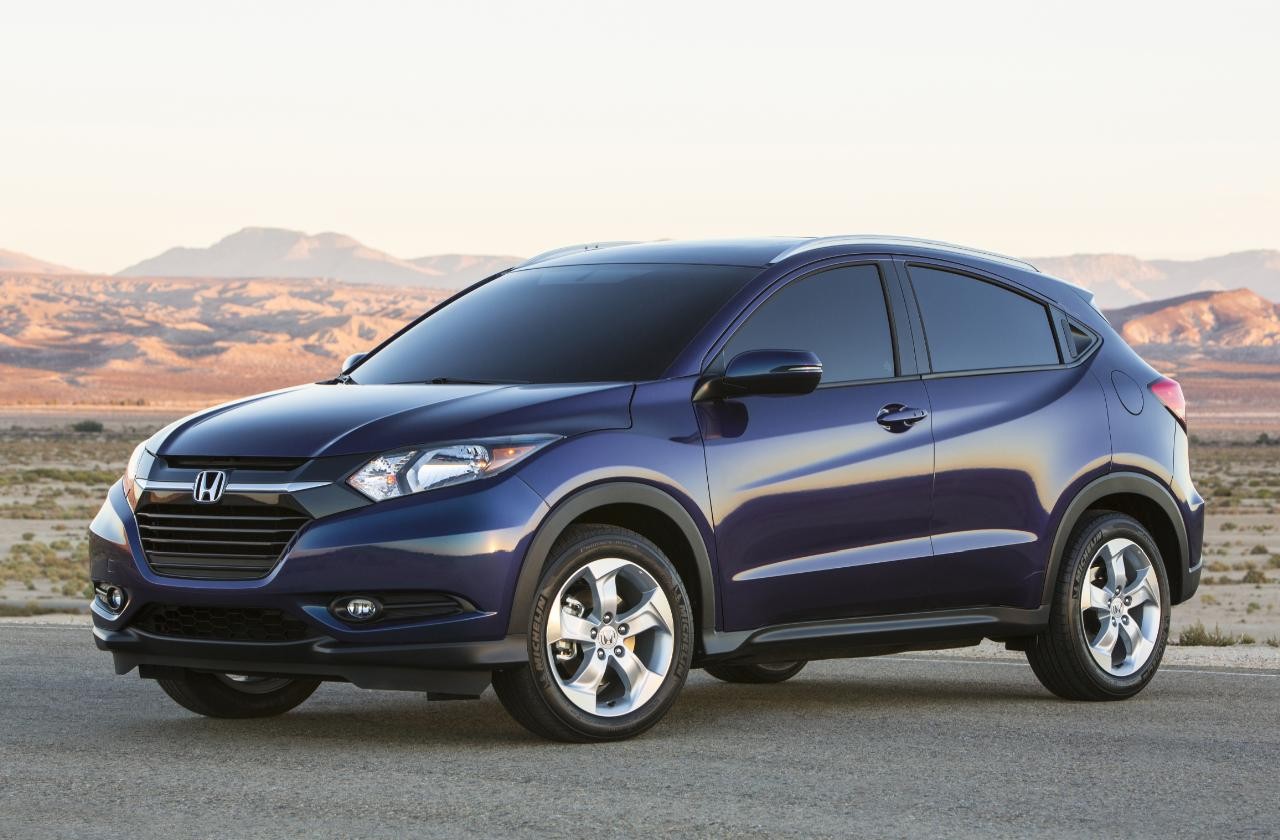
The Honda HR-V started under $20,000, making it hard to spend anywhere close to $30,000 even fully loaded. This left extra room in the budget for other priorities.
The Nissan Murano offered a genuinely upscale ride with a quiet cabin and “Zero Gravity” seats. Its V6 engine delivered a respectable 24 mpg combined.
For buyers wanting electrification, the Chevrolet Volt was a standout choice. It offered 53 miles of electric range and could dip to around $25,670 after federal tax rebates.
The Hyundai Sonata Hybrid also landed around $26,000. It paired a 2.0-liter engine with an electric motor for 193 combined horsepower.
Sports Cars and Performance for $30,000
Perhaps the most surprising part of the 2016 market was how much performance fit under $30,000. The Subaru BRZ and Scion FR-S twins started at $25,395 and $26,100 respectively.
Both delivered sharp, tail-happy handling that enthusiasts loved. Neither needed huge horsepower numbers to be genuinely fun to drive.
The Chevrolet Camaro’s base MSRP came in around $25,700. That put a genuine American muscle car well within reach of the average buyer.
This kind of performance-per-dollar simply doesn’t exist at $30,000 in today’s market. Sports cars have become a shrinking, increasingly expensive segment.
Safety and Technology in 2016 at This Price
Backup cameras, Bluetooth, and basic infotainment screens were common even in budget trims by 2016. Federal mandates were pushing rearview cameras into more vehicles that year.
Advanced safety features like adaptive cruise control and lane-keeping assist existed, but often required stepping into pricier trims. At $30,000, buyers usually had to choose between features and vehicle size.
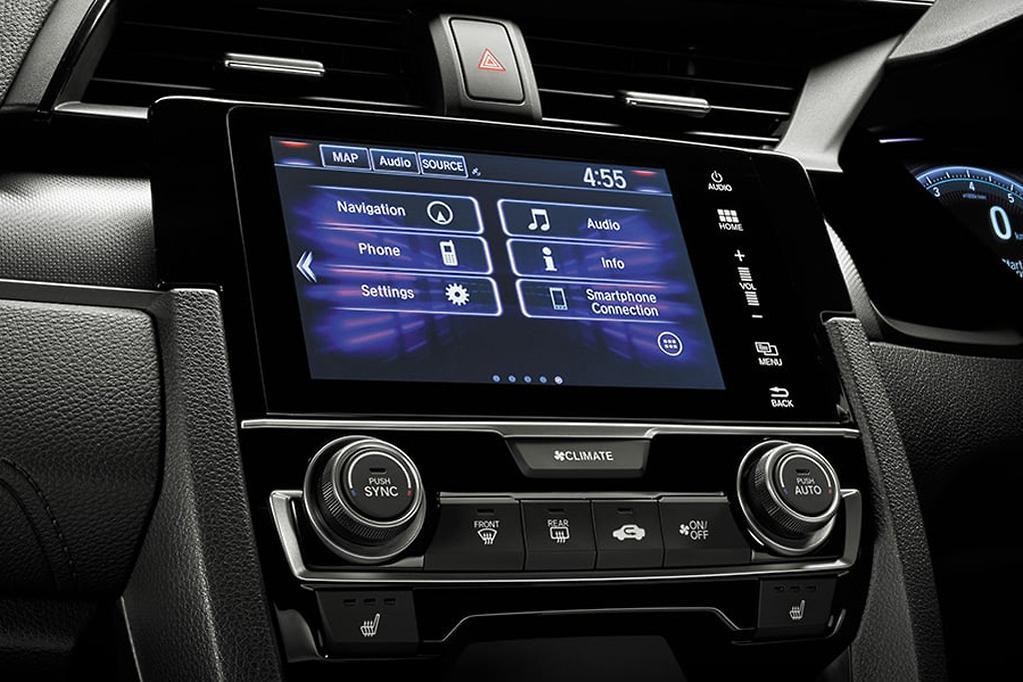
Still, compared to cars from just five years earlier, the technology jump was significant. Touchscreens, smartphone integration, and driver-assist features were becoming mainstream rather than exotic.
The Car Market Today
Fast forward to 2026, and the picture looks very different. Average new vehicle transaction prices have been hovering between $49,000 and nearly $52,000.
Some trackers even recorded an all-time high of roughly $51,820 to $51,974 in mid-2026. That’s a record that broke a prior high set back in 2023.
Sticker prices have risen roughly 30% since 2018 in nominal terms. Even adjusted for inflation, real price growth has still outpaced wage growth for many buyers.
Tariff policy on imported vehicles and parts has added further pressure. This has reduced inventory in some segments while pushing prices higher industry-wide.
Light trucks and SUVs now account for over 82% of new vehicle sales. This shift away from sedans has also nudged average prices upward, since trucks and SUVs cost more to build.
What $30,000 Buys Today
Despite all this, $30,000 hasn’t completely disappeared as a car-buying budget. It’s simply moved from “average” to “budget-conscious” territory.
The Honda Civic remains a strong choice in 2026, much as it was in 2016. It continues to be recognized as one of the best cars for the money at this price point.
The Honda Civic Hybrid offers the same core Civic experience with improved fuel efficiency. It represents one of the more sensible choices for buyers wanting to save on gas.
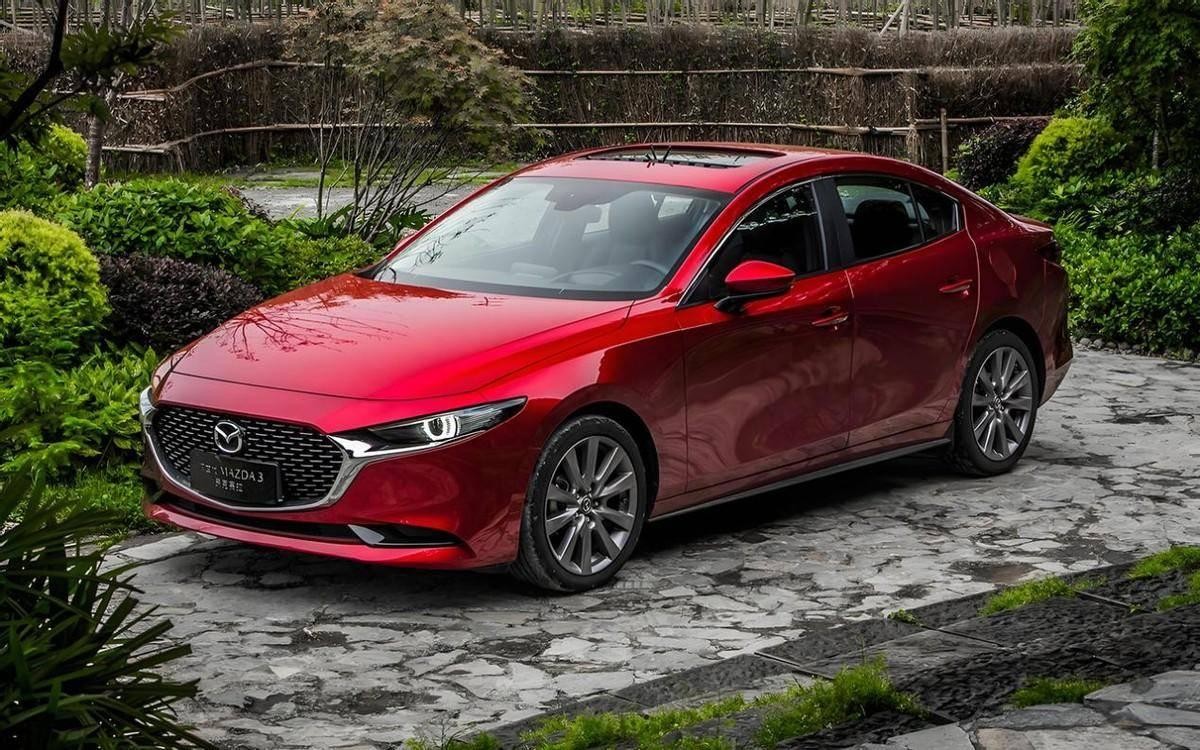
The Mazda3 also continues to punch above its price class in 2026. Reviewers still praise its refined, near-luxury interior feel despite its accessible price tag.
The Toyota Prius remains a strong pick for practicality-focused buyers. It combines excellent fuel economy with strong resale value and solid safety ratings.
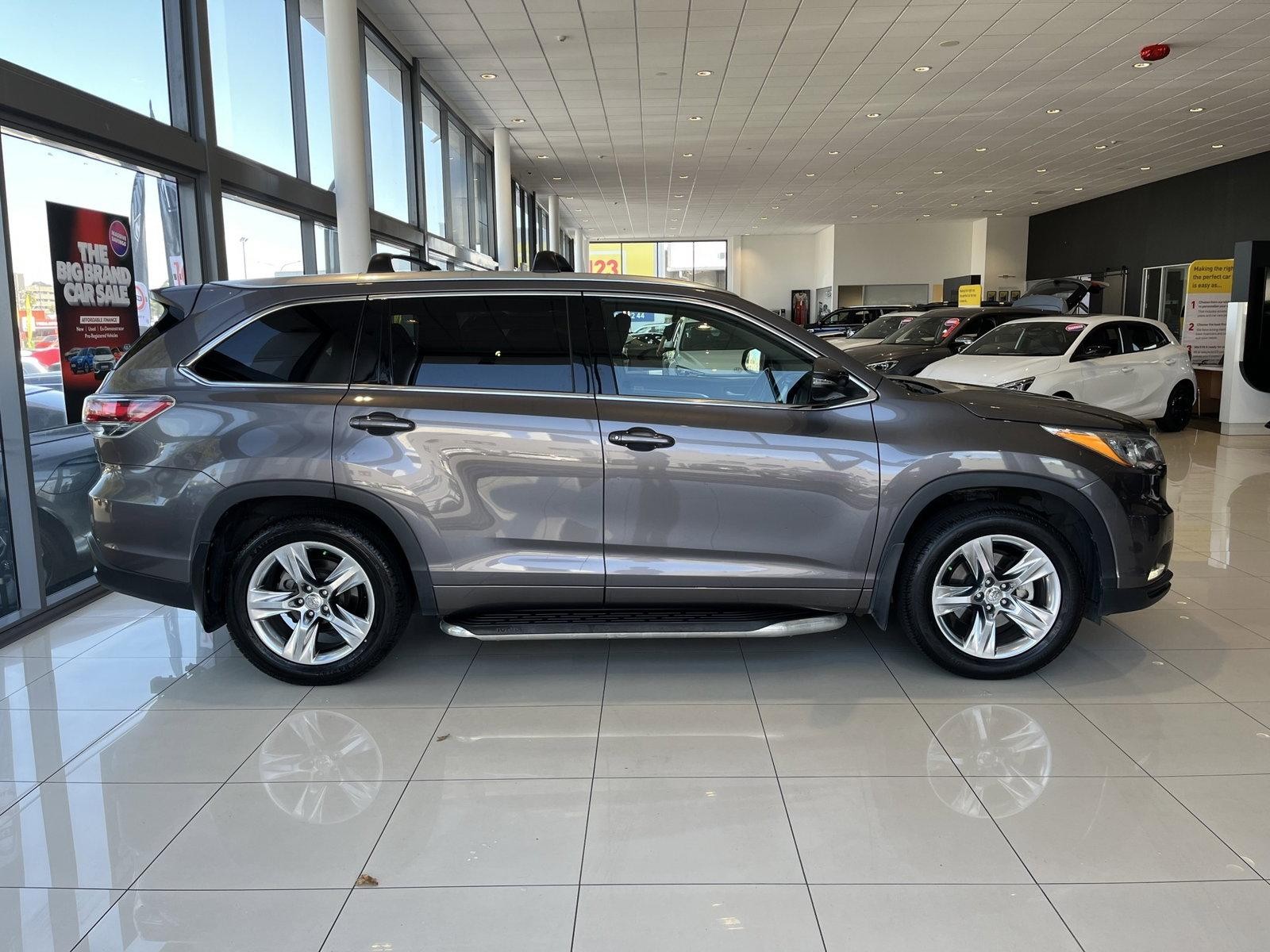
Compact SUVs and hatchbacks fill out much of the rest of the sub-$30,000 field today. Larger SUVs, trucks, and midsize sedans have largely priced themselves out of this bracket.
The Truck and SUV Reality Check
In 2016, a $30,000 budget could stretch into midsize SUV territory with reasonable ease. In 2026, that same budget barely covers compact crossovers, and often only base trims.
Full-size trucks illustrate this shift most dramatically. The Ford F-150 and Ram 1500 now average $61,000 to $61,469, more than double a $30,000 budget.
Even the truck segment average has climbed to around $66,157 for full-size pickups. What was once an attainable family and work vehicle has become a stretch purchase for many households.
Midsize sedans that once cost $8,000 to $10,000 to start, like the Hyundai Sonata and Kia Optima, have also seen meaningful price increases. Base pricing across the industry has risen even before options are added.
Electric Vehicles Change the Equation
One bright spot for 2026 budget shoppers is the EV market correction. EV prices are down roughly 30.6% in real terms since their 2021 peak. This decline has helped pull the market average down slightly. It also means more electric options are creeping into the sub-$30,000 range than in past years.
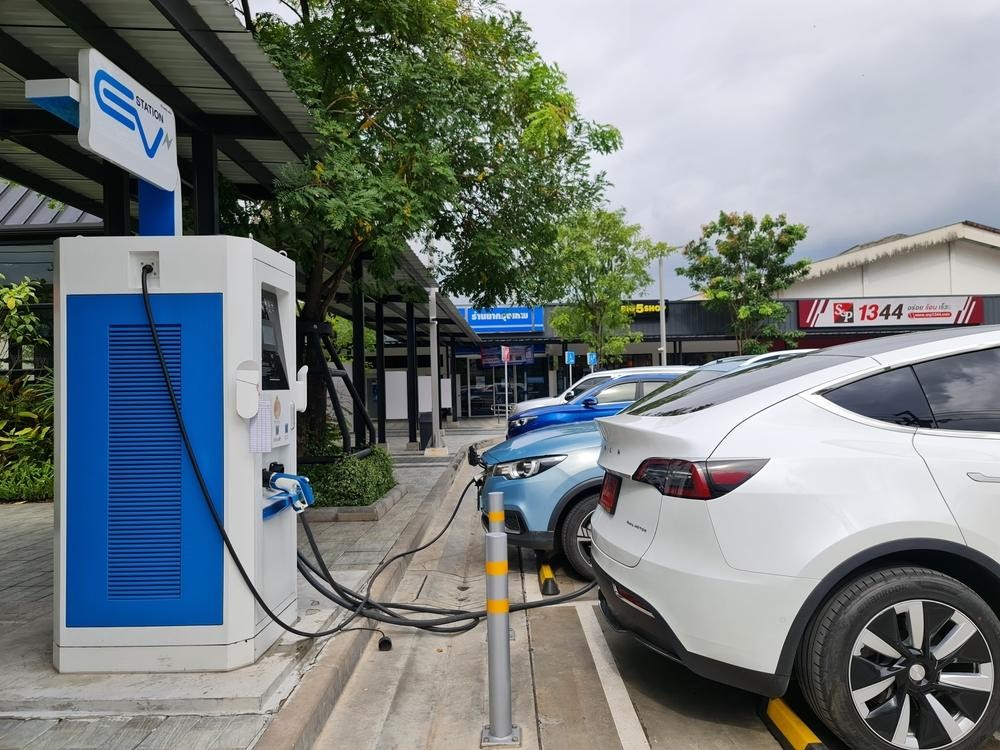
Federal tax credits, where available, can also reduce effective purchase prices further. This makes electrification a more realistic option at this budget than it was in 2016.
Back in 2016, the Chevrolet Volt was the standout affordable plug-in choice. Today’s market offers considerably more competition among affordable EVs and hybrids.
What You Lose at $30,000 Today
The most obvious loss is vehicle size and segment access. A midsize sedan or SUV that easily fit the 2016 budget is now often out of reach.
Sports cars have all but vanished from this price bracket. The BRZ, FR-S, and Camaro once offered genuine performance for under $30,000, but today’s equivalents cost considerably more.
Trim levels have also shifted downward. Buyers at $30,000 today are more often shopping base or mid trims rather than the loaded configurations available in 2016.
Luxury access has shrunk too. The Acura ILX once offered a luxury badge under $30,000, but true entry-luxury sedans now typically start well above this threshold.
What You Gain at $30,000 Today
It’s not all bad news for today’s budget buyers. Standard safety technology has improved dramatically since 2016. Features like automatic emergency braking, lane-keeping assist, and adaptive cruise control are now standard on many budget trims. In 2016, these often required expensive option packages.
Infotainment systems have also leaped forward. Wireless smartphone integration, larger touchscreens, and more capable voice assistants are common even in base models today.
Fuel efficiency has generally improved across most segments as well. Hybrid powertrains, once a premium option, are now widely available at accessible price points.
Build quality and interior refinement have also risen industry-wide. Materials that once felt cheap in budget cars have generally improved across the board.
Why Prices Rose So Much
Several forces combined to push prices from $34,000 to nearly $50,000 in a decade. The semiconductor chip shortage during the pandemic limited vehicle supply significantly.
Limited supply combined with strong demand drove prices to record highs starting in 2021. Even as chip supplies improved, prices never fully returned to pre-pandemic levels.
Interest rates on auto loans also spiked sharply. Rates on 60-month new car loans climbed from under 4% in late 2021 to nearly 8% by mid-2024.
Higher borrowing costs meant buyers paid significantly more over the life of a loan. This made car ownership costs rise even faster than sticker prices alone.
Tariffs on imported vehicles and parts added another layer of cost pressure in 2025 and 2026. This further squeezed inventory and pushed prices upward industry-wide.
Consumer preference also shifted the math. As buyers moved toward larger, pricier trucks and SUVs, the market average naturally climbed higher.
The Used Car Alternative
Used cars offer another way to stretch a $30,000 budget today. The average used car now costs around $26,000 to $27,000. This means $30,000 can buy a fairly recent used vehicle with more features than an equivalent new car. It’s an increasingly popular path for budget-conscious shoppers.
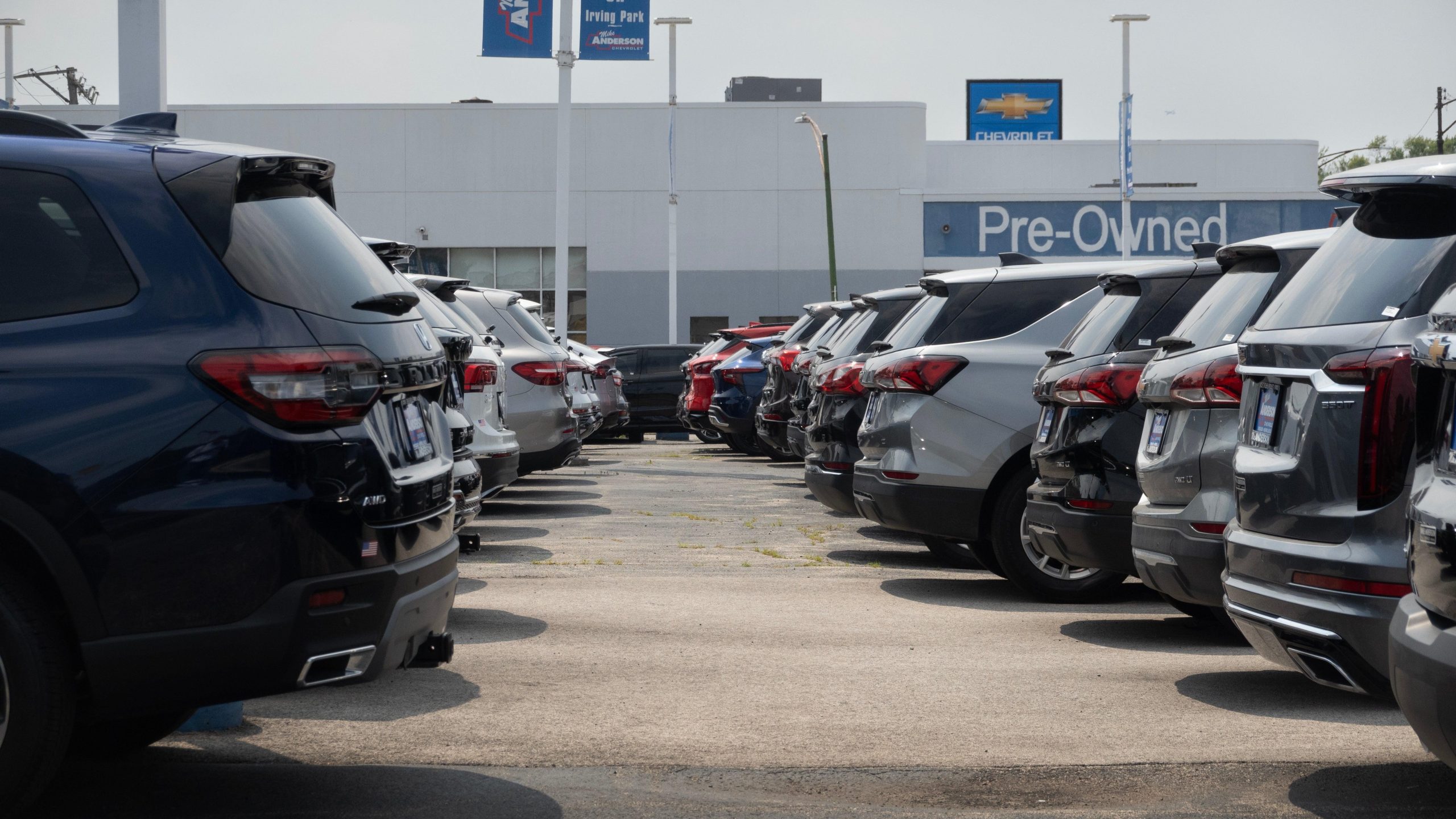
In 2016, the used car market was less critical to affordability, since new cars were still reasonably priced. Today, used cars have become a central strategy for stretching limited budgets.
Depreciation remains steepest in a vehicle’s first three years. This makes lightly used, low-mileage vehicles particularly attractive value plays for $30,000 shoppers.
Affordability in Broader Context
Affordability isn’t just about sticker price. It’s also about how many months of income a typical car requires. Buyers in 2026 reportedly need around seven months of median income to purchase an average new vehicle. That’s a heavier burden than most buyers faced back in 2016.
Wage growth has not kept pace with rising vehicle prices in recent years. This gap is a key reason $30,000 feels more constrained today than it did a decade ago.
Insurance costs have also risen alongside vehicle prices generally. Higher-value vehicles typically carry higher insurance premiums, adding further pressure on ownership costs.
Final Comparison
In 2016, $30,000 was a near-average budget that opened doors to sedans, SUVs, hybrids, and even sports cars. Choice was abundant, and trims were often fully loaded.
In 2026, that same $30,000 functions as a budget-tier number. It buys compact cars, base-trim crossovers, and increasingly, used vehicles rather than new midsize options.
What’s changed most isn’t just price, but positioning. A number that once sat near the market’s center now sits well below it.
Buyers today still get real value at $30,000, especially in safety and technology. But the sheer breadth of choice that existed in 2016 has narrowed considerably.
